标签: Asia

亚洲

  • Visa-free travel: Philippine passport holders can now visit 77 countries

    Visa-free travel: Philippine passport holders can now visit 77 countries

    Filipino citizens are experiencing unprecedented global mobility as the Philippine passport now provides access to 77 international destinations through various facilitated entry programs. According to the latest Passport Index rankings, the document holds the 62nd global position with a mobility score of 77, reflecting significantly enhanced travel freedom for holders.

    The expanded access encompasses four distinct entry categories: visa-free admission, electronic visa authorization, visa-on-arrival processing, and electronic travel authorizations (ETAs). This development transforms international travel from bureaucratic challenge to accessible reality for Filipino explorers.

    Visa-free access covers 35 destinations where passport holders can present their documentation without prior arrangements. These include cultural hotspots like Thailand, Vietnam, and Singapore; South American destinations such as Brazil, Peru, and Colombia; and island paradises including Barbados and Fiji.

    Electronic visa availability extends to 47 countries where Filipinos can complete streamlined online applications without embassy visits. This category includes Middle Eastern destinations like Saudi Arabia, UAE, and Qatar; African nations including South Africa and Rwanda; and European destinations such as Ukraine and Moldova.

    The visa-on-arrival option covers 24 destinations where travelers can complete entry procedures at their port of arrival, including tourist favorites like Mauritius, Maldives, and Tanzania. Additionally, electronic travel authorizations provide simplified pre-screening for Kenya, Israel, and Seychelles.

    This enhanced mobility reflects growing international recognition of Philippine passport holders and facilitates cultural exchange, business opportunities, and personal enrichment through more accessible global travel.

  • Stanford University economist praises progress in China’s rural health system

    Stanford University economist praises progress in China’s rural health system

    A leading development economist from Stanford University has identified substantial advancements within China’s rural healthcare infrastructure and childhood nutrition initiatives as remarkable achievements. Dr. Scott Rozelle, who serves as co-director of the Stanford Center on China’s Economy and Institutions, provided a detailed assessment of the systemic reforms implemented over the past decade.

    In a recent interview, Dr. Rozelle emphasized the successful creation of a unified medical network that seamlessly integrates county hospitals with township clinics and village health outposts. This strategic consolidation has fostered unprecedented collaboration among healthcare professionals across different tiers of rural medical institutions, significantly enhancing service delivery.

    The functional scope of rural healthcare providers has been notably expanded to encompass comprehensive public health duties. These now include extensive vaccination campaigns, routine geriatric health assessments, and consistent home visitation programs. Improvements in transportation and communication infrastructure have been pivotal, enabling practitioners to effectively monitor elderly patients, promote wellness education, and ensure adherence to prescribed medications.

    Official statistics from China’s National Health Commission reveal the establishment of 3,099 tightly-knit medical consortia operating across 2,199 county-level regions. These consortia, predominantly spearheaded by county-level hospitals, are specifically designed to augment the capabilities of smaller township health centers and village clinics.

    Service accessibility has seen dramatic improvements, with over 85% of community health centers and township clinics now providing weekend vaccination services. Furthermore, 95% of these facilities offer long-term prescription services, allowing patients to obtain several months’ worth of medication in a single visit, thereby reducing the burden of frequent travel for chronic conditions.

    Dr. Rozelle particularly highlighted the nation’s progress in pediatric health outcomes, citing increased hospital delivery rates, enhanced postnatal nutritional guidance, and substantially improved school meal programs. Regular infant wellness examinations now incorporate crucial nutritional education for parents, including the important recommendation to begin complementary feeding at six months.

    These efforts, combined with a national program providing free nutritious meals to rural students, have yielded significant improvements in child nutrition metrics. The initiatives have contributed to reduced anemia rates and better cognitive and language development among young children.

    Supporting data indicates systematic management rates for both pregnant women and newborns remain consistently above 90%. Concurrently, maternal and infant mortality rates have continued their downward trajectory, positioning China among the top-performing upper-middle-income nations globally. By the end of 2024, the maternal mortality ratio declined to 14.3 per 100,000 live births, while the infant mortality rate dropped to 4 per 1,000 live births.

    Dr. Rozelle concluded that China’s developmental experience in healthcare presents valuable insights for other developing nations in Southeast Asia and Africa, though he stressed the importance of tailoring such approaches to specific local conditions.

  • China’s Red Cross boasts 3.5m registered volunteers and 34,000 service organizations

    China’s Red Cross boasts 3.5m registered volunteers and 34,000 service organizations

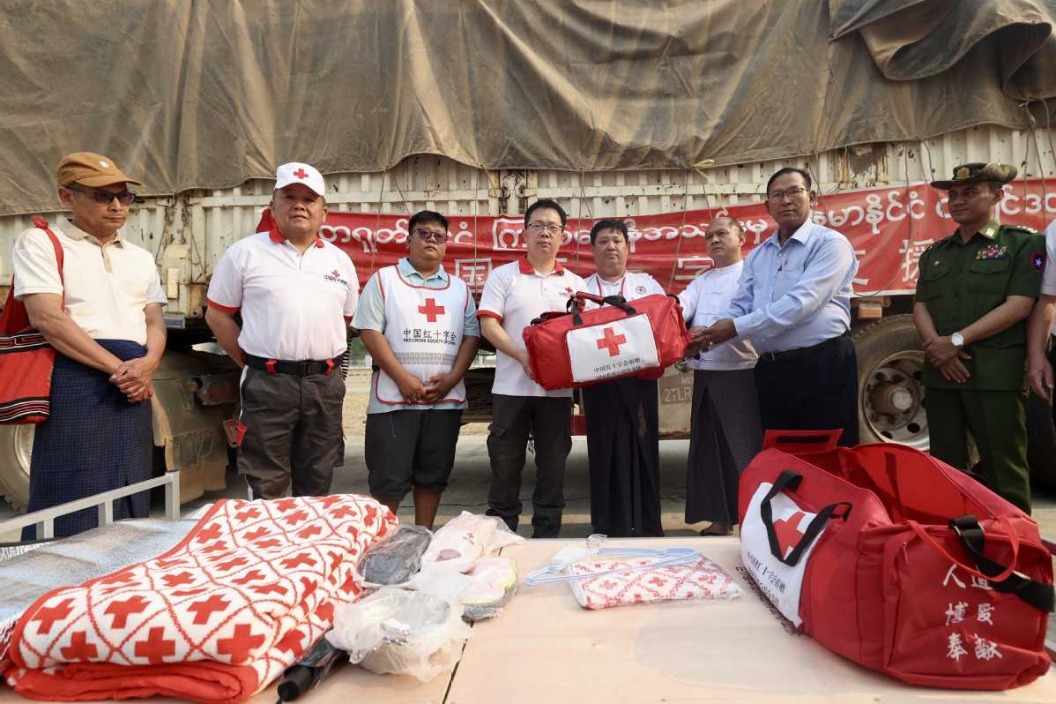
    The Red Cross Society of China has revealed an extensive humanitarian network comprising approximately 3.5 million registered volunteers and 34,000 dedicated service organizations across the nation. This announcement was made during a press conference on Monday by Vice-President Wang Bin, highlighting the organization’s significant capacity for emergency response and community support.

    Throughout 2025, the humanitarian organization has demonstrated its operational capabilities by deploying rescue teams on 2,580 separate occasions, engaging a total of 29,921 personnel and volunteers. These deployments have provided critical assistance during numerous natural disasters, including earthquake relief operations in Myanmar and China’s Xizang autonomous region, alongside emergency responses to severe typhoons, torrential rains, and devastating floods affecting multiple regions including Beijing, Guangdong, Guizhou, Liaoning, Hebei, Gansu, and the Guangxi Zhuang autonomous region.

    In the aftermath of the tragic residential fire in Hong Kong on November 26, the Hong Kong Red Cross activated its first local disaster relief emergency service team with support from the mainland organization. The Red Cross continues to monitor the needs of affected residents while supporting recovery and community rebuilding efforts through its Hong Kong branch.

    The organization’s preventive health initiatives have included conducting 4.25 million emergency rescue certification trainings and installing 86,000 automated external defibrillators in public spaces such as schools, communities, and transportation hubs.

    As the national manager of blood and bone marrow donations, China now maintains Asia’s largest bone marrow donor registry, ranking fourth globally with 3.72 million registered volunteers and 21,000 completed donations. The organization also reported that 7.28 million people have registered as organ donation volunteers, with over 60,000 posthumous donations resulting in the provision of 195,000 organs for transplantation.

    Additionally, the Red Cross has established more than 6,000 community-based projects specifically designed to enhance disaster preparedness and provide volunteer assistance and care services to vulnerable populations.

  • Chinese gamer recreates Old Summer Palace in  Minecraft

    Chinese gamer recreates Old Summer Palace in Minecraft

    In an extraordinary fusion of gaming creativity and cultural preservation, a Chinese Minecraft enthusiast has achieved a remarkable digital reconstruction of Beijing’s historic Yuanmingyuan, also known as the Old Summer Palace. The ambitious project, spearheaded by gamer Qiu Zekai (online alias Qiuxiaoniuer), represents one of the most detailed virtual recreations of the destroyed imperial complex within the popular sandbox video game.

    The reconstruction showcases meticulous attention to architectural accuracy and historical detail, transforming the game’s block-based environment into a breathtaking digital replica of the palace grounds. Through countless hours of dedicated work, the creator has effectively resurrected the splendor of this cultural landmark that was largely destroyed during historical conflicts.

    This virtual recreation allows viewers to experience serene fly-through perspectives of the palace complex, offering both educational value and artistic appreciation. The project demonstrates how modern gaming platforms can serve as unexpected mediums for cultural preservation and historical education, bridging the gap between digital entertainment and heritage conservation.

    The achievement has garnered significant attention within gaming communities and cultural preservation circles alike, highlighting the growing intersection between digital technology and historical appreciation. Such projects represent a new frontier in how younger generations engage with and reinterpret cultural heritage through contemporary digital mediums.

  • India: 126 flights cancelled at Delhi airport as fog disrupts operations

    India: 126 flights cancelled at Delhi airport as fog disrupts operations

    New Delhi’s Indira Gandhi International Airport experienced significant operational paralysis on Tuesday, December 16th, 2025, as dense morning fog created hazardous low-visibility conditions, forcing the cancellation of 126 flights. Aviation authorities confirmed 49 departures and 77 arrivals were scrapped as visibility dropped below safe operational thresholds.

    The airport administration issued an official fog alert at 6:00 AM Indian Standard Time, notifying travelers that while recovery operations were underway, substantial disruptions would persist throughout the morning for both inbound and outbound services.

    IndiGo, India’s largest carrier, bore the brunt of the weather chaos, canceling 110 flights across its network. The airline proactively communicated with passengers through advance notifications, acknowledging that winter conditions in Northern India frequently create aviation challenges during early morning hours.

    The airline stated: “Our teams remain on high alert, continuously monitoring developing weather patterns. We’re implementing strategic adjustments to ground operations to minimize passenger inconvenience and ensure waiting periods are as comfortable as possible under these challenging circumstances.”

    Compounding the transportation crisis, Delhi simultaneously grappled with severely deteriorated air quality. The Central Pollution Control Board recorded an Air Quality Index (AQI) of 378 at 8:00 AM, categorizing the capital’s atmosphere as ‘very poor’ and raising substantial public health concerns among the metropolitan population. This dual environmental challenge of dense fog and hazardous pollution created particularly difficult conditions for residents and travelers alike.

  • Lhasa’s dancing yak mascots become online sensation

    Lhasa’s dancing yak mascots become online sensation

    In an unexpected cultural phenomenon, a troupe of dancing yak mascots has taken social media by storm from their riverside stage in Lhasa, Tibet. These charismatic performers have amassed millions of online views through their innovative blend of traditional Tibetan dance with contemporary Latin, samba, and pop movements.

    The mascots represent a groundbreaking cultural tourism initiative rooted in Tibet’s rich heritage, particularly drawing inspiration from the traditional leather boat dance. What distinguishes these performances is their modern reinterpretation of cultural elements, creating an accessible bridge between Tibetan traditions and global entertainment trends.

    According to Basang Tenzin, deputy general manager of Lhasa Potala Tourism and Culture Group, the viral success emerged organically. ‘The convergence of the distinctive white yak design, professional performers embodying the character, and authentic Tibetan cultural elements created this perfect storm of popularity,’ Tenzin explained.

    The attraction has drawn visitors from across China, with enthusiasts traveling from Gansu, Jiangsu, and Xinjiang specifically to witness the performances. Qu Shuhan, marketing staff at project operator Lhasa Lanjie Culture and Tourism Co, confirmed the mascots’ broad appeal to both locals and tourists.

    Long-term resident Fu Shiyu expressed pride in the development: ‘Their round, adorable, and friendly appearance has drawn more people here. It’s rewarding to see them help more people discover Lhasa and Tibetan culture.’

    The dancing yaks form part of a comprehensive strategy to activate Lhasa’s riverside spaces through cultural programming that includes night cruises, light displays, and themed performances. This joint initiative between local authorities and private enterprises is projected to attract 500,000 annual visitors and generate over 300 million yuan ($42.6 million) in revenue, according to a September statement from Lhasa’s publicity department.

  • Sharjah math teacher named Top 50 finalist for $1 million global teacher prize

    Sharjah math teacher named Top 50 finalist for $1 million global teacher prize

    Hala Shahin, a distinguished mathematics educator from Sharjah’s Khawla Bint Tha’albaa School, has achieved international recognition as one of the top 50 finalists for the 2026 Global Teacher Prize. This prestigious $1 million award, now celebrating its tenth anniversary, represents the world’s most substantial honor for educational excellence. Selected from an impressive pool of over 5,000 candidates across 139 nations, Shahin’s innovative teaching methodologies have transformed mathematical education throughout the UAE and Arab region.

    Shahin’s educational philosophy combines cutting-edge technology with engaging pedagogical approaches. She has developed sophisticated tracking systems and AI-powered assessment tools while pioneering a play-based instructional model that makes mathematics accessible and enjoyable for students. Her signature programs—the Guiding Young Talents framework and Treasures of Mathematics resources—have demonstrated remarkable success in supporting students with disabilities and achieving perfect scores.

    Beyond conventional mathematics instruction, Shahin integrates climate education and community service through initiatives like the ‘You Are Strong’ project, Khawla Sustainability Competition, and student Red Crescent team. These programs effectively connect mathematical concepts with real-world applications in sustainability and social responsibility.

    As a Microsoft Certified Trainer and multiple national award recipient, Shahin has spent nearly three decades refining her craft since being inspired by a transformative math teacher at age 14. Beginning her career in Egypt before moving to the UAE, she has merged advanced studies in school leadership and artificial intelligence with practical classroom experience to develop a new generation of innovative thinkers.

    The Global Teacher Prize, established by Sunny Varkey through GEMS Education and The Varkey Foundation, recognizes educators who profoundly impact students’ lives beyond the classroom. UNESCO Assistant Director-General for Education Stefania Giannini emphasized the critical role of teachers in addressing global challenges, including educator shortages and climate action, noting that investment in teachers is essential for building a sustainable future.

    The selection process will now advance to choosing ten finalists, with the ultimate winner determined by the Global Teacher Prize Academy and announced at the World Governments Summit in Dubai in February 2026.

  • China handles over 180b parcels in first 11 months

    China handles over 180b parcels in first 11 months

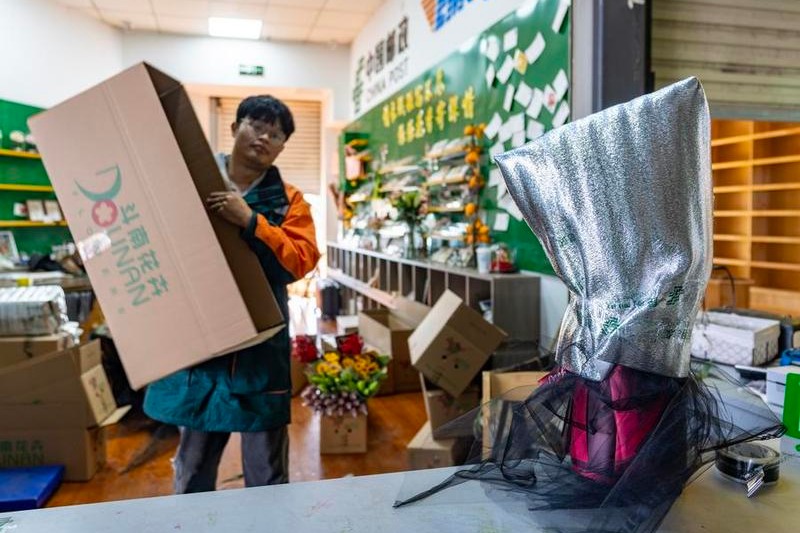
    China’s logistics sector has demonstrated remarkable resilience and growth, with official data revealing the handling of over 180 billion parcel deliveries during the initial eleven months of 2025. This substantial volume represents a significant year-on-year increase of approximately 15%, underscoring the sector’s robust expansion amid evolving market conditions.

    The State Post Bureau of China, the nation’s postal regulatory authority, released these figures on Tuesday, December 16, 2025. The data highlights the continuous expansion of China’s delivery infrastructure, which has become increasingly vital to both domestic economic activity and global supply chains.

    This growth trajectory reflects several converging factors: the deepening penetration of e-commerce platforms in both urban and rural markets, technological advancements in logistics automation, and improved last-mile delivery capabilities across the country’s diverse geographic regions. The sector’s performance remains a key indicator of domestic consumption patterns and economic vitality.

    The report emerges alongside other significant developments in China’s infrastructure and technology sectors, including railway passenger records and satellite launches, painting a picture of comprehensive technological and logistical advancement. The parcel delivery milestone particularly highlights how digital transformation continues to reshape consumer behavior and commercial distribution networks throughout China.

  • Winter swimmers dive into frigid waters in Harbin

    Winter swimmers dive into frigid waters in Harbin

    In a breathtaking display of human endurance, dedicated winter swimmers in Harbin defied extreme subzero temperatures to plunge into the frozen waters of the Songhua River. With recent temperatures plummeting to -20°C (-4°F), these cold-water enthusiasts demonstrated remarkable resilience as they leaped from a 4-meter-high diving platform into the icy current below.

    The event transformed the riverbank into a spectacle of human determination, with each diver receiving enthusiastic applause from gathered spectators. These winter swimming practitioners, who regularly brave the harsh conditions, consider the activity both a physical challenge and a wellness practice that boosts immunity and mental fortitude.

    Harbin, known for its brutally cold winters and spectacular ice festivals, has long been a hub for winter swimming enthusiasts. The tradition represents a unique cultural phenomenon in northern China where residents embrace rather than retreat from the extreme winter conditions. The swimmers’ ability to withstand such frigid temperatures continues to attract both participants and observers, creating a distinctive winter tradition that highlights human adaptability to challenging environments.

  • Millions facing acute food insecurity in Afghanistan as winter looms, UN warns

    Millions facing acute food insecurity in Afghanistan as winter looms, UN warns

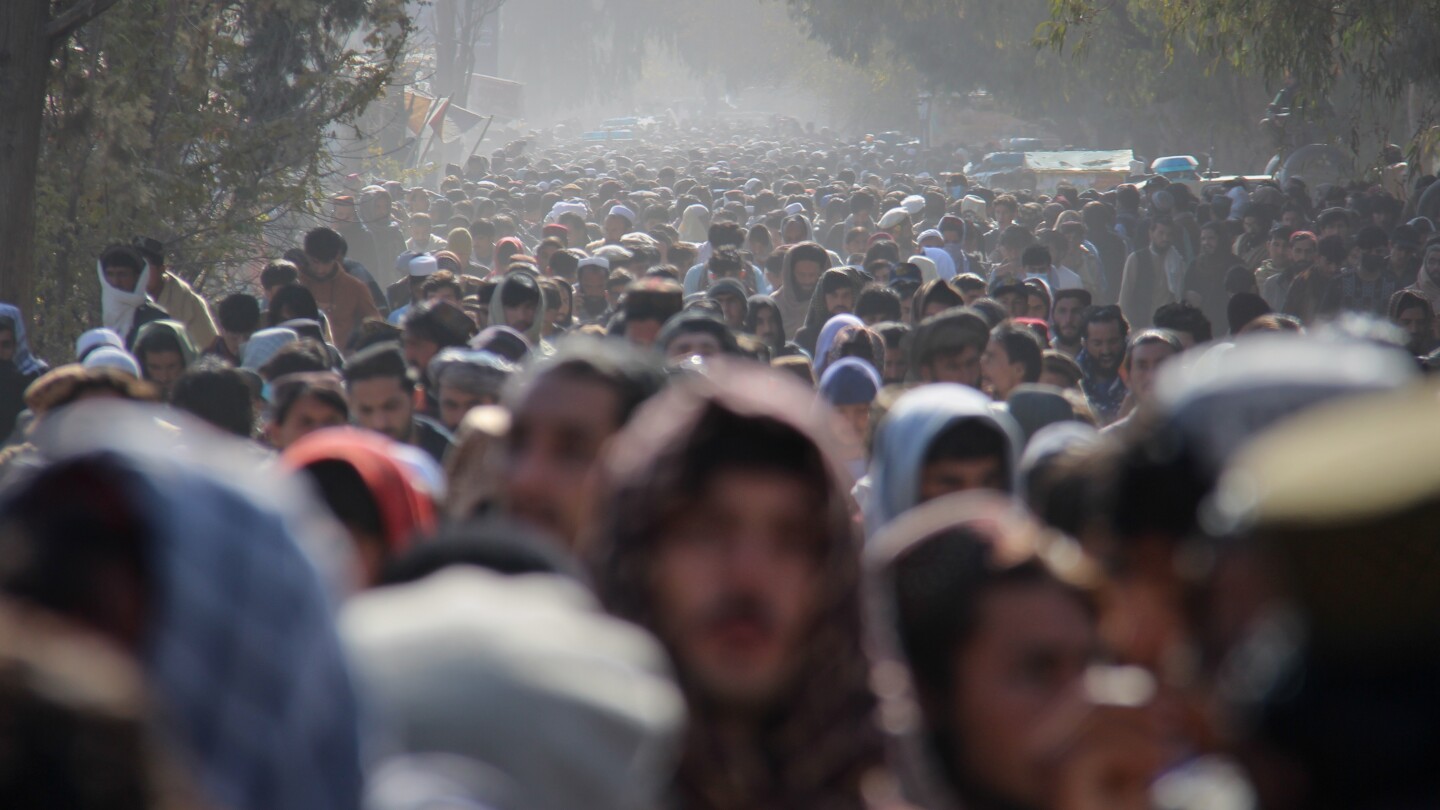
    GENEVA — Afghanistan confronts an escalating humanitarian emergency as winter approaches, with over 17 million citizens—more than one-third of the population—projected to experience crisis-level food shortages through March 2026. This alarming figure represents a significant increase of approximately 3 million people compared to the previous year’s assessment.

    The Integrated Food Security Phase Classification (IPC), the global authority monitoring hunger crises, attributes this deterioration to multiple converging factors: persistent economic instability, recurring drought conditions, diminishing international aid flows, and the substantial return of Afghan nationals from neighboring Iran and Pakistan. These returnees, numbering over 2.5 million this year alone, have placed additional strain on already limited resources.

    Jean-Martin Bauer, Director of Food Security at the United Nations World Food Program, emphasized the severity of the situation during a Geneva press briefing. “The IPC data reveals that more than 17 million Afghans are confronting acute food insecurity—a distressing increase of 3 million from last year’s figures,” Bauer stated via video link from Rome.

    The crisis particularly threatens Afghanistan’s most vulnerable populations. Bauer highlighted that “nearly 4 million children currently suffer from acute malnutrition, with approximately 1 million experiencing severe acute malnutrition requiring immediate hospital treatment.”

    Current food assistance reaches merely 2.7% of the population, according to IPC reports. This inadequate response is compounded by economic fragility, widespread unemployment, and reduced remittance flows from abroad.

    The United Nations recently characterized Afghanistan’s situation as both “severe” and “precarious” as the country enters its first winter without U.S. foreign assistance and with virtually no international food distribution. Tom Fletcher, the UN Humanitarian Chief, informed the Security Council that “overlapping shocks”—including recent devastating earthquakes and increasing restrictions on humanitarian access—have further exacerbated the crisis.

    While nearly 22 million Afghans will require UN assistance in 2026, the organization will prioritize 3.9 million individuals facing the most urgent life-threatening conditions due to constrained donor contributions. The IPC projects potential improvement may begin with the spring harvest season starting in April.