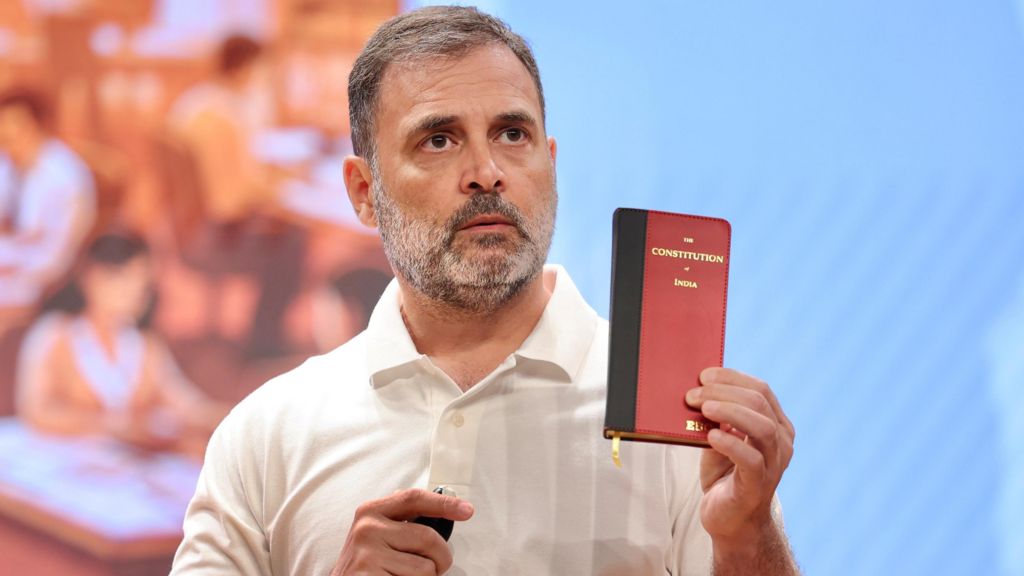
Indian opposition leader Rahul Gandhi has intensified his criticism of India’s Election Commission (ECI), accusing its chief, Gyanesh Kumar, of shielding those who are ‘murdering democracy.’ Speaking at a press conference in Delhi on Thursday, Gandhi alleged that voter rolls had been manipulated to favor the ruling Bharatiya Janata Party (BJP) in key state elections. He claimed to possess ‘100% proof’ of electoral rigging and criticized the ECI for ignoring repeated complaints from his Congress party. The ECI dismissed the allegations as ‘incorrect and baseless,’ while the BJP also rejected the claims. This marks the latest in a series of accusations Gandhi has leveled against the ECI since August, when he first alleged widespread voter manipulation during last year’s parliamentary elections. Gandhi cited specific instances, including the deletion of over 6,000 voter names in Karnataka’s Aland constituency, predominantly affecting minority and disadvantaged groups known to support Congress. He also highlighted the addition of 6,850 allegedly fake names in Maharashtra’s Rajura constituency. Despite the ECI’s rebuttal, Gandhi’s claims have garnered support from opposition parties and some former election commissioners, who argue that the ECI must address concerns about the credibility of India’s electoral process.
标签: Asia
亚洲
-
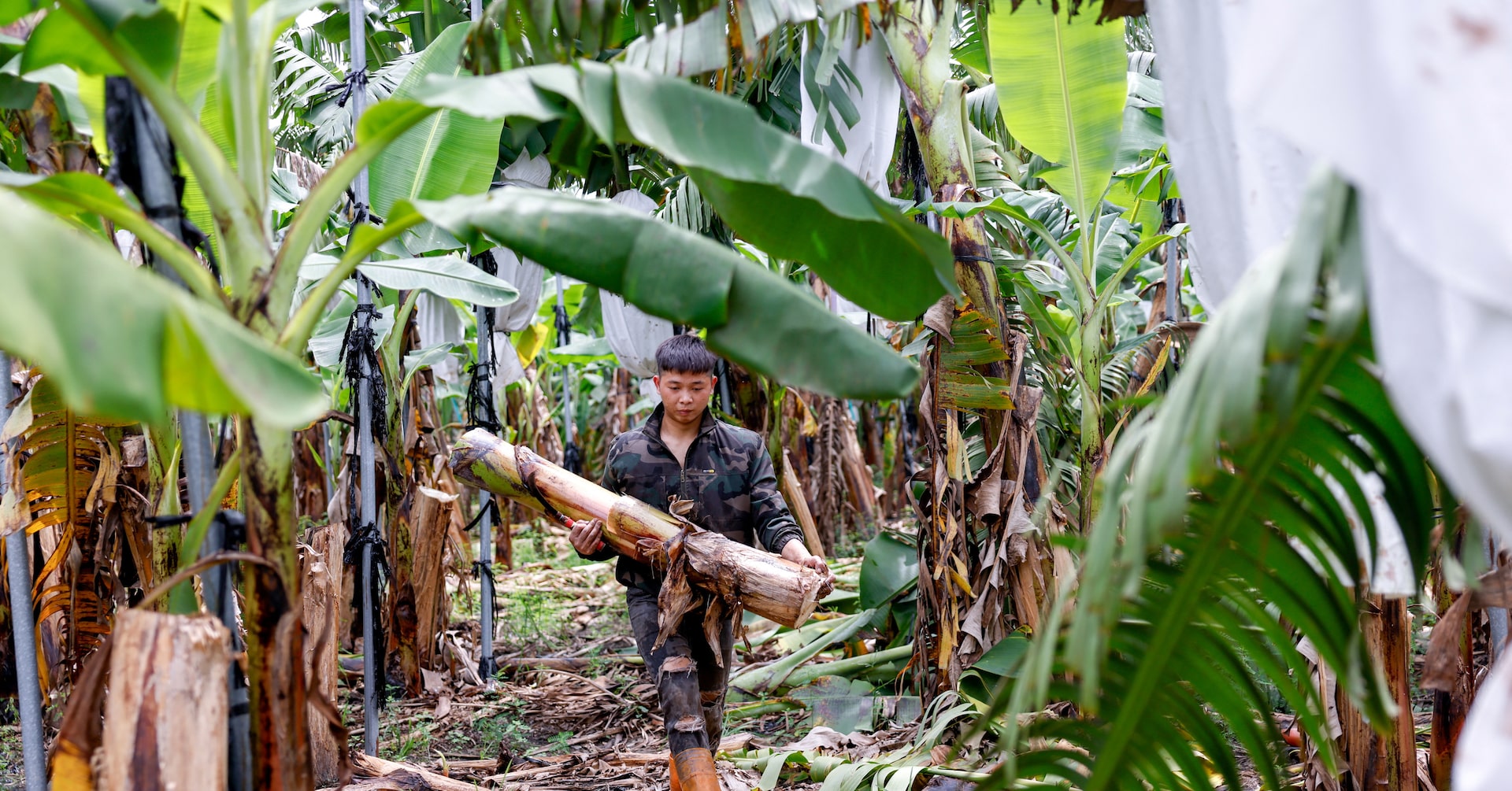
Bananas? Taiwan entrepreneur wants to make clothes out of plant material
In a groundbreaking move towards sustainability, entrepreneur Nelson Yang is transforming banana plants into eco-friendly textiles in Taiwan. Based in Changhua, Yang’s company, Farm to Material, is utilizing the pseudostem of banana plants—typically discarded after harvest—to create fibres for clothing and vegan leather. This innovative approach not only repurposes agricultural waste but also aligns with global demands for sustainable sourcing. Historically, Taiwan was known as the ‘banana kingdom’ during the 1960s, a title that has since been overshadowed by its dominance in the semiconductor industry. Yang’s initiative revives this legacy by turning banana fibre into a viable textile material. According to Charlotte Chiang of the Taiwan Textile Federation, banana fibre outperforms cotton in water consumption, absorbency, and supply stability, making it a promising candidate for future applications in the textile industry. While the business is still in its early stages, it holds significant potential to position Taiwan as a leader in biomass fibre innovation.
-

Taylor Townsend sorry for videos mocking Chinese cuisine
September 18, 2025 – Tennis star Taylor Townsend issued a public apology on social media following backlash over her disparaging comments about Chinese food. The incident occurred during her participation in the Billie Jean King Cup in Shenzhen, where she posted a series of now-deleted Instagram videos mocking a local buffet that featured dishes like bullfrogs and soft-shelled turtles. In the videos, Townsend questioned whether bullfrogs were ‘poisonous’ and humorously suggested she might need to ‘talk to HR’ about the food. Her remarks sparked widespread criticism for their cultural insensitivity. Townsend, 29, took to Instagram to express her remorse, stating, ‘I just wanted to come on here and apologize sincerely from the bottom of my heart.’ She acknowledged that her comments did not reflect her positive experiences in China and vowed to ‘be better.’ The incident has drawn attention to the importance of cultural sensitivity, especially for public figures representing their countries on the global stage.
-

New Zealand economy contracts sharply, fuelling bets of steeper rate cuts
New Zealand’s economy experienced a more severe contraction than anticipated in the second quarter of 2023, driven by declining construction activity and global economic uncertainties. Official data released on Thursday revealed a 0.9% quarterly drop in gross domestic product (GDP), significantly worse than the 0.3% decline forecasted by analysts and the Reserve Bank of New Zealand (RBNZ). This marks the third contraction in the past five quarters, with annual GDP falling by 0.6%, contrary to market expectations of stability. Following the disappointing data, the New Zealand dollar fell 0.5% to $0.5932, while two-year swap rates hit their lowest level since early 2022, sliding to 2.7290%. The market now anticipates a 58 basis point reduction in the official cash rate (OCR), with a 20% probability of a 50 basis point cut in October. The RBNZ had previously signaled two additional rate cuts this year, citing constrained household and business spending due to economic uncertainty, declining employment, rising essential prices, and falling house prices. Westpac senior economist Michael Gordon noted that the weaker-than-expected GDP outcome reinforces the RBNZ’s inclination to lower rates further. The economic downturn was widespread, with construction, manufacturing, and services sectors all underperforming. The situation was exacerbated by U.S. import tariffs imposed in April, set at 15% for New Zealand products, higher than the 10% rate for Australian goods. Despite the challenges, there are signs of a modest recovery in the third quarter, with improvements in manufacturing, services, employment, and consumer spending. ANZ Senior Economist Matthew Galt suggested that while the economy may avoid another technical recession, a 50 basis point rate cut remains a possibility if data continues to underwhelm.
-
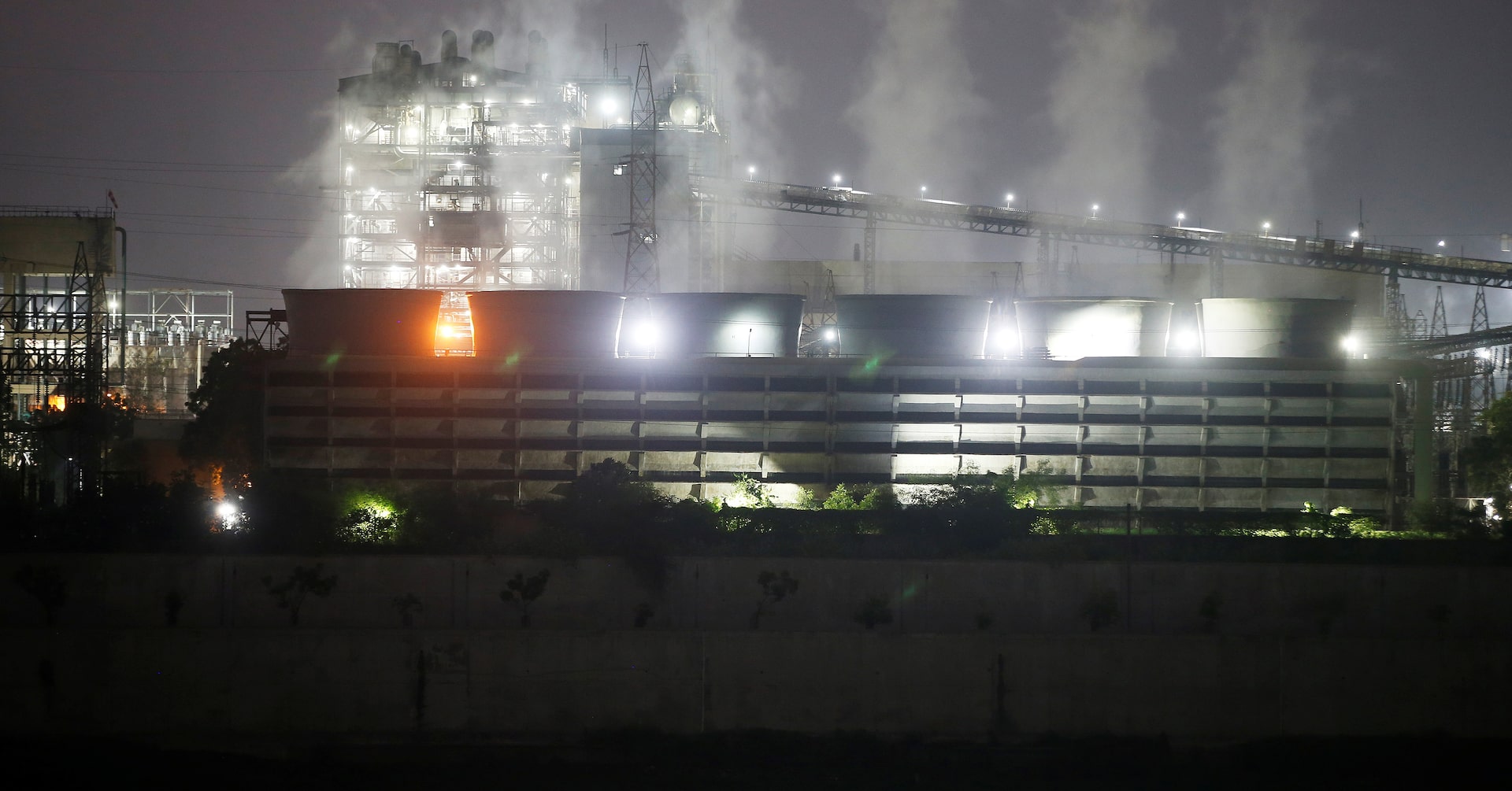
India’s power-sector CO2 emissions fall for second time in over four decades, report says
India’s power sector witnessed a notable 1% decline in carbon dioxide emissions during the first half of 2025, marking only the second such reduction in nearly five decades. This shift was driven by a combination of record-breaking clean energy capacity additions and unusually mild weather, which collectively curbed electricity demand, according to a report by the Centre for Research on Energy and Clean Air (CREA). The Helsinki-based think tank attributed 65% of the drop in fossil fuel generation to slower demand growth, 20% to accelerated clean energy expansion, and 15% to increased hydropower output. The analysis, based on official data from various government ministries, revealed that India added 25.1 gigawatts (GW) of non-fossil capacity in the first six months of 2025—a 69% increase from the previous record. This capacity is sufficient to generate nearly 50 terawatt hours (TWh) annually. Additionally, lower temperatures and above-average rainfall between March and May reduced air conditioning usage, while hydropower output surged. Despite a 9TWh rise in total power generation, fossil fuel generation fell by 29TWh. Oil demand growth also stalled, contributing to the broader emissions slowdown. However, emissions from steel and cement production rose sharply due to increased government infrastructure spending. CREA suggested that India’s power-sector emissions could peak before 2030 if clean energy growth continues and demand remains within projections. Historically, the power sector has accounted for half of India’s emissions growth. The country aims to add 500 GW of clean energy by 2030 as part of its broader climate goals.
-
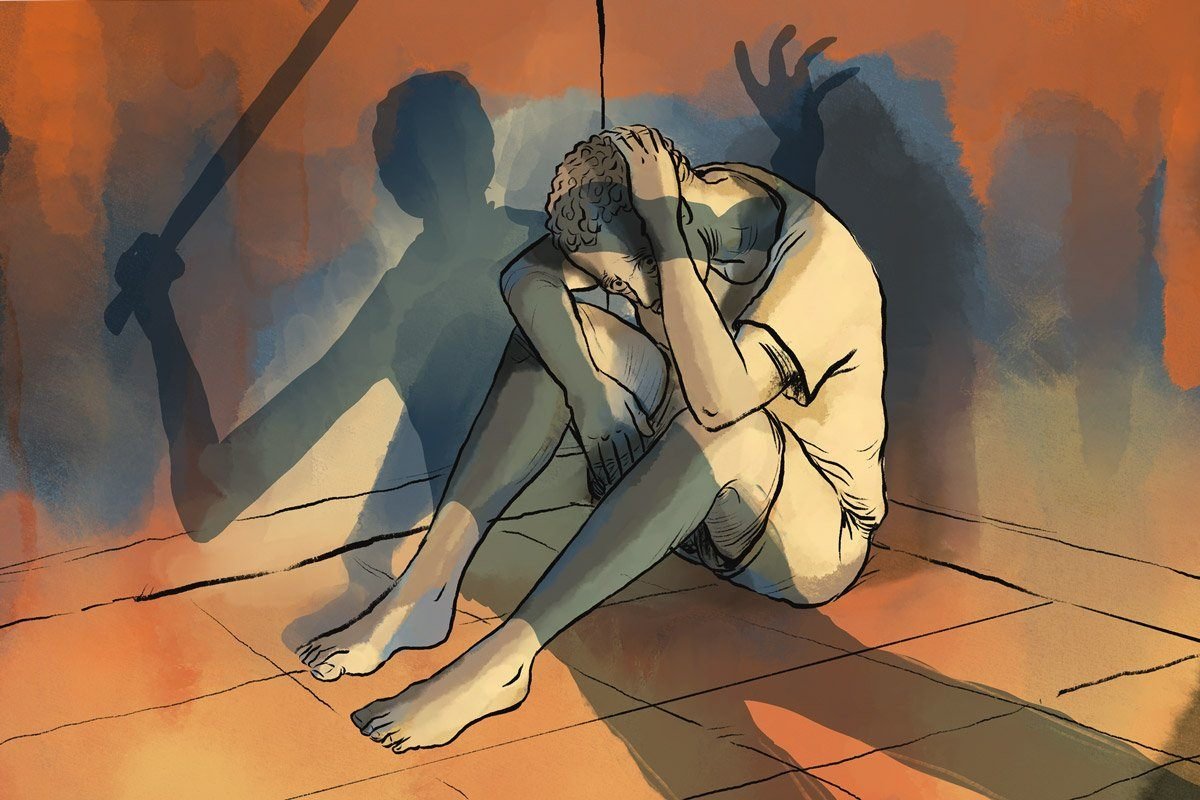
Scammed into scamming
In November 2024, Oly, a 39-year-old IT consultant from East Africa, embarked on what he believed would be a brief vacation in Bangkok, Thailand. However, his journey took a sinister turn when he was abducted and trafficked to a notorious scam center in Myanmar. This incident sheds light on a multibillion-dollar fraud industry thriving in Southeast Asia, fueled by human trafficking and operated by Chinese criminal gangs.
-
Republican lawmaker raises concerns about TikTok divestiture deal
The Republican chair of the House Select Committee on the Chinese Communist Party, Representative John Moolenaar, has expressed significant concerns regarding a proposed U.S.-China framework deal that would transfer TikTok’s U.S. assets to American ownership. Moolenaar highlighted that the deal might still allow Beijing to exert influence over the app’s users through ByteDance’s algorithm and application. This development comes amidst ongoing debates about national security and data privacy concerns associated with the popular social media platform.
-
Boeing, Honeywell sued by Air India crash victim families
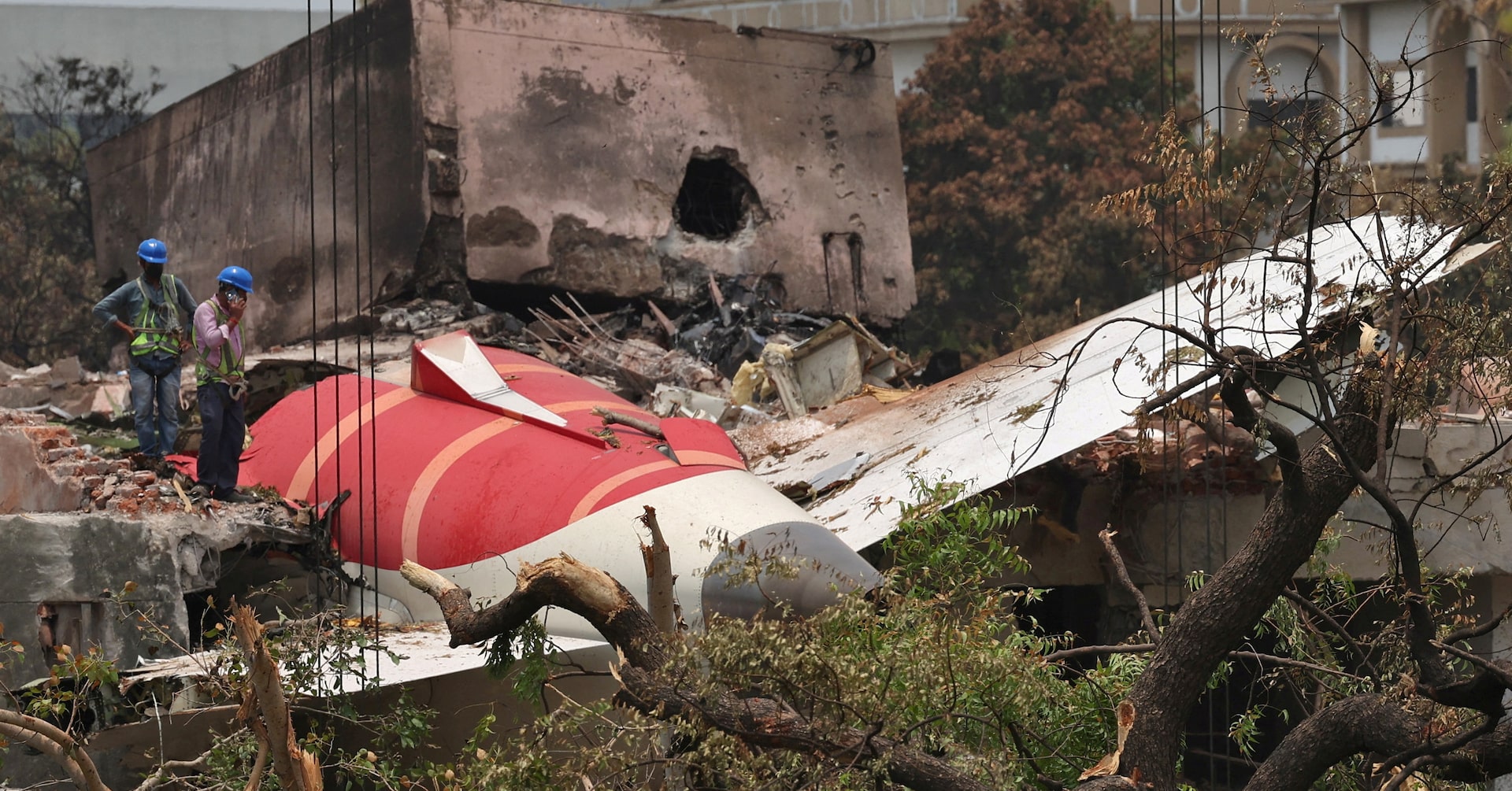
In a tragic incident that shook the aviation world, Air India Flight 171, bound for London’s Gatwick Airport, crashed shortly after takeoff from Ahmedabad, India, on June 12, 2025. The disaster claimed the lives of 260 people, including 229 passengers, 12 crew members, and 19 individuals on the ground. Only one passenger survived. The families of four victims have now filed a lawsuit against Boeing and Honeywell, alleging that faulty fuel cutoff switches were responsible for the crash. The lawsuit, filed in Delaware Superior Court, claims that the switches, manufactured by Honeywell, were defectively designed and positioned in a manner that made them susceptible to accidental activation during normal cockpit operations. The plaintiffs cite a 2018 Federal Aviation Administration (FAA) advisory that recommended inspections of the switches’ locking mechanisms to prevent inadvertent movement. However, Air India reportedly did not conduct these inspections. The preliminary investigation by India’s Aircraft Accident Investigation Bureau (AAIB) found that the throttle control module, which includes the fuel switches, had been replaced in 2019 and 2023 on the ill-fated aircraft. The report also noted that all applicable airworthiness directives and alert service bulletins had been complied with. Despite this, the lawsuit argues that the switches’ design and placement ‘effectively guaranteed that normal cockpit activity could result in inadvertent fuel cutoff.’ Aviation safety experts, however, have expressed skepticism, stating that the switches’ location and design make accidental activation unlikely. Boeing has declined to comment, and Honeywell has not yet responded to requests for comment. The lawsuit seeks unspecified damages for the deaths of Kantaben Dhirubhai Paghadal, Naavya Chirag Paghadal, Kuberbhai Patel, and Babiben Patel. Legal experts suggest that targeting manufacturers like Boeing and Honeywell is a strategic move, as they do not enjoy the same liability limits as airlines. Additionally, U.S. courts are perceived as more favorable to plaintiffs compared to many foreign jurisdictions. This case marks the first lawsuit in the United States related to the Air India Flight 171 crash.
-
Controversial church leader denies bribing ex-South Korea first lady
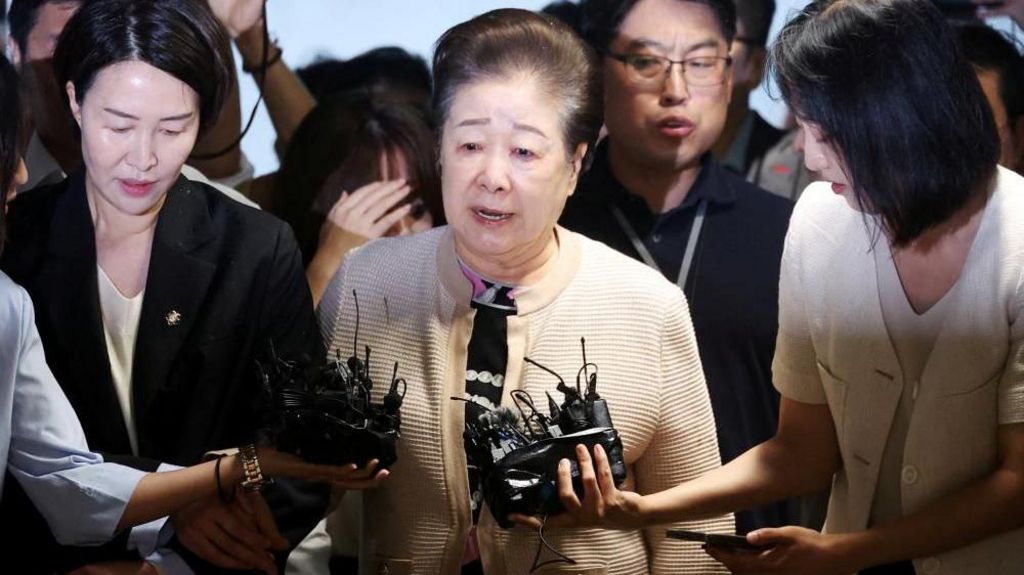
Han Hak-ja, the 82-year-old leader of the controversial Unification Church, has vehemently denied allegations that her organization bribed South Korea’s former first lady, Kim Keon Hee, with luxury gifts in exchange for business favors. The accusations surfaced as Han emerged from a grueling nine-hour interrogation at the prosecutor’s office, where she was questioned about the alleged bribery. Supported by assistants due to her frail health, Han dismissed the claims, stating, ‘No… Why would I do that?’
The former first lady, wife of ousted President Yoon Suk Yeol, is accused of accepting two Chanel bags and a diamond necklace, collectively valued at 80 million won ($57,900), from the church. Kim, who was indicted last month on charges including bribery and stock manipulation, denies all allegations. Her arrest marks a historic moment in South Korea, as it is the first time both a former president and first lady have been jailed.
Yoon, detained in January, faces trial over a failed martial law bid last year that plunged the nation into chaos. Meanwhile, Han shifted blame to a former church official, claiming he acted independently in offering the gifts. The official has since been arrested. Han’s appearance followed her refusal to comply with three prior summonses, citing post-heart surgery pain. An ambulance was reportedly on standby during her interrogation.
In a related development, conservative lawmaker Kweon Seong-dong was arrested on Wednesday for allegedly receiving 100 million won in bribes from the church. Kweon, once a close ally of Yoon, denies the charges.
The Unification Church, formally known as The Family Federation for World Peace and Unification, was founded in the 1950s by Moon Sun-myung, who declared himself the messiah. The church is infamous for its mass weddings, often involving thousands of couples matched by the organization. Critics have labeled it as ‘cult-like,’ with accusations of coercing members, known as ‘Moonies,’ into donating substantial sums.
The church gained international attention following the assassination of Japan’s former Prime Minister Shinzo Abe. The alleged assassin blamed the group for his family’s financial ruin and held a grudge against Abe for allegedly promoting the church. The organization is banned in several countries, including Singapore and, more recently, Japan.
-
Air India crash victims’ families sue aerospace firms Boeing and Honeywell
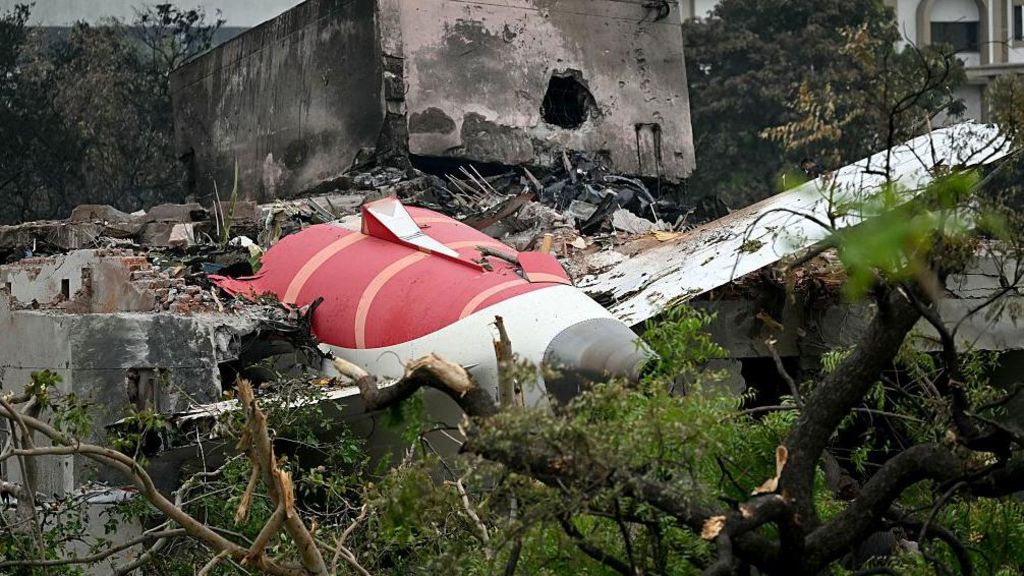
The families of four victims from the tragic Air India Flight 171 crash in June have initiated legal action in the United States against aerospace giants Boeing and Honeywell. The lawsuit, filed on Tuesday, alleges that negligence on the part of these companies led to the catastrophic incident, which claimed the lives of 260 people. The plaintiffs argue that faulty fuel switches, a critical component of the Boeing 787 Dreamliner, were the primary cause of the crash. According to the lawsuit, both Boeing and Honeywell were aware of the design risks but failed to take corrective measures. The preliminary investigation by India’s Aircraft Accident Investigation Bureau (AAIB) revealed that the fuel switch was inadvertently moved from the ‘run’ to the ‘cut-off’ position, resulting in a sudden loss of thrust. The families claim that this design flaw allowed for the accidental cutoff of fuel supply, leading to the disaster. The lawsuit also accuses the companies of not issuing adequate warnings or providing replacement parts to address the issue. Represented by the Texas-based Lanier Law Firm, the families are seeking accountability for what they describe as a preventable tragedy. A more comprehensive report on the crash is expected in 2026.