标签: Asia

亚洲

  • Nickolay Mladenov: The Balkan diplomat who could be UAE’s man in Gaza

    Nickolay Mladenov: The Balkan diplomat who could be UAE’s man in Gaza

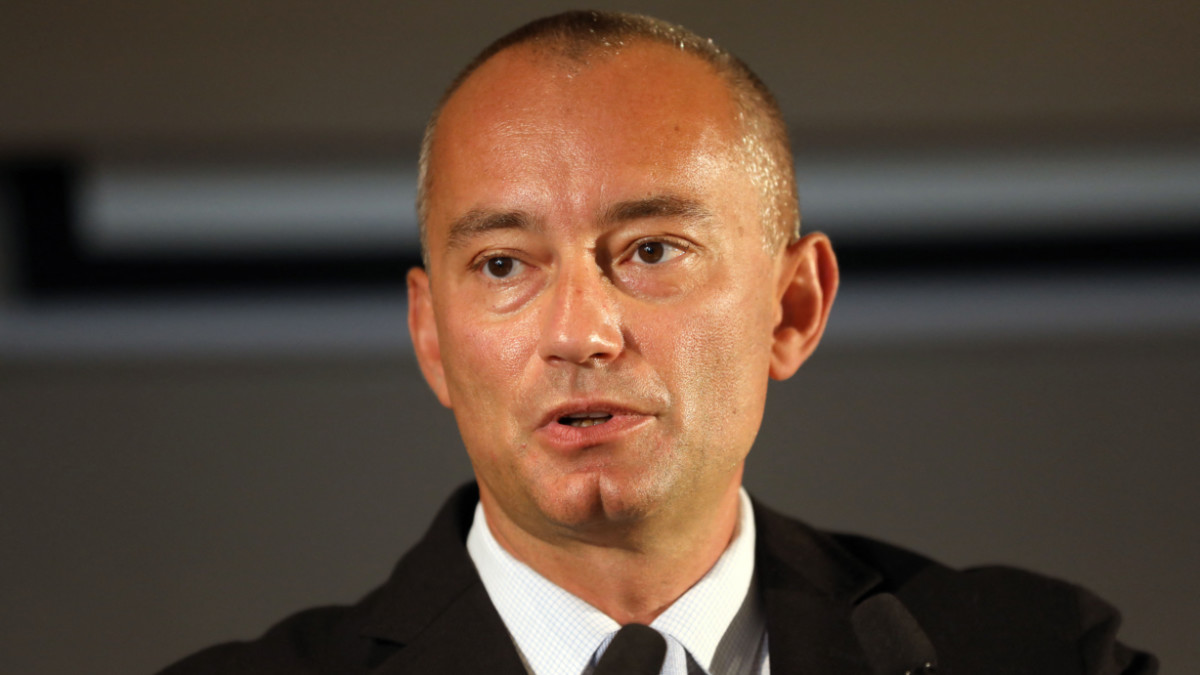
    While Bulgaria grappled with anti-government protests over corruption and economic hardship in November, former Bulgarian Foreign Minister Nickolay Mladenov was simultaneously facilitating high-level economic negotiations between the European Union and the United Arab Emirates in Abu Dhabi. This contrast highlights Mladenov’s remarkable transition from European politics to becoming a central figure in Middle Eastern diplomacy.

    Mladenov has now emerged as a leading candidate to oversee Gaza’s postwar reconstruction efforts on behalf of former President Donald Trump’s proposed ‘Board of Peace.’ His nomination represents a significant shift from earlier considerations of former UK Prime Minister Tony Blair, whose potential appointment faced substantial opposition.

    The Bulgarian diplomat’s journey from his communist-era family background to Middle East peacemaker reflects an unconventional career path. Born in 1972 to a family with ties to Bulgaria’s communist regime—his father served in the country’s KGB equivalent—Mladenov initially advocated for EU integration before serving as Bulgaria’s defense minister (2009-2010) and foreign minister (2010-2013).

    His diplomatic credentials were solidified during his nearly six-year tenure as UN Special Coordinator for the Middle East Peace Process, where he earned rare praise from all conflicting parties, including both the Palestinian Authority and Hamas. Senior Hamas official Khalil al-Hayya notably expressed pride in having known him, while Palestinian politicians described him as ‘a hell of a lot better than the alternative.’

    Mladenov’s effectiveness stems partly from his Balkan background. As he explained in a 2021 New York Times interview: ‘I come from the Balkans. We’ve changed borders. We’ve fought over holy places, languages, churches. When you carry that baggage, it does help you see things a bit differently.’

    The diplomat’s current considerations for the Gaza role follow his successful collaboration with Jared Kushner on the 2020 Abraham Accords, which normalized relations between Israel and several Arab states. Kushner confirmed that the Trump administration ‘confided in’ Mladenov during negotiations and valued his ‘constructive feedback.’

    However, Mladenov’s potential appointment comes amid complex regional dynamics. The UAE has emerged as Gaza’s largest donor among Gulf states, while Saudi Arabia and Qatar have expressed reservations about funding reconstruction without political solutions. The UN Security Council’s mandate for an international stabilization force faces challenges as Arab nations hesitate to deploy between Hamas and Israeli forces.

    Critics note that Mladenov’s strong ties to the UAE and Israel could influence his approach, with one Western official noting that ‘whoever is picked is going to get it on the neck, but Mladenov is very influenced by the UAE, and by extension Israel.’

    The postwar planning itself, currently managed from Tel Aviv by Kushner associates, proposes dividing Gaza into halves with screened Palestinians in Israeli-occupied zones—a controversial framework that would require delicate diplomatic navigation from any appointed envoy.

  • Lebanon says two dead, five injured in Israeli strikes

    Lebanon says two dead, five injured in Israeli strikes

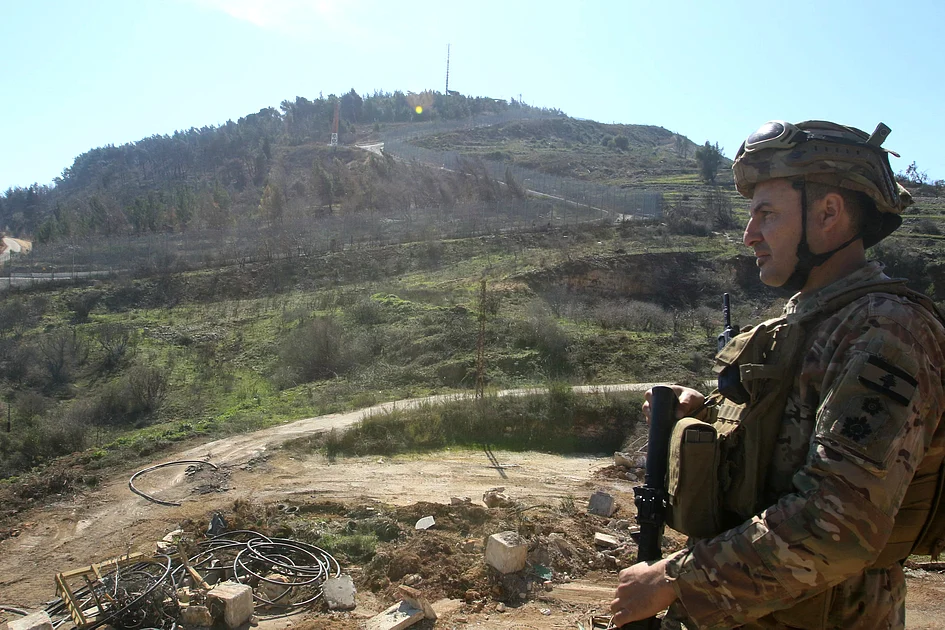
    Israeli military operations in Lebanon resulted in two fatalities and five injuries on Tuesday, escalating tensions despite an ongoing ceasefire agreement. The Lebanese Health Ministry confirmed one individual perished near Beirut’s Shouf district, approximately 30 kilometers south of the capital, while another died in a separate strike in the border town of Odaisseh.

    According to official Israeli military statements, the strikes specifically targeted two Hezbollah operatives, though no further operational details were provided. An AFP correspondent documented emergency responders and Lebanese army personnel attending to a severely damaged goods truck at the Jadra-Siblin roadway incident site.

    These developments occur against the backdrop of the November 2024 ceasefire designed to conclude over a year of hostilities between Israel and the Iran-backed Hezbollah. Despite this agreement, Israeli forces have maintained their presence in five strategic southern Lebanese regions while continuing targeted operations. A recent AFP assessment of Lebanese health reports indicates approximately 340 casualties from Israeli strikes since the ceasefire implementation.

    The Israeli government consistently maintains that these operations focus exclusively on Hezbollah members and infrastructure, aiming to prevent the group’s rearmament capabilities. This persistent violence unfolds as the ceasefire monitoring committee—including representatives from France and the United States—prepares for a critical meeting later this week.

    Under the established ceasefire terms, Hezbollah was mandated to withdraw its forces north of the Litani River and dismantle military infrastructure in the vacated territory. Concurrently, the Lebanese government has approved a disarmament plan requiring the national army to neutralize Hezbollah’s military capabilities south of the Litani by year’s end before addressing remaining regions.

  • US job growth rebounds in November; unemployment rate distorted by shutdown

    US job growth rebounds in November; unemployment rate distorted by shutdown

    The U.S. labor market demonstrated unexpected resilience in November with nonfarm payrolls expanding by 64,000 positions, significantly outperforming economic forecasts. This rebound follows October’s substantial decline of 105,000 jobs, primarily attributed to federal workforce reductions through deferred buyout programs. The statistical landscape remains complicated by methodological adjustments necessitated by the recent 43-day government shutdown, which prevented normal data collection procedures.

    The unemployment rate reached 4.6% in November, representing a four-year peak, though Bureau of Labor Statistics officials caution that this figure requires careful interpretation due to statistical distortions. The shutdown compelled the BLS to implement unconventional methodological changes, including shifting previously-collected data forward one month and adjusting composite weighting formulas. Consequently, the standard errors exceeded typical thresholds, with the November unemployment rate requiring a 0.26 percentage point change to achieve statistical significance compared to September’s 0.21 percentage point benchmark.

    Private sector hiring patterns remained relatively stable since April, though economists note increasing caution among employers regarding President Trump’s aggressive trade policies and tariff implementations. The healthcare sector emerged as the strongest performer, adding 46,000 positions across various sub-sectors, while construction employment grew by 28,000 jobs. Conversely, transportation and warehousing sectors contracted by 18,000 positions, and federal government employment continued its downward trajectory with 6,000 additional job losses.

    Wage growth moderated to 3.5% year-over-year in November, down from October’s 3.7% increase, suggesting that slowing job expansion is beginning to temper compensation increases. This development presents both advantages for inflation control and potential challenges for consumer spending momentum.

    The Federal Reserve’s recent 25-basis-point rate cut brought the benchmark interest rate to 3.50%-3.75%, with officials indicating a likely pause in further reductions pending clearer labor market and inflation signals. Chairman Jerome Powell highlighted significant downside risks in labor market conditions, referencing preliminary benchmark revisions suggesting substantially lower job creation figures than previously reported.

    Consumer spending patterns reveal growing economic stratification, with higher-income households maintaining discretionary spending while lower- and middle-income families demonstrate increased selectivity in purchases. Retail sales remained stagnant in October, reflecting the broader impact of rising living costs on consumption patterns.

  • Saudi-backed forces shift positions amid STC push in Yemen

    Saudi-backed forces shift positions amid STC push in Yemen

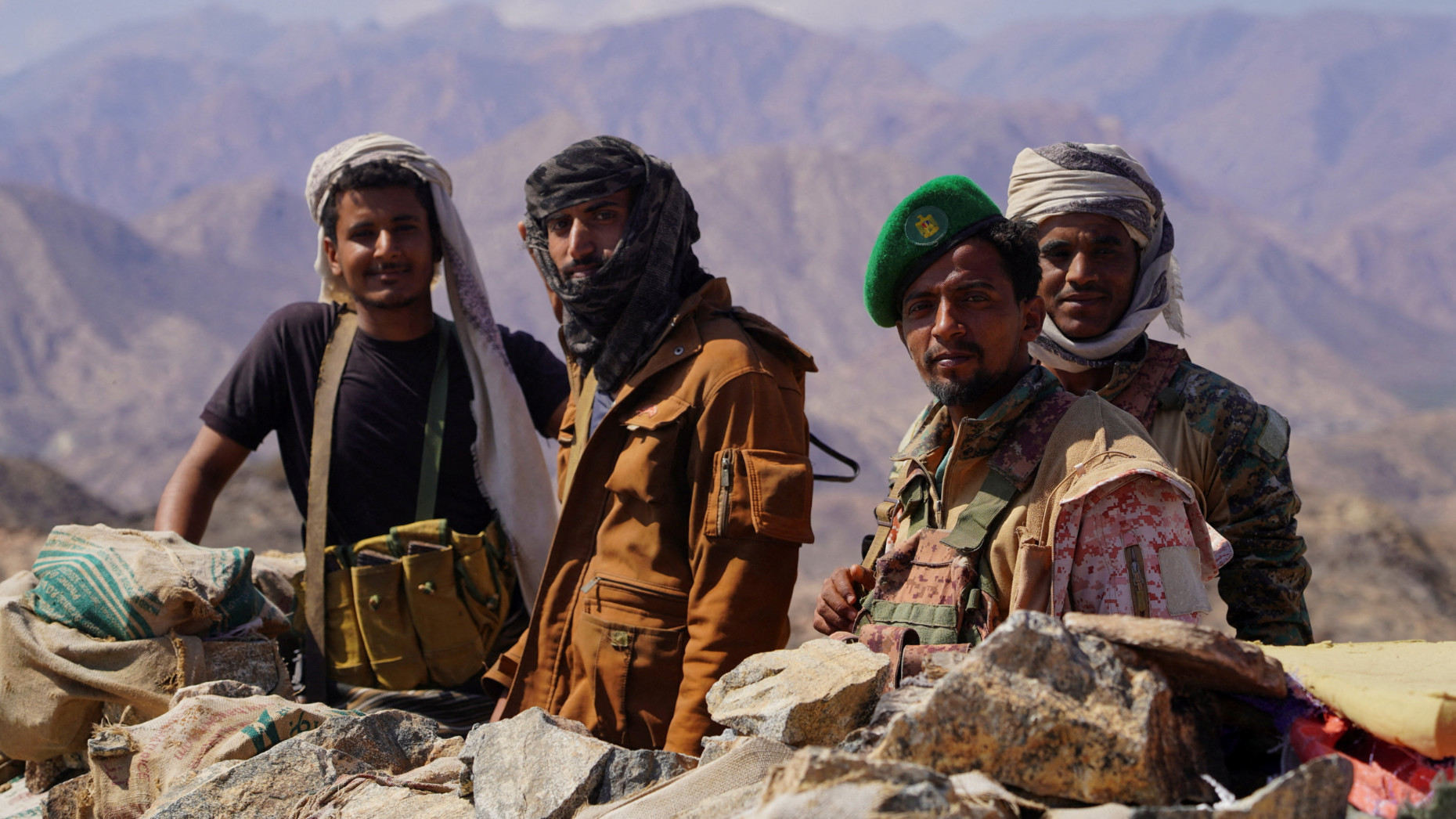
    A significant military redeployment is underway in Yemen’s complex civil war landscape as Saudi-backed forces withdraw from key positions, creating new geopolitical tensions between Gulf powers. The National Shield Forces (NSF), a pro-government military faction, have unexpectedly vacated their regular bases across southern governorates including Aden, Lahj, Abyan, and al-Dhali, repositioning to the strategic corridor between al-Wadiah and al-Abr—immediately west of the contested Hadramaut region.

    This development follows weeks of escalating tensions sparked by the Emirati-backed Southern Transitional Council (STC) asserting control over Hadramaut and al-Mahra governorates. The STC’s armed wing has refused to withdraw from these eastern territories despite pressure from Yemen’s internationally recognized Presidential Leadership Council (PLC).

    Notably, a WhatsApp voice recording circulated by NSF commander Bashir Seif congratulated troops on the redeployment while conspicuously omitting any mention of PLC president Rashad al-Alimi, instead expressing exclusive gratitude to Saudi Arabia’s defense ministry—a telling diplomatic snub that underscores shifting alliances.

    Local reports indicate this realignment follows closed-door negotiations between STC representatives and Saudi military officials, resulting in a tentative understanding: control of Hadramaut would transition to STC-aligned Hadrami Elite Forces, with the separatist group committing to withdraw its own combat units. As part of this arrangement, the STC would consolidate authority over Aden and Socotra while NSF forces establish presence near Saudi border regions.

    The STC justified its eastern expansion as a necessary campaign against corruption, smuggling networks, and extremist organizations including Islamic State and al-Qaeda in the Arabian Peninsula, claiming to restore stability to neglected regions. However, the group’s ultimate objective remains the secession and re-establishment of an independent Southern Yemen, reversing the 1990 unification.

    This power play has exposed growing friction between Saudi Arabia and the United Arab Emirates, both nominal allies in the coalition against Houthi rebels. Saudi Arabia has historically supported Hadrami tribes and the PLC, while the UAE openly backs and funds the separatist STC, with many STC leaders maintaining direct ties to Abu Dhabi.

    The tension manifested unusually publicly through critical coverage in Saudi news outlets—a rare display of diplomatic divergence reminiscent of their differing approaches to the Sudan conflict. Saudi Arabia subsequently closed Yemen’s airspace temporarily, a move analysts suggest facilitated the strategic withdrawal from STC-controlled territories including Aden’s Presidential Palace, facilities at Aden International Airport, and Mayun Island in the critical Bab al-Mandab Strait.

    Concurrently, the STC has been establishing parallel governance structures including the newly created Southern Fatwa Authority, extending its influence beyond military and administrative control to religious legitimacy—a significant step in consolidating state-like authority amid Yemen’s fractured political landscape.

  • UN warns 17 million risk food insecurity in Afghanistan

    UN warns 17 million risk food insecurity in Afghanistan

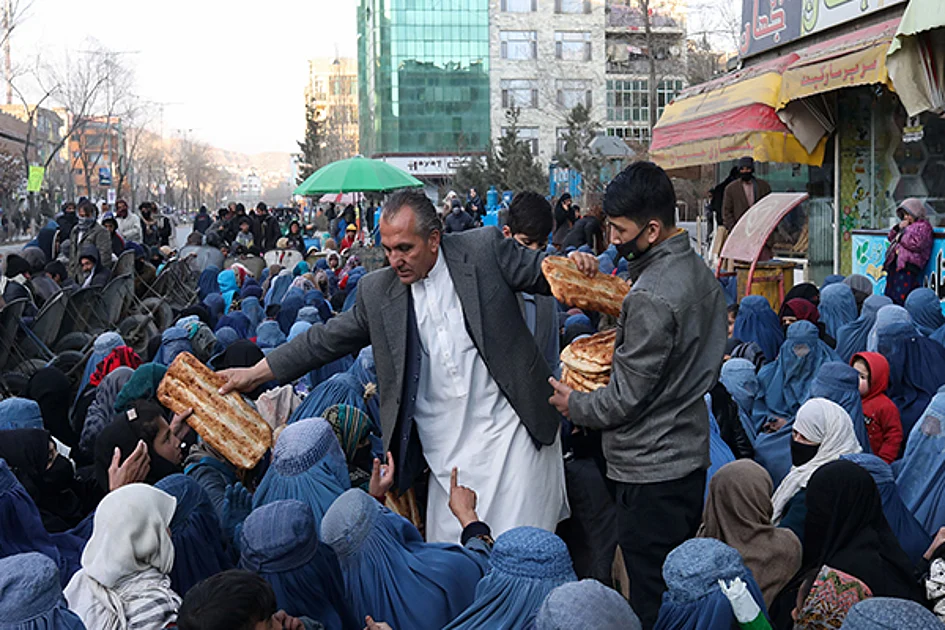
    The United Nations issued a dire warning on Tuesday that Afghanistan confronts an escalating humanitarian catastrophe, with over 17 million people experiencing acute food insecurity as winter approaches. This alarming figure represents a dramatic increase of three million compared to the previous year’s statistics.

    Jean-Martin Bauer, Director of Food Security and Nutrition Analysis at the UN’s World Food Programme, emphasized the critical nature of the situation during a Geneva press briefing. ‘The situation is deteriorating rapidly, and immediate intervention is crucial as Afghanistan enters the winter season when humanitarian needs peak,’ Bauer stated from WFP’s Rome headquarters.

    The crisis stems from multiple compounding factors including severe drought conditions that have devastated agricultural production and livestock, destructive earthquakes that have pushed countless families into poverty, and significant reductions in international aid. Further exacerbating the situation, the forced repatriation of more than 2.5 million Afghan refugees from Iran and Pakistan throughout 2025 has placed unprecedented strain on the nation’s already limited resources and infrastructure.

    Among the most vulnerable populations are nearly four million children suffering from acute malnutrition, creating a lost generation facing irreversible developmental impacts. The WFP anticipates similar refugee return rates in 2026, potentially worsening the crisis.

    Currently, the organization faces critical funding shortages, with only 12 percent of necessary financial resources secured for its Afghan operations. This financial deficit has prevented standard winter preparedness measures, including pre-positioning food supplies in high-risk communities.

    Bauer urgently appealed for international donor support, specifying that $570 million is required over the next six months to provide essential assistance to approximately six million vulnerable Afghans. He stressed the importance of maintaining global attention on Afghanistan’s plight to prevent the most extreme consequences of this growing emergency.

  • ‘Syria is proud of him’: Family of Bondi hero reacts

    ‘Syria is proud of him’: Family of Bondi hero reacts

    In a remarkable display of courage during Australia’s deadliest mass shooting in three decades, Syrian immigrant Ahmed al-Ahmed emerged as an international symbol of bravery after confronting an armed assailant at Sydney’s Bondi Beach. The 43-year-old shopowner, who left his war-torn hometown in Idlib nearly two decades ago, successfully wrestled a rifle from the attacker during a violent assault on a Jewish holiday gathering that claimed 15 lives.

    From his hospital bed in Sydney where he recuperates from gunshot wounds, al-Ahmed has received global recognition, including commendation from U.S. President Donald Trump. A grassroots fundraising initiative has generated over A$2.2 million in support of his recovery, demonstrating widespread admiration for his selfless actions.

    Halfway across the world in Syria, relatives recognized al-Ahmed in viral footage of the confrontation. His uncle, Mohammed al-Ahmed, expressed profound pride in his nephew’s heroic intervention, emphasizing that his actions transcended religious considerations. “He acted on pure instinct without considering the victims’ faith—whether Muslim, Christian, or Jewish,” the uncle stated in an interview with Reuters. “That innate moral compass propelled him to intervene and save countless innocent lives.”

    The family’s origins trace back to Nayrab, a town devastated by Syria’s prolonged civil conflict that concluded only last year with the ousting of long-time leader Bashar al-Assad. Their former family residence now lies in ruins, its concrete structure punctured by shelling and surrounded by debris—a stark reminder of the violence that prompted al-Ahmed’s departure in 2006 after completing his university education in Aleppo.

    Family members describe al-Ahmed as embodying a lifelong pattern of gallantry and compassion. His cousin, also named Mohammed al-Ahmed, highlighted the significance of his actions: “Through his courage, he demonstrates to the world that Muslims are instruments of peace rather than conflict.” Now an Australian citizen and father of two daughters, al-Ahmed’s spontaneous heroism has transformed him into an unexpected ambassador for cross-cultural understanding and human solidarity.

  • A marathon and a war: UAE’s Ahmad Skaik set to battle for Asian Tour glory in Thailand

    A marathon and a war: UAE’s Ahmad Skaik set to battle for Asian Tour glory in Thailand

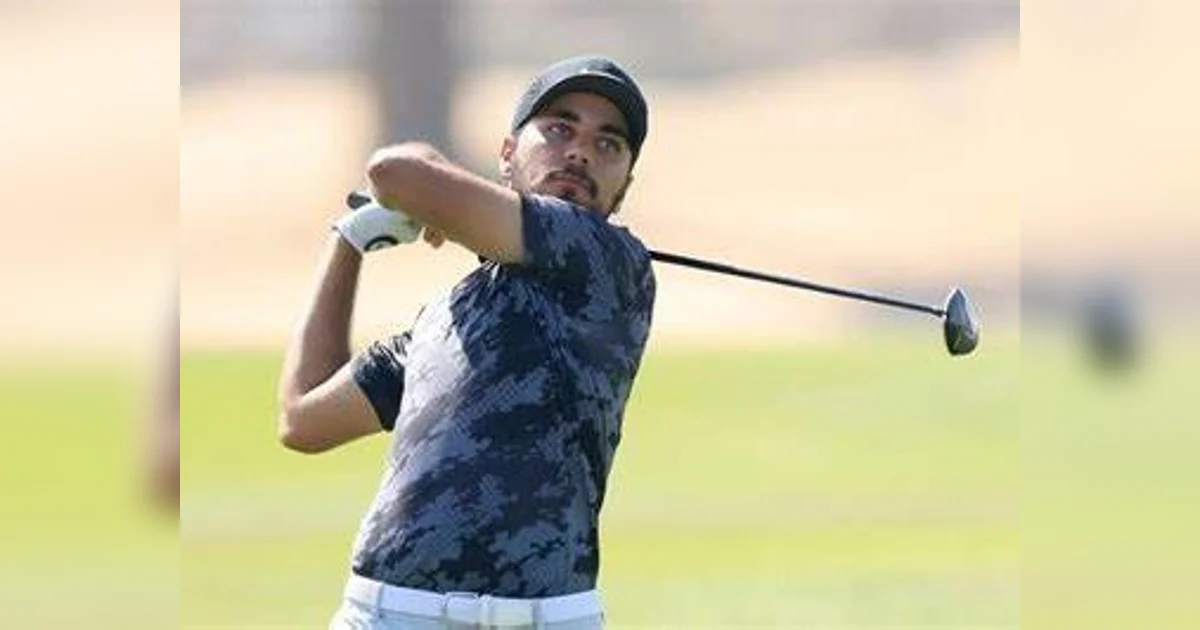
    Emirati professional golfer Ahmad Skaik approaches the Asian Tour Final Qualifying School in Hua Hin, Thailand, with a warrior’s mentality, describing the five-round tournament as both “a marathon and a war.” The event, held at the challenging Lake View Resort and Golf Club, represents a critical juncture in Skaik’s nascent professional career, where 200 competitors vie for merely 35 coveted tour cards for the 2026 season.

    The qualifying structure presents a formidable test of endurance and skill across four distinct courses (A, B, C, and D), with initial cuts after 36 holes and a final elimination after 72 holes. With a modest prize fund of $15,000 overshadowed by the life-changing opportunity of tour membership, the competition demands both physical excellence and mental fortitude.

    In an exclusive interview with Khaleej Times, Skaik revealed his strategic approach to the high-pressure environment. “I feel very confident. The game is in a good place,” stated the recently turned professional, emphasizing the importance of process-oriented thinking. “You just go out there, play one shot at a time. Stick to the process, stay patient, and see where that puts you.”

    Skaik provided insightful analysis of the course conditions, noting the particularly challenging greens. “They are nice but very sloppy and quick, so you gotta miss them in the right spots, or else it’s almost like a guaranteed bogey.” His strategy involves calculated aggression: taking advantage of par fives and shorter par fours while exercising caution on more demanding holes.

    The psychological dimension of the tournament remains paramount in Skaik’s preparation. Recognizing the extended nature of the competition, he emphasizes patience as a weapon: “You cannot win it from the first day. It’s gonna take every day as it goes.”

    For Skaik, qualification represents more than personal achievement—it embodies the realization of a professional dream. “This is why we play, to be on such big tours and to hopefully win tournaments there,” he expressed, acknowledging that Asian Tour status would constitute “a very big step towards achieving my dreams.”

    While honored to represent the United Arab Emirates on the international stage, Skaik maintains a focused perspective: “When I’m on the golf course, I just think about what I’m doing… I cannot put added pressure, or think about who’s watching.” This balanced approach between national pride and individual concentration may prove decisive in his quest for one of the precious 35 tour cards.

  • Iran says dual national held since Israel war on spy charges is Swedish

    Iran says dual national held since Israel war on spy charges is Swedish

    Iran’s judiciary has formally identified a detained dual citizen, arrested during recent hostilities with Israel, as holding Swedish nationality. Judicial spokesman Asghar Jahangir disclosed through the Mizan Online news agency that the individual obtained Swedish citizenship in 2020 and had been residing there prior to their arrest.

    The defendant stands accused of conducting espionage operations for Israel’s Mossad intelligence service during the 12-day conflict that erupted in June. According to judicial authorities, the suspect was allegedly recruited by Israeli intelligence in 2023 and participated in training sessions across six European capitals before entering Iran approximately one month preceding the outbreak of hostilities.

    Investigators reported discovering electronic surveillance equipment in the defendant’s possession upon arrest near Karaj, a provincial area adjacent to Tehran. Judicial officials state the individual has provided confessions regarding espionage activities, with a verdict expected imminently.

    This case emerges amid heightened tensions following Iran’s implementation of stricter espionage penalties in October, mandating capital punishment and asset confiscation for those convicted of spying for Israel or the United States. Since the June conflict, Iranian authorities have executed at least nine individuals convicted on similar charges, reflecting Tehran’s intensified crackdown on alleged foreign intelligence operations.

    The arrest occurs against the backdrop of complex diplomatic relations between Iran and Sweden, particularly following a June 2024 prisoner exchange that secured the release of two Swedish citizens in return for former Iranian official Hamid Noury.

  • Sudan’s RSF conducting campaign to cover up mass atrocities in el-Fasher

    Sudan’s RSF conducting campaign to cover up mass atrocities in el-Fasher

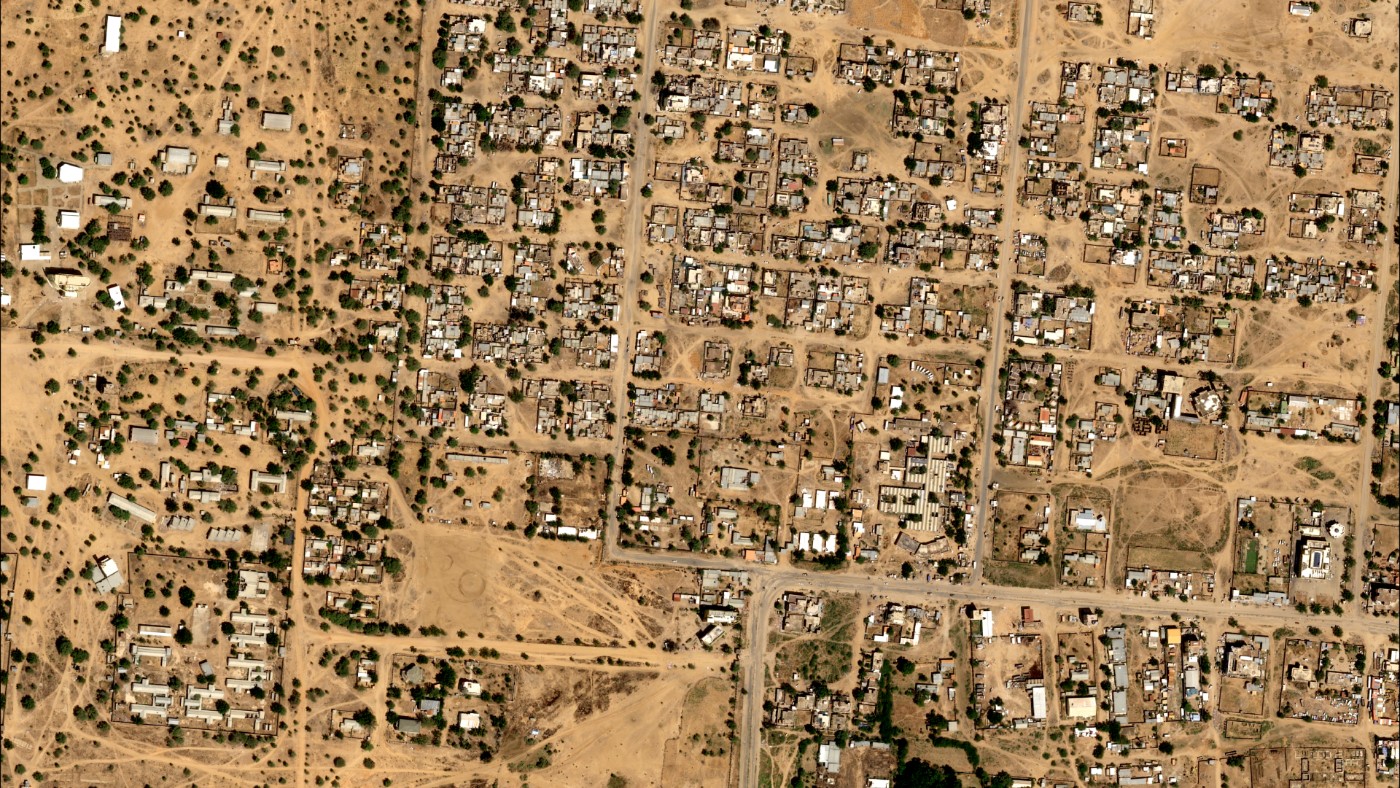
    A groundbreaking investigation by Yale University’s Humanitarian Research Lab (HRL) has uncovered systematic efforts by Sudan’s Rapid Support Forces (RSF) to conceal evidence of mass atrocities committed during their capture of el-Fasher in North Darfur. The paramilitary group, which seized full control of the city from Sudanese Armed Forces on October 26 after a 500-day siege, has engaged in what researchers describe as a coordinated campaign to dispose of human remains through mass burial, burning, and removal operations.

    Satellite imagery analysis covering approximately 700 square kilometers reveals disturbing patterns consistent with large-scale evidence destruction. Between October 26 and November 1, researchers identified 150 distinct locations containing clusters of objects matching the dimensions of human remains. Subsequent monitoring through November 28 showed significant alterations at 108 sites, with 57 clusters completely disappearing—indicating systematic body removal operations.

    The report documents horrific violence against civilians, including door-to-door executions and targeted killings of those attempting to flee. Satellite evidence shows 38 instances of reddish discoloration consistent with blood spills visible from space, particularly near the former children’s hospital which eyewitnesses identify as an RSF detention site.

    Mohamed Hassan, an el-Fasher resident, provided chilling testimony to Middle East Eye: ‘I have seen the bodies in Daraja Oula, the area where most civilians were securing themselves. The RSF entered the neighbourhood one by one and fired on everybody.’ He described systematic separation of men from women and children, followed by random executions of those suspected of military affiliations.

    The violence occurs within the broader context of Sudan’s devastating conflict, which began in April 2023 and has created what the UN calls the world’s largest humanitarian crisis. Over 14 million people have been displaced, with death estimates reaching hundreds of thousands. Both sides have committed atrocities, but the RSF faces particular scrutiny for genocidal actions targeting non-Arab groups in Darfur.

    The international community has responded with growing concern, focusing attention on the United Arab Emirates’ alleged support for the RSF—a charge Abu Dhabi continues to deny despite mounting evidence. The fallout from el-Fasher has prompted RSF commander General Mohamed Hamdan Dagalo (Hemedti) to announce an investigation into alleged violations by his forces, though skepticism remains regarding its credibility.

  • Object 1 expands into UAE Capital; launches flagship sales gallery in Abu Dhabi

    Object 1 expands into UAE Capital; launches flagship sales gallery in Abu Dhabi

    Award-winning real estate developer Object 1 has marked a strategic expansion into Abu Dhabi with the inauguration of its premier sales gallery in the UAE capital. The milestone event signals the company’s ambitious plan to strengthen its footprint across the Emirates.

    To commemorate this significant launch, Object 1 hosted an exclusive networking gathering titled ‘Meet & Greet: Exploring Abu Dhabi’s Real Estate Market’ at the illustrious Emirates Palace Mandarin Oriental. The high-profile event attracted over 1,000 distinguished guests, including senior government representatives, VIP personalities, prominent agency leaders, and top-tier brokerage professionals. Celebrated media host Kris Fade facilitated the evening’s proceedings, creating an engaging and dynamic atmosphere for participants.

    CEO Tatiana Tonu emphasized the strategic importance of this expansion, stating: ‘Abu Dhabi’s real estate landscape is undergoing rapid transformation, presenting exceptional opportunities for lifestyle-oriented developments. Our new Sales Gallery establishment and this networking initiative demonstrate our dedication to fostering stronger connections with local partners and clients. This platform enables industry professionals to exchange market insights, identify collaborative ventures, and interact directly with potential investors.’

    The company has identified Abu Dhabi as a priority market for future growth, with several upcoming projects already in development on Reem Island. A specialized team will oversee these design-focused, high-quality developments specifically tailored to meet Abu Dhabi’s evolving market requirements.

    This expansion builds upon Object 1’s remarkable success in Dubai, where the developer has achieved top-fifteen status within just three years of operation. The first half of 2025 witnessed substantial growth in both sales value and transaction volume compared to the same period last year. Since inception, the company has sold more than 2,680 units and manages an extensive development portfolio exceeding 4.5 million square feet across premium communities including JVC, JVT, Al Furjan, Sports City, Jumeirah Garden City, and Dubai Land Residence Complex. Their current portfolio comprises 17 active projects emphasizing wellness, sustainability, and community-centric living concepts.

    Abu Dhabi’s robust market fundamentals, characterized by growing buyer demand and increased interest from high-net-worth individuals and international investors across Europe, the Middle East, and Asia, provide an ideal environment for Object 1’s expansion. The emirate’s economic diversification strategy and attractive investment returns position it as a prime market for sustainable long-term growth. Object 1’s entry into Abu Dhabi represents a new chapter in its expansion strategy, leveraging its proven success record and design-led methodology to meet the sophisticated expectations of the capital’s real estate market.