
Indian edtech giant upGrad is strategically broadening its university collaborations across the Middle East and the Asia-Pacific region, responding to a significant decline in Indian students opting for U.S. and UK institutions. This shift is driven by escalating visa restrictions, rising costs, and geopolitical tensions, according to Praneet Singh, Associate Vice President of upGrad’s Study Abroad division. Founded by film producer Ronnie Screwvala and supported by Singapore’s Temasek, upGrad currently partners with approximately 80 universities in 10 countries, offering online MBAs and executive education programs. The company generates revenue by enrolling students in online courses and facilitating their transition to overseas campuses to complete degrees. Singh highlighted that prestigious U.S. and UK universities have established campuses in Dubai, Malaysia, and Singapore, prompting upGrad to follow suit. The company is actively exploring partnerships with institutions like Johns Hopkins, Carnegie Mellon, Birmingham, and Middlesex, which have campuses in Dubai or Doha, as well as universities in Vietnam, Bangladesh, Nepal, and Sri Lanka. This strategic pivot comes as Indian student applications to U.S. universities have dropped significantly, with only 47% of students choosing the U.S. in fiscal 2025, down from 60% the previous year. Factors such as stricter visa policies, weaker job prospects, and the allure of more affordable educational destinations in the Middle East and Asia-Pacific are reshaping the global education landscape. upGrad’s expansion reflects a broader trend of Indian students seeking alternatives to traditional Western education hubs.
标签: Asia
亚洲
-
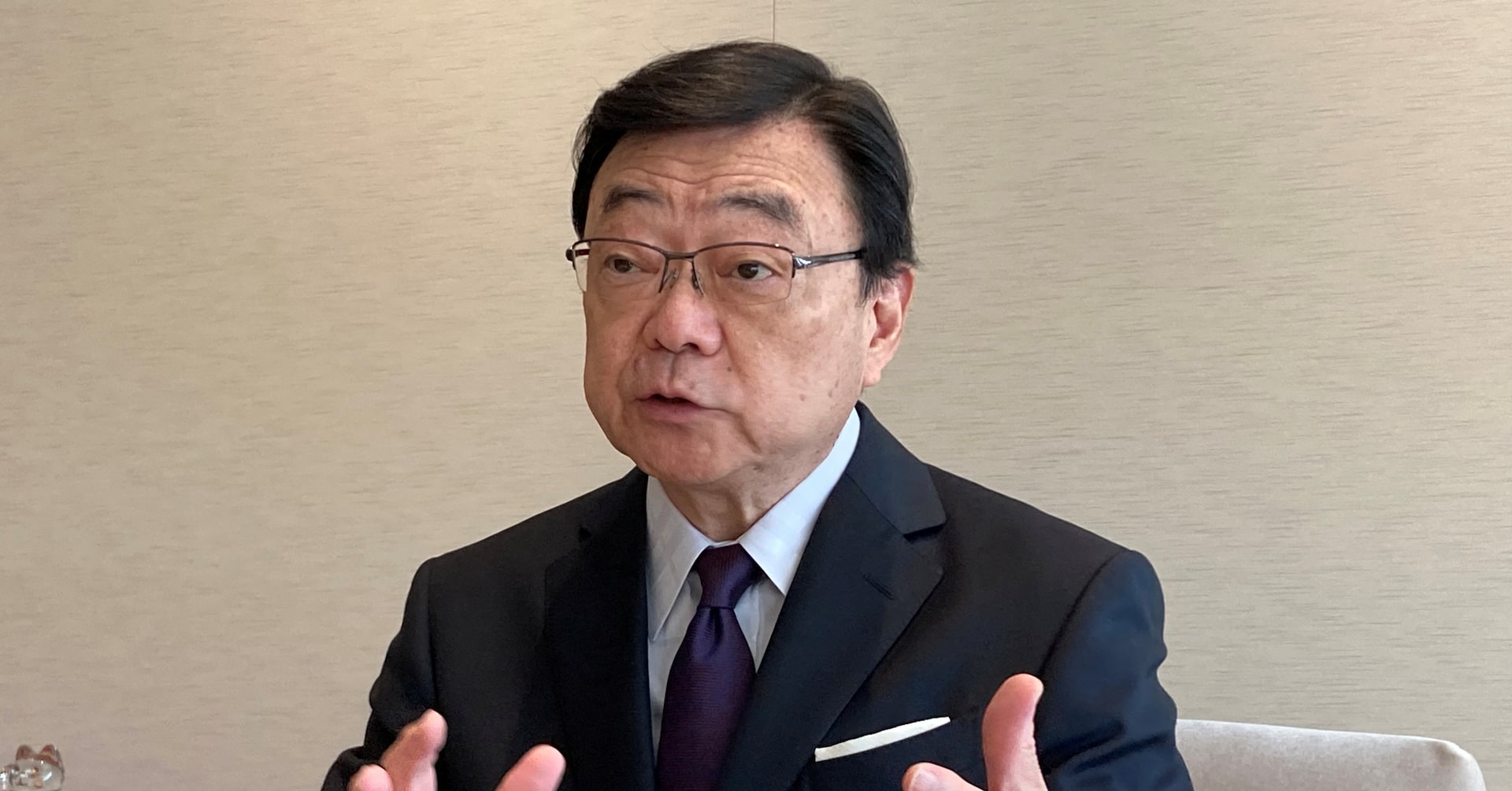
Japan should diversify oil sources but Canadian supply seen tough, industry association head says
In a recent development, Japanese oil refiners are being urged to diversify their crude oil supply sources, as 95% of Japan’s imports currently originate from the Middle East. Shunichi Kito, president of the Petroleum Association of Japan (PAJ) and head of Idemitsu Kosan, Japan’s second-largest refinery, highlighted the challenges of importing heavy Canadian crude during a press conference in Tokyo. Kito emphasized the difficulty of investing in new refining facilities due to a steady 2% annual decline in domestic oil demand, leaving the decision to individual companies. Meanwhile, Alberta, Canada’s primary oil-producing province, is exploring financial investments in Japan’s refining sector. Sources indicate that Alberta is in preliminary discussions with several Japanese refiners to potentially fund the construction of coker units, which would enable the processing of heavy crude from Alberta’s oil sands. This move aims to reduce Alberta’s heavy reliance on the United States for oil exports. While Kito acknowledged the need for diversification, he noted that no specific requests have been made to Japanese refiners yet. The initiative reflects broader global efforts to balance energy security and sustainability amidst shifting market dynamics.
-
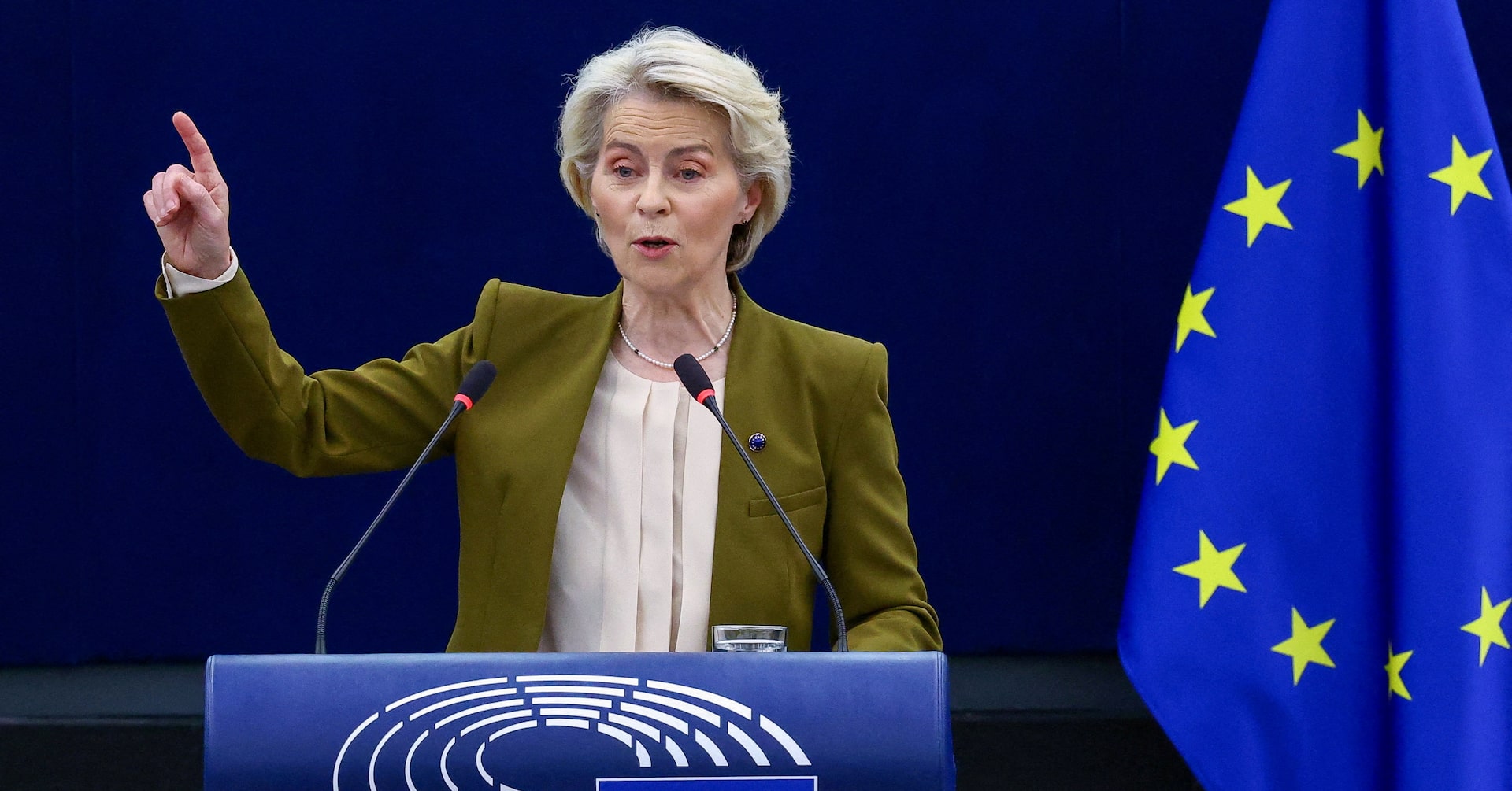
EU needs deals with India, others to reduce US dependency, von der Leyen says
European Commission President Ursula von der Leyen emphasized the European Union’s urgent need to diversify its trade partnerships to reduce economic dependencies, particularly in light of rising U.S. import tariffs. Speaking at a conference with German business leaders on September 18, 2025, von der Leyen highlighted India as a key partner, expressing optimism about finalizing a trade deal with the country by the end of the year. She revealed that Indian Prime Minister Narendra Modi had reaffirmed his commitment to this objective during a recent phone conversation. Beyond India, the EU is also engaging in negotiations with South Africa, Malaysia, the United Arab Emirates, and other nations to broaden its trade network. This strategic shift aims to bolster the bloc’s economic resilience and mitigate risks associated with over-reliance on specific markets. Von der Leyen’s remarks underscore the EU’s proactive approach to navigating global trade challenges and fostering stronger international ties.
-
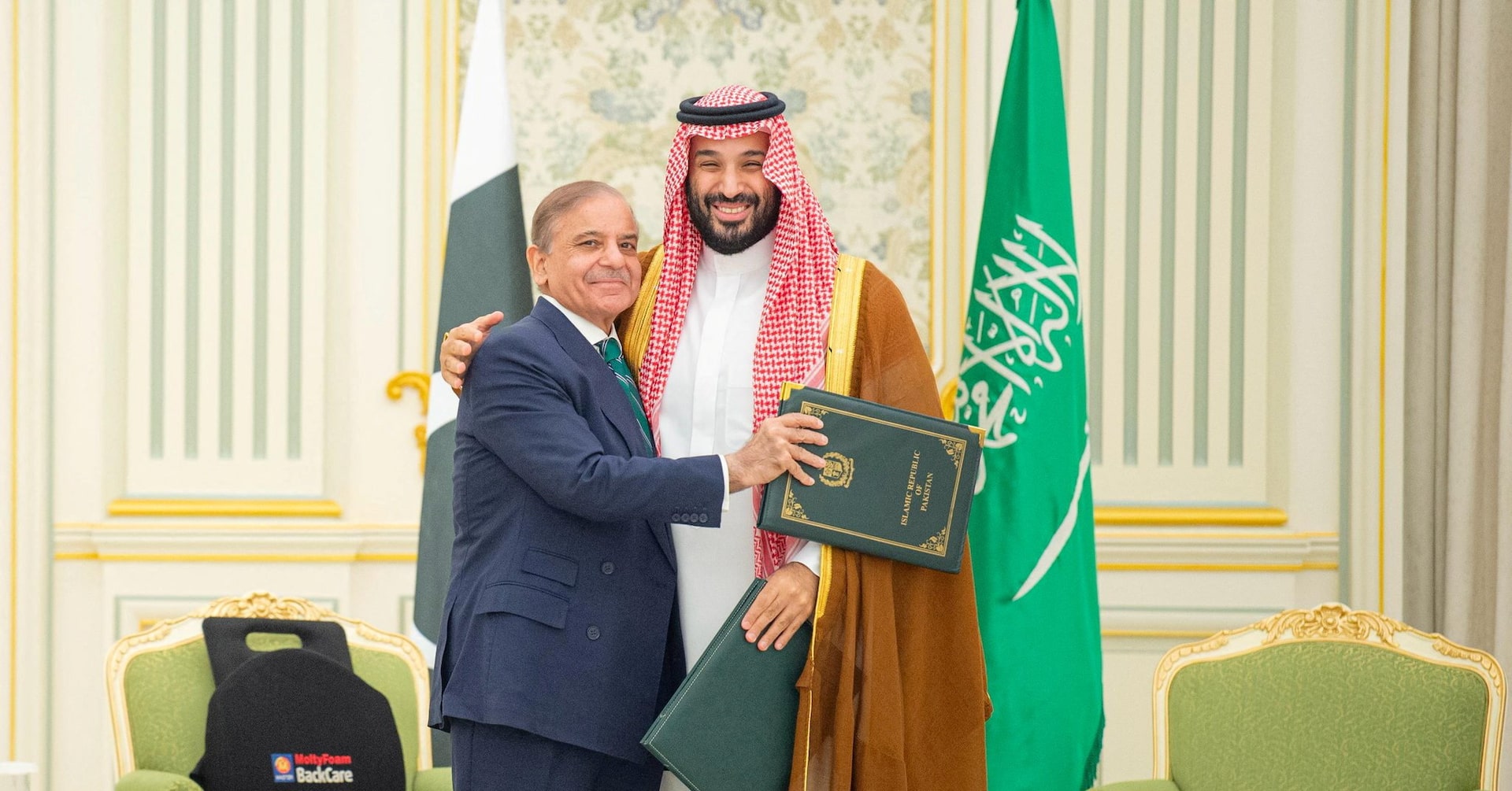
Saudi Arabia, nuclear-armed Pakistan sign mutual defence pact
In a landmark move, Saudi Arabia and Pakistan solidified their longstanding alliance by signing a comprehensive mutual defence agreement on September 17, 2025, in Riyadh. The pact, inked by Saudi Crown Prince Mohammed bin Salman and Pakistani Prime Minister Shehbaz Sharif, underscores a deepening of military and strategic cooperation between the two nations. The agreement, which includes provisions for mutual defence against aggression, comes at a critical juncture as regional tensions escalate following Israel’s recent airstrikes on Qatar. The strikes, aimed at Hamas leaders during ceasefire negotiations, have heightened concerns among Gulf states about the reliability of the United States as a security partner. Pakistan, the only nuclear-armed Muslim-majority nation, has historically maintained that its nuclear arsenal is a deterrent against India. The Saudi official emphasized that the agreement is not a reaction to specific events but rather an institutionalization of decades-long collaboration. The pact also highlights the economic interdependence between the two countries, with Saudi Arabia providing Pakistan with a $3 billion loan to bolster its foreign reserves. The agreement’s implications for regional stability, particularly in light of Pakistan’s ongoing tensions with India, remain a focal point of analysis. Both nations have fought three wars since their independence in 1947, and their nuclear capabilities have since shaped a precarious balance of power. The Saudi official acknowledged the need to balance relations with both Pakistan and India, emphasizing the kingdom’s commitment to fostering regional peace.
-
Hyundai Motor to ramp up US output, trims profit margin goal on tariff hit
Hyundai Motor Group, a leading South Korean automaker, announced on Thursday its ambitious plan to produce over 80% of the vehicles it sells in the U.S. domestically by 2030. This strategic move comes in response to evolving U.S. tariff policies and aims to mitigate the financial impact of import duties. The company revealed this during its CEO Investor Day in New York, alongside revising its 2025 operating profit margin target downward to 6-7%, citing tariff-related challenges. However, Hyundai remains optimistic, projecting margins to rebound to 7-8% by 2027 and 8-9% by 2030.
-
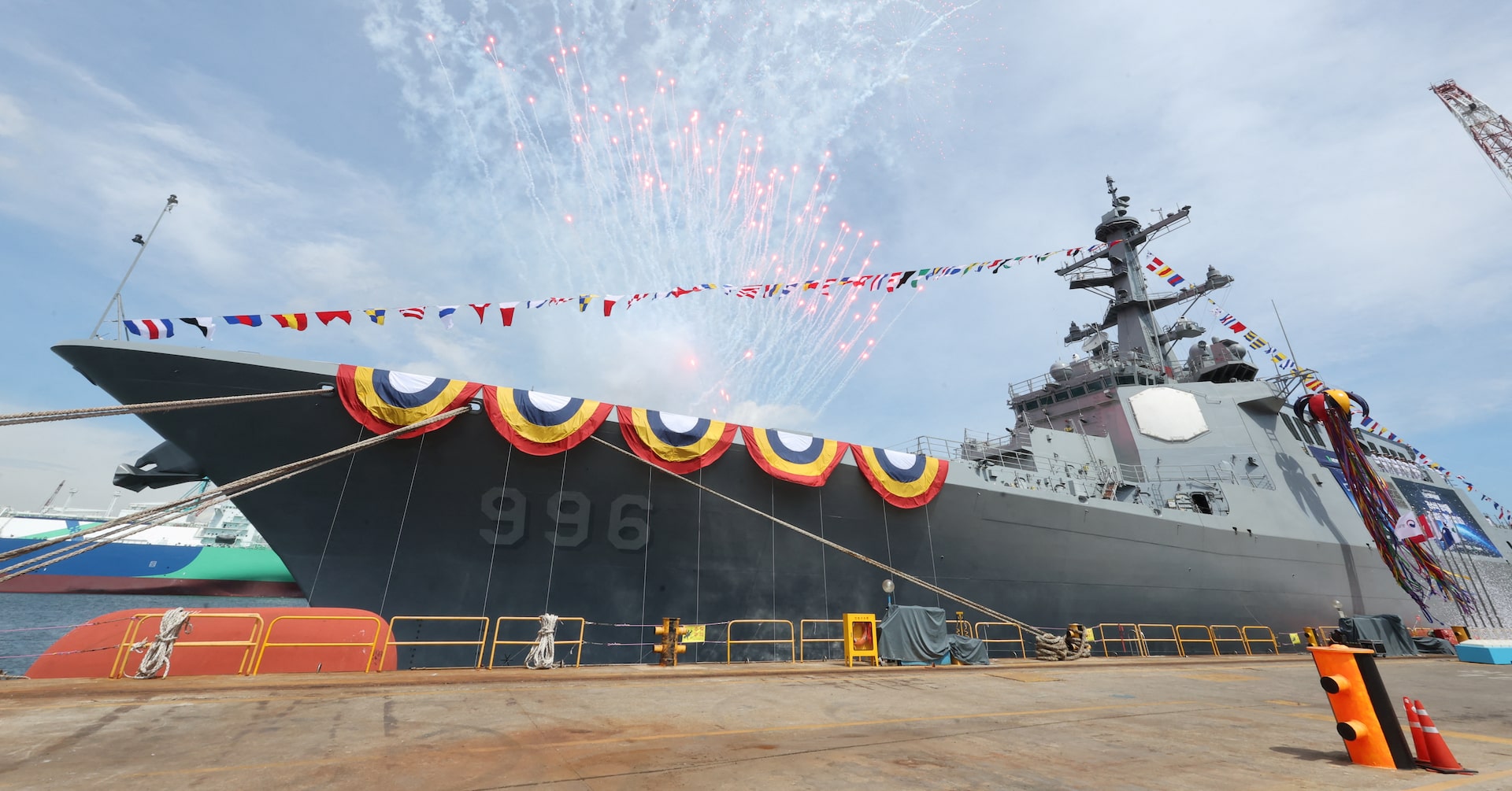
South Korea’s HD Hyundai Heavy in talks to buy US shipyard
South Korea’s HD Hyundai Heavy Industries, the world’s largest shipbuilder by orders, is actively negotiating the acquisition of a U.S. shipyard, according to a senior executive. The move aligns with the company’s ambitious goal to generate $2.2 billion in annual revenue from warship sales to the U.S. Navy by 2035. Woo-maan Jeong, head of planning and management for HD Hyundai’s naval and special ship unit, revealed the strategy during an interview at the company’s Ulsan headquarters. He emphasized the necessity of establishing a U.S. manufacturing base to capitalize on President Donald Trump’s efforts to revitalize the American shipbuilding industry. Jeong noted the widening naval capability gap between the U.S. and China, coupled with insufficient U.S. warship production capacity, as key drivers for this initiative. Despite challenges such as a skilled labor shortage and restrictive U.S. immigration policies, HD Hyundai remains optimistic about its prospects. The company recently launched an 8,200-metric-ton Aegis-equipped destroyer in Ulsan, showcasing its advanced shipbuilding capabilities. The vessel, delivered in just 18 months, symbolizes U.S.-Korea cooperation, utilizing combat systems from American firms like Lockheed Martin. HD Hyundai’s merger with affiliate HD Hyundai Mipo further strengthens its position in the warship market. While U.S. laws like the Jones Act and Byrnes-Tollefson Amendment pose hurdles, Jeong expressed confidence in potential legislative amendments to facilitate foreign participation in U.S. shipbuilding. The U.S. remains an unparalleled market for warships, and HD Hyundai is determined to navigate these challenges to secure its foothold.
-
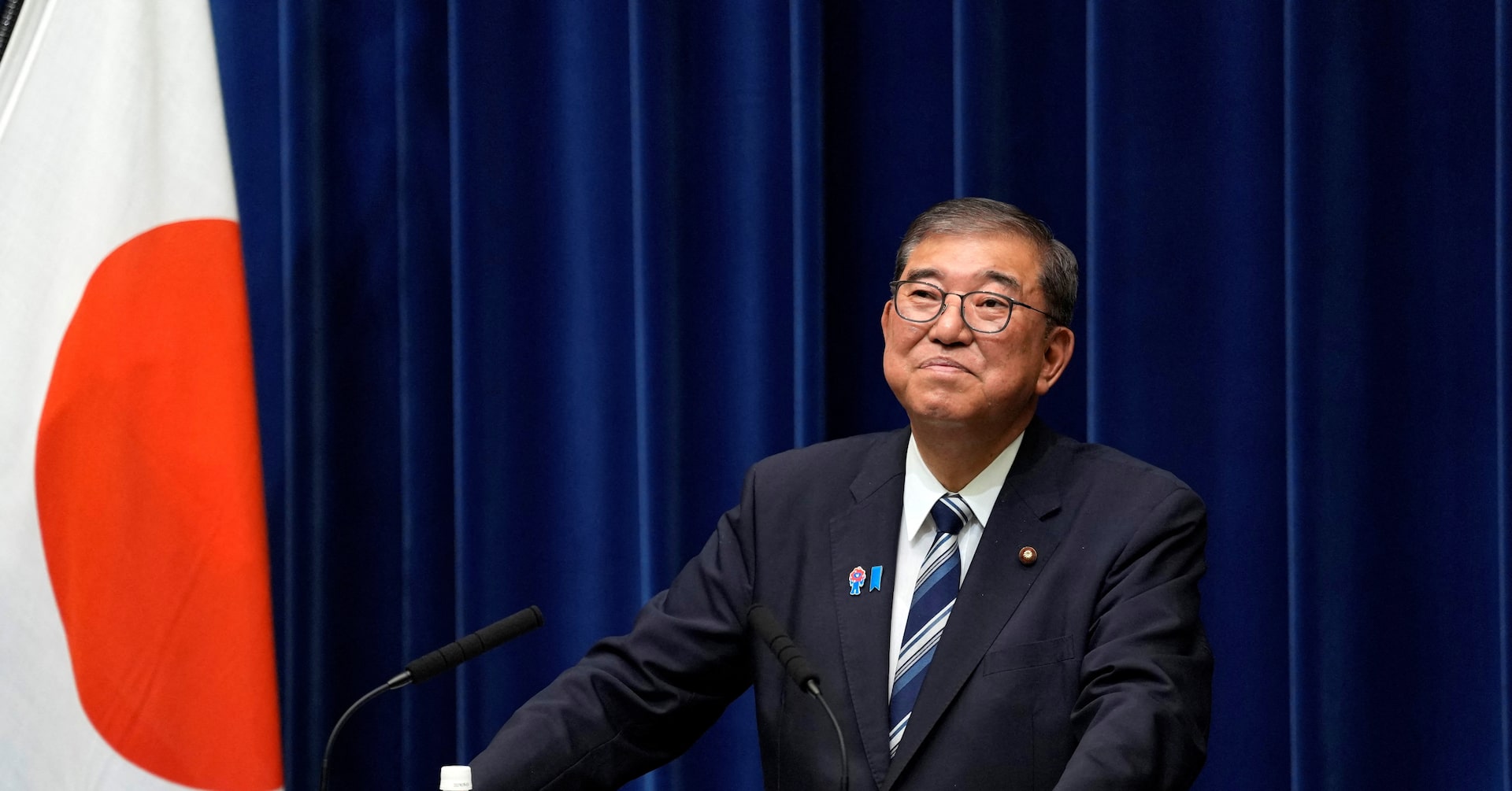
Japan’s Ishiba to visit Busan from Sept 30 to meet S.Korea’s Lee, TV Asahi reports
In a significant diplomatic move, Japanese Prime Minister Shigeru Ishiba is scheduled to meet South Korean President Lee Jae Myung during his two-day visit to Busan, South Korea, starting September 30. This visit, reported by Japanese broadcaster TV Asahi and confirmed by a Korean government official, will mark Ishiba’s first and final trip to South Korea as prime minister. The announcement comes shortly after Ishiba revealed his resignation earlier this month, with his successor to be determined through a ruling party leadership race in early October. This meeting underscores the ongoing efforts to strengthen bilateral ties between the two nations, particularly in the realms of security and economic cooperation. The leaders previously met in Tokyo last month, where they agreed to enhance collaboration with the United States to counter North Korea’s nuclear and missile threats. Ishiba’s impending departure adds a layer of urgency to this diplomatic engagement, as both countries seek to solidify their partnership amidst regional security challenges.
-
Anglo American cuts ‘small number’ of jobs in Australia’s Brisbane
Anglo American PLC (AAL.L) announced on Thursday a reduction in workforce at its Brisbane office and nearby coal mines in Queensland, Australia, as part of its strategy to streamline operations and address the dual pressures of declining coal prices and escalating costs. The exact number of job cuts remains undisclosed, but the move follows a similar decision by BHP Group Ltd (BHP.AX), which recently eliminated 750 positions at a coking coal mine in the same region due to unfavorable market conditions and increased state royalties. Ben Mansour, Vice President for People and Corporate Relations at Anglo American Australia, emphasized that these adjustments are crucial for the sustainability of the company’s steelmaking coal operations in Central Queensland. He noted that the majority of the reductions were achieved through voluntary redundancies. According to Australia’s ABC News, citing the Isaac Regional Council, approximately 200 positions at Anglo American were impacted. The company operates five coal mines in Queensland’s Bowen Basin, which specialize in steelmaking coal. Last year, Anglo American divested a 33% stake in one of its Australian steelmaking coal mines for $1.1 billion to concentrate on its core copper assets. This announcement comes on the heels of a proposed merger with Canada’s Teck Resources Ltd (TECKb.TO), potentially marking the second-largest mining deal in history. The developments underscore the ongoing challenges faced by the coal industry amidst shifting market dynamics and regulatory pressures.
-
Toyota to recall over 591,000 US vehicles over instrument panel issue, NHTSA says
Toyota Motor Corp has announced a major recall of 591,377 vehicles in the United States following concerns raised by the National Highway Traffic Safety Administration (NHTSA). The recall, issued on September 18, 2024, addresses a critical software flaw in the instrument panel display that fails to show essential information such as vehicle speed, brake system status, and tire pressure warnings. This malfunction, which occurs during vehicle startup, significantly increases the risk of accidents or injuries. Affected models include the Venza, Highlander, Lexus, Tacoma, and GR Corolla. The NHTSA emphasized the urgency of the recall, urging owners to address the issue promptly. Toyota has yet to release specific details on the repair process but assured customers that solutions will be provided through authorized dealerships. This recall underscores the growing importance of software reliability in modern automotive systems and highlights the challenges automakers face in ensuring vehicle safety amidst increasing technological complexity.
-
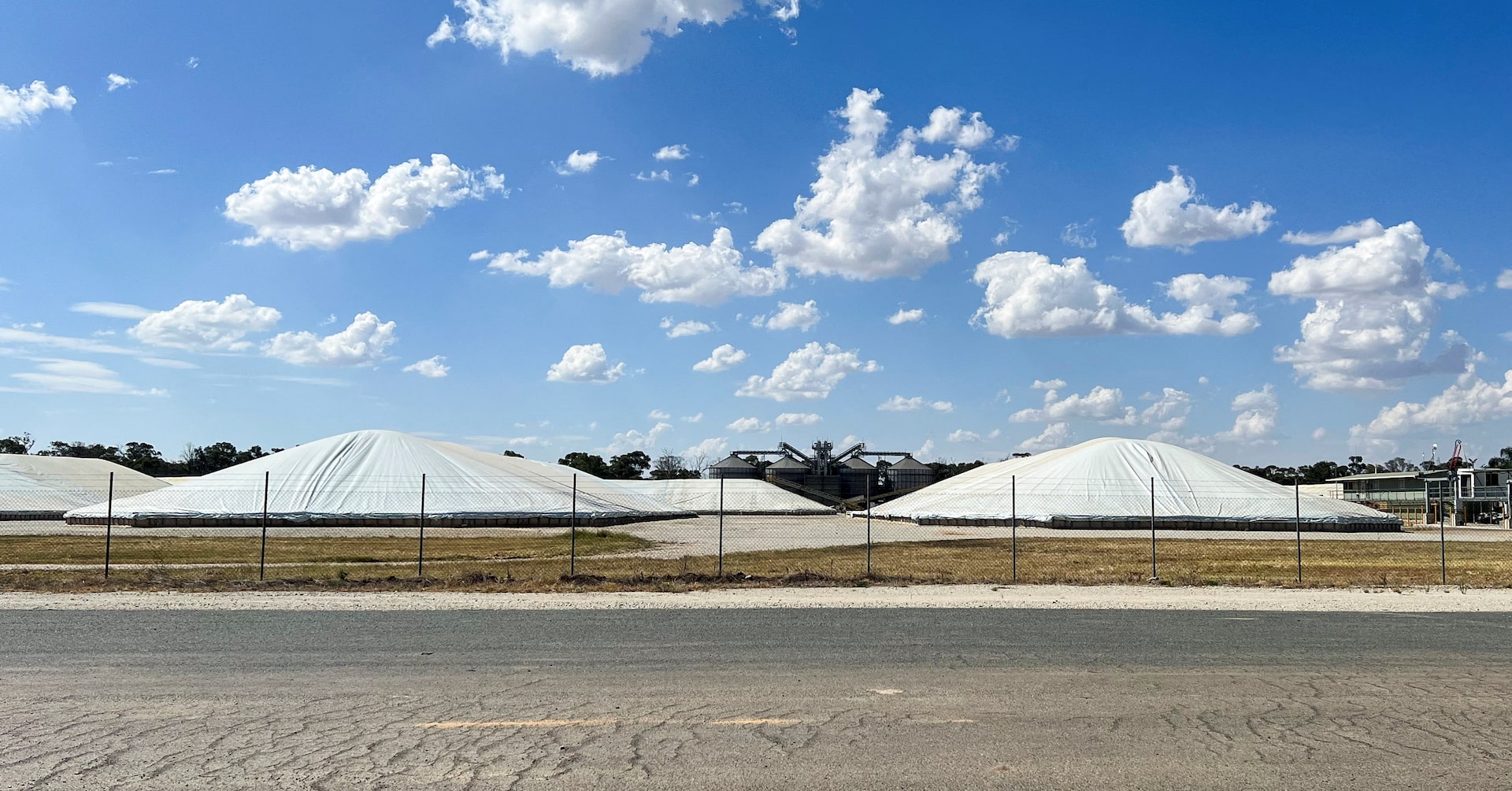
Beetle that threatens Australia’s grains industry found in imported nappies
Australia has raised alarms after discovering khapra beetle larvae in imported nappies sold nationwide, posing a significant risk to the country’s grain industry and agricultural exports. The larvae were detected in the brand Little One’s Ultra Dry Nappy Pants Walker Size 5, exclusively sold by Woolworths, Australia’s largest supermarket chain. The agriculture ministry has been working with the importer and retailer to trace and treat affected products since the discovery in New South Wales on September 7. Agriculture Minister Julie Collins emphasized the urgency of containing the pest, stating that around 1,500 of the 2,000 cartons have been tracked down, but some remain in circulation. Khapra beetles, native to India, are classified as the most significant pest threat to Australia’s A$18 billion grains industry. Their establishment could lead to trading partners rejecting Australian goods, causing substantial economic losses. Woolworths has removed unsold nappies from shelves and quarantined them, while the manufacturer, Belgian company Ontex, has suspended operations at its Sydney facility pending comprehensive checks. The ministry has urged consumers who purchased similar nappies to seal them in a bag and contact authorities. The incident underscores the critical need for stringent biosecurity measures to protect Australia’s agricultural sector.