标签: Asia

亚洲

  • Various activities held across China to welcome upcoming Laba Festival

    Various activities held across China to welcome upcoming Laba Festival

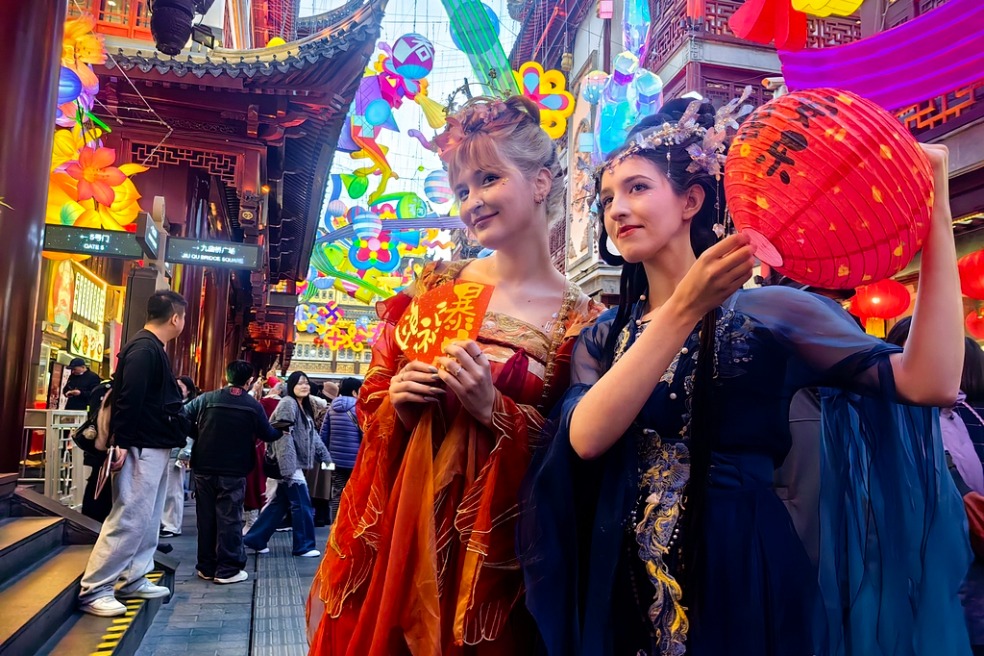
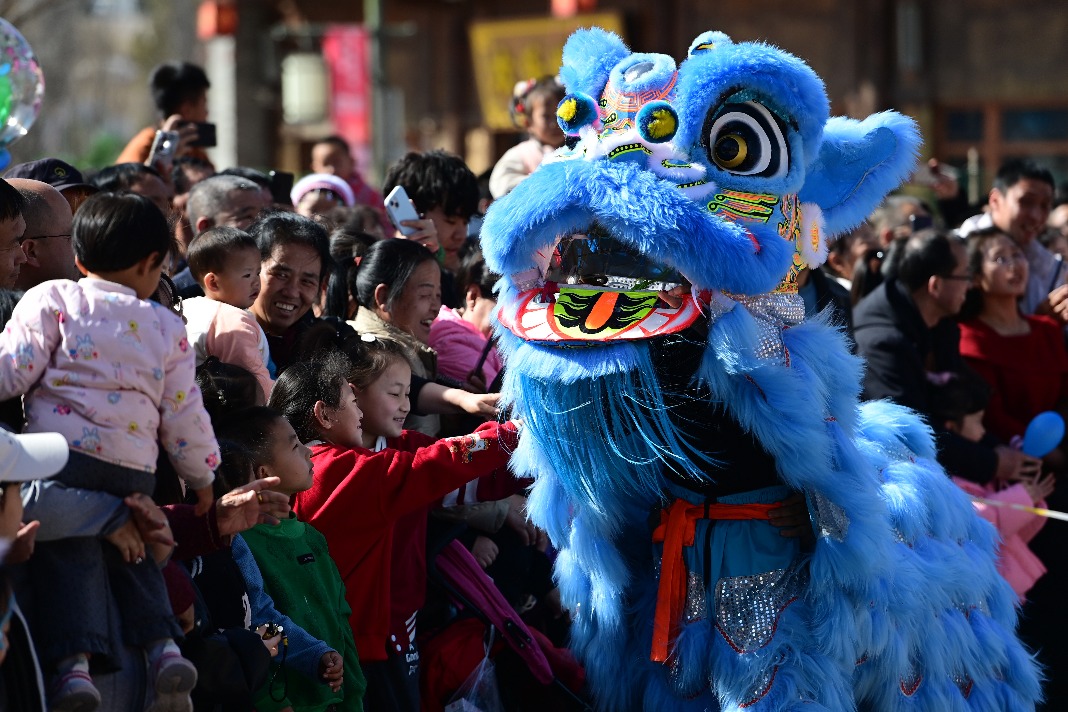
    Communities across China are embracing traditional customs through diverse cultural activities in anticipation of Laba Festival, observed this year on January 26th. The festival, which marks the eighth day of the twelfth lunar month, has sparked nationwide engagement through culinary workshops, educational events, and charitable distributions.

    In Jiangsu province’s Kunshan city, kindergarten classrooms transformed into cultural laboratories as educators demonstrated the art of preparing Laba porridge—the festival’s signature dish. Young learners participated in interactive sessions identifying traditional ingredients like grains, nuts, and dried fruits that compose the nutritious concoction.

    Beyond educational institutions, community centers and temples organized large-scale porridge preparation events, blending culinary tradition with social harmony. Volunteers distributed steaming bowls of the symbolic dish to elderly residents and essential workers, continuing the festival’s ancient tradition of sharing abundance during winter’s coldest period.

    Cultural historians note that these celebrations represent a vibrant revival of intangible cultural heritage, particularly among younger generations. The festival’s timing—one week before the Chinese New Year—serves as both culinary and spiritual preparation for the year’s most important holiday period, embodying themes of gratitude, community solidarity, and cultural continuity.

  • Beijing plans further expansion of its world-class metro network

    Beijing plans further expansion of its world-class metro network

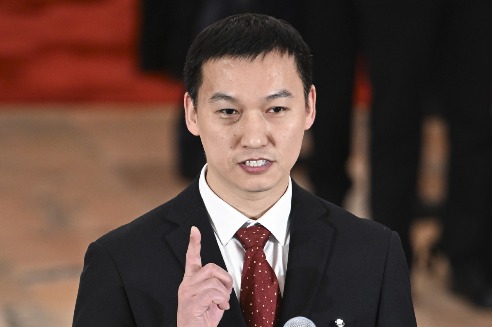
    Beijing is poised to further cement its status as China’s urban rail transit leader with ambitious expansion plans for its metro system in 2026. Mayor Yin Yong announced the development strategy during his government work report presentation at the Beijing Municipal People’s Congress session on Sunday.

    The Chinese capital, which already operates the nation’s most extensive subway network at 909 kilometers, will add over 40 kilometers of new track this year. This continues the city’s aggressive infrastructure development after adding 30 kilometers through three new lines in 2025.

    A key focus of the expansion will be improving transfer convenience between transportation modes. The municipality aims to increase the proportion of bus-to-rail transfers within a 50-meter radius from the current 91% to 93%, significantly enhancing connectivity for daily commuters. This initiative represents part of Beijing’s broader strategy to create a more integrated and efficient urban transit ecosystem that reduces travel time and improves the passenger experience.

    The continuous expansion of Beijing’s metro system reflects the city’s commitment to addressing urban mobility challenges while supporting sustainable development goals. As one of the world’s most heavily used metro systems, these improvements will benefit millions of residents and visitors while maintaining Beijing’s position at the forefront of urban transportation innovation.

  • Bangladesh absence from T20 World Cup ‘sad moment for our sport’: Cricketers association

    Bangladesh absence from T20 World Cup ‘sad moment for our sport’: Cricketers association

    The international cricket community faces a significant governance crisis following Bangladesh’s withdrawal from next month’s Twenty20 World Cup. The World Cricketers’ Association (WCA) has characterized this development as profoundly damaging to the sport’s integrity and global unity.

    Bangladesh’s exclusion from the 20-team tournament emerged after their national team refused to tour India amid escalating political tensions between the Asian neighbors. Scotland has been named as their replacement in the championship set to commence on February 7. The International Cricket Council (ICC) rejected Bangladesh’s appeal to relocate their matches to tournament co-host Sri Lanka, citing logistical impracticality given the tournament’s imminent start.

    WCA Chief Executive Tom Moffat issued a strongly worded statement emphasizing the gravity of the situation. ‘The withdrawal of Bangladesh from cricket’s premier international T20 event represents a sad moment for our sport, the players, and their supporters,’ Moffat declared. ‘This development necessitates profound reflection and decisive action from cricket’s leadership.’

    The absence of Bangladesh highlights broader geopolitical tensions affecting South Asian cricket. The ICC has previously mediated similar conflicts, notably brokering neutral venue arrangements for India-Pakistan matches when political relations deteriorate. Pakistan’s participation in the upcoming tournament remains uncertain according to PCB chief Mohsin Naqvi, who indicated final approval awaits the prime minister’s return.

    Moffat further expressed concern about systematic issues within cricket’s operational framework, noting increasing instances of agreements being dishonored and inadequate consultation with players and their representatives. ‘These unresolved issues threaten to undermine trust, unity, and ultimately the long-term health of the game we cherish,’ he warned, calling for collaborative efforts among governing bodies, leagues, and players to strengthen cricket’s global foundation.

  • NEV surge contributes to record air quality improvement in Beijing

    NEV surge contributes to record air quality improvement in Beijing

    Beijing has reached an unprecedented environmental milestone, recording its cleanest air quality since monitoring began, according to the city’s annual government work report released Sunday. The remarkable achievement stems primarily from the massive adoption of new energy vehicles and comprehensive clean energy initiatives throughout the Chinese capital.

    Mayor Yin Yong, presenting the report during the Beijing Municipal People’s Congress annual session, revealed that the city’s transformation toward ecological improvement reached new heights in 2025. The breakthrough came as Beijing’s fleet of new energy vehicles surpassed 1.3 million units, while renewable energy sources constituted 36% of the city’s power supply. For the first time in history, the city enjoyed good air quality on over 80% of days throughout the year.

    The most significant indicator of this environmental progress emerged in the dramatic reduction of PM2.5 pollutants—dangerous fine particulate matter that poses serious health risks. Monitoring data showed the average annual concentration dropped to 27 micrograms per cubic meter in 2025, representing an 11.5% improvement over the previous year and the lowest level ever recorded.

    Beijing’s manufacturing capacity for electric vehicles now stands at 700,000 units annually, creating a robust foundation for continued green transportation expansion. The city government announced ambitious infrastructure plans for 2026, including the installation of 30,000 new public charging stations to support the growing EV ecosystem and further accelerate the transition from fossil fuel vehicles.

  • Final phase of Myanmar’s election underway, military-backed party set to win

    Final phase of Myanmar’s election underway, military-backed party set to win

    Myanmar’s controversial general election reached its final phase on Sunday, with polling stations opening across 60 townships including major urban centers Yangon and Mandalay. The military-backed Union Solidarity and Development Party (USDP) stands positioned to secure a decisive victory, cementing the junta’s political control following the 2021 coup that overthrew Nobel laureate Aung San Suu Kyi’s democratically elected government.

    The electoral process, conducted against a backdrop of persistent civil conflict, has been characterized by significantly diminished voter participation. Preliminary data indicates turnout hovering around 55%, markedly lower than the approximately 70% participation recorded during the 2015 and 2020 general elections. This decline reflects both widespread public disillusionment and an atmosphere of apprehension among citizens.

    International response has been overwhelmingly critical, with the United Nations, Western governments, and human rights organizations dismissing the election as a carefully orchestrated sham designed to legitimize military rule. The Association of Southeast Asian Nations (ASEAN) notably rejected Myanmar’s invitation to deploy election observers, refusing to endorse the political exercise.

    Security concerns have plagued the electoral process, with ongoing military operations including airstrikes near civilian populations in border regions such as Rakhine, Shan, and Kayin states. The junta has simultaneously pursued legal measures against dissent, charging over 400 individuals under election protection laws for criticizing the process.

    Analysts from risk intelligence firms suggest the election will likely reinforce military dominance rather than resolve the nation’s protracted crisis, offering little prospect for restored domestic legitimacy or improved relations with Western nations. Junta leader Min Aung Hlaing has indicated plans to transition from military command to a political role, signaling the armed forces’ enduring intention to maintain political control.

  • Party backed by generals set for landslide as ‘sham’ Myanmar election ends

    Party backed by generals set for landslide as ‘sham’ Myanmar election ends

    Myanmar has completed a controversial three-phase electoral process widely condemned by the international community as fundamentally undemocratic. The final voting stage concluded with participation limited to approximately one-fifth of the country’s 330 townships, including major urban centers like Yangon and Mandalay, while approximately half of the nation remained excluded from voting due to an ongoing five-year civil conflict.

    The military-backed Union Solidarity and Development Party (USDP) is projected to secure a overwhelming victory, continuing the political dominance established following the 2021 military coup that overthrew the democratically elected government led by Nobel Peace Prize laureate Aung San Suu Kyi. The electoral landscape featured only six parties permitted to field candidates nationwide, with an additional 51 parties and independent candidates restricted to state and regional levels.

    International observers and critics have denounced the process as fundamentally flawed, citing the exclusion of popular political parties, widespread voter intimidation, and the impossibility of genuine democratic participation in conflict-affected regions. The military junta has consistently rejected these criticisms, maintaining the election’s legitimacy and fairness.

    BBC correspondents reporting from Shan State documented a climate of pervasive fear among voters, with extensive surveillance by police and military personnel creating an environment where open political discussion proved nearly impossible. Despite superficially orderly polling procedures featuring new electronic voting machines, the pre-election period was characterized by intimidation and widespread public resignation regarding the predetermined outcome.

    Constitutional procedures now mandate parliament to convene within two months to appoint a new president, with coup leader General Min Aung Hlaing anticipated to assume the presidency. This transition would require him to relinquish direct military command, though his successor is expected to maintain loyalist alignment. The political shift occurs against the devastating backdrop of civil conflict that has claimed thousands of lives, displaced millions, and crippled Myanmar’s economy, with recent natural disasters and reduced international aid exacerbating humanitarian suffering.

  • Indonesia resumes search for 80 after landslide kills 10 in West Java

    Indonesia resumes search for 80 after landslide kills 10 in West Java

    Search operations have recommenced in Indonesia’s West Java province following a devastating landslide that claimed at least 10 lives and left 80 individuals missing. The catastrophe occurred early Saturday in Pasir Langu village, approximately 100 kilometers southeast of Jakarta, after torrential rainfall saturated the region.

    Emergency response teams faced significant challenges throughout the weekend as continuing precipitation and unstable ground conditions prevented the deployment of heavy excavation equipment. According to Kompas TV reports, rescue personnel have been forced to rely on manual search methods amid the treacherous terrain.

    The meteorological agency has issued extended weather advisories, forecasting potentially persistent rainfall across West Java and surrounding regions for the coming week. This warning raises concerns about further geological instability in the area.

    Local resident Dedi Kurniawan, 36, described the event as unprecedented in his community. “While minor flooding from nearby rivers occasionally occurs, this massive landslide originated directly from the forested areas,” he told Reuters.

    The landslide has triggered widespread flooding across multiple West Java districts, including portions of the capital Jakarta. Numerous residents from severely affected zones have been compelled to evacuate to higher ground and safer locations.

    This tragedy echoes similar devastation that occurred just two months prior when cyclone-induced flooding and landslides on Sumatra island resulted in approximately 1,200 fatalities, widespread property destruction, and the displacement of over one million residents, highlighting Indonesia’s vulnerability to extreme weather events.

  • Syria extends ceasefire with Kurdish forces by 15 days

    Syria extends ceasefire with Kurdish forces by 15 days

    In a significant development for Middle Eastern stability, Syria has prolonged its temporary truce with Kurdish-led forces for an additional 15 days following intensive international mediation efforts. The ceasefire extension, which took effect at 11:00 PM local time on Saturday, provides a crucial breathing space amid escalating military tensions in northern and eastern territories.

    The Syrian Democratic Forces (SDF) confirmed the arrangement through an official statement, noting that ‘dialogue with Damascus continues’ despite previous deadlocks. This diplomatic breakthrough comes after government troops under President Ahmed al-Sharaa captured substantial territories from Kurdish forces in recent weeks, dramatically shifting the regional power balance.

    The extension emerged through complex international diplomacy, with the United States actively mediating between the parties. Washington’s engagement aims to establish a lasting ceasefire and facilitate the integration of the SDF—formerly America’s primary Syrian partner—into the state apparatus led by Sharaa, who overthrew longtime ruler Bashar al-Assad in late 2024.

    Western powers including France have expressed grave concerns about potential humanitarian consequences, urging restraint to prevent mass abuses against Kurdish civilians. These apprehensions are heightened by previous sectarian violence that claimed nearly 1,500 lives from minority communities last year.

    Concurrently, the U.S. military is conducting large-scale transfers of detained ISIS combatants from SDF-run facilities in northeastern Syria to Iraqi detention centers—an operation that influenced Syria’s decision to extend the ceasefire.

    This temporary resolution culminates a year of mounting tensions between Damascus and Kurdish authorities, who have maintained autonomous governance in northeastern regions for the past decade. The current standoff represents the most critical challenge to Kurdish autonomy since Sharaa assumed power.

  • Mark Tully, the BBC’s ‘voice of India’, dies aged 90

    Mark Tully, the BBC’s ‘voice of India’, dies aged 90

    Sir Mark Tully, the legendary British broadcaster celebrated as the BBC’s definitive “voice of India,” has passed away at 90. His distinctive baritone delivery and profound insights made him an institution across international airwaves for decades, covering pivotal moments in South Asian history including wars, famines, political assassinations, the Bhopal industrial disaster, and Operation Blue Star at Amritsar’s Golden Temple.

    Born in Calcutta during the British Raj in 1935, Tully embodied a unique cultural duality. Despite his English upbringing and education at Cambridge, he developed an extraordinary connection with India that transcended typical foreign correspondence. His fluency in Hindi—a rarity among Delhi’s foreign press corps—earned him both respect and affection, with many Indians affectionately calling him “Tully sahib.”

    The journalist faced grave danger during his coverage of the 1992 Babri Masjid demolition in Ayodhya, where he was threatened by a mob chanting “Death to Mark Tully” before being rescued by local authorities. He later described the ensuing communal violence as independent India’s “gravest setback” to secularism.

    Tully’s career began unexpectedly when he arrived as a BBC administrative assistant in 1965, eventually rising to become the corporation’s Delhi bureau chief for over two decades. His reporting extended beyond India to landmark events across South Asia, including Bangladesh’s liberation war, Pakistan’s military regimes, Sri Lanka’s civil conflict, and the Soviet-Afghan war.

    Despite his professional success, Tully grew increasingly critical of BBC’s corporate direction, culminating in his 1994 resignation following public criticism of the broadcaster’s management culture. He continued his spiritual exploration through BBC Radio 4’s “Something Understood,” returning to the theological interests that initially shaped his career path.

    Uniquely honored by both nations, Tully received India’s Padma Shri and Padma Bhushan civilian awards alongside British knighthood in 2002—an honor he described as recognition of India’s importance. He maintained dual cultural citizenship, living modestly in South Delhi while producing numerous books on Indian society, often in collaboration with partner Gillian Wright.

  • Sri Lanka targets up to 100,000 UAE tourists in the coming years

    Sri Lanka targets up to 100,000 UAE tourists in the coming years

    Sri Lankan diplomatic officials have unveiled an ambitious strategy to significantly increase tourist arrivals from the United Arab Emirates, targeting up to 100,000 visitors annually within the coming years. This initiative, spearheaded by Consul General Alexi Gunasekera in Dubai, represents a substantial escalation from the current baseline of approximately 20,000 UAE visitors recorded in recent periods.

    The comprehensive tourism development framework extends beyond conventional visitor attraction programs, emphasizing what officials term ‘developmental tourism’ – an approach designed to generate inclusive economic growth and sustainable infrastructure advancement. The strategy actively courts UAE investment across multiple sectors including tourism infrastructure, construction, logistics, and agricultural development.

    Sri Lanka’s proposition to potential investors includes enhanced governance structures, tax incentive packages, and streamlined service delivery mechanisms. The nation is concurrently implementing recovery measures following the devastating impact of Cyclone Ditwah, which caused billions in damages to tourism infrastructure and related sectors last year.

    Speaking at the recent ‘Invest Sri Lanka Investor Forum’ in Dubai, Gunasekera emphasized the nation’s reopening for both tourism and economic cooperation. Geographic advantages position Sri Lanka favorably, with approximately four hours flight time from the UAE and a diverse expatriate population representing substantial potential market segments.

    The economic rationale behind this tourism push is substantial. With a national GDP of $85 billion, Sri Lanka anticipates tourism to contribute approximately $5 billion annually, complementing the $7 billion in remittances from overseas workers. The tourism sector functions as an economic catalyst, generating both direct and indirect employment opportunities while supporting livelihoods across the island nation.

    Industry experts including Naveen Gunawardane of Lynear Wealth Management identify significant investment opportunities in resort development, particularly outside Colombo in coastal regions and cultural hotspots. Sri Lanka’s diverse attractions encompass ancient cultural sites, high-altitude tea plantations, wildlife experiences, and natural beaches, all within a compact island nation boasting over 2,500 years of recorded history.