标签: Asia

亚洲

  • UN declares famine over in Gaza, says ‘situation remains critical’

    UN declares famine over in Gaza, says ‘situation remains critical’

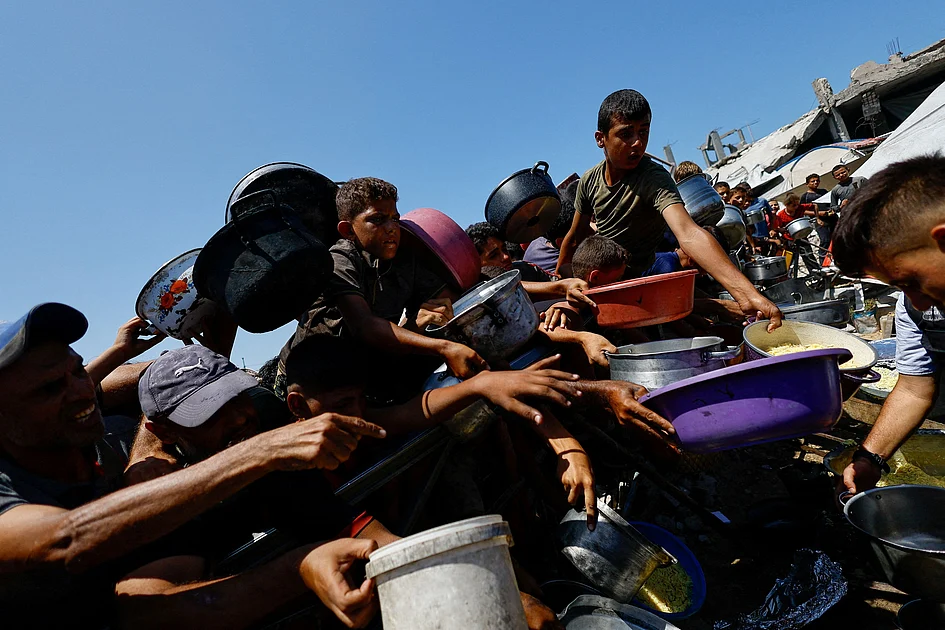
    The United Nations has formally rescinded its famine declaration for Gaza, marking a significant yet fragile improvement in the Palestinian territory’s food security situation. According to the UN’s Integrated Food Security Phase Classification (IPC) initiative, no areas in Gaza currently meet the technical criteria for famine—a stark reversal from the organization’s August 2025 declaration, the first such designation ever issued in the Middle East.

    The improvement is attributed to the partial easing of restrictions on humanitarian aid following the October ceasefire between Israel and Hamas. However, the IPC emphasized that the entire Gaza Strip remains classified at emergency levels of food insecurity, with approximately 1.6 million people projected to face crisis-level hunger through mid-April.

    Aid distribution continues to face severe challenges, with delivery described as limited, uneven, and fluctuating daily. The ceasefire remains fragile, with both parties regularly accusing each other of violations. UN agencies warned that without sustained access, supplies, and funding, several regions—including North Gaza, Gaza Governorate, Deir al-Balah, and Khan Younis—could rapidly deteriorate into famine conditions if hostilities resume.

    The humanitarian situation extends beyond food security, with over 70% of Gaza’s population living in makeshift shelters. Winter floods and plummeting temperatures have increased risks of hypothermia, while severely limited access to water, sanitation, and hygiene facilities has created conditions ripe for disease outbreaks. Agricultural infrastructure has been devastated, with over 96% of cropland damaged or inaccessible and livestock populations decimated.

    Israeli officials acknowledged the improved situation but criticized the IPC’s methodology, claiming it presented a distorted picture by overemphasizing UN aid trucks while ignoring other assistance channels. Meanwhile, humanitarian organizations like Oxfam accused Israel of continuing to block critical aid, with millions of dollars worth of supplies reportedly stranded at border crossings.

    UN Secretary-General Antonio Guterres called for expanded access points, reduced restrictions on critical items, and safe routes within Gaza, while also highlighting the rapidly deteriorating situation in the West Bank where Palestinians face escalating violence and movement restrictions.
  • US and Israel ‘planted’ media leaks alleging tensions before Iran attack: Report

    US and Israel ‘planted’ media leaks alleging tensions before Iran attack: Report

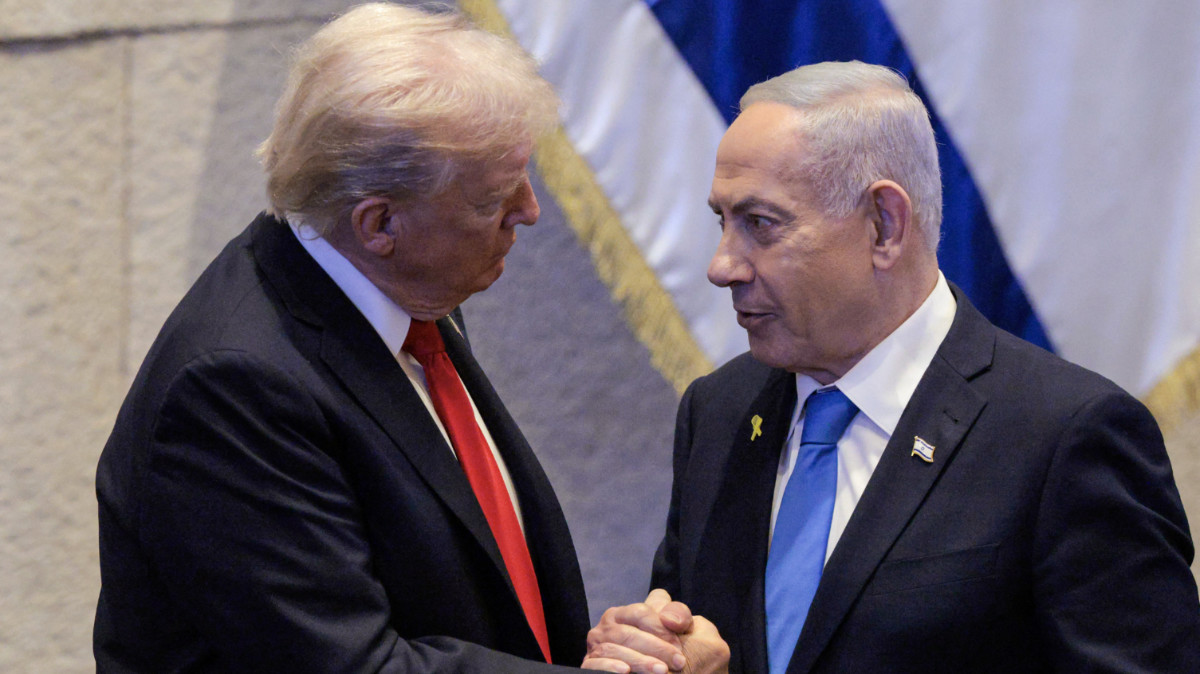
    A groundbreaking investigation by The Washington Post has exposed a meticulously orchestrated disinformation campaign between the United States and Israel, revealing that both nations collaboratively planned a military strike on Iran while deliberately misleading global media about their strategic alignment. Contrary to widespread media narratives suggesting diplomatic tensions between President Donald Trump and Israeli Prime Minister Benjamin Netanyahu, the two allies were in fact coordinating an attack strategy while simultaneously negotiating with Tehran.

    The covert operation, executed in June, involved the intentional leaking of false stories to major news outlets suggesting discord between Washington and Jerusalem. This calculated misinformation campaign aimed to lull Iranian officials into a false sense of security during nuclear negotiations. According to insider sources cited in the report, the perception of US-Israel tensions was deliberately cultivated to enable attack planning without international detection.

    Middle East Eye corroborates that Israel launched surprise strikes on June 13th using modified American F-35 aircraft and other US-supplied weaponry, just two days before scheduled nuclear talks that involved US Arab partners including Saudi Arabia, the UAE, and Qatar. The attack proceeded despite numerous media reports, including from The Wall Street Journal and Axios, asserting that the US had refused to provide offensive support or participate directly in Israeli military actions.

    In reality, the Trump administration had been thoroughly briefed on Israel’s attack plans and never ruled out participation. The US ultimately approved the use of advanced weapon systems including F-35 and F-16 fighter jets, while simultaneously supplying additional missiles to Israel in the days preceding the operation. The military campaign culminated in US strikes against Iranian nuclear facilities on June 22nd, directly contradicting dozens of media reports that had claimed American non-involvement.

    Prior to the attack, the US delivered a restrictive final ultimatum to Iran demanding the complete cessation of financial support to groups including Hezbollah, the Houthis, and Hamas. The proposal also required Iran to replace the Fordow Enrichment Plant with facilities prohibiting uranium enrichment entirely, in exchange for sanctions relief. While alternative solutions including regional uranium enrichment consortia had been discussed, the military option proceeded as planned.

  • Sri Lanka tea workers struggle in poverty. Flooding cost many their lives

    Sri Lanka tea workers struggle in poverty. Flooding cost many their lives

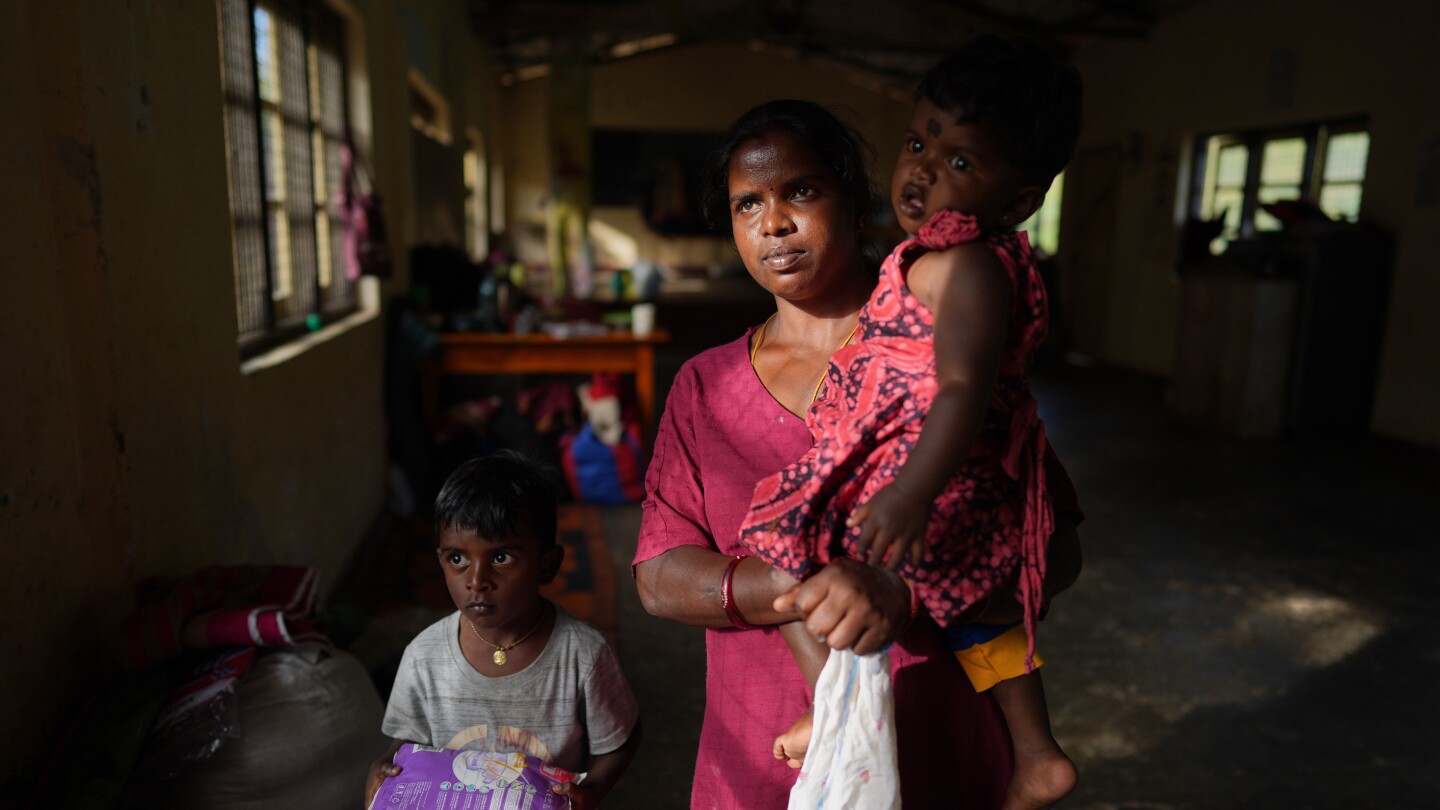
    The devastating impact of Cyclone Ditwah has laid bare the extreme vulnerabilities facing Sri Lanka’s tea plantation communities, where centuries-old systemic inequalities have amplified a natural disaster into human tragedy. In the hilly central regions, entire communities of Malaiyaha Tamil workers—descendants of indentured laborers brought from India during British colonial rule—have been virtually erased by catastrophic landslides and flooding.

    Survivors like Kumaran Elumugam returned from work to discover his home completely buried, claiming six family members including his wife, mother-in-law, and grandchildren. “The small one is still under the mud,” he lamented, encapsulating the horrifying human toll. Across the affected regions, over 640 lives were lost with hundreds more missing, while more than 100,000 homes were destroyed or damaged.

    The disaster disproportionately impacted tea workers who typically inhabit primitive 150-year-old colonial-era structures measuring barely 100 square feet, often housing eight family members with inadequate sanitation facilities. Climate researcher Melanie Gunathilaka noted that while tea plantations on flatter ground remained largely unaffected, worker settlements situated near dangerous mountain slopes were completely destroyed—a stark illustration of how little value has been placed on these communities’ safety.

    These communities, representing Sri Lanka’s fourth-largest ethnic group, survive on wages well below the minimum of 1,200 rupees ($4) per day with limited access to education, healthcare, or alternative employment. The catastrophe has exposed how climate vulnerability intersects with preexisting socioeconomic disparities.

    The government has promised compensation packages and new housing initiatives, including an Indian-assisted project to build 7,000 homes. Deputy Minister Sundaralingam Pradeep confirmed negotiations with tea companies to identify safer lands for reconstruction. However, survivors report continuing to work under dangerous conditions as companies provide no support without labor.

    Beyond immediate recovery, Sri Lanka faces profound climate adaptation challenges. The nation accounts for less than 1% of global emissions yet ranks among the most vulnerable to climate impacts. According to UN estimates, Sri Lanka loses over $300 million annually to climate-related disasters, with 19 million citizens living in disaster-prone areas.

    The country’s massive debt burden—owing billions to the IMF, multilateral banks, and national creditors—severely hampers climate resilience efforts. As analyst Sandun Thudugala observed, “Disasters don’t break the system. They expose the already broken systems.” Without debt relief and significant investment in climate-resilient infrastructure, early warning systems, and adaptive housing, Sri Lanka’s most marginalized communities remain trapped in a cycle of vulnerability despite contributing minimally to the global climate crisis.

  • Kebabs, biryani and much more: Indian city on Unesco culinary list

    Kebabs, biryani and much more: Indian city on Unesco culinary list

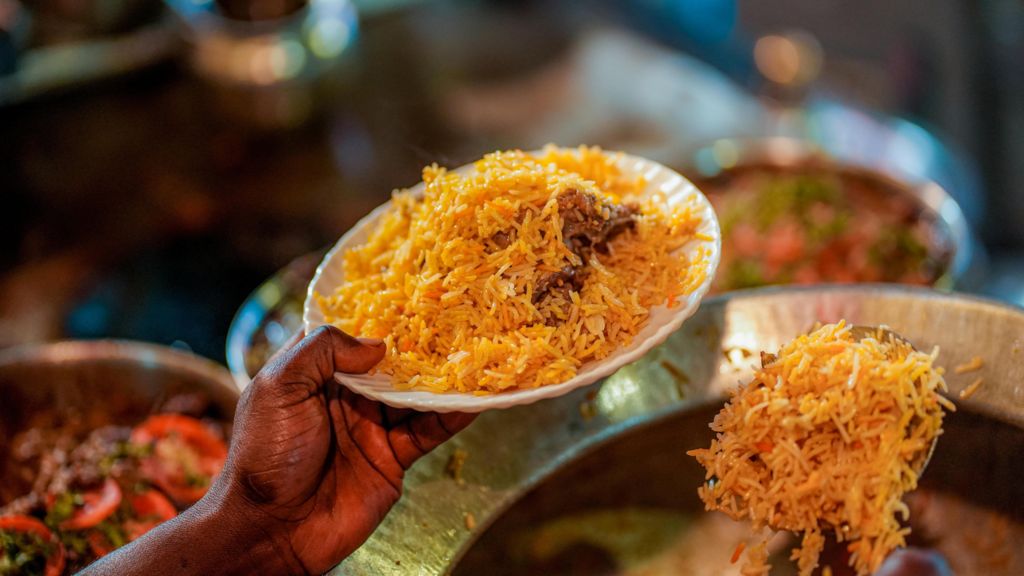
    The northern Indian city of Lucknow has received international recognition as UNESCO designated it a Creative City of Gastronomy, placing it among 408 cities worldwide committed to leveraging creativity for sustainable urban development. This prestigious accolade makes Lucknow only the second Indian city after Hyderabad to join this exclusive network.

    UNESCO’s Regional Director for South Asia, Tim Curtis, emphasized that this designation serves as a testament to Lucknow’s profound culinary heritage and dynamic food ecosystem, simultaneously honoring its cultural legacy while creating opportunities for global collaboration.

    The city’s gastronomic identity traces back to the 18th and 19th centuries when it served as the capital of the Awadh region under wealthy Muslim rulers known as Nawabs. Their royal kitchens became centers of culinary innovation, blending Persian and Indian techniques to create what is now known as Awadhi cuisine. Among their most significant contributions was the Dum pukht method—slow-cooking ingredients in a sealed pot with dough—developed during Nawab Asaf-ud-Daulah’s reign to address famine conditions through a work-for-food program.

    Lucknow’s culinary landscape features iconic dishes including melt-in-the-mouth kebabs like the galouti kebab, created for a toothless nawab using finely minced meat with papaya and spices. The city’s distinctive biryani, kormas, sheermal (saffron flatbread), and shahi tukda (bread pudding) further demonstrate its rich gastronomic diversity.

    Beyond meat-based specialties, Lucknow offers a vegetarian paradise with seasonal delights and street food like chaat. The city boasts generations-old establishments such as Sharmaji Tea Stall, operating since 1949 and famous for its masala chai served in clay glasses, and Netram, a 150-year-old institution renowned for kachoris and jalebis.

    Seasonal specialties include makkhan malai, a frothy winter dessert created through a scientific process of dew-exposed, hand-churned milk. However, concerns exist about the preservation of such traditional methods as younger generations show declining interest in these culinary arts.

    Local advocates including celebrity chef Ranveer Brar and Madhavi Kuckreja of the Sanatkada Trust emphasize that UNESCO recognition should spotlight lesser-known eateries and family recipes that constitute Lucknow’s living culinary history. They hope this international acknowledgment will encourage global visitors to explore the stories behind each dish and sustain the city’s food traditions for future generations.

  • Make Korea great again: The right-wing group wooing disenchanted youth

    Make Korea great again: The right-wing group wooing disenchanted youth

    In a remarkable political reversal, imprisoned former South Korean President Yoon Suk Yeol has emerged as an unexpected symbol of resistance for a generation of disaffected youth, despite facing life imprisonment for his attempted martial law declaration in December 2024.

    The movement, spearheaded by 24-year-old Park Joon-young and his right-wing youth organization Freedom University, has gained significant traction among young South Koreans who feel abandoned by the political establishment. What began as campus protests against Yoon’s impeachment has evolved into a full-fledged youth rebellion movement that mirrors tactics and rhetoric from America’s MAGA movement.

    Park founded Freedom University in opposition to what he characterizes as a corrupt, left-wing political status quo that has failed South Korea’s younger generation. The group has rapidly expanded through aggressive social media campaigns, drawing thousands to rallies where attendees pose for selfies with images of the imprisoned former leader.

    The movement’s ideology combines economic discontent with nationalist fervor. Their banners proclaim “Korea for Koreans” and demand the expulsion of the “Chinese Communist Party,” reflecting widespread Sinophobia in a country that consistently ranks among the world’s least favorable toward China. The group promotes unsubstantiated claims about Chinese interference in Korean elections and society.

    This youth mobilization represents a dramatic shift in political allegiances. Yoon, who was deeply unpopular among young voters during his presidency, has been reinvented as a martyr figure following his failed power grab. His December 3, 2024 declaration of martial law—which alleged without evidence that North Korean sympathizers and Chinese spies were conspiring to steal elections—was defeated within hours by public resistance and parliamentary action.

    The movement’s growth reflects South Korea’s deepening political polarization and the economic anxieties of its youth. Recent surveys show nearly 75% of young South Koreans believe the economy is in poor shape compared to their parents’ generation, with home ownership rates at historic lows despite the country’s world-class education system. Median monthly income remains approximately $1,600, creating widespread disillusionment.

    Psychiatrist Kim Hyun Soo warns that without offering new visions of hope, South Korea risks further polarization as frustrated youth turn to movements like Freedom University. The group’s effectiveness lies in its ability to channel economic frustration, cultural resentment, and nationalist sentiment into a cohesive political force that continues to gain momentum despite being supported by only 27% of the general population.

  • XPENG UAE expands presence with new flagship showroom in Abu Dhabi

    XPENG UAE expands presence with new flagship showroom in Abu Dhabi

    ABU DHABI – Chinese electric vehicle manufacturer XPENG has significantly strengthened its Middle Eastern presence with the inauguration of a cutting-edge flagship showroom in Abu Dhabi’s Al Salam Tower. This strategic expansion commemorates the brand’s first anniversary in the United Arab Emirates market under its local representative, Ali & Sons Automotive.

    The newly unveiled facility embodies XPENG’s premium retail philosophy, featuring immersive digital displays, interactive exploration zones, and an extensive material wall showcasing vehicle finishes. The minimalist design aesthetic reflects the brand’s commitment to technological sophistication while providing customers with a seamless environment to experience XPENG’s intelligent electric vehicles.

    To mark the opening celebration, XPENG is exhibiting its flagship G6 and G9 SUV models alongside a special one-day display of the XPENG Aridge. These vehicles demonstrate impressive technical specifications, including real-world ranges up to 570 kilometers and ultra-fast charging capabilities that deliver 10-80% battery replenishment in just 20 minutes at 380 kW stations. The cabins incorporate advanced sound insulation technology, while the driving experience is powered by XPENG’s proprietary XOS operating system and XPILOT intelligent driving platform.

    The Abu Dhabi showroom currently focuses on sales and brand experience, with plans to establish a comprehensive Triple-S facility (sales, service, spare parts) in Mussafah by 2026. This expansion will significantly enhance customer accessibility and support infrastructure across the Emirates.

    Mohamed Al Dhaheri, Managing Director of Ali & Sons Automotive, emphasized the strategic significance: “Abu Dhabi provides a natural home for our brand, aligning with shared values of technological leadership, sustainability, and customer-focused design. Together with XPENG, we are proud to expand our footprint in the capital.”

    XPENG’s global influence continues to grow through strategic partnerships, most notably with Volkswagen Group, which will integrate XPENG technologies into future Volkswagen EV models. Regionally, the brand plans to expand its lineup with five new models next year, including Range Extended Electric Vehicle (REEV) technology, reaching seven total models by late 2026.

    Financial accessibility remains a priority, with introductory EMI plans starting from AED 2,599 for the G6 and AED 3,199 for the G9, both featuring zero down payment options. The Abu Dhabi showroom now operates alongside XPENG’s existing Dubai facility on Sheikh Zayed Road, marking a substantial commitment to the UAE’s evolving electric mobility landscape.

  • Resilient West Indies pass the follow-on on the 3rd day of the 3rd test against New Zealand

    Resilient West Indies pass the follow-on on the 3rd day of the 3rd test against New Zealand

    In a display of determined batting, the West Indies demonstrated significant resilience on day three of the third test against New Zealand at Bay Oval, Mount Maunganui. Kavem Hodge emerged as the cornerstone of this effort, scoring an unbeaten 109 to mark his second test century and guide his team to 381-6 by stumps on Saturday.

    The visitors successfully avoided the follow-on, having surpassed the required 357-run mark in response to New Zealand’s formidable first innings total of 575-8. This batting performance echoed their determined second innings in the drawn first test, where they batted for 163.3 overs.

    Hodge’s innings proved particularly redemptive following a period of inconsistent form. Since his maiden test century of 120 against England at Trent Bridge in July 2024, he had surpassed fifty only once in sixteen subsequent innings. His place in the team appeared uncertain after missing the first test and scoring modestly in the second.

    The batsman displayed considerable patience during his 224-ball stay at the crease, battling through a brief stall in the 90s before finally reaching his century. Hodge attributed his success to careful preparation and self-belief, stating: ‘I’ve been trying to understand what I will face here in New Zealand and come up with a plan to combat it. One of my strengths is square of the wicket and I was just trying to improve on that.’

    West Indies’ effort was bolstered by several key partnerships. Openers Brandon King (63) and John Campbell (45) established a solid foundation with a 111-run stand—their first century partnership as an opening pair and only the sixth such achievement for West Indies in eleven years. Hodge then built crucial partnerships with Tevin Imlach (27), Alick Athanaze (45), and Justin Greaves (43).

    New Zealand’s bowling attack, led by Jacob Duffy who removed both openers, continued to chip away at the West Indies lineup on a pitch showing increasing signs of wear with visible cracking and occasional variable bounce. Spinner Ajaz Patel claimed his first test wicket on home soil, removing Roston Chase lbw for 2.

    With New Zealand leading the three-match series 1-0 after winning the second test by nine wickets, the hosts are unlikely to enforce the follow-on despite the West Indies avoiding it, preferring to avoid batting last on a deteriorating pitch.

  • Exclusive: MPs urge Starmer to investigate Cameron ICC interference claims

    Exclusive: MPs urge Starmer to investigate Cameron ICC interference claims

    Two Labour parliamentarians have formally urged Prime Minister Keir Starmer to authorize an independent investigation into serious allegations that former Foreign Secretary David Cameron attempted to improperly influence the International Criminal Court’s proceedings regarding Israeli officials. Richard Burgon and Imran Hussain submitted their demand through a letter acquired exclusively by Middle East Eye, highlighting concerns about Britain’s potential interference with the judicial independence of the international court.

    The controversy centers on claims that a high-ranking official from the previous Conservative administration threatened ICC Chief Prosecutor Karim Khan with severe repercussions, including financial withdrawal and Britain’s exit from the Rome Statute, should he proceed with arrest warrants targeting Israeli leadership. These allegations gained substantiation through Khan’s recent submission to the ICC’s appeal chamber, which detailed inappropriate pressure from British authorities during the warrant application process for Prime Minister Benjamin Netanyahu and Defense Minister Yoav Gallant.

    According to multiple sources, Cameron engaged in a particularly tense phone conversation with Prosecutor Khan on April 23, 2024, during which he characterized the potential warrants as equivalent to ‘dropping a hydrogen bomb.’ Cameron reportedly drew distinctions between prosecuting Russia for aggression against Ukraine and investigating Israel’s defensive operations following the October 7 attacks. While sources close to Cameron acknowledge the call occurred and described it as ‘robust,’ they maintain it constituted political dialogue rather than overt threats.

    The parliamentary letter emphasizes that any attempted coercion of ICC officials could violate Article 70 of the Rome Statute, potentially constituting criminal obstruction of justice. The MPs expressed profound concern that such interference, particularly if originating from the highest levels of government, would cause significant damage to Britain’s international reputation as a defender of legal norms and the rules-based international order.

    This development follows earlier expressions of concern from over 100 cross-party MPs and peers who previously urged the Conservative government to safeguard the ICC’s independence against political intimidation. The Office of the Prosecutor had simultaneously issued statements demanding cessation of all attempts to improperly influence its officials.

    Prime Minister Starmer’s office has referred inquiries to the Foreign Office, which has consistently declined to address the specific allegations. The situation continues to develop as calls grow for transparent examination of Britain’s interactions with the international judicial body.

  • Dubai rains: Police, emergency teams work overnight to clear flooded roads, manage traffic

    Dubai rains: Police, emergency teams work overnight to clear flooded roads, manage traffic

    Dubai’s emergency services executed a meticulously coordinated overnight operation to mitigate severe flooding caused by torrential rainfall, prioritizing public safety and infrastructure restoration. According to Brigadier Turki Abdulrahman bin Fares, Director of Operations at Dubai Police, advanced monitoring of regional weather patterns enabled proactive deployment of resources before conditions deteriorated locally.

    Approximately 70% of all patrol and rescue assets were activated across the emirate, including the mountainous Hatta region. Police units extended duty hours while specialized teams addressed multiple challenges: draining submerged roadways, managing traffic disruptions, assisting stranded motorists, and securing high-risk zones including valleys, elevated terrain, and coastal areas.

    The response leveraged a unified command structure integrating Dubai Police with Roads and Transport Authority, Dubai Municipality, Civil Defense, Ambulance Services, DEWA, and the Government of Dubai Media Office. This collaborative framework enabled real-time information sharing and coordinated field operations throughout the crisis.

    Twenty-two specialized rescue teams—13 land-based and nine marine units—were strategically positioned to handle emergencies. The public alert system disseminated critical safety information while community management teams regulated access to affected areas and addressed resident concerns.

    Brigadier bin Fares emphasized that pre-established contingency plans, joint exercises, and continuous coordination enabled dynamic adjustments based on live meteorological data and field reports. The operation successfully maintained safety across all districts, with normalcy largely restored by morning through these concerted efforts.

  • Suspect jumps to death after fatal Taipei attack

    Suspect jumps to death after fatal Taipei attack

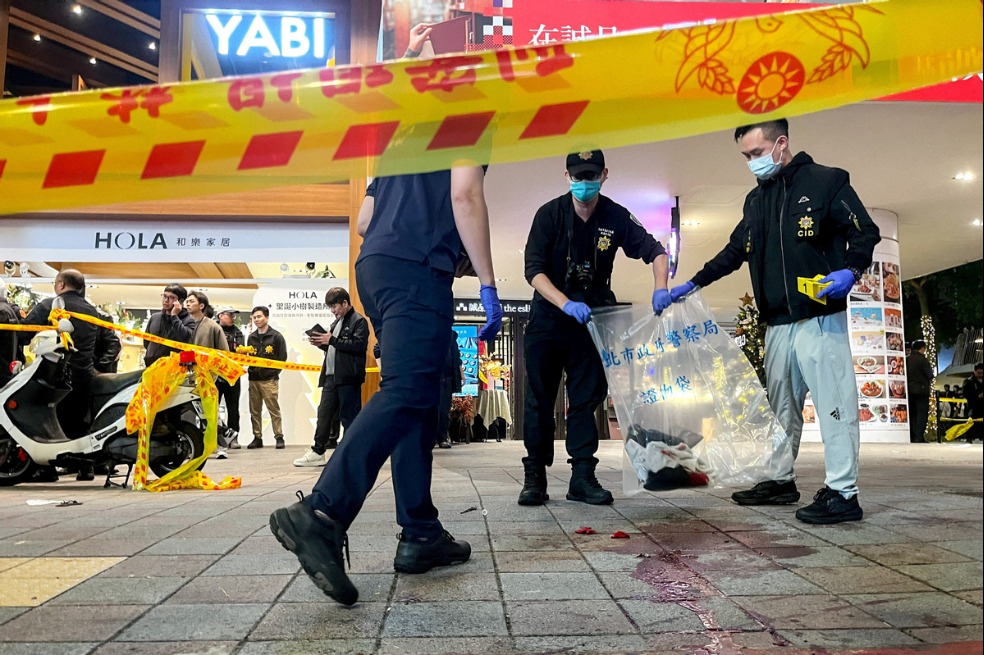
    A violent rampage in central Taipei on Friday evening resulted in four fatalities and multiple injuries, culminating in the apparent suicide of the assailant. The incident, which sent shockwaves through the Taiwanese capital, began at approximately 5:30 PM local time near Taipei Main Station.

    According to law enforcement authorities and eyewitness accounts, an individual equipped with a gas mask initiated the attack by detonating smoke grenades at a key station exit. The deliberate creation of chaos and panic led to immediate casualties, with emergency services transporting two critically injured individuals to nearby medical facilities. Hospital officials later confirmed one victim, identified as a 57-year-old male, succumbed to his injuries. A second victim, aged 54, remains hospitalized under medical supervision.

    The perpetrator subsequently fled the initial crime scene, moving toward the Zhongshan MRT Station area where he continued his violent spree. Witnesses reported the assailant deployed additional smoke devices while indiscriminately attacking bystanders with a bladed weapon. This secondary assault resulted in seven additional casualties with varying degrees of injuries.

    The sequence of events reached its grim conclusion when the suspect entered an adjacent commercial complex. Security camera footage indicates the individual proceeded to ascend multiple levels before deliberately jumping from a height equivalent to six stories. Medical personnel pronounced the suspect dead at the scene despite attempted resuscitation efforts.

    Taipei Police Department has established a specialized task force to investigate the comprehensive circumstances surrounding the attack. Investigators are meticulously examining surveillance recordings, forensic evidence, and witness statements to establish the precise timeline of events. Additional investigative priorities include determining the origin of the explosive devices, reconstructing the suspect’s complete movement pattern, and identifying any potential specific targets or motivations behind the assault. Security personnel have maintained a perimeter around both crime scenes as the investigation continues to develop.