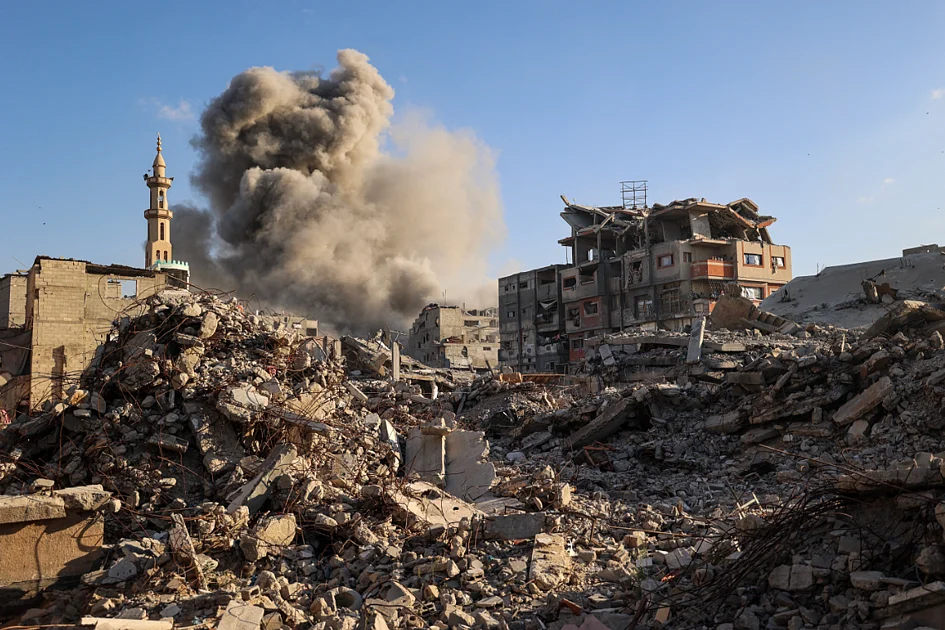
Israeli Prime Minister Benjamin Netanyahu has directed the military to execute immediate and forceful strikes on the Gaza Strip, following allegations that Hamas breached a US-mediated ceasefire agreement. The decision was announced on Tuesday, October 28, after extensive security consultations. Netanyahu’s office released a statement confirming the order, emphasizing the need for a robust response to the ceasefire violation. The Israeli Defense Forces (IDF) subsequently launched a series of targeted attacks on Hamas positions in southern Gaza. Earlier reports indicated that Hamas had fired towards Israeli troops stationed behind the ‘yellow line,’ a demarcation established under the ceasefire terms. This incident marks at least the third violation since the ceasefire was implemented. The escalation underscores the fragile nature of the truce and raises concerns about renewed hostilities in the region.
标签: Asia
亚洲
-
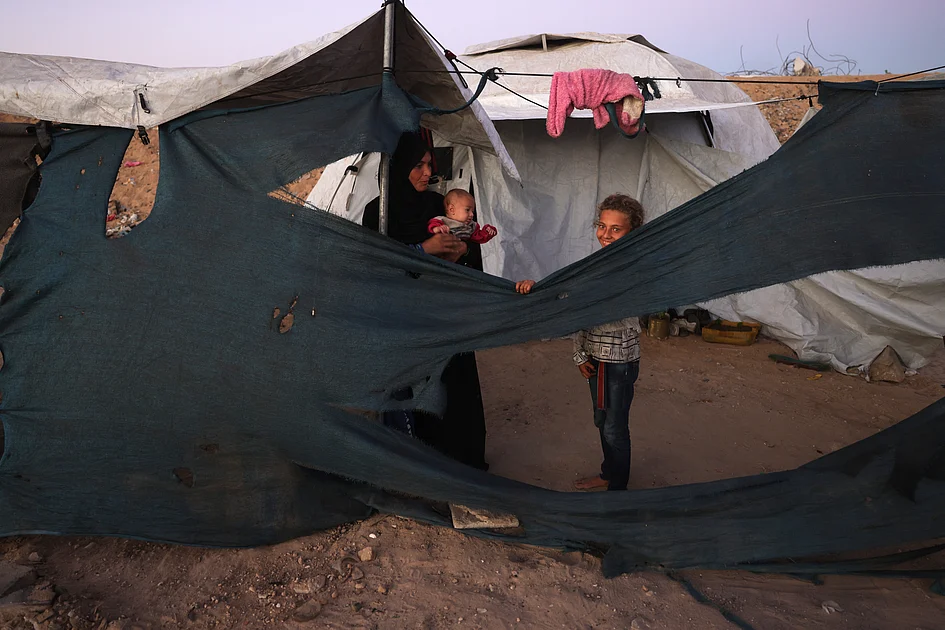
Israel lifts restrictions on communities near Gaza after security review
In a significant development, Israel has officially lifted restrictions on communities near the Gaza border, as announced by the Israel Defence Forces (IDF) on Tuesday, October 28, 2025. This decision follows a comprehensive situational assessment and formal approval from Defence Minister Israel Katz. The move marks the first time such measures have been revoked since the October 2023 Hamas attacks, which prompted the imposition of a state of emergency in the region. Katz’s office stated, ‘I have decided to adopt the (Israeli military’s) recommendation and to lift, for the first time since October 7, the special state on the home front.’ The decision reflects the improved security conditions in southern Israel, bolstered by a ceasefire that has largely held since its initiation on October 10. This step signals a gradual return to normalcy for residents in the affected areas, who have endured heightened security measures for over two years.
-
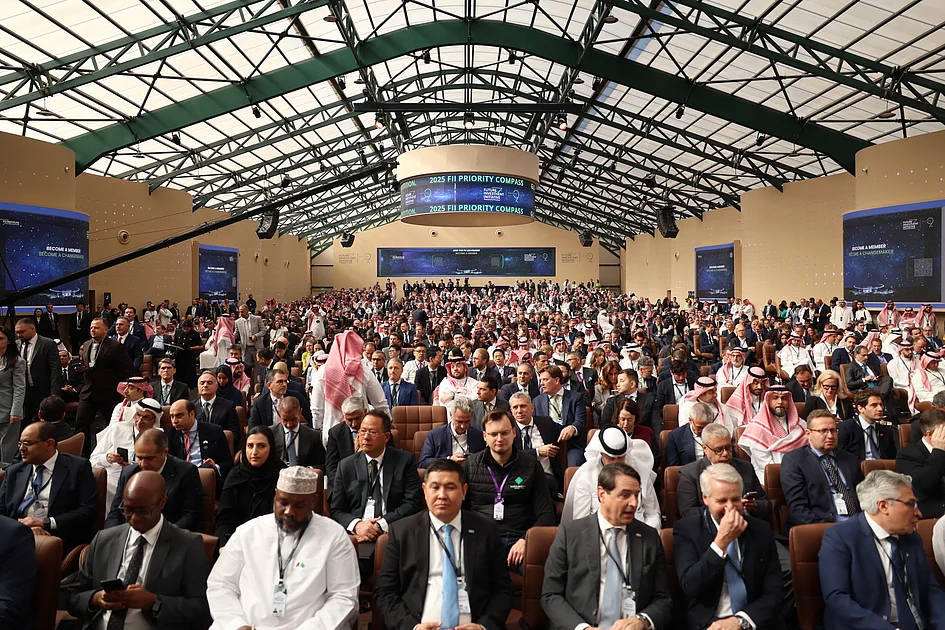
Saudi’s Red Sea Global chief says alcohol ‘not essential’ to draw tourists
Saudi Arabia’s ambitious plans to diversify its oil-dependent economy through tourism and entertainment are progressing steadily, with alcohol remaining off the table. John Pagano, CEO of Red Sea Global, a key player in the kingdom’s tourism strategy, emphasized that the absence of alcohol would not hinder the country’s appeal to international visitors. Speaking at the Future Investment Initiative (FII) in Riyadh, Pagano stated, ‘Alcohol is not permitted in the kingdom. It’s as simple as that. People come for the experiences and to lead healthier lives. Alcohol is not essential for our success.’
Saudi Arabia, the birthplace of Islam and home to its holiest cities, Makkah and Madinah, has traditionally been a religious destination. However, since the introduction of tourist visas in 2019 and the launch of Crown Prince Mohammed bin Salman’s Vision 2030 plan, the kingdom has been transforming into a global tourism hub. Despite this shift, the alcohol ban remains intact, with the exception of a single liquor store opened in January 2024, exclusively serving non-Muslim diplomats.
Pagano highlighted the kingdom’s significant investments in mega-projects, including entertainment, tourism, sports, and artificial intelligence. ‘The Public Investment Fund has committed $800 billion to tourism between now and 2030,’ he said, referencing the upcoming 2030 World Expo and the 2034 FIFA World Cup, both to be hosted in Saudi Arabia. Red Sea Global is spearheading the development of 27 hotels and resorts along the kingdom’s west coast, with ten already operational and the rest set to open by mid-2026. Pagano also expressed confidence in tapping into the lucrative market of Haj pilgrims, who visit Makkah annually. ‘Pilgrims come once in their lifetime, and we plan to capitalize on that,’ he added.
While the alcohol ban may deter some tourists, Pagano remains optimistic about Saudi Arabia’s ability to attract visitors through unique experiences and its rich cultural heritage. The kingdom’s focus on health-conscious tourism and its strategic investments in global events and infrastructure underscore its commitment to becoming a leading destination on the world stage.
-

Adnoc Drilling posts 17% surge in nine-month profit
Adnoc Drilling has announced a significant 17% increase in net profit for the first nine months of 2025, reaching $1.06 billion. This growth is attributed to heightened activity across onshore, offshore, and integrated drilling services. Revenue for the period soared by 27% to $3.63 billion, driven by improved rig utilization, expanded unconventional drilling programs, and a sharp rise in integrated drilling services. Free cash flow surged by 174% to $1.2 billion, enabling the company to enhance shareholder returns while investing in fleet expansion and technological advancements. Return on equity stood at 36%, and return on capital employed at 25%, reflecting the company’s operational efficiency and robust margins. CEO Abdulla Ateya Al Messabi highlighted the disciplined execution and resilience of Adnoc Drilling’s contract model, emphasizing plans for transformational growth. The company aims to expand unconventional capacity to over 300 wells annually and grow its integrated drilling services fleet to approximately 70 rigs by 2026. These initiatives are expected to generate billions in new revenue streams, supported by in-house technical capabilities and a transition to becoming an AI-native company. Onshore revenue increased by 13% to $1.52 billion, while offshore jack-up and island drilling revenue reached $1.04 billion. Oilfield services revenue skyrocketed by 114% to $1.07 billion. Shareholders will benefit from a third-quarter dividend of $250 million, with the company targeting a minimum of $6.8 billion in distributions between 2025 and 2030. Adnoc Drilling is also advancing strategic initiatives, including joint ventures in Kuwait and Oman, and accelerating AI and automation adoption across fleet operations. Looking ahead, the company anticipates revenue of around $5 billion in 2026 and aims to expand its fleet to over 151 rigs by 2028.
-
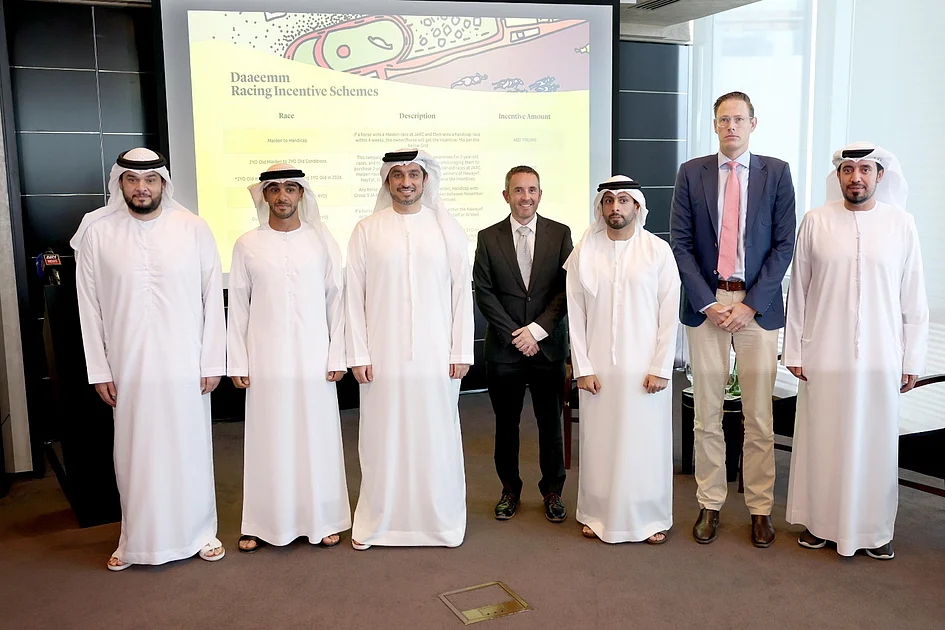
UAE set for big season as countdown begins to 30th Dubai World Cup
The UAE is gearing up for an extraordinary horse racing season as the countdown begins to the 30th anniversary of the Dubai World Cup, set to take place on March 28, 2026. The 2025–2026 racing season officially commences on November 1, 2025, at Jebel Ali Racecourse, which will host 11 meetings through March 8, 2026. Meanwhile, Meydan Racecourse will stage 16 meetings starting November 7, 2025, as part of the prestigious Dubai World Cup Carnival, culminating in the $12 million Dubai World Cup.
At a press conference held at Jumeirah Emirates Towers, Jebel Ali Racecourse announced a 20% increase in total prize money for the season and introduced the groundbreaking ‘Daaeemm’ scheme, the world’s first racing incentive program designed to support horse owners. This initiative aims to reward participation and competitiveness by offering additional bonuses to horses in selected categories, including maidens and younger horses, beyond their standard race purses.
Mohamed Ahmed Al Ahmed, Director General of Jebel Ali Racecourse, emphasized the season’s focus on growth and inclusion, highlighting the vision of Maj. General Sheikh Ahmed bin Rashid Al Maktoum. ‘With the launch of the Daaeemm scheme, we’re creating an incentive structure that benefits everyone in the racing community — owners, trainers, and fans alike,’ he said. ‘It’s about building a sustainable, competitive, and vibrant future for UAE racing.’
Mohammad Saeed Al Shehhi, General Manager and Board Member of the Emirates Racing Authority (ERA), described the 2025–2026 season as a milestone in the internationalization of UAE racing. ‘The UAE has long been recognised as a global leader in horse racing, and the build-up to the 30th Dubai World Cup only strengthens that reputation,’ he said. ‘Our goal this season is not just to celebrate history, but to show how far UAE racing has come.’
The season will feature 64 race meetings across five tracks — Meydan, Jebel Ali, Abu Dhabi, Sharjah, and Al Ain — with Jebel Ali hosting events like the Jebel Ali Mile, Jebel Ali Sprint, and Jebel Ali Stakes. Community-focused initiatives, such as Students and Universities Day, Gallop & Glam Fashion Day, and Ramadan Celebrations, will further enhance the season’s appeal.
As the UAE racing community prepares for this landmark season, the focus remains on making the 30th Dubai World Cup a historic and unforgettable event for the global sporting world.
-
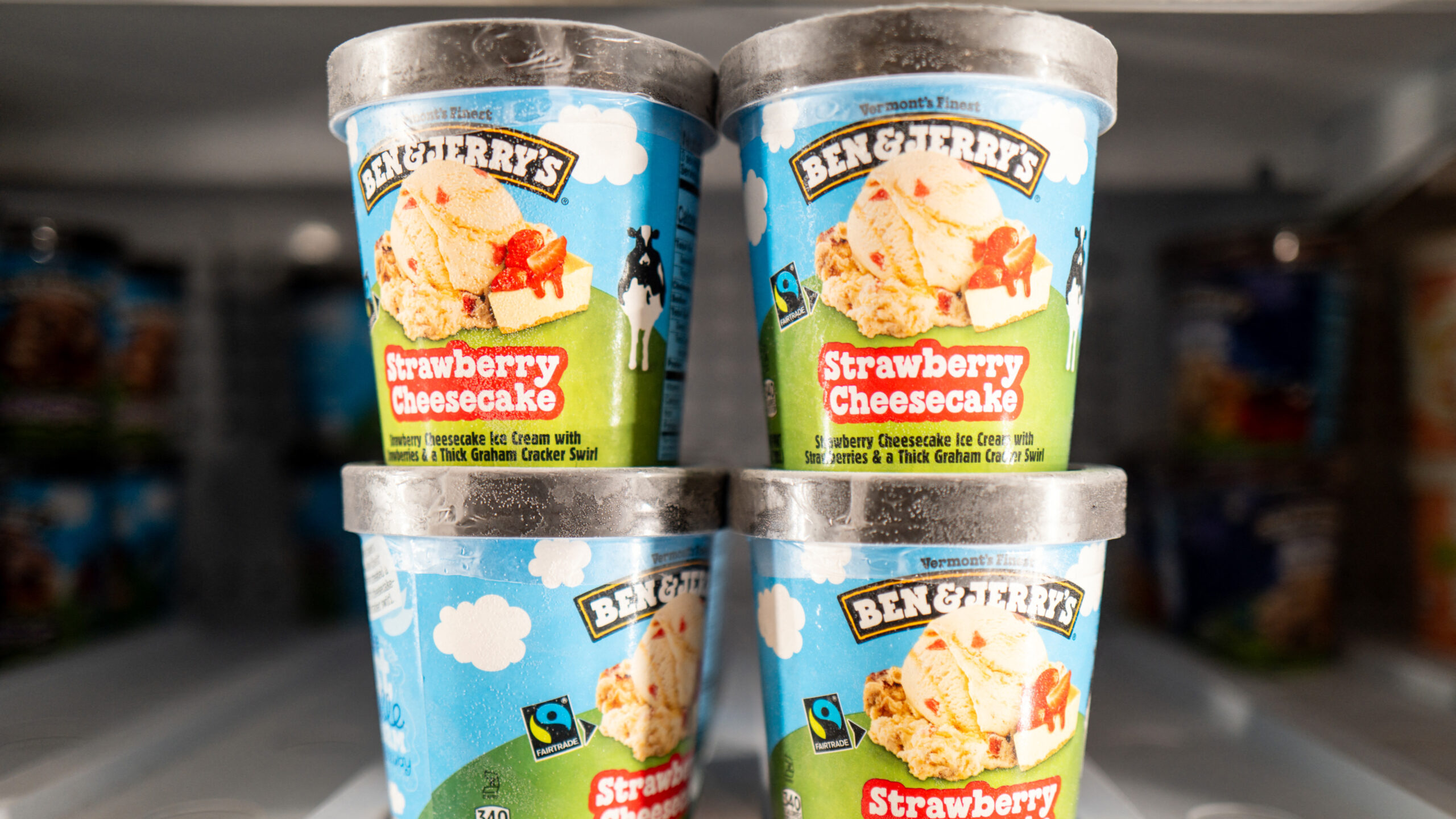
Ben & Jerry’s co-founder creating watermelon-flavoured ice cream to support Palestine
Ben Cohen, co-founder of Ben & Jerry’s, disclosed on Tuesday that the ice cream brand’s parent company, Unilever/Magnum, prevented the creation of a watermelon-flavored ice cream intended to advocate for peace in Palestine. Cohen, 74, shared this revelation in an Instagram post, expressing frustration over the decision. He explained that the proposed flavor aimed to promote justice and dignity for Palestinians, but Unilever/Magnum intervened, much like when the company blocked Ben & Jerry’s earlier decision to cease sales in Israeli-occupied territories.
-
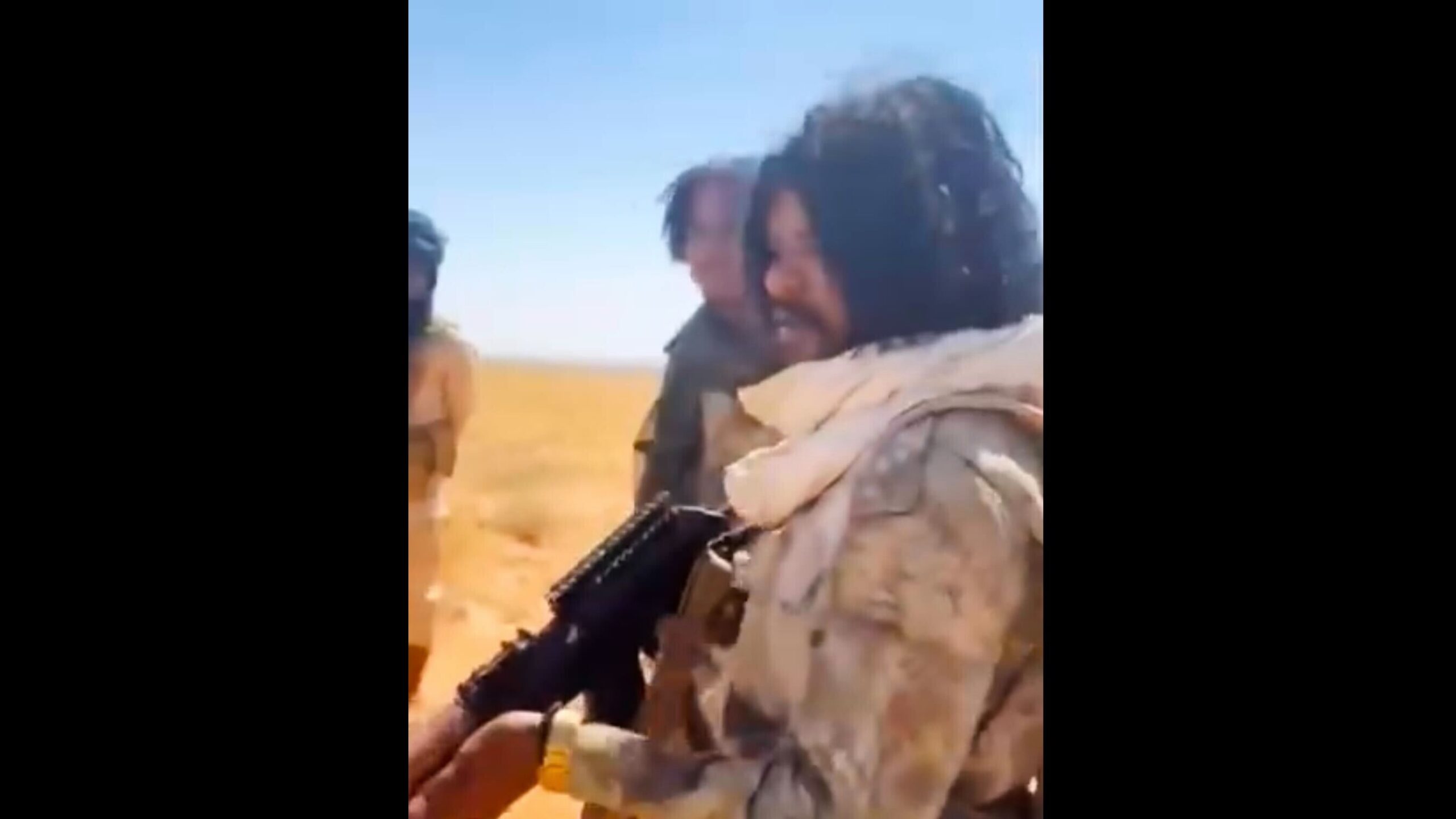
RSF fighters film themselves massacring Sudanese fleeing el-Fasher
The Rapid Support Forces (RSF) stormed the city of el-Fasher in Sudan on Sunday morning, plunging 260,000 trapped civilians into immediate danger. This assault marks a grim escalation in Sudan’s ongoing conflict, which began in April 2023. The RSF, accused of widespread atrocities including genocide in Darfur, has besieged el-Fasher for over 500 days. Middle East Eye (MEE) has verified numerous videos and images depicting chaotic and violent scenes, some published by the RSF itself and others circulating on social media. The footage shows RSF fighters celebrating their capture of the Sixth Infantry division garrison, the headquarters of the Sudanese Armed Forces (SAF) defending el-Fasher. Drone footage reveals scores of civilians fleeing the city on foot, while other videos depict RSF members looting, chasing, and killing civilians. The RSF’s commander, Abdel-Rahim Hamdan Dagalo, addressed his troops, claiming el-Fasher is now safe under their control. However, reports indicate widespread human rights violations, including the detention and execution of civilians and journalists. The Yale School of Public Health’s Humanitarian Research Lab previously warned that the RSF’s construction of berms around el-Fasher created a ‘literal kill box,’ facilitating the massacre of fleeing civilians. Despite international condemnation, the RSF denies allegations of war crimes, attributing the circulated videos to fabricated media campaigns. The fall of el-Fasher underscores the deepening humanitarian crisis in Sudan, with millions displaced and thousands killed since the war began.
-
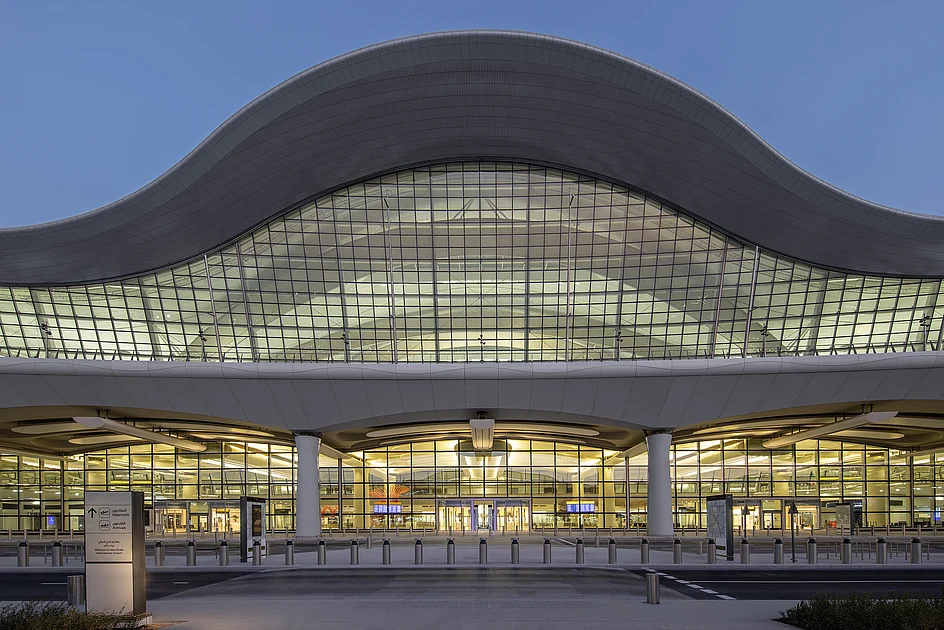
Abu Dhabi Airports reports 18th straight quarter of double-digit passenger traffic growth
Abu Dhabi Airports has marked a significant milestone with its 18th consecutive quarter of double-digit passenger traffic growth, solidifying its role as a key driver of the emirate’s economy and global connectivity. Between July and September 2025, the operator of Abu Dhabi’s five commercial airports welcomed 8.49 million passengers, a 10.1% increase compared to the same period in 2024. This growth was complemented by a 6% rise in flight movements, totaling 67,035 flights, and a 15.5% surge in cargo traffic, which reached 200,000 tonnes during the quarter. Zayed International Airport (AUH), the emirate’s flagship airport, played a central role in this achievement, handling 8.35 million passengers, a 10.4% year-on-year increase. The airport also recorded 49,073 aircraft movements, up 5.9% from Q3 2024. Abu Dhabi Airports’ strategic expansion has been bolstered by new airline partnerships and route additions, including Jazeera Airways’ restored services to Kuwait, China Eastern Airlines’ daily flights to Shanghai, and Ethiopian Airlines’ daily service to Addis Ababa. The company has also expanded its network with 12 new destinations, such as IndiGo’s routes to Madurai, Bhubaneswar, and Vishakhapatnam. Elena Sorlini, Managing Director and CEO of Abu Dhabi Airports, highlighted the organization’s resilience and operational excellence, emphasizing its role in attracting visitors and investors. The third quarter also saw AUH receiving prestigious accolades, including Best Airport for Retail at the 2025 Frontier Awards and Level 2 Accessibility and Level 3 Customer Experience accreditations from ACI. These achievements underscore Abu Dhabi Airports’ commitment to delivering world-class experiences and advancing sustainable innovation. With over 29 million passengers served in 2024 and 545,511 tonnes of cargo handled year-to-date, Abu Dhabi Airports continues to strengthen its position as a global aviation leader, driving economic diversification and fostering international trade.
-
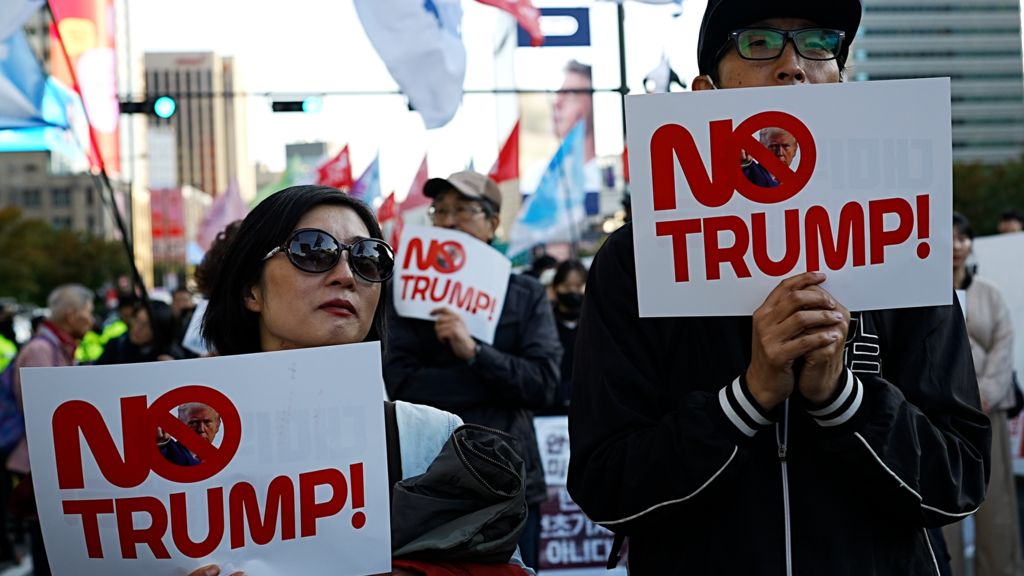
‘No Trump! No China!’: Caught in the middle, South Korea hosts rival superpowers
As US President Donald Trump prepares to visit Seoul, hundreds of protesters gathered in South Korea’s capital, voicing their discontent with both American and Chinese influences. Near the US embassy, demonstrators chanted ‘No Trump!’ while police buses blocked their path, ensuring their voices echoed across Gwanghwamun Square. Simultaneously, another group rallied near Gyeongbokgung Palace, shouting ‘No China!’ and ‘CCP out!’ These protests, though relatively small by South Korean standards, underscore the delicate diplomatic balancing act President Lee Jae-myung faces as he hosts both Trump and Chinese President Xi Jinping this week. South Korea, a long-standing US ally, relies on Washington for security but also depends heavily on China, its largest trading partner. This dual dependency places Seoul in a precarious position, particularly as tensions between the US and China escalate. Lee, a seasoned politician, must navigate these complexities while addressing domestic concerns, including recent immigration raids in the US that have strained bilateral ties. The protests also reflect growing anti-Chinese sentiment in South Korea, fueled by historical grievances and recent policy decisions. Despite these challenges, Lee remains committed to fostering stronger economic and diplomatic relations with both superpowers, aiming to secure South Korea’s prosperity and stability in an increasingly polarized global landscape.
-

PM urged to raise toxic limoncello deaths with Vietnam leader
The tragic deaths of Greta Otteson, 33, and her fiancé Arno Quinton, 36, from methanol poisoning in Vietnam have prompted calls for urgent action. The couple was found dead on Boxing Day 2024 in their Hoi An villa after consuming toxic limoncello, a Christmas gift purchased by Greta’s parents. Post-mortem examinations confirmed acute methanol poisoning as the cause of death. In February, a local barman was arrested and charged with violating food safety regulations for allegedly producing the contaminated drink using medical-grade alcohol. Methanol, a toxic substance found in cleaning products and antifreeze, is cheaper than ethanol but highly dangerous when ingested. Greta’s father, Paul Otteson, expressed frustration over the lack of progress in the investigation and urged UK Prime Minister Sir Keir Starmer to raise the case during his meeting with Vietnam’s General Secretary Tô Lâm. Ann Davies, the family’s MP, has also written to Sir Keir, emphasizing the need for Vietnamese authorities to prioritize the case and ensure justice for the victims. The Otteson family, devastated by the loss, continues to seek answers and accountability, highlighting the broader risks of methanol poisoning for travelers in Vietnam.