
NOVI SAD, Serbia — Tens of thousands of Serbians gathered in Novi Sad on Saturday to mark the first anniversary of a devastating railway station disaster that claimed 16 lives. The commemoration also served as a powerful platform for widespread discontent with the government of President Aleksandar Vucic, whose autocratic rule has faced increasing scrutiny since the tragedy. The collapse of a concrete canopy at the Novi Sad train station on November 1, 2022, sparked youth-led protests and a nationwide movement demanding political change, significantly challenging Vucic’s grip on power. Protesters attribute the disaster to rampant corruption and nepotism in state infrastructure projects, particularly those involving Chinese partnerships, which allegedly led to a fatal disregard for safety standards. Despite 13 individuals being charged, no one has been held accountable. The ceremony began with 16 minutes of silence at 11:52 a.m., the exact time of the collapse, followed by wreath-laying and candlelight tributes outside the station. Attendees, including Vera Jaramazovic from Subotica, expressed profound grief and frustration, reflecting a society in turmoil. Vucic, who recently apologized to student protesters after previously threatening mass arrests, attended a church service in Belgrade while the government declared a day of mourning. However, protesters dismissed his apology, continuing to demand early parliamentary elections to oust his populist regime. Serbia’s EU accession process has stalled under Vucic’s leadership, as his close ties with Russia and China and crackdown on democratic freedoms have drawn criticism. EU Commissioner for Enlargement Marta Kos noted that the tragedy has galvanized calls for accountability and democracy, values essential for Serbia’s EU integration. The event also highlighted the resilience of the protest movement, with thousands of young people marching hundreds of kilometers to Novi Sad, where they were met with emotional support from the community.
标签: Asia
亚洲
-
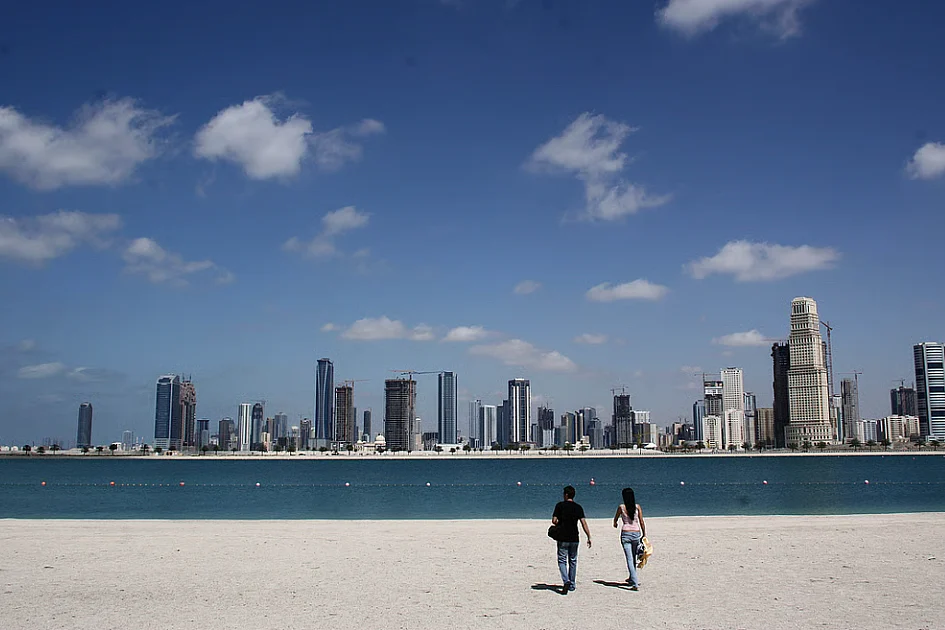
UAE weather: Fair skies ahead; Abu Dhabi, Dubai temperatures to hit 35ºC
Residents of the UAE can look forward to pleasant weather conditions this weekend, as the National Centre of Meteorology (NCM) forecasts fair to partly cloudy skies across the country. On Saturday, November 1, 2025, temperatures are expected to remain comfortable, with highs of 33ºC in Dubai and Abu Dhabi. In the latter, certain areas like Mezaira may experience cooler temperatures, dropping to as low as 19ºC, while mountainous regions could see mercury levels dip to 17ºC. Overnight and into Sunday morning, humidity is anticipated to increase in some coastal and internal areas. Light to moderate winds, occasionally freshening, will sweep across the nation. Sea conditions are predicted to be slight to moderate in the Arabian Gulf and slight in the Oman Sea. This mild weather offers an ideal opportunity for outdoor activities and exploration.
-

US urges ASEAN to be firm in countering China in the South China Sea
KUALA LUMPUR, Malaysia — U.S. Defense Secretary Pete Hegseth called on Southeast Asian nations to bolster their maritime capabilities to counter China’s increasingly aggressive actions in the South China Sea. Speaking at a meeting with Association of Southeast Asian Nations (ASEAN) counterparts, Hegseth emphasized the destabilizing impact of China’s recent activities, including vessel ramming and the use of water cannons. The South China Sea remains a highly contested region, with China claiming nearly the entire area, while ASEAN members such as the Philippines, Vietnam, Malaysia, and Brunei assert overlapping claims. The Philippines, a key U.S. ally, has faced frequent confrontations with Chinese maritime forces. Hegseth criticized China’s recent designation of Scarborough Shoal, seized from the Philippines in 2012, as a ‘nature reserve,’ calling it a tactic to expand territorial claims. He urged ASEAN to accelerate the conclusion of a Code of Conduct with China and enhance joint surveillance and rapid-response mechanisms. He also proposed a ‘shared maritime domain awareness’ system to ensure collective security. Additionally, Hegseth welcomed plans for an ASEAN-U.S. maritime exercise in December, aimed at reinforcing freedom of navigation and sovereign rights. China, however, dismissed U.S. criticism, accusing Washington of provoking tensions and interfering in regional affairs. Chinese officials labeled the Philippines a ‘troublemaker’ following recent joint naval and air drills with the U.S., Australia, and New Zealand, which Beijing claimed undermined regional stability.
-

AI ‘taking jobs’ say UAE recruiters after mass Amazon layoffs
The rapid adoption of artificial intelligence (AI) in the workplace is reshaping the job market in the UAE, with recruitment experts warning of significant job losses in the near future. This trend follows mass layoffs at global tech giants like Amazon, where automation and AI have replaced human roles. Zaid Al Hiali, co-founder of Marc Ellis Consulting and Training, predicts that the Gulf region will soon experience a similar wave of AI-driven workforce reductions. He emphasized that AI is not only replacing operational roles but also technical positions, such as software engineering, where AI can now complete tasks like building a website in seconds. Al Hiali urged employees to upskill urgently to remain relevant, citing examples where AI systems have replaced entire teams of engineers in industries like oil and gas, banking, and technology. He also noted that AI adoption is impacting Emiratisation strategies, as entry-level roles traditionally filled by Emiratis, such as call centers, are increasingly being automated. Despite the grim outlook, some companies are taking a more ethical approach by retraining employees rather than replacing them outright. Aws Ismail, Al Hiali’s business partner, views AI as a productivity enhancer rather than a job eliminator. He shared examples of businesses thriving after integrating AI, such as a logistics company that reduced its sales team from 20 to two employees while improving efficiency. Ismail also highlighted the potential of AI in recruitment, with Marc Ellis launching an AI recruiter that has increased hiring speed by 40%. Candidates like Sakina Abdulhusein and Joshua Limcaoco praised AI-led interviews for their efficiency and lack of bias. While large-scale layoffs have yet to hit the UAE, experts agree that employees must embrace AI and upskill to secure their future in an increasingly automated workforce.
-
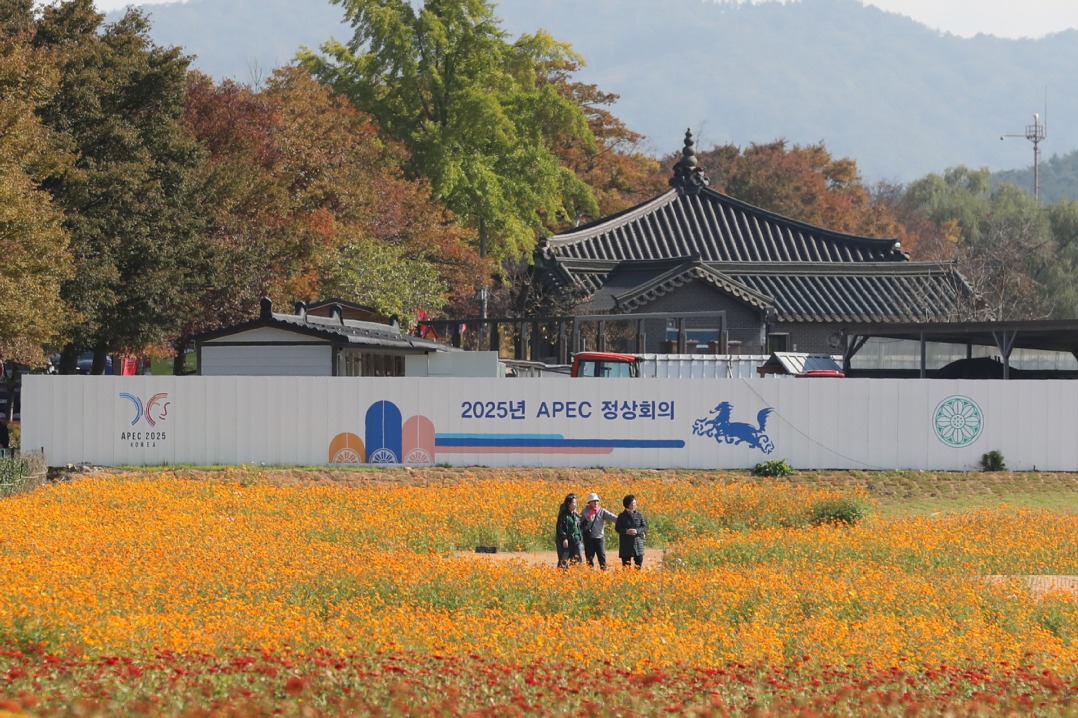
Bonding strengthened via music and much more
On the Chinese short-video platform Douyin, a group of South Korean artists have garnered significant attention, amassing 500,000 followers and over 6 million likes by creating Korean cover versions of popular Chinese songs. Their account, Ouba Music and Ouba Studio, prominently features the slogan, ‘Music does not have boundaries,’ reflecting their mission to foster cross-cultural connections through music. Back Nam-jun, the manager of the accounts, emphasized that music transcends language barriers and serves as a universal medium for emotional expression, independent of political or diplomatic constraints. Back, a fluent Mandarin speaker and Shandong University graduate, shared a touching anecdote about a Chinese follower who uses their music to soothe her child to sleep. This interaction, among others, has motivated the team to continue their creative endeavors. Their work has also introduced many South Koreans to Chinese pop music for the first time. This initiative is part of broader people-to-people exchanges between China and South Korea, two neighboring nations with a history of cultural and economic collaboration. Woo Su-keun, president of the Korea-China Global Association, highlighted the mutual influence of Chinese and South Korean cultures, particularly among younger generations. Woo’s association is actively promoting youth, cultural, and sports exchanges, as well as fostering industrial cooperation in areas like sustainability and artificial intelligence. Shin Kyung-sook, president of the Korea-China Economy and Culture Education Association, emphasized the importance of educational and digital cultural collaborations, including AI art, metaverse tourism, and gaming. Back has also organized language exchange activities in Seoul and opened a Chinese classroom to further cultural understanding. Looking ahead, Back aspires to perform in China, aiming to connect directly with Chinese audiences and strengthen cultural bonds through music.
-

Timeless wisdom: Chinese classic novel delights South Koreans
The enduring allure of the Chinese classic novel, *Romance of the Three Kingdoms* (RTK), continues to captivate South Korean audiences, transcending centuries and cultural boundaries. Written by Luo Guanzhong in the 14th century, the novel delves into the power struggles of the late Han Dynasty and the Three Kingdoms period, weaving together themes of loyalty, strategy, and political intrigue. Its timeless relevance has made it a cultural cornerstone in South Korea, where the saying goes, ‘Don’t associate with someone who hasn’t read RTK three times.’
Professor Her Woo-bum, a South Korean scholar, has dedicated decades to studying and popularizing RTK. His work, *The Three Kingdoms Made Easy*, published in 2021, condenses the original 10-volume novel into two accessible volumes, enriched with commentary from Qing Dynasty critic Mao Zonggang and comparative analyses of South Korean translations. Her attributes RTK’s enduring popularity in South Korea to its alignment with traditional values like ‘righteousness’ and ‘loyalty,’ its compelling characters, and its adaptability to modern media such as games, films, and webtoons.
RTK’s influence extends beyond literature, permeating South Korean culture through over 2,000 related publications spanning history, economics, psychology, and leadership. The novel has also inspired a thriving market of derivative content, including webcomics, animations, and video games. Notably, the *Romance of the Three Kingdoms* game series by Japanese company Koei and mobile games like *The Blade of the Three Kingdoms* have garnered millions of downloads in South Korea.
Her’s journey with RTK began in childhood, evolving from comic books to in-depth academic exploration. Over two decades of research and field investigations have deepened his understanding of the novel, shifting his focus from heroic figures like Guan Yu and Zhuge Liang to the broader themes of ‘era’ and ‘human nature.’ His recent publication, *An Abridged Translation of the Records of the Three Kingdoms*, aims to guide middle-aged readers in navigating life’s challenges through the wisdom of RTK.
RTK’s introduction to South Korea dates back to the late Goryeo period, with its popularity peaking during the Joseon Dynasty. Today, it remains a cultural symbol, inspiring new translations and interpretations. As Her aptly puts it, ‘RTK is not just a historical novel; it is a literary work that embodies human nature, wisdom, and strategy.’
-
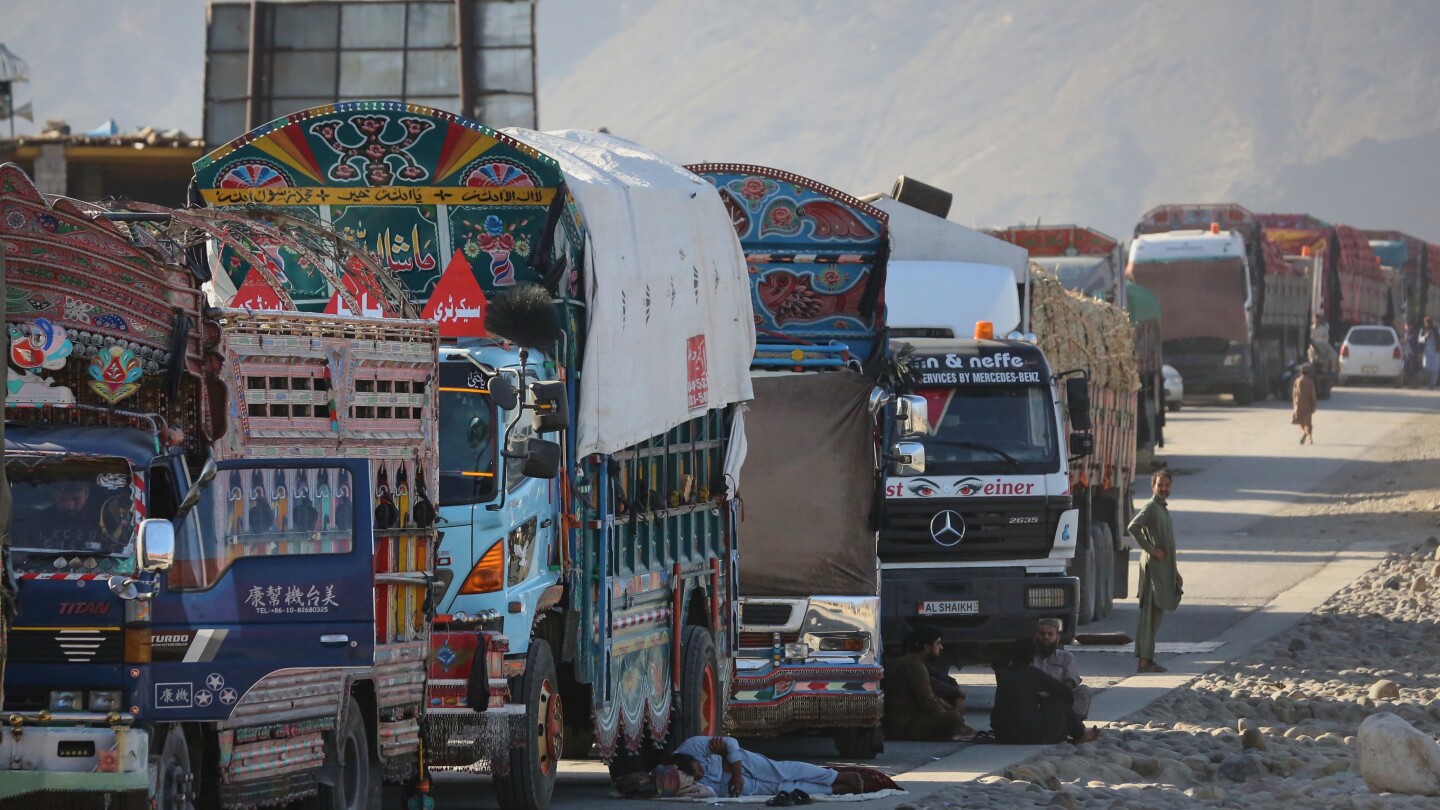
Pakistan partially reopens Torkham border crossing to allow Afghan refugees to leave
Pakistan has partially reopened the Torkham border crossing with Afghanistan, allowing thousands of stranded Afghan refugees to return home, officials confirmed on Saturday. However, restrictions on all other cross-border movements, including trade, remain in place. The border was closed on October 12 following deadly clashes between the two nations, which claimed dozens of lives on both sides. The nearly three-week closure left thousands of refugees and hundreds of trucks carrying goods stranded, disrupting vital trade routes. The reopening follows a ceasefire agreement reached after negotiations facilitated by Turkey and Qatar, aimed at preventing further escalation in the region. Since the ceasefire along the 2,611-kilometer Durand Line—a border Afghanistan has never formally recognized—no new exchange of fire has been reported. Thousands of refugees had been relocated to a temporary camp near the border, with many more waiting along the roadside. Despite the partial reopening, trade remains suspended. Local Afghan officials confirmed the gate was opened exclusively for refugees, with thousands expected to cross back into Afghanistan. The reopening comes amid heightened tensions, including Pakistan’s recent airstrikes on Pakistani Taliban hideouts in Afghanistan, which Afghan officials claim killed civilians. The ceasefire agreement, finalized in Istanbul on Thursday, follows a sharp rise in militant attacks in Pakistan, many claimed by the Pakistani Taliban, a group emboldened by the Afghan Taliban’s 2021 takeover of Kabul.
-
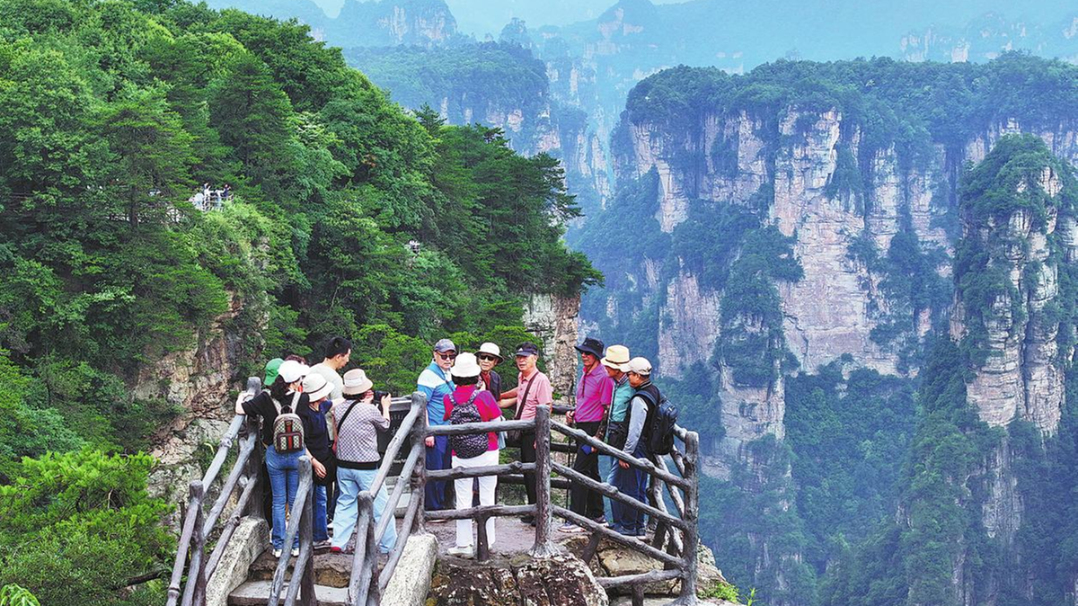
Supreme beauty that creates connections, bridges culture
Zhangjiajie, a UNESCO World Heritage Site in Hunan Province, China, has become a symbol of cultural connection between China and South Korea. Known for its stunning sandstone pillars and peaks, the Wulingyuan Scenic Area has captivated South Korean tourists, with over 340,000 visitors from South Korea in 2024 alone—a 21% increase from the previous year. The city’s unique appeal was further amplified by a popular South Korean drama, ‘When Life Gives You Tangerines,’ which featured a heartfelt promise to visit Zhangjiajie, sparking widespread interest on social media. To cater to this growing demographic, Zhangjiajie has introduced tailored services, including Korean restaurants and language training for local staff. The city’s efforts to attract young travelers include collaborations with influencers and enhanced online marketing. Beyond tourism, Zhangjiajie and Hadong County in South Korea have maintained a sister-city relationship since 2006, fostering cultural exchanges and mutual understanding. A recent exchange program saw a South Korean civil servant, Choi Sin-young, spend six months in Zhangjiajie, deepening her appreciation for Chinese culture and strengthening bilateral ties. The city’s commitment to fostering international friendships was highlighted by Chinese Foreign Minister Wang Yi, who praised a local bus driver’s heroic act in saving South Korean tourists as a testament to the enduring bond between the two nations.
-
Genuine human connections foster friendship between China, South Korea
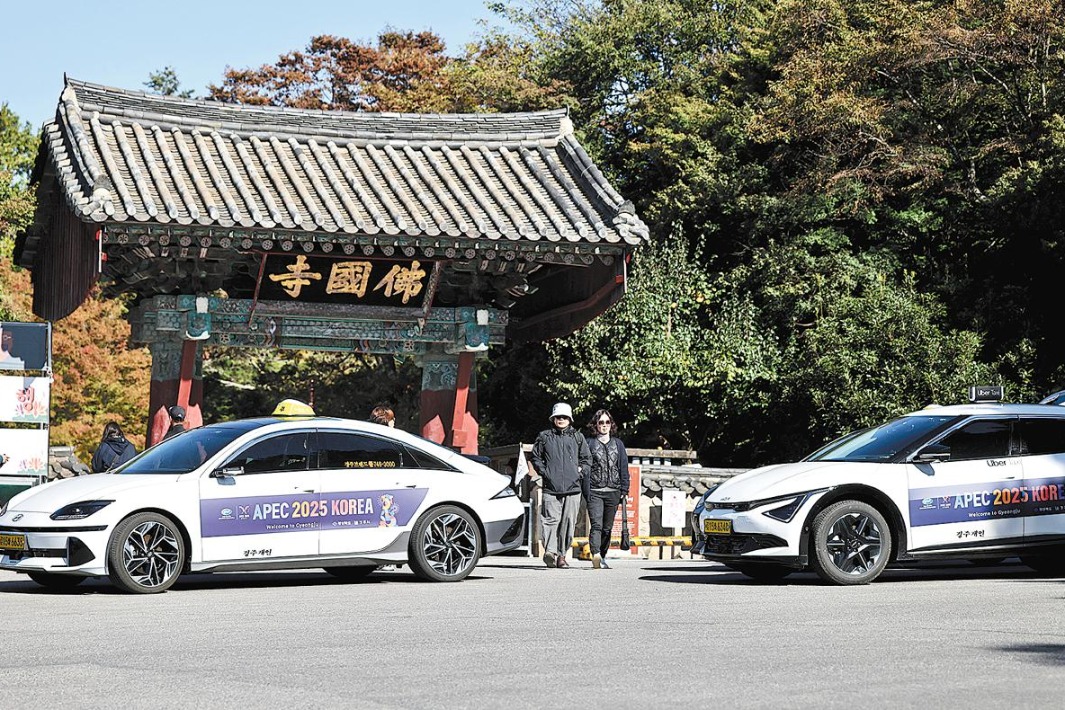
Amid the bustling backdrop of the Asia-Pacific Economic Cooperation (APEC) meetings in Gyeongju, South Korea, the enduring friendship between China and South Korea is being nurtured through genuine human connections. Beyond the often divisive online narratives, the warmth of personal interactions tells a more profound story of bilateral ties. This sentiment was palpable during the APEC Economic Leaders’ Meeting, hosted by South Korea for the first time in 20 years, where discussions ranged from economic cooperation to cultural exchanges. Chinese President Xi Jinping’s state visit, his first in 11 years, further underscored the significance of this relationship. Local residents, like Park Jun-young and Kim Chang-soo, expressed hope that increased media coverage during APEC would help dispel misconceptions about China and foster regional peace. The cultural ties between the two nations were evident in everyday life, from Mandarin-speaking staff at Incheon Airport to the popularity of Chinese cuisine and TV dramas in Seoul. Economic collaboration also took center stage, with South Korean business leaders closely monitoring China’s advancements in AI and green technology. As South Korea prepares to pass the APEC chairmanship to China in 2026, the event symbolizes not just a diplomatic handover but a deepening of mutual understanding and shared aspirations for a united Asia-Pacific community.
-
Shenzhou XXI crew begins space mission
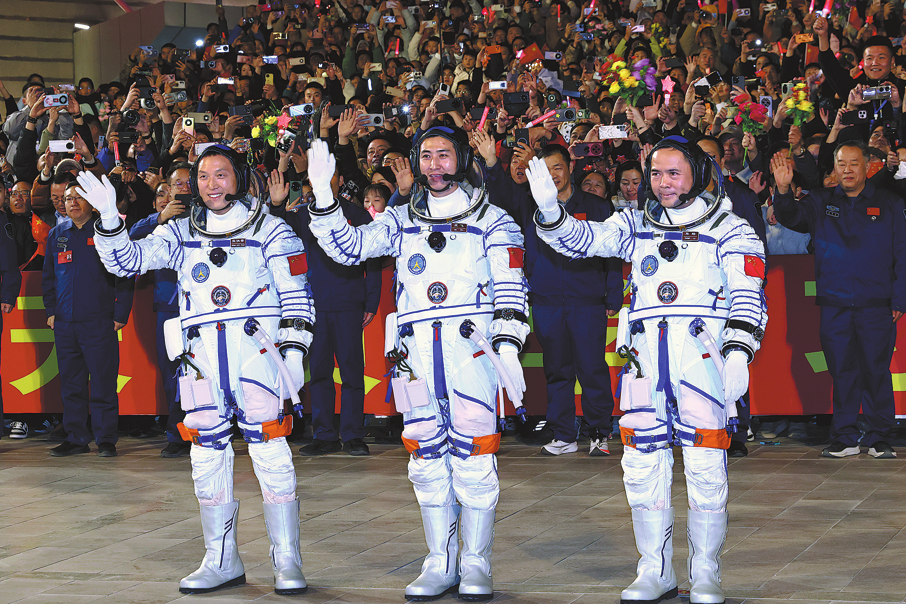
The Shenzhou XXI mission has officially commenced, marking a significant milestone in China’s space exploration endeavors. The three-member crew, consisting of Senior Colonel Zhang Lu, Major Wu Fei, and payload specialist Zhang Hongzhang, launched from the Jiuquan Satellite Launch Center in the Gobi Desert at 11:44 PM on Friday. Their journey began aboard a Long March 2F rocket, which propelled them into orbit, setting the stage for a six-month stay at the Tiangong space station. The spacecraft successfully docked with the Tianhe core module early Saturday morning, following a rapid autonomous rendezvous process. Upon arrival, the crew will transition from their pressure suits to intravehicular workwear, preparing to join the outgoing Shenzhou XX team for a brief overlap period. During their mission, the Shenzhou XXI astronauts will undertake 27 scientific projects, spanning fields such as space life sciences, biotechnology, space medicine, and microgravity physics. Additionally, they will conduct spacewalks to install equipment and retrieve external devices, further enhancing the station’s capabilities. This mission represents China’s 16th manned spaceflight and underscores the nation’s growing expertise in independent space station operations.