标签: Asia

亚洲

  • Guangdong’s tech transfer boom

    Guangdong’s tech transfer boom

    Guangdong Province has positioned itself at the forefront of China’s technology transfer landscape, demonstrating remarkable progress in converting research innovations into commercial applications. This southern Chinese economic powerhouse has developed a sophisticated ecosystem connecting academic institutions, research centers, and industrial enterprises, creating a dynamic pipeline for technological commercialization.

    The province’s success stems from strategic government policies that incentivize collaboration between academia and industry. Special economic zones and innovation hubs have implemented streamlined processes for intellectual property rights registration and technology licensing. These initiatives have significantly reduced the traditional barriers between laboratory research and market implementation.

    Numerous technology transfer offices have been established across Guangdong’s universities and research institutes, staffed by professionals specializing in patent law, market analysis, and venture capital acquisition. These offices actively identify promising research with commercial potential and facilitate partnerships with industry players.

    The results have been substantial, with reported technology transfer agreements increasing by approximately 47% year-on-year in 2025. Particularly strong performance has been noted in sectors including artificial intelligence, renewable energy, biotechnology, and advanced manufacturing. This growth has attracted significant venture capital investment to the region, with several technology startups achieving unicorn status after successfully commercializing transferred technologies.

    International partnerships have also flourished, with Guangdong institutions establishing technology exchange programs with research organizations in the Greater Bay Area and beyond. These collaborations have created bidirectional technology transfer channels, bringing international innovations to Chinese markets while exporting Guangdong-developed technologies globally.

    The provincial government has announced plans to further expand support for technology transfer initiatives in its 15th Five-Year Plan period, indicating that this trend will continue to accelerate through 2026 and beyond.
  • Role of Global South in bolstering unity stressed

    Role of Global South in bolstering unity stressed

    The year 2025 has witnessed mounting strain on global governance systems due to escalating geopolitical tensions, institutional inertia, and widening development disparities. Against this backdrop, the Global South is increasingly positioned to strengthen solidarity among developing nations, with China poised to play a pivotal role in advancing inclusive development, people-centered governance, and a more equitable international framework, according to expert analyses.

    The foundation for this transformation was significantly reinforced during the 3rd Voice of Global South Summit in 2024, which convened 134 member states of the Group of 77 plus China, representing approximately 80% of the world’s population. Under the guiding principle of ‘leaving no one behind,’ participants acknowledged the distinctive requirements and capabilities of developing nations while emphasizing enhanced South-South cooperation across critical domains including industrialization, trade, investment, climate action, poverty reduction, and digital transformation.

    A May 2025 report from the United Nations Office for South-South Cooperation documented the Global South’s pursuit of viable solutions within an increasingly complex landscape characterized by shifting geopolitical dynamics, economic volatility, and environmental challenges. Despite economic growth in certain developing regions, persistent debt vulnerabilities, trade disruptions, and inflationary pressures continue to impede progress toward Sustainable Development Goals.

    Professor Evandro Menezes de Carvalho of Brazil’s Fluminense Federal University noted that the Global South’s growing influence is helping rebalance the historical dominance of Western powers within institutions like the United Nations, International Monetary Fund, and World Bank. ‘Many Global South countries are experiencing rapid economic growth, broadening global economic leadership beyond traditional Western economies,’ Carvalho stated, highlighting how initiatives such as BRICS and the New Development Bank are reducing reliance on Western-dominated financial systems.

    Professor Mammo Muchie of South Africa’s Tshwane University of Technology emphasized that global governance stands at a historic turning point where multilateral cooperation and shared development have become more urgent than ever. ‘Since the Cold War’s conclusion, deepening globalization and the collective rise of emerging market economies have gradually reshaped the international balance of power,’ Muchie observed, noting that developing countries have gained substantial influence in global affairs while new mechanisms including BRICS, the Shanghai Cooperation Organization, and ASEAN continue gaining prominence.

  • Teahouses turn nostalgia temples

    Teahouses turn nostalgia temples

    In the picturesque landscapes of Kaihui township, just beyond Changsha’s urban sprawl, a cultural phenomenon is captivating city dwellers. The First Love Teahouse, housed within a repurposed rural supply and marketing cooperative building, has transformed into an unexpected pilgrimage site for urbanites seeking connection to simpler times.

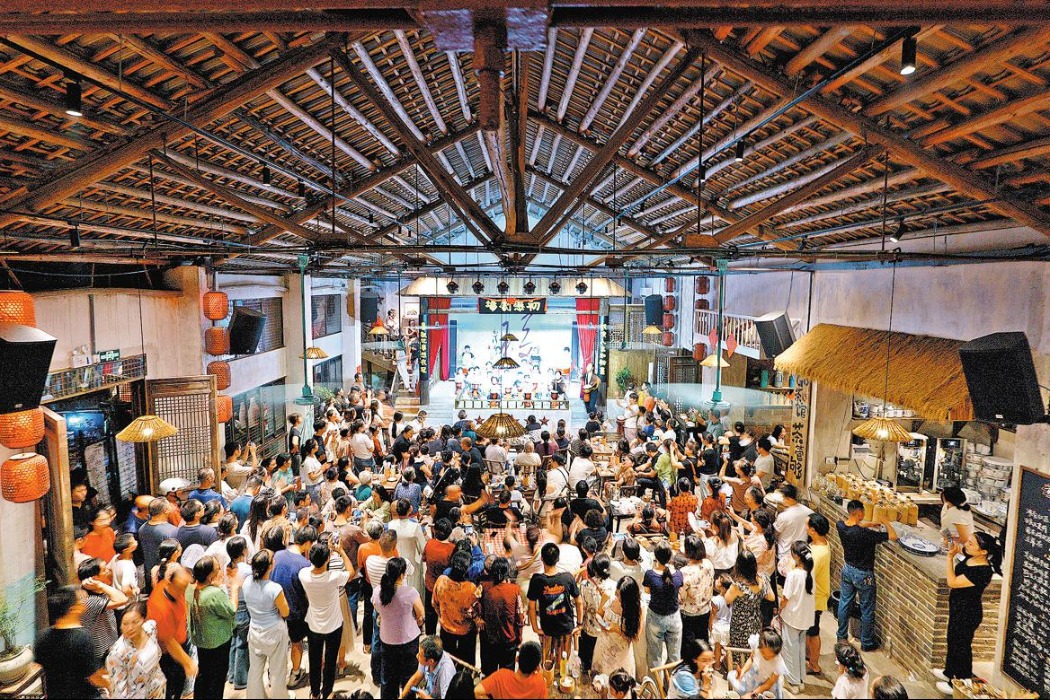
    The establishment masterfully recreates the agrarian atmosphere of 1980s rural China through its meticulous design and curated artifacts. More than 600 vintage objects donated by local villagers—including aluminum water kettles, enamel tea mugs, and traditional bamboo baskets—create an immersive environment that founder describes as a ‘rural cultural living room.’ This attention to authentic detail has earned the venue its nickname: ‘a teahouse grown on farmland.’

    What began as a quiet nostalgic venture in September has evolved into a sensation, with patrons regularly enduring hour-long drives from downtown Changsha even on weekdays. The attraction extends beyond traditional tea service to include local specialty foods and vibrant cultural performances. Particularly popular are the Huagu Opera (flower-drum opera) shows that animate the main stage, combining with the aromatic tea steam and rhythmic drum beats to create a multisensory experience.

    Patrons consistently report powerful emotional connections to the establishment. ‘The dishes, the performance, the culture—everything feels like from our childhood,’ remarked one guest who grew up in the region. This successful blending of heritage preservation with contemporary consumption patterns demonstrates how rural cultural elements can find new relevance in modern urban life, creating sustainable business models that celebrate traditional Chinese culture while meeting the psychological needs of today’s consumers.

  • Pakistan and China call for ‘visible and verifiable’ steps against Afghan-based terror groups

    Pakistan and China call for ‘visible and verifiable’ steps against Afghan-based terror groups

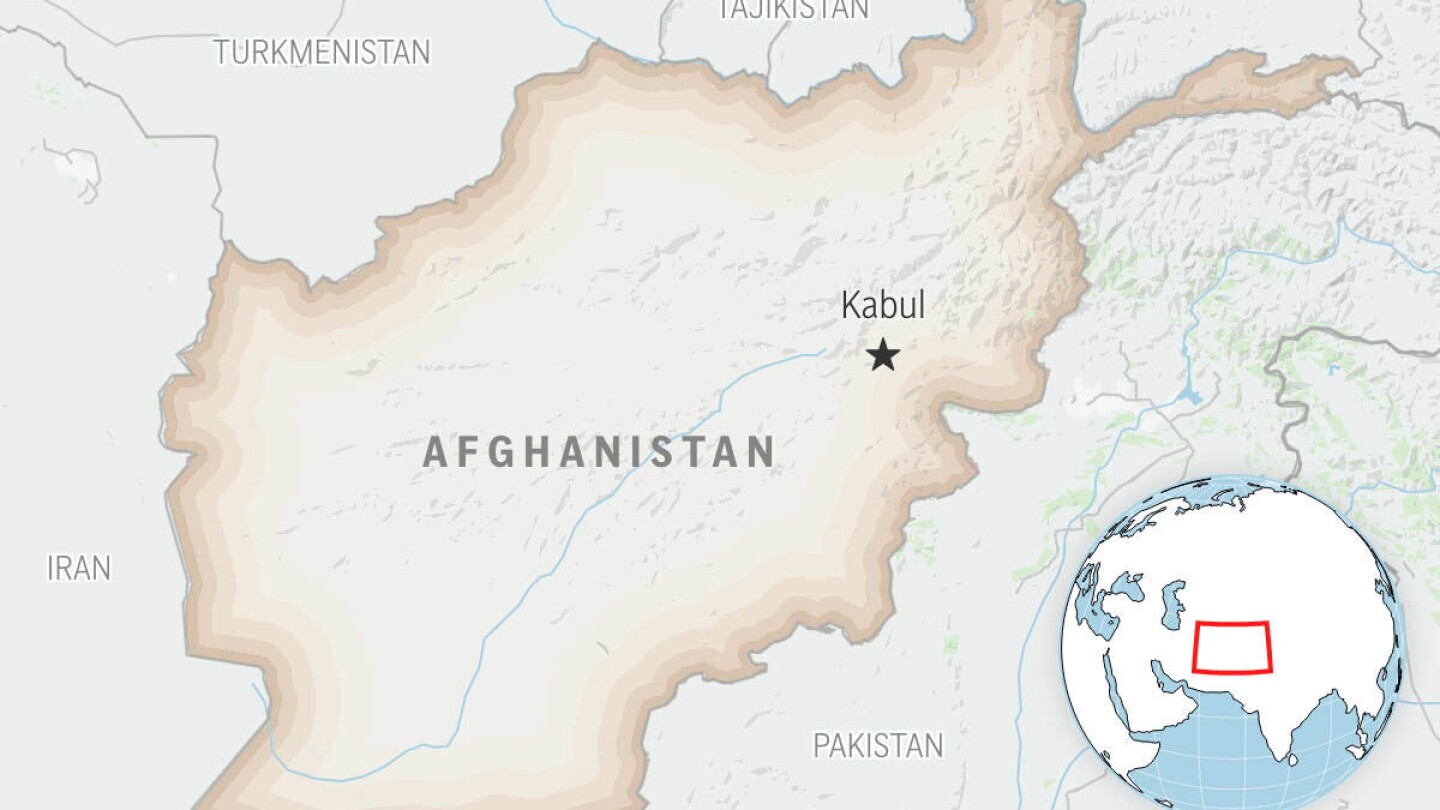
    In a significant diplomatic development, Pakistan and China have jointly called for concrete, demonstrable measures to eradicate terrorist networks operating from Afghan territory. This demand was formalized in a joint statement released following high-level talks between Pakistani Foreign Minister Ishaq Dar and Chinese Foreign Minister Wang Yi in Beijing on December 4.

    The bilateral statement emphasized that terrorist organizations based in Afghanistan continue to represent a severe threat to regional and global security. Both nations stressed the critical importance of preventing Afghan soil from being utilized as a launchpad for militant activities against other countries.

    China specifically commended Pakistan’s comprehensive counterterrorism efforts, particularly highlighting the protection of Chinese citizens and infrastructure associated with the China-Pakistan Economic Corridor (CPEC). This massive infrastructure project, part of China’s Belt and Road Initiative, employs thousands of Chinese workers and engineers developing transportation links between China’s Xinjiang region and Pakistan’s Gwadar port.

    The diplomatic pressure follows increased regional tensions, including a suicide car bombing in 2024 that killed five Chinese nationals in northwest Pakistan. Pakistan has consistently accused Afghanistan’s Taliban government of providing sanctuary to the banned Tehrik-e-Taliban Pakistan (TTP), which has been responsible for escalating attacks within Pakistan since 2021.

    Despite the Taliban’s assurances that Afghan territory isn’t used for cross-border attacks, tensions peaked in early October when Pakistan conducted airstrikes against alleged TTP hideouts in Afghanistan, resulting in dozens of casualties. Afghanistan retaliated with attacks on Pakistani military positions, leading to significant casualties on both sides. While Qatar brokered a temporary ceasefire in Doha, subsequent talks in Istanbul failed to produce substantial diplomatic breakthroughs.

  • BBC documentary captures Guangdong’s wild side

    BBC documentary captures Guangdong’s wild side

    A groundbreaking nature documentary series showcasing Guangdong’s extraordinary ecological diversity has made its global debut, marking an unprecedented collaboration between British and Chinese media organizations. ‘Wild Guangdong,’ a three-part series produced through a partnership between BBC Studios and Guangdong Radio and Television Station, premiered simultaneously across international and domestic platforms in December.

    Employing cutting-edge 4K ultra-high definition technology, the documentary presents an immersive visual journey through Guangdong’s varied ecosystems. The production represents the first time BBC Studios has partnered with provincial-level Chinese media, combining British documentary expertise with local ecological knowledge.

    The series, which required three years of meticulous filming across seasonal cycles, captures rarely-seen wildlife behaviors and landscapes. From the primeval forests of northern Guangdong to the coral reefs of the South China Sea, the documentary team documented over 1,000 animal species and 6,000 plant species that thrive in the region’s unique microclimates and complex terrain.

    Robi Stanton, President of Media and Streaming for BBC Studios Asia-Pacific, described the project as ‘a moving poem of harmonious coexistence’ that illustrates how Guangdong’s 130 million residents maintain ecological balance alongside rapid urban development. The documentary particularly highlights conservation success stories, including protection efforts for Chinese white dolphins and the discovery of a new species of eyelid gecko.

    Beyond its television broadcast on BBC Earth Asia and Chinese networks, the series has reached international audiences through streaming platforms across Southeast Asia, South Korea, Hong Kong, and Taiwan, potentially reaching over 20 million households. Chinese viewers can access the documentary on major platforms including Youku, iQiyi, Tencent Video, and Bilibili.

    Series producer Simon Winchcombe characterized the filming experience as ‘a fascinating journey’ that consistently yielded unprecedented wildlife footage. The documentary ultimately presents not just a catalog of species but compelling narratives about interdependence among life forms and the delicate balance between human progress and environmental preservation.

  • Lianjiang’s long road to renewal

    Lianjiang’s long road to renewal

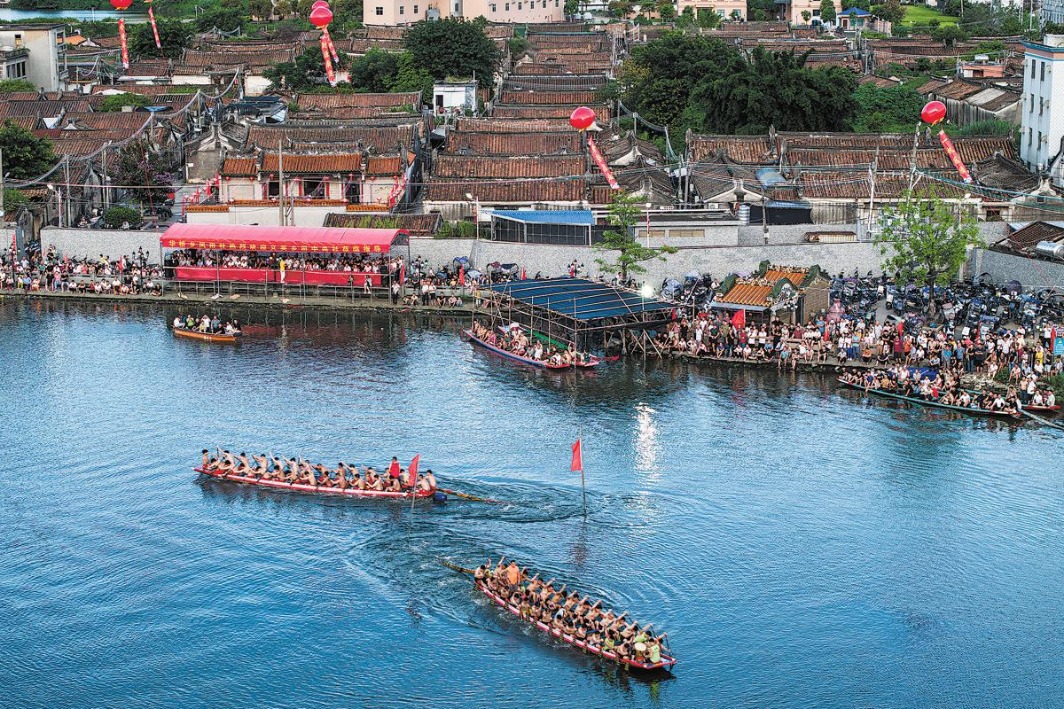
    The Lianjiang River, once celebrated for its crystalline waters that inspired its silk-like name, is experiencing a remarkable ecological renaissance after suffering severe degradation during China’s rapid industrialization period. Flowing 71.1 kilometers through Guangdong province from its origins in Puning to its terminus at Haimen Port in Shantou, this vital waterway supports approximately five million residents along its banks.

    During the late 20th century economic expansion, the river’s health dramatically declined as industrial contamination and population pressures turned its waters toxic. The ecological damage was so extensive that aquatic life virtually disappeared, earning the Lianjiang the unfortunate distinction of being among Guangdong’s most polluted rivers.

    Recent conservation efforts have sparked a noticeable recovery, with visual evidence captured in June showing children playing on inflatable rafts and swim rings while adults perform daily washing routines in one of the river’s tributaries. These scenes of community interaction with the reviving waterway signal a significant environmental turnaround.

    The rehabilitation of the Lianjiang represents part of China’s broader commitment to environmental protection and ecological restoration. As the country balances economic development with environmental sustainability, success stories like the Lianjiang’s transformation demonstrate the potential for reversing ecological damage through dedicated conservation policies and practices.

    The river’s improving condition not only enhances local quality of life but also serves as an indicator of changing priorities in regional development strategies, highlighting the increased emphasis on environmental protection in China’s modernization journey.

  • Bluefin tuna fetches record $3.2m at Tokyo auction

    Bluefin tuna fetches record $3.2m at Tokyo auction

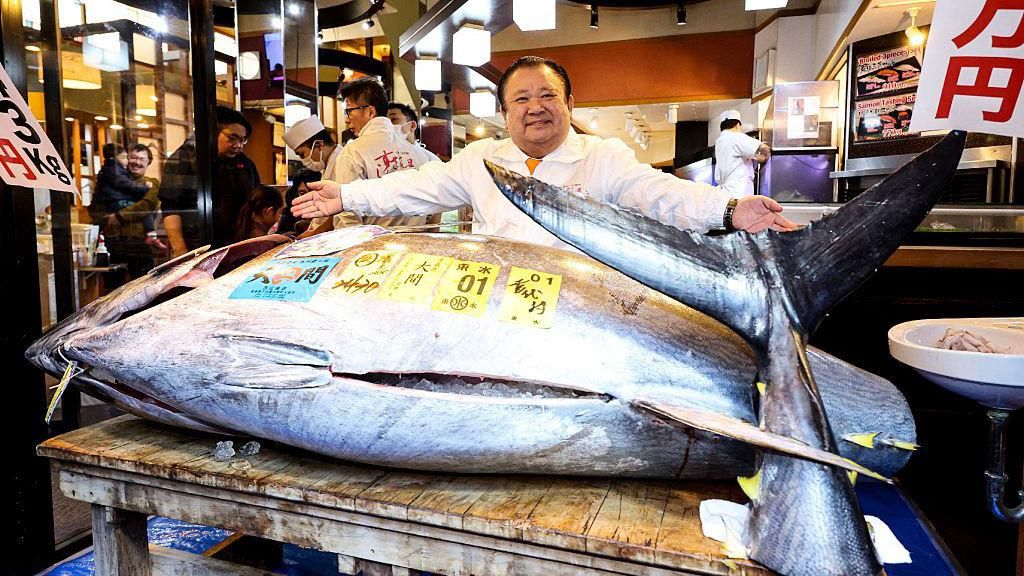
    Tokyo’s Toyosu fish market witnessed an extraordinary start to the new year as a massive 243kg bluefin tuna commanded a staggering 510.3 million yen ($3.2 million) during Monday’s inaugural auction, setting an unprecedented price record. The winning bid came from Kiyomura Corp, the parent company of renowned sushi restaurant chain Sushi Zanmai with both domestic and international locations.

    Kiyoshi Kimura, the corporation’s president and a perennial participant in these ceremonial auctions, secured the prized specimen through his aggressive bidding strategy. Known throughout the industry as the ‘Tuna King,’ Kimura has established a pattern of breaking his own records during these symbolic January events. Despite expressing surprise at the final price, telling reporters he had anticipated a more moderate outcome, the entrepreneur continued his tradition of premium acquisitions.

    This transaction surpasses Kimura’s previous benchmark of 333.6 million yen ($2.1 million) set in 2019, which itself broke his earlier records of 155 million yen in 2013 and 56.5 million yen in 2012. The auction commenced at approximately 05:00 local time, maintaining the tradition of pre-dawn bidding that has become a significant tourist attraction in Tokyo.

    Following the acquisition, the bluefin tuna was promptly transported to Kimura’s sushi establishments where master chefs prepared it for immediate consumption. Patrons expressed delight at participating in the auspicious tradition, with one customer telling reporters that consuming the year’s first premium tuna felt like an ideal way to commence the new year.

    The Toyosu market’s first auction consistently generates premium prices for bluefin tuna, with last year’s opening specimen fetching 207 million yen from competitor Onodera Group. These ceremonial purchases combine business strategy with cultural tradition, as restaurant chains leverage the publicity while honoring Japan’s deep-rooted seafood heritage.

  • New Year holiday drives travel peak

    New Year holiday drives travel peak

    China’s tourism sector experienced a powerful resurgence during the three-day New Year holiday period commencing January 1st, 2026, marking the nation’s first significant travel peak of the year. Official data from the Ministry of Culture and Tourism revealed an impressive 142 million domestic tourist excursions generated approximately 84.8 billion yuan ($12.13 billion) in tourism revenue, signaling robust consumer confidence and pent-up travel demand.

    The extended holiday period—two days longer than previous years—provided ample opportunity for diverse travel experiences across the country. From the artistic enclaves of Beijing’s 798 Art District to winter wonderlands in northern counties, Chinese travelers demonstrated increasingly sophisticated preferences. Yan Lijie, a 23-year-old university student from Tianjin, exemplified this trend as she and her dorm mates celebrated New Year’s Eve amidst art exhibitions, fairs, and performances in the capital.

    Industry experts noted a remarkable diversification in tourism consumption patterns. Qi Chunguang, Vice-President of travel portal Tuniu, observed that ‘younger travelers show stronger preferences for concerts, music festivals, drone shows or fireworks displays to count down to the new year.’ This generational shift toward experiential tourism was reflected in booking data from platform Qunar, which reported hotel reservations tripling in destinations like Kaifeng, Henan province, driven by Chinese-style theme parks.

    The revival extended beyond major metropolitan areas, with travelers venturing to over 1,000 counties nationwide—from the tropical warmth of Nan’ao in Guangdong to the snowy landscapes of Antu in Jilin. International travel also witnessed substantial growth, with Chinese tourists favoring short-haul destinations including Seoul, Bangkok, and Hong Kong. Simultaneously, China attracted visitors from 97 cities worldwide, particularly from neighboring Vietnam, Singapore, and Malaysia, with significant increases from Saudi Arabia, Uzbekistan, and the United States.

    According to the National Immigration Administration, approximately 6.62 million cross-border movements were recorded during the holiday period, including 828,000 trips by foreign nationals—a striking 29.8% year-on-year increase, underscoring China’s reopening and growing appeal as a global tourism destination.

  • India’s top court denies bail to 2 Muslim activists after 5 years in jail without trial

    India’s top court denies bail to 2 Muslim activists after 5 years in jail without trial

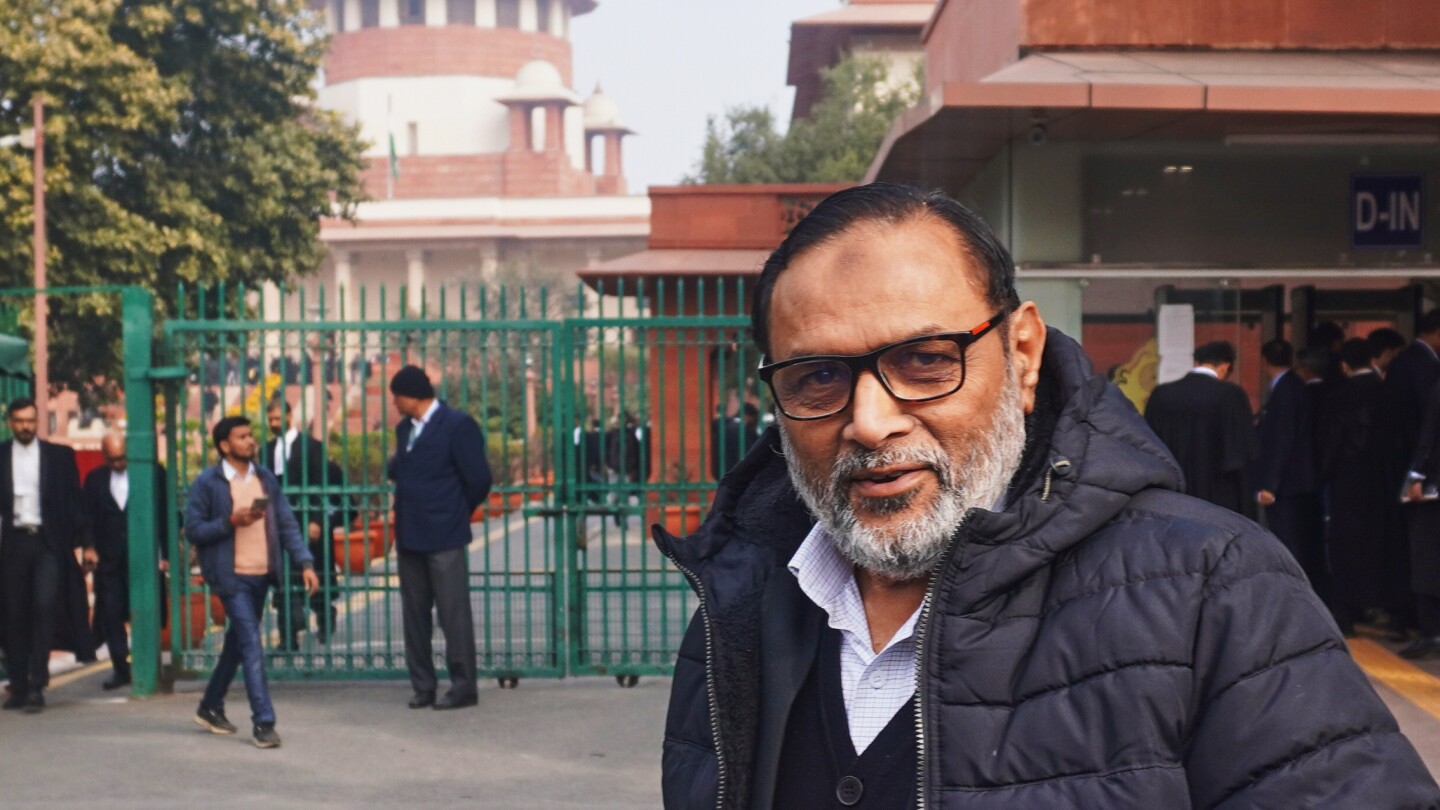
    India’s Supreme Court has upheld the continued detention of two prominent Muslim student activists, Umar Khalid and Sharjeel Imam, rejecting their bail applications in a controversial conspiracy case connected to the nation’s deadliest religious violence outbreak in decades. The justices determined that both individuals occupied a “qualitatively different footing” compared to other defendants in the same investigation, citing their alleged central involvement in orchestrating the February 2020 Delhi riots that resulted in 53 fatalities, predominantly within the Muslim community.

    The court acknowledged the significant delay in trial proceedings but maintained that this circumstance alone did not justify granting pretrial release. The violence erupted during extensive protests against the Citizenship Amendment Act of 2019, legislation widely criticized for its perceived discriminatory provisions against Muslims. Khalid and Imam emerged as leading voices in these demonstrations, which represented one of the most substantial challenges to Prime Minister Narendra Modi’s Hindu nationalist administration.

    Their continued incarceration under the Unlawful Activities (Prevention) Act—a stringent anti-terrorism statute increasingly deployed against government critics—has drawn international condemnation. Recent expressions of concern from eight U.S. lawmakers joined previous criticisms from human rights organizations alleging systematic suppression of dissent. Amnesty International characterized Khalid’s imprisonment as emblematic of justice system derailment and a broader pattern of repressing freedom of expression.

    Notably, the prosecution argued that the defendants deliberately engineered violence to damage India’s global reputation, while defense attorneys maintained the complete absence of credible evidence connecting their clients to the riots. This case occurs alongside numerous similar prosecutions of Muslim individuals following the Delhi violence, some of which have collapsed due to insufficient evidence.

  • Initiative sets clear course for Yangtze

    Initiative sets clear course for Yangtze

    A profound ecological transformation is underway along China’s Yangtze River, where former fishermen have become guardians of the nation’s ‘mother river.’ In Hukou county, Jiangxi province, a 16-member patrol team led by 58-year-old Shu Yin’an vigilantly monitors the confluence of the Yangtze and Poyang Lake, protecting endangered finless porpoises and combating illegal fishing activities.

    Shu’s personal journey mirrors the river’s remarkable turnaround. ‘My family relied on fishing for generations,’ he recalled, ‘but overfishing devastated the ecosystem until we could scarcely survive.’ His concern that future generations might never witness fish in the Yangtze prompted him to join the patrol team when it formed in 2017.

    This transformation stems from President Xi Jinping’s strategic vision initiated at the first Yangtze River Economic Belt symposium in Chongqing on January 5, 2016. Xi established a groundbreaking principle: ‘Restoring the ecological environment of the Yangtze River should be an overriding priority. We must focus on joint protection and avoid excessive development.’

    The implementation of this vision has been systematic and comprehensive. In 2020, a decade-long fishing ban took effect in key waters, transitioning over 230,000 fishermen like Shu to new livelihoods with government support. The 2016 master plan formally embedded ‘ecological priority, green development’ as foundational principles, marking a fundamental shift from industrial expansion at environmental expense.

    Tangible results emerge across the river basin. Chongqing’s Guangyang Isle, once threatened by massive real estate projects covering 3 million square meters, has undergone comprehensive ecological restoration since 2017. The island now welcomes returning residents and tourists alike, demonstrating successful environmental rehabilitation.

    Chemical pollution, which President Xi described as leaving the river ‘seriously ill’ in 2018, has been systematically addressed. One notable case involved a major chemical company fined 27 million yuan ($3.86 million) in 2016—the largest environmental penalty in the basin’s history. The company subsequently invested 100 million yuan in advanced pollution control facilities, achieving both environmental remediation and industrial upgrading.

    Over the past decade, President Xi has conducted approximately 30 inspection tours along the Yangtze and chaired four pivotal symposiums to steer the economic belt’s development. The strategy has evolved into a multidimensional framework encompassing high-quality development, innovation-driven growth, and regional coordination.

    During the 14th Five-Year Plan period (2021-25), the Yangtze River Economic Belt—contributing nearly half of China’s GDP and hosting over 40% of its population—has emerged as a national model for high-quality development. The region has strengthened its technological innovation capabilities, established 196 national smart manufacturing demonstration factories, and nurtured 1,738 innovative ‘little giant’ enterprises.

    Experts envision a ‘colorful’ development pathway during the 15th Five-Year Plan period (2026-30), driven by innovation and consumption rather than traditional factors. This comprehensive approach demonstrates China’s successful integration of ecological conservation with sustainable economic advancement along its most vital waterway.