
In a significant move underscoring the transformative role of artificial intelligence in global e-commerce, Mean3, a leading digital commerce agency, was invited by Amazon to its New York headquarters for an exclusive closed-door session. The event, attended by industry leaders and senior Amazon executives, focused on the future of agentic and generative AI, digital payments, and seamless global checkout experiences. Mean3’s Founder and CEO, Abdul Hadi Siraj, joined key figures such as Vince Koh (Worldwide Head of Digital Commerce, AWS), Nevin Vages (Senior Manager, Amazon Ads), and Shamil Maindiratta (Head of US & EU Strategic Sales, Amazon Pay) to explore how AI and advanced payment technologies are reshaping online retail. Discussions highlighted Amazon Pay’s use of AI to enhance transaction security, reduce friction, and enable cross-border payments, offering businesses smarter, personalized checkout solutions. Siraj described the invitation as a milestone, emphasizing the growing influence of regional tech companies in the global digital commerce landscape. The event also marked Mean3’s inclusion in the Amazon Pay Partner Network, furthering its international expansion. Founded in 2017, Mean3 has grown into a prominent e-commerce and digital transformation agency, with offices in the UAE, USA, and Pakistan, and a team of over 100 experts serving 300+ brands worldwide. Specializing in Shopify Plus, custom web and app development, and enterprise technology solutions, Mean3 has been recognized as the ‘Fastest Growing Brand of the Year’ and an official Shopify Expert in multiple regions. Its partnerships with global tech leaders reflect its commitment to innovation and excellence in the digital commerce ecosystem. ‘Our participation at Amazon’s HQ reinforces our vision—to empower businesses globally through technology, innovation, and strategic partnerships,’ Siraj concluded.
标签: Asia
亚洲
-
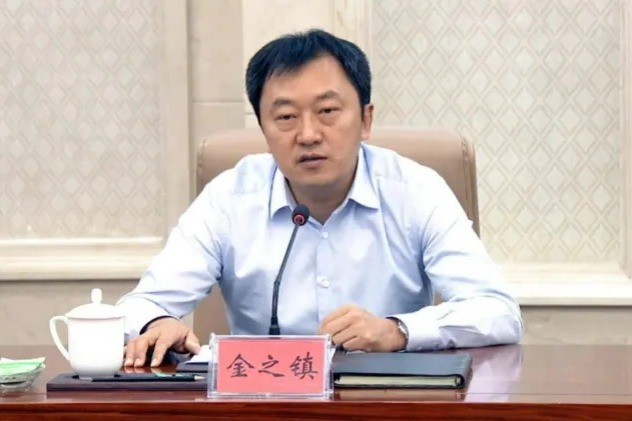
Xinjiang senior political adviser investigated for serious Party violations
Jin Zhizhen, a prominent political adviser in China’s Xinjiang Uygur Autonomous Region, is currently under investigation for suspected severe breaches of Party discipline and national laws. The announcement was made on Saturday by the Communist Party of China Central Commission for Discipline Inspection and the National Commission of Supervision, the country’s top anti-corruption bodies. The investigation was disclosed online, though no additional specifics were provided. Jin, 55, hails from Jiangsu province and joined the Party in June 1991, commencing his career in August of the same year. After graduating from Dongbei University of Finance and Economics in Liaoning province in 1991, he worked across various industries in Xinjiang, including chemistry and new energy. In January 2023, he was appointed vice-chairman of the regional committee of the Chinese People’s Political Consultative Conference. The probe underscores the ongoing efforts by China’s leadership to enforce strict adherence to Party principles and legal standards among its officials.
-
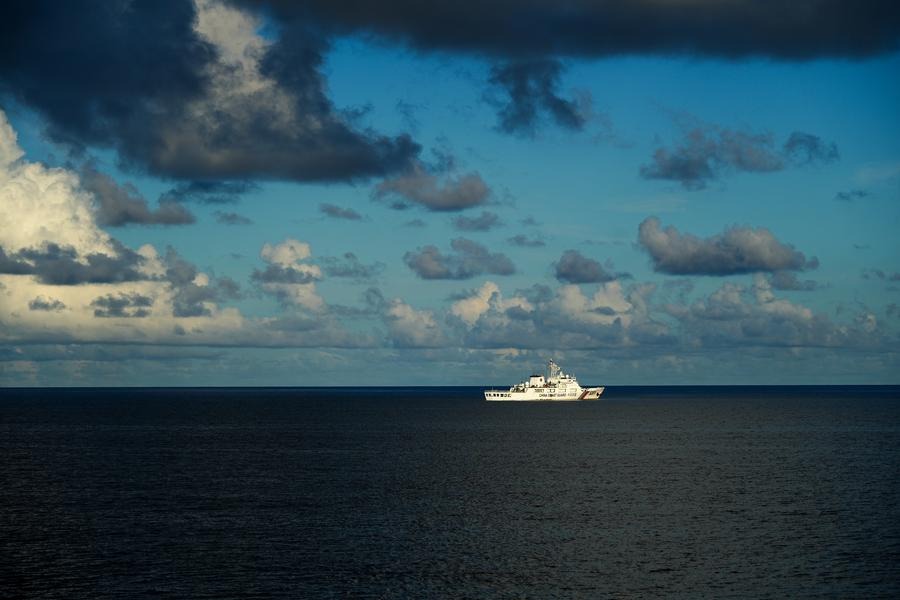
Military spokesman condemns Philippines’ ‘joint patrol’ in South China Sea
The Chinese military has strongly criticized the Philippines for conducting a ‘joint patrol’ with external forces in the South China Sea, labeling it a significant threat to regional peace and stability. Senior Colonel Tian Junli, spokesperson for the People’s Liberation Army (PLA) Southern Theater Command, issued the condemnation on Saturday in response to the joint activities carried out from Thursday to Friday. Tian accused the Philippines of deliberately involving non-regional countries to provoke tensions in the disputed waters, which he said has severely undermined regional stability. In response to the patrol, the PLA Southern Theater Command has deployed forces to closely monitor the situation and ensure all activities remain under control. Tian emphasized that Chinese troops are on high alert and fully prepared to defend China’s sovereignty, security, and maritime rights and interests. The South China Sea remains a highly contested region, with China asserting its claims over the area, while other nations, including the Philippines, challenge these claims. The involvement of external forces has further complicated the geopolitical landscape, raising concerns about potential escalation.
-
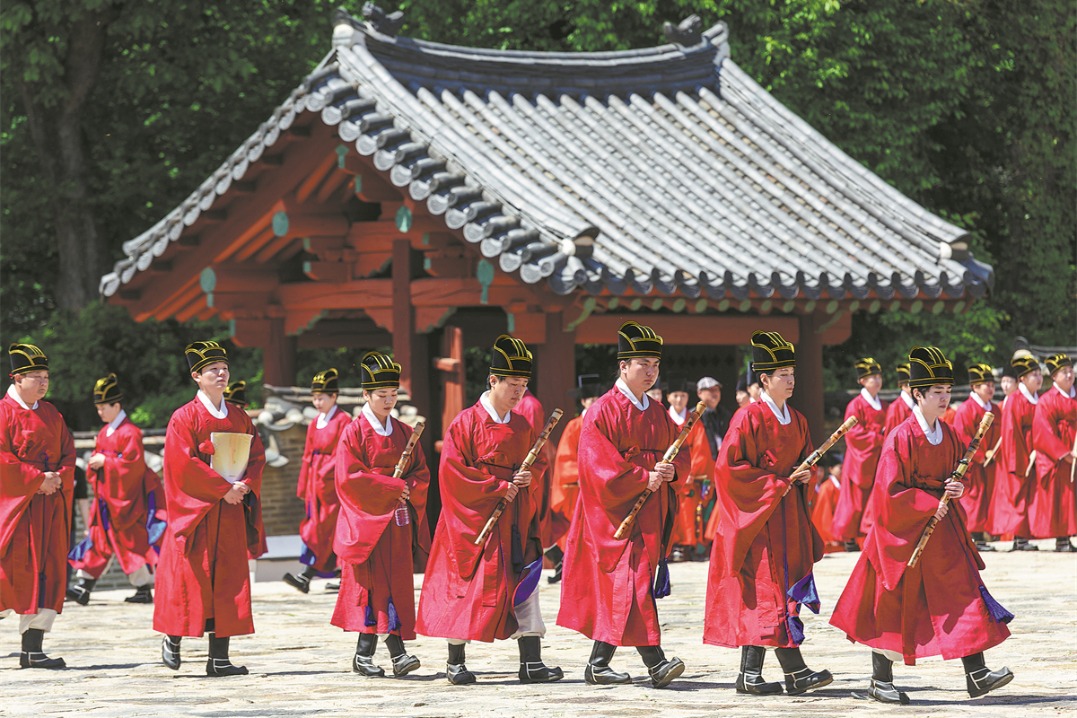
Confucianism maintains bridge between two cultures
Confucianism has long served as a cultural and intellectual bridge between China and South Korea, fostering a shared heritage that transcends centuries. This enduring connection is exemplified by the life and works of Choe Chi-won, a Korean poet and scholar who lived during the late Unified Silla period (668-935). Choe, known in China as Cui Zhiyuan, spent significant years in China’s Tang Dynasty (618-907), where he mastered classical Chinese and earned the prestigious jinshi degree, the highest level of the imperial civil service exams. His poetry, written in classical Chinese, reflects a deep emotional and intellectual bond with both cultures. Choe’s influence extended beyond literature; he sought to reform the declining Silla kingdom by advocating for Confucian principles such as meritocracy, monarchical strength, and ethical governance. Although his reforms were largely ignored, his legacy shaped the Confucian bureaucratic traditions of subsequent Korean dynasties, including Goryeo (918-1392) and Joseon (1392-1910). The Gwageo system, introduced by Goryeo and modeled after China’s imperial examinations, further solidified this cultural exchange. Today, Confucianism continues to symbolize the profound intellectual and artistic affinity between China and South Korea, as evidenced by events like the Confucian ritual at Seoul’s Jongmyo Shrine, a tribute to the Joseon Dynasty’s royal ancestors.
-
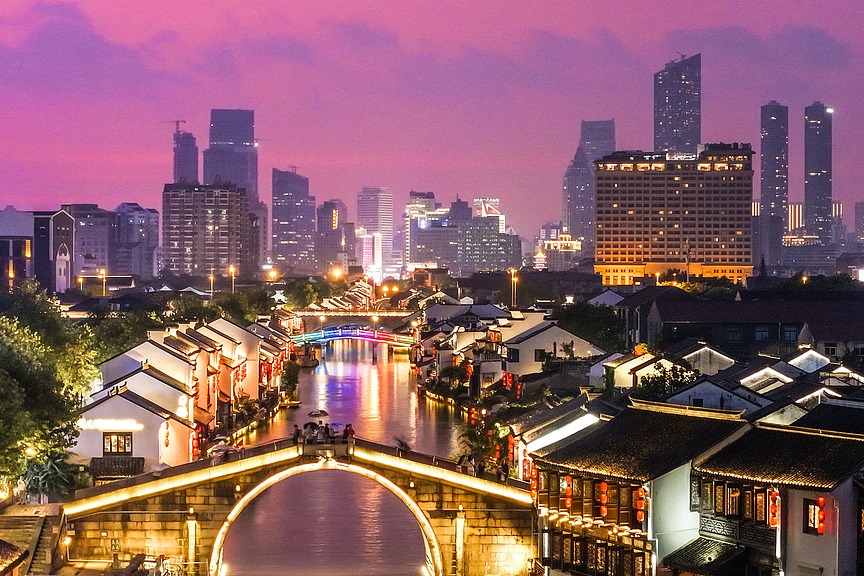
China’s Quanzhou and Wuxi join the UNESCO Creative Cities Network
In a significant cultural milestone, Quanzhou in Fujian Province and Wuxi in Jiangsu Province have been officially inducted into the UNESCO Creative Cities Network. Quanzhou has been designated as a ‘City of Gastronomy,’ while Wuxi has earned the title of ‘City of Music.’ This recognition underscores their commitment to leveraging creativity as a cornerstone for sustainable urban development and their active engagement in enriching cultural life. With this addition, the number of Chinese cities in the network has now reached 20, joining prominent metropolises like Beijing, Shanghai, and Shenzhen. This year, a total of 58 cities worldwide were welcomed into the network, selected through a stringent process that includes national recommendations and international evaluations. The UNESCO Creative Cities Network, a flagship cultural initiative, spans eight creative fields and operates alongside other UNESCO programs focused on World Heritage and Intangible Cultural Heritage. The network’s biennial designation process highlights the global importance of fostering creativity in urban planning and cultural preservation.
-

UAE residents over 50 urged to get shingles vaccine to curb stroke, dementia
In a significant push towards preventive healthcare, medical professionals in the UAE are urging residents aged 50 and above to consider the shingles vaccine as part of their routine immunisation. This recommendation comes in light of emerging research suggesting that the vaccine not only prevents the painful viral rash associated with shingles but also significantly reduces the risk of cardiovascular diseases, dementia, and mortality.
-
Pakistan grants hundreds of Indian Sikhs visas to attend 10-day festival
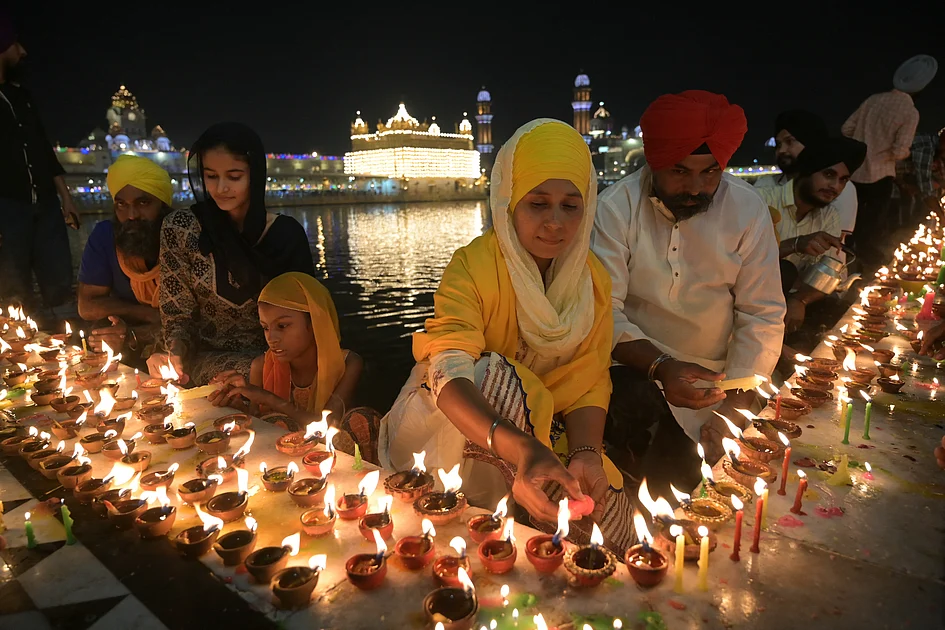
In a significant diplomatic gesture, Pakistan has granted over 2,100 visas to Indian Sikh pilgrims, marking the first major easing of travel restrictions since tensions between the two nations escalated in May 2025. The visas were issued for a 10-day religious festival in Nankana Sahib, the birthplace of Guru Nanak, the founder of Sikhism. This move comes despite ongoing hostilities between the nuclear-armed neighbors, which saw deadly clashes earlier this year, resulting in over 70 casualties and the closure of the Attari-Wagah land border to general traffic. The Pakistan High Commission in New Delhi confirmed the issuance of visas, emphasizing the importance of facilitating religious tourism. The festival, set to begin on Tuesday, is expected to draw tens of thousands of Sikh pilgrims to Pakistan. The Attari-Wagah border, a colonial-era creation that divides Punjab between India and Pakistan, remains a symbolic site of both conflict and cultural exchange, hosting daily flag ceremonies that attract visitors. While New Delhi has yet to officially comment, Indian media reports suggest that the government has permitted select groups to travel for the event. This development highlights the complex interplay between religion, diplomacy, and regional tensions in South Asia.
-

Stellar journey: a family’s dedication to aerospace
At the tender age of 10, I stumbled upon a revelation that reshaped my understanding of my family. My grandfather’s weathered toolbox, long thought to be a repository of mundane tools, was in fact a treasure trove of missile craftsmanship. My father’s frequent absent-mindedness, often a source of family jest, was revealed to be the byproduct of his relentless dedication to aerospace research. These two unassuming men in my household, who had always been pillars of quiet strength, were in truth the unsung heroes illuminating the cosmos. Their stories, etched in the celestial tapestry of our nation, are a testament to the extraordinary contributions of ordinary individuals. To all such silent superheroes, we extend our deepest salute — your legacy is forever intertwined with the starry river of our motherland.
-

APEC 2026: See you in Shenzhen
China Daily Information Co (CDIC) holds exclusive rights to all content published on its platform, including text, photos, and multimedia materials. Unauthorized republication or use of this content in any form is strictly prohibited without prior written consent from CDIC. The website recommends using browsers with a resolution of 1024*768 or higher for optimal viewing. Additionally, the site operates under the License for Publishing Multimedia Online (0108263) and is registered under the number 130349. China Daily also provides various services such as advertising opportunities, contact information, job offers, and employment resources for expatriates. Users are encouraged to follow the platform for updates and news.
-
The Grand Egyptian Museum set to open: Things to know as you plan your visit
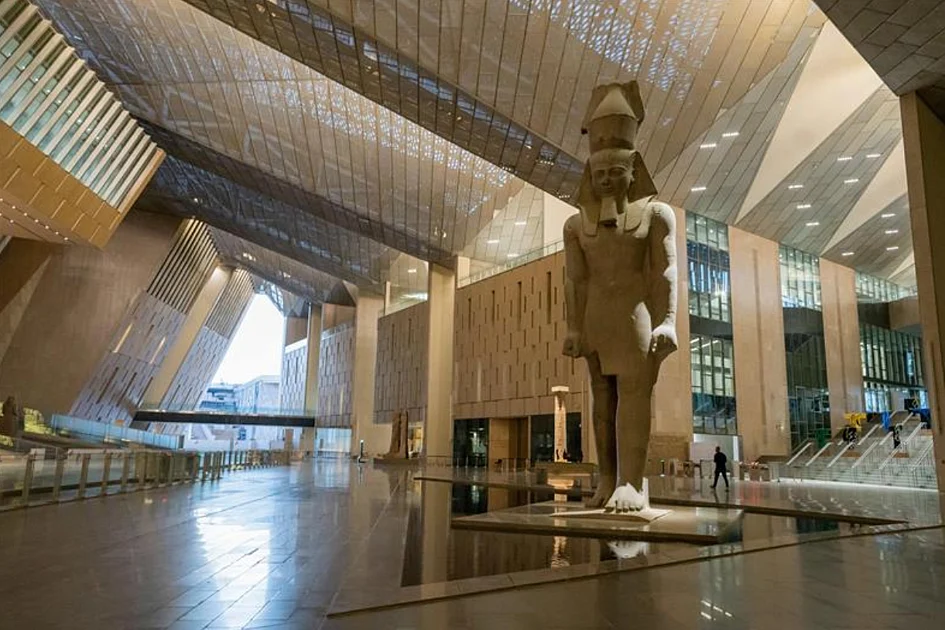
Egypt is poised to unveil its monumental cultural achievement, the Grand Egyptian Museum (GEM), with a grand opening ceremony on November 1, 2025. This event, attended by global dignitaries, will precede the museum’s public debut on November 4. Situated on the Giza Plateau, just two kilometers from the Great Pyramids, GEM spans over 500,000 square meters and houses more than 100,000 artifacts, offering an unparalleled journey through Ancient Egypt’s history from prehistoric times to the Roman era. The museum, dubbed the largest dedicated to a single civilization, features 12 exhibition galleries, including the complete collection of King Tutankhamun’s treasures, King Khufu’s Solar Boats, and a 20-meter-high hanging obelisk. Visitors will be greeted by an 11-meter-tall statue of King Ramses II and can explore the Grand Staircase adorned with statues of ancient kings, providing breathtaking views of the Pyramids. GEM’s opening is expected to revitalize Egypt’s tourism sector, which has faced challenges in recent years. Practical details for visitors include accessible transportation options, varied ticket prices, and guided tours in Arabic and English. The museum’s complex also offers dining options, and photography is permitted for personal use. With its rich exhibits and strategic location, GEM is set to become a must-visit destination for history enthusiasts worldwide.