标签: Asia

亚洲

  • Netflix to livestream BTS comeback concert in first-ever K-pop mega event

    Netflix to livestream BTS comeback concert in first-ever K-pop mega event

    In a groundbreaking move for the entertainment industry, Netflix announced on Tuesday its plans to livestream BTS’s highly anticipated comeback concert to approximately 190 countries. This landmark event, scheduled for March 21, marks the streaming platform’s first foray into large-scale K-pop live broadcasting and potentially represents the most extensive live K-pop event in history.

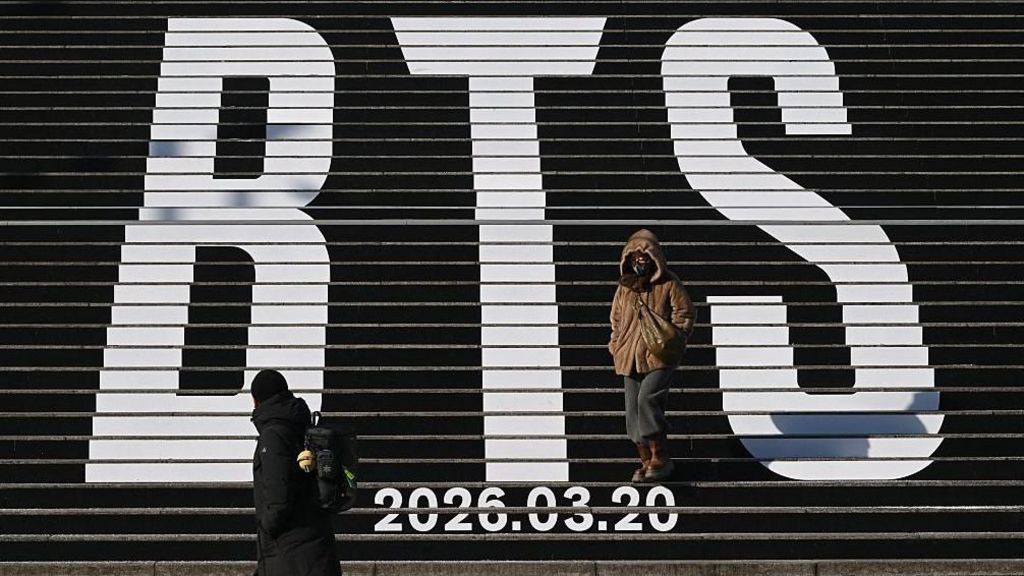
    The seven-member supergroup, having recently completed their mandatory military service requirements throughout 2022-2025, will release their new album ‘ARIRANG’ on March 20. The subsequent day will feature a monumental free concert at Seoul’s Gwanghwamun Square, serving as both a comeback celebration and prelude to their extensive world tour.

    Netflix’s exclusive broadcast, titled ‘BTS THE COMEBACK LIVE | ARIRANG’, symbolizes a significant partnership between the streaming giant and HYBE, BTS’s management company. The new album itself carries profound cultural significance, named after a traditional Korean folk song that expresses themes of separation and longing, often considered Korea’s unofficial national anthem.

    According to Netflix representatives, the album reflects ‘a deep contemplation on the group’s origins and identity,’ with an accompanying documentary ‘BTS: THE RETURN’ scheduled for release on March 27.

    The economic implications of BTS’s return are substantial. Prior to their military hiatus, the group generated an estimated 5.5 trillion won ($3.8 billion) annually for South Korea’s economy, equivalent to 0.2% of the nation’s total GDP. Financial markets responded positively to the announcement, with HYBE shares rising 2.5% during morning trading in Seoul.

    The subsequent world tour, commencing in April, will encompass 34 cities with 79 performances, establishing it as the most extensive tour by both performance count and geographical reach for any K-pop artist in history.

  • India’s Modi praised for US trade deal as opposition questions impact on agriculture

    India’s Modi praised for US trade deal as opposition questions impact on agriculture

    In a significant diplomatic development, former President Donald Trump announced a major trade agreement with India that would reduce U.S. import tariffs on Indian goods from 25% to 18%. The arrangement comes as part of a broader understanding that India will cease purchasing Russian crude oil, a move Trump claims will help end the conflict in Ukraine.

    The announcement, made through Trump’s Truth Social platform on Monday, represents a reversal of previously imposed punitive tariffs that had targeted India for its continued acquisition of Russian energy resources. According to Trump, the agreement also stipulates that India will gradually eliminate import duties on American products and commit to purchasing $500 billion worth of U.S. goods, though specific timelines remain unspecified.

    Indian Prime Minister Narendra Modi expressed enthusiasm about the tariff reduction, describing Trump’s leadership as ‘vital for global peace, stability, and prosperity’ in a social media post. However, the Indian government has maintained notable silence regarding the precise details of the arrangement, particularly concerning the cessation of Russian oil imports.

    The political response in India has been mixed. Lawmakers from the ruling coalition celebrated the agreement as a diplomatic achievement, while opposition parties raised serious concerns about potential impacts on sensitive sectors, particularly agriculture. Parliamentary proceedings were disrupted as opposition members demanded clarity on how the deal might affect domestic agricultural markets and employment.

    U.S. Secretary of Agriculture Brooker Rollings welcomed the development, emphasizing the potential benefits for American farmers through expanded access to India’s substantial market. This perspective contrasts with Indian analysts who urge caution, noting that achieving $500 billion in American imports would require decades given current trade volumes of approximately $50 billion.

    Finance Ministry official Arvind Shrivastava characterized the agreement as an opportunity to deepen trade relations between two economic powerhouses, potentially creating new opportunities for India’s manufacturing and technology sectors. However, trade expert Ajay Srivastava highlighted the need for clarification on product coverage, implementation timelines, and protections for sensitive industries before celebrating the announcement.

  • The Iran off-ramp is still open. Trump should take it

    The Iran off-ramp is still open. Trump should take it

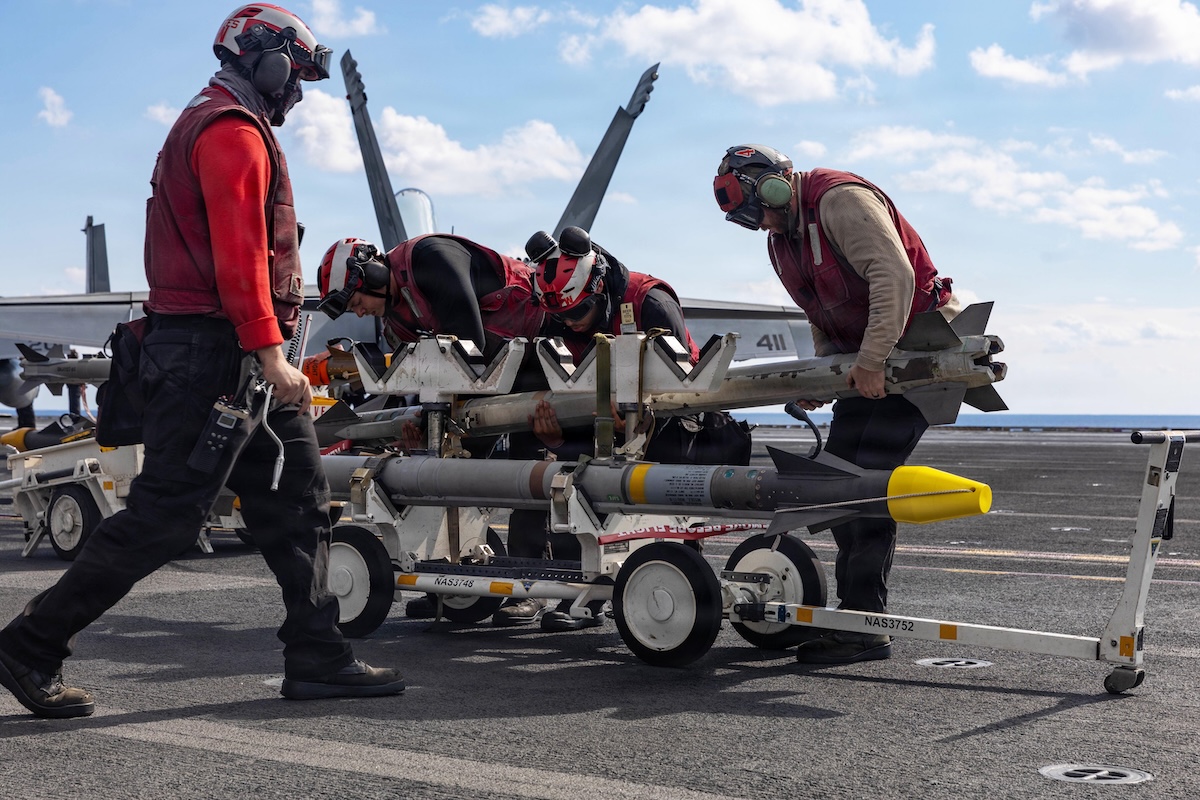
    The Arabian Sea serves as the latest stage for escalating US-Iran tensions, with the USS Abraham Lincoln carrier strike group’s deployment coinciding with Supreme Leader Ali Khamenei’s warning that American aggression would ignite regional conflict. This dangerous escalation follows historical patterns of military brinkmanship that have previously led to catastrophic outcomes.

    President Trump has assembled a formidable naval presence—six destroyers, an aircraft carrier, and three littoral combat ships—exceeding the force used in recent Venezuelan operations. His rhetoric promising ‘speed and violence’ mirrors preludes to American military interventions in Iraq and Libya. Tehran responds with equal bravado, as Foreign Minister Abbas Araghchi declares Iranian forces have ‘their fingers on the trigger.’

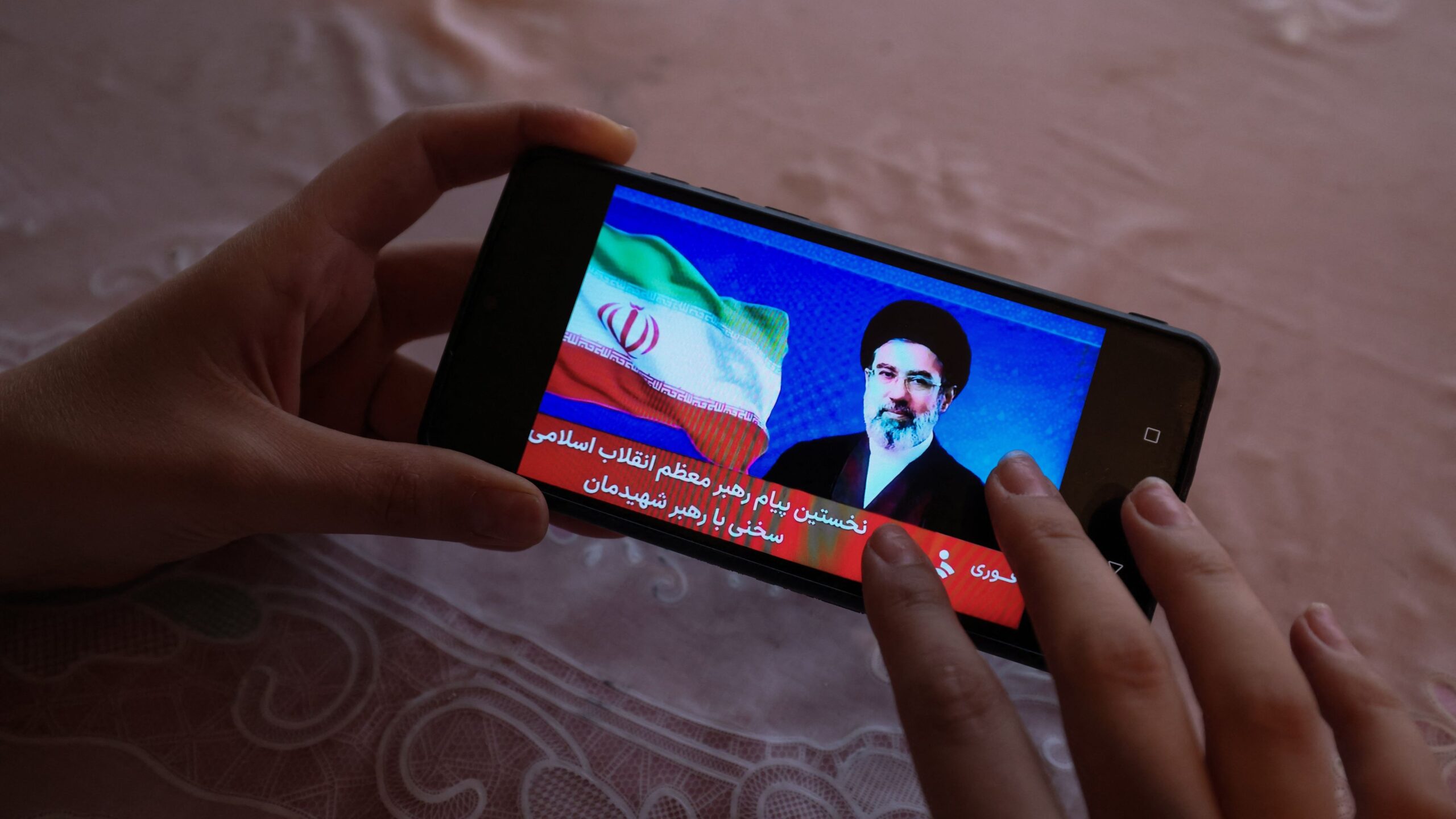
    Beyond the theatrical posturing lies a perilous dynamic potentially spiraling beyond control. The European Union’s designation of Iran’s Revolutionary Guard Corps as a terrorist organization—met with Tehran’s reciprocal labeling of EU armies—adds accelerant to an already volatile situation. While Iranian lawmakers chanting ‘Death to America’ in parliament may perform political theater, it reflects genuine nationalist sentiment that limits Tehran’s capacity for retreat under military pressure.

    Historical precedent demonstrates that overwhelming force rarely achieves intended capitulation. Instead, it typically triggers nationalist reactions and creates domestic political imperatives that make compromise untenable. Khamenei’s characterization of recent protests as ‘a coup’ similar to 2009’s Green Movement reveals a regime perceiving existential threat, viewing concessions as potentially fatal weaknesses.

    Washington’s fundamental strategic ambiguity persists: What would military strikes actually accomplish? The stated objectives—halting Iran’s nuclear program, ending support for regional proxies, stopping protest crackdowns—are neither achievable through airstrikes nor sustainable without ground invasion, which remains off the table.

    Last year’s US strikes on Iranian nuclear facilities during the 12-day Israel-Iran conflict provide sobering precedent. Rather than intimidation, the attacks prompted Iranian retaliation against Al Udeid Air Base in Qatar and missile strikes on Israeli cities. While temporarily disrupting nuclear activities, the program remained fundamentally intact, and UN sanctions failed to eliminate enrichment capabilities. Military action produced tactical effects while exacerbating strategic deterioration.

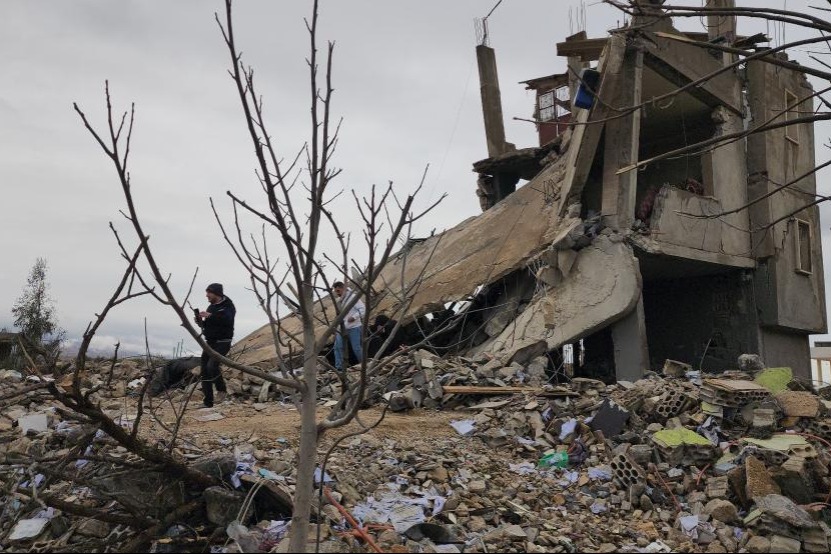
    The broader goal of diminishing Iranian influence appears equally illusory. Despite Tehran’s regional setbacks—including Syria’s instability, Hezbollah’s leadership decimation, and pressure on Hamas and Iraqi militias—weakness often breeds desperation rather than compliance. A regime facing perceived existential threat has every incentive to escalate rather than capitulate.

    The notion that bombing Iran would catalyze democratic transition reflects historical amnesia. American interventions in Iraq and Libya consistently produced chaos rather than liberal democracy. Iranian protesters seeking economic reform and personal freedoms are unlikely to welcome foreign bombs as liberation instruments.

    Khamenei’s regional war warning should not be dismissed as mere bluster. Iran maintains demonstrated capability and willingness to strike US bases throughout the Middle East. Yemen’s Houthis, despite years of allied strikes, continue threatening Red Sea shipping—a capability that would intensify in broader conflict. The Strait of Hormuz, conduit for 20% of global oil exports, presents a likely target for Iranian mining or missile attacks, potentially spiking energy prices amid ongoing inflation concerns.

    Most alarming is the risk of direct Israeli-Iranian escalation. Israel’s government possesses its own incentives to strike Iran’s nuclear facilities before further advancement, with US-Iran conflict providing political cover. This could trigger multi-front conflagration involving multiple actors—directly contradicting stated US goals of reducing Middle Eastern entanglements.

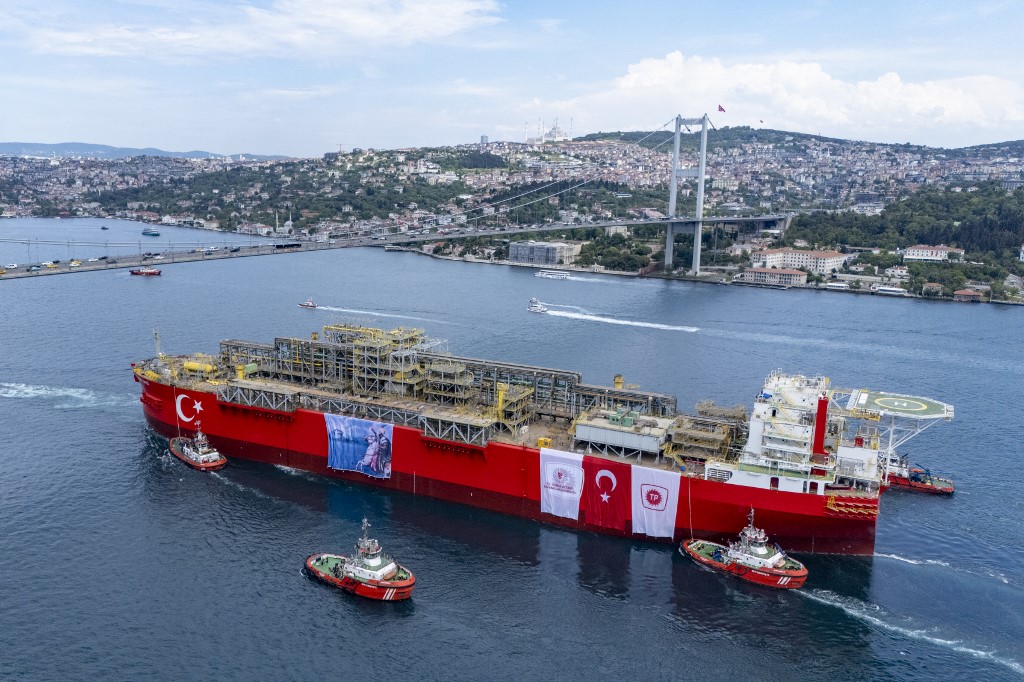
    Despite inflammatory rhetoric, both sides have signaled negotiation willingness. Trump acknowledges Iran is ‘seriously talking’ with Washington, while Turkish President Erdogan mediates with Iranian Foreign Minister Araghchi’s Ankara visit. This diplomatic channel represents the most realistic path toward American objectives—a negotiated agreement capping enrichment levels below weapons-grade, establishing enhanced monitoring, and providing sanctions relief that might reduce economic pressures driving protests.

    Such a deal would imperfectly but effectively serve interests better than military confrontation with unpredictable outcomes and certain costs. The 2015 JCPOA demonstrated Iran’s willingness to accept significant nuclear constraints for economic integration. That agreement collapsed not due to Iranian violation but US withdrawal. Rebuilding trust remains difficult but feasible with demonstrated seriousness from both sides.

    Critics arguing that diplomacy rewards bad behavior misunderstand international relations fundamentals. States routinely engage unsavory regimes when strategic interests demand—America maintains relationships with Saudi Arabia, Egypt, and other authoritarian states. The relevant question isn’t whether Iran’s government is virtuous, but whether engagement serves American interests better than confrontation.

    This crisis tests whether Washington has learned from two decades of Middle Eastern misadventures. The consistent pattern sees hawks promising military force producing quick results, skeptics warning of quagmires, followed by unexpected costs accumulating without promised benefits.

    America faces genuine strategic challenges demanding attention and resources—China competition, technological leadership maintenance, domestic infrastructure needs, and alliance management. Protracted conflict with Iran would consume enormous resources while distracting from these priorities.

    Iran’s weakened regional position, economic distress, and domestic unrest provide diplomatic leverage. Rather than repeating failed bombing strategies, Washington should negotiate concrete limits on Iranian capabilities while accepting Iran’s enduring regional influence.

    The current tensions could indeed degenerate into regional war given ominous precedents, escalating rhetoric, and military positioning. But this outcome remains a choice, not inevitability. The realist approach acknowledges Iran’s repressive government and objectionable activities while recognizing military action’s unlikely improvement of either situation. Diplomacy with adversaries proves difficult and frustrating but remains the least bad option available.

    Washington unquestionably possesses military capability to strike Iran. The pertinent question is whether it possesses strategic wisdom to recognize that capability alone doesn’t equal effectiveness, and that the hardest but smartest choice often avoids war rather than wages it. The diplomatic off-ramp remains open—taking it requires swallowing pride and accepting imperfect victory. The alternative—another Middle Eastern war with unpredictable consequences—follows a road traveled before, leading nowhere beneficial.

  • Giant fondant pegasus lands in Shanghai

    Giant fondant pegasus lands in Shanghai

    Shanghai’s Brand Mall became the site of a breathtaking culinary art installation on January 30th when a colossal 4-meter-high fondant pegasus made its spectacular debut. The magnificent creation, meticulously crafted by celebrated fondant artist Zhou Yi, represents an extraordinary fusion of contemporary confectionery artistry with traditional Chinese cultural symbolism.

    The monumental sculpture showcases exceptional technical mastery of the fondant medium, demonstrating both structural integrity and intricate artistic detailing. Zhou Yi’s creation incorporates traditional blessing motifs within its design, transforming the mythical winged horse into a carrier of cultural significance and festive spirit. The installation attracted widespread attention from both art enthusiasts and culinary professionals, drawing large crowds to the commercial venue.

    This impressive edible artwork marks a significant achievement in the field of food artistry, pushing the boundaries of what can be accomplished with sugar-based materials. The pegasus installation serves not only as a visual spectacle but also as a testament to the evolving nature of culinary arts in urban Chinese culture. Its presence at Shanghai Brand Mall underscores the growing intersection between traditional craftsmanship, contemporary art, and commercial exhibition spaces in modern China.

    The temporary exhibition provides Shanghai residents and visitors with an unexpected artistic encounter in a retail environment, blurring the lines between food, art, and cultural expression. Zhou Yi’s creation stands as a remarkable example of how traditional artistic mediums can be reinvented through innovative techniques and imaginative conceptualization.

  • China’s hybrid unmanned cargo aircraft completes first flight

    China’s hybrid unmanned cargo aircraft completes first flight

    China has achieved a significant milestone in aviation technology with the successful maiden flight of the YH-1000S, the world’s first hybrid-powered unmanned cargo aircraft. The groundbreaking flight occurred in Chongqing municipality, marking a new chapter in autonomous aerial logistics.

    Developed by the China Academy of Aerospace Aerodynamics in collaboration with an unnamed new energy vehicle manufacturer, the YH-1000S represents a substantial advancement over its predecessor, the YH-1000, which first flew in May 2025. The new aircraft incorporates a cutting-edge hybrid propulsion system that enables superior performance characteristics including significantly reduced takeoff and landing distances, enhanced payload capacity, and extended operational range.

    The innovative aircraft is designed to address multiple market demands across various sectors. Its potential applications span international logistics and delivery services, emergency response and disaster relief operations, artificial weather modification programs, and comprehensive marine monitoring and maritime supervision missions.

    This technological breakthrough positions China at the forefront of unmanned cargo transportation development, combining environmental considerations with practical operational capabilities. The hybrid power system demonstrates the successful cross-pollination of automotive and aerospace technologies, particularly in the realm of new energy solutions.

    The development team emphasized that the YH-1000S was engineered specifically to meet the evolving requirements of global market customers, suggesting potential international applications and export opportunities once the technology reaches maturity and regulatory approval.

  • Seeking shelter from Trump’s fury, U.S. trade partners reach deals with each other

    Seeking shelter from Trump’s fury, U.S. trade partners reach deals with each other

    WASHINGTON — America’s traditional allies are implementing unprecedented economic countermeasures against President Donald Trump’s volatile trade policies, accelerating efforts to reduce dependence on the United States after experiencing what they characterize as unreliable negotiations.

    Multiple nations and economic blocs are forging new alliances and trade agreements that deliberately exclude the United States, creating alternative economic ecosystems in response to what they perceive as Trump’s weaponization of trade relationships. The European Union recently finalized a landmark trade agreement with India following nearly two decades of negotiations, while simultaneously securing a quarter-century-in-the-making pact with Mercosur nations in South America.

    Financial institutions worldwide are responding with concrete actions rather than mere rhetoric. Central banks are systematically diversating their reserves away from U.S. Treasury notes and increasing gold acquisitions, a movement that economists warn could elevate interest rates and consumer prices for American citizens already grappling with inflation.

    Trade experts note that previously concluded agreements with the Trump administration have proven inadequate protection against subsequent tariff threats. “Our trading partners are discovering that the largely one-sided deals they concluded with the U.S. provide little protection,” stated Wendy Cutler, former U.S. trade negotiator and current senior vice president at the Asia Society Policy Institute.

    The administration maintains a contradictory stance regarding these developments. White House spokesman Kush Desai insists that “President Trump remains committed to the strength and power of the U.S. Dollar as the world’s reserve currency,” even as the currency’s value recently hit its lowest point since 2022 against several major currencies.

    Analysts observe that nations with deep security and economic ties to the United States—including South Korea and Canada—face particularly complex dilemmas. These countries must balance their dependency on American markets and protection with the need to respond to Trump’s unpredictable tariff announcements, which frequently target even longstanding allies.

    According to Daniel McDowell, political scientist and author of “Bucking the Buck,” the fundamental shift stems from America’s transformation under Trump from a source of global economic stability to a driver of unpredictability. “As global perceptions of the U.S. are changing,” McDowell noted, “it is only natural that investors—public and private alike—are reconsidering their relationship with the dollar.”

  • Pujiang Innovation Forum hosts salon to foster growth of young scientists

    Pujiang Innovation Forum hosts salon to foster growth of young scientists

    Shanghai’s scientific community witnessed a significant gathering of emerging talent as the Pujiang Innovation Forum’s CCB Lab convened its latest “Youth Voice” academic symposium on Friday. The event, specifically dedicated to plant science advancements, established a dynamic platform combining rigorous academic discourse with collaborative networking opportunities for promising researchers.

    Distinguished experts including Cui Xiaofeng, Executive Editor of prestigious journals Molecular Plant and Plant Communications, and Du Wenxian, Associate Researcher at Shanghai Sixth People’s Hospital Affiliated with Shanghai Jiao Tong University School of Medicine, delivered cutting-edge presentations. Their insights traced China’s remarkable evolution in plant science from its early days of following international trends to its current position as a global innovator in the field.

    The symposium introduced the ambitious “Plant Science 2035” vision, outlining how technological breakthroughs are revolutionizing research methodologies across scales—from molecular investigations to comprehensive ecosystem analyses. This forward-looking framework emphasizes interdisciplinary approaches that will define the next decade of botanical research.

    Leveraging digital connectivity, the event achieved substantial reach through multi-platform livestreaming, accumulating over 10,000 views and facilitating active participation from young scholars both virtually and in-person. The collaborative effort between Shanghai Pujiang Innovation Forum Center and Shanghai Association of Young Talents in Science and Technology demonstrated a committed institutional approach to nurturing scientific talent through themed academic gatherings that address future challenges and opportunities.

  • Scientists pioneer first-ever genealogy for volcanoes beneath Antarctic ice

    Scientists pioneer first-ever genealogy for volcanoes beneath Antarctic ice

    In a groundbreaking polar research achievement, an international scientific consortium has developed the first comprehensive genealogical archive of subglacial volcanoes concealed beneath Antarctica’s massive ice sheets. Designated as ANT-SGV-25, this pioneering catalogue documents 207 known volcanic formations, providing an unprecedented systematic reference for understanding these hidden geological features.

    The research initiative was spearheaded by China’s Polar Research Institute (PRIC) in collaboration with Zhejiang University, Fudan University, and the United Kingdom’s University of Exeter. The team synthesized existing scientific data to address longstanding observational challenges and resolution limitations that have historically hampered systematic study of these subsurface structures.

    According to lead researcher Cui Xiangbin of PRIC’s Center for Polar Ice & Snow and Climate Change Research, the volcanic inventory reveals significant morphological diversity. The documented volcanoes range dramatically in scale, with elevations spanning from 100 to 4,181 meters and volumes varying from 1 to 2,800 cubic kilometers. Their basal widths extend from 0.3 to 58 kilometers, with median slopes averaging approximately 8.1 degrees.

    The distribution pattern shows pronounced concentration within the West Antarctic Rift System, where crustal stretching and elevated geothermal activity create favorable conditions for volcanic formation. By contrast, only three volcanic structures have been identified in East Antarctica to date.

    This research breakthrough holds substantial implications for understanding ice sheet dynamics. Subglacial volcanoes significantly influence basal topography, promote ice melting through geothermal heat, regulate subglacial hydrological systems, and ultimately affect ice flow patterns and stability. The comprehensive parameter system established through computer vision technology and data integration enables detailed classification, origin analysis, and impact assessment of these geological features.

    The findings, published in the prestigious journal Earth-Science Reviews, represent a crucial public data resource for the global scientific community studying polar environments and climate change impacts.

  • Hong Kong hosts INTERPOL annual meeting on combating cybercrime

    Hong Kong hosts INTERPOL annual meeting on combating cybercrime

    Hong Kong has positioned itself at the forefront of the global fight against cybercrime by hosting the INTERPOL Cybercrime Expert Group’s pivotal annual meeting from February 2-3, 2026. The event brought together an elite assembly of over 120 law enforcement specialists, industry experts, and international organization representatives from more than 30 countries and regions worldwide.

    Co-organized by the Hong Kong Police Force (HKPF) and INTERPOL under the strategic theme “Disrupting the Industrialization of Cybercrime,” the two-day summit addressed the increasingly sophisticated nature of digital criminal operations. Hong Kong Police Commissioner Chow Yat-ming inaugurated the proceedings by outlining the city’s multi-faceted approach to cybersecurity challenges.

    Commissioner Chow detailed the HKPF’s comprehensive strategy focusing on three critical pillars: developing cutting-edge technological solutions, establishing robust public-private partnerships, and creating an integrated public safety ecosystem. “Our response to cyber threats requires continuous innovation through collaborative platforms, advanced technology initiatives, and active industry participation,” Chow emphasized during his opening address.

    The police commissioner further stressed that effective cybercrime combat necessitates enhanced international cooperation, cross-sector alliances, and sustained capacity development across global law enforcement agencies.

    INTERPOL’s Cybercrime Director Neal Jetton acknowledged Hong Kong’s strategic role in international policing collaboration, stating the meeting demonstrated the city’s proactive commitment to global security. Jetton expressed optimism that the gathering would yield practical solutions and coordinated actions to effectively dismantle sophisticated cybercriminal networks.

    The summit facilitated intensive expert discussions on disrupting the entire cybercrime supply chain, with specialized sessions examining cybercrime ecosystems, digital extortion schemes, artificial intelligence applications in crime prevention, and virtual asset tracing methodologies. Participants engaged in knowledge sharing regarding cross-border intelligence exchange mechanisms, synchronized operational strategies, and professional capacity enhancement programs.

  • Chinese space experiment sees butterfly emerge in orbit

    Chinese space experiment sees butterfly emerge in orbit

    In a pioneering achievement for space biology, Chinese researchers have documented the first successful emergence of a butterfly from its chrysalis in Earth’s orbit. The breakthrough experiment, conducted aboard a miniature sealed ecosystem, provides unprecedented insights into biological adaptation to microgravity conditions.

    Chongqing University’s research team developed the specialized 8.3-kilogram payload that housed the butterfly chrysalis alongside pepper plants and microorganisms. Launched December 13, 2025, aboard the Kuaizhou-11 Y8 carrier rocket, the self-contained ecosystem maintained Earth-like conditions through carefully calibrated environmental controls.

    Chief designer Xie Gengxin explained the engineering innovations that made the experiment possible. ‘We overcame significant technical challenges, particularly magnesium alloy oxidation in high-humidity environments, to create a robust protective structure for this biological habitat,’ he stated.

    The spacecraft’s monitoring systems captured photographic evidence showing the butterfly adapting remarkably to weightlessness—moving within the capsule, resting on leaves, and fluttering its wings despite the absence of normal gravity. Telemetry data confirmed stable pressure, temperature, and humidity levels throughout the emergence process.

    This achievement represents more than insect development in space; it validates the viability of complex closed-loop life support systems for long-duration missions. The experiment successfully simulated Earth’s ecological cycles, with plants generating oxygen and potential food sources while microorganisms processed waste to maintain atmospheric stability.

    Researchers now turn their attention to evaluating the structure’s orbital endurance, component adaptability, and long-term sealing capabilities—critical factors for future deep-space exploration and potential extraterrestrial colonization efforts.