标签: Asia

亚洲

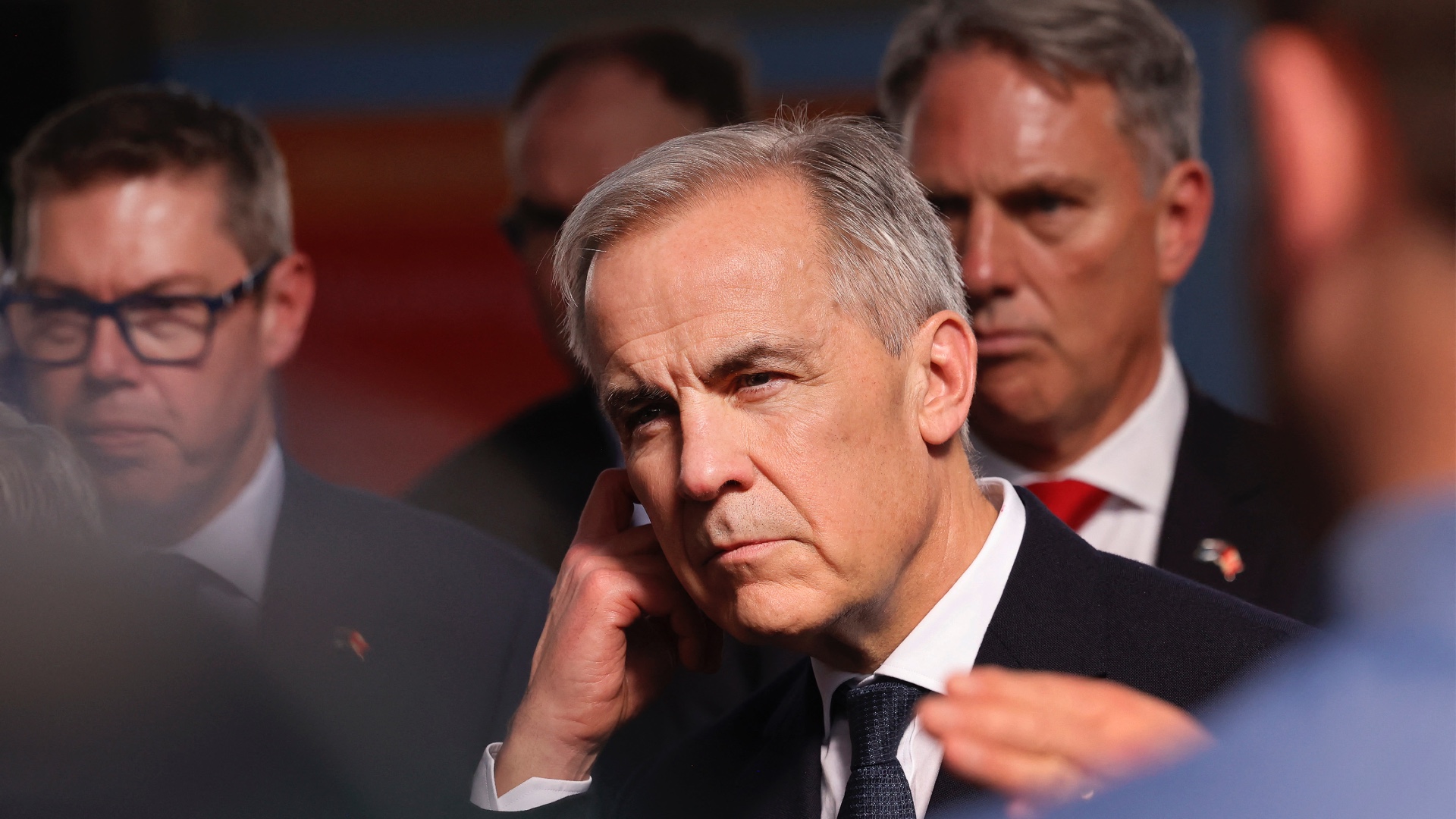
  • Does Mark Carney know where he stands on the US-Israeli war on Iran?

    Does Mark Carney know where he stands on the US-Israeli war on Iran?

    Prime Minister Mark Carney’s administration faces mounting political pressure as it attempts to balance Canada’s international alliances with domestic opposition to military engagement in the Middle East. The crisis emerged on February 28th when Carney initially expressed unequivocal support for U.S.-Israeli military actions against Iran, despite the absence of United Nations authorization—a traditional prerequisite for Canadian foreign policy interventions.

    The initial endorsement triggered immediate dissent within Carney’s Liberal Party, compounded by polling data from the Angus Reid Institute revealing less than half of Canadians support airstrikes against Iran, with merely 30% believing such actions would improve Iranian lives. Facing this domestic discontent during his Australian visit, Carney notably refined his position, emphasizing solidarity with the Iranian people against oppressive governance while maintaining support for preventing nuclear proliferation.

    In a striking admission, Carney acknowledged that Washington and Jerusalem had acted without consulting Ottawa or pursuing UN channels. When pressed about his celebrated Davos speech advocating a new world order, Carney deferred legal assessments to the attacking nations, noting that prima facie, the operations appeared inconsistent with international law. Nevertheless, by week’s end, he refused to categorically exclude Canadian involvement, stating that Canada would stand by its allies in a potentially expanding conflict.

    This diplomatic maneuvering occurs against a backdrop of heightened military enlistment following President Trump’s threats against Canada and escalating trade tariffs. Security experts warn that Carney’s ambiguous stance creates dangerous unpredictability, particularly as the government advises Canadian citizens in the region to shelter in place without initiating evacuation procedures.
  • Hong Kong ex-media mogul Jimmy Lai will not appeal national security conviction, legal team says

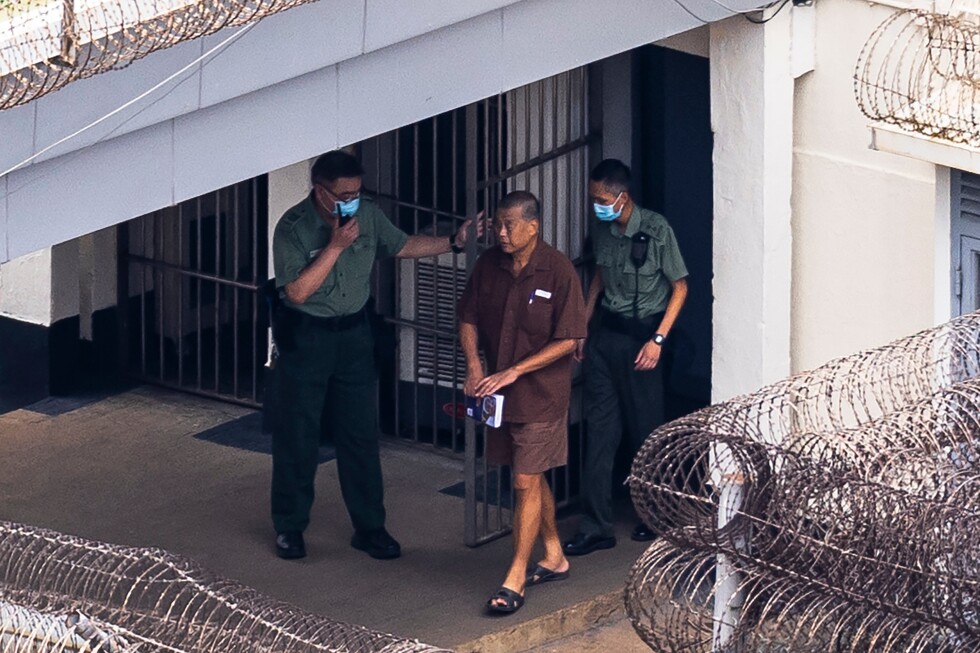
    Hong Kong ex-media mogul Jimmy Lai will not appeal national security conviction, legal team says

    HONG KONG — Jimmy Lai, the prominent pro-democracy publisher and founder of the shuttered Apple Daily newspaper, will not pursue an appeal against his national security conviction, according to an announcement from his legal representatives on Friday. The decision concludes a protracted legal confrontation that has drawn international attention.

    Lai, aged 78 and a British citizen, was sentenced to a 20-year prison term last month following his December conviction on charges of conspiracy to colluse with foreign forces and plotting to publish seditious materials. Known for his vocal criticism of China’s Communist Party, Lai was among the first high-profile individuals detained under Hong Kong’s stringent national security law enacted in 2020.

    The closure of his publication, Apple Daily, in June 2021 followed the arrest of several senior journalists from the outlet, which had built a reputation for its critical reporting on both Hong Kong and Beijing administrations. While his legal team confirmed the decision to forgo an appeal via text message to The Associated Press, they declined to elaborate on the reasoning behind this strategic legal move.

    International observers have interpreted Lai’s conviction as emblematic of the diminishing press freedoms and civil liberties in Hong Kong since its handover to China in 1997. Conversely, Chinese and Hong Kong authorities have maintained that the judicial proceedings embody the principle of rule of law, asserting that the case fundamentally concerns national security violations rather than press freedom issues.

    The significant prison term has raised concerns that Lai may potentially remain incarcerated for the remainder of his life. His family had previously expressed hope that a potential visit by former U.S. President Donald Trump to Beijing might facilitate his release, though Chinese authorities have yet to confirm any such diplomatic engagement.

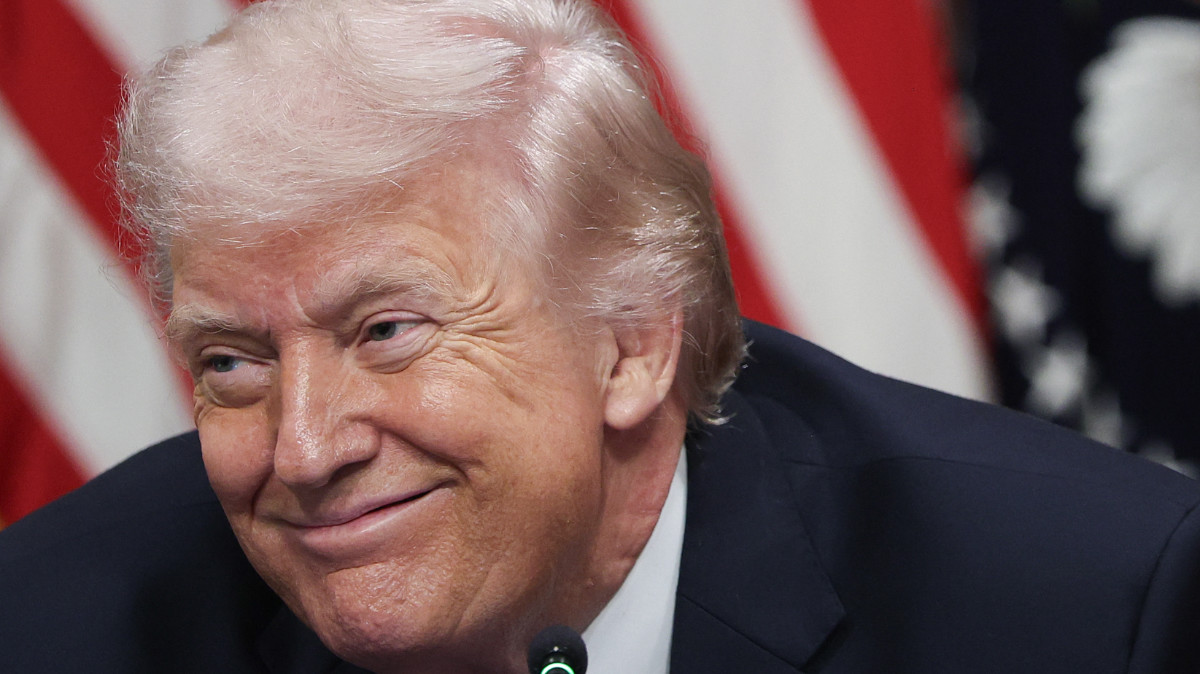
  • Trump takes forceful steps to pressure Latin American leaders to reduce China ties

    Trump takes forceful steps to pressure Latin American leaders to reduce China ties

    The Trump administration has launched a comprehensive campaign to counter China’s expanding influence across Latin America, employing a combination of diplomatic pressure, economic sanctions, and strategic warnings. Recent actions include imposing travel bans on three Chilean officials connected to potential submarine fiber optic cable projects with China, while simultaneously cautioning Peru against relinquishing control of a Chinese-constructed megaport.

    This assertive approach follows Panama’s seizure of two critical ports at either end of the Panama Canal, previously operated by a Hong Kong-based company, after President Trump threatened to reclaim U.S. control over the vital waterway. The administration’s efforts gained additional momentum with the capture of Venezuela’s President Nicolás Maduro in January, which exposed China’s substantial oil interests in the country to unprecedented vulnerability.

    Supporters of this geopolitical pivot argue it represents a necessary response to China’s growing regional presence, which they characterize as potentially destabilizing to the Western Hemisphere’s balance of power. Critics, however, question the effectiveness of such direct confrontation given China’s deeply entrenched economic relationships throughout the region.

    Academic analysis reveals a dramatic shift in regional trade dynamics over the past two decades. Where Cuba stood alone in 2001 as the only nation conducting more business with China than the United States, recent data indicates that nearly all South American countries—except Paraguay and Colombia—now trade more extensively with China. Between 2014 and 2023, China provided approximately $153 billion in loans and grants to Latin American and Caribbean nations, compared to roughly $50.7 billion from the U.S., establishing Beijing as the region’s largest official sector financier.

    Experts note that China’s economic advantage stems from strategic investments in sectors where American presence has been limited, particularly green energy, infrastructure development, and technological innovation. This economic penetration has translated into significant diplomatic leverage, with five nations switching recognition from Taiwan to Beijing since 2016 in pursuit of better economic prospects.

    The White House’s National Security Strategy acknowledges years of regional neglect while vowing to prevent ‘non-Hemispheric competitors’ from establishing strategic footholds. Congressional supporters like Representative John Moolenaar applaud the administration’s focus on defending Western Hemisphere interests against perceived Chinese encroachment.

    Regional analysts predict increasing fragmentation as Latin American nations navigate competing pressures. Right-leaning governments may align more closely with Washington, while left-leaning administrations maintain or deepen Chinese ties, with many countries attempting pragmatic balancing acts. Despite some discontent with Chinese investment outcomes, China maintains advantages through established infrastructure, security, and technology investments, complicating any straightforward regional realignment.

  • Sri Lanka takes control of second Iranian vessel a day after US sub attack

    Sri Lanka takes control of second Iranian vessel a day after US sub attack

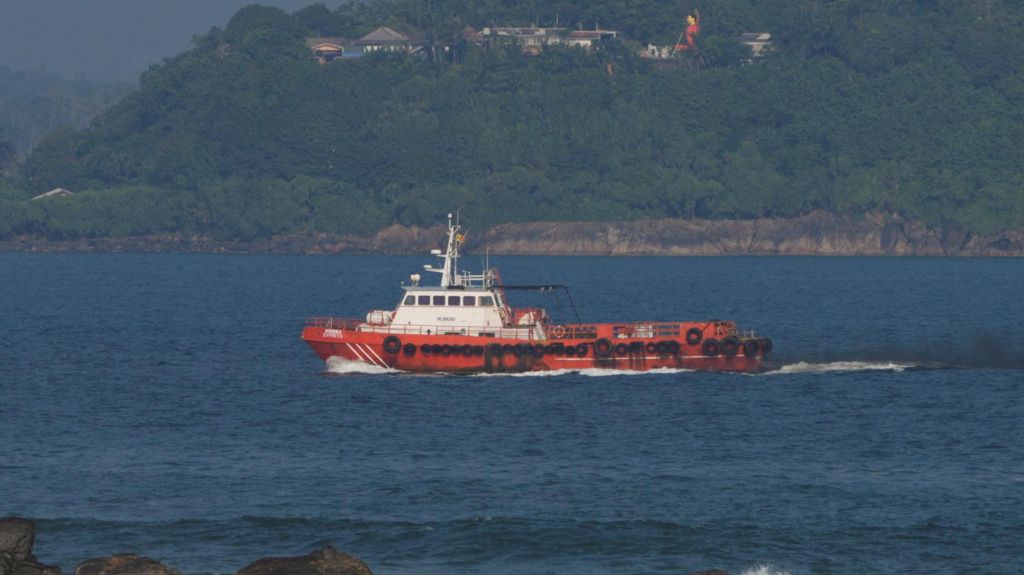
    The Pentagon has released footage documenting the precise moment a US submarine-launched torpedo struck and sank the Iranian frigate Iris Dena in the Indian Ocean. The attack, occurring approximately 44 nautical miles off the southern coast of Sri Lanka, resulted in the deaths of at least 87 Iranian crew members, with 32 survivors receiving treatment for serious injuries in a Galle hospital. Search operations continue for missing personnel.

    This naval engagement, described by US Defense Secretary Pete Hegseth as a demonstration of American military prowess and the first such torpedo sinking of an enemy vessel since World War II, marks a significant escalation in the widening Middle East conflict. Iranian Foreign Minister Abbas Araghchi condemned the act as an ‘atrocity at sea’ and vowed the US would ‘bitterly regret’ its actions.

    In a subsequent and diplomatically complex development, a second Iranian naval vessel, the Irins Bushehr, requested emergency docking at a Sri Lankan port citing a malfunctioning engine. After hours of deliberation, Sri Lankan President Anura Kumara Dissanayake authorized the vessel to dock at the port of Trincomalee in the northeast, deliberately avoiding the major commercial hub of Colombo to mitigate potential adverse impacts on the country’s maritime industry.

    The crew of 208 from the Irins Bushehr, comprising officers and sailors, are to be evacuated and brought to Colombo. President Dissanayake framed the decision as a demonstration of Sri Lanka’s commitment to humanitarian values and international conventions, stating the nation would ‘never hesitate to protect humanity’ while steadfastly safeguarding its neutrality. This incident places Sri Lanka, a nation with strong economic ties to both Iran and the US, squarely in the middle of the escalating conflict. The country, a longstanding adherent to a non-aligned policy since 1948, continues to stress its impartiality amidst the US-Israeli military campaign against Iran.

  • Will the Iran war trigger a Saudi Arabia-Pakistan mutual defence pact?

    Will the Iran war trigger a Saudi Arabia-Pakistan mutual defence pact?

    Pakistan finds itself navigating a complex geopolitical tightrope as Middle East tensions escalate following U.S.-Israeli strikes against Iran and Tehran’s subsequent retaliation against Gulf states, including Saudi Arabia. This crisis has thrust into the spotlight Pakistan’s recently signed mutual defense agreement with Riyadh, creating unprecedented strategic challenges for Islamabad.

    Pakistani Foreign Minister Ishaq Dar has provided the first official indication that the defense pact could influence regional diplomacy. During press conferences and parliamentary addresses, Dar revealed he directly referenced the agreement in discussions with Iranian Foreign Minister Abbas Araghchi. Tehran subsequently sought assurances that Saudi territory would not serve as a launchpad for attacks against Iran.

    Dar suggested this diplomatic engagement may already be yielding results, noting that Iran has directed comparatively fewer attacks toward Saudi Arabia and Oman. His comments represent the most significant public acknowledgment by a senior Pakistani official that the defense pact could potentially apply in confrontations involving Iran.

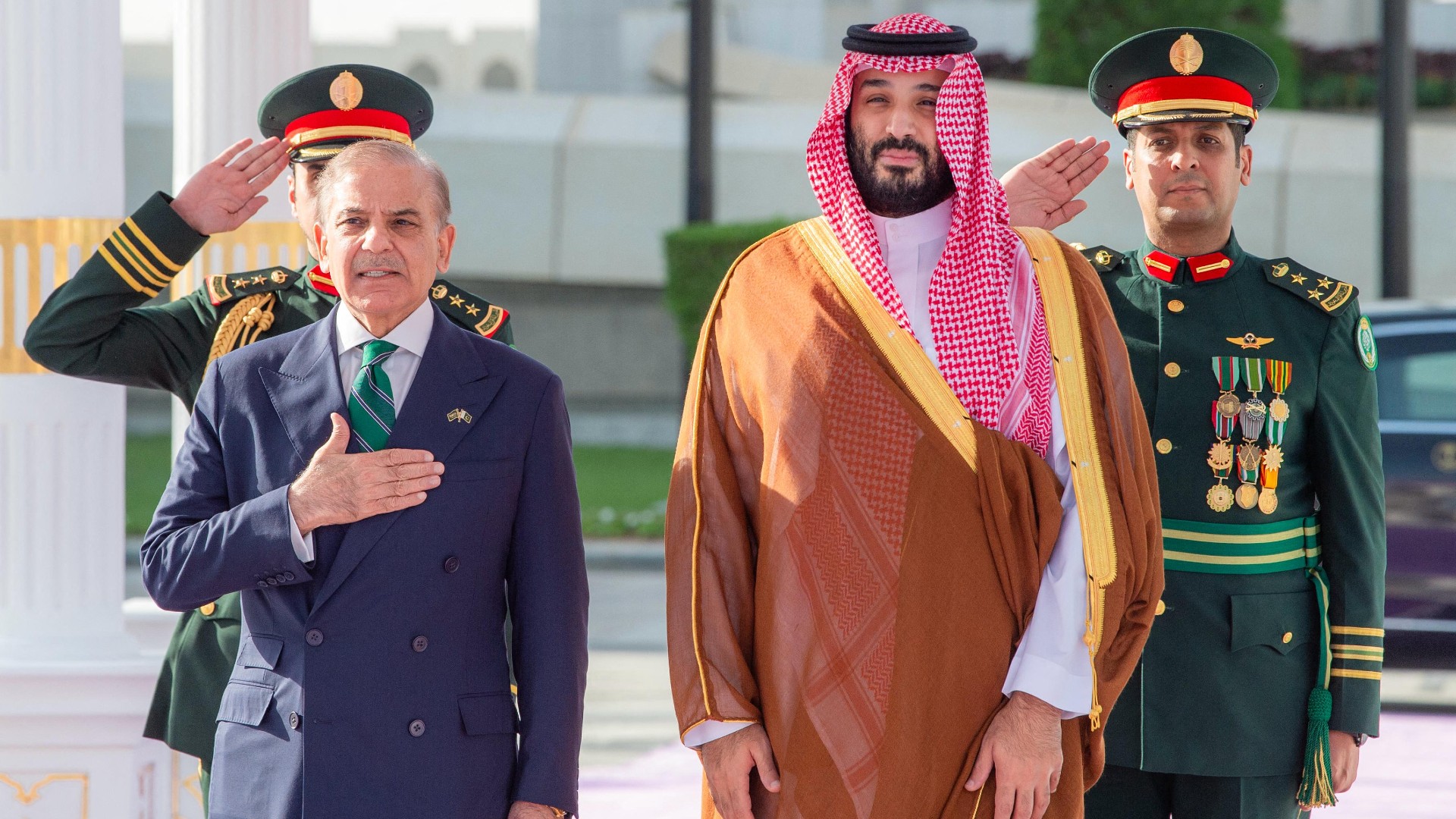
    The agreement, signed during Pakistani Prime Minister Shehbaz Sharif’s September state visit to Saudi Arabia, contains a core clause with profound implications: aggression against either nation shall be considered aggression against both. This principle echoes the structural framework of NATO’s Article 5, though Pakistani officials emphasize it does not automatically mandate military intervention, allowing each country to determine support forms according to national interests and capabilities.

    Security experts remain divided on Pakistan’s potential responses. Zahid Shahab Ahmed of the UAE National Defense College suggests Pakistan maintains a ‘standby mode’ and would struggle to deny support if Saudi Arabia requested military assistance during prolonged conflict. Conversely, other analysts believe Pakistan primarily serves as a diplomatic channel between the regional rivals, leveraging its longstanding relationships with both Riyadh and Tehran.

    Pakistan’s maneuvering space is constrained by multiple security pressures, including cross-border tensions with Afghanistan’s Taliban administration and the perpetual rivalry with India, which dictates that the bulk of Pakistan’s conventional military capability remains oriented toward its eastern border. Any substantial deployment to support Saudi Arabia would necessitate risky resource reallocation, according to retired military officials.

    The partnership with Riyadh represents a critical financial lifeline for Pakistan, with over four million Pakistani workers in the Gulf remitting billions annually. Saudi Arabia has repeatedly stabilized Pakistan’s economy through central bank deposits, deferred oil payments, and investment pledges—a dependency highlighted by recent Saudi commitments to continue oil supplies via the Red Sea route.

    Domestically, the government faces mounting pressure. Approximately 15-20% of Pakistan’s 240 million population are Shia Muslims with deep cultural and religious ties to Iran. Recent protests following Ayatollah Khamenei’s death resulted in 23 fatalities, with opposition figures demanding explicit condemnation of U.S.-Israeli actions and affirmation of Iran’s right to self-defense.

    Analysts like Ayesha Siddiqa warn that entering Middle Eastern factional politics contradicts Pakistan’s interests, particularly given its substantial Shia population. The government must balance long-term national interests against domestic sectarian tensions, with the current crisis representing the most serious test of Pakistan’s delicate regional balancing act.

  • Judge blocks Florida governor from labelling Cair a terrorist organisation

    Judge blocks Florida governor from labelling Cair a terrorist organisation

    A federal court has issued a significant ruling against Florida Governor Ron DeSantis, prohibiting his unilateral designation of the Council on American-Islamic Relations (CAIR) as a terrorist organization. U.S. District Judge Mark Walker granted a temporary injunction on Wednesday, halting the implementation of DeSantis’s December executive order that had labeled the prominent Muslim civil rights organization as terrorist and created potential pathways for state prosecutions of its supporters.

    The court’s decision centered on constitutional protections, with Judge Walker explicitly stating that the governor cannot, in non-emergency circumstances, single-handedly designate one of America’s largest Muslim civil rights groups as terrorist and subsequently withhold government benefits from those providing support. The ruling emphasized that such action violates First Amendment rights by coercing third parties to sever ties with the organization.

    Evidence presented in court demonstrated that CAIR had suffered tangible harm from the executive order, including lost contracts with Florida companies and severed relationships with advocacy groups. The organization, which relies on donations to advance its civil liberties work, celebrated the injunction as a constitutional victory. CAIR National Executive Director Nihad Awad characterized the decision as a crucial reaffirmation of democratic principles amid growing political attacks on free speech, religious freedom, and due process.

    The legal challenge was spearheaded by a coalition including The Southern Poverty Law Center, Akeel & Valentine, CAIR Legal Defense Fund, and the Muslim Legal Fund of America. DeSantis’s order had mirrored similar actions taken by Texas Governor Greg Abbott in November, which also designated both CAIR and the Muslim Brotherhood as terrorist organizations despite the latter’s lack of centralized leadership structure.

    Unlike the state-level designations, federal terrorism classifications under the Trump administration specifically targeted Muslim Brotherhood chapters in Egypt, Jordan, and Lebanon rather than the broader organization. The court’s injunction represents a significant check on executive power and protection of civil liberties in ongoing debates about religious freedom and counterterrorism policies.

  • China’s 10-passenger electric aircraft, the Matrix, hints at how big flying taxis can be

    China’s 10-passenger electric aircraft, the Matrix, hints at how big flying taxis can be

    KUNSHAN, China — A groundbreaking demonstration in southeastern China offered a compelling vision of urban air mobility’s future. At a low-altitude flight test facility in Kunshan, approximately 60 kilometers west of Shanghai, Chinese aviation company AutoFlight showcased its massive Matrix aircraft—a 5-ton electric vertical takeoff and landing (eVTOL) vehicle recognized as China’s largest electric aircraft to date.

    The Matrix prototype, developed since AutoFlight’s 2017 founding, represents a significant engineering achievement with its substantial dimensions: a 20-meter wingspan, 17.1-meter length, and 3.3-meter height. The electric aircraft boasts capacity for up to 10 passengers and can operate for one hour on a single charge.

    During a recent demonstration observed by The Associated Press, the colossal eVTOL executed a flawless performance. After meticulous pre-flight checks, the aircraft ascended smoothly from a helipad, generating noticeably less noise than conventional helicopters. The Matrix completed two circuits around the test facility before executing a perfect landing after approximately 10 minutes of flight.

    Despite the successful demonstration, significant regulatory challenges remain before such aircraft can transform into operational air taxis. AutoFlight Senior Vice President Steven Yang acknowledged the uncertainty surrounding commercialization timelines, noting the company anticipates securing crucial type certification from regulators by 2027—confirming the aircraft’s compliance with safety standards. Additional operator certifications would subsequently be required before passenger transport can commence.

    The Chinese eVTOL landscape continues evolving, with Guangdong-based EHANG having already received certification for commercial passenger services, though operational implementation remains pending. Industry experts emphasize that beyond aircraft certification, developing supporting infrastructure represents a critical hurdle. The emerging ‘low-altitude economy’ already demonstrates practical applications through drone-based food delivery services in cities like Shenzhen.

    Gary Ng, senior economist at Natixis Corporate and Investment Banking, highlighted various challenges including safety assurance, infrastructure development, and logistical coordination. ‘The entire ecosystem surrounding this technology remains underdeveloped currently,’ Ng observed, projecting that at least three additional years will be necessary before viable commercial operations emerge.

    While the Matrix demonstration makes electric air transportation appear increasingly feasible, Yang emphasized that realizing this future requires collective effort: ‘We truly believe it will happen, but this is not AutoFlight’s job alone—it’s about developing the entire ecosystem.’

  • Diplomats tell Lebanon ban on Hezbollah worthless unless army steps in

    Diplomats tell Lebanon ban on Hezbollah worthless unless army steps in

    Amid escalating military operations in southern Lebanon, a critical diplomatic confrontation is unfolding behind closed doors. Israel and Western intermediaries have delivered a stark warning to Lebanese officials: symbolic government actions against Hezbollah hold no value without tangible enforcement on the ground.

    According to diplomatic sources, Israeli officials characterized Lebanon’s recent ban on Hezbollah’s military activities as “not worth the ink it was written with.” This message was subsequently reinforced by foreign diplomats with an even sharper ultimatum: unless the Lebanese Army actively confronts and pursues Hezbollah members, Israel will consider the government’s measures politically hollow.

    This diplomatic pressure arrives at a moment of extreme vulnerability for Lebanon. The government’s unprecedented decision to ban Hezbollah’s military activities—following the group’s resumption of cross-border fire after 15 months of restraint—represented a historic shift in internal power dynamics. Prime Minister Nawaf Salam explicitly asserted that the state alone holds the authority over decisions of war and peace.

    However, diplomatic communications suggest Israel’s calculations have advanced beyond mere pressure toward operational planning. Multiple Western diplomats have informed Lebanese officials that Israel has decided on a limited ground incursion into Lebanese territory. The described plan involves Israeli forces pushing up to 15 kilometers into southern Lebanon, establishing buffer zones, and eliminating perceived threats north of the Litani River while fully clearing areas to its south.

    More alarming military assessments, relayed through Egyptian sources, indicate potential for a two-front offensive from both southern and eastern axes, effectively isolating southern Lebanon from the Bekaa Valley. Israeli strategic thinking is increasingly framed as a “once and for all” operation against Hezbollah.

    The humanitarian consequences are already severe. Israel’s evacuation orders—extending from southern Lebanon to four neighborhoods in Beirut’s southern suburbs (the first such directive since 2006)—have displaced approximately 60,000 people. UNHCR reports at least 30,000 displaced individuals have entered collective shelters as Israeli strikes intensify across southern Lebanon, Bekaa, and Dahiyeh.

    Simultaneously, Syria’s military buildup along the Lebanese border appears designed to choke off weapons-smuggling routes to Hezbollah at international request, rather than preparation for offensive action. For Lebanese officials, the dilemma is brutally narrow: enforce the decision against Hezbollah and risk internal confrontation, or face Israel’s military intervention to redraw southern Lebanon’s military map permanently. The messages reaching Beirut may not merely be threats but an attempt to force a definitive choice upon a fractured state.

  • ‘Funding peace or war?’: UAE billionaire slams Trump for dragging Gulf into Iran war

    ‘Funding peace or war?’: UAE billionaire slams Trump for dragging Gulf into Iran war

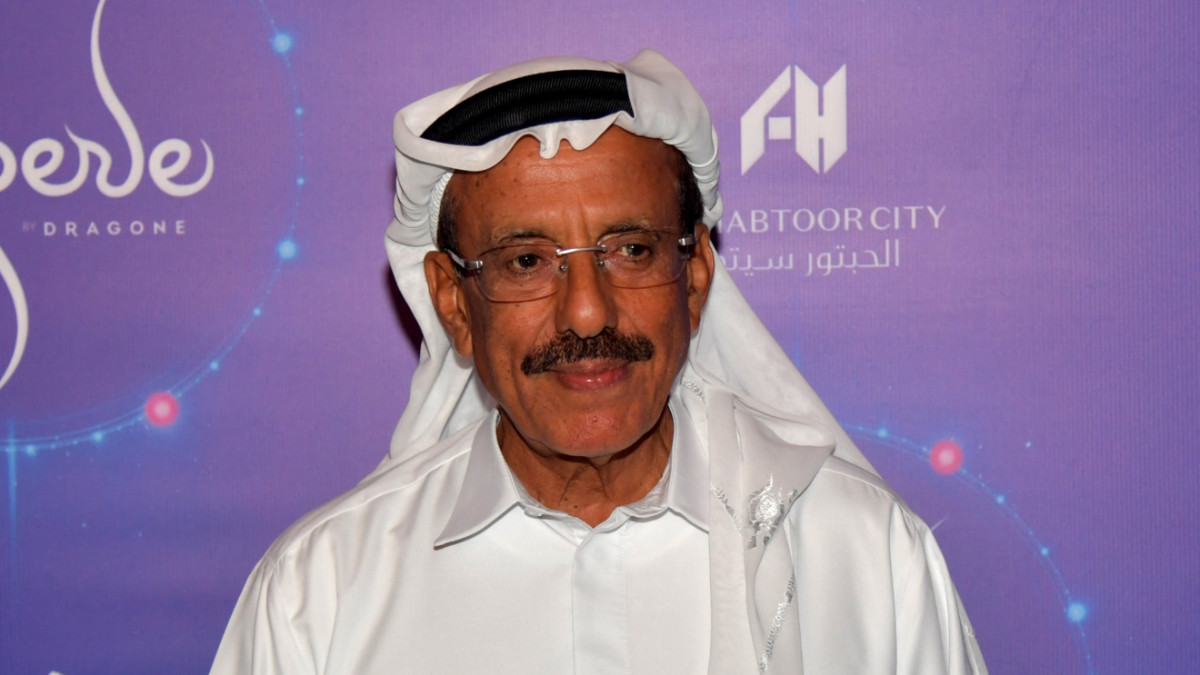
    In an unprecedented public condemnation, Emirati billionaire Khalaf al-Habtoor has directly challenged former U.S. President Donald Trump over his decision to initiate military action against Iran, accusing him of endangering America’s Gulf partners and betraying his electoral promises.

    The Dubai-based magnate, who maintains close ties to UAE ruling circles, utilized social media platform X to issue a scathing open letter questioning the legitimacy and consequences of Trump’s controversial move. This represents the most significant criticism from the Arabian Gulf region since hostilities commenced last Saturday.

    Habtoor’s critique carries particular weight given his historical alignment with Trump policies. The businessman had previously championed the Abraham Accords that normalized relations between Israel and several Arab nations including the UAE, Morocco, and Bahrain. His conglomerate, Al Habtoor Group, was among the first Emirati companies to pursue partnerships with Israeli airlines and technology firms.

    The billionaire posed pointed questions regarding potential Israeli influence on Trump’s decision-making: ‘Was this your decision alone? Or did it come as a result of pressures from Netanyahu and his government?’ He further emphasized that Gulf Cooperation Council nations had been ‘placed at the heart of a danger they did not choose.’

    Habtoor highlighted the stark contradiction between Trump’s proposed ‘Board of Peace’ initiative for Gaza reconstruction and the military escalation with Iran. Noting that Gulf states had committed billions to peace and stability efforts, he demanded accountability: ‘Are we funding peace initiatives or funding a war that exposes us to danger?’

    The businessman extended his criticism to Trump’s domestic record, citing 658 airstrikes ordered during his first year compared to fewer under President Biden’s four-year term. He referenced Trump’s declined approval ratings and alleged betrayal of campaign promises to avoid foreign entanglements, noting military interventions in seven nations during his second term.

    This extraordinary public rebuke reflects growing concerns within Gulf ruling circles about regional stability and the protection of energy infrastructure and economic centers from broader conflict repercussions.

  • Trump demands to choose next Iran supreme leader

    Trump demands to choose next Iran supreme leader

    Former US President Donald Trump has asserted his necessity for direct involvement in selecting Iran’s next supreme leader, drawing parallels to his administration’s approach in Venezuela. In a recent interview, Trump explicitly rejected the potential succession of Mojtaba Khamenei, son of the deceased Supreme Leader Ali Khamenei, describing him as “unacceptable” and “a lightweight” who would not bring harmony to Iran.

    Trump referenced the Venezuelan model where, following the alleged abduction of President Nicolas Maduro in a January nighttime operation, Vice President Delcy Rodriguez assumed leadership. Rodriguez, who had previously engaged with US officials and energy companies, was perceived as cooperative in facilitating access to Venezuela’s substantial oil and mineral resources. While maintaining Maduro’s security apparatus, the Trump administration successfully claimed control over Venezuelan oil exports.

    Analysts interpret Trump’s statements as revealing his strategic vision for Iran—seeking a compliant leader who would cooperate with US interests despite fundamental differences between the nations. Iran’s political landscape differs significantly from Venezuela’s, with the Islamic Republic maintaining power since the 1979 revolution that ousted the US-backed Shah.

    The succession process in Iran remains complex, with a three-person panel currently overseeing governance pending selection of a new supreme leader. This interim leadership includes moderate President Masoud Pezeshkian, hardline judiciary head Gholamhossein Mohseni Ejei, and senior cleric Alireza Arafi. However, experts speculate that regional military commanders may have assumed greater autonomy following degradation of Iran’s command structure through US and Israeli strikes.

    Mojtaba Khamenei, aged 56 and widely regarded as a hardliner, has been reportedly promoted by the Islamic Revolutionary Guard Corps (IRGC) for the leadership position. His controversial history includes alleged involvement in the disputed 2009 election and subsequent crackdowns on protesters, which previously generated concern within Iran’s political establishment.