标签: Asia

亚洲

  • UN welcomes last Gaza hostage remains return, urges ceasefire implementation

    UN welcomes last Gaza hostage remains return, urges ceasefire implementation

    The United Nations has issued a renewed call for the complete implementation of ceasefire arrangements in Gaza following the recovery of remains belonging to the last Israeli hostage held in the territory. This development marks a significant milestone after more than two years of devastating conflict that has gripped the region.

    UN Secretary-General Antonio Guterres’ spokesman, Stephane Dujarric, addressed reporters on Monday, expressing both acknowledgment of the recovery and condolences to the affected family. ‘We welcome reports on that development and extend our condolences to his family,’ Dujarric stated during the briefing. He emphasized that ‘the full implementation of the ceasefire arrangements in Gaza is absolutely critical’ for establishing lasting peace and facilitating recovery efforts.

    The statement comes as diplomatic efforts intensify to solidify the fragile ceasefire that has been in place, with international observers monitoring the situation closely. The recovery of the final hostage’s remains represents a symbolic closure to one chapter of the conflict while highlighting the urgent need for comprehensive humanitarian assistance and reconstruction in the devastated territory.

    UN officials have stressed that without complete adherence to the agreed ceasefire terms, the risk of renewed hostilities remains substantial. The organization continues to advocate for sustained diplomatic engagement between all parties involved to ensure stability and address the underlying issues that have fueled the prolonged conflict.

  • Italy summons Israeli ambassador over Ramallah incident

    Italy summons Israeli ambassador over Ramallah incident

    The Italian government has formally summoned Israel’s ambassador to Rome following a serious security incident involving two Italian carabinieri officers near the occupied West Bank city of Ramallah. The diplomatic confrontation emerged after Foreign Minister Antonio Tajani demanded immediate clarifications regarding Sunday’s event where Italian security personnel faced armed intimidation.

    According to official statements from Italy’s foreign ministry, the two officers—stationed at Italy’s consulate general in Jerusalem—were conducting official duties in Palestinian territory adjacent to Ramallah when an individual identified as a ‘settler’ intercepted them while brandishing an automatic rifle. The armed confrontation represents a significant breach of diplomatic security protocols.

    Minister Tajani personally instructed the summoning of Israeli Ambassador Alon Bar to convey Italy’s formal protest and seek comprehensive explanations regarding the alarming incident. During the meeting, Italian authorities expressed their “strong disapproval” of the event and emphasized growing concerns about escalating violence by settlers in the West Bank region.

    In parallel diplomatic channels, Italy’s embassy in Tel Aviv lodged an additional formal protest, underscoring the seriousness with which Rome views the security of its diplomatic personnel. The incident occurs against a backdrop of increasing international attention on settler activities in occupied territories, with several nations previously expressing concerns about destabilizing actions that threaten regional stability and diplomatic operations.

    The diplomatic démarche represents one of the most direct confrontations between Italy and Israel regarding security matters in recent years, potentially affecting bilateral cooperation frameworks. Both governments are expected to continue discussions through diplomatic channels to prevent similar incidents and ensure the safety of foreign diplomatic personnel operating in contested territories.

  • Starmer says he won’t ‘choose between’ the US or China

    Starmer says he won’t ‘choose between’ the US or China

    In a significant diplomatic move, British Prime Minister Sir Keir Starmer has articulated a foreign policy approach that refuses to prioritize relationships with either the United States or China, marking a departure from binary Cold War-era thinking. The announcement comes as the Prime Minister prepares for the first official visit by a UK leader to Beijing in eight years, with dozens of British business executives joining the delegation.

    Speaking exclusively to Bloomberg News, Sir Keir emphasized that maintaining “close ties” with the United States on business, security, and defense matters remains paramount while simultaneously pursuing economic opportunities with China, the world’s second-largest economy. “I’m often invited to simply choose between countries. I don’t do that,” stated the Prime Minister, drawing parallels to his previous stance during US trade deal negotiations when he similarly rejected choosing between America and Europe.

    The timing of this diplomatic mission follows recent transatlantic tensions, including President Donald Trump’s threats to impose tariffs on allies who opposed his Greenland territorial ambitions and his controversial remarks about NATO troop deployments in Afghanistan. Additionally, Trump’s warning of 100% tariffs on Canadian goods if Canada pursued trade agreements with China highlighted the increasingly complex geopolitical landscape.

    Sir Keir addressed national security concerns directly, particularly relevant following the UK’s controversial approval of a massive new Chinese embassy in London despite warnings it could facilitate espionage activities. “They understand the opportunities that there are… That does not mean compromising on national security – quite the opposite,” the Prime Minister noted regarding the business delegation accompanying him.

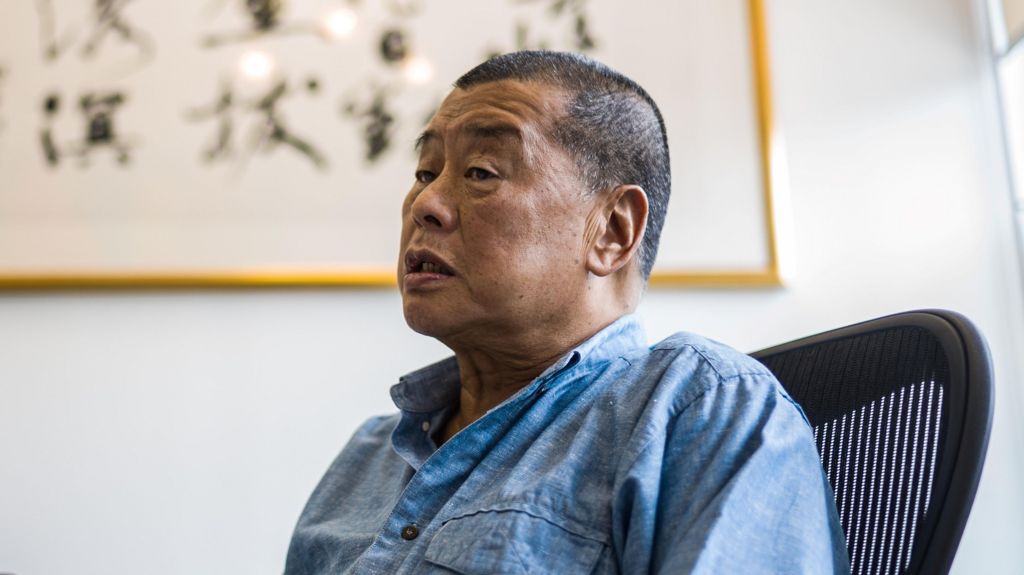
    The Prime Minister characterized previous UK-China relations as inconsistent, swinging from a “golden age” to an “Ice Age,” and explicitly rejected this polarized approach. However, he indicated that his engagement would not avoid difficult conversations, specifically mentioning intentions to raise human rights concerns including the case of Jimmy Lai, the British citizen and Hong Kong pro-democracy publisher convicted of colluding with foreign forces.

    This position has drawn criticism from prominent China hawks, including Lord Chris Patten, the last British governor of Hong Kong, who described such diplomatic approaches as “pathetic” if human rights discussions were treated as secondary concerns. Patten argued that British policy toward China had historically rested on the “falsehood” that business relations required avoiding uncomfortable topics.

    The Prime Minister’s visit, encompassing both Beijing and Shanghai, represents a strategic effort to stabilize UK-China relations while maintaining critical Western alliances, reflecting what Sir Keir previously described as necessary to avoid a “dereliction of duty” in navigating complex international relationships.

  • Qatar launches joint military exercise with UAE, GCC countries, US special units

    Qatar launches joint military exercise with UAE, GCC countries, US special units

    Qatar has inaugurated a comprehensive multinational military exercise, ‘Arabian Gulf Security 4,’ bringing together security forces from Gulf Cooperation Council (GCC) member states alongside specialized units from the United States. The exercise, launched on January 26 under the patronage of Sheikh Khalifa bin Hamad bin Khalifa Al Thani, Qatar’s Minister of Interior and Commander of the Internal Security Force ‘Lekhwiya,’ represents a significant enhancement of regional security cooperation.

    The extensive training operation, scheduled to continue through February 4, features an ambitious program of over 70 field scenarios encompassing more than 260 training hours. These exercises are designed to simulate complex security challenges including counter-terrorism operations, organized crime response, emergency management, and critical facility protection. The program also emphasizes command and control operations with coordinated responses between specialized operations rooms.

    Senior security officials from across GCC nations attended the inauguration, including heads of the exercise’s higher committees and commanders of participating agencies. Brigadier Abdulaziz Ahmad Al Hajri, Commander of the UAE security force participating in the exercise, emphasized that the UAE’s involvement demonstrates its commitment to strengthening Gulf security cooperation frameworks and enhancing joint readiness against diverse threats.

    ‘The Arabian Gulf Security exercise provides a crucial platform to evaluate operational plans, improve the proficiency of participating forces, and facilitate expertise exchange among Gulf and partner security agencies,’ stated Brigadier Al Hajri. The exercise is recognized as one of the most prominent training initiatives within the Gulf security architecture, offering a realistic operational environment that promotes unified operational concepts and enhances coordinated response capabilities to emerging security challenges across the region.

  • US aircraft carrier arrives in Middle East amid Iran tensions

    US aircraft carrier arrives in Middle East amid Iran tensions

    The United States has significantly enhanced its military footprint in the Middle East with the arrival of the USS Abraham Lincoln carrier strike group. This deployment, confirmed by US Central Command on Monday, occurs against a complex backdrop of regional instability and ongoing tensions with Iran.

    While the official statement from CENTCOM characterizes the mission as one to ‘promote regional security and stability,’ the deployment was initially ordered during a period of intense internal crisis within Iran. The nation has been gripped by widespread protests that began in late December over economic discontent, evolving into a broader movement challenging the Islamic republic’s clerical leadership. International rights organizations have documented a severe governmental crackdown, including allegations of lethal force against demonstrators and widespread internet blackouts.

    President Donald Trump’s administration has sent mixed signals regarding its stance. The President had previously issued stark warnings to Tehran, threatening military intervention if protesters were killed and publicly encouraging Iranians to challenge state institutions. However, he has since refrained from authorizing strikes, claiming diplomatic pressure from Washington compelled Iran to halt hundreds of planned executions. Despite this pullback, the President maintains that ‘all options remain on the table,’ a statement underscoring the persistent state of uncertainty.

    Tehran has responded with defiance. Iranian foreign ministry spokesman Esmaeil Baghaei issued a warning against external intervention, asserting national confidence in Iran’s defensive capabilities. He explicitly dismissed the strategic significance of the carrier’s arrival, stating it would not influence Iran’s resolve to protect its sovereignty.

    The situation presents a precarious stalemate. The decades-old clerical regime continues to hold power, facing one of the most significant popular challenges since the 1979 revolution. Meanwhile, the visible bolstering of American naval power in the region signals continued Washington involvement, keeping the potential for escalation alive.

  • Japan court orders compensation for migrants lured to North Korea

    Japan court orders compensation for migrants lured to North Korea

    In a landmark judicial decision, the Tokyo District Court has mandated North Korea to provide 88 million Japanese yen (approximately $570,000) in compensation to four individuals deceived by Pyongyang’s propaganda campaign decades ago. The plaintiffs, including 83-year-old Eiko Kawasaki who spent over four decades in North Korea after relocating at age 17, were lured by promises of an earthly paradise featuring free healthcare, education, and employment opportunities.

    Instead of the promised utopia, the victims encountered severe living conditions involving forced labor in agricultural and industrial facilities, coupled with severe movement restrictions. Kawasaki, who eventually escaped in 2003, represents the thousands of ethnic Koreans who migrated to North Korea under the resettlement initiative between 1959 and 1984.

    The ruling culminates a protracted legal battle that previously saw setbacks. In 2022, a lower court dismissed the case citing jurisdictional issues and expiration of the statute of limitations. However, the Tokyo High Court overturned this decision in 2023, asserting Japan’s jurisdictional authority and recognizing North Korea’s violation of the plaintiffs’ fundamental rights.

    Presiding Judge Taiichi Kamino emphasized the profound impact on victims’ lives, stating that North Korea effectively ruined most of their existence. While the judgment carries significant symbolic weight, enforcement remains practically challenging given North Korea’s consistent disregard for the litigation process and refusal to acknowledge Japanese court summons.

    Legal representatives acknowledged the historic nature of the verdict while recognizing the difficulties in actual compensation collection. The case represents the first instance of Japanese judiciary exercising sovereignty over North Korea to condemn its malpractice in the controversial resettlement program.

  • Dubai Metro, Tram riders urged to follow basic travel rules in new RTA etiquette campaign

    Dubai Metro, Tram riders urged to follow basic travel rules in new RTA etiquette campaign

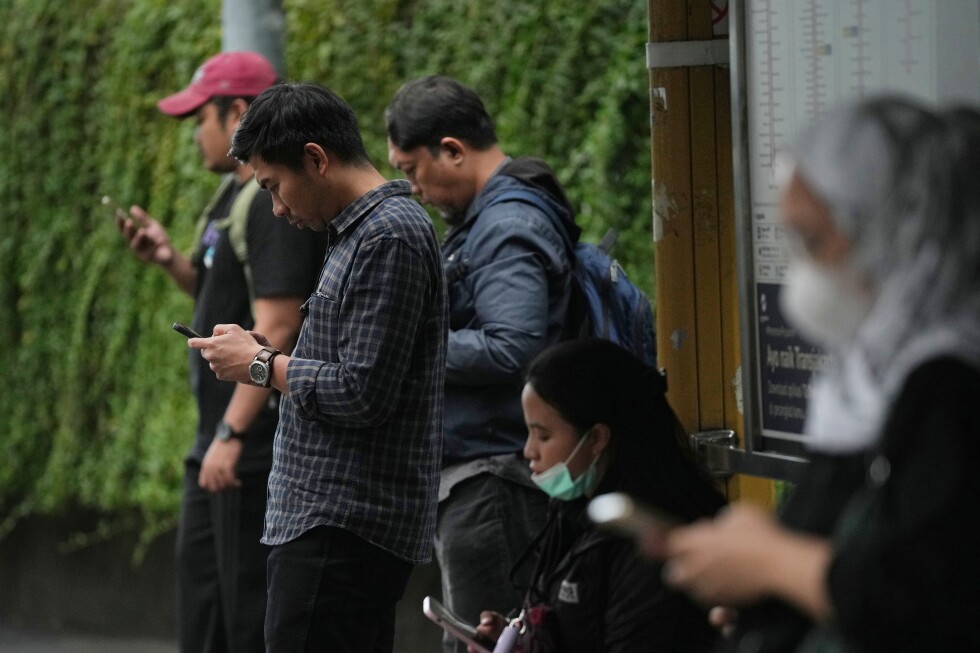
    Dubai’s Roads and Transport Authority (RTA) has initiated a comprehensive public transport etiquette campaign targeting behavioral improvements across the city’s Metro and Tram networks. Developed in partnership with system operator Keolis-MHI, this initiative addresses growing concerns about passenger conduct during peak travel periods.

    The campaign emphasizes fundamental courtesy principles including appropriate cabin selection, priority seating for senior citizens and people of determination, maintaining clear doorways for passenger flow, and respecting fellow commuters’ privacy and rights. Hassan Al Mutawa, Director of Rail Operations at RTA’s Rail Agency, stated the program aims to cultivate a culture of responsible behavior through targeted awareness of essential practices.

    Implementation strategies include multi-channel communication through in-carriage guidance materials, digital screens, station signage, and social media platforms to ensure message penetration across all demographic segments. Frontline personnel including Customer Happiness teams, ticket inspectors, and station staff will provide real-time guidance and reinforcement of etiquette standards.

    Al Mutawa emphasized that the campaign represents more than mere reminders—it reinforces the culture of respect that characterizes Dubai’s world-class transport system. The initiative supports RTA’s broader objectives of enhancing public transportation infrastructure, advancing smart mobility goals, and fostering shared responsibility among the commuting public. As one of the world’s most advanced transit systems, Dubai’s Metro and Tram networks seek to maintain global standards of safety, comfort, and operational efficiency through improved passenger behavior.

  • DP World Tour action returns to Bahrain with star-studded championship field

    DP World Tour action returns to Bahrain with star-studded championship field

    The Royal Golf Club in Bahrain prepares to host an assembly of world-class golfers for the third annual Bahrain Championship, scheduled from January 29 to February 1, 2026. With a substantial purse of $2.75 million, this DP World Tour event has attracted an impressive roster of international talent under the royal patronage of His Majesty King Hamad bin Isa Al Khalifa.

    The tournament field features multiple Major champions, including Patrick Reed—who arrives fresh from his victory at the Hero Dubai Desert Classic—Sergio Garcia, and Pádraig Harrington. They are joined by past titleholders Laurie Canter, the defending champion, and Dylan Frittelli, who triumphed in the event’s return to the tour in 2024.

    Frittelli expressed strong affection for the venue, recalling, “I’ve got fond memories of the golf course, but I really do enjoy the country as well.” The South African praised both the scenic beauty of the Arabian Gulf and the unique atmosphere enhanced by military aircraft overhead, noting, “I’m an aviation guy, so on the golf course I’m often just staring up at those.”

    Current Race to Dubai leader Jayden Schaper also joins the competition. The 24-year-old South African anticipates the challenge of the sloping, wind-swept course, which demands strategic play. Germany’s Marcel Siem, a six-time DP World Tour winner, highlighted the appeal of the Middle East swing, describing the Bahrain course as “a risk and reward golf course” well-suited to his aggressive style.

    Additional notable participants include recent Dubai Invitational winner Nacho Elvira of Spain, French golfer Julien Guerrier, and promising young talents like Martin Couvra and Ángel Hidalgo. The event also underscores local golf development, with three Bahraini players—Ahmed Alzayed, Khalifa Almaraisi, and Ali Alkowari—earning spots through a national qualification pathway.

  • Sinner powers on to Australian Open quarterfinals, Keys exits

    Sinner powers on to Australian Open quarterfinals, Keys exits

    Melbourne witnessed a dramatic shift in fortunes on Day 9 of the Australian Open, headlined by Jannik Sinner’s commanding advance and defending women’s champion Madison Keys’ unexpected exit. Sinner, demonstrating formidable resilience, secured his quarterfinal berth with a decisive 6-1, 6-3, 7-6(2) victory over compatriot Luciano Darderi. This performance, a stark contrast to his physically taxing third-round match, underscored his status as a top contender.

    The Italian contingent received a further boost as Lorenzo Musetti achieved a career milestone, reaching his first Australian Open quarterfinal by defeating an injury-plagued Taylor Fritz 6-2, 7-5, 6-4. This sets the stage for a highly anticipated showdown between Musetti and the legendary Novak Djokovic, who received a walkover into the last eight.

    In a stunning upset, Jessica Pegula ousted close friend and reigning champion Madison Keys in straight sets, 6-3, 6-4. The defeat concluded Keys’ title defense and fulfilled a lighthearted pre-match wager, obliging her to consume a cheese-smothered apple pie. Pegula now advances to face fellow American Amanda Anisimova, who triumphed over China’s Wang Xinyu.

    Meanwhile, world No. 2 Iga Swiatek delivered a dominant performance, dismissing local hope Maddison Inglis 6-0, 6-3 and eliminating the last Australian from the women’s singles draw. Her next challenge is former Wimbledon champion Elena Rybakina, who overpowered Elise Mertens.

    With extreme heat forecasts exceeding 45°C (113°F) for the upcoming matches, tournament officials face potential disruptions, including the closure of stadium roofs to ensure player safety.

  • Exclusive: Syria’s president reaches out to Kobane’s Kurds after SDF leader rattles US envoy

    Exclusive: Syria’s president reaches out to Kobane’s Kurds after SDF leader rattles US envoy

    In a significant diplomatic development, Syrian President Ahmed al-Sharaa conducted a discreet meeting with 15 prominent Kurdish intellectuals and community leaders from the northern city of Kobane, according to Kurdish sources familiar with the matter. The encounter occurred during an unpublicized presidential visit to the recently captured Tabqa Dam, Syria’s largest hydroelectric facility.

    The diverse delegation represented various segments of Kurdish political society, including both supporters and opponents of the Kurdish-led Syrian Democratic Forces (SDF). President Sharaa utilized the forum to emphasize implementation of his recently declared initiative recognizing Kurdish civil and cultural rights, while simultaneously criticizing SDF leadership for what he characterized as territorial ambitions rather than genuine concern for Kurdish welfare.

    “They prioritize territorial control over Kurdish rights,” Sharaa asserted during the meeting, adding, “I will prevent this fragmentation and pursue national unification.” Despite these criticisms, attendees reportedly found reassurance in the president’s commitments to protecting Kurdish rights within a unified Syrian state.

    This diplomatic outreach coincides with a substantial shift in American foreign policy, with Washington redirecting support from the SDF—formerly its primary partner against Islamic State—to President Sharaa’s transitional government. This policy realignment has enabled Syrian government forces to reclaim strategic territories including Aleppo, Raqqa, and Deir Ezzor, along with critical infrastructure such as oil fields, agricultural lands, and detention facilities housing ISIS suspects.

    The geopolitical maneuvering follows a January 18 ceasefire agreement that has faced implementation challenges. Additional reporting reveals that SDF chief Mazloum Abdi met with President Sharaa in Damascus for five hours on January 19, where Sharaa offered significant concessions including nomination rights for deputy defense minister and governor of Hasakah positions. Abdi reportedly retreated from previously agreed terms, demanding full autonomy for Hasakah and integrated military unit status for SDF forces rather than individual incorporation into the Syrian army.

    The negotiations reached a critical juncture when US envoy Tom Barrack departed the meeting in apparent frustration over Abdi’s reversal on the agreement he had personally mediated. This development prompted direct communication between former President Trump and Sharaa, during which Trump emphasized Syrian sovereignty and unity while urging secure management of ISIS detention facilities previously overseen by SDF forces.