标签: Africa

非洲

  • Europe’s auto industry future may be electric even after EU climbdown

    Europe’s auto industry future may be electric even after EU climbdown

    In a significant policy recalibration, the European Commission has formally abandoned its rigid 2035 deadline for a complete transition to fully electric vehicles, offering legacy automakers extended flexibility to market hybrid and conventional engine technologies. This strategic climbdown, enacted following intensive industry lobbying, enables European manufacturers to better position themselves against rapidly advancing Chinese competitors in the global automotive arena.

    The revised regulatory framework permits the continued legality of plug-in hybrids, range-extended electric vehicles utilizing compact combustion engines for battery recharge, and traditional internal combustion engines beyond the original 2035 cutoff. Brussels further introduced a subsidized category for small-scale European-manufactured EVs, providing substantial concessions that industry analysts recognize as addressing core automaker demands.

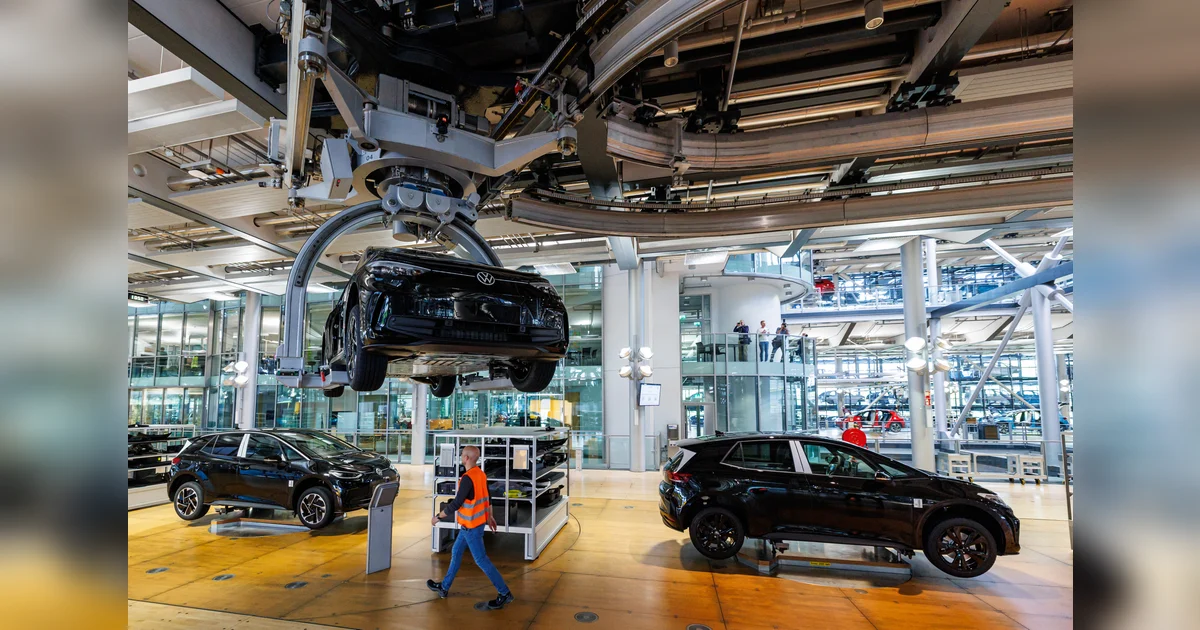
    This policy shift creates divergent transitional pathways across market segments. Premium manufacturers including Mercedes-Benz and BMW secure extended timelines for hybrid sales before mandated full electrification. Mass-market producers like Stellantis and Renault stand to benefit significantly from subsidized small EV categories tailored for urban European consumers, leveraging existing models such as the Fiat 500 and Clio.

    The European approach now starkly contrasts with United States policy, where the Trump administration has withdrawn federal support for electric vehicle adoption. Meanwhile, Chinese manufacturers including BYD continue expanding their European footprint through tariff-exempt plug-in hybrids and combustion engine models in markets with slower EV adoption rates like Poland.

    Industry forecasts from consultancies including AlixPartners project fully electric vehicles will constitute approximately 62% of European sales by 2035, reflecting skepticism regarding enforcement capabilities for complete combustion engine prohibitions. The moderated transition timeline potentially allows critical infrastructure development, addressing one of the primary impediments to broader EV adoption through enhanced charging network deployment.

    Current industry metrics reveal fully electric vehicles accounted for 16.4% of total European sales through October, representing a 25.7% year-over-year increase, though penetration remains minimal across southern and eastern European markets.

    This policy revision presents substantial challenges for manufacturers and suppliers who have allocated tens of billions toward EV development and production capacity expansion based on previous regulatory certainty. However, the technological flexibility may catalyze increased collaboration on affordable electric platforms, exemplified by the recently announced Ford-Renault partnership for small EV development in Europe.

    Industry leadership, including Ford CEO Jim Farley, has emphasized the necessity for regulatory consistency, criticizing frequent policy adjustments that complicate long-term capital investment planning. This sentiment echoes across an industry navigating complex technological transformation amid evolving regulatory landscapes.
  • At least 30 killed in attack on Nigeria village

    At least 30 killed in attack on Nigeria village

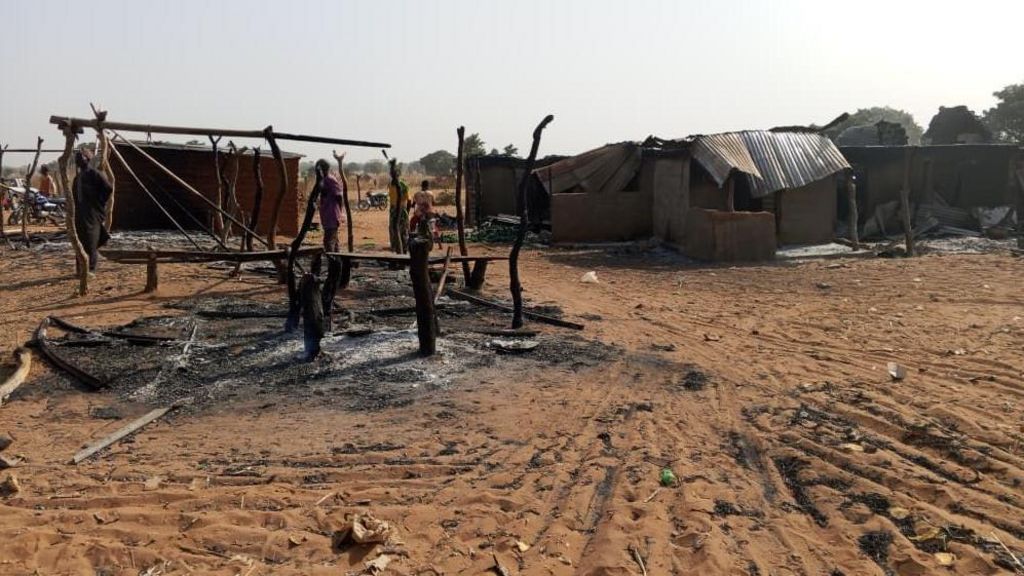
    In a brutal assault that underscores Nigeria’s escalating security crisis, armed militants slaughtered at least 30 civilians during a coordinated attack on Kasuwan-Daji village in Niger State. The assailants, emerging from nearby forests on motorcycles, unleashed terror upon the rural community this past Saturday.

    The attack followed a familiar pattern of violence plaguing northwestern Nigeria. Witnesses reported that gunmen systematically rounded up villagers before executing them, with some victims slaughtered while others were shot at close range. The assailants simultaneously torched the community’s central marketplace and looted commercial establishments before abducting an unspecified number of residents.

    Local authorities confirmed the grim details through multiple channels. Abdullahi Rofia of the Niger State Emergency Management Agency described a population paralyzed by fear, noting that survivors remain too terrified to speak publicly about the atrocities. ‘They are hiding, they are too afraid to talk to anybody,’ Rofia explained. ‘They are scared that if you talk, they will turn and do the same to you.’

    This violence occurs against a backdrop of worsening security conditions throughout Nigeria’s central and western regions. Despite government classifications designating these criminal groups as terrorist organizations, attacks have intensified in both frequency and brutality. Niger State police spokesperson Wasiu Abiodun confirmed that emergency response teams have been deployed to assist the wounded while security forces pursue hostage recovery operations.

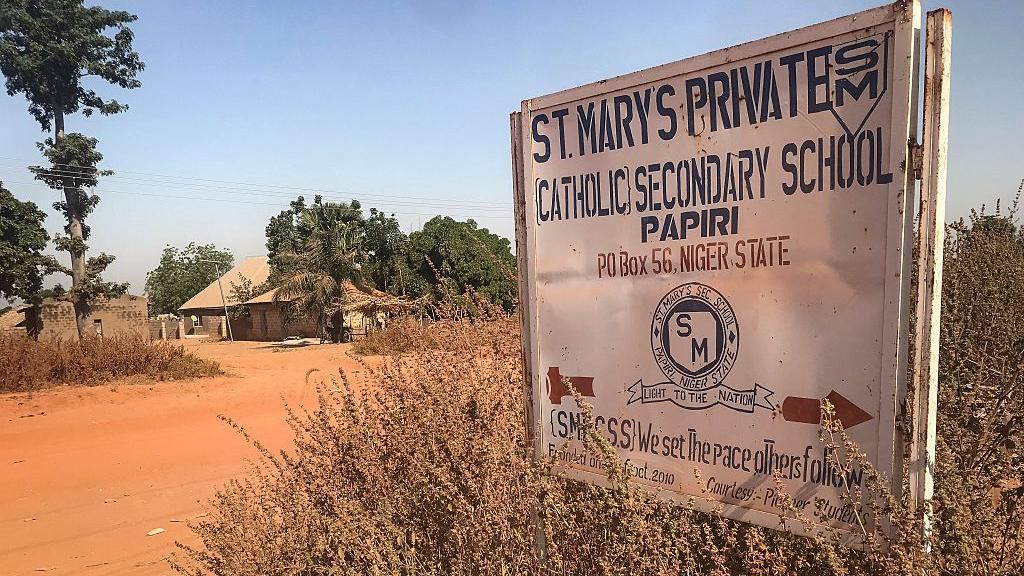
    The timing of this massacre proves particularly alarming to security analysts, occurring merely one day after state authorities announced phased school reopenings following November’s mass abduction of 250 students and staff from St. Mary’s Catholic School in Papiri. While those hostages were eventually rescued before Christmas, the latest violence suggests security measures remain critically inadequate.

    Villagers expressed desperation through interviews with BBC Hausa service, with one witness lamenting the absence of security forces during the attack. ‘We are dying like chickens, and does the government care about us?’ the survivor questioned. ‘The government hears and sees what is happening, but it is not doing anything about it.’

    This incident represents the latest in a devastating pattern of village attacks throughout Niger State, driving internal displacement as lifelong residents flee territories their families have inhabited for generations. The federal prohibition on ransom payments appears routinely ignored in practice, creating a complex crisis that continues to evolve without clear resolution.

  • ‘One Battle After Another’ wins Best Picture at National Society of Film Critics Awards

    ‘One Battle After Another’ wins Best Picture at National Society of Film Critics Awards

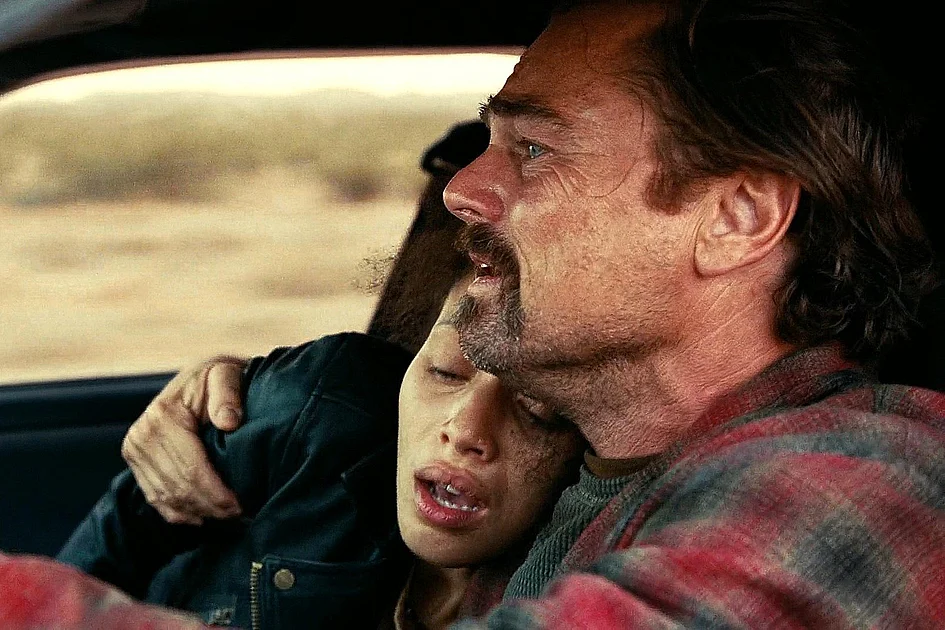
    In a decisive victory at the 2025 National Society of Film Critics Awards, Paul Thomas Anderson’s ‘One Battle After Another’ emerged as the ceremony’s most honored film, capturing four prestigious awards including Best Picture. The critically acclaimed work also secured Best Director for Anderson, while Teyana Taylor and Benicio del Toro received Best Supporting Actress and Actor honors respectively.

    The awards ceremony, however, delivered a surprising omission as Leonardo DiCaprio, the film’s lead actor, was notably absent from the winner’s circle. The Best Actor distinction instead went to Ethan Hawke for his transformative performance as lyricist Lorenz Hart in Richard Linklater’s ‘Blue Moon’. Wagner Moura (‘The Secret Agent’) and Michael B. Jordan (‘Sinners’) were recognized as runners-up in the category.

    International cinema received significant recognition with ‘The Secret Agent’ winning Best Non-English Language Film, while ‘Sinners’ earned accolades for Best Cinematography. The documentary category was won by ‘My Undesirable Friends: Part I—Last Air in Moscow’ for Best Nonfiction Film, and Kathleen Chalfant claimed Best Actress for her work in ‘Familiar Touch’.

    NSFC Chair Justin Chang characterized 2025 as an exceptional year for cinema, particularly noting the thematic resonance of films exploring revolution and solidarity. ‘Following a difficult year for journalism and filmmaking, it’s thrilling to salute these brilliant films that represent the highest achievements in our industry,’ Chang remarked, highlighting the cultural significance of this year’s selections amid broader industry challenges.

  • Schools to start reopening after Nigeria mass abduction

    Schools to start reopening after Nigeria mass abduction

    Educational institutions in Nigeria’s Niger State are preparing to resume operations starting January 12th, following their closure in November after one of the country’s most severe school abductions. The state’s education ministry has authorized the reopening of both public and private schools located in areas deemed “safe and secure” after conducting comprehensive security evaluations and consulting with law enforcement agencies.

    The decision comes weeks after gunmen kidnapped more than 250 students and staff members from St. Mary’s Catholic School in Papiri, central Nigeria. In a positive development, officials confirmed that all missing individuals were successfully rescued just before Christmas, though details surrounding their release remain undisclosed. Nigerian law prohibits ransom payments, but compliance with this regulation is frequently questioned.

    This incident reflects a disturbing pattern of violence targeting educational institutions and places of worship, particularly in Nigeria’s north-central region. Armed criminal factions, locally designated as “bandits” and recently classified as terrorist organizations by the government, have intensified their operations. Since the infamous 2014 Chibok abduction of 276 schoolgirls, over 1,500 children have been taken from Nigerian schools.

    The education ministry will publish a list of approved reopening locations, while schools in “unsafe or insecure areas” will remain closed pending further security assessment. For those reopening, stringent measures include mandatory student registration within one week of resumption and enhanced security protocols around school premises.

    However, the security situation remains precarious. Mere days after the reopening announcement, armed assailants attacked Kasuwan-Daji village in Niger State, resulting in at least 30 fatalities and multiple kidnappings. Witnesses described horrific scenes where attackers emerged from nearby forests, burned the local market, looted shops, and restrained residents before assaulting them with knives. Community members now live in terror, fearful of reprisal for speaking out about the violence.

  • Look: Multiple explosions rock Venezuelan capital Caracas; Trump claims US strikes

    Look: Multiple explosions rock Venezuelan capital Caracas; Trump claims US strikes

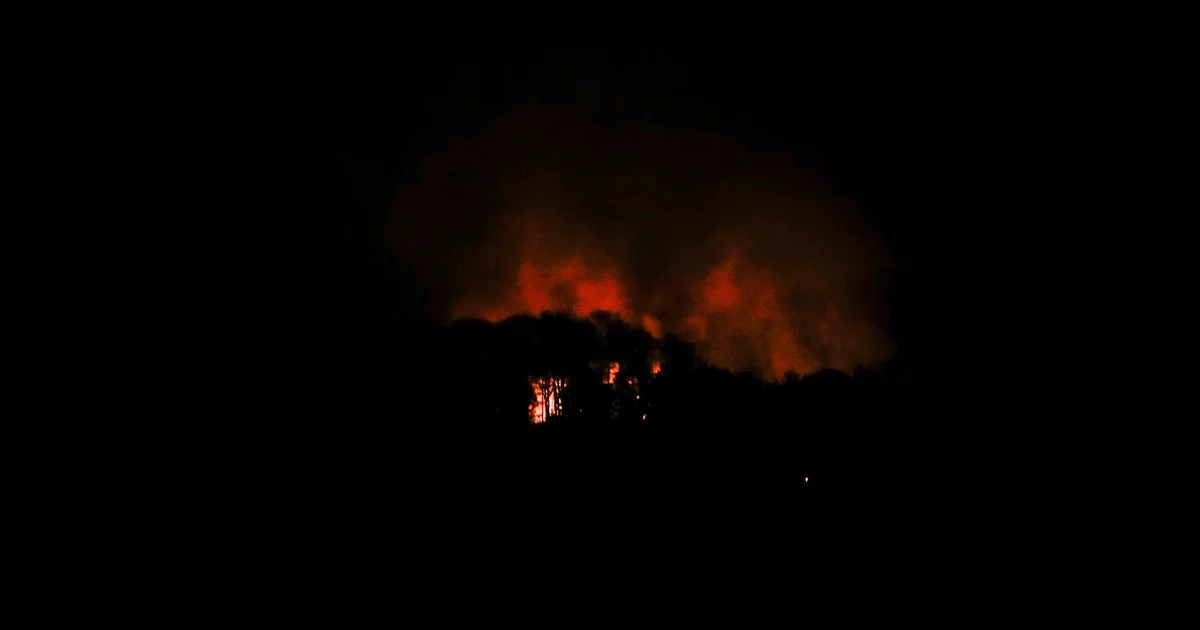
    Multiple powerful explosions struck the Venezuelan capital of Caracas on Saturday, January 3rd, 2026, creating widespread panic and confusion throughout the city. The incident occurred amid escalating tensions between Venezuela and the United States, with former U.S. President Donald Trump immediately claiming responsibility for the blasts, characterizing them as authorized American military strikes.

    Eyewitnesses reported hearing successive detonations across different districts of Caracas, with plumes of smoke visible rising above the metropolitan area. Venezuelan authorities have yet to release an official statement regarding the nature of the explosions or possible casualties. Emergency services were deployed throughout the city as residents sought shelter amid the chaos.

    The situation represents a significant escalation in the ongoing political confrontation between the two nations. Trump’s assertion of U.S. involvement, made through his preferred communication channels, directly contradicts established diplomatic protocols and raises serious questions about the nature of military engagement between the countries. International observers are monitoring the situation closely, with many world leaders calling for restraint and verification of the claims.

    This development occurs against the backdrop of prolonged political instability in Venezuela and complicated U.S.-Venezuela relations that have spanned multiple American administrations. The international community awaits official confirmation from both governments regarding the precise nature of the explosions and the validity of the claims being made.

  • Conservationists in Kenya pay tribute to beloved ‘super tusker’ elephant Craig, who died at age 54

    Conservationists in Kenya pay tribute to beloved ‘super tusker’ elephant Craig, who died at age 54

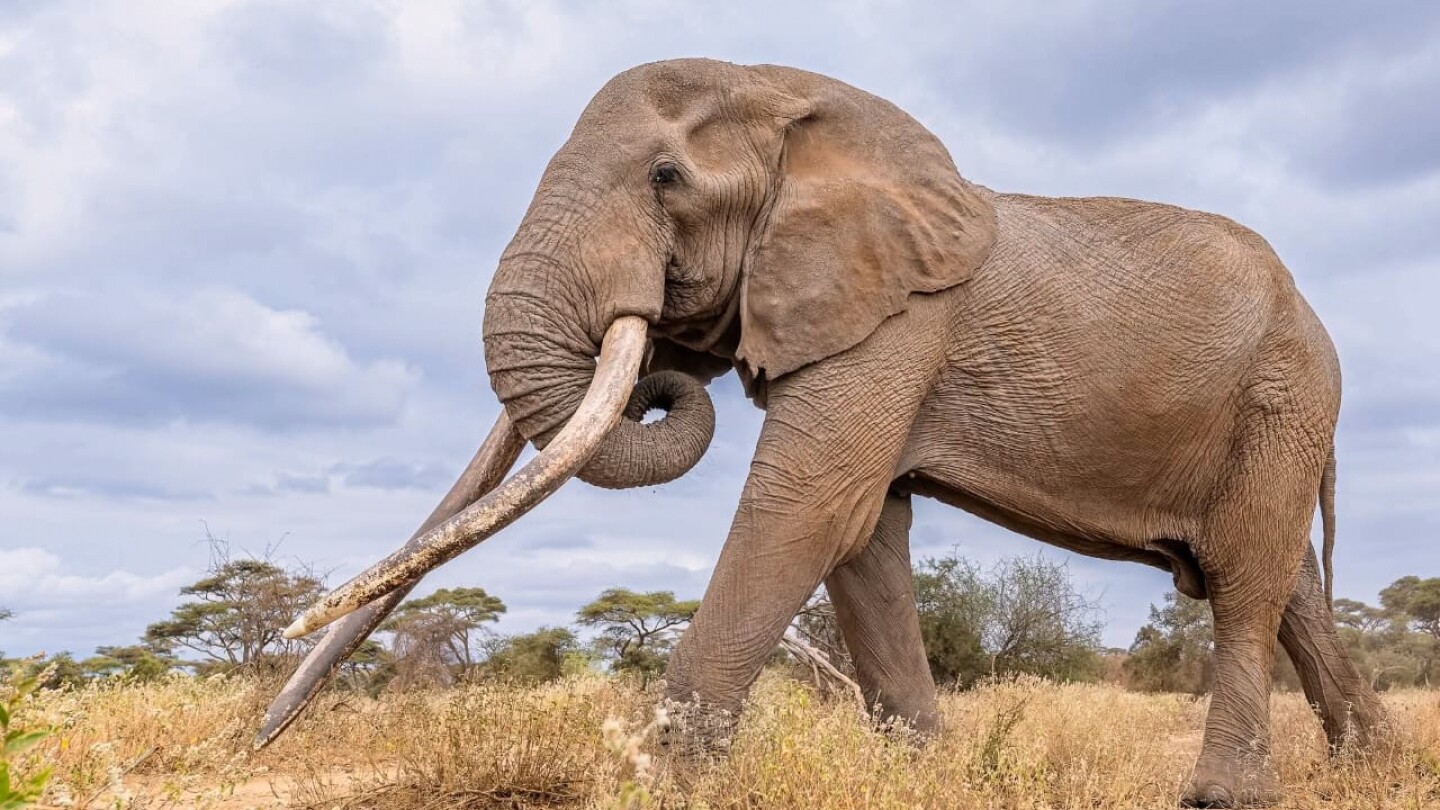
    NAIROBI, Kenya — Kenya is grieving the passing of Craig, a renowned ‘super tusker’ elephant whose remarkable life became an emblem of the nation’s thriving conservation achievements. The 54-year-old bull elephant, celebrated for his extraordinary ground-sweeping tusks and serene demeanor, died naturally on Saturday within Amboseli National Park.

    Craig represented one of Africa’s last remaining super tuskers—bull elephants whose tusks exceed 45 kilograms each, often touching the ground as they walk. His presence in Amboseli, a biodiverse park near the Tanzania border, drew both tourists and conservationists, offering a living testament to Kenya’s anti-poaching successes.

    The Kenya Wildlife Service commemorated Craig as a calm and dignified presence, often pausing patiently for photographs. In 2021, he was symbolically adopted by East African Breweries under its Tusker brand, highlighting collaborative efforts between corporations and conservation groups.

    Kenya’s elephant population has shown significant growth, increasing from 36,280 in 2021 to 42,072 in 2025. This success has occasionally led to overpopulation in reserves like Mwea, where ecosystems became overwhelmed, necessitating the relocation of 100 elephants in 2024.

    Craig leaves behind a genetic legacy, having fathered multiple calves. His death marks the end of an era but reinforces the importance of continued wildlife protection efforts in East Africa.

  • Craig the beer-ambassador elephant dies aged 54

    Craig the beer-ambassador elephant dies aged 54

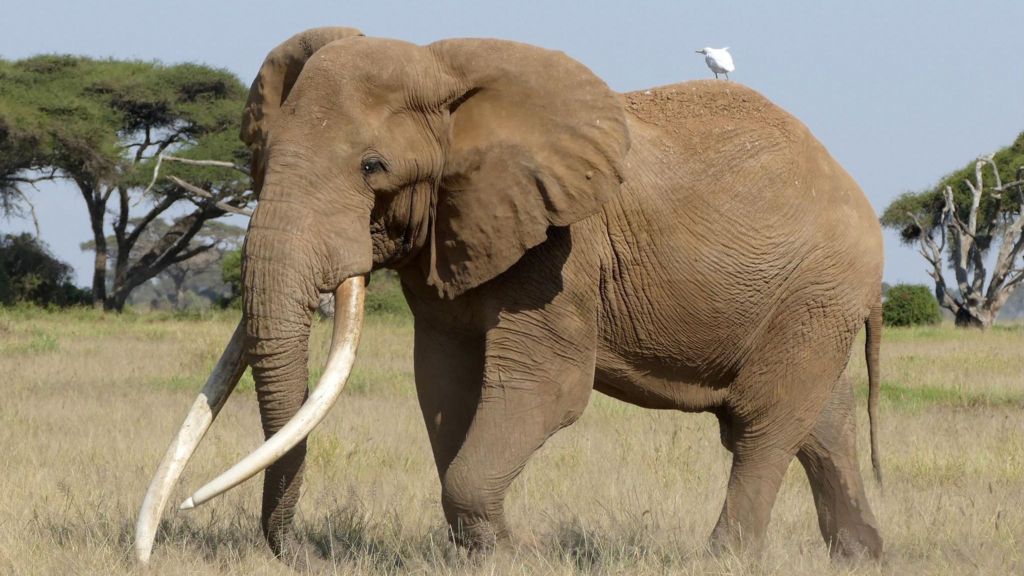
    Kenya’s conservation community mourns the loss of Craig, one of Africa’s most magnificent elephant icons who passed away peacefully at Amboseli National Park on Saturday. The legendary bull elephant, renowned for his extraordinary tusks and remarkably calm demeanor, reached the impressive age of 54 before succumbing to natural causes.

    Conservationists from the Amboseli Trust for Elephants confirmed the gentle giant’s passing, noting that Craig had recently celebrated his 54th birthday. The organization’s farewell tribute highlighted his long, productive life and likely legacy as father to numerous calves within the Amboseli ecosystem.

    Craig belonged to an exceptionally rare class of pachyderms known as ‘super tuskers’—bull elephants whose tusks each exceed 45 kilograms (100 pounds) in weight. Wildlife experts estimate fewer than a handful of these magnificent specimens remain across the African continent today, making Craig’s presence a living monument to Africa’s natural heritage.

    Beyond his conservation significance, Craig achieved celebrity status as a major tourist attraction in the park bordering Tanzania. His fame transcended wildlife circles when he was named brand ambassador for Kenya’s popular Tusker lager in 2021—a fitting tribute given the brand’s elephantine namesake.

    The Kenya Wildlife Service commemorated Craig as an icon of successful conservation efforts, noting his remarkably patient nature with visitors who frequently photographed and filmed him. Officials emphasized that his peaceful passing resulted from dedicated protection efforts that allowed him to live out his full natural lifespan.

    Craig’s legacy coincides with Kenya’s thriving tourism industry, which attracted over two million visitors last year seeking wildlife experiences in the country’s world-renowned national parks. The sector contributes significantly to Kenya’s economy, accounting for approximately 10% of the national GDP according to official statistics.

  • UAE residents urged to write, register their wills in the country; here’s why

    UAE residents urged to write, register their wills in the country; here’s why

    Legal authorities across the United Arab Emirates are issuing urgent recommendations for residents to formalize their wills following groundbreaking reforms to the nation’s Civil Transactions Law. The updated legislation, enacted this week, introduces substantial modifications to inheritance protocols that significantly impact expatriate communities.

    Estate planning specialists emphasize that comprehensive will documentation serves as critical protection for families confronting unexpected circumstances. Mohammad Marria, Chief Executive Officer of Just Wills Consultant, emphasized that properly executed wills extend beyond real estate to encompass financial accounts, valuable possessions, vehicles, investment portfolios, and—most significantly—the legal guardianship of minor children.

    Saim Khan, legal associate at BSA Law, detailed the practical advantages: “A formally registered will substantially decreases probate delays, mitigates asset freezing risks, prevents unintended default distributions, enables parental designation of guardians for minors, and facilitates streamlined execution across banking institutions, land departments, and judicial courts throughout the UAE.”

    Current inheritance regulations stipulate that non-Muslim expatriates dying without valid wills undergo equal estate division between surviving spouses and children under the UAE civil personal status framework. Without immediate family members, assets transfer to parents or siblings. Notably, recent legal amendments specify that financial assets belonging to heirless expatriates will be designated as charitable endowments under supervisory authority management.

    Legal experts highlight severe consequences of inadequate planning. Khan warned: “Without locally registered wills, UAE banking accounts—including jointly held accounts—typically face immediate freezing upon death pending court orders and liability clearance, a process often requiring months. Guardianship determinations for minor children then fall to judicial courts, potentially implementing interim arrangements contrary to parental preferences.”

    The UAE provides multiple registration avenues: the DIFC Wills Service Centre (serving primarily non-Muslims with common-law procedures), the Abu Dhabi Judicial Department (onshore digital platform with nationwide validity), and the Dubai Courts’ notary system (offering cost-effective Arabic or bilingual documentation). Each system maintains distinct procedures, language requirements, and cost structures while delivering legally enforceable probate mechanisms.

    Expatriates are advised to explicitly define their will’s jurisdictional scope, typically limiting coverage to UAE-based assets, while incorporating non-revocation clauses to prevent conflicts with foreign testamentary documents. Muslim residents remain subject to Shariah law governance for estate distribution, requiring Sharia-compliant wills and potential lifetime structural planning.

    Legal professionals conclude that well-designed, locally registered wills representing current circumstances provide the most effective safeguard against administrative delays, asset freezes, and distribution uncertainties for UAE residents.

  • Watch: Woman leads orchestra suspended mid-air in jaw-dropping Burj Khalifa NYE feat

    Watch: Woman leads orchestra suspended mid-air in jaw-dropping Burj Khalifa NYE feat

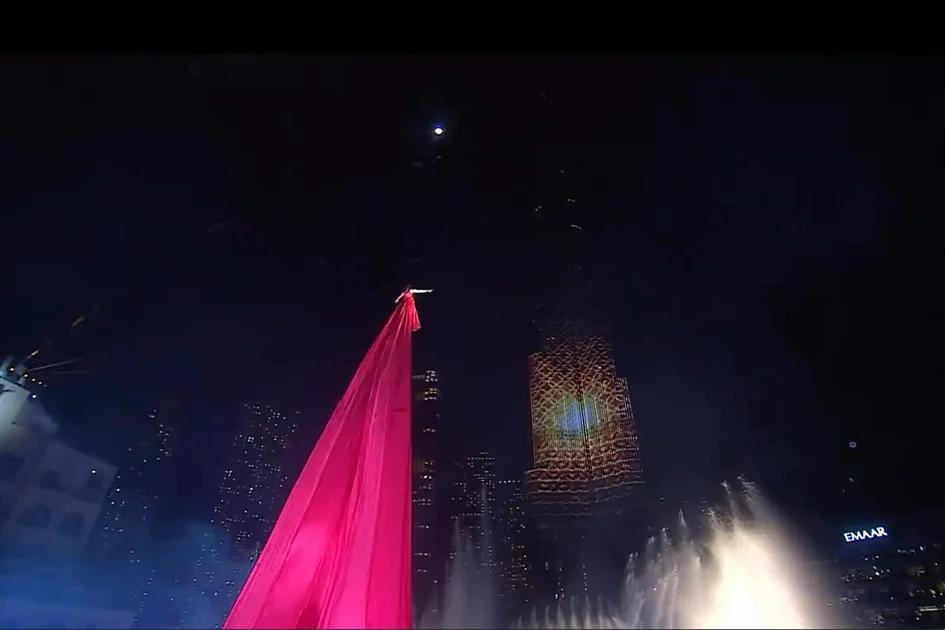
    Dubai’s iconic Burj Khalifa provided the backdrop for an unprecedented New Year’s Eve performance that defied both gravity and conventional entertainment boundaries. Lebanese conductor Yasmina Sabah ascended slowly above the Dubai Fountain while expertly leading an orchestra positioned beneath her, creating a breathtaking fusion of musical artistry and aerial theatrics.

    The spectacle, orchestrated by developer Emaar, featured Sabah elevated in a brilliant red gown specifically designed to visually emphasize her altitude against the night sky. The garment’s extended train flowed dramatically beneath her as she conducted the ensemble, with the Burj Khalifa illuminated in golden hues during her ascent.

    In a recent interview with Lebanese publication Annahar, Sabah revealed the extraordinary nature of her selection process. ‘Several months ago, I received an email inquiring whether I could lead an orchestra while flying,’ she recounted. ‘Although uncertain how to respond, I agreed without excessive deliberation.’

    Contrary to assumptions that such a technologically complex production would require extensive local preparation, Sabah arrived in Dubai merely ten days prior to the global broadcast event. ‘We underwent intensive training, but it represented an extraordinary experience uniting international artists through magnificent production values,’ she noted.

    The performance synchronized perfectly with the countdown to 2026, enabling Sabah to musically farewell 2025 while symbolically representing Lebanese cultural achievement on a global platform. For those who missed the live event, the conductor will recreate her aerial performance daily until January 7, with full documentation available via YouTube broadcasts.

    Sabah brings established credibility to the achievement, having previously conducted during Expo 2020 Dubai while maintaining leadership of Lebanon’s Firdaus Orchestra and Choeur de l’USJ. This latest feat establishes new precedents for integrating performing arts with architectural marvels in large-scale public celebrations.

  • UK records hottest and sunniest year ever in 2025, says weather service

    UK records hottest and sunniest year ever in 2025, says weather service

    Britain’s national meteorological service has confirmed that 2025 stands as the most exceptionally warm and sun-drenched year in the nation’s recorded history, eclipsing previous benchmarks and underscoring an accelerating climate transformation. According to Friday’s announcement from the Met Office, the average annual temperature reached 10.09°C (50.16°F), marginally surpassing the 2022 record of 10.03°C. This milestone represents only the second occasion since comprehensive record-keeping commenced in 1884 that the yearly mean temperature has breached the 10°C threshold.

    The meteorological data reveals a particularly concerning pattern: four of the most recent five years now rank among the top five warmest periods in over 140 years of documentation. This clustering of record-breaking temperatures within such a compressed timeframe provides compelling evidence of rapidly shifting climatic conditions. The persistent dominance of high-pressure weather systems combined with unusually elevated sea temperatures have been identified as primary drivers behind this unprecedented warming trend.

    Mark McCarthy, the Met Office’s Head of Climate Attribution, emphasized the broader implications: ‘While not every subsequent year will necessarily establish new records, the accumulated evidence from both direct weather observations and sophisticated climate modeling unequivocally demonstrates that human-induced global warming is fundamentally altering the United Kingdom’s climate profile.’

    This national phenomenon reflects wider global patterns. The World Meteorological Organization concurrently reported that the past decade constitutes the warmest ten-year period in recorded history. Similarly, the European Union’s Copernicus Climate Change Service projects that 2025 will likely rank as either the second or third warmest year globally in modern datasets, following 2024 which established itself as the hottest year worldwide and particularly affected Europe—the planet’s most rapidly warming continent.