标签: Africa

非洲

  • All 40 victims of Swiss bar fire now identified; most were teenagers, police say

    All 40 victims of Swiss bar fire now identified; most were teenagers, police say

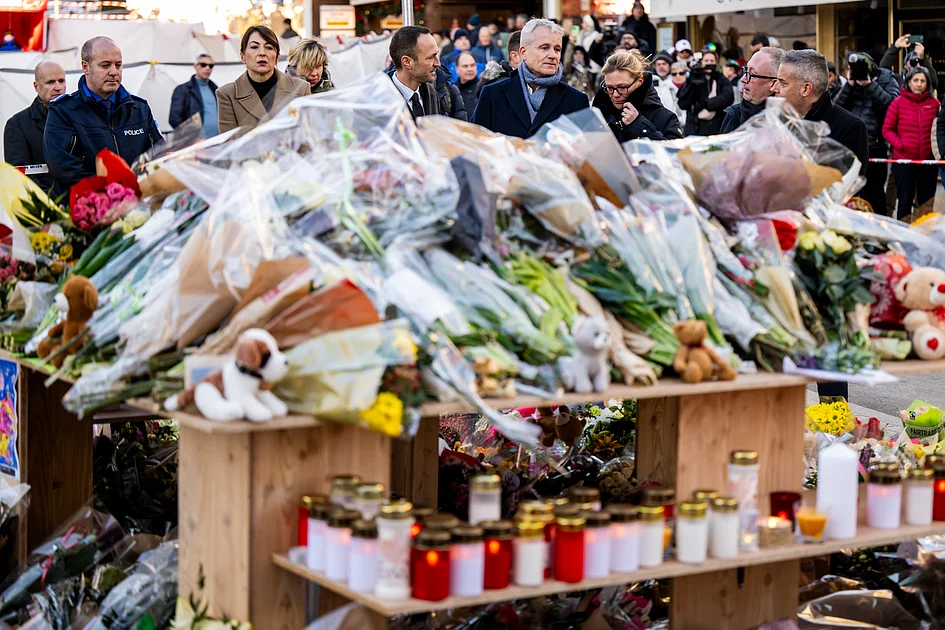
    Swiss authorities have confirmed the identification of all 40 victims from the devastating New Year’s Eve bar fire that struck the mountain resort of Crans-Montana, marking one of the nation’s most severe disasters in recent history. The Valais Police announced Sunday that the final 16 victims had been formally identified, revealing that more than half of the deceased were teenagers.

    The tragedy has triggered profound national grief, prompting Switzerland to declare an official day of mourning scheduled for Friday. President Guy Parmelin confirmed that church bells would resonate across the country accompanied by a minute of silence in honor of the victims. ‘During this period of reflection, all Swiss citizens can personally commemorate those lost in this catastrophe,’ Parmelin stated in an interview with Sonntagsblick newspaper.

    Demographic analysis of the victims shows 26 were teenagers, including two 14-year-olds from France and Switzerland respectively. Nationality distribution indicates 21 Swiss citizens, seven French nationals, six Italians, with additional victims originating from Romania, Turkey, Portugal, Belgium, and one individual holding triple citizenship (French, Israeli, and British).

    The community of Crans-Montana observed a silent procession through icy streets Sunday, with hundreds participating in solemn remembrance. Earlier, Bishop Jean-Marie Lovey conducted a memorial service acknowledging global condolences, including messages from Pope Leo XIV who expressed profound sympathy for affected families.

    Prosecutors indicate the blaze likely originated when sparklers known as ‘fountain candles’ were elevated too close to the ceiling of the Constellation bar. The incident resulted in 119 injuries, many suffering severe burns, with 35 patients subsequently transferred to specialized burn centers across Belgium, France, Germany, and Italy.

    Criminal investigations have been initiated against two unnamed individuals responsible for bar operations, facing charges including homicide by negligence, negligent bodily harm, and negligently causing a fire. Authorities confirmed the suspects remain free as there is no current evidence suggesting flight risk.


  • UAE weather: Light rain expected; temperatures to further drop to 16°C

    UAE weather: Light rain expected; temperatures to further drop to 16°C

    Meteorological authorities in the United Arab Emirates have issued a weather advisory indicating a period of unstable atmospheric conditions extending through January 8, 2026. According to the National Centre of Meteorology (NCM), residents should anticipate a noticeable temperature decline with minimums reaching 16°C in Abu Dhabi and 18°C in Dubai, while daytime highs are projected to reach 25°C and 26°C respectively.

    The weather pattern will feature fair to partially overcast skies across the nation, with low cloud formations anticipated over eastern and northern territories. Meteorological models suggest possible light precipitation over far northern regions, particularly on Monday. Humidity levels are expected to intensify during nighttime and early morning hours in western interior and coastal zones, creating favorable conditions for mist or fog development.

    Surface winds will maintain light to moderate intensity from northwesterly to northeasterly directions, occasionally gaining strength with velocities ranging from 10-25 km/h and reaching 40 km/h during peak periods. Maritime conditions will present moderately rough waves in the Arabian Gulf, while the Oman Sea remains comparatively calm.

    The comprehensive weather outlook includes intermittent dusty conditions, variable cloud cover, and potential light rainfall episodes. The NCM emphasizes that these multifaceted weather phenomena will affect different emirates variably throughout the forecast period, advising residents to monitor official updates regarding the evolving atmospheric situation.

  • Africa calls for dialogue, respect for international law

    Africa calls for dialogue, respect for international law

    African political leadership and institutions have issued strong condemnations of recent United States military operations in Venezuela, demanding immediate cessation of hostilities and advocating for peaceful diplomatic resolutions. The African Union expressed profound concern regarding attacks targeting Venezuelan state facilities and the reported abduction of President Nicolás Maduro, emphasizing the critical importance of respecting national sovereignty and territorial integrity.

    In an official communiqué, the continental body reaffirmed its dedication to fundamental principles of international law, asserting that Venezuela’s internal political challenges require inclusive dialogue among its own citizens rather than external military interference. The Union stressed that peaceful dispute resolution through constitutional frameworks and neighborly cooperation represents the only sustainable path forward.

    Simultaneously, South Africa’s Department of International Relations and Cooperation urgently petitioned the United Nations Security Council to address what it termed unlawful unilateral force by the United States. The department characterized the military intervention as undermining global stability and the foundational principle of equality among nations, noting specific violations of the UN Charter regarding territorial integrity and political independence.

    The Communist Party of Kenya joined the chorus of condemnation, labeling American actions as illegal imperialist aggression. Party Chairman Mwandawiro Mghanga warned that such interventions establish dangerous precedents that could eventually threaten nations worldwide, citing additional concerns about potential Western interference in Iran’s internal affairs. The party called for international progressive solidarity with Venezuela amid escalating geopolitical tensions.

  • Guinea’s junta leader is confirmed president-elect after first vote since a 2021 coup

    Guinea’s junta leader is confirmed president-elect after first vote since a 2021 coup

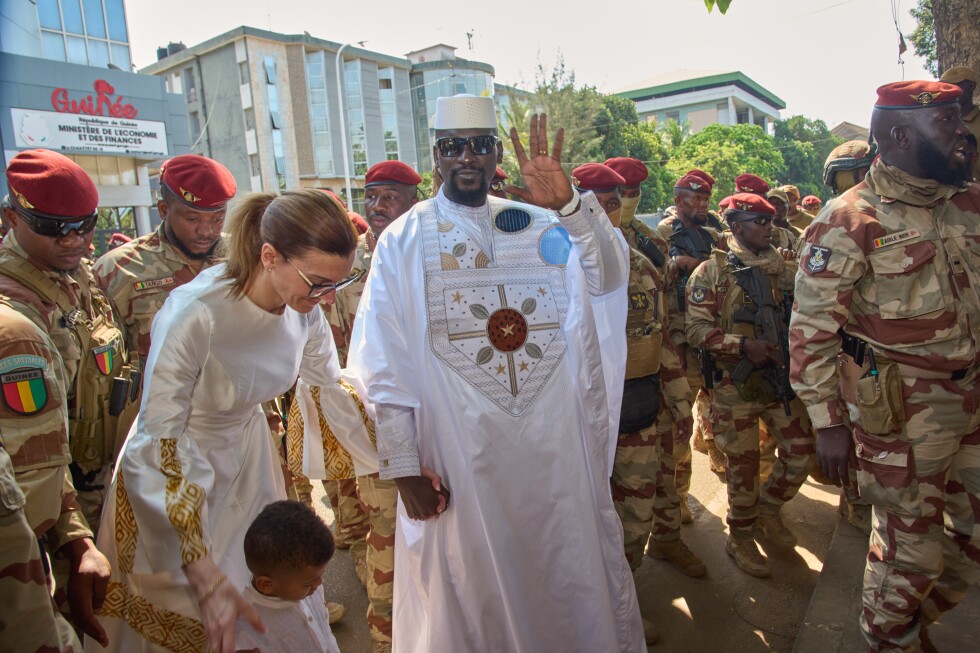
    CONAKRY, Guinea — Guinea’s Supreme Court has officially validated the presidential election victory of General Mamadi Doumbouya, formally transitioning the military junta leader into a democratically elected head of state. The court’s Sunday ruling confirmed Doumbouya’s overwhelming mandate, with official results showing he secured 86.7% of votes cast in the December 28 election—the nation’s first presidential contest since the 2021 coup.

    The judicial endorsement comes despite earlier challenges from opposition candidate Yero Baldé, who had alleged electoral manipulation before unexpectedly withdrawing his petition just prior to the court’s decision. Baldé finished as runner-up with 6.59% of the vote.

    In a nationally televised address following the verdict, President Doumbouya struck a conciliatory tone, declaring: “Today, there are neither winners nor losers. There is only one Guinea, united and indivisible.” He called upon citizens to collaborate in building “a new Guinea, a Guinea of peace, justice, shared prosperity, and fully assumed political and economic sovereignty.”

    The electoral process occurred under a newly implemented constitution that notably eliminated previous restrictions prohibiting military leaders from seeking presidential office while simultaneously extending the presidential term from five to seven years.

    Political analysts note that Doumbouya faced minimal opposition during the campaign, with critics alleging his administration has systematically suppressed political dissent since seizing power in 2021. N’Faly Guilavogui, a Guinean political analyst, observed that the weakened opposition landscape focused attention exclusively on Doumbouya as “the only key figure capable of ensuring the continuity of the state.”

    The newly confirmed president inherits significant economic challenges despite Guinea’s substantial mineral wealth. As the world’s largest exporter of bauxite—a crucial component in aluminum production—the nation paradoxically struggles with pervasive poverty. World Food Program data indicates over half of Guinea’s 15 million citizens experience record levels of food insecurity and economic hardship.

    Among the junta’s most significant economic initiatives is the Simandou iron ore project, representing the world’s largest untapped deposit of its kind. The mining venture, 75% Chinese-owned, commenced operations in December following decades of developmental delays, potentially offering future economic revitalization.

  • Driving instructors teach students to dodge danger on Zimbabwe roads

    Driving instructors teach students to dodge danger on Zimbabwe roads

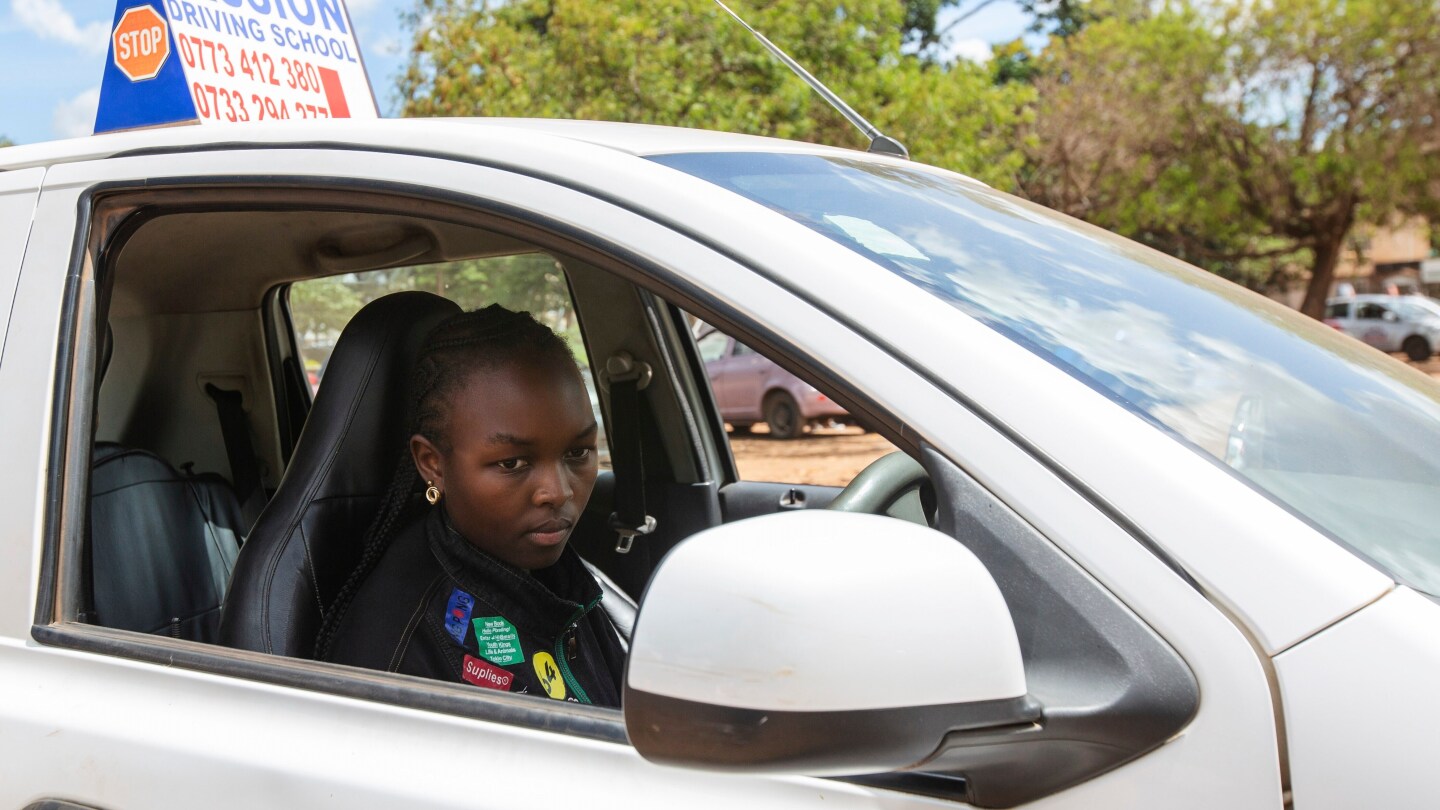
    HARARE, Zimbabwe — Sixteen years ago, Tafara Muvhevhi’s driving instruction focused on technical precision and exam preparation. Today, the Zimbabwean instructor prioritizes a more fundamental objective: keeping his students alive on some of the world’s most dangerous roads.

    Zimbabwe faces a severe road safety crisis, with crashes occurring every 15 minutes and claiming approximately five lives daily while injuring 38 others, according to national traffic authorities. Road accidents rank among the country’s leading causes of death, with fatality rates among Africa’s worst.

    The transformation from Zimbabwe’s once-orderly road system to its current state of traffic chaos traces back to the 2000s. Economic decline crippled road maintenance, informal public transportation expanded rapidly, and enforcement mechanisms weakened significantly. Despite recent repair initiatives and policing efforts, dangerous driving practices remain deeply embedded in the transportation culture.

    Muvhevhi describes the contemporary challenges: “Other drivers display no patience with learners—they honk aggressively, execute illegal overtakes, and create immense pressure. Our students must adapt to this environment while navigating streets where both motorists and pedestrians routinely disregard regulations.”

    For novice drivers like 19-year-old accounting student Winfrida Chipashu, Harare’s roads present greater intimidation than complex financial calculations. “Accounting follows established concepts,” Chipashu explains. “Driving here feels like navigating a jungle where others don’t follow rules.”

    National statistics reveal that human error causes 94% of accidents in this nation of 15 million. Cellphone distractions among drivers and pedestrians contribute to approximately 10% of fatalities, according to Munesu Munodawafa, head of Zimbabwe’s Traffic Safety Council, who describes these figures as “frightening” and “alarming.”

    This crisis reflects broader continental trends. Africa experiences approximately 300,000 road deaths annually—about one-quarter of global fatalities—despite accounting for only 3% of the world’s vehicle population. The continent’s fatality rate of 26.6 deaths per 100,000 people significantly exceeds the global average of 18.

    The World Health Organization attributes Africa’s rising traffic deaths—which increased 17% between 2010-2021—to inadequate safety laws, insufficient enforcement, reckless driving, and rapid urbanization. Vehicle registrations nearly tripled between 2013-2021, fueled by imported used vehicles and surging motorcycle numbers. Vulnerable road users including pedestrians, cyclists, and motorcycle riders comprise half of all fatalities.

    Zimbabwean authorities are implementing countermeasures including police body cameras, breathalyzers, and proposed licensing reforms featuring penalty points and enhanced training programs. As Police spokesperson Paul Nyathi emphasizes: “Drivers are licensed to practice road safety and safeguard lives—not to become killers.”

    For instructors like Muvhevhi, the pedagogical philosophy has fundamentally shifted: “We no longer teach merely for license acquisition. We teach survival strategies despite other road users’ dangerous behaviors.”

  • UAE: 3 Indian siblings, maid die in Abu Dhabi car crash

    UAE: 3 Indian siblings, maid die in Abu Dhabi car crash

    A devastating vehicular accident near Shahama on the Abu Dhabi-Dubai roadway has resulted in the tragic deaths of three Indian siblings and their family maid, according to statements from UAE-based social workers. The catastrophic collision occurred on Saturday morning while the family was returning to their Ras Al Khaimah residence after attending a cultural festival in the capital city.

    The victims, originally from the southern Indian state of Kerala, were traveling together when their vehicle was involved in the serious accident. Abu Dhabi authorities have been contacted for detailed information regarding the circumstances surrounding the crash.

    Medical officials confirm that both parents and their 14-year-old child survived the collision but sustained serious injuries requiring immediate hospitalization in Abu Dhabi. The family’s domestic helper, who was traveling with the children, unfortunately perished in the incident alongside the three siblings.

    In accordance with UAE burial regulations for expatriates, which typically require interment in the emirate where the deceased held residency visas, the extended family has requested special permission for burial in Abu Dhabi where the tragedy occurred. Social workers are currently assisting the grieving family in navigating the necessary bureaucratic procedures for this exceptional circumstance.

  • Premier League: Reed’s late screamer earns Fulham point in 2-2 draw with Liverpool

    Premier League: Reed’s late screamer earns Fulham point in 2-2 draw with Liverpool

    In a Premier League encounter brimming with late drama, Fulham midfielder Harrison Reed delivered an astonishing 97th-minute equalizer to secure a 2-2 draw against Liverpool at Craven Cottage on Sunday. The spectacular long-range strike came just moments after Liverpool’s Cody Gakpo had seemingly clinched victory with a 94th-minute goal, creating a breathtaking finale that left both teams sharing the points.

    The match began with Fulham taking an early lead through former Liverpool academy product Harry Wilson in the 17th minute. Wilson’s precise finish into the bottom corner was initially disallowed for offside but was correctly reinstated following Video Assistant Referee (VAR) intervention, with Raul Jimenez providing the decisive through ball.

    Liverpool dominated possession throughout and found their deserved equalizer in the 57th minute through German international Florian Wirtz, who displayed clinical finishing to beat the Fulham goalkeeper. The visitors continued to press for a winner, which appeared to have arrived in the fourth minute of stoppage time when Gakpo converted from close range.

    However, Reed had the final say with his thunderous strike from distance in the seventh minute of added time, sparking wild celebrations among the home supporters. The result maintains Liverpool’s unbeaten streak across all competitions while demonstrating Fulham’s resilience against top-tier opposition.

  • Trabelsi sacked by Tunisia after last-16 Afcon exit

    Trabelsi sacked by Tunisia after last-16 Afcon exit

    In a decisive move following Tunisia’s heartbreaking elimination from the 2025 Africa Cup of Nations, the Tunisian Football Federation has severed ties with head coach Sami Trabelsi. The announcement came just 24 hours after the Carthage Eagles suffered a dramatic last-16 defeat against Mali under circumstances that left fans and pundits astonished.

    The knockout match in Casablanca turned dramatically in Tunisia’s favor during the opening minutes when Mali’s Woyo Coulibaly received a red card, forcing the Eagles to play with ten men for virtually the entire contest including extra time. Despite this significant advantage and taking a late lead in the 88th minute, Tunisia inexplicably conceded a penalty during stoppage time, ultimately collapsing in the subsequent penalty shootout.

    The Federation’s official statement characterized the separation as a mutual agreement to terminate the contractual relationship with the entire technical staff. This departure marks Trabelsi’s second exit from the national team leadership, having previously resigned in 2013 following another disappointing AFCON group stage elimination.

    Trabelsi, who had only returned to helm the Tunisian squad last February, acknowledged full responsibility for the devastating loss, describing it as causing ‘great disappointment and pain.’ His team had shown promise during the group stage, finishing second in Group C with a convincing 3-1 victory against Uganda, despite subsequent setbacks against Nigeria (3-2) and Tanzania (1-1).

    The coaching change comes at a critical juncture for Tunisian football as the team prepares for its participation in the 2026 World Cup, raising questions about the future direction of the national program.

  • At least 26 dead, 14 missing as boat capsizes in northeast Nigeria

    At least 26 dead, 14 missing as boat capsizes in northeast Nigeria

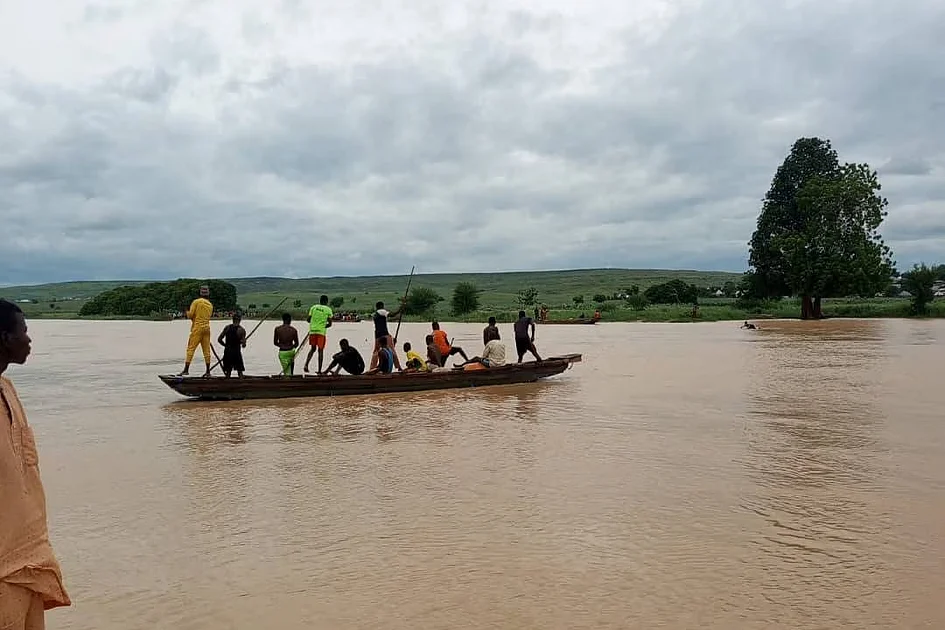
    A devastating maritime accident has struck northeastern Nigeria, resulting in significant loss of life when an overloaded passenger vessel capsized during transit between states. Emergency services confirmed at least 26 fatalities with 14 individuals remaining missing following Saturday’s tragedy on the region’s busy waterways.

    The catastrophic incident occurred as the rudimentary boat journeyed from Jigawa State to Yobe State, carrying local farmers and fishermen. According to Mohammed Goje, Executive Director of Yobe State’s Emergency Management Agency, the craft succumbed to unknown circumstances late Saturday, plunging passengers into perilous waters.

    Rescue operations mobilized immediately with emergency volunteers recovering two dozen bodies from the accident site. Thirteen survivors were successfully rescued and provided medical attention, while search teams continue recovery efforts for the remaining missing persons. The ongoing operation faces challenges typical of Nigeria’s riverine regions where infrastructure limitations complicate disaster response.

    This tragedy highlights persistent transportation safety issues plaguing Nigerian waterways, where overcrowding, inadequate maintenance, and regulatory non-compliance regularly contribute to preventable accidents. National records indicate similar incidents claim dozens of lives annually across the country’s extensive network of rivers and water channels, raising urgent questions about enforcement of maritime safety protocols and vessel capacity regulations.

    The latest capsizing incident represents one of the most severe water transportation disasters in recent months, underscoring the critical need for improved safety measures and regulatory oversight in Nigeria’s vital river transport systems that serve countless communities dependent on waterborne mobility.

  • Europe’s auto industry future may be electric even after EU climbdown

    Europe’s auto industry future may be electric even after EU climbdown

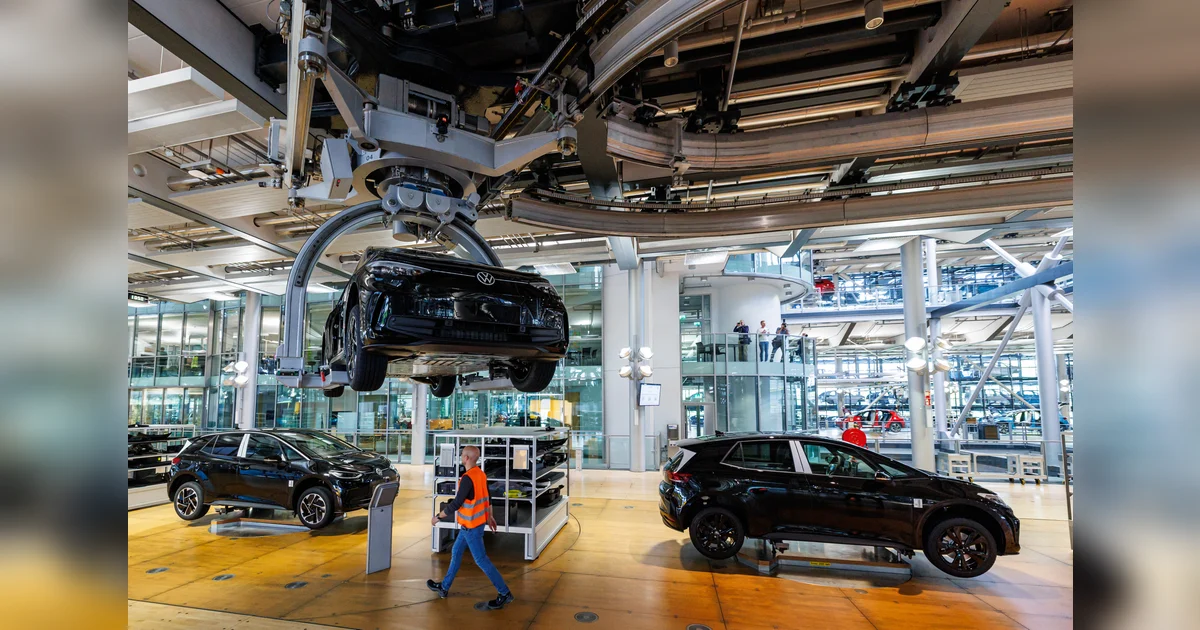
    In a significant policy recalibration, the European Commission has formally abandoned its rigid 2035 deadline for a complete transition to fully electric vehicles, offering legacy automakers extended flexibility to market hybrid and conventional engine technologies. This strategic climbdown, enacted following intensive industry lobbying, enables European manufacturers to better position themselves against rapidly advancing Chinese competitors in the global automotive arena.

    The revised regulatory framework permits the continued legality of plug-in hybrids, range-extended electric vehicles utilizing compact combustion engines for battery recharge, and traditional internal combustion engines beyond the original 2035 cutoff. Brussels further introduced a subsidized category for small-scale European-manufactured EVs, providing substantial concessions that industry analysts recognize as addressing core automaker demands.

    This policy shift creates divergent transitional pathways across market segments. Premium manufacturers including Mercedes-Benz and BMW secure extended timelines for hybrid sales before mandated full electrification. Mass-market producers like Stellantis and Renault stand to benefit significantly from subsidized small EV categories tailored for urban European consumers, leveraging existing models such as the Fiat 500 and Clio.

    The European approach now starkly contrasts with United States policy, where the Trump administration has withdrawn federal support for electric vehicle adoption. Meanwhile, Chinese manufacturers including BYD continue expanding their European footprint through tariff-exempt plug-in hybrids and combustion engine models in markets with slower EV adoption rates like Poland.

    Industry forecasts from consultancies including AlixPartners project fully electric vehicles will constitute approximately 62% of European sales by 2035, reflecting skepticism regarding enforcement capabilities for complete combustion engine prohibitions. The moderated transition timeline potentially allows critical infrastructure development, addressing one of the primary impediments to broader EV adoption through enhanced charging network deployment.

    Current industry metrics reveal fully electric vehicles accounted for 16.4% of total European sales through October, representing a 25.7% year-over-year increase, though penetration remains minimal across southern and eastern European markets.

    This policy revision presents substantial challenges for manufacturers and suppliers who have allocated tens of billions toward EV development and production capacity expansion based on previous regulatory certainty. However, the technological flexibility may catalyze increased collaboration on affordable electric platforms, exemplified by the recently announced Ford-Renault partnership for small EV development in Europe.

    Industry leadership, including Ford CEO Jim Farley, has emphasized the necessity for regulatory consistency, criticizing frequent policy adjustments that complicate long-term capital investment planning. This sentiment echoes across an industry navigating complex technological transformation amid evolving regulatory landscapes.