标签: Africa

非洲

  • ‘Hounded and harassed’: The former pop star taking on Uganda’s long-time president

    ‘Hounded and harassed’: The former pop star taking on Uganda’s long-time president

    In Uganda’s high-stakes political arena, musician-turned-opposition-leader Bobi Wine presents a formidable challenge to President Yoweri Museveni’s 40-year reign as the nation approaches pivotal elections on January 15. The 43-year-old revolutionary, born Robert Kyagulanyi Ssentamu, has transformed from entertainment icon to political force through his powerful connection with Uganda’s youth demographic.

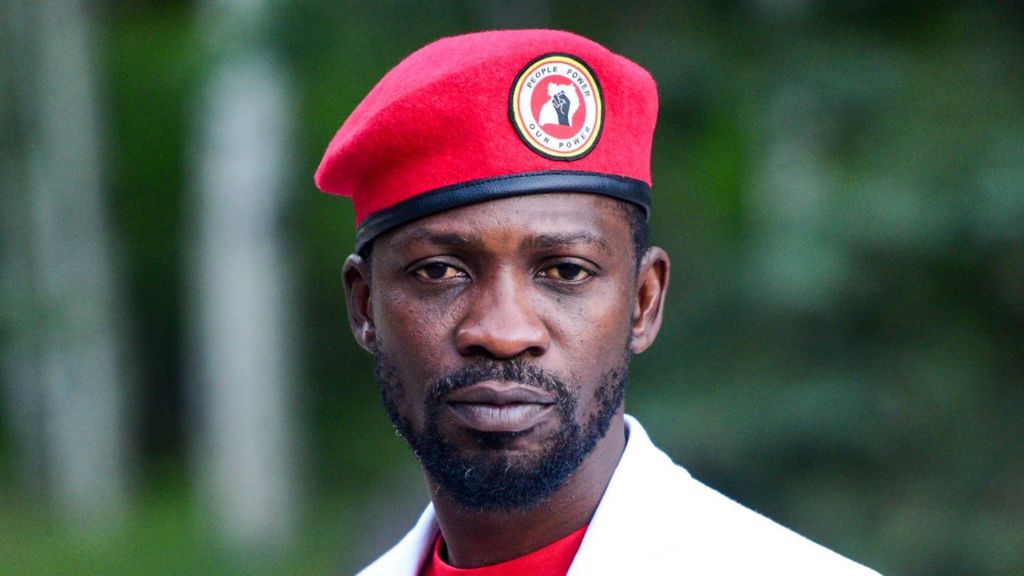
    Wine’s political journey began dramatically in 2017 when he won a parliamentary by-election in Kyadondo-East constituency with a landslide victory, securing five times more votes than his ruling party opponent. His grassroots movement, People Power, evolved into the National Unity Platform (NUP) party, now Uganda’s primary opposition vehicle. The movement’s signature red berets have become symbols of resistance against Museveni’s establishment.

    The opposition leader’s campaign focuses squarely on systemic corruption, youth unemployment crisis, and wealth redistribution—issues resonating deeply in a country where 78% of the population is under 35. Wine’s upbringing in Kampala’s Kamwokya slum informs his ‘ghetto president’ persona, creating stark contrast with Museveni’s military-backed regime.

    His political ascent has come at tremendous personal cost. Wine has endured multiple arrests on charges widely condemned as politically motivated, including illegal firearms possession and treason allegations that were eventually dropped. The 2018 detention sparked international outcry, with music luminaries like Coldplay’s Chris Martin and Gorillaz’s Damon Albarn petitioning for his release.

    The 2021 presidential election witnessed deadly violence, with dozens killed during campaign periods. Despite securing 35% of votes against Museveni’s 59%, Wine rejected the results citing widespread irregularities. His perseverance earned global recognition through the Oscar-nominated documentary ‘Bobi Wine: The People’s President’.

    As the new election approaches, Wine campaigns under heavy security protection, with supporters forming human shields against state violence. He maintains that Uganda is ready for civilian leadership, asserting constitutional military subordination to civilian authority despite concerns about his non-military background.

    ‘The military must respect civilian authority according to our constitution,’ Wine insists, framing the election as ‘a liberation movement through ballot box protest.’ His message continues to galvanize young Ugandans seeking change from Africa’s third-longest serving president.
  • Author Chimamanda Ngozi Adichie’s family accuse hospital of negligence over son’s death

    Author Chimamanda Ngozi Adichie’s family accuse hospital of negligence over son’s death

    A tragic medical incident involving acclaimed Nigerian author Chimamanda Ngozi Adichie’s family has sparked serious allegations against a Lagos healthcare facility and drawn attention to Nigeria’s healthcare challenges.

    The 21-month-old son of the renowned feminist writer, Nkanu Nnamdi, passed away at Euracare Hospital in Lagos last Wednesday following a brief illness. The family has publicly accused the medical institution of multiple critical failures that allegedly contributed to the toddler’s death.

    According to Dr. Anthea Nwandu, Adichie’s sister-in-law who spoke with Nigerian broadcaster Arise TV, hospital staff administered excessive sedation that triggered a fatal heart attack. The physician further alleged that medical personnel left the child unattended, denied him essential oxygen support, and utilized non-standard transportation methods that exacerbated his condition. These allegations were corroborated by a private message from Adichie that was subsequently leaked online, though her representatives confirmed the communication was intended solely for close family and friends.

    Euracare Hospital issued an official statement acknowledging the family’s “profound and unimaginable loss” while simultaneously denying any improper care. The institution maintained that all treatment provided adhered to established clinical protocols and internationally accepted medical standards. Hospital administrators revealed that Nkanu arrived at their facility in critical condition after receiving prior treatment at two pediatric centers, and despite immediate intervention and collaboration with external medical teams, the child died within 24 hours of admission.

    The Lagos State government has initiated an independent investigation into the circumstances surrounding the toddler’s death. Dr. Kemi Ogunyemi, Special Adviser to the Lagos State Governor on health matters, confirmed the health watchdog would conduct a “thorough, independent and transparent” review, warning that any confirmed negligence or professional misconduct would face full legal consequences.

    This case has highlighted broader systemic issues within Nigeria’s healthcare system, which has recently suffered from severe doctor shortages resulting in extended working hours and medical professionals juggling positions across multiple institutions. The tragedy has drawn national attention, with Nigeria’s president among those expressing condolences to the grieving family.

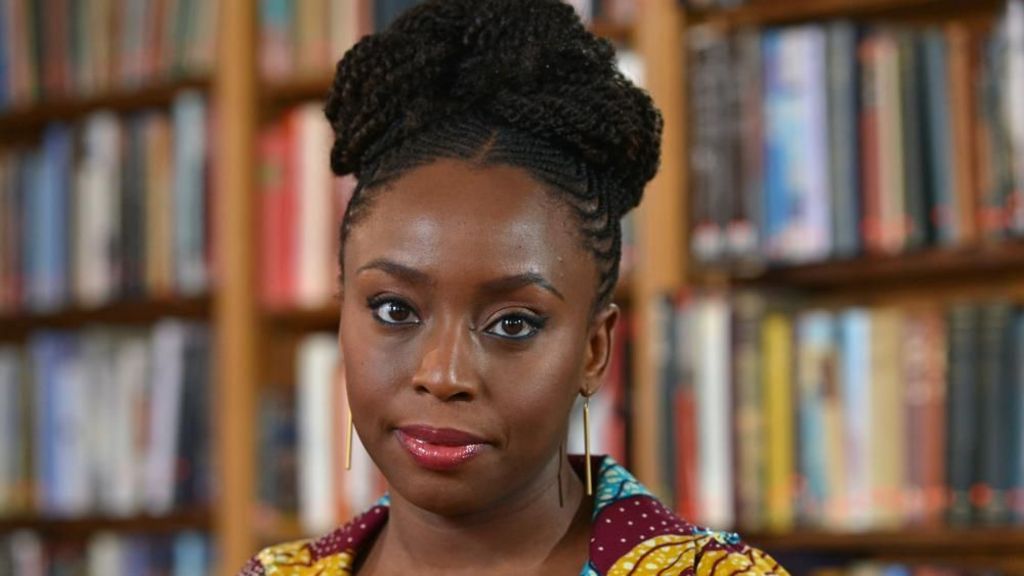
    Adichie, the 48-year-old award-winning author of works including ‘Half of a Yellow Sun’ and ‘Americanah,’ had welcomed her twin boys via surrogate in 2024. Her influential 2012 TED Talk and essay ‘We Should All Be Feminists’ was famously sampled by Beyoncé in her 2013 song ‘Flawless.’

  • Syrian army says stopping operations in Aleppo’s Sheikh Maqsud: State media

    Syrian army says stopping operations in Aleppo’s Sheikh Maqsud: State media

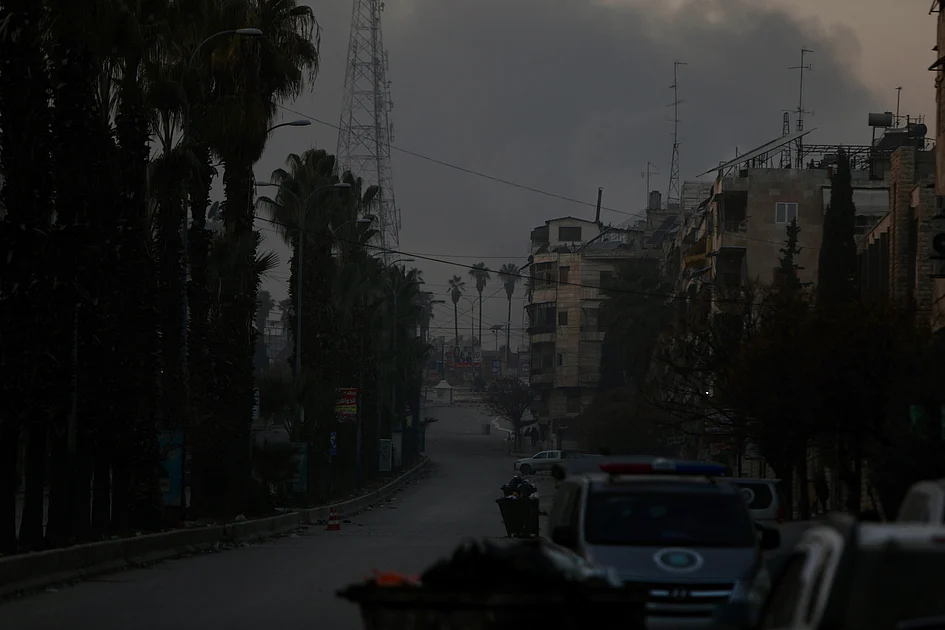
    The Syrian military announced a unilateral suspension of combat operations in Aleppo’s contested Sheikh Maqsud district on Saturday, according to an official statement carried by state media. The ceasefire declaration, which took effect at 3:00 PM local time (1200 GMT), follows several days of intense clashes between government forces and Kurdish fighters in the strategically significant neighborhood.

    In a strategic repositioning move, the military statement indicated that Kurdish combat units would be systematically transferred to the Kurdish-administered city of Tabaqa in northeastern Syria. This relocation suggests a potential de-escalation agreement between the conflicting parties, though neither side disclosed the precise terms or mediators involved in the arrangement.

    Despite the announced cessation of hostilities, an AFP correspondent stationed near Sheikh Maqsud reported intermittent exchanges of gunfire emanating from the neighborhood shortly after the official announcement. These sporadic auditory indications of continued tension highlight the fragile nature of the ceasefire implementation in the complex Syrian conflict landscape.

    The development marks a significant tactical shift in Aleppo, a city that has witnessed some of the most destructive urban warfare throughout Syria’s prolonged civil conflict. Sheikh Maqsud’s strategic elevation has made it a militarily valuable position for controlling approaches to the city, contributing to its contested status throughout various phases of the conflict.

    Military analysts observe that this ceasefire and transfer agreement could represent a localized confidence-building measure between the Syrian government and Kurdish forces, who have maintained an uneasy relationship throughout the conflict, occasionally cooperating against common adversaries while maintaining separate governance objectives.

  • US film stars Meagan Good and Jonathan Majors become Guinea citizens after DNA tests

    US film stars Meagan Good and Jonathan Majors become Guinea citizens after DNA tests

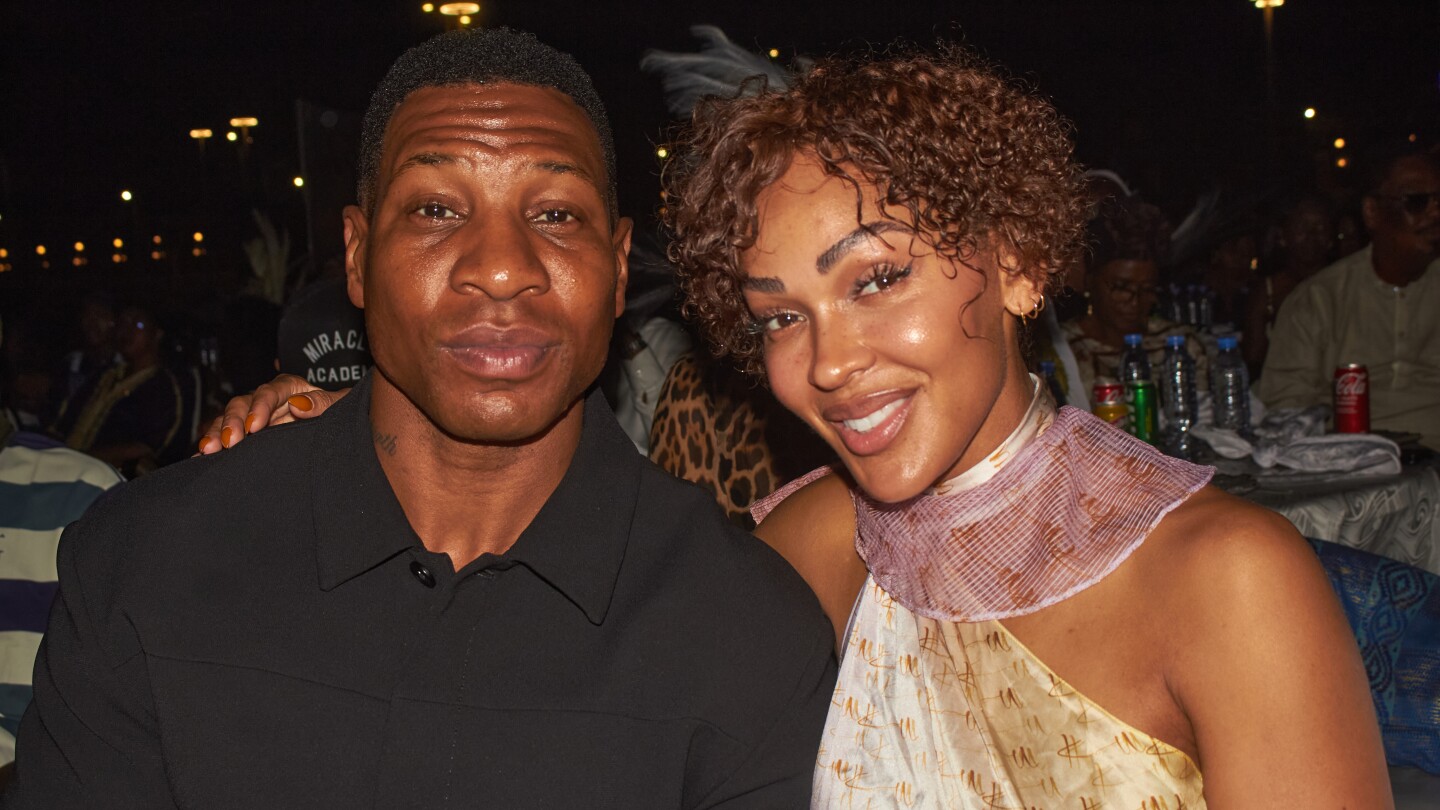
    In a significant cultural ceremony on Friday, acclaimed Hollywood actors Meagan Good and Jonathan Majors were formally granted citizenship by the Republic of Guinea after tracing their ancestral lineage to the West African nation through DNA testing. The private event, organized by Guinea’s Ministry of Culture at the Gbassi Kolo tourist and cultural center, represents the latest initiative by African nations to encourage diaspora communities to reclaim their heritage.

    Djiba Diakité, Minister and Chief of Staff of the Presidency, presented the official passports to the couple on behalf of President Mamadi Doumbouya. “We both believe that you are among the worthy sons and daughters of Guinea to represent our country and the red and green flag throughout the world,” Diakité stated during the ceremony, which featured traditional dance performances and djembe drumming.

    The actors, who began dating in May 2023 and married last year, expressed their profound connection to Guinea. “We could absolutely see ourselves having a home here and spending meaningful time in Guinea,” the couple told the BBC via email. “This is not a fleeting connection – it’s something we see as long-term and evolving.”

    Majors, known for his roles in ‘Creed’ and ‘Ant-Man,’ described the citizenship as a means of “bridging the gap” between their identities as entertainers and members of the African diaspora. Good, celebrated for her performance in ‘Think Like a Man,’ noted this marked her first visit to Guinea.

    The ceremony occurred against the backdrop of Guinea’s recent political transition. The country has recently returned to civilian rule following elections last month, won by coup leader General Mamady Doumbouya with 87% of the vote. Unlike other West African nations that have experienced recent coups, Guinea has maintained relations with Western governments, particularly France.

    This event continues a trend began by Ghana’s 2019 “Year of Return” initiative, which has seen several prominent figures including Stevie Wonder (2024), Ciara (Beninese citizenship), and Samuel L. Jackson (Gabonese passport) establish formal ties with African nations. Guinea itself has historical precedent in welcoming diaspora figures, having hosted South African singer Miriam Makeba and civil rights activist Stokely Carmichael (later known as Kwame Ture) in the 1960s.

    The couple’s itinerary includes a tour of Boké, a coastal region containing historic slave trade sites. While their specific investment plans remain unclear, the gesture symbolizes Guinea’s ongoing outreach to the global African community despite the country’s economic challenges—being mineral-rich yet having one of West Africa’s poorest populations.

  • Mbeumo ‘sad’ over Cameroon Afcon exit

    Mbeumo ‘sad’ over Cameroon Afcon exit

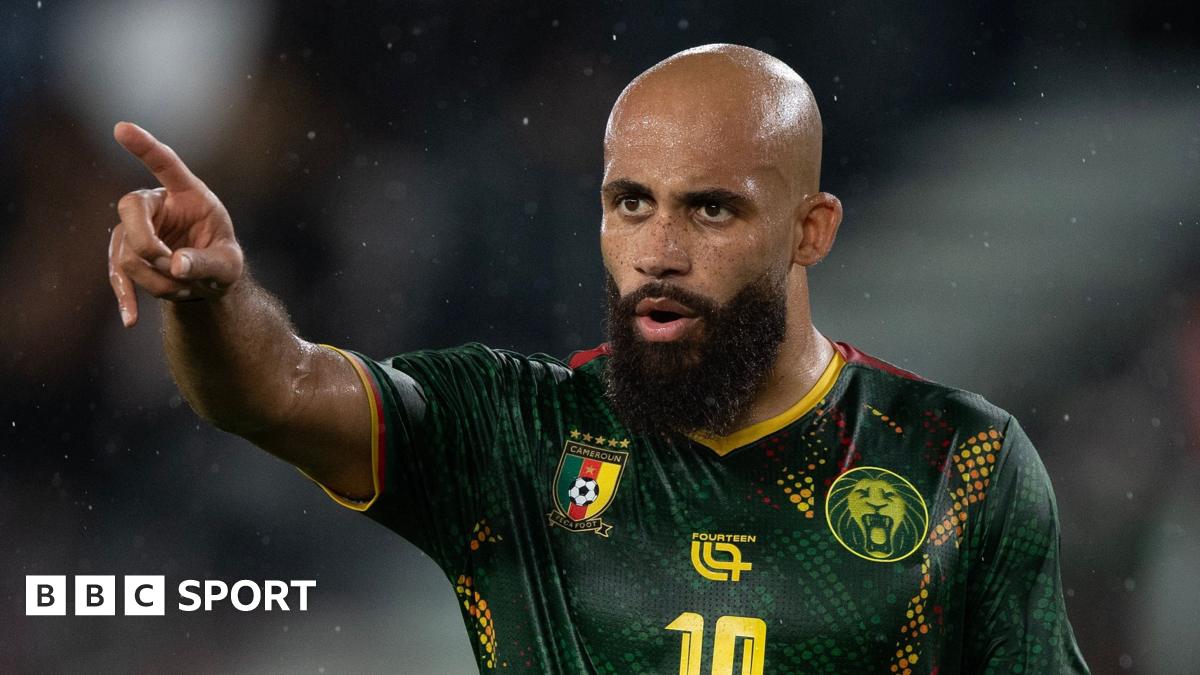
    In a thrilling quarter-final clash at the 2025 Africa Cup of Nations, host nation Morocco secured a 2-0 victory against Cameroon at Rabat’s packed Prince Moulay Abdellah Stadium. The match saw Brahim Diaz and Ismael Saibari net decisive first-half goals that ultimately proved insurmountable for the Indomitable Lions.

    Cameroon’s Manchester United forward Bryan Mbeumo expressed profound disappointment with his team’s initial performance, acknowledging that their hesitant start significantly compromised their chances. “Our first-half display fell considerably short of our capabilities,” Mbeumo stated. “We demonstrated marked improvement after the interval, forcing Morocco to adapt, but ultimately they capitalized on their opportunities.”

    The match represented a personal milestone for Mbeumo, who was competing in his first AFCON tournament since switching international allegiance from France to Cameroon in 2022. Despite failing to score throughout the competition, the 26-year-old contributed a crucial assist during Cameroon’s opening victory against Gabon.

    Cameroon’s head coach David Pagou, who assumed leadership shortly before the tournament following the controversial dismissal of Belgian manager Marc Brys, concurred with Mbeumo’s assessment. Pagou noted the team’s initial timidity but praised their second-half resurgence and overall tournament performance, emphasizing that the youthful squad had provided “significant emotions to the Cameroonian people.”

    The victory held particular historical significance for Morocco, marking their first semi-final appearance since 2004. Real Madrid playmaker Brahim Diaz continued his exceptional tournament form, scoring his fifth goal to become Morocco’s all-time top scorer in a single AFCON competition. Head coach Walid Regragui hailed Diaz as the team’s “X factor” and praised his transformed mentality, suggesting the player possesses potential to become “the world’s best.”

    The electric atmosphere generated by Moroccan supporters received special recognition from both teams, with Saibari describing the environment as “amazing” and Regragui noting the crowd effectively functioned as a twelfth player. Morocco now advances to face the winner of the Algeria-Nigeria matchup, continuing their quest for a second continental title fifty years after their first triumph.

  • Hollywood couple Meagan Good and Jonathan Majors gain Guinean citizenship

    Hollywood couple Meagan Good and Jonathan Majors gain Guinean citizenship

    In a significant cultural moment, American actors Meagan Good and Jonathan Majors were formally granted citizenship by the Republic of Guinea during a private ceremony in Conakry on Friday. The recognition came after the couple successfully traced their ancestral lineage to the West African nation through DNA testing.

    Djiba Diakité, head of the presidential cabinet, presided over the ceremony, stating: “We consider you among Guinea’s most worthy descendants. You will represent our nation and the red-yellow-green flag across the globe.”

    The citizenship award places the Hollywood couple among a growing trend of African nations extending formal recognition to descendants of the diaspora. This development follows similar initiatives by Benin, which granted citizenship to singer Ciara last year, and Ghana, which naturalized 524 African Americans in 2019 as part of commemorations marking the 400th anniversary of the first enslaved Africans’ arrival in North America.

    Majors’ career trajectory adds complexity to the story. Once positioned for Hollywood’s highest echelons following acclaimed performances in “Da 5 Bloods” and “Lovecraft Country,” and his casting as Kang the Conqueror in the Marvel Cinematic Universe, his career faced substantial challenges after a 2023 assault conviction. The legal proceedings resulted in his departure from Marvel Studios and the delayed release of his film “Magazine Dreams.”

    Throughout his legal challenges, Good maintained a consistent presence, with the couple engaging in 2024 and marrying last year during an impromptu ceremony. Their Guinean citizenship comes during a period of political transition in the country, which has been under military rule since General Mamadi Doumbouya’s 2021 coup. Doumbouya recently secured a controversial presidential election victory amid reported suppression of political opposition.

    The newly minted citizens are scheduled to tour Guinea’s significant cultural and tourist sites on Sunday, deepening their connection to their ancestral homeland.

  • South Africa’s strained ties with US face new test – war games with China, Iran and Russia

    South Africa’s strained ties with US face new test – war games with China, Iran and Russia

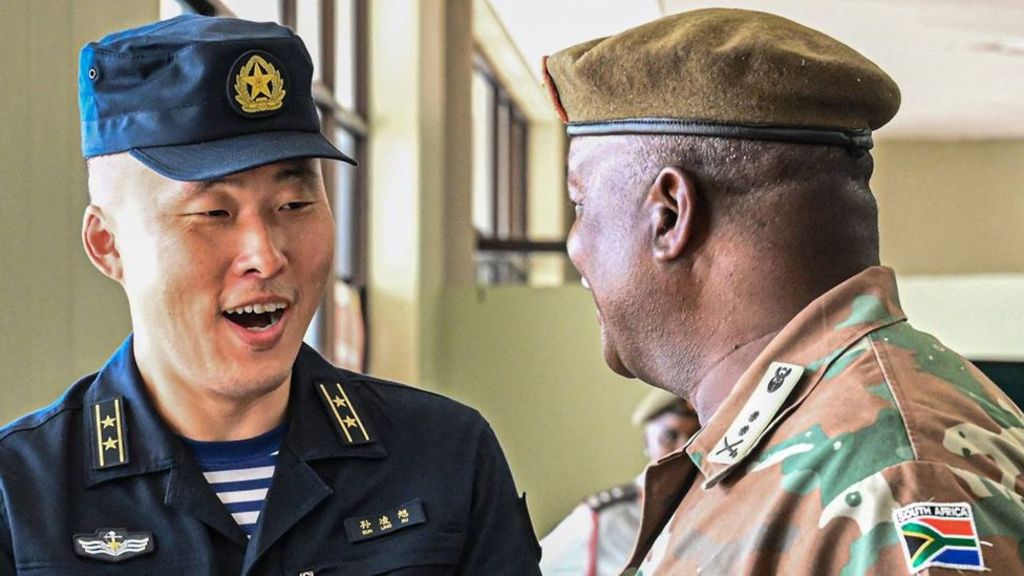
    South Africa finds itself at a geopolitical crossroads as it hosts joint naval exercises with China, Russia, and Iran—a move that risks further deteriorating its already strained relationship with the United States. The week-long ‘Will for Peace’ maritime drills, initiated on Friday off the coast of Simon’s Town, represent an expansion of the BRICS+ alliance’s activities beyond economic cooperation into military collaboration.

    The exercise, originally conceived as the third iteration of the China-Russia-South Africa ‘Mosi’ series, was rebranded and broadened to include other BRICS+ members following its postponement from November due to the G20 summit. This development occurs against the backdrop of severely compromised US-South Africa relations, exacerbated by the Trump administration’s accusations regarding treatment of white farmers and Pretoria’s genocide case against Israel at the International Court of Justice.

    Defense analysts highlight the paradoxical nature of the military cooperation, noting that BRICS+ members include nations with opposing political interests and even active border conflicts. The South African government maintains the exercises focus on maritime safety and interoperability, while opposition parties condemn the participation of sanctioned nations as a violation of the country’s professed non-aligned stance.

    The economic implications are substantial. With the US implementing 30% tariffs on South African exports—potentially costing 100,000 jobs—and remaining a crucial trading partner that supports over 500,000 jobs through American companies, the naval exercises risk further alienating a critical economic ally. Meanwhile, China’s economic footprint, while growing, reportedly generates significantly fewer jobs despite government claims of 400,000 positions.

    South Africa’s military acknowledges practical motivations for the drills, citing budget constraints that have decimated naval capabilities and limited opportunities for international training. However, commentators warn that the optics of cooperating with US adversaries could provoke stronger reactions from the Trump administration, potentially squeezing South Africa in the escalating great power competition between Washington and the BRICS+ nations.

  • As tensions flare in Minnesota, Treasury Secretary Bessent pushes a crackdown on fraud

    As tensions flare in Minnesota, Treasury Secretary Bessent pushes a crackdown on fraud

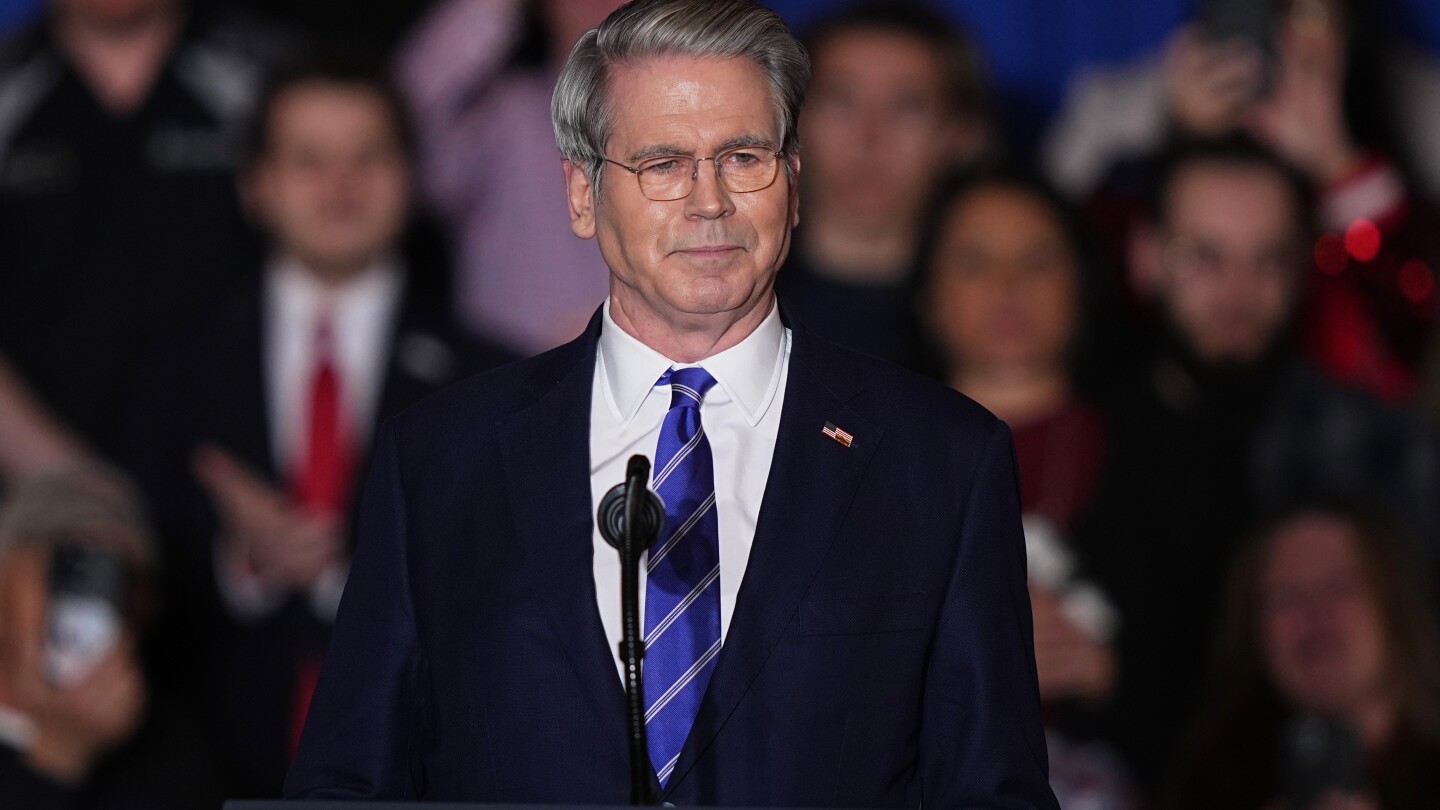
    The U.S. Treasury Department has initiated heightened financial surveillance targeting money transfers between Minnesota and Somalia, signaling a significant escalation in the federal government’s immigration enforcement operations within the state. Treasury Secretary Scott Bessent confirmed the measures during his Friday visit to Minnesota, revealing ongoing investigations into four unspecified money service businesses facilitating international remittances.

    This financial crackdown coincides with escalating tensions in Minneapolis following the fatal shooting of a woman by an Immigration and Customs Enforcement officer on Wednesday, which has triggered widespread protests and intensified conflicts between federal and local authorities.

    The Treasury’s actions appear directly influenced by President Trump’s intensified focus on Minnesota’s Somali diaspora community, which has been subjected to both increased immigration enforcement and derogatory presidential comments. The department initially announced its targeted approach toward Somali remittances last month, specifically focusing on money service businesses.

    These measures have been partially justified by reference to high-profile fraud cases, most notably the Feeding Our Future scandal where a nonprofit organization allegedly misappropriated approximately $300 million in pandemic relief funds intended for school meal programs. The organization’s founder, Aimee Bock, was convicted in March on multiple counts including conspiracy, wire fraud, and bribery while maintaining her innocence.

    Secretary Bessent outlined key Treasury actions including Financial Crimes Enforcement Network investigations targeting Minnesota-based money services, enhanced reporting requirements for international transfers originating from Hennepin and Ramsey counties, and alerts to financial institutions regarding fraud identification in child nutrition programs.

    While meeting with financial institutions to discuss fraud prevention measures, Bessent declined to provide specifics about ongoing investigations. He emphasized the department’s determination to “deploy all tools to bring an end to this egregious unchecked fraud and hold perpetrators to account.”

    The policy has drawn criticism from civil liberties advocates, with Nicholas Anthony of the Cato Institute condemning the approach as “building a legacy of financial surveillance and control” that restricts Americans’ ability to send money abroad.

    Local Somali leaders report anecdotal accounts of community members being detained by federal agents, though specific details remain scarce. Minnesota officials including Governor Tim Walz and Minneapolis Mayor Jacob Frey have pledged to protect the community, despite Walz facing Republican criticism for his administration’s delayed detection of the Feeding Our Future fraud before ending his reelection bid this week.

  • Trump warns of more Nigeria strikes if Christians ‘continue to be killed’

    Trump warns of more Nigeria strikes if Christians ‘continue to be killed’

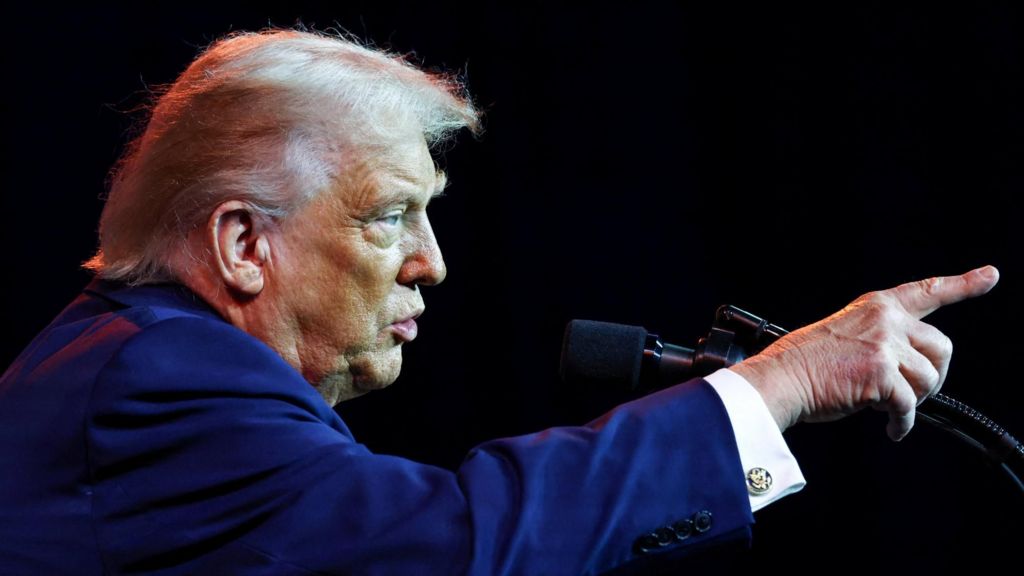
    Former US President Donald Trump has issued a stark warning regarding potential military escalation in Nigeria, suggesting increased airstrikes if violence against Christians persists in the West African nation. During a comprehensive interview with the New York Times, Trump addressed the controversial Christmas Day operations in Sokoto state that targeted Islamist militants, indicating these strikes could become recurrent rather than isolated incidents.

    Trump’s comments directly contradict Nigeria’s official position, which maintains that both Muslim and Christian communities face equal threats from jihadist organizations. The Nigerian government has previously rejected Trump’s characterization of religious persecution, emphasizing their commitment to protecting all citizens regardless of faith.

    This diplomatic tension emerges against the backdrop of Nigeria’s complex security landscape, where multiple insurgent groups including Boko Haram and IS-affiliated factions have created a devastating fifteen-year insurgency primarily affecting the northeastern regions. The country additionally contends with criminal kidnapping networks, resource-based conflicts, and separatist movements across various territories.

    Regarding the December strikes, US and Nigerian authorities described targeting camps operated by Lakurawa—a jihadist organization operating in the northwestern border region near Niger. While both governments confirmed the operation as a collaborative effort, they provided conflicting narratives regarding its religious motivations and timing. Nigerian Foreign Minister Yusuf Maitama Tuggar explicitly denied any connection to Christmas celebrations, despite Trump’s characterization of the strikes as a ‘Christmas present.’

    The situation remains diplomatically delicate, with Nigeria’s foreign ministry spokesperson Alkasim Abdulkadir emphasizing continued engagement with international partners ‘on the basis of mutual respect, international law, and Nigeria’s sovereignty.’ Demographic context reveals Nigeria’s population of over 230 million people is nearly evenly divided between Christians (predominantly in the south) and Muslims (concentrated in northern regions), complicating simplistic religious narratives about the conflict.

  • The musician and the strongman leader – what you need to know about Uganda’s election

    The musician and the strongman leader – what you need to know about Uganda’s election

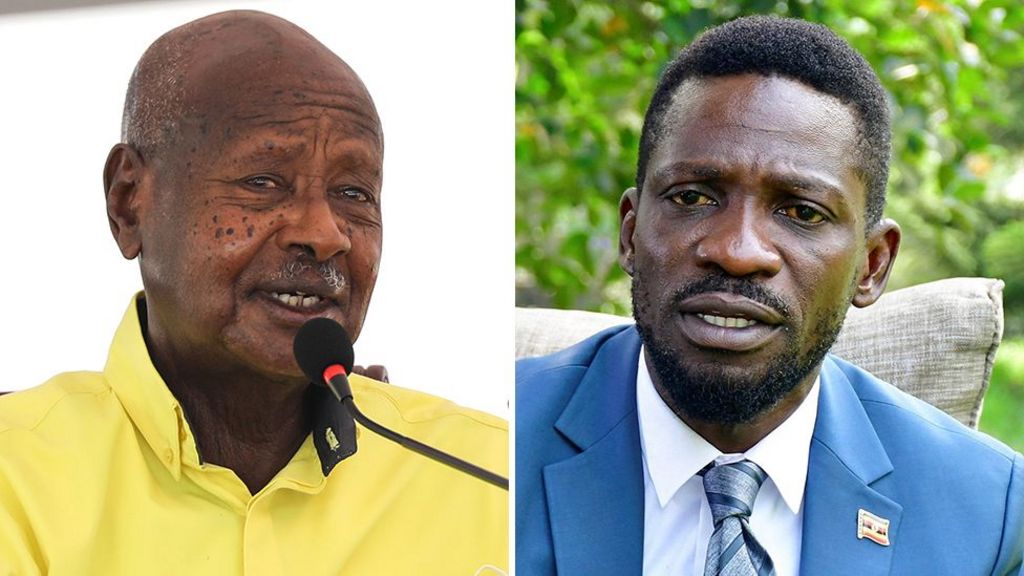
    Uganda stands at a pivotal juncture as it prepares for presidential elections on January 15th, presenting voters with a stark choice between continuity and transformation. President Yoweri Museveni, 81, seeks to extend his 40-year reign—one of Africa’s longest administrations—while his primary challenger, 43-year-old former pop sensation Bobi Wine, promises radical governance reforms and represents generational change.

    The electoral landscape is characterized by significant tension, with opposition campaigns experiencing systematic disruption through activist detentions and police intervention at rallies. These developments occur against a backdrop of pressing economic concerns, particularly youth unemployment in a nation where over three-quarters of the population is under 30.

    This marks the second electoral confrontation between Museveni and Wine, following the contentious 2021 poll where Museveni secured 58% of votes amid widespread allegations of electoral manipulation and opposition suppression. Museveni’s prolonged tenure has been facilitated by constitutional amendments eliminating presidential age and term limits, enabling his seventh consecutive candidacy.

    Bobi Wine (legal name Robert Kyagulanyi) has emerged as the most formidable opposition figure, capitalizing on his popularity among urban youth and working-class constituencies. His National Unity Platform became parliament’s largest opposition party following the previous election, though Wine has faced persistent harassment from security forces throughout the campaign period.

    Beyond the two frontrunners, six additional candidates complete the presidential field, though none are projected to secure significant vote shares. Notably absent is veteran opposition leader Kizza Besigye, currently imprisoned on treason charges in Kenya.

    Economic considerations dominate voter concerns, with unemployment, infrastructure deficiencies, and unequal access to education and healthcare representing primary issues. While Uganda has avoided the severe inflation affecting neighboring nations, corruption remains pervasive—the country ranks 140th globally on Transparency International’s Corruption Perceptions Index.

    International observers have expressed concern about the electoral environment, with UN experts noting a ‘pervasive climate of fear’ and Amnesty International documenting a ‘brutal campaign of repression’ involving tear gas, pepper spray, and physical violence against opposition supporters. The government maintains these measures are necessary to ensure peaceful elections.

    Election officials promise transparent voting procedures with party agents and independent monitors observing the count, though critics question the electoral commission’s independence. Opposition leaders have urged supporters to safeguard ballots against potential manipulation, while preparing technological solutions like Bluetooth-enabled monitoring apps to circumvent possible internet restrictions.

    According to electoral regulations, presidential results must be announced within 48 hours of polling closure. A candidate must secure over 50% of the national vote to avoid a runoff—a threshold Museveni has consistently achieved in previous elections.