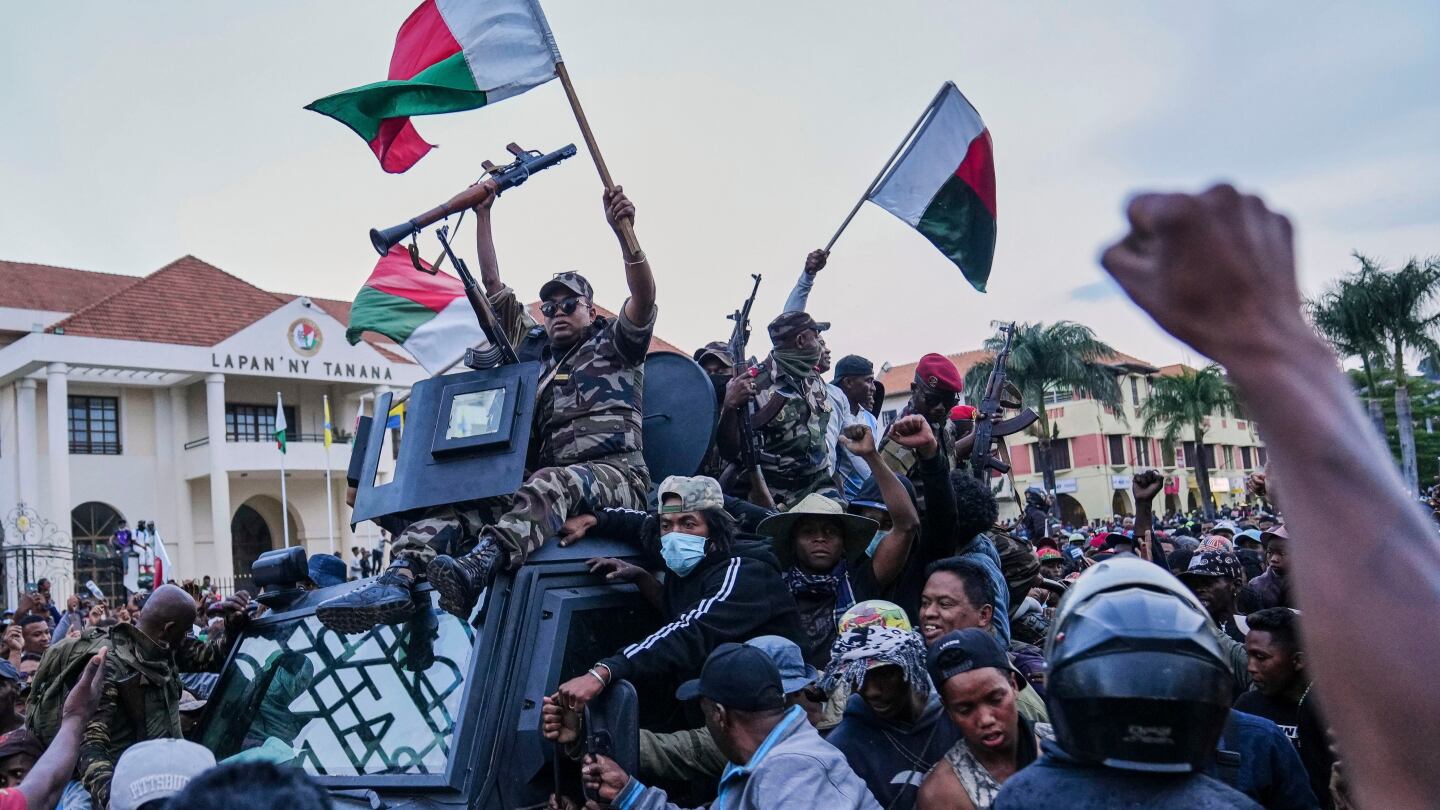
Madagascar is facing a deepening political crisis as an elite military unit, CAPSAT, has turned against President Andry Rajoelina, demanding his resignation in what appears to be an attempted coup. The unit, which previously supported Rajoelina’s rise to power in 2009, has taken control of the armed forces and appointed a new military leader, a move accepted by the defense minister. This escalation follows weeks of deadly anti-government protests, initially sparked by youth groups over water and electricity shortages but now encompassing broader grievances such as poverty, corruption, and the high cost of living. President Rajoelina, whose current whereabouts remain unknown, was scheduled to address the nation on state television, but his office has not confirmed if he is still in the country. Reports suggest he may have fled amid the unrest. The U.S. Embassy has advised American citizens to shelter in place due to the volatile situation, while the African Union has called for calm and restraint. The protests, led by the group ‘Gen Z Madagascar,’ have resulted in at least 22 deaths and widespread injuries, according to the United Nations, though the government disputes these figures. The crisis marks the most significant unrest in Madagascar in years, with curfews imposed in major cities and the nation’s political future hanging in the balance.
标签: Africa
非洲
-
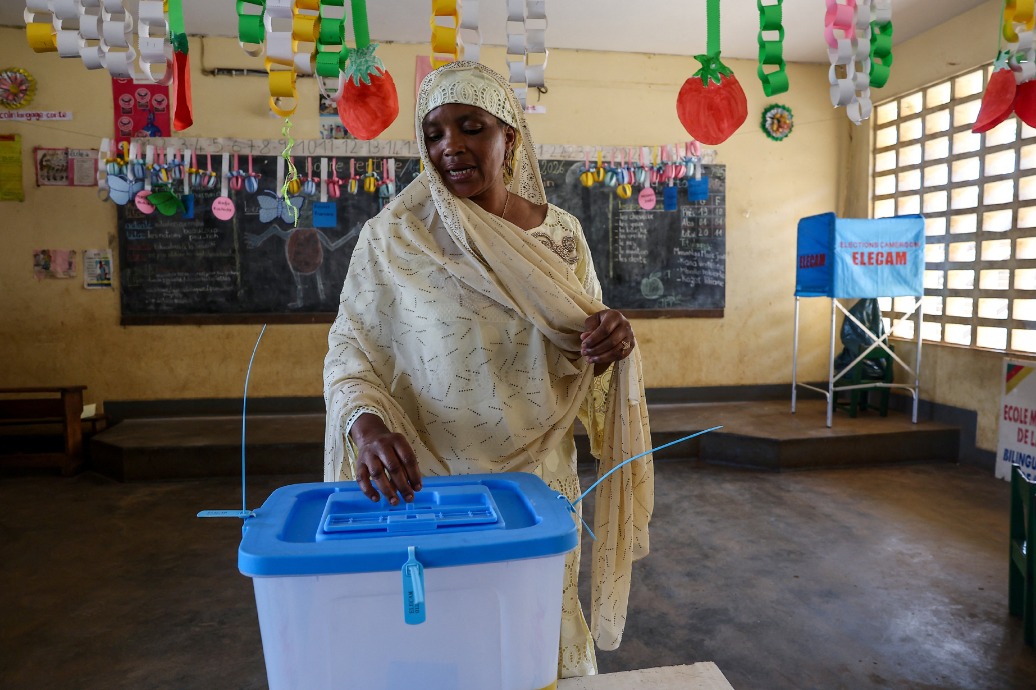
Counting begins as polls close in Cameroon’s presidential election
The presidential election in Cameroon concluded on Sunday evening, marking a significant moment for the nation as ballot counting commenced across the country. Polling stations opened at 8:00 am and closed at 6:00 pm local time, with over eight million registered voters participating in the democratic process to elect their next leader. Elections Cameroon, the national electoral body, reported that the voting process remained largely peaceful, with no major incidents disrupting the proceedings. However, in the English-speaking Northwest and Southwest regions, additional security forces were deployed to safeguard the election after separatist groups, advocating for an independent state, threatened to interfere. The election follows a single-round system, where the candidate with the most votes will be declared the winner. According to Cameroon’s Electoral Code, the Constitutional Council is mandated to announce the official results within 15 days. The nation now awaits the outcome, which will shape its political future.
-
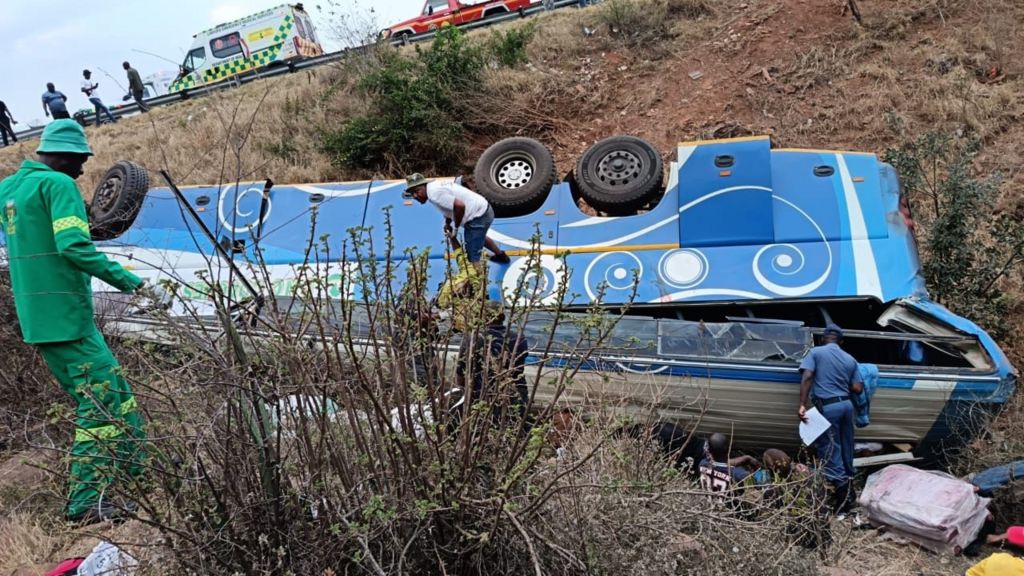
Forty-two killed as bus crashes on South Africa mountain pass
A devastating bus accident on South Africa’s N1 highway has resulted in the deaths of 42 individuals, including seven children. The incident occurred on Sunday night in Limpopo province, as the bus, carrying Zimbabwean and Malawian nationals, traversed a mountainous section of the highway. According to local transport officials, the bus veered off the road along a steep mountain pass and plunged down an embankment. South African President Cyril Ramaphosa expressed his deep sorrow over the tragedy, emphasizing that the loss is not only a national calamity but also a profound sorrow for Zimbabwe and Malawi, countries with close ties to South Africa. The accident has sparked widespread mourning and calls for enhanced road safety measures in the region. Authorities are investigating the cause of the crash, with preliminary reports suggesting challenging road conditions may have played a role. This incident underscores the urgent need for improved infrastructure and safety protocols on South Africa’s highways to prevent future tragedies.
-
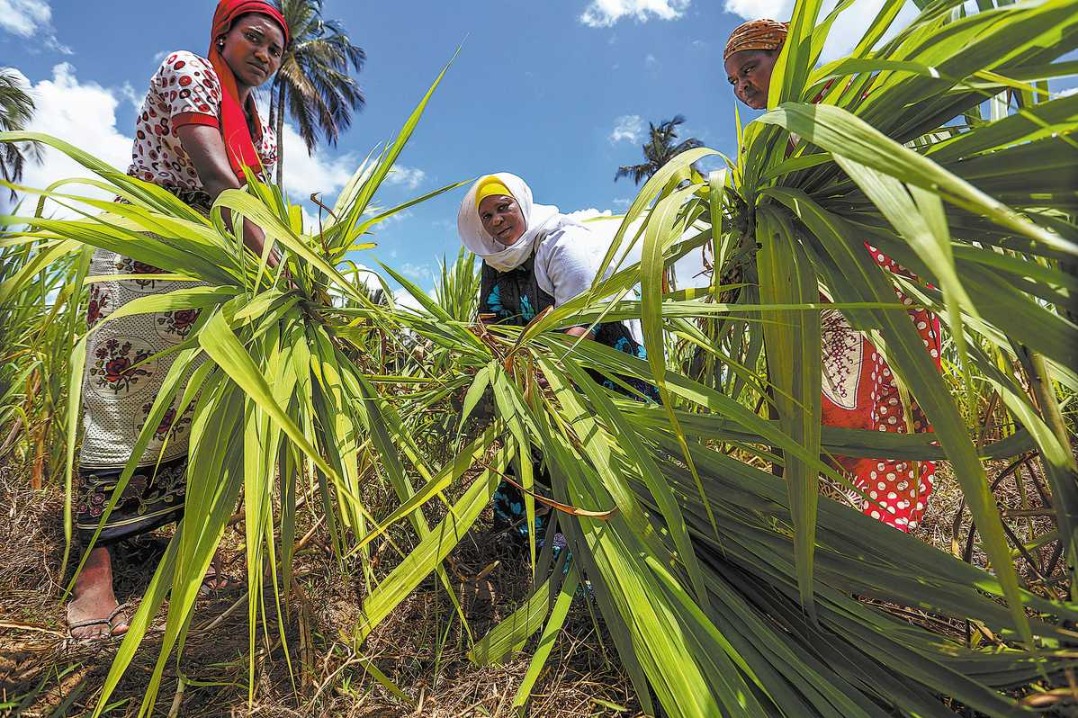
Juncao tech transforms many lives in Rwanda
In Rwanda, Juncao technology, a Chinese innovation, is revolutionizing agriculture and transforming lives. Suzanne Nikuze, a resident of Kigali’s Gasabo district, exemplifies this transformation. What began as a backyard experiment has blossomed into a thriving agribusiness that empowers local farmers, particularly women, and promotes sustainable practices. After receiving training at the China-Rwanda Agriculture Technology Demonstration Center in 2018, Nikuze established an enterprise to teach mushroom cultivation, a lucrative and eco-friendly venture in East Africa. Her initiative has trained over 400 young people, with 80% of her employees being women, fostering self-reliance and economic independence. Juncao, a specially cultivated grass used to grow edible and medicinal mushrooms, offers a sustainable alternative to traditional wood-based methods. This fast-growing, cost-effective, and nutrient-rich grass has not only boosted agricultural yields but also reduced deforestation pressures. Since its introduction in 2006 through a bilateral agreement under the Forum on China-Africa Cooperation, Juncao technology has expanded nationwide, benefiting over 40,000 Rwandan farmers. The Rwanda Agriculture and Animal Resources Development Board, in collaboration with Chinese experts, has introduced 12 mushroom species and established training programs, including initiatives for primary school students. Beyond agriculture, Juncao is being repurposed to produce green charcoal, an eco-friendly alternative to traditional firewood, further supporting Rwanda’s sustainability goals. This innovative technology is a testament to the power of international collaboration in addressing poverty, promoting environmental conservation, and empowering communities.
-
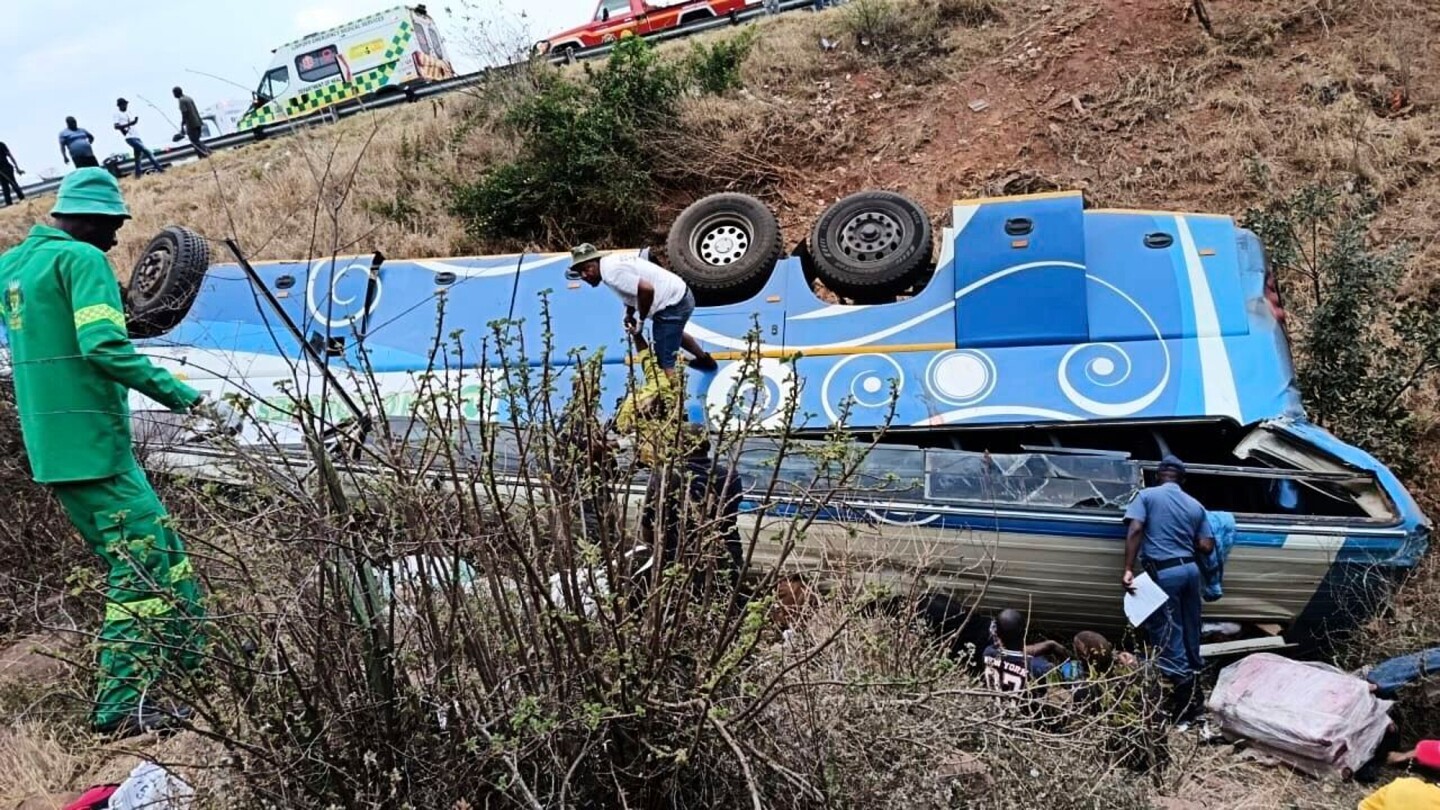
Bus crash in mountainous region of South Africa kills at least 42 people
A devastating bus accident in northern South Africa has resulted in the deaths of at least 42 people, with 49 others sustaining injuries, according to authorities. The incident occurred on Sunday evening around 6 p.m. on the N1 highway near Louis Trichardt, approximately 400 kilometers north of Pretoria. The bus, which was en route to Zimbabwe, veered off the road and plunged down a steep embankment. Among the victims were seven children, 17 men, and 18 women. Six individuals are in critical condition, while 31 others have serious injuries and have been transported to various hospitals. A critically injured child was airlifted for urgent medical care. Rescue operations continued late into the night, with images showing the blue bus overturned and rescuers working diligently to locate victims. The bus was carrying Zimbabwean and Malawian nationals returning to their home countries. The cause of the crash remains under investigation. South African President Cyril Ramaphosa expressed his condolences, noting the tragedy occurred during the country’s annual transport month, which emphasizes road safety. This incident follows a similar bus crash in Limpopo province last year, which claimed 45 lives. The AP Africa news team reported the details from Cape Town.
-

Boy, 11, shoots farm worker dead in tragic South Africa accident, police say
A tragic incident in Thabazimbi, Limpopo province, has once again highlighted the critical issue of firearm safety and parental responsibility in South Africa. An 11-year-old boy allegedly shot and killed a farm worker while attempting to hunt guinea fowls on a farm. According to police reports, the child ‘accidentally discharged’ the firearm, though the exact details of the incident remain under investigation. The boy’s 43-year-old father has been arrested and is expected to face charges of negligent handling of a firearm. Both are scheduled to appear in court on Monday. Upon arrival at the scene, police discovered the body of a man believed to be in his 30s lying on his side with a gunshot wound. He was pronounced dead at the scene. The firearm involved has been seized as evidence. Limpopo police chief Thembi Hadebe emphasized the importance of firearm safety, stating, ‘This heart-breaking incident serves as a reminder that firearms must be handled with the utmost care and stored securely at all times.’ Hadebe further stressed that parents and guardians must ensure children do not have access to firearms under any circumstances. The incident has deeply shocked the local farming community and sparked public concern about the risks of children accessing weapons in rural households. This tragedy follows another recent case in Eastern Cape province, where an eight-year-old boy fatally shot his seven-year-old cousin with his father’s firearm. The boy’s 48-year-old father was charged with failure to safeguard the weapon. These incidents underscore the urgent need for stricter firearm regulations and heightened awareness of child safety in South Africa.
-
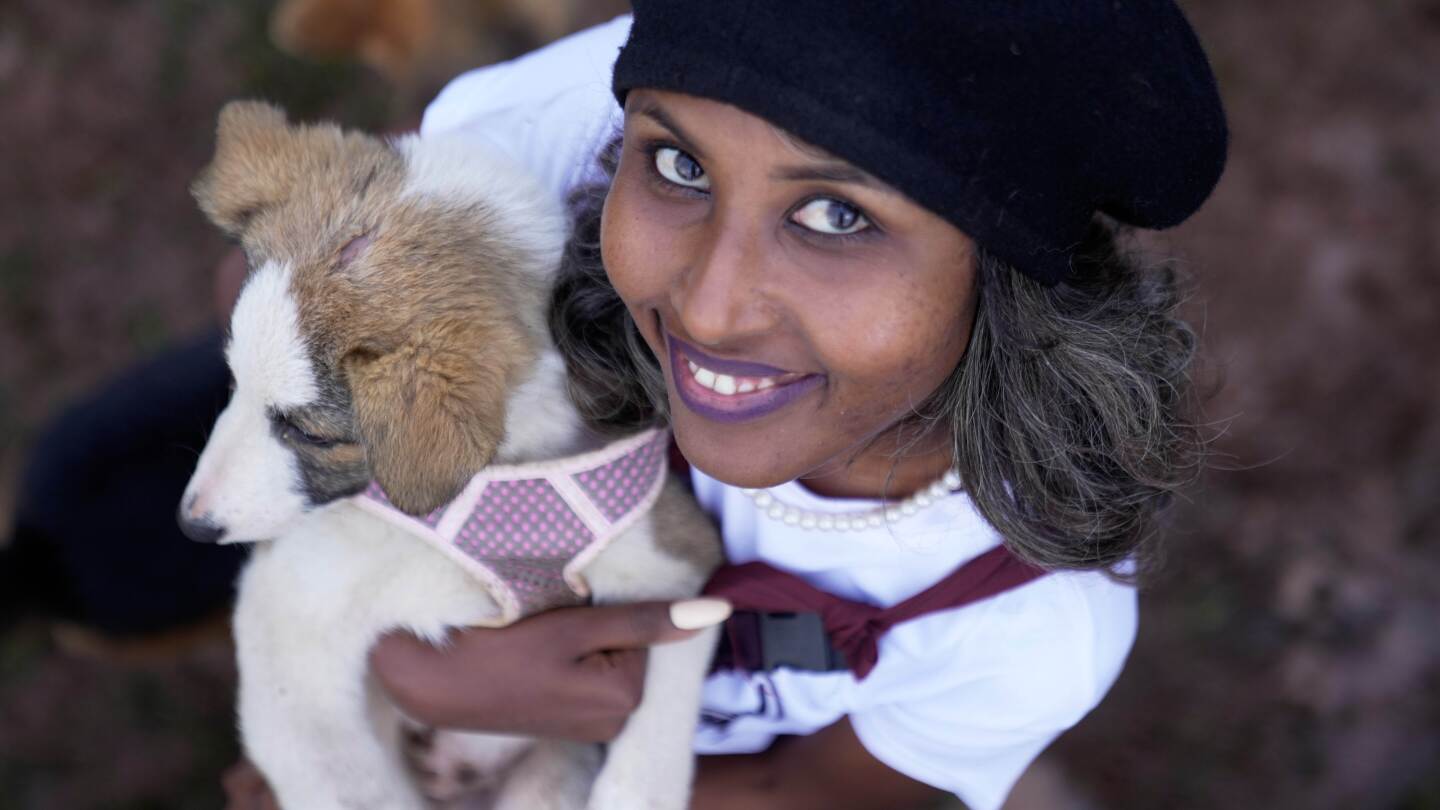
Abandoned dogs in Ethiopia’s capital get little care. A woman wants to change that
In the bustling streets of Addis Ababa, Ethiopia, the plight of stray dogs has found an unlikely champion in Feven Melese, a 29-year-old music graduate turned animal rights activist. Amid the cacophony of urban life, Melese’s soft whistle resonates as she tends to the city’s forgotten canines. Her modest shelter on the outskirts of the capital provides refuge for 40 dogs, while she feeds an additional 700 weekly. Over the past two years, Melese has successfully rehomed more than 300 dogs, challenging the traditional Ethiopian view of dogs as mere protectors rather than cherished companions. As Addis Ababa’s skyline transforms with new high-rises, the city’s estimated 200,000 stray dogs face dwindling spaces to roam. Many are abandoned by owners relocating to pet-restricted apartments, exacerbating the crisis. Authorities, grappling with rabies outbreaks, have faced backlash for poisoning strays ahead of major events. Melese’s shelter, though rudimentary, offers solace to injured dogs like Konjit, who wears a neck brace after surviving a road accident. Her childhood compassion for strays has blossomed into a lifelong mission, supported by fellow activists like Luna Solomon and Biruk Dejene. Together, they advocate for humane solutions, including mass vaccinations, sterilization programs, and adoption incentives. Despite limited resources, Melese remains steadfast in her efforts to reshape societal attitudes and secure a brighter future for Addis Ababa’s canine population.
-
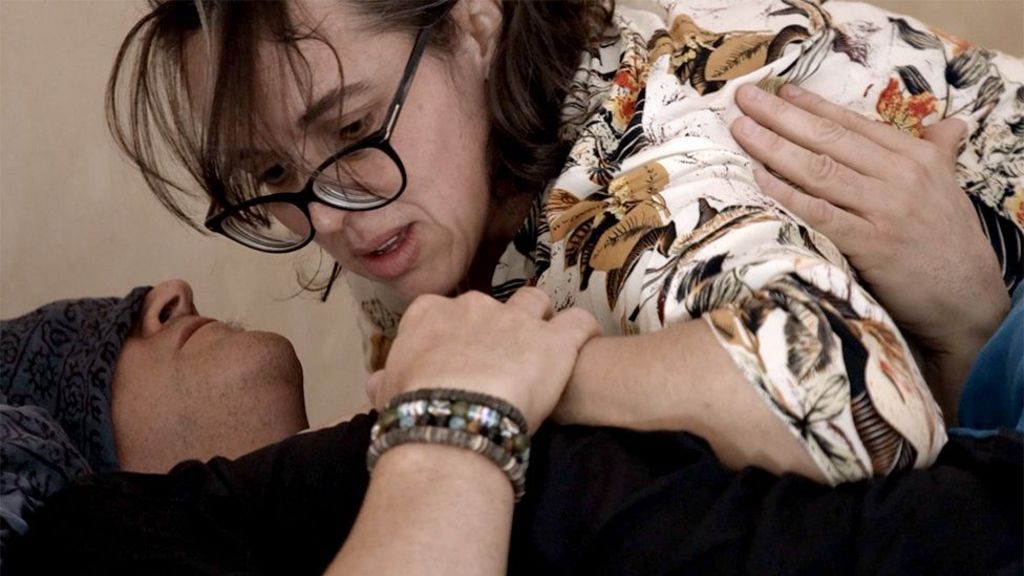
Shamans openly using psychedelic drugs for treatment in South Africa
In the lush outskirts of Cape Town, a clandestine yet burgeoning industry thrives despite stringent legal prohibitions. Psychedelic substances such as psilocybin and MDMA, though illegal in South Africa, are being openly utilized by self-proclaimed healers and shamans for therapeutic purposes. These practitioners, operating in a legal grey area, offer treatments that they claim can address a spectrum of mental health issues, from depression to PTSD.
-
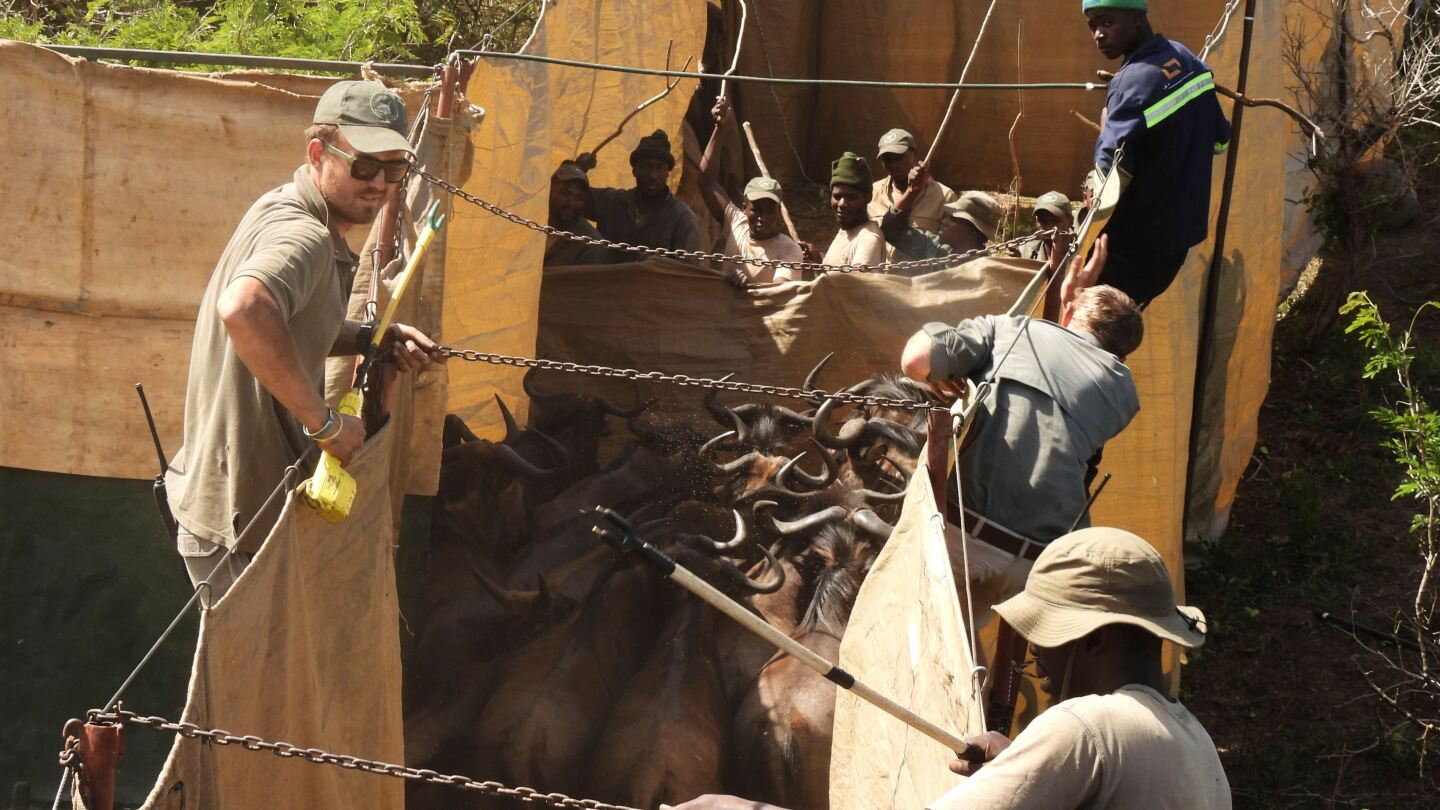
Reviving this African game reserve meant catching and transporting hundreds of wild animals
CAPE TOWN, South Africa — Once a thriving sanctuary for wildlife, Banhine National Park in Mozambique faced near devastation due to decades of civil war and rampant poaching. Now, a groundbreaking initiative is breathing new life into this historic reserve. In collaboration with the Mozambican government, private conservationists have successfully relocated nearly 400 animals, including zebras, wildebeests, and various antelope species, to Banhine. This effort marks a critical step in reviving the park, which is part of the Great Limpopo Transfrontier Park—a network of reserves spanning Mozambique, South Africa, and Zimbabwe that serves as a vital wildlife corridor. The relocated animals were sourced from Maputo National Park, a testament to the success of similar restoration efforts 15 years ago. The relocation process was a logistical feat, involving helicopters to herd the animals into funnel-shaped enclosures, followed by an 18-hour truck journey to Banhine. The operation spanned 12 days, with the animals initially introduced into an 8-square-mile sanctuary. This area will gradually expand as the animals acclimate and prepare to roam the larger park. Donald Sutton, head of operations and development at Banhine, emphasized the project’s significance in enhancing biodiversity and boosting tourism. Banhine’s restoration is part of a broader initiative by the Peace Parks Foundation, which has relocated over 18,000 animals to degraded conservation areas across southern Africa. Sutton expressed optimism, envisioning Banhine returning to its former glory as a thriving wildlife haven.
-
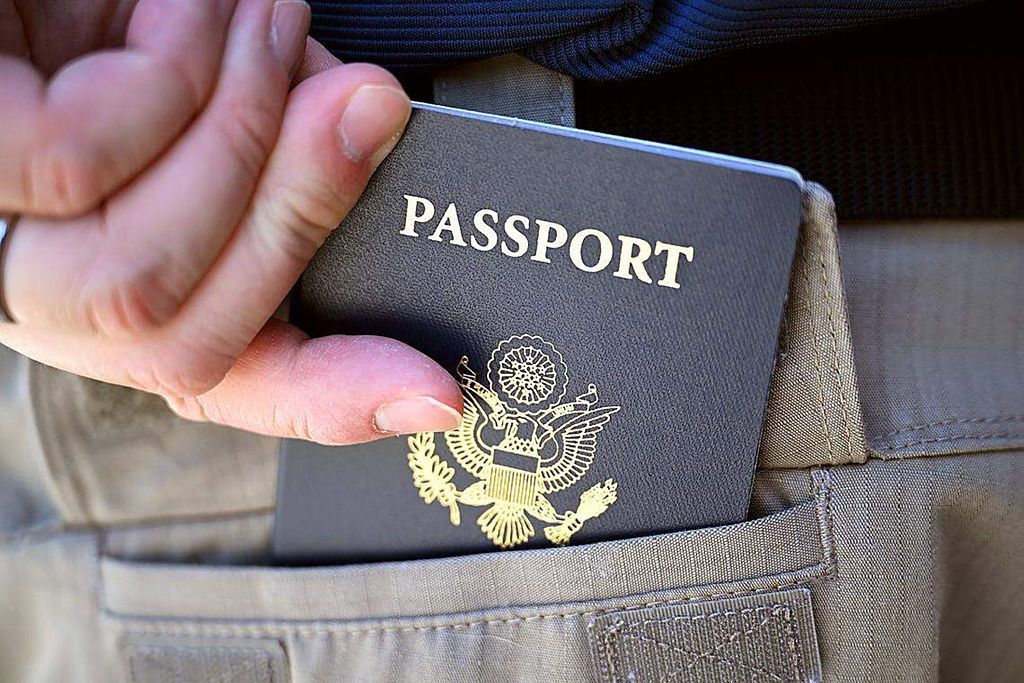
Mali imposes $10,000 visa bond on US visitors in tit-for-tat move
In a significant diplomatic escalation, Mali has announced that US nationals visiting the West African country will be required to post a bond of up to $10,000 for business and tourist visas. This decision comes as a direct response to similar visa requirements imposed by the Trump administration on Malian citizens. The US embassy in Mali stated that the fee was introduced to reinforce Washington’s ‘commitment to protecting America’s borders and safeguarding US national security.’ Mali’s foreign ministry, however, described the US move as unilateral and justified its decision to ‘establish an identical visa programme’ for US citizens. This visa policy shift occurs despite recent efforts to improve diplomatic relations between the two countries. In July, US officials visited Mali to discuss counterterrorism cooperation and economic partnerships, including potential access to Mali’s gold and lithium reserves. Relations between the two nations have been strained since a 2021 coup in Mali brought General Assimi Goïta to power. Goïta pivoted Mali towards Russia to combat a growing jihadist insurgency, expelling French troops and bringing in mercenaries from Russia’s Wagner group, which has since been replaced by Africa Corps. The situation further deteriorated last week when Burkina Faso’s military government refused to accept deportees from the US, leading Washington to suspend visa issuances in the West African nation. Burkina Faso’s foreign affairs minister, Karamoko Jean-Marie Traoré, questioned whether the embassy’s decision was ‘blackmail’ after rejecting a US proposal to take in migrants from third countries. The Trump administration has increasingly turned to African countries as destinations for deporting migrants as part of its broader crackdown on immigration.