
In a momentous achievement for Cape Verde, the nation’s football team has etched its name in history by securing a place in the 2026 FIFA World Cup. The Blue Sharks triumphed over Eswatini with a commanding 3-0 victory on home soil, ensuring they topped their qualifying group. This remarkable feat makes Cape Verde the second-smallest nation ever to qualify for the prestigious tournament. The win also edged out Cameroon, a formidable opponent, in the race for the coveted spot. Fans across the archipelago erupted in jubilation, celebrating this historic milestone that underscores the growing prowess of African football on the global stage. The team’s success not only brings pride to the nation but also highlights the potential of smaller nations to compete at the highest levels of international sport.
标签: Africa
非洲
-

ICE’s use of full-body restraints during deportations raises concerns over inhumane treatment
A Nigerian man, part of a federal lawsuit, recounted a harrowing experience of being forcibly deported by U.S. Immigration and Customs Enforcement (ICE) officers in September. He described being awoken in the middle of the night, shackled, and strapped into a full-body restraint device known as the WRAP. Despite not being from Ghana, he and others were flown there on a 16-hour flight, denied access to their attorneys, and subjected to what he likened to a kidnapping. The WRAP, often referred to as “the burrito” or “the bag,” has become a controversial tool in ICE’s deportation process, with detainees alleging its use as a form of intimidation and punishment. The Associated Press (AP) investigation revealed multiple instances of ICE deploying the WRAP, despite internal concerns raised by the Department of Homeland Security’s (DHS) civil rights division. The device, originally designed as a safety measure for law enforcement, has been linked to fatalities and is now the subject of numerous lawsuits. Detainees claim they were restrained in the WRAP for hours, even when they posed no threat, leading to physical and psychological trauma. ICE and DHS have defended the use of restraints as standard protocol to ensure safety during deportations, but advocates argue the practice is inhumane and violates human rights. The AP’s findings highlight a growing debate over the ethical and legal implications of ICE’s deportation methods, particularly under the Trump administration’s aggressive immigration policies.
-
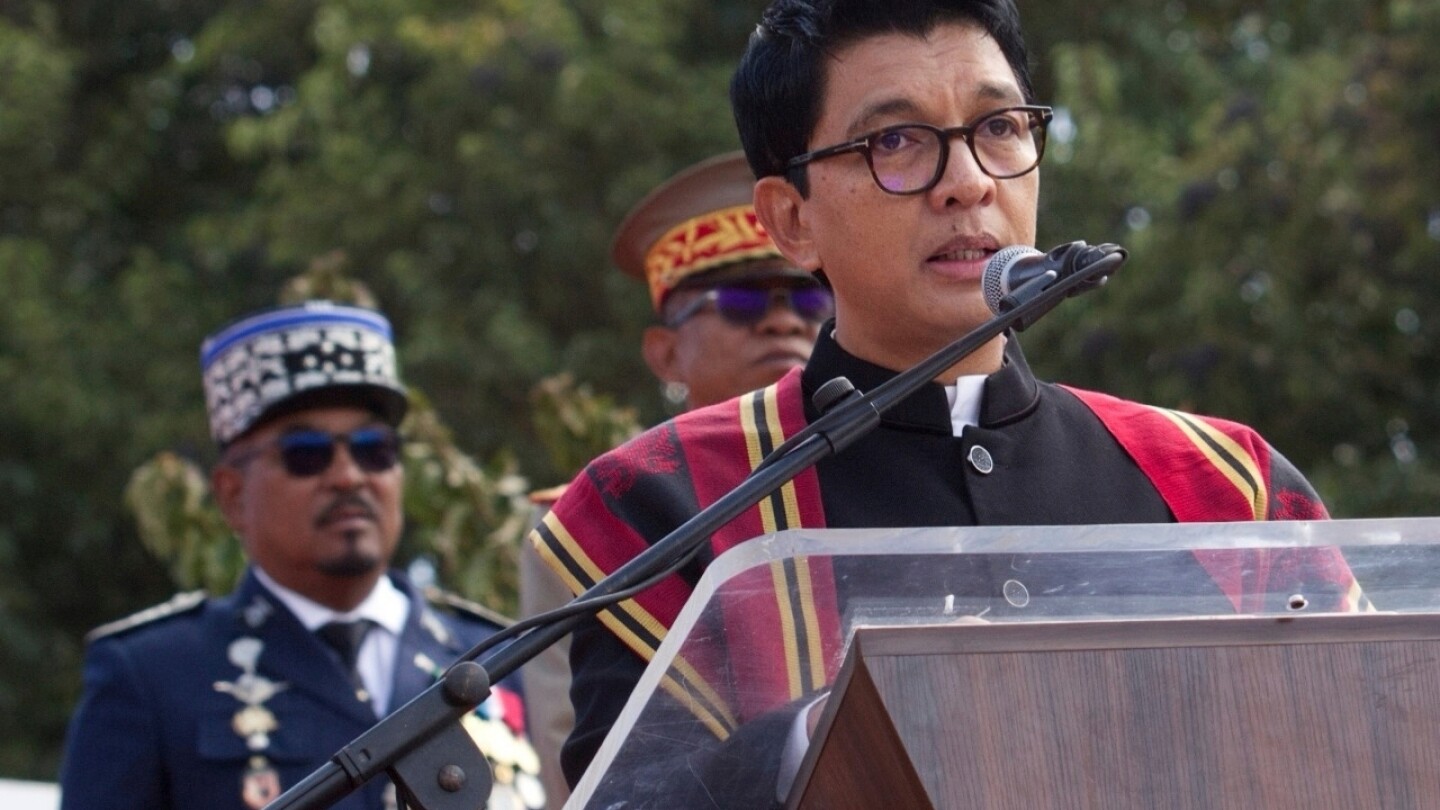
Madagascar’s president, hiding in an unknown location, dissolves parliament to deepen crisis
Madagascar is embroiled in a deepening political crisis as President Andry Rajoelina dissolved the National Assembly on Tuesday, a move that has escalated tensions in the Indian Ocean nation. The decision came amid a military rebellion and widespread anti-government protests, which forced Rajoelina to flee the country and seek refuge in an undisclosed location. In a statement released on the presidency’s Facebook page, Rajoelina declared the immediate dissolution of the lower house of parliament, effectively halting ongoing impeachment proceedings against him. The president’s abrupt departure followed an apparent coup attempt by an elite military unit, CAPSAT, which joined youth-led protests demanding his resignation. Rajoelina, in a late-night social media address on Monday, claimed he had relocated to a “safe place” due to fears for his life but did not disclose his whereabouts. This latest development marks the most severe political turmoil since 2009, when Rajoelina first assumed power following a military-backed coup. The current crisis stems from weeks of protests led by Gen Z groups, who have voiced grievances over chronic water and electricity shortages, widespread poverty, and alleged government corruption. Inspired by similar movements in Nepal and Sri Lanka, the protesters have called for systemic change. Rajoelina, who was reelected in 2023 amid an opposition boycott, has urged for dialogue and constitutional adherence, resisting calls for his resignation. Meanwhile, the military has undergone leadership changes, with new heads appointed for the armed forces and gendarmerie. The situation remains volatile as Madagascar grapples with its most significant political upheaval in over a decade.
-
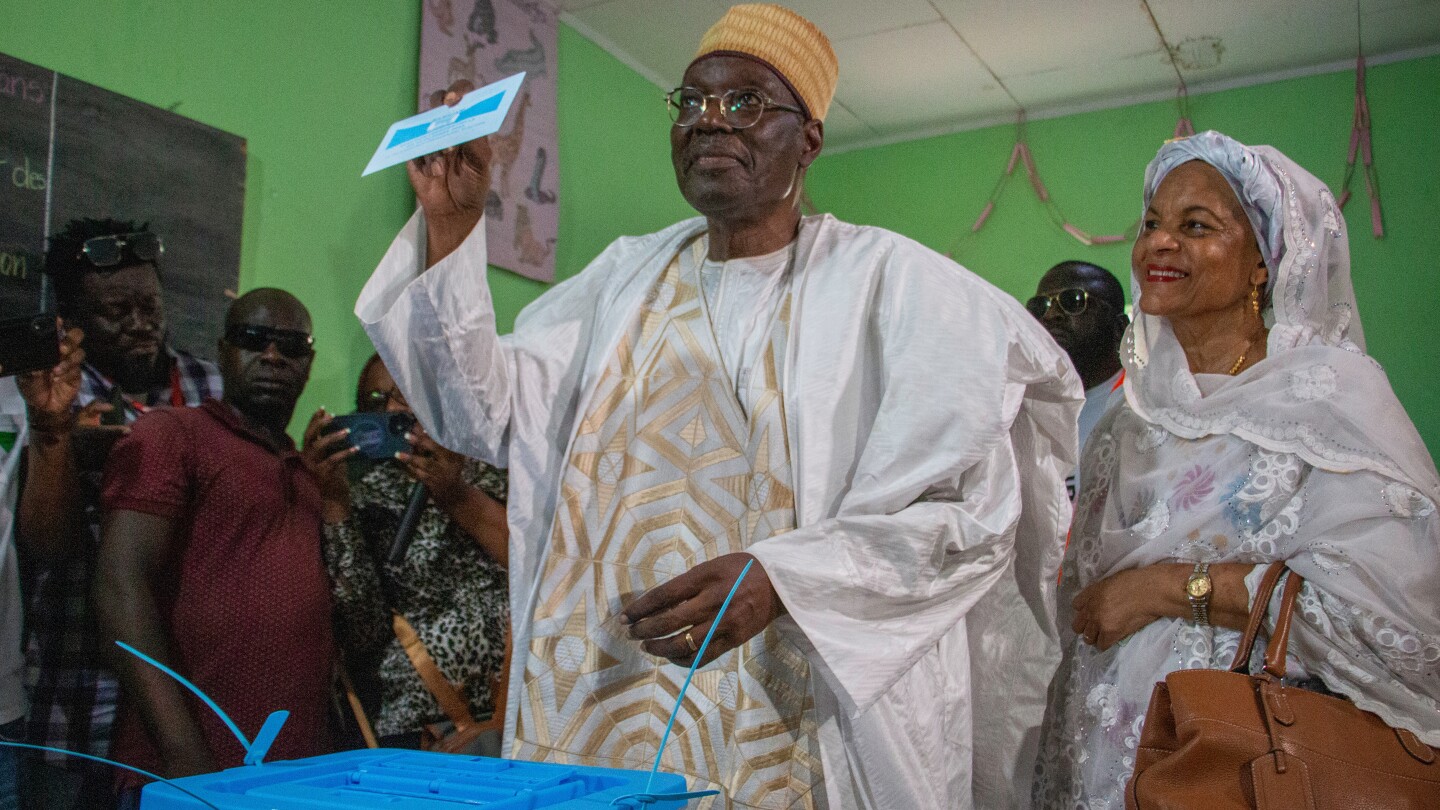
Cameroon opposition candidate Tchiroma claims victory in presidential election
In a dramatic turn of events, Cameroon’s opposition candidate Issa Tchiroma Bakary declared victory in the October 12 presidential election, challenging the long-standing rule of President Paul Biya, who has governed the nation for over four decades. Tchiroma, in a video statement on Facebook, asserted, ‘Our victory is clear, it must be respected,’ urging Biya to ‘accept the truth of the ballot box’ or risk plunging the country into chaos. However, neither Elections Cameroon, the independent body overseeing the poll, nor the constitutional court has released official results, which are expected by October 26 at the latest. Biya’s Cameroon People’s Democratic Movement (CPDM) swiftly dismissed Tchiroma’s claim, with Deputy Secretary-General Gregoire Owona stating that the opposition candidate lacks verified polling station results. Tchiroma pledged to share a detailed regional vote report in the coming days, while Minister of Territorial Administration Paul Atanga Nji warned that unauthorized result announcements would be considered ‘high treason.’ Tchiroma, a former government spokesperson and minister under Biya, garnered significant support from opposition parties and civic groups during his campaign. Analysts, however, predict a Biya victory, citing a divided opposition and the disqualification of his strongest rival in August. Biya, the world’s oldest president at 92, has ruled since 1982, facing challenges such as a deadly secessionist movement in the west and systemic corruption. Approximately 8 million voters participated in the single-round election, which awards the presidency to the candidate with the most votes. The 2018 election, marked by irregularities and low turnout, saw Biya secure over 70% of the vote, while opposition leader Maurice Kamto’s premature victory claim led to his arrest and widespread protests.
-
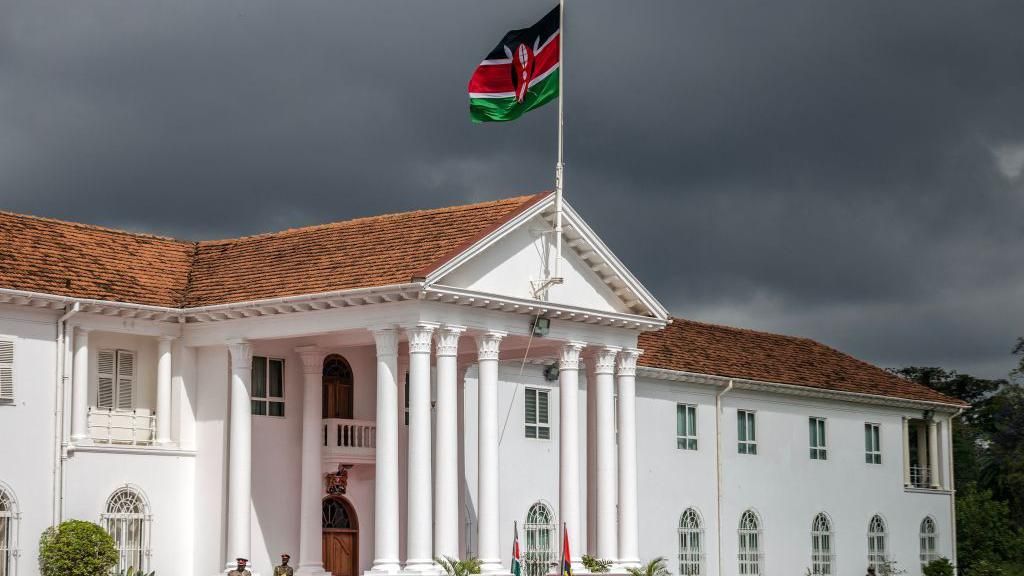
Kenyan officer killed in bow-and-arrow attack at gate of president’s residence
A tragic incident unfolded at the heavily guarded State House in Nairobi, Kenya, when a police officer lost his life after being shot with an arrow by an assailant. The attack occurred on Monday morning as a 56-year-old man, armed with a bow and arrows, approached the gates of the presidential residence. Despite orders to surrender, the man advanced and fatally shot PC Ramadhan Matanka in the ribs. The officer was rushed to the hospital but succumbed to his injuries during treatment. This shocking event has sparked concerns over potential security vulnerabilities at one of Kenya’s most secure locations. The assailant, who reportedly disguised himself as a homeless person carrying a sack that concealed his weapons, was swiftly apprehended. Video footage later showed the handcuffed suspect with visible injuries being transported to a hospital. Police spokesperson Muchiri Nyaga condemned the attack, praising the officers’ quick response and extending condolences to PC Matanka’s family. An investigation is underway to determine the motive behind the assault, and the suspect is expected to appear in court soon.
-
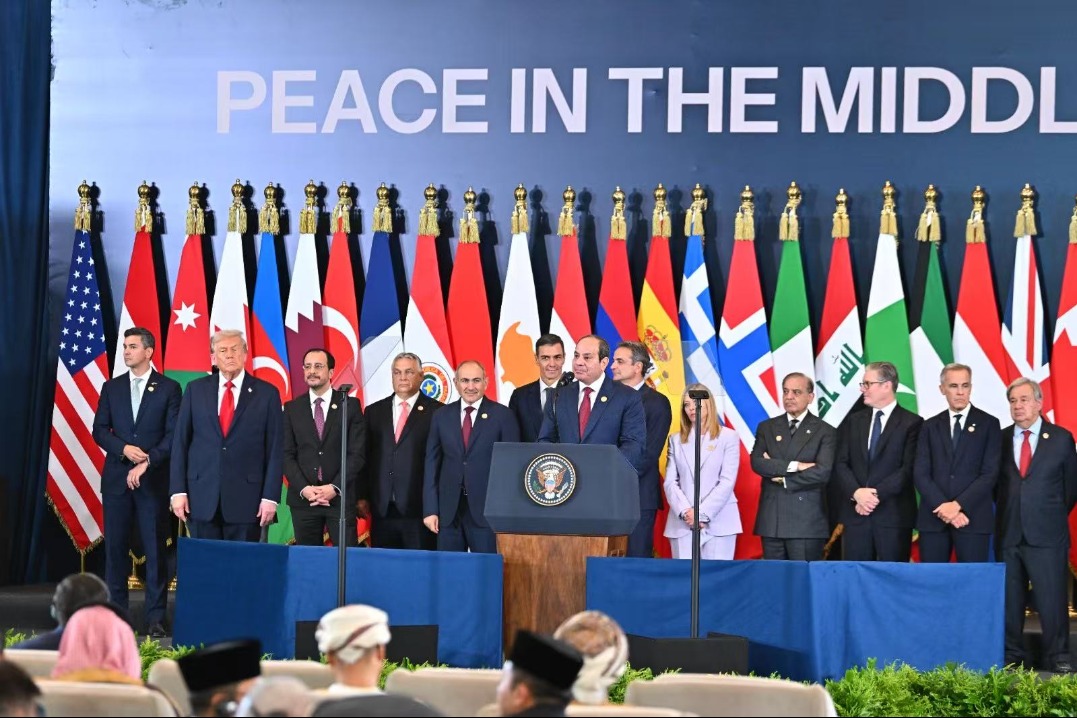
Gaza ceasefire deal signed in Egypt’s Sharm el-Sheikh
A landmark ceasefire agreement between Israel and Hamas was formally signed during a high-profile summit in Sharm el-Sheikh, Egypt, on October 13, 2025. The event, co-chaired by Egyptian President Abdel Fattah al-Sisi and U.S. President Donald Trump, brought together leaders from over 20 countries and representatives from regional and international organizations. The summit aimed to address the cessation of hostilities in the Gaza Strip, promote Middle Eastern peace and stability, and lay the groundwork for a new era of regional security. The ceasefire, which took effect on October 10, 2025, followed three days of intense negotiations mediated by Egypt, Qatar, Türkiye, and the United States. The agreement’s initial phase includes the withdrawal of Israeli troops from key areas such as Gaza City, Rafah, and Khan Younis, the opening of five humanitarian aid crossings, and the exchange of hostages and prisoners. Hamas confirmed the release of all 20 remaining hostages captured during the October 7, 2023, attack on southern Israel, while Israel began freeing nearly 2,000 Palestinian detainees. The prolonged conflict has left Gaza in ruins, with over 67,000 fatalities and widespread famine, according to Gaza’s health authorities and UN-backed experts. The summit marks a critical step toward ending the devastating war and fostering long-term peace in the region.
-
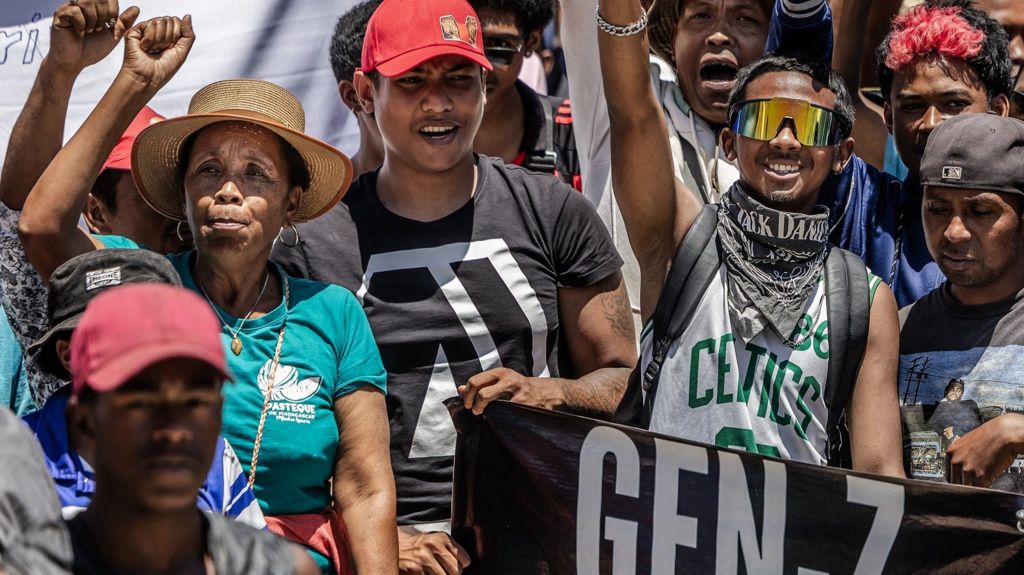
Soldiers threaten to seize state TV in Madagascar, presidency says, amid warnings of coup attempt
Madagascar is embroiled in a deepening political crisis as soldiers have threatened to seize the state TV headquarters, coinciding with President Andry Rajoelina’s delayed national address. Unconfirmed reports suggest Rajoelina has fled the country, with a French military aircraft allegedly transporting him from the Indian Ocean island to an undisclosed location. This follows two weeks of nationwide protests led by young activists, dubbed ‘Gen Z Mada,’ demanding his ouster. Despite sacking his entire government and offering concessions, Rajoelina failed to quell the unrest. Over the weekend, CAPSAT, a powerful army unit instrumental in Rajoelina’s 2009 rise to power, declared itself in command of all armed forces, with some officers joining protesters in the capital, Antananarivo. The newly appointed Chief of Army Staff, General Demosthene Pikulas, assured the public of efforts to maintain order. Meanwhile, opposition parties, including the TIM party, are preparing impeachment proceedings against Rajoelina for ‘abandonment of post.’ Several of his close associates have fled to Mauritius. The protests, initially sparked by water and power shortages, have escalated into broader discontent over unemployment, corruption, and the cost-of-living crisis. Tragically, at least 22 people have died, and over 100 have been injured, with reports of security forces using live ammunition and tear gas. Madagascar, one of the world’s poorest nations despite its natural resources, has a history of political upheaval, including the 2009 protests that brought Rajoelina to power. His tenure, marked by allegations of cronyism and corruption, now faces its most significant challenge yet.
-

South Africa survive scare to beat Bangladesh
In a nail-biting encounter at the ICC Women’s World Cup in Visakhapatnam, South Africa emerged victorious by three wickets against Bangladesh, showcasing resilience and determination. Chasing a target of 233, the Proteas faced early adversity, collapsing to 78-5. However, half-centuries from Chloe Tryon (62 off 69) and Marizanne Kapp (56 off 71) steadied the ship. Nadine de Klerk, fresh from her heroics against India, played a pivotal role, remaining unbeaten on 37 off 29 balls, including a match-winning six with three balls to spare. Bangladesh, despite a competitive total bolstered by Shorna Akter’s rapid 51 off 34 balls, were left to rue missed opportunities, including crucial dropped catches. South Africa’s third consecutive win highlights their fighting spirit, while Bangladesh must regroup from this heart-wrenching defeat.
-
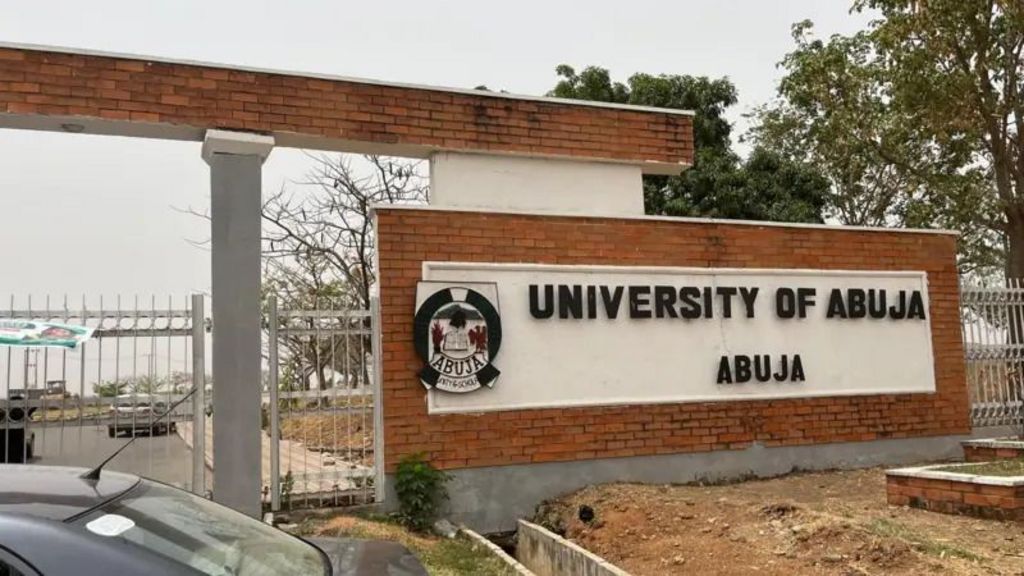
Teaching halted as Nigerian lecturers go on strike
Lecturers at Nigeria’s public universities have initiated a two-week strike, citing unresolved issues over pay and funding. The industrial action, announced by Professor Chris Piwuna, leader of the Academic Staff Union of Universities (ASUU), was described as ‘inevitable’ due to what he termed as government failures. The strike commenced shortly after universities reopened for the new academic year, raising concerns about potential disruptions to the academic calendar. The Nigerian government has urged lecturers to reconsider their decision, emphasizing the importance of constructive dialogue to resolve the crisis. It also warned that striking lecturers may not receive payment under the country’s ‘No Work, No Pay’ labor law. In a statement, the government claimed to have presented a comprehensive offer addressing key concerns such as working conditions, institutional governance, and staff welfare, but is still awaiting ASUU’s official response. This strike is part of a long-standing pattern of industrial actions by Nigerian university lecturers, who have repeatedly clashed with successive governments over issues of funding, salaries, and welfare. Historical agreements from 1992, 2009, and 2013 have often been unfulfilled, leading to repeated strikes. The most recent major strike in 2022 lasted eight months, severely disrupting the academic calendar and affecting millions of students nationwide. Observers argue that these recurring strikes highlight deeper structural challenges in Nigeria’s higher education sector, including chronic underfunding, politicized management, and a persistent lack of trust between the government and university unions.
-
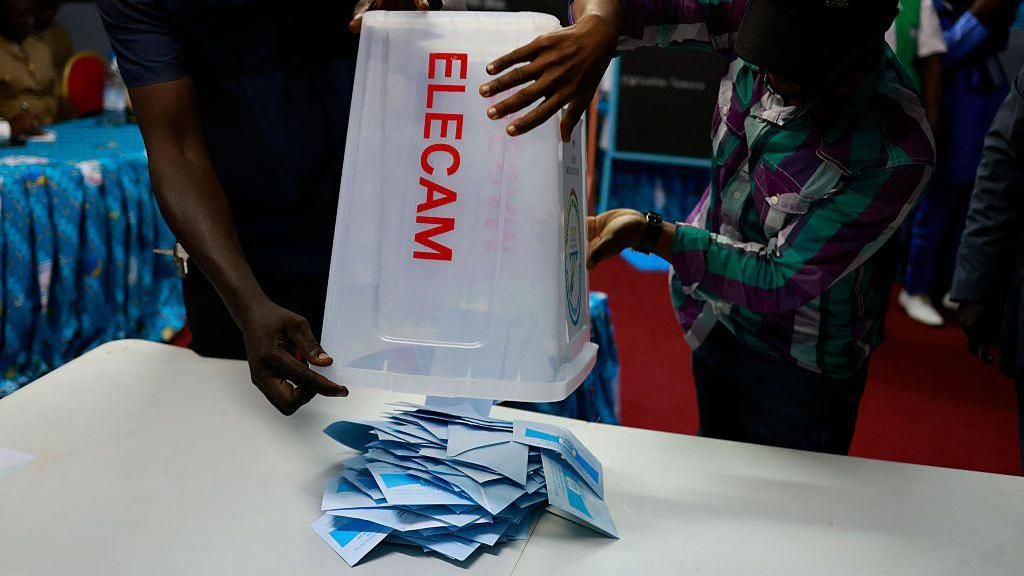
Cameroon awaits presidential election result
Cameroon’s presidential election concluded on Sunday, with vote counting now underway as incumbent President Paul Biya aims to extend his 43-year rule. At 92, Biya, the world’s oldest head of state, faces competition from nine candidates. A victory would secure his eighth consecutive term, with the next election scheduled for 2032. Interior Minister Paul Atanga Nji reported that voting proceeded smoothly nationwide, though calls for a boycott in the English-speaking western regions and reports of clashes in the north marred the process. Final results are expected within 15 days. The election was preceded by opposition complaints of suppression tactics, including the disqualification of Maurice Kamto, Biya’s primary challenger, by the Constitutional Council in August. On election day, tensions escalated in Garoua, the stronghold of opposition candidate Issa Tchiroma Bakary, where supporters clashed with security forces. Tchiroma, a former Biya ally, claimed he faced threats but vowed to remain steadfast. Despite these incidents, Nji emphasized that the polls were largely peaceful across all 10 regions. However, he warned against premature election result announcements, labeling such actions as illegal. In the Anglophone regions, separatist attempts to deter voting were partially successful, with many residents abstaining due to fear of reprisals. As Cameroon awaits the outcome, the question remains: will the world’s oldest leader secure another term?