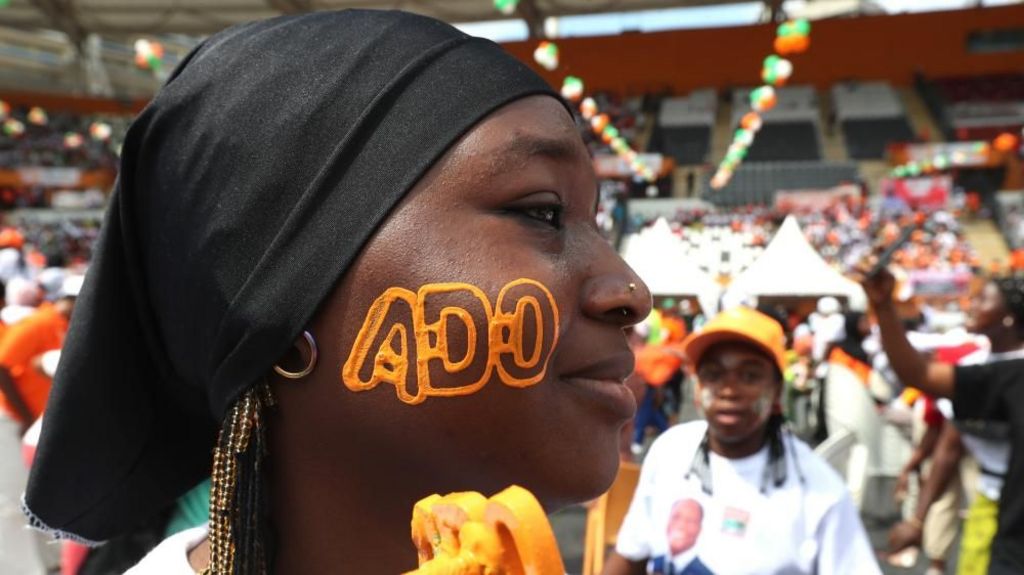
The upcoming presidential election in Ivory Coast, scheduled for Saturday, is set against a backdrop of vibrant campaign rallies, yet the festive atmosphere masks deep-seated political tensions in the world’s largest cocoa producer. Incumbent President Alassane Ouattara, affectionately known as ‘Ado’ by his supporters, is seeking a controversial fourth term, a move that has sparked significant backlash despite being constitutionally permissible. Ouattara, credited with steering the nation towards economic growth following a brutal civil war, now faces criticism from those who view his candidacy as a threat to democratic principles. The political landscape is further complicated by the disqualification of prominent opposition figures, including Tidjane Thiam and former President Laurent Gbagbo, whose refusal to accept defeat in the 2010 election triggered a violent conflict that left over 3,000 dead. Ouattara’s challengers include Simone Gbagbo, Laurent Gbagbo’s former wife and a prominent opposition leader, Jean-Louis Billon, a wealthy businessman, Henriette Lagou Adjoua, a women’s rights advocate, and Ahoua Don Mello, a former ally of Gbagbo. Each candidate brings a unique vision for the country, with Billon focusing on economic modernization and generational change, while Simone Gbagbo emphasizes education and youth opportunities. Despite the economic progress under Ouattara, many Ivorians feel left behind, with rising living costs and unemployment fueling discontent. The election is also marked by regional loyalties, with Ouattara enjoying strong support in the north, Simone Gbagbo drawing backing from the west and southwest, and Billon appealing to urban voters. The campaign has not been without controversy, with recent protests met with a swift government crackdown, raising concerns about potential post-election unrest. As the nation prepares to vote, the question remains whether Ivory Coast will choose continuity with Ouattara or opt for a new direction with one of his challengers.
标签: Africa
非洲
-
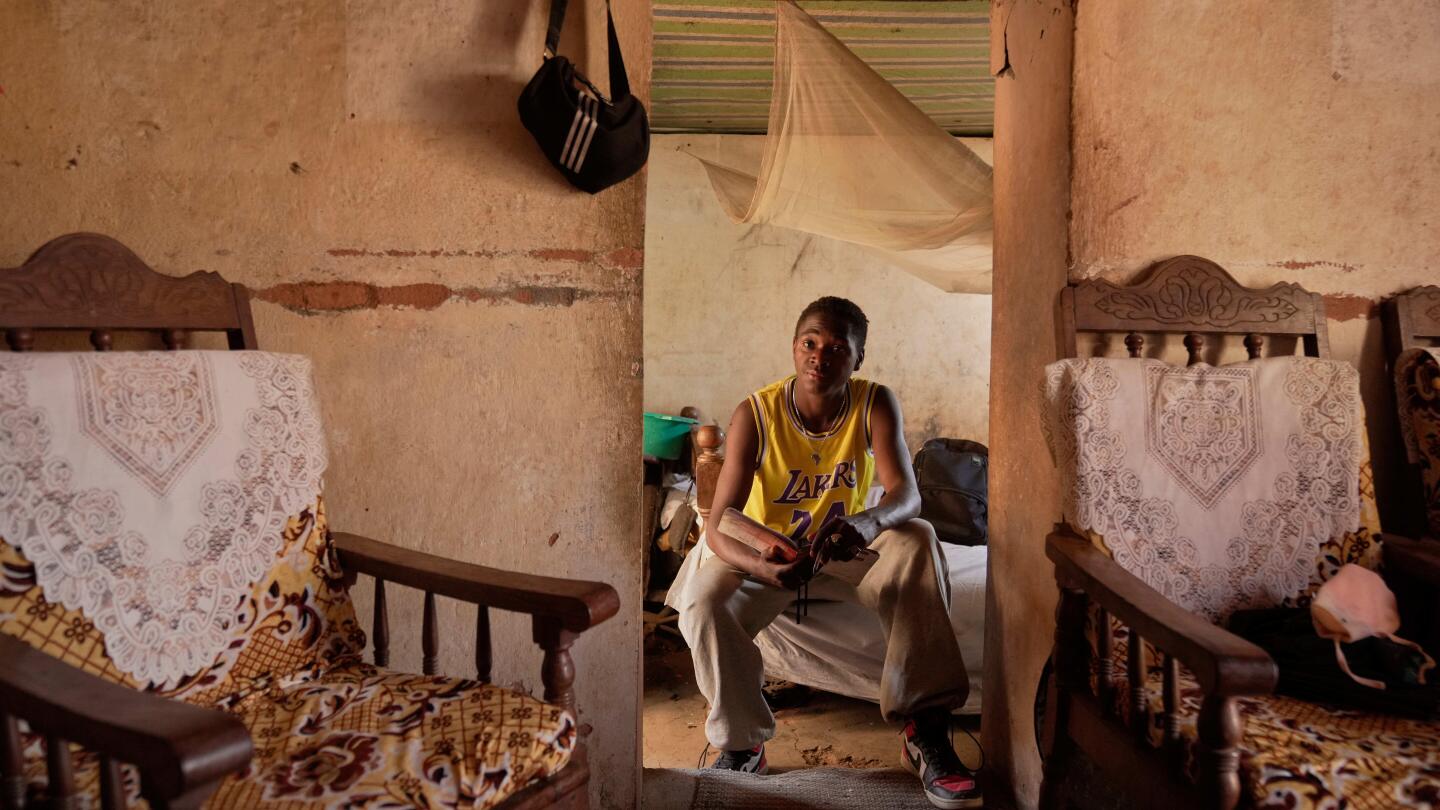
Youth who led Madagascar protests hope coup leader will continue to hear them as president
In the wake of Madagascar’s recent military coup, led by Colonel Michael Randrianirina, the young protesters who fueled the uprising are yet to see tangible improvements in their daily lives. Donah Falia, a 20-year-old accounting student, continues to endure long waits for water and faces a bleak job market, reflecting the persistent challenges in the capital, Antananarivo. Despite the overthrow of democratically elected President Andry Rajoelina, the youth remain skeptical about the new regime’s ability to address their grievances. Randrianirina’s rise to power follows a familiar pattern in Madagascar’s post-colonial history, echoing similar military takeovers across Africa in recent years. While many celebrated the end of Rajoelina’s rule, the protesters’ demands for better living conditions, employment, and utility access remain unmet. The coup, which began with mass protests in September, saw security forces crack down harshly, resulting in casualties. Randrianirina’s CAPSAT unit eventually sided with the demonstrators, forcing Rajoelina to flee. The youth, inspired by global Gen Z movements, rallied around symbols of change but now face uncertainty about the new government’s commitment to their cause. Experts warn that military regimes often fail to address systemic issues like corruption and poverty, raising doubts about Randrianirina’s long-term effectiveness. The youth, however, remain vigilant, vowing to hold the new government accountable if their demands are ignored.
-
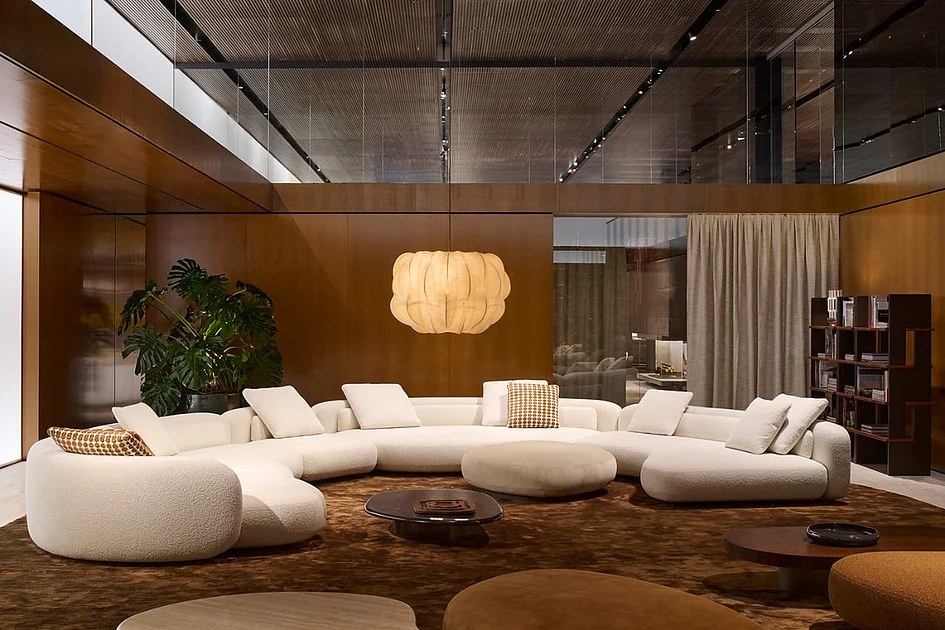
UAE furniture market embraces sustainability, smart design, and Italian craftsmanship
The UAE furniture market is experiencing a significant evolution in 2025, shaped by urbanization, shifting consumer tastes, and a growing demand for sustainable luxury. Valued at $3.7 billion in 2024, the market is expected to grow to $5.4 billion by 2033, with a compound annual growth rate (CAGR) of 4.18%. This expansion is driven by rising disposable incomes, a thriving real estate sector, and the UAE’s strategic role as a global design hub. Dubai is at the forefront of this transformation, embracing eco-friendly materials, modular furniture, and smart home technologies. Consumers are increasingly prioritizing pieces that merge aesthetics with environmental responsibility, such as reclaimed wood, organic textiles, and tech-integrated furniture. Amid this growth, Minotti Dubai has introduced its latest collection, strengthening the city’s ties with Italian design. The collection, showcased at Salone del Mobile Milano 2025, features works by renowned designers like Marcio Kogan, Giampiero Tagliaferri, and Nendo. Highlights include the Coupé and Libra seating families, the Riley sofa system, and the modular Bézier, all blending heritage craftsmanship with modern innovation. Renato Minotti, Co-CEO of the brand, noted that Dubai has become a global architecture laboratory, where design bridges tradition and innovation.
-
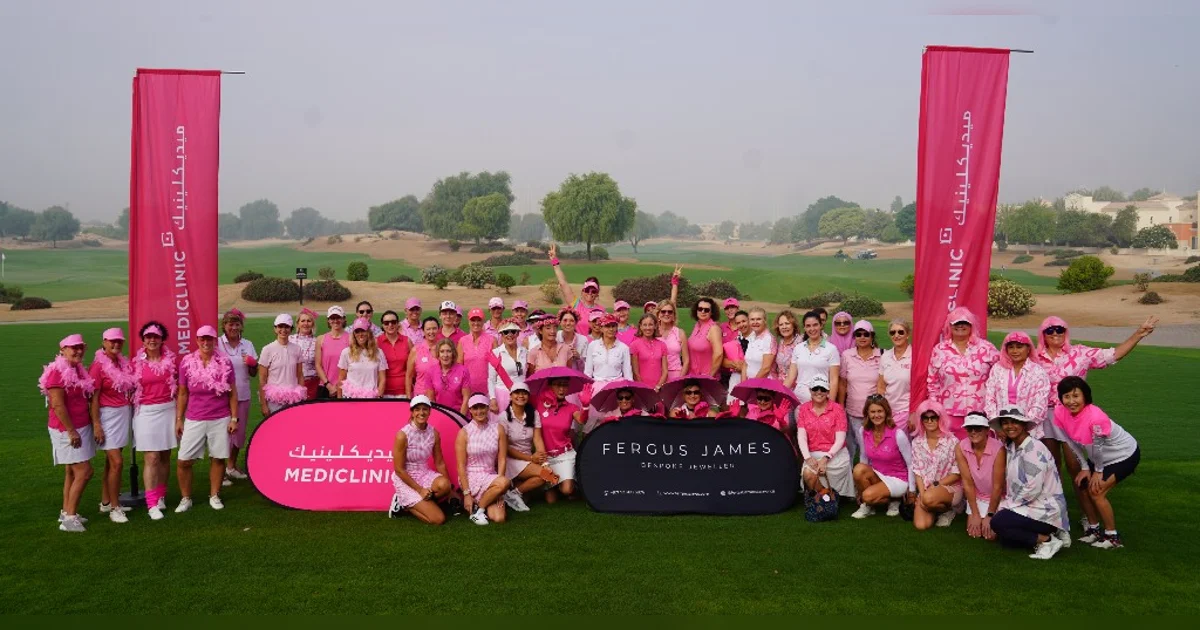
Dubai Golf Clubs rally for breast cancer awareness with Mediclinic support
Throughout October, Dubai’s golfing community has been actively participating in Breast Cancer Awareness Month, with numerous clubs hosting charity tournaments and educational events. Supported by Mediclinic Middle East, these initiatives aim to promote early detection and preventive health screenings. Venues such as Al Zorah Golf & Yacht Club, Arabian Ranches Golf Club, and Trump International Golf Club Dubai have been key participants in this month-long campaign. Dr. Sara Alom Ruiz, Chief Commercial Officer at Mediclinic Middle East, highlighted the collaboration’s success in reaching wider audiences through community sports. The focus of these events is on education rather than competition, with post-tournament presentations by Mediclinic doctors covering topics like breast cancer symptoms, self-check techniques, and the importance of annual screenings. The initiative has also expanded to include men’s health, particularly prostate cancer awareness, in anticipation of Movember. Dr. Shaheenah Dawood, Consultant Medical Oncologist at Mediclinic, emphasized the critical role of preventive screenings in empowering individuals to take control of their health. She noted that busy lifestyles in Dubai often lead to delayed medical appointments, underscoring the need for awareness campaigns. Dr. Sara added that Dubai’s evolving demographics, including a growing number of retirees, make community education more vital than ever. Mediclinic’s long-standing ties to the UAE’s golf scene, including partnerships with major tournaments, further strengthen this health awareness campaign. This October, the pink ribbon initiative has demonstrated how sports can effectively raise health awareness and encourage preventive action across the UAE.
-
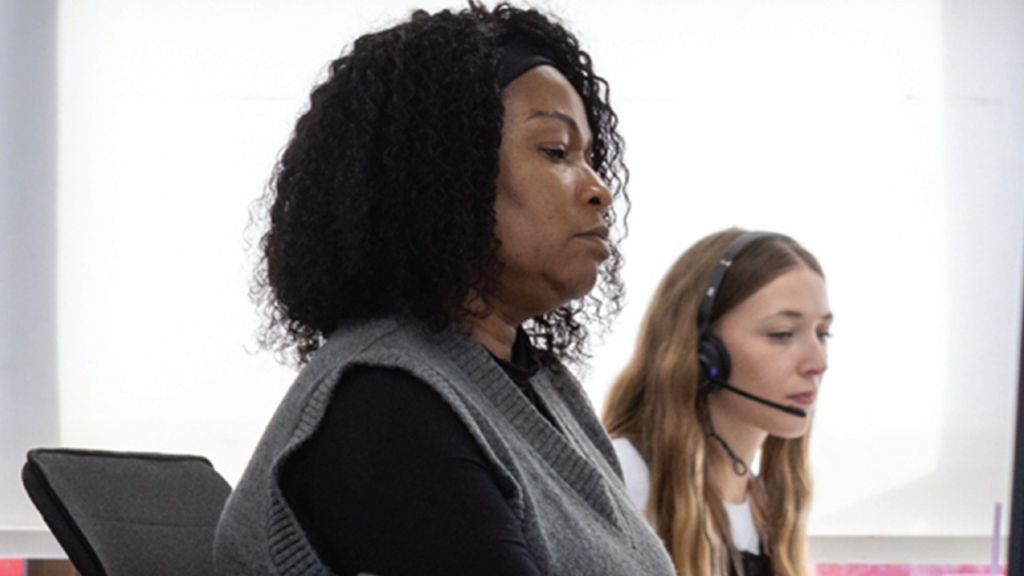
How the outsourcing sector became South Africa’s newest goldmine
South Africa’s outsourcing industry, encompassing accountancy support, call centers, and IT services, is experiencing robust growth, providing a lifeline in a country grappling with a 33% unemployment rate. The sector, which now contributes 35 billion rand ($2 billion) annually to the economy, has become a beacon of opportunity for many South Africans, including Esethu Dywili, a 31-year-old accountant whose career in outsourced financial services has enabled him to build a new home for his family in the Eastern Cape province.
-
Dubizzle Group postpones IPO to assess ideal time for future offering
Dubizzle Group, the leading digital classifieds marketplace in the Middle East and North Africa (MENA), has announced the postponement of its planned initial public offering (IPO) on the Dubai Financial Market. The decision, revealed on Wednesday, October 22, 2025, aims to evaluate the most favorable timing for the offering in the future. Despite the delay, the company emphasized strong investor engagement and interest, underscoring its market leadership, profitability, and growth potential across the UAE and Saudi Arabia.
Since its initial announcement to float, Dubizzle Group has garnered significant attention from investors, reflecting confidence in its strategic direction. The company remains committed to expanding its highly profitable UAE operations and increasing its presence in Saudi Arabia. In a statement, Dubizzle Group reiterated its focus on executing its growth strategy while maintaining disciplined cost management and scalable infrastructure.
Originally, the IPO was set to offer approximately 30.34% of the company’s total issued share capital, equivalent to 1,249,526,391 shares. This included 196,114,887 new shares issued by the company and 1,053,411,504 existing shares from selling shareholders. The paid-up share capital post-offering was projected at Dh82.368 million, divided into 4,118,412,630 shares with a nominal value of Dh0.02 each.
The UAE remains Dubizzle Group’s core market, generating $105 million in adjusted revenue during the first half of 2025, accounting for 89% of its total adjusted revenue. The region also delivered $48 million in adjusted EBITDA, up from $25 million in H1 2024, and $43 million in adjusted net profit, a significant increase from $21 million in the same period last year. CEO Imran Ali Khan highlighted the company’s exceptional profitability, with nearly 50% profit margins and 85% cash flow conversion, attributing these results to its asset-light business model and efficient growth strategies.
Dubizzle Group’s decision to delay the IPO reflects a cautious yet strategic approach to maximize shareholder value and capitalize on favorable market conditions in the future.
-
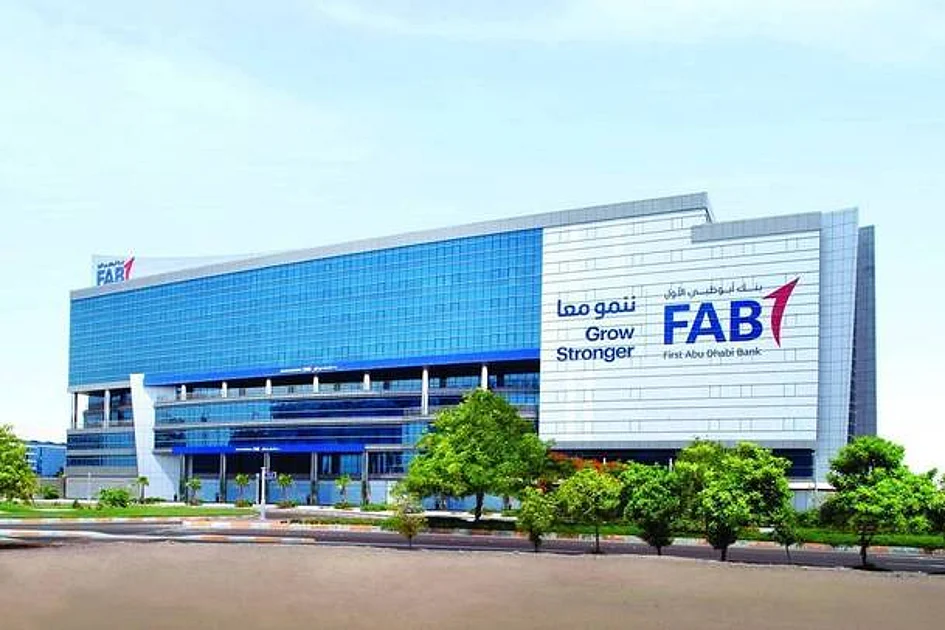
First Abu Dhabi Bank profit surges 24% to Dh16b as AI powers record 9-month growth
First Abu Dhabi Bank (FAB) has announced unprecedented financial results for the first nine months of 2025, with a 24% surge in net profit to Dh16.02 billion. This marks the highest earnings ever recorded by the bank for this period. The third quarter alone saw a 21% increase in net profit, reaching Dh5.39 billion. Loans and advances grew by 13% year-to-date to Dh596 billion, while customer deposits rose 8% to Dh848 billion. Total assets climbed 14% to Dh1.38 trillion, with capital and liquidity ratios comfortably exceeding regulatory requirements.
The bank’s robust performance is attributed to broad-based growth across all divisions, driven by strong client activity, diversified revenue streams, and significant productivity gains from its AI-driven transformation strategy. Operating income increased by 16% to Dh27.65 billion, supported by sustained business momentum. Net interest income rose 2% to Dh14.96 billion, while non-interest income surged 37% to Dh12.7 billion, accounting for nearly half of total revenue.
Group CEO Hana Al Rostamani emphasized the success of FAB’s diversification strategy and its growing international presence. The bank is expanding its footprint in Europe, Turkey, and Nigeria, with plans to open a new branch in India. Al Rostamani highlighted the transformative impact of AI integration across operations, which has enhanced agility and efficiency. “By embedding intelligent technologies across the Group, we are redefining how we serve clients and driving long-term value creation,” she said.
Group CFO Lars Kramer noted the bank’s resilient margins and double-digit revenue growth across all divisions, supported by a strong balance sheet. FAB’s commitment to sustainable finance was also underscored, with the issuance of its inaugural Blue Bond and Low Carbon Energy Bond. International operations contributed 17% of Group revenue, with loans and deposits from overseas markets rising 23% and 18%, respectively.
FAB continues to lead in AI-enabled transformation, deploying 18 live AI agents across functions such as trade operations, customer service, and finance analytics. These systems have doubled processing capacity and reduced turnaround times by up to 50%, solidifying FAB’s position as a pioneer in technology-driven banking excellence. Analysts predict strong momentum for FAB as it enters the final quarter of 2025, with high confidence in sustaining its growth trajectory into 2026 and beyond.
-
Mobile Developers Week brings together Samsung and Android innovators
The Mobile Developers Week, scheduled for December 13-15, 2025, in Abu Dhabi, is set to become a landmark event for Android developers, innovators, and industry leaders. Organized by OMNES Technologies, a leader in MarTech innovation in the MENA region, the event will unite droidcon Abu Dhabi and Swift Heroes Abu Dhabi under one roof for the first time. This convergence aims to explore the transformative potential of on-device artificial intelligence (AI) and Android performance enhancements, driving the next generation of user experiences.
Samsung Gulf Electronics, a strategic partner of the event, underscores its commitment to advancing AI-driven performance, efficiency, and privacy on mainstream devices. With the global on-device AI market projected to grow at a CAGR of 24.6% to reach $124 billion by 2025, the event highlights the immense opportunities in this rapidly evolving sector. Fahed Aldeeb, CEO of OMNES Technologies, emphasized the importance of addressing user needs such as privacy, personalization, and power efficiency while keeping pace with technological advancements.
The event will feature three key sessions: ‘The State of AI/ML on Android,’ focusing on performance optimization and embedded intelligence; ‘AI in Your Pocket: Implementing LiteRT in Android Apps,’ offering hands-on insights into real-time AI models; and ‘Empowering Android Apps with Local Google Gemini,’ exploring native AI integration. These sessions align with Samsung’s vision of democratizing AI, making it accessible and intuitive for all users.
Mobile Developers Week will also host interactive exhibitions, networking zones, live app launches, and startup pitches across four stages: GovAI Summit, NextPlay Arena, droidcon Abu Dhabi, and Swift Heroes Abu Dhabi. Supported by the Abu Dhabi Convention & Exhibition Bureau and various media partners, the event is expected to attract 3,000 visitors, fostering collaboration among developers, engineers, entrepreneurs, and investors to shape the future of mobile innovation.
-
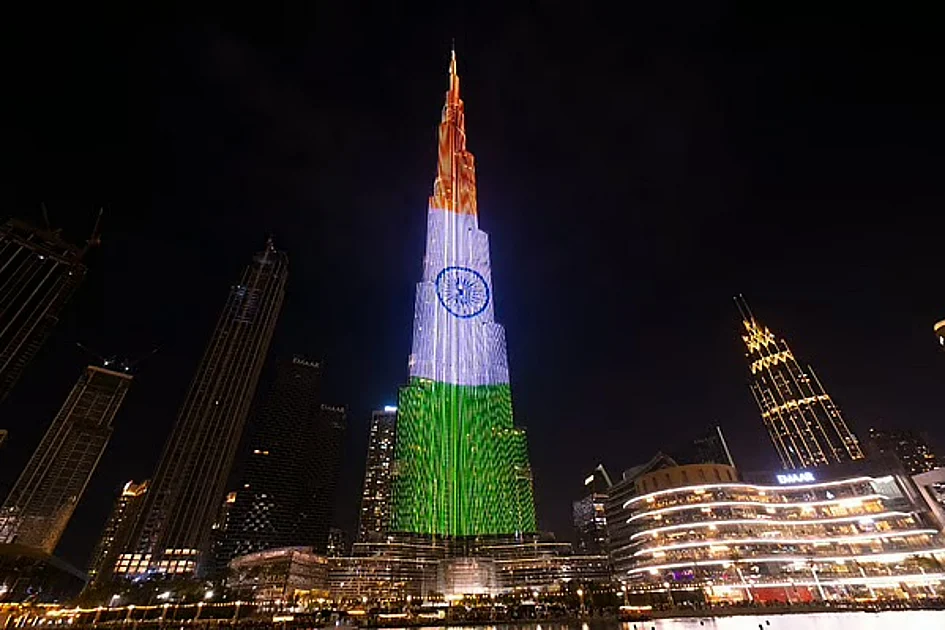
Inclusive India: The world’s largest laboratory of harmony
In a world often divided by identity, India emerges as a beacon of unity, demonstrating that diversity, when embraced with confidence, can be a source of strength rather than conflict. With a population exceeding 1.4 billion, India is a mosaic of over 19,000 dialects, multiple religions, and thousands of festivals, all unified under a single Constitution that guarantees liberty, equality, and fraternity. This is not merely a political slogan but a lived reality, evident in the daily interactions across its streets, classrooms, and places of worship. India’s secular ethos, deeply embedded in its civilizational DNA, predates modern concepts of multiculturalism. From the teachings of Buddha at Sarnath to Emperor Ashoka’s edicts, and from Akbar’s Din-i-Ilahi to Mahatma Gandhi’s pluralism, India’s inclusive spirit has thrived through the ages. Today, as societies worldwide grapple with polarization, India’s example, alongside that of the United Arab Emirates, illustrates how faith, identity, and modern statehood can coexist harmoniously. India’s secularism is not the rejection of religion but the equal respect for all faiths, encapsulated in the principle of Sarva Dharma Sambhava. This approach has ensured that India remains a sanctuary for every religion, from Hinduism and Islam to Christianity, Sikhism, Buddhism, Jainism, Judaism, and Zoroastrianism. The country’s history of sheltering persecuted communities, such as Jews fleeing Roman oppression and Zoroastrians escaping Iran, underscores its enduring commitment to inclusivity. In contemporary India, this tradition persists through initiatives like the Prime Minister’s visits to interfaith sites and joint celebrations of festivals across religions. India’s inclusivity is most visible in everyday life, from Muslim artisans crafting Hindu idols in Kerala to gurdwaras serving langars to people of all faiths in Punjab. Even in the digital age, Indian pluralism adapts creatively, with social media campaigns promoting unity and civic pride. Recent institutional initiatives, such as the Kashi-Tamil Sangamam and the Bharat Mandapam for the G20, further reinforce India’s commitment to diversity. The peaceful coexistence of the new Ram Temple in Ayodhya and adjacent Muslim cultural centers exemplifies India’s ongoing pursuit of harmony. India’s multicultural harmony resonates with the United Arab Emirates, another modern state that has successfully integrated faith, progress, and inclusivity. Both nations, rooted in ancient civilizations, demonstrate that progress need not erase identity. The UAE’s Abrahamic Family House in Abu Dhabi, housing a mosque, church, and synagogue, mirrors India’s inclusive vision. The strong cultural and diplomatic ties between India and the UAE, driven by shared values, highlight the potential of pluralism in fostering global harmony. As nations worldwide confront social divisions, India’s inclusive experiment offers a template for coexistence, proving that true strength lies in the symphony of differences harmonized by respect.
-
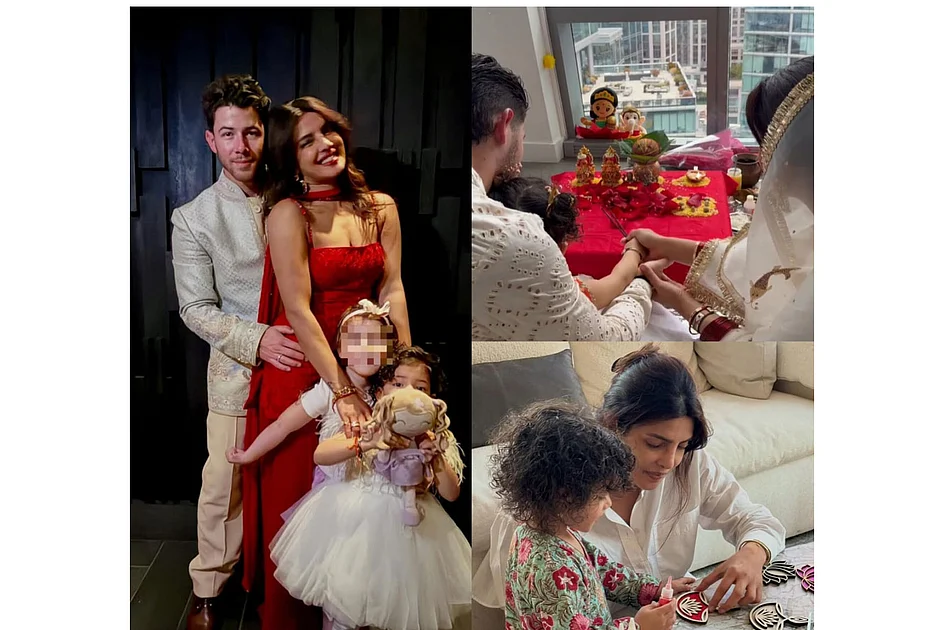
Look: Priyanka Chopra, Nick Jonas’s intimate Diwali bash with daughter Malti
Global stars Priyanka Chopra and Nick Jonas recently celebrated Diwali in an intimate yet heartwarming style, sharing glimpses of their festivities on Instagram. The couple, known for their cross-cultural influence, marked the Festival of Lights with close friends in New York, alongside their daughter Malti Marie. Priyanka, radiant in a traditional red ensemble, and Nick, looking sharp in white, captured the essence of the occasion with a blend of simplicity and elegance. The celebration also featured Malti engaging in the traditional activity of painting diyas, symbolizing the passing of cultural traditions to the next generation. Priyanka emphasized the joy of introducing Diwali to Malti’s friends, making the festival even more special. ‘This Diwali was full of heart and love,’ she wrote, extending warm wishes for prosperity and happiness to all celebrating. On the professional front, Priyanka continues to expand her impressive portfolio, with upcoming projects including ‘The Bluff,’ the second season of ‘Citadel,’ and a collaboration with SS Rajamouli and Mahesh Babu. Her recent appearance in ‘Heads of State’ alongside Idris Elba and John Cena further cements her status as a versatile global icon.