
In a landmark move to enhance regional trade connectivity, Abu Dhabi’s Noatum Logistics and Hafeet Rail have inked a preliminary agreement to launch a daily freight rail service between Sohar, Oman, and Abu Dhabi, UAE. The announcement was made at the Global Rail 2025 exhibition in Abu Dhabi, signaling a major advancement in cross-border logistics infrastructure. The service will operate seven container trains weekly, each with a capacity of 276 TEUs (twenty-foot equivalent units), translating to an annual throughput of 193,200 TEUs. Dedicated trains will accommodate 20-foot, 40-foot, and 45-foot containers, catering to a diverse range of goods, including general cargo, manufactured products, food items, pharmaceuticals, and agrifoods. Samir Chaturvedi, CEO of Noatum Logistics, emphasized the strategic significance of the initiative, stating, ‘By linking two of the region’s most vital hubs via rail for the first time, we are offering a cost-effective, scalable, and sustainable transport solution.’ Rail transport is recognized for its predictability, efficiency, and lower carbon emissions compared to road transport, making it an ideal choice for bulk cargo over medium to long distances. This new service builds on Noatum Logistics’ existing rail shuttle between Khalifa Port and Fujairah Terminals, launched in 2024. The collaboration underscores the UAE and Oman’s commitment to fostering economic integration and sustainable development in the region.
标签: Africa
非洲
-
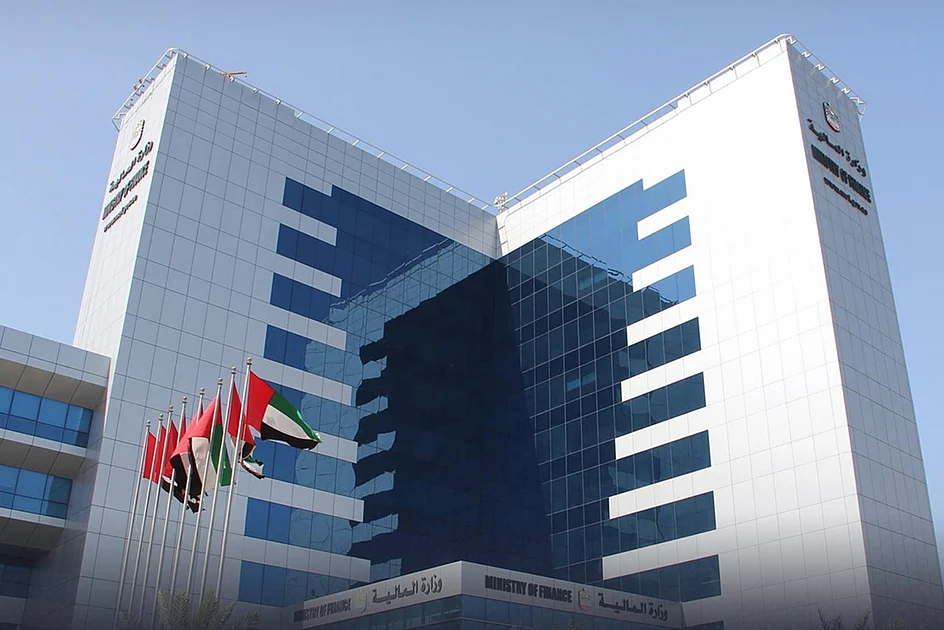
UAE launches Retail Sukuk, allows residents, citizens to invest in govt-backed Treasury bonds
The United Arab Emirates has unveiled a groundbreaking initiative titled ‘Retail Sukuk,’ designed to open doors for both citizens and residents to invest in government-backed Treasury Sukuk (T-Sukuk). This innovative program, launched by the UAE’s Ministry of Finance, marks a significant step in democratizing access to government financial instruments, traditionally reserved for institutional investors. The initiative will be rolled out in collaboration with national banks, with the first participating bank set to be revealed on November 3, 2025. By enabling individuals to invest in T-Sukuk through these banks, the UAE aims to foster a culture of saving, encourage personal involvement in economic growth, and provide a direct pathway for citizens to contribute to the nation’s development. This move underscores the UAE’s commitment to financial inclusivity and its vision of empowering its people to play an active role in shaping the country’s economic future.
-

How the Middle East is redefining global luxury trends
The global luxury landscape is undergoing a profound transformation, with the Middle East emerging as a pivotal force in redefining its essence. Once epitomized by destinations like Beverly Hills, luxury is now being reimagined through the lens of cultural depth, emotional resonance, and personalized experiences. This shift was highlighted during a recent roundtable event in Dubai, ‘Women Connecting the World of Luxury,’ where discussions transcended material opulence to focus on meaningful connections and authenticity.
-
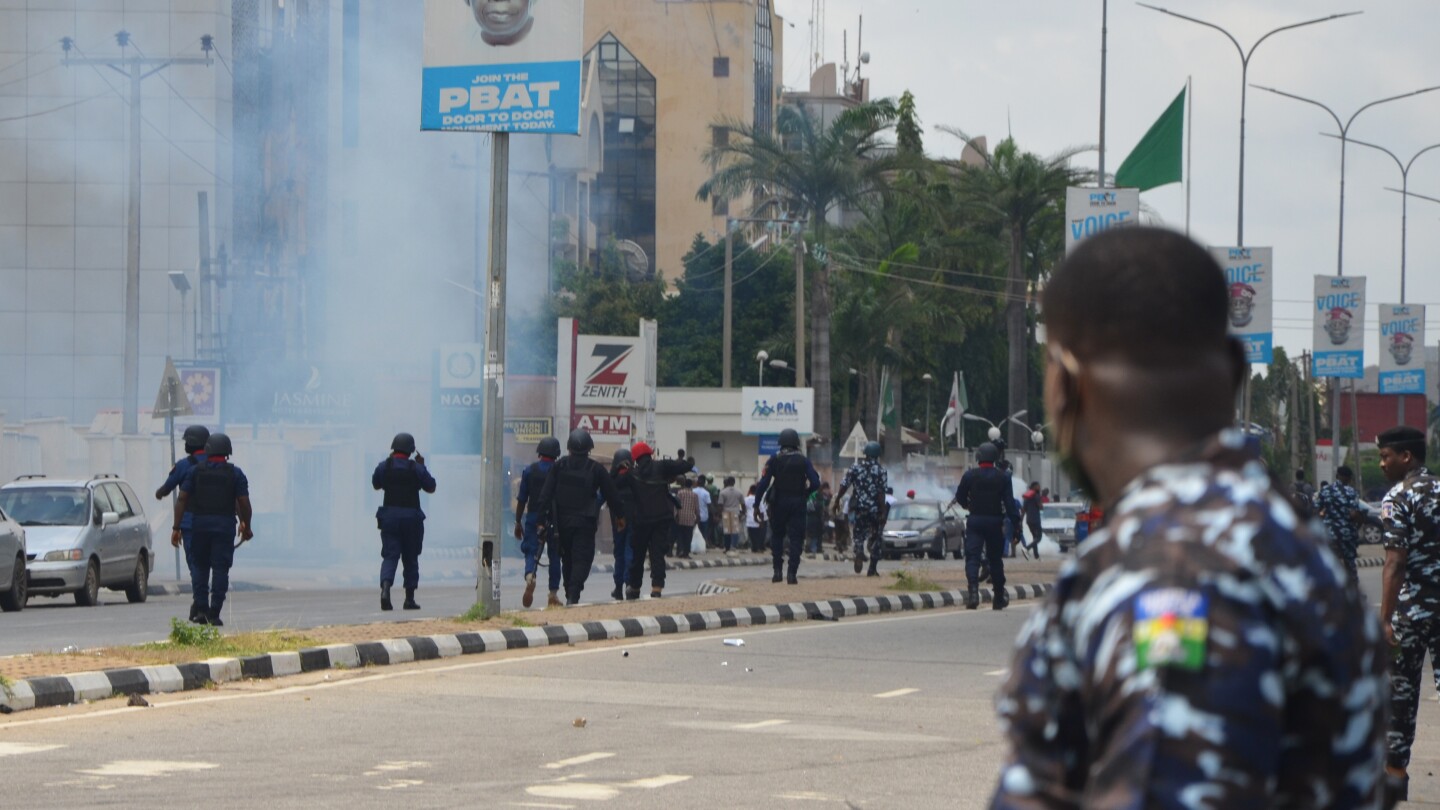
Nigeria’s president replaces top security officials as he struggles to restore stability
In a significant move to address escalating security challenges, Nigerian President Bola Tinubu announced a sweeping reshuffle of the country’s top military leadership on Friday. The decision comes as Nigeria faces mounting violence in its conflict-ridden northern regions, a resurgence of extremist groups, and widespread public unrest. The shake-up saw the removal of three key security officials: Christopher Musa, Chief of Defense Staff; Emmanuel Ogalla, Chief of Naval Staff; and Hassan Abubakar, Chief of Air Staff. They were replaced by Olufemi Oluyede as the new Chief of Defense Staff, alongside W. Shaibu, I. Abbas, and S.K. Aneke as heads of the Army, Air Force, and Navy, respectively. The president tasked the new appointees with enhancing the professionalism and vigilance of Nigeria’s armed forces. This restructuring follows weeks of turmoil, including protests in Abuja where police used tear gas and made arrests to disperse demonstrators demanding the release of Nnamdi Kanu, leader of the Indigenous People of Biafra separatist movement. Meanwhile, Nigeria continues to grapple with a resurgence of Boko Haram, its homegrown jihadist group, alongside other extremist factions like Ansaru and the Islamic State West Africa Province. Criminal networks specializing in kidnappings and looting, often referred to as bandits, further exacerbate the security crisis. The government has denied rumors of a coup plot, despite the arrest of over 20 military officers in September, including high-ranking officials. Analysts warn that the recent military takeovers in Mali, Burkina Faso, and Niger could inspire similar actions in Nigeria. Security analyst Senator Iroegbu noted that the leadership changes suggest the administration may be prioritizing regime protection over broader security threats.
-
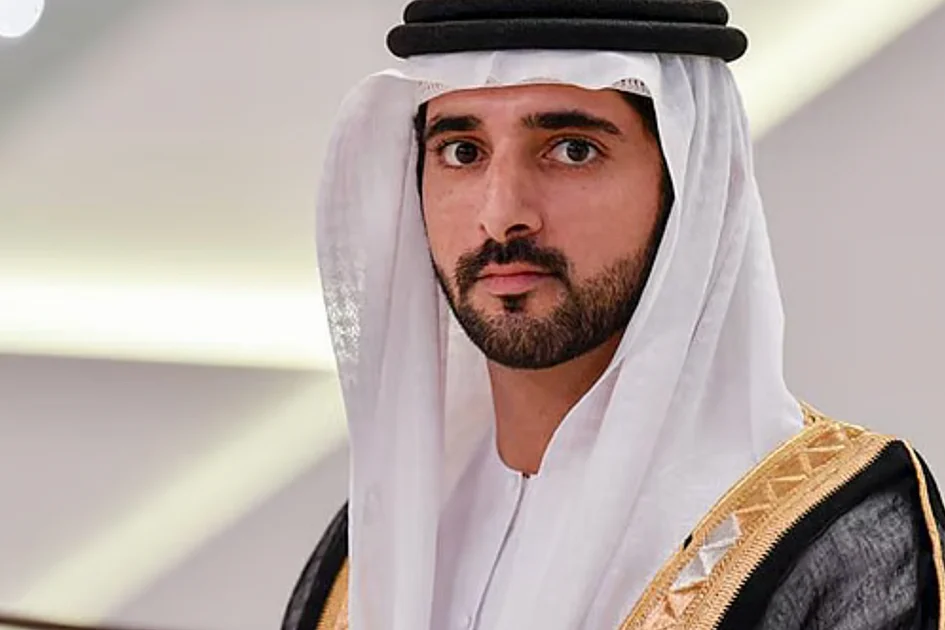
Dubai: Sheikh Hamdan forms new student council with 16 pupils from private schools
In a landmark move to empower the youth of Dubai, Crown Prince Sheikh Hamdan bin Mohammed bin Rashid Al Maktoum has announced the formation of a new Dubai Student Council. Comprising 16 students from 16 private schools across the emirate, the council is set to commence its operations in the 2025-2026 academic year as part of the ‘Leaders of Tomorrow’ initiative. The council, which includes students from Grade 9/Year 10 to Grade 12/Year 13, represents six different curricula and nine nationalities, reflecting the diverse fabric of Dubai’s private education system. Among the members are eight males, eight females, and a student of determination, ensuring inclusivity and representation. The selection process was rigorous, with 40 students shortlisted from 90 private schools before final members were chosen through interviews and group activities. Sheikh Hamdan emphasized the council’s role as a bridge between the student community and the Knowledge and Human Development Authority (KHDA), urging members to embody innovation, perseverance, and national pride. As a symbolic gesture, he gifted the council a copy of ‘Lessons from Life’ by Sheikh Mohammed bin Rashid Al Maktoum, a book that encapsulates values inspiring achievement and positive change. The council’s one-year term, renewable based on performance, carries significant responsibility, with expectations to amplify student voices and contribute to the evolution of Dubai’s education system.
-

‘It became one of the children’ – Kenyan family on adopting orphaned cheetah cub
In a heartwarming yet complex tale of human-wildlife interaction, a Kenyan family from Wajir County has shared their extraordinary journey of raising an orphaned cheetah cub. The cub was discovered beside its deceased mother, and the family, led by Bisharo Abdirahman Omar and Rashid Abdi Hussein, decided to nurture it despite opposition from their livestock-rearing neighbors. The Somali-speaking nomadic community, heavily reliant on livestock, often views predators like cheetahs as threats. However, the family chose compassion over convenience, caring for the cub for over two years, during which it became an integral part of their household. They fed it milk via a syringe initially and later transitioned to meat, sacrificing 15 sheep to sustain the growing cheetah. Their efforts earned praise from the Kenya Wildlife Service (KWS), though the agency emphasized that keeping wild animals as pets is illegal. The cheetah has since been relocated to the Nairobi Safari Walk for professional care. This story sheds light on the broader crisis facing cheetahs in northeastern Kenya, where poaching, poisoning, and trafficking are rampant. According to the Cheetah Conservation Fund, hundreds of cheetah cubs are smuggled annually from the Horn of Africa to the Gulf States. The family’s refusal to sell the cub, despite lucrative offers, underscores their commitment to wildlife protection and raises awareness about the urgent need for conservation efforts.
-
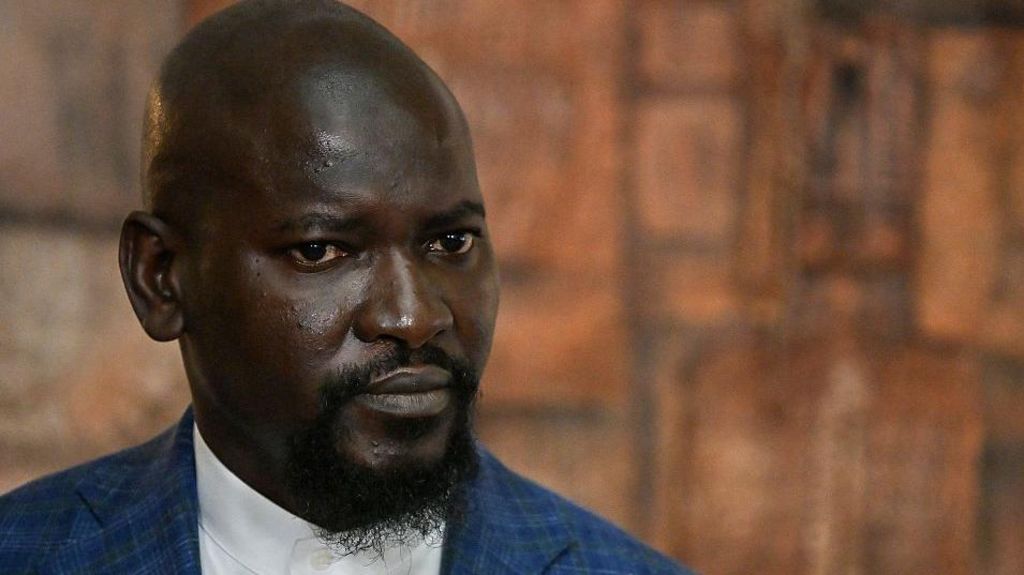
Shock at $100,000 fee to contest Guinea elections to replace junta
Guinea’s upcoming presidential election, scheduled for December, has ignited widespread criticism due to the exorbitant deposit required for candidates. Aspiring leaders must pay 875 million Guinean francs ($100,000) to participate, a move that has left many citizens and analysts stunned. This election marks a pivotal moment as the country transitions from military rule to civilian governance under a new constitution. Colonel Mamady Doumbouya, who seized power in a 2021 coup, is eligible to run but has yet to confirm his candidacy. The deposit, nearly identical to the previous election’s 800 million francs, has been criticized as a barrier to broader political participation. Political analyst Kabinet Fofana remarked, ‘This amount is huge and adds to the growing criticism of the election’s direction.’ Candidates who secure over 5% of the vote in the first round will have their deposit refunded. However, critics argue that the high fee favors wealthy individuals or those with state connections. Presidential candidate Faya Millimono highlighted the dramatic increase in deposits over the years, noting that it was only 50 million francs until 2005. The electoral body has also imposed a campaign spending limit of 40 billion francs ($4.6 million) per candidate, further narrowing the field. Despite these hurdles, 50 party candidates and 16 independents have been approved. Notably absent from the provisional list are major opposition parties, including the Rally of the People of Guinea and the Union of Democratic Forces of Guinea, though they still have time to register. Guinea’s election unfolds without key figures like former President Alpha Condé and former Prime Minister Cellou Dalein Diallo, both living in exile. The high costs and restrictive measures have raised concerns about the election’s fairness and inclusivity.
-
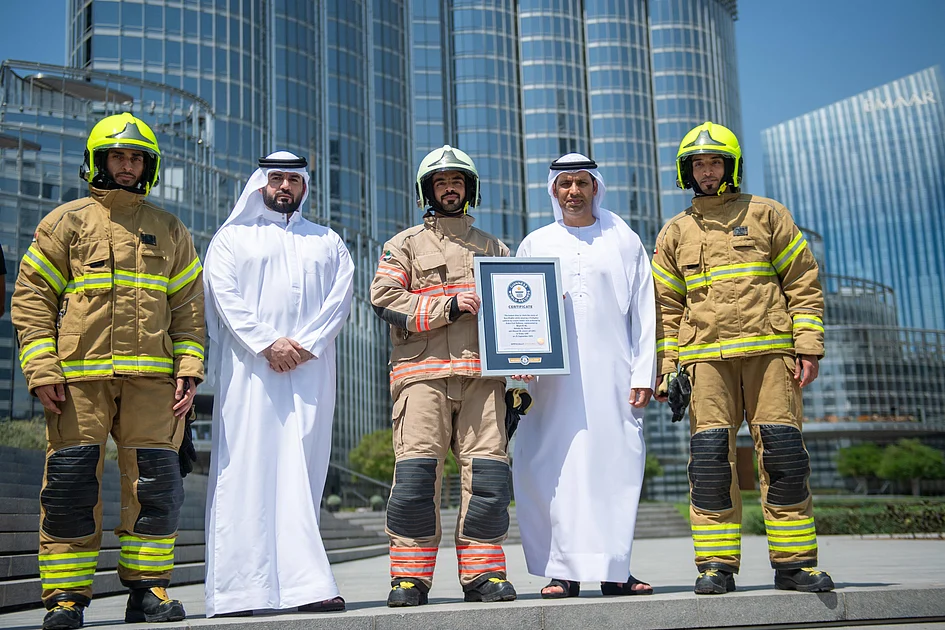
Dubai firefighters scale Burj Khalifa in less than an hour to set Guinness World Record
In a remarkable display of endurance and professionalism, three Emirati firefighters from the Dubai Civil Defence (DCD) have etched their names in history by scaling the 159 floors of the Burj Khalifa in just 52 minutes and 30 seconds. Wearing full firefighting gear weighing 15 kilograms, the trio braved extreme heat, limited oxygen, and physical fatigue to achieve this extraordinary feat, officially recognized by Guinness World Records. The challenge, which took place on October 24, 2025, was not merely a test of physical strength but also a demonstration of Dubai’s firefighters’ readiness to tackle emergencies in skyscrapers. The final stages of the climb were particularly grueling, with gravity and the oppressive heat inside their suits adding to the difficulty. The firefighters underwent rigorous daily training, including endurance exercises and realistic simulations, to prepare for the challenge. Guinness-certified observers meticulously documented the event, ensuring compliance with official standards. No medical incidents were reported, thanks to thorough preparation and supervision. The achievement has inspired pride and motivation among DCD personnel, showcasing their ability to face any challenge at great heights. Earlier, viral social media videos of the firefighters training in full uniform had already garnered widespread admiration, with many viewing them as a source of inspiration for the UAE community.
-
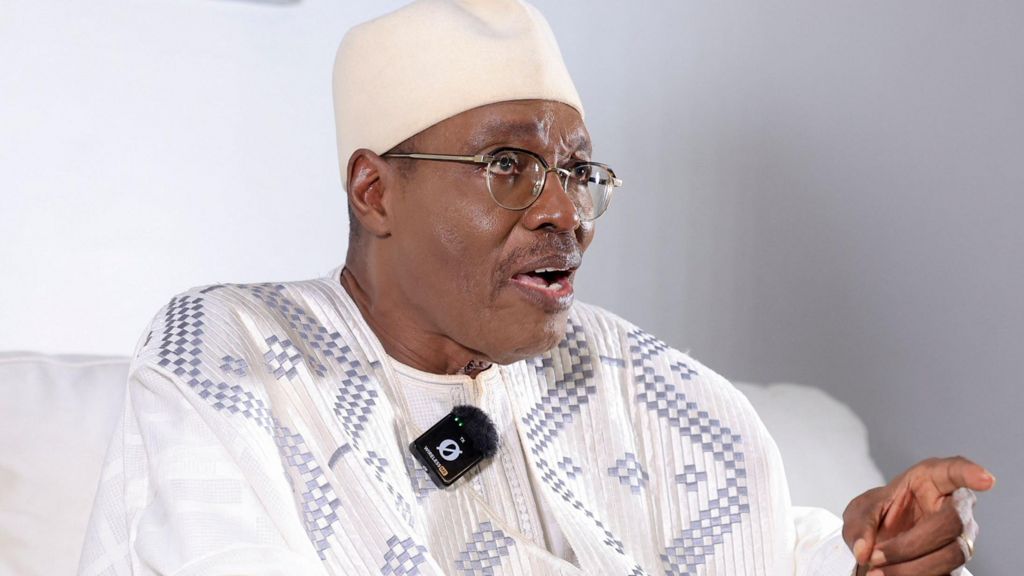
We won’t accept a stolen vote, Cameroon opposition leader tells BBC
Cameroon’s opposition leader, Issa Tchiroma Bakary, has declared himself the winner of the 12 October presidential election, challenging the official results yet to be announced. In an interview with the BBC, Bakary, 76, a former government minister who broke ties with President Paul Biya, 92, asserted that his team had compiled data from polling stations, leaving no doubt about his victory. He vowed not to accept a ‘stolen vote’ and urged his supporters to defend their ballots. The ruling Cameroon People’s Democratic Movement (CPDM) dismissed Bakary’s claims as illegal, stating that only the Constitutional Council can announce official results. Bakary, undeterred, insisted that the law permits his declaration and challenged the ruling party to disprove his claims. The delayed announcement of results has heightened tensions in Cameroon, a nation already grappling with separatist conflicts in Anglophone regions and Boko Haram insurgency in the Far North. The election outcome could determine whether Biya, the world’s oldest president, retains his 43-year grip on power.
-
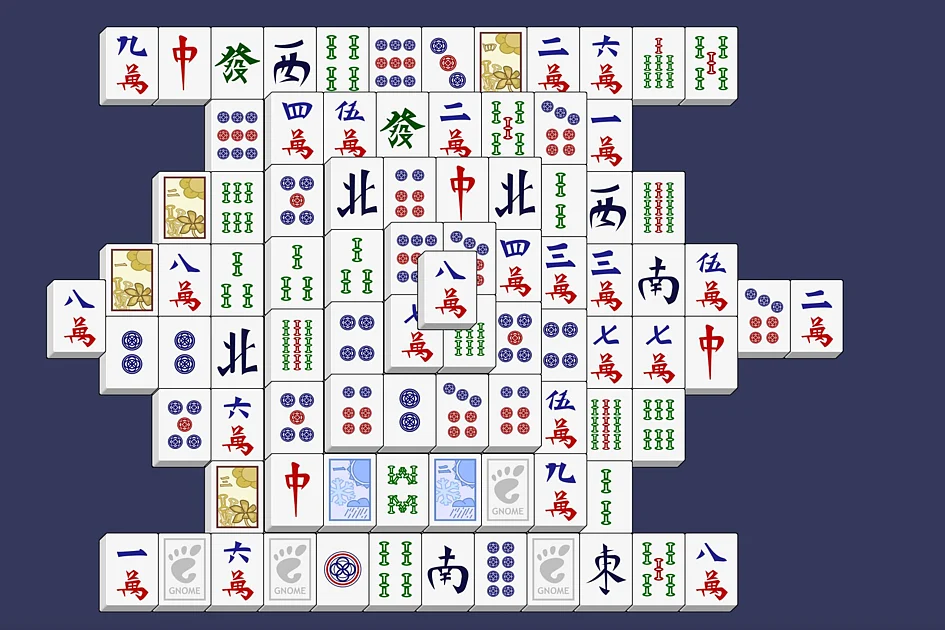
‘Gym for your brain’: Why mahjong has become UAE’s new screen-free obsession
Mahjong, a centuries-old Chinese strategy game, is experiencing a renaissance in the UAE, particularly in Dubai, where it has become a popular screen-free activity. The game, which requires skill, strategy, and mental agility, is now a staple in living rooms, cafes, and private parties across the city. The Mahjong Network, a community founded earlier this year by Ria Bajaj, Ishira Kumar, and Maneka Jain Daswani, has grown to 367 members in Dubai alone, connecting players through WhatsApp and social media. The network aims to create an inclusive platform where people can interact as equals, regardless of their social status or background. Mahjong’s appeal lies in its ability to foster social connections, provide mental stimulation, and offer a digital detox. Players describe the game as a ‘gym for the brain,’ likening it to meditation and a metaphor for life, where one learns to navigate unexpected twists and adapt strategies. The Dubai chapter of the network recently hosted its first Diwali-themed mahjong meet-up, attended by 64 women dressed in traditional Indian attire. The game’s growing popularity is evident in the increasing number of private events, parties, and workshops dedicated to it. Mahjong is not just a game for older, affluent women; it attracts a diverse demographic, including professionals seeking a break from their stressful jobs. The game’s ability to improve memory, cognitive abilities, and mental health, while fostering a sense of community, has made it a beloved pastime in the UAE.