
As the winter season approaches, Umm Al Quwain is preparing to welcome residents and visitors with its newly established temporary winter camps. These camps, designed to offer a unique outdoor experience, are set to open on November 3, 2025, and will be available for rent until the end of the season. The initiative aims to encourage people to embrace nature and enjoy the cooler months in a serene environment. The Umm Al Quwain Municipality has outlined specific guidelines for those interested in renting these camps. Rentals must be for personal use only, with a duration ranging from three to six months. Applications are restricted to citizens of Umm Al Quwain, and the camps cannot be used for commercial purposes. Campers must adhere to strict safety and cleanliness standards, including compliance with Civil Defense regulations. Additionally, the use of spotlights, loudspeakers, and drones is prohibited to maintain a peaceful atmosphere. Violations of these rules may result in permit revocation and penalties. The camps are located in the Al Aqran and Al Thania areas, providing ample space for outdoor activities. Fees and insurance deposits must be paid within three days of application approval to secure a permit. This initiative reflects Umm Al Quwain’s commitment to promoting outdoor recreation while ensuring safety and environmental responsibility.
标签: Africa
非洲
-
Association of IT Experts announces AITEX Summit Fall 2025 focused on deployable AI solutions
The Association of Information Technology Experts (AITEX) has unveiled plans for the AITEX Summit Fall 2025, a high-intensity event set to take place on November 1–2, 2025. This summit will bring together AI and IT professionals from across the globe to develop practical, deployable AI solutions under real-world conditions within a 48-hour timeframe. Unlike traditional hackathons, AITEX emphasizes tangible results, requiring participants to create original, functional prototypes that address complex challenges. Reused code and recycled ideas are strictly prohibited, placing a premium on innovation, execution, and real-world applicability.
The summit is designed to push the boundaries of AI development, focusing on measurable outcomes and real business and social impact. A spokesperson for AITEX highlighted the event’s mission: ‘AITEX Summit is built on the principle that innovation should be measurable and applicable. Our goal is to bring together professionals who can turn AI concepts into working solutions.’
AITEX Summit Fall 2025 is more than just an event; it is a global network of seasoned technologists from the U.S., Europe, and the Commonwealth of Independent States. Members of this network have spearheaded over 30 major technology initiatives and published more than 100 peer-reviewed articles in leading journals. The summit’s rigorous evaluation process, overseen by senior engineers, domain specialists, and product leaders from top companies like Oracle, Amazon, and Walmart, ensures that each prototype is assessed for originality, usability, and technical integrity.
Participants, including software engineers, UX designers, and data scientists, are challenged to create solutions with real-world impact. The judging criteria prioritize functionality, value creation, and scalability over mere showmanship. Amidst the rapid evolution of AI and increasing industry interest, the AITEX Summit provides a structured platform for developing enterprise AI solutions that deliver tangible results.
Beyond the competition, participants gain visibility, professional recognition, and access to a global network of peers and potential employers. AITEX Summit Fall 2025 stands as a proving ground for credible, deployable AI solutions, fostering innovation that truly matters.
-
RAG unveils the UAE’s tallest business center
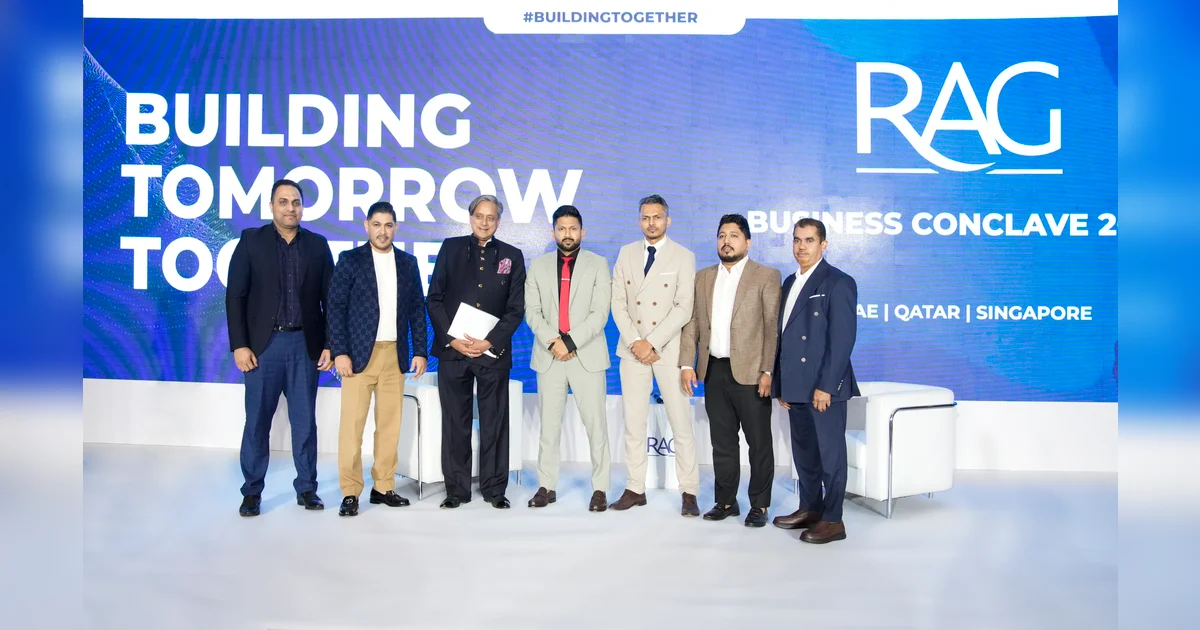
In a significant milestone for the UAE’s business sector, RAG Holdings has officially launched the RAG Tower, now recognized as the tallest business center in the country. The unveiling took place during the RAG Business Conclave 2025 at the Grand Hyatt Dubai, under the theme ‘Building Tomorrow Together.’ The event, certified under the Hamdan Innovation Incubator by Dubai Crown Prince Sheikh Hamdan bin Mohammed bin Rashid Al Maktoum, brought together industry leaders, policymakers, and entrepreneurs to discuss the future of innovation, collaboration, and community-driven growth in the UAE. Dr Shashi Tharoor, Member of Parliament and former Under-Secretary-General of the United Nations, delivered a keynote address emphasizing the importance of public-private partnerships in fostering sustainable economies. Rassal Ahmad, CEO of RAG Holdings, highlighted the company’s mission to empower entrepreneurs through innovation and collaboration, stating that RAG Tower is more than just a business center—it is a symbol of ambition, creativity, and collective progress. The conclave also saw the launch of the RAG Club, an exclusive community for entrepreneurs, and the ‘RAG Idea HǪ Startup Awards,’ where RAG announced its investment in the Halal Journey App. The event concluded with a networking gala attended by over 350 entrepreneurs, celebrating innovation and shared purpose. Rassal expressed gratitude to the UAE’s leadership for creating an environment conducive to entrepreneurship and reaffirmed RAG’s commitment to contributing to the nation’s vision of community-driven growth and global excellence.
-
Restaurant Review: Culinara at One Za’abeel is Dubai’s newest food hall experience
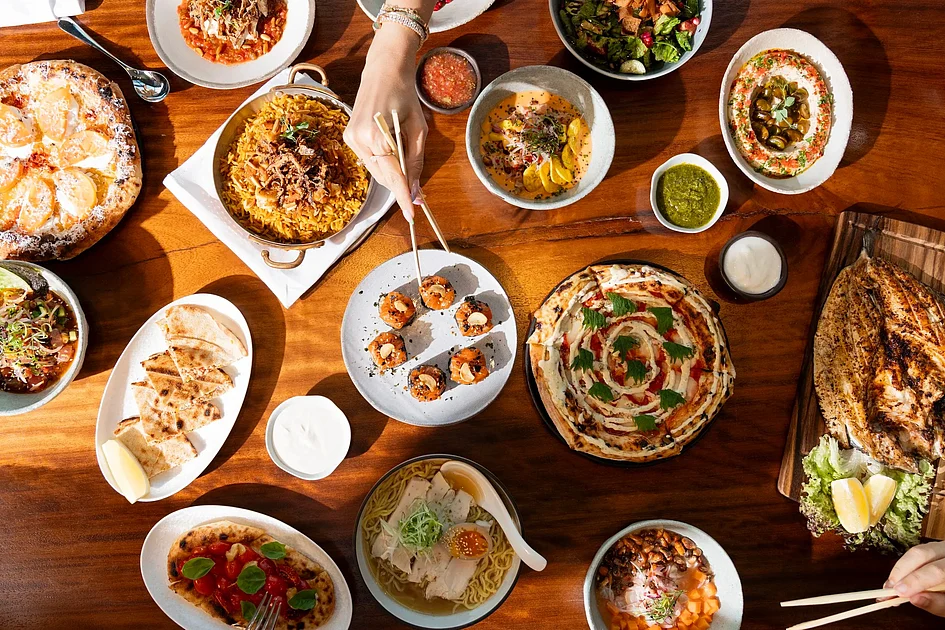
Dubai’s latest culinary gem, Culinara, located at One Za’abeel, offers a dining experience that is as visually stunning as it is gastronomically satisfying. Perched high above the city, this food hall combines innovative architecture with a diverse array of cuisines, creating a social dining experience like no other. The venue’s floating bridge, known as The Link, connects the twin towers of One Za’abeel, setting the stage for a meal that feels both luxurious and adventurous. Upon arrival, guests are greeted by Giellan, the affable Outlet Manager, who provides a warm welcome and a guided tour of the multi-concept space. The expansive glass walls offer breathtaking views of Dubai’s evolving skyline, symbolizing the city’s rapid transformation over the past five decades. The Persian section, Seyran, proved particularly inviting, with its aromatic dishes and cozy ambiance. Ordering at Culinara involves navigating a digital system of QR codes and layered menus, which, while initially challenging, soon becomes an engaging part of the experience. The dishes, ranging from tender kebabs to saffron rice, are both flavorful and beautifully presented, showcasing authentic flavors without unnecessary embellishments. Dining at such a height adds an element of joy to the meal, complemented by the lively yet relaxed atmosphere and attentive service. While the tech-driven ordering system could benefit from greater intuitiveness and clearer signage, these minor inconveniences are easily overlooked when savoring the culinary delights and taking in the panoramic views. Culinara is more than just a restaurant; it’s a spectacle that blends architecture, altitude, and gastronomy, making it an ideal destination for impressing visitors, enjoying a romantic evening, or simply reveling in Dubai’s penchant for grandeur. Highlights include the deconstructed lamb souvlaki, which stands out as a hero dish, and the overall vibe, which strikes a perfect balance between energy and tranquility. With an overall score of 8/10, Culinara cements its place as a must-visit culinary destination in Dubai.
-

Dubai Fitness Challenge: When activewear becomes a style statement
Dubai is redefining the intersection of fitness and fashion, as the city gears up for its annual Dubai Fitness Challenge (DFC). This month-long event, running from November 1 to 30, is not just about physical activity but also about making a style statement. From Kite Beach’s scenic running tracks to Pilates studios popping up across the city, Dubai’s elite are trading their Hermès handbags for WHOOP fitness trackers and diamond-encrusted activewear. The city’s fitness culture has become a symbol of status, with influencers like Karen Wazen showcasing fitness wearables alongside Cartier bracelets. Fashion brands are also embracing this trend, with Victoria’s Secret recently featuring athletes like Angel Reese and Suni Lee in their shows. The DFC offers a plethora of Instagram-worthy moments, from the Dubai Run, which transforms Sheikh Zayed Road into a massive running track, to unique events like spinning classes on airport runways and triathlons at the AURA Skypool. This year, participants can flaunt their style with collaborations like Kim Kardashian’s NikeSKIMS collection or Valentino’s partnership with Vans. The event is a testament to Dubai’s ambition to become the world’s most active city, blending fitness, fashion, and luxury in a dazzling display of wellness culture.
-
Ajman cracks down on neglected buildings, ‘unsafe houses’ to boost urban appeal
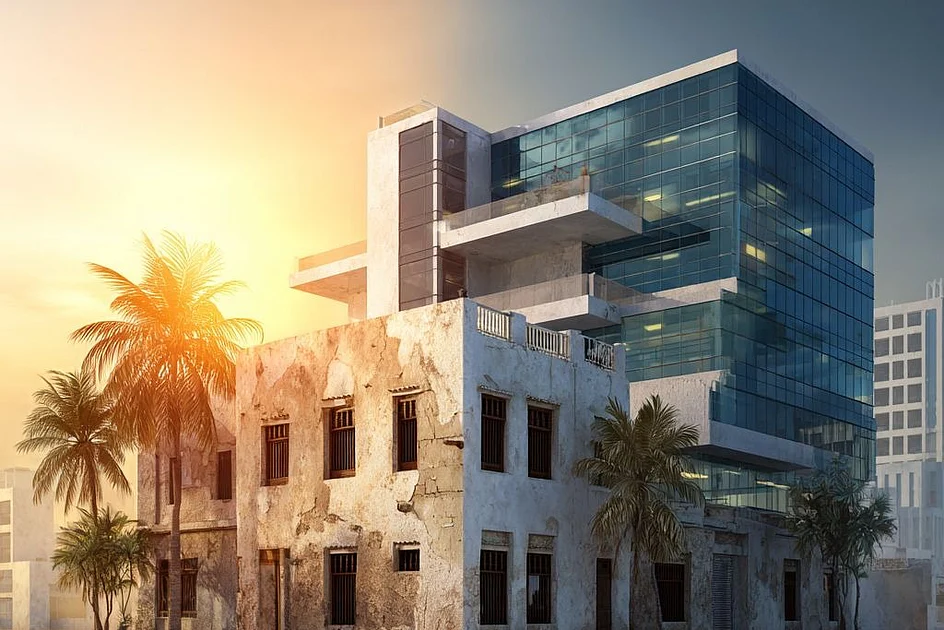
In a significant move to bolster Ajman’s urban appeal, the Ajman Municipality has launched a comprehensive campaign targeting neglected buildings and unsafe structures. The initiative, part of the Ajman Urban Plan 2040, mandates property owners to maintain the aesthetic integrity of their buildings, particularly along key streets such as Ajman Corniche, Sheikh Humaid bin Rashid Al Nuaimi Street, Sheikh Khalifa Street, and Sheikh Ammar bin Humaid Street. The campaign will eventually extend to other areas including Al Rumaila, Al Rashidiya, Al Nuaimiya, Al Jurf, and Al Hamidiyah.
-

A strong new contender in utility pickups: HIMLA’s 2.3T + 8AT Powertrain leads the way
In a bold move to challenge the dominance of established players like Toyota and Ford in the global pickup market, Chery has unveiled its all-new HIMLA pickup. Debuting at the 2025 Shanghai Auto Show, the HIMLA is equipped with a cutting-edge 2.3T diesel engine paired with an 8AT automatic transmission, delivering 120 kW of power and 420 N·m of torque. With a cargo bed capacity of 1,276 liters and a payload exceeding 1,000 kg, HIMLA sets new benchmarks in the mid-to-large pickup segment. Its advanced powertrain ensures exceptional towing capacity, hill-climbing ability, and fuel efficiency, making it a versatile choice for both commercial and leisure users. Designed to tackle challenging terrains with ease, HIMLA boasts a 33° approach angle, 24° departure angle, and 220 mm ground clearance, complemented by an optional rear differential lock for enhanced traction. Set to launch in Latin America, the Middle East, and Africa, HIMLA represents a significant milestone in Chery’s global strategy, offering a fresh alternative to traditional utility pickups.
-

US says it now plans to deport Abrego Garcia to Liberia as soon as Oct. 31
The U.S. government is preparing to deport Kilmar Abrego Garcia, a Salvadoran national, to Liberia as early as October 31, according to a recent court filing. This decision follows a series of contentious legal battles surrounding his immigration status and deportation. Abrego Garcia’s case has drawn significant attention due to its implications for President Donald Trump’s immigration policies. He was mistakenly deported to El Salvador in violation of a settlement agreement, prompting the U.S. Supreme Court to mandate his return to the U.S. in June. Since then, Immigration and Customs Enforcement (ICE) has sought to deport him to various African countries, including Liberia. A federal judge in Maryland has temporarily blocked his immediate deportation, while Abrego Garcia’s lawsuit alleges that the Trump administration is using the deportation process to punish him for the earlier error. The Department of Homeland Security’s filing describes Liberia as a democratic partner with robust human rights protections, arguing it is a suitable destination. However, Abrego Garcia’s attorney, Simon Sandoval-Moshenberg, contends that the government’s actions are punitive and unconstitutional, especially given Costa Rica’s willingness to accept him as a refugee. Abrego Garcia, who has lived in Maryland for years with his American wife and child, faces criminal charges in Tennessee for human smuggling, which he denies, claiming the prosecution is vindictive.
-
Dubai announces new planning standards for early childhood centres
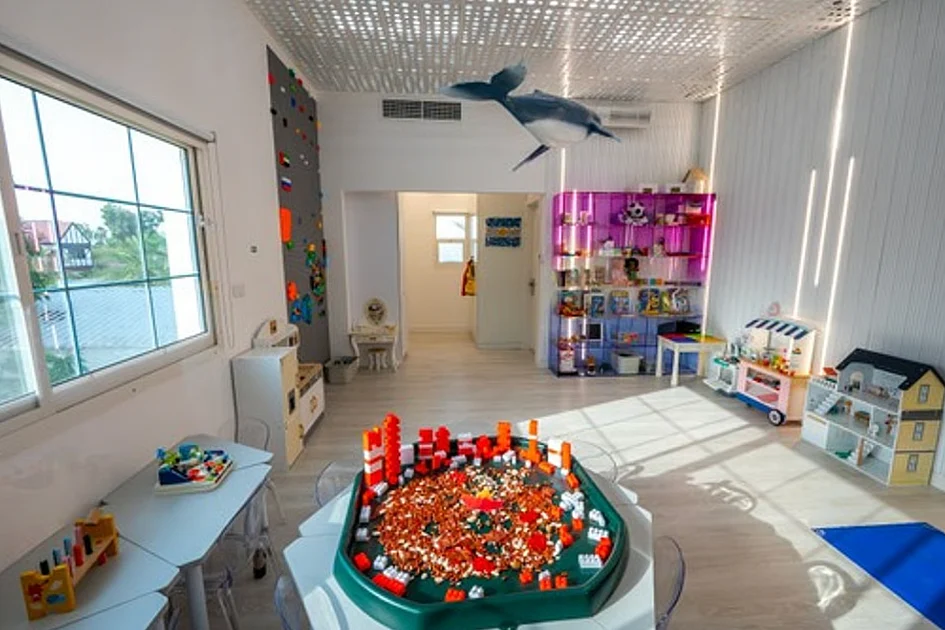
Dubai Municipality has unveiled new planning standards for early childhood centers, marking a significant step in the emirate’s efforts to enhance its urban planning framework. The updated regulations, announced on Friday, October 24, 2025, include provisions for constructing a dedicated first floor exclusively for administrative and service purposes. Additionally, preschools, nurseries, and daycare centers must maintain a minimum setback of three meters on all sides to ensure adequate open space. The new standards also outline specific parking requirements, mandating one parking space per classroom, one space per 50 square meters of office area, and one dedicated bus space for every three classrooms. These measures aim to optimize land use, improve capacity, and elevate service levels without imposing additional fees. Eng. Sanaa Al Alili, Director of the Urban Planning Department at Dubai Municipality, emphasized that the changes align with Dubai’s Urban Master Plan 2040 and its vision to nurture future generations. The initiative was developed in collaboration with the Knowledge and Human Development Authority (KHDA) and the Knowledge Fund, ensuring a modern learning environment for children while enhancing the investment appeal of early education. Eng. Nasser BuShehab, CEO of the Planning and Governance Sector at Dubai Municipality, highlighted that the standards support Dubai’s goal of building an integrated and sustainable community within a contemporary educational framework.
-

Dubai: 3-year-old girl wears police uniform, tours emirate in luxury patrol cars
In a heartwarming gesture, Dubai Police turned a young girl’s aspiration into reality by organizing a special day for her. Three-year-old Sara, who expressed her desire to become a policewoman during a community event at a hospital, was invited to the General Command Headquarters. There, she was warmly welcomed by officers and presented with a custom Dubai Police uniform and a souvenir. The highlight of the day was a tour of the city in luxury patrol cars, where Sara was escorted through the streets of Dubai. Commemorative photos were taken to capture this memorable experience. This initiative by Dubai Police not only brought joy to Sara and her family but also highlighted the force’s commitment to community engagement and inspiring the next generation.