
In the heart of Bamako, Mali’s bustling capital, the streets came alive with the vibrant spectacle of the Rendez-Vous Chez Nous festival. Organized by the Nama marionette and dance group, the three-day event, held from November 6 to 8, showcased a dazzling array of dance performances, concerts, and theatrical plays. The festival’s centerpiece was a parade of over 200 giant marionettes, representing modern Malian women adorned with bold features, colorful attire, and intricate hairstyles, alongside animal puppets symbolizing unity and social cohesion. Despite the city’s ongoing struggles with al-Qaida-backed jihadi militants, who have imposed a monthslong blockade on fuel imports, the festival drew thousands of enthusiastic onlookers and participants from across West Africa. Yacouba Magassaouba, the festival director, emphasized the resilience of Malian artists, stating, ‘We fight through our art. Canceling this festival would mean the jihadists have won.’ The event, supported by the Spanish embassy and other partners, highlighted Mali’s rich cultural heritage and its enduring spirit of creativity and community. Amid the chaos, the festival served as a beacon of hope and defiance, celebrating the nation’s artistic legacy and fostering regional unity.
标签: Africa
非洲
-
Takeaways from an AP report on a Europe-funded program returning African migrants
The European Union (EU) has allocated hundreds of millions of dollars to the International Organization for Migration (IOM) to assist tens of thousands of African migrants returning from unsuccessful journeys to Europe. However, investigations by The Associated Press reveal that many returnees in Gambia and Guinea claim they have received little to no promised economic or psychosocial support. Migration experts argue that the IOM’s efforts are insufficient, potentially fueling further migration attempts due to desperation. The IOM acknowledges concerns but cites high caseloads and incomplete documentation as reasons for delays. The EU has not provided detailed transparency on fund allocation, and a 2021 audit by the European Court of Auditors questioned the program’s effectiveness. Launched in 2016, the EU-funded IOM program aims to repatriate migrants and provide post-return assistance, including housing, medical care, and vocational training. Despite these goals, returnees report facing trauma, debt, and family shame without adequate support. A WhatsApp group of over 50 returnees highlights widespread frustration with the IOM’s unresponsiveness. Experts emphasize the need for better reintegration support, particularly in countries with weak state services. While the program has reduced irregular crossings into Europe, critics argue that its lack of transparency and accountability undermines its impact on vulnerable migrants.
-
African migrants assert a Europe-funded program abandons them after returning them home
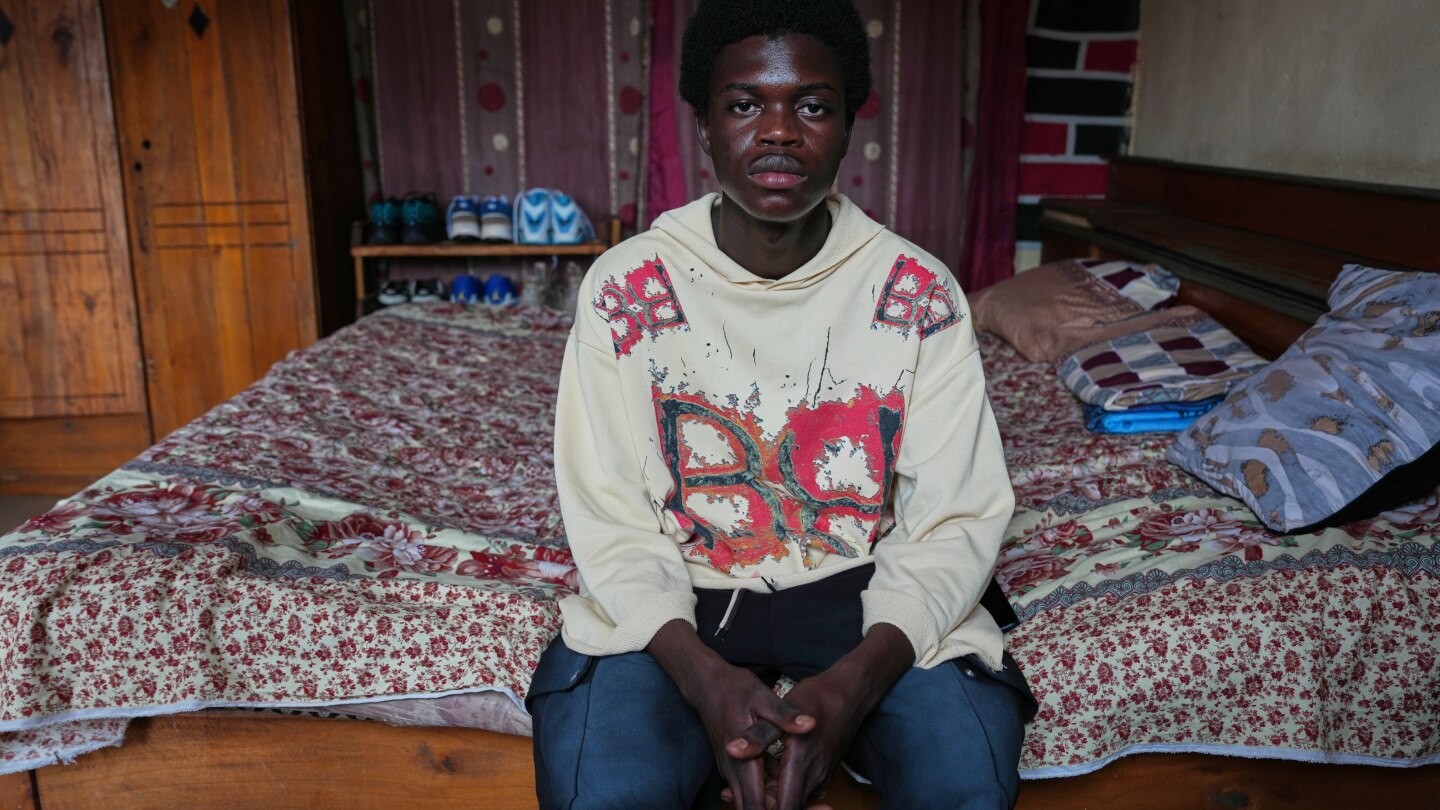
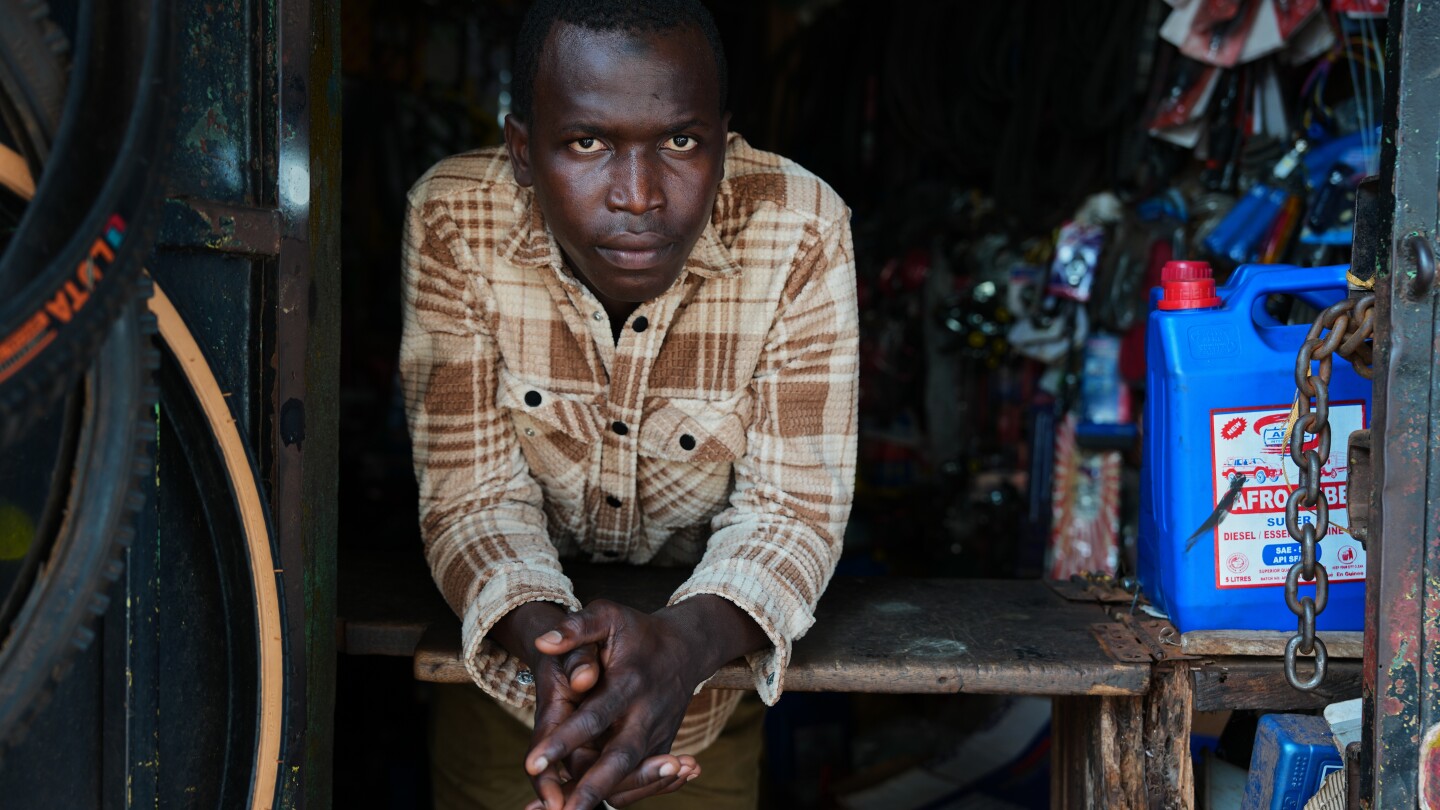
CONAKRY, Guinea (AP) — Oumar Bella Diallo, a 24-year-old Guinean, returned home in July after a harrowing year-long attempt to reach Europe. His journey was marked by police brutality, scams, and the haunting sight of fellow migrants perishing in the desert. Diallo is among tens of thousands of African migrants repatriated through the International Organization for Migration (IOM), a program funded by the European Union (EU) to curb migration. However, many returnees report unfulfilled promises of post-return assistance, leaving them to grapple with trauma, debt, and societal shame. The AP interviewed several returnees in Guinea and Gambia, who expressed frustration over the lack of follow-up support from the IOM. Diallo, for instance, sought help to start a small business but received only a phone number for a counselor and a brief orientation course. He also requested medical assistance for an injury sustained during his migration but was told it was unavailable. The IOM program, launched in 2016, has repatriated over 100,000 sub-Saharan migrants from North Africa and Niger. Despite a $380 million budget, with 58% allocated for post-return assistance, many returnees claim they have not received the promised support. Francois Xavier Ada of the IOM’s West Africa office acknowledged concerns over delays, attributing them to high caseloads or incomplete documentation. Experts, however, criticize the lack of transparency and accountability in the program’s implementation. The European Court of Auditors found that the program failed to demonstrate sustainable reintegration results during its first phase (2016-2021). Josephine Liebl of the European Council on Refugees and Exiles noted that the EU’s focus on returns overshadows the need for effective reintegration support. Returnees like Kabinet Kante, a 20-year-old Guinean, face additional challenges. Kante, who aspired to be a footballer in Germany, returned home after being intercepted at sea and abandoned in the desert. Despite his efforts to seek vocational training, the IOM has ignored his requests. Kante has since created a WhatsApp group for frustrated returnees and uses TikTok to warn others about the dangers of migration. The IOM program coincides with Europe’s broader efforts to deter migration, including paying African governments to intercept migrants—a practice criticized by human rights groups. While these efforts have reduced irregular crossings, experts argue that the lack of reintegration support in migrants’ home countries undermines the program’s effectiveness. Camille Le Coz of the Migration Policy Institute emphasized the need for access to social protection and labor markets. Despite the challenges, returnees like Diallo and Kante are not planning to migrate again soon, primarily due to financial constraints. However, the allure of Europe remains strong, and the visa process remains prohibitively expensive and uncertain for many. Elhadj Mohamed Diallo, a former migrant now working with the IOM, acknowledged the difficulties in preventing returnees from migrating again. ‘Migration is a natural thing,’ he said. ‘Blocking a person is like blocking the tide.’
-
Wall Street gains on hopes of government reopening
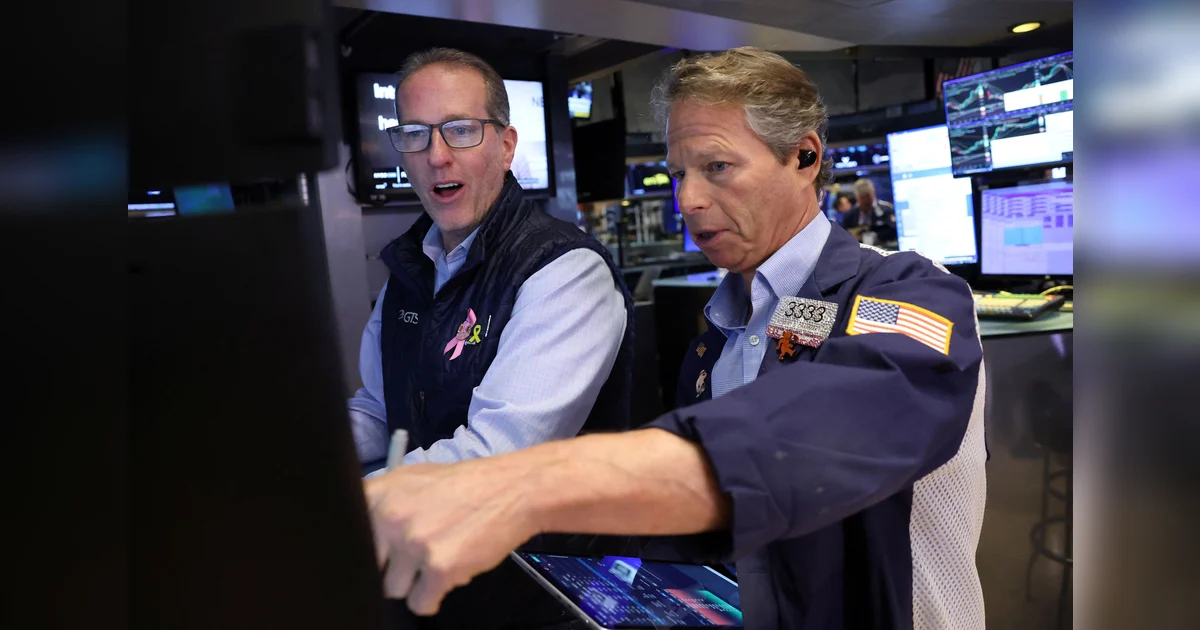
Wall Street’s major indices experienced gains on Monday, driven by optimism surrounding the potential end of the U.S. government shutdown. The shutdown, now the longest in history, has disrupted economic data releases and heightened concerns about the economy’s health. On Sunday, senators advanced a House-passed bill in a procedural vote, aiming to fund the government until January 30. If approved by the Senate and signed by President Donald Trump, the bill could mark a significant step toward resolving the impasse.
Chris Zaccarelli, Chief Information Officer at Northlight Asset Management, noted, ‘The prolonged shutdown exceeded expectations, raising fears about economic stability and potential flight cancellations, which could have broader economic repercussions.’ This sentiment contributed to last week’s bearish outlook on the tech sector, though most tech stocks rebounded on Monday. Nvidia surged 3.4%, while Alphabet and Meta Platforms rose 2.5% and 1.5%, respectively. Information technology and consumer discretionary sectors were the primary drivers of the S&P 500’s 0.71% gain.
However, Home Depot’s nearly 2% decline weighed on the Dow Jones Industrial Average, which edged up just 0.02%. The Nasdaq Composite outperformed, climbing 1.35%, buoyed by a 2.1% rise in the semiconductor index. Meanwhile, airlines faced pressure due to government-directed flight cuts and staffing shortages, with United Airlines and American Airlines both dropping over 1%.
The CBOE volatility index retreated from a three-week high, easing 0.8 points to 18.26. On betting platform Polymarket, the likelihood of the shutdown ending this week stood at 85%. The prolonged shutdown has left the Federal Reserve and markets reliant on private data, which has painted a mixed picture of the economy. Some Fed officials reiterated caution ahead of the central bank’s next meeting, while Fed Governor Stephen Miran advocated for a significant rate cut.
Despite optimism around artificial intelligence fueling a bull run in U.S. stocks this year, concerns about monetization and circular spending led to a tech selloff last week, marking the Nasdaq’s worst performance in over seven months. The third-quarter earnings season neared its conclusion, with 83% of the 446 S&P 500 companies reporting better-than-expected results, according to LSEG data.
Health insurers faced declines after the Senate’s deal to end the shutdown excluded an extension of Affordable Care Act subsidies, deferring the issue to a December vote. Centene led the losses, plummeting 8.5%, while Humana and Elevance Health each fell about 4%. In contrast, Eli Lilly shares hit an intraday record high, rising 4.9% following an upgrade by Leerink Partners.
Advancing issues outnumbered decliners on both the NYSE and Nasdaq, with the S&P 500 recording 20 new 52-week highs and seven new lows, and the Nasdaq Composite posting 75 new highs and 92 new lows.
-
$6 bn in Chad investment deals inked at UAE forum: Minister
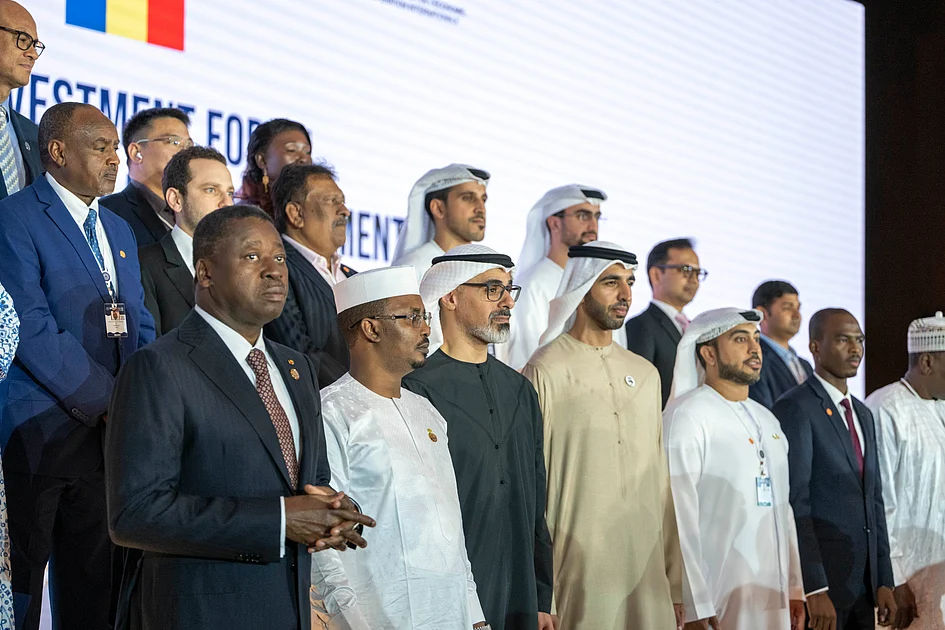
The United Arab Emirates (UAE) has successfully concluded a series of investment agreements with Chad, potentially exceeding $6.2 billion, as announced by UAE Foreign Trade Minister Thani bin Ahmed Al Zeyoudi during the two-day UAE-Chad Trade and Investment Forum in Abu Dhabi. The event, which saw the participation of numerous entities and companies from Chad, resulted in approximately 40 deals aimed at fostering economic growth and stability in the central African nation. Chad officials also utilized the forum to unveil a national development plan targeting $30 billion in investments. The UAE has been a significant investor in Africa, with over $110 billion committed between 2019 and 2023, making it the largest backer of new projects on the continent. Additionally, a Comprehensive Economic Partnership Agreement (CEPA) between the UAE and Chad is expected to be finalized by the end of the year, following a 32 percent increase in non-oil trade to $1.9 billion in the previous year. The forum comes amid concerns over an influx of Sudanese refugees into Chad due to ongoing conflict in the region.
-
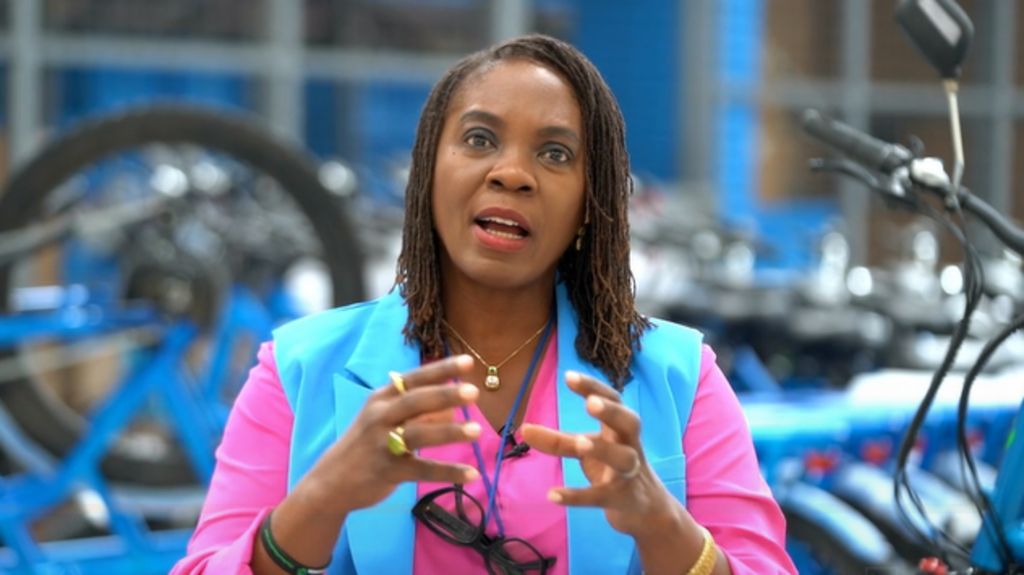
The Kenyan start-up aiming to electrify African transport
In a bold move to transform Africa’s transportation landscape, Kenyan startup eWaka is spearheading the electrification of the continent’s delivery sector. With a vision to cater to both large-scale fleets and individual riders, eWaka is positioning itself as a key player in Africa’s burgeoning e-mobility market. The company’s innovative approach focuses on providing eco-friendly electric bikes (e-bikes) tailored to meet the diverse needs of the delivery industry. By leveraging cutting-edge technology and sustainable solutions, eWaka aims to reduce carbon emissions and address the challenges of urban congestion. The startup’s ambitious plans include expanding its reach across multiple African countries, tapping into the growing demand for efficient and environmentally conscious transport options. As Africa grapples with the dual challenges of urbanization and climate change, eWaka’s initiative represents a significant step towards a greener and more sustainable future for the continent’s transport sector.
-
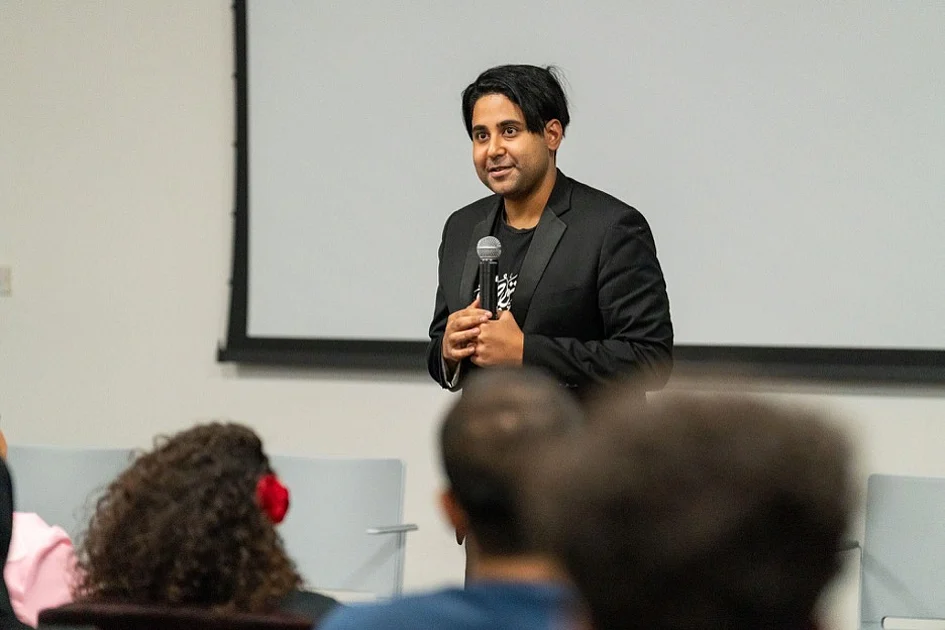
AUS filmmaker’s ‘Halal Dreams’ heads to New York Short Film Festival
Professor Mohammed Mamdouh’s critically acclaimed docudrama, ‘Halal Dreams,’ continues its remarkable journey across the global film festival circuit with its upcoming premiere at the New York Short Film Festival this November. The film, which has already garnered multiple international awards in the USA, Thailand, and Russia, is also slated for screenings at the Culver City Film Festival in Los Angeles, the London Global Film Awards, and the Sokcho International Food Film Festival in South Korea. Set against the backdrop of a frigid New York City night, ‘Halal Dreams’ poignantly portrays the life of an Egyptian halal cart worker striving to maintain a connection with his daughter while navigating the relentless pace of urban life. Mamdouh, an Assistant Professor at the American University of Sharjah’s College of Architecture, Art and Design, shared that the film explores themes of distance and belonging, emphasizing the enduring ties to loved ones and cherished memories. The film has earned widespread acclaim, including Best Docudrama awards from the Los Angeles Short Film Award, Ural Shorts International Film Festival in Russia, and the Bangkok Movie Awards, as well as an Exceptional Merit distinction from the Documentaries Without Borders International Film Festival in California. Notably, ‘Halal Dreams’ was one of only 15 films selected from over a thousand submissions for the Sokcho International Food Film Festival. This success follows Mamdouh’s earlier short film, ‘The Keyboard,’ written by his wife, Jumana Radi, which has been showcased at more than 30 international festivals and won nine awards, including Best Experimental Film honors in New York, Tokyo, and London. Beyond his filmmaking achievements, Mamdouh brings nearly two decades of experience in the UAE’s media industry, spanning film, advertising, brand management, and education. At AUS, he mentors aspiring visual storytellers, teaching courses in film production, screenwriting, AI, documentary film, and media systems.
-
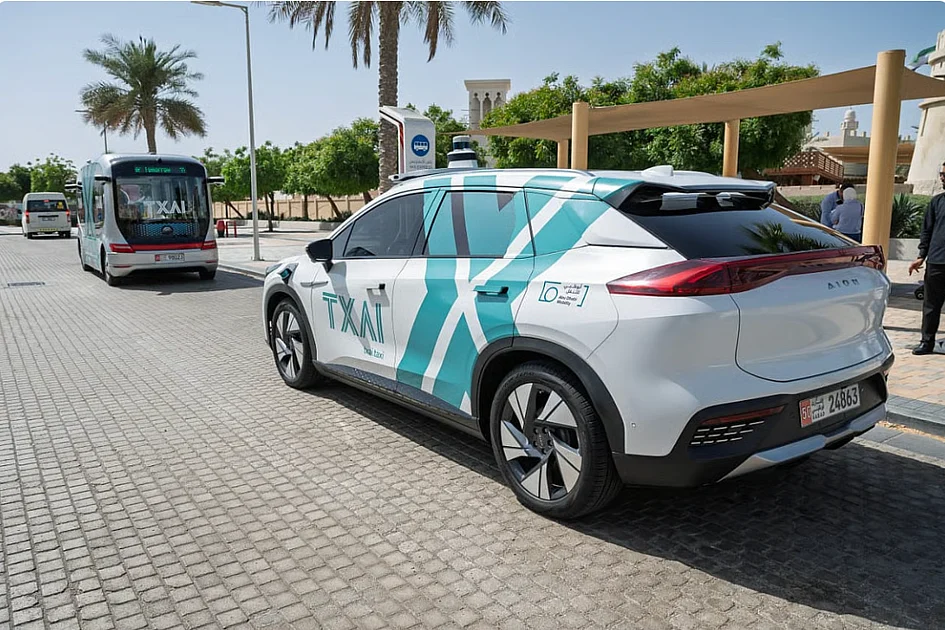
Abu Dhabi emerges as global hub for autonomous tech, smart innovation
Abu Dhabi is rapidly transforming into a global hub for autonomous technology and smart innovation, with ambitious plans to make 25% of all trips autonomous by 2040. Ahmed Jasim Al Zaabi, Chairman of the Abu Dhabi Department of Economic Development (ADDED), emphasized the city’s role as a ‘sandbox’ for testing cutting-edge technologies during the Abu Dhabi Autonomous Week 2025. He announced the signing of 13 commercial pilot agreements, with more to follow, highlighting the importance of speed and innovation in this sector. Al Zaabi noted that Abu Dhabi is not only focusing on smart and autonomous vehicles but also investing in 13 key clusters, including manufacturing, to integrate technology, talent, and robotics at an advanced level. This initiative is part of broader diversification efforts, with the non-oil sector now contributing 57% to Abu Dhabi’s GDP, a significant shift from its previous oil-dominated economy. Mohamed Ali Al Shorafa, Chairman of the Department of Municipalities & Transport – Abu Dhabi, also emphasized the importance of risk management in maintaining the city’s leadership in innovation. Abu Dhabi’s strategic investments and forward-thinking policies are positioning it as a global leader in autonomous technology and smart innovation.
-

Smart FM and sustainability drive residential property management evolution in the Middle East
The Middle East’s residential property management sector is undergoing a profound transformation, driven by the integration of smart facility management (FM) technologies and a growing emphasis on sustainability. Owners’ associations, particularly in the UAE, are increasingly adopting data-driven solutions to streamline operations, control service charges, and enhance property value. This shift is fueled by rising resident expectations, regulatory pressures, and the need for cost efficiency. The transition from reactive maintenance to predictive management is gaining traction across the region, with digital platforms and energy optimization strategies becoming central to FM operations. A 2024 Frost & Sullivan report projects the GCC FM market to reach $71 billion by 2026, with residential services playing a significant role due to urban expansion and smart city initiatives. Engie Solutions, a leading player in the region’s FM landscape, is at the forefront of this evolution. The company’s Smart O&M platform, a cloud-based solution powered by AI, enables real-time monitoring of assets such as HVAC systems and elevators. This proactive approach not only reduces emergency callouts but also delivers energy savings of 5–15%. A notable example is Engie’s work on the DMCC Uptown Tower in Dubai, where the company achieved a 10% reduction in energy consumption while supporting LEED Gold certification. Engie’s energy management programs, which include occupancy-based HVAC optimization and automated controls, help residential owners’ associations reduce utility expenses and lower service charges. With over 3,000 employees in the region and global expertise from 30 countries, Engie is uniquely positioned to address both international standards and local market needs. Graham Easton, Managing Director of Engie Solutions IFM GCC, emphasizes that digital transformation and sustainability are essential for the future of property management. “Properties with strong environmental credentials will command premium values,” he states, highlighting the importance of optimizing performance and enhancing asset value.
-

‘Cutest comeback ever’ – Jabeur announces pregnancy
Former world number two and two-time Wimbledon finalist Ons Jabeur has revealed that she is expecting her first child, marking a significant pause in her tennis career. The 31-year-old Tunisian athlete, currently ranked 79th, announced the news on Instagram, sharing her excitement about welcoming a baby boy in April. Jabeur, affectionately known as the ‘Minister of Happiness’ for her vibrant personality, explained that she decided to step away from the sport in July to prioritize her mental and physical health. She expressed that she had not felt joy on the court ‘for some time’ and needed time to ‘breathe, heal, and rediscover the joy of simply living.’ Jabeur also echoed concerns about the grueling tennis schedule, describing it as ‘killing everyone,’ a sentiment shared by other top players like Iga Swiatek. Despite her hiatus, Jabeur remains a trailblazer as the highest-ranked Arab player in WTA history, with five singles titles to her name. Fans eagerly await her eventual return to the court, but for now, she is focused on her growing family.