
In a historic moment that bridges the worlds of cinema, real estate, and global stardom, Shah Rukh Khan, the iconic ‘Badshah of Bollywood,’ has become the first actor to have a skyscraper named after him in Dubai. The announcement was made at a grand event in Mumbai on Friday, hosted by his longtime friend, director-choreographer Farah Khan. The 55-storey commercial tower, named ‘Shahrukhz by Danube,’ will be constructed on Sheikh Zayed Road by the Danube Group. The project marks Shah Rukh’s entry into the real estate sector and symbolizes his enduring connection with Dubai, a city he considers his second home. The actor, who owns a luxurious villa named ‘Jannat’ in Palm Jumeirah, expressed his gratitude, stating, ‘It is humbling and deeply touching to have a landmark in Dubai carry my name and to be an integral part of the cityscape forever.’ The 1-million sqft tower, with prices starting from Dh1.7 million, is designed to attract entrepreneurs, innovators, and fast-growing businesses. It will also feature a statue of Shah Rukh in his iconic pose at the entrance, offering a photo opportunity for visitors. The project is expected to be completed by 2029.
标签: Africa
非洲
-
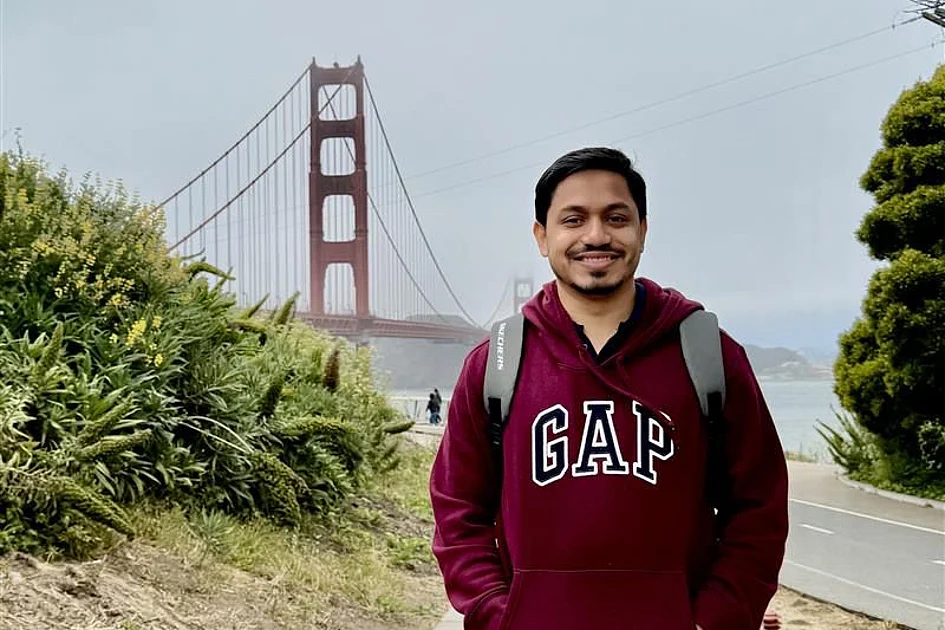
Meet UAE-based researcher who was among 255 students to win Google fellowship
Muhammad Maaz, a researcher based in the United Arab Emirates (UAE), has achieved a groundbreaking milestone by becoming the first Gulf region recipient of the prestigious Google PhD Fellowship in Machine Perception. The announcement came as a surprise to Maaz, who was engrossed in coding when he received the news from Professor Ian Reid, Chair of Computer Vision at the Mohamed bin Zayed University of Artificial Intelligence (MBZUAI).
The Google PhD Fellowship, now in its 16th year, is a highly competitive program that selects 255 PhD students globally from thousands of nominees across 35 countries and 12 research domains. Each university can nominate only four students, making the selection process exceptionally rigorous. The fellowship offers an annual stipend of $85,000, mentorship from Google Research, and access to a global network of researchers.
Maaz’s achievement is particularly significant as it challenges the narrative of regional brain drain, where talented researchers often leave the Middle East for opportunities abroad. Instead, Maaz chose to pursue his research in Abu Dhabi, highlighting the growing potential of the UAE as a hub for cutting-edge research and innovation.
His work focuses on developing multimodal large language models that enable machines to not only see but also understand and communicate about what they observe. “Imagine ChatGPT, but for videos,” Maaz explained. “You could upload a clip, ask questions about what’s happening, or request summaries and insights.” These advancements could revolutionize applications ranging from automated video analysis and surveillance to educational tools and accessibility features for visually impaired individuals.
Maaz attributes his success to the supportive environment at MBZUAI, where professors manage small research groups, providing direct guidance that is often challenging to achieve in larger institutions. “The support system here allows researchers to work without distraction,” he said. MBZUAI, founded in 2019, has a highly selective acceptance rate of 5%, enrolling 403 students this year from over 8,000 applicants.
Maaz’s achievement is not just a personal milestone but also a testament to the UAE’s vision and commitment to fostering innovation and research. “This achievement wouldn’t have been possible without the vision of the UAE’s leadership and the environment MBZUAI has created,” he said. “The best way I can give back is by making the most of these opportunities and striving to produce research that makes the region proud.”
-
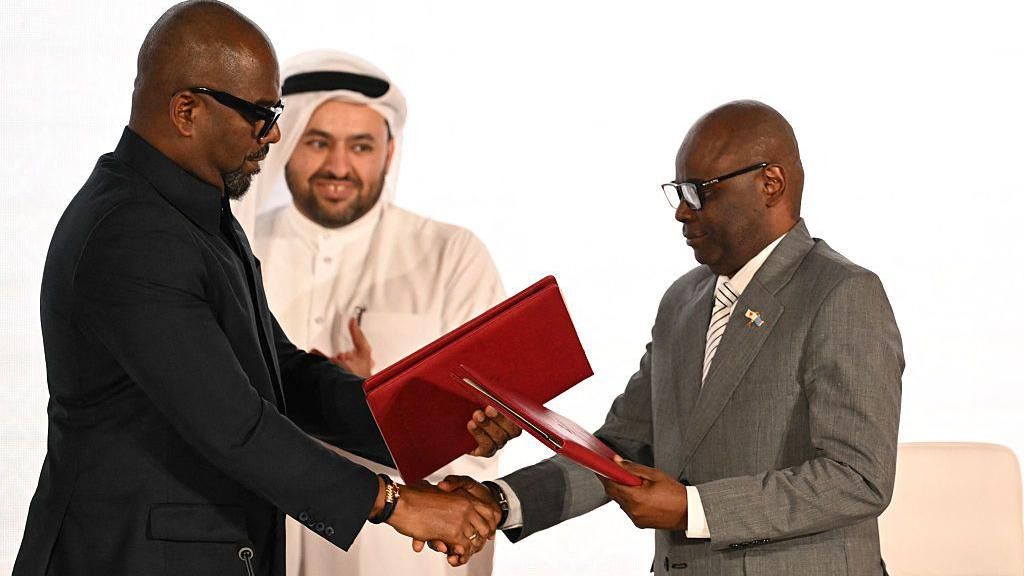
DR Congo and M23 rebels sign framework for peace in Qatar
In a significant development aimed at ending decades of conflict in the resource-rich eastern region of the Democratic Republic of Congo (DRC), the Rwandan-backed M23 rebels and the Congolese government have signed a peace framework in Doha, Qatar. The ceremony, attended by Congolese envoy Sumbu Sita Mambu and M23 secretary Benjamin Mbonimpa, marks a crucial step toward resolving one of Africa’s most protracted conflicts. Qatar, alongside the United States and the African Union, has been actively mediating the peace process. Earlier this year, the M23 captured key cities, including Goma and Bukavu, escalating tensions. The new framework, which builds on previous agreements signed in July and last month, outlines eight protocols addressing humanitarian access, the return of displaced people, and judicial protection. However, US Africa envoy Massad Boulos noted that many details remain unresolved, and progress on prisoner exchanges and ceasefire monitoring has been slower than anticipated. Kinshasa has demanded the withdrawal of Rwandan troops from its territory, while Kigali insists this can only occur once the Congo-based FDLR militia, linked to the 1994 Rwandan genocide, is disbanded. The M23, one of the largest factions in the conflict, has expressed support for the Qatar-mediated talks, emphasizing their focus on addressing the root causes of the crisis. Despite this progress, the region remains volatile, with thousands killed and hundreds of thousands displaced since January. The DRC government has reportedly sought US assistance in securing the region, offering access to critical minerals like coltan in exchange for security guarantees. Rwanda denies supporting the M23, despite substantial evidence, and claims its military presence is defensive. The peace framework represents a fragile hope for stability in a region long plagued by violence and exploitation.
-
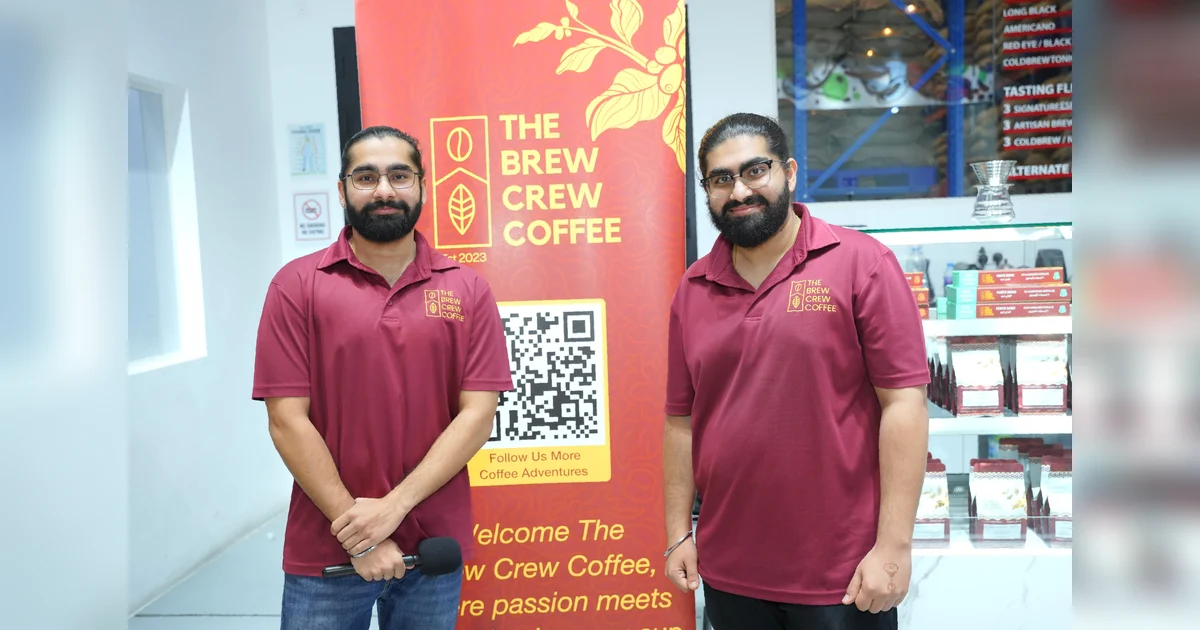
UAE’s homegrown specialty roastery elevates coffee culture with immersive ‘Farm to Cup’ showcase
The Brew Crew Coffee, a UAE-based specialty coffee brand, recently hosted an interactive event to highlight its ‘Farm to Cup’ philosophy, emphasizing transparency, sustainability, and craftsmanship in coffee production. The event, held at the company’s flagship roastery and concept space, brought together media representatives, coffee enthusiasts, and hospitality professionals for an immersive experience into the brand’s sourcing, roasting, and flavor profiling processes. Unlike traditional press conferences, the showcase offered a hands-on journey through every stage of coffee production, from farm-level sourcing to final preparation. Founded by brothers Ashjeet Singh Talwar and Sukhjeet Singh Talwar, The Brew Crew Coffee leverages their multi-generational expertise in the international coffee trade to create a consumer-facing brand rooted in integrity and education. Ashjeet Singh Talwar emphasized the brand’s commitment to quality and traceability, stating, ‘Farm to Cup represents our dedication to showcasing the real story behind every roast.’ Sukhjeet Talwar added that the event aimed to engage audiences in the coffee-making process, differentiating the brand in the UAE’s growing specialty coffee market. Since its inception, The Brew Crew Coffee has expanded its presence by offering training workshops, cupping sessions, and customized roasting solutions for B2B and hospitality partners. The brand’s focus on education and collaboration continues to drive its growth in both retail and wholesale segments, reinforcing its vision of making specialty coffee accessible, authentic, and sustainable.
-

Big Ticket brings the spirit of the season to life with a race and luxury yacht experience
As the UAE embraces the cooler November air and the excitement of National Day, Big Ticket has unveiled an extraordinary promotion to elevate the season’s festivities. The Race and Luxury Yacht Experience, a first-of-its-kind initiative, offers 30 winners and their guests an unparalleled weekend of opulence in Abu Dhabi. From November 1 to 21, every ticket purchase automatically enters participants into a special e-draw. Winners will receive Dh10,000 in cash and an all-expenses-paid trip to Yas Marina for the December 6–7 race weekend, including a three-night stay at a 5-star hotel, concert access, and transportation. For international participants, return flights and airport transfers are also provided. The highlight of the experience is a two-day luxury yacht event, where winners can compete for additional cash prizes of Dh250,000, awarded live on both days. The winners’ names will be announced on December 1, perfectly timed for the long weekend celebrations. For those who miss the early draw, tickets purchased before November 30 will enter the Dh25 million grand prize draw on December 3, with ten winners each taking home Dh100,000. Car enthusiasts are also in for a treat with Big Ticket’s Dream Car Series, featuring the Maserati Grecale in December and the BMW 430i in January. A special buy 2, get 2 free offer this month further enhances the chances of winning. Whether it’s the thrill of the Formula 1® Etihad Airways Abu Dhabi Grand Prix 2025, the allure of a luxury yacht, or the dream of substantial winnings, Big Ticket is making November an unforgettable month. Tickets are available online at www.bigticket.ae and at Zayed International Airport and Al Ain Airport.
-
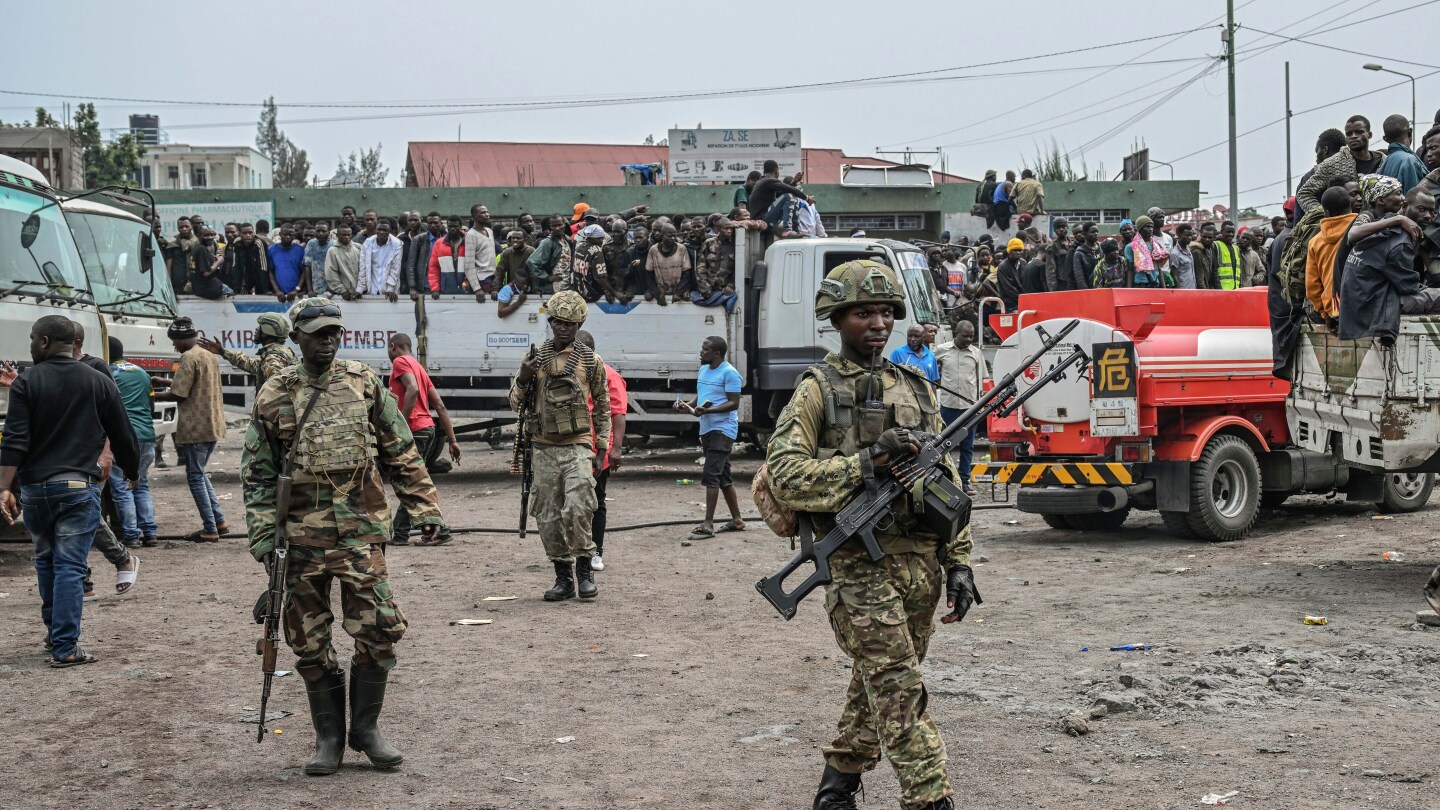
Congo and Rwanda-backed M23 rebels sign framework for peace deal, but tensions remain
In a significant development aimed at ending decades of conflict in eastern Congo, the Congolese government and the Rwanda-backed rebel group M23 signed a framework agreement for a peace deal on Saturday. The agreement, mediated by Qatar and signed in Doha, outlines protocols and a timeline for future negotiations but does not yet constitute a final peace accord. Benjamin Mbonimpa, head of the M23 delegation, emphasized that the framework includes eight protocols addressing the root causes of the conflict, though specific details remain undisclosed. Mbonimpa stated that no changes or activities would occur on the ground until each protocol is thoroughly debated and a final agreement is reached. A key objective of the framework is the joint management of rebel-held areas by the Congolese government and M23, according to Lawrence Kanyuka, a spokesperson for the rebels. M23, supported by Rwanda, is the most prominent among over 100 armed groups vying for control in Congo’s mineral-rich east, which has displaced 7 million people and been labeled by the U.N. as one of the world’s most complex humanitarian crises. Earlier this year, the conflict escalated when M23 seized Goma and Bukavu, two strategic cities in eastern Congo. Qatar has hosted multiple rounds of talks since April to establish preconditions for peace and confidence-building measures, though both sides continue to accuse each other of prolonging the conflict. In July, Congo and M23 signed a declaration of principles in Qatar, committing to a comprehensive peace agreement that would restore state authority in rebel-controlled areas and facilitate prisoner exchanges. Despite agreeing to finalize a deal by August 18, the deadline was missed due to mutual accusations of violating peace terms. In October, the two sides agreed to establish an oversight body for a potential permanent ceasefire. Massad Boulos, a senior adviser to former U.S. President Donald Trump, attended the signing ceremony in Doha and described the framework as a “starting point” and a “historic” opportunity. The Trump administration has played a key role in mediating between Rwanda and Congo, leading to a peace deal between the two nations in June.
-

US and UK warn of major e-visa data breach in Somalia
A significant cybersecurity incident has rocked Somalia’s electronic visa system, potentially exposing sensitive personal information of tens of thousands of applicants, including US citizens. The US Embassy in Somalia issued a stark warning on Thursday, citing credible reports that unidentified hackers had infiltrated the government’s e-visa platform. The breach, which remains ongoing, has reportedly compromised data such as names, photographs, dates of birth, marital statuses, home addresses, and email contacts. The UK has also advised travelers to weigh the risks before applying for an e-visa to Somalia, emphasizing the potential dangers of submitting personal information to the compromised system. Somali authorities have yet to comment on the breach, but the government has quietly transitioned its visa services from evisa.gov.so to etas.gov.so without providing an official explanation. The US Embassy noted that while it cannot confirm individual involvement in the breach, all applicants who have used the e-visa system may be affected. The incident has further strained tensions between Somalia and the self-declared republic of Somaliland, which has refused to recognize Somalia’s e-visa system. Somaliland’s Foreign Minister warned that the system is unsafe, raising concerns that personal data could fall into the hands of extremist groups. The dispute has left some travelers stranded at airports, as airlines refuse to board passengers without Somalia’s e-visa approval. Meanwhile, Somaliland’s Civil Aviation Minister has asserted that airlines must now obtain clearance from Hargeisa before entering its airspace, a directive that has already led to several aircraft being rerouted. The Somalia Civil Aviation Authority, however, maintains sole control over the nation’s airspace and has warned that non-compliance with its directives could result in serious legal consequences.
-
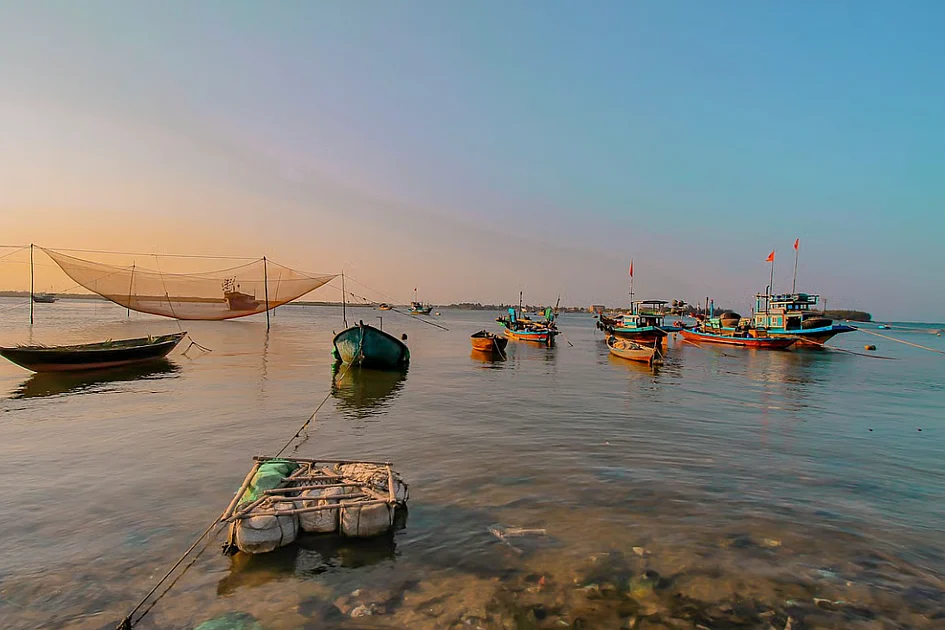
UAE: 6 illegal fishing boats seized amid crackdown in Fujairah’s Bird Island Reserve
In a decisive move to protect marine biodiversity, authorities in Fujairah have confiscated six fishing vessels engaged in illegal activities within the Bird Island Reserve. The Fujairah Environment Authority (FEA) conducted the operation during routine field inspections as part of an ongoing monitoring campaign. FEA Director Asila Al Mualla emphasized that fishing within marine reserves constitutes a severe environmental violation and is subject to legal penalties. The monitoring system employs daily oversight, scheduled field visits, and advanced surveillance technologies to detect and address illegal activities promptly. Al Mualla highlighted the importance of protecting Fujairah’s natural reserves, which serve as vital habitats for coral reefs, small fish, and endangered species. Illegal fishing disrupts food chains, depletes fish stocks, and damages coral structures, which are essential for marine life. Additionally, fishing near diving sites poses risks to divers and sea users due to potential entanglement in fishing lines or accidents involving high-speed boats. The FEA stressed that safeguarding these reserves is crucial for environmental sustainability, allowing fish populations to recover and reproduce in safe habitats. These efforts also support the blue economy by promoting eco-tourism and sustainable diving practices. Al Mualla reiterated the FEA’s commitment to enforcing environmental regulations and urged fishers and sea users to comply fully to preserve Fujairah’s natural resources for future generations. This crackdown underscores the emirate’s dedication to balancing human activity with environmental protection.
-

UAE weather: Abu Dhabi temperature to dip to 22ºC; humid conditions likely
Residents of the UAE can anticipate fair to partly cloudy skies on Saturday, November 15, 2025, as reported by the National Centre of Meteorology (NCM). The weather is expected to remain pleasant, with Abu Dhabi experiencing temperatures ranging from a cool 22ºC to a warm 32ºC. Meanwhile, Dubai will see slightly milder conditions, with lows of 23ºC and highs of 31ºC. Humidity is likely to increase by night and into Sunday morning, particularly in coastal and internal areas, potentially leading to mist formation. Light to moderate winds, blowing at speeds of 10 to 20 kmph and occasionally reaching 30 kmph, will prevail across the region. Sea conditions in the Arabian Gulf and Oman Sea are forecasted to be calm. This weather update comes as part of the NCM’s ongoing efforts to keep the public informed about climatic conditions, ensuring residents can plan their activities accordingly.
-

UAE: Scammer ordered to repay Dh24,500 to victim in phone fraud case
In a significant ruling that underscores the escalating menace of phone-based financial scams, the Abu Dhabi Family, Civil and Administrative Cases Court has mandated a convicted fraudster to reimburse Dh24,500 to his victim. The court’s decision, announced on November 11, 2025, ensures the victim recovers the entire sum stolen from his bank account. Additionally, the defendant was ordered to pay Dh3,000 in moral compensation for the emotional distress caused, along with 3% annual interest on the stolen amount. The court also ruled that the defendant must cover all legal expenses and court fees. This verdict follows a prior criminal conviction where the fraudster was fined Dh20,000 for fraud and unlawful possession of funds. The case began when the victim received a call from a man posing as a bank representative, who persuaded him to share his bank card details and one-time password (OTP). Within hours, Dh24,500 was siphoned from the victim’s account. Upon realizing the scam, the victim filed a police complaint, leading to the defendant’s arrest. UAE authorities continue to warn residents against sharing sensitive information over the phone and advise contacting banks directly if suspicious calls are received.