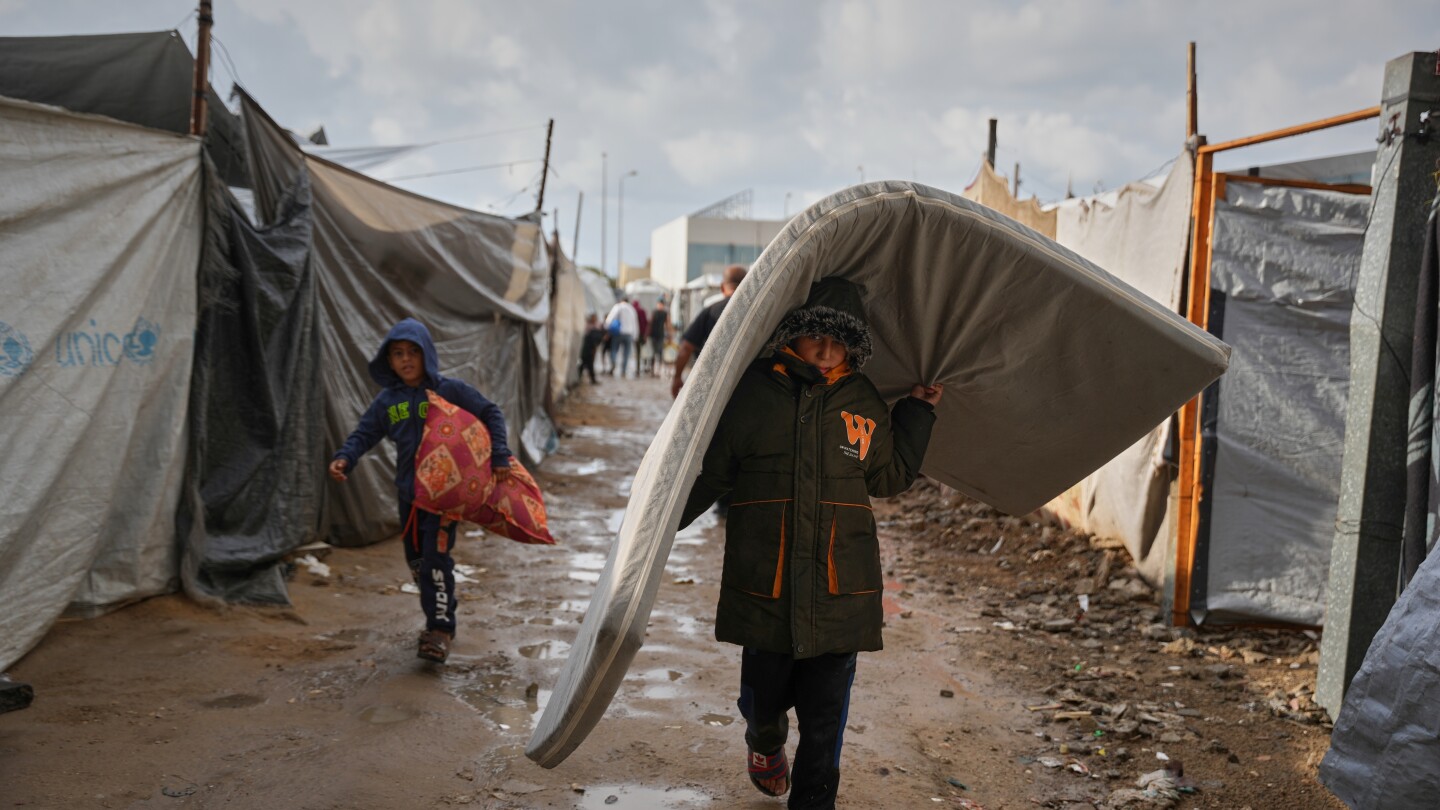
South Africa’s Foreign Minister Ronald Lamola has raised suspicions over a chartered flight that arrived in Johannesburg last week carrying more than 150 Palestinians, suggesting it is part of a broader agenda to displace Palestinians from Gaza and the West Bank. The flight, which originated from Israel’s Ramon Airport with a stopover in Kenya, has sparked concerns about a coordinated effort to relocate Palestinians globally. Lamola did not explicitly name Israel but implied its involvement, stating, “It does look like it represents a broader agenda to remove Palestinians from Palestine into many different parts of the world.” The Israeli authority responsible for civilian policies in Palestinian territories clarified that the passengers left Gaza with approval from a third country, as part of a policy allowing residents to depart. However, the third country was not disclosed. South African President Cyril Ramaphosa has ordered an intelligence investigation into the matter, emphasizing the government’s opposition to such flights. The passengers, including families and a heavily pregnant woman, were initially denied entry due to improper documentation but were later allowed to disembark after a 12-hour delay. South Africa, a longstanding supporter of the Palestinian cause, has criticized Israel’s actions, with civic groups alleging ties between the flight’s organizer, Al-Majd, and Israel. An anonymous Israeli military official confirmed Al-Majd’s role in arranging the transport, while a South African NGO noted this was the second such flight in recent weeks. The incident has reignited debates over Israel’s resettlement policies and their implications for Palestinian rights.
标签: Africa
非洲
-
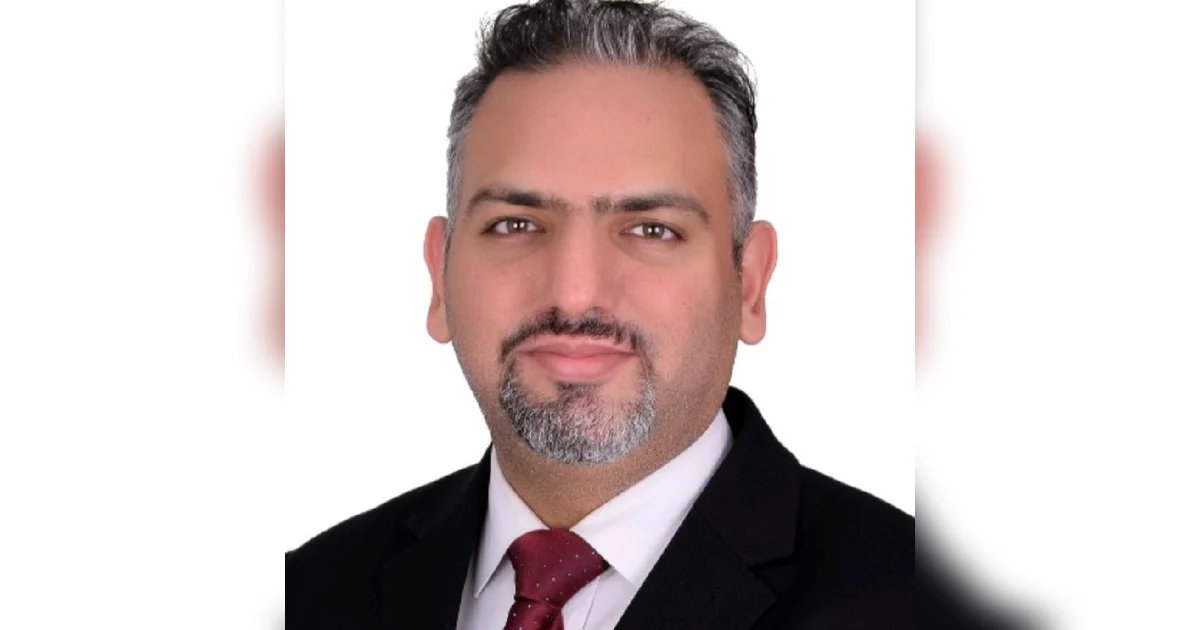
Traders Hub strengthens UAE’s trading ecosystem with focus on client experience and market expansion
The United Arab Emirates (UAE) is witnessing a significant transformation in its financial landscape, driven by the rapid adoption of digital trading and a shift toward diversified, technology-driven investment portfolios. Industry experts highlight a surge in online trading activity, fueled by fintech advancements, enhanced accessibility, and growing trust in the nation’s regulatory frameworks. Technological innovations, such as the UAE Pass digital identity system and efficient payment gateways, are simplifying access to global markets and accelerating trade execution, reshaping the trading experience for both retail and institutional investors. The Securities and Commodities Authority (SCA) plays a pivotal role in this evolution, ensuring robust regulatory frameworks and strengthening investor protection. This regulatory maturity has attracted both local and international firms to expand their offerings, solidifying the UAE’s position as a leading financial hub in the region. Among the key players is Traders Hub, a UAE-regulated brokerage that emphasizes digital efficiency and accessibility. Hafez Baker, COO of Traders Hub, notes that modern investors demand transparency, diversification, and seamless access to global markets. Brokerages across the UAE are responding by expanding their product suites, offering over 5,000 global instruments, including forex, equities, ETFs, indices, and commodities. This diversification enables investors to strategically manage risk and capitalize on global opportunities in real time. Market analysts believe that this shift toward technology-enabled diversification and client-centric infrastructure is enhancing the UAE’s competitiveness in global finance. With regulatory stability, innovative platforms, and broader market access, the UAE’s trading ecosystem is poised for sustained growth and deeper investor engagement.
-
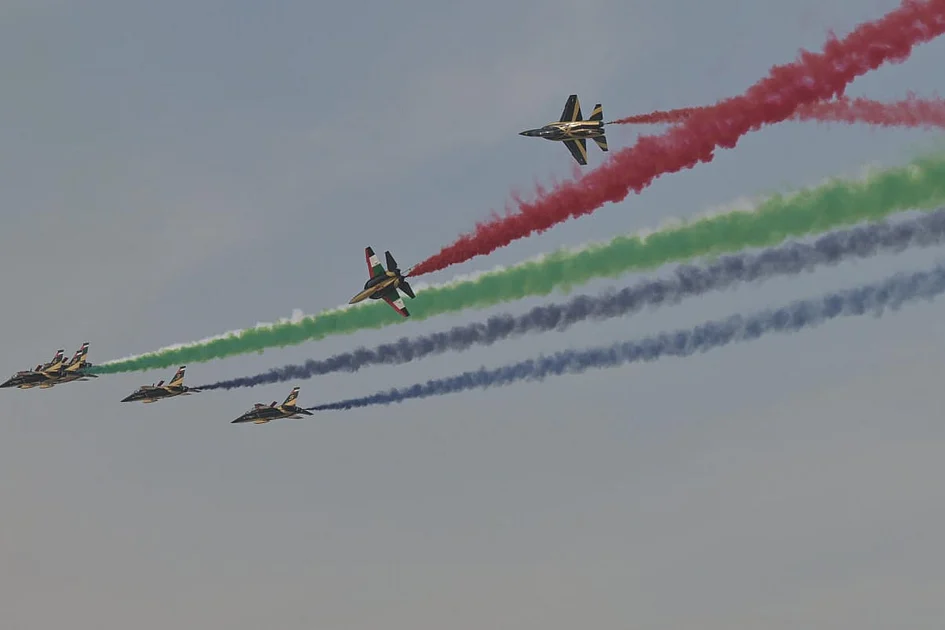
Look: UAE flag colours sky at Dubai Airshow 2025 as crowds wowed by flying displays
The Dubai Airshow 2025 kicked off in grand style on November 17, captivating audiences with an array of breathtaking aerial performances. The event, held at Dubai World Central, featured 19 teams and aircraft types on its opening day, making it one of the busiest schedules in the airshow’s history. The lineup included national aerobatic teams, military formations, next-generation fighters, and commercial aircraft, offering a diverse and thrilling experience for attendees. The skies were painted with the colours of the UAE flag as Fursan Al Emarat, the national aerobatic team, performed a stunning vertical climb, releasing trails of red, white, black, and green smoke. The Emirates A380 also made a dramatic low pass, drawing gasps and applause from the crowd. Adding to the excitement, a flying taxi made its debut in the flying programme, signaling a leap toward future mobility solutions. Sheikh Mohammed bin Rashid Al Maktoum, Vice President, Prime Minister, and Ruler of Dubai, graced the event, emphasizing the UAE’s pivotal role in advancing the aerospace industry. The airshow continues to showcase cutting-edge technologies and innovations, solidifying Dubai’s position as a global hub for aviation and aerospace.
-

China’s GDI hailed pillar of South-South Cooperation
Experts from Kenya have lauded China’s Global Development Initiative (GDI), introduced four years ago, for its pivotal role in advancing equitable and inclusive growth while strengthening South-South cooperation. The initiative, which has garnered international attention, is being recognized as a cornerstone in fostering collaborative development among nations in the Global South. By prioritizing shared prosperity and sustainable development, the GDI has facilitated partnerships that address global challenges such as poverty, inequality, and climate change. Kenyan analysts highlighted the initiative’s alignment with the United Nations’ Sustainable Development Goals (SDGs), emphasizing its potential to bridge development gaps and promote mutual benefits. The GDI’s emphasis on inclusivity and innovation has also inspired other nations to adopt similar frameworks, further solidifying its impact on international development efforts. As South-South cooperation gains momentum, China’s initiative is increasingly viewed as a model for fostering global solidarity and progress.
-
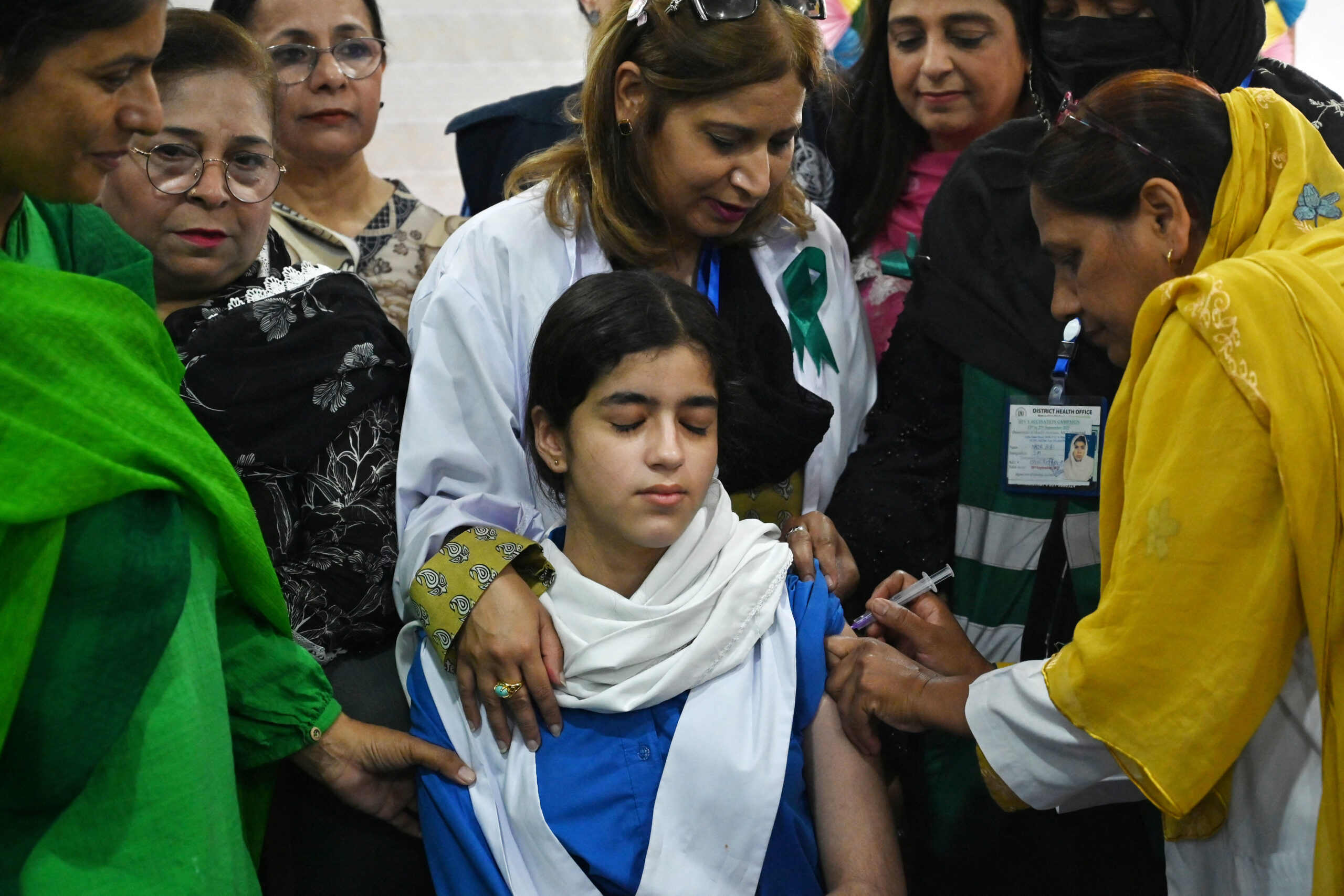
Cervical cancer vaccine push has saved 1.4 million lives: Gavi
A groundbreaking three-year campaign led by Gavi, the Vaccine Alliance, has successfully prevented an estimated 1.4 million cervical cancer deaths in low-income countries. The initiative, which focused on delivering human papillomavirus (HPV) vaccines, has protected 86 million girls against the leading cause of cervical cancer. Gavi announced this milestone on World Cervical Cancer Elimination Day, highlighting the disproportionate impact of HPV-related cancers in low-income regions, which accounted for 90% of the 350,000 cervical cancer deaths recorded in 2022. These areas often lack access to screening and treatment services, exacerbating the crisis. Gavi’s CEO, Sania Nishtar, praised the ‘incredible commitment’ of participating countries and organizations in achieving this life-saving goal. The vaccine coverage rate in Africa surged from 4% in 2014 to 44% by the end of 2024, surpassing Europe’s 38% rate. Gavi leveraged economies of scale to reduce vaccine costs, making doses available for as low as $2.90 to $5.18 in supported countries, compared to over $100 elsewhere. The World Health Organization’s 2022 endorsement of a single-dose HPV vaccination schedule further doubled the reach of existing vaccine stocks. Despite these advances, cervical cancer remains a critical threat, claiming a woman’s life every two minutes. Gavi’s efforts underscore the importance of global collaboration in combating this preventable disease.
-

Farhan Akhtar’s ‘120 Bahadur’ to release across 800 defence theatres in India
Farhan Akhtar’s highly anticipated war drama, ‘120 Bahadur,’ is set to make cinematic history as it becomes the first film to be released exclusively across 800 defence theatres in India. The film, which is based on the heroic Battle of Rezang La, will premiere on November 21, offering a unique cinematic experience to the nation’s armed forces and their families. Directed by Razneesh ‘Razy’ Ghai and produced by Ritesh Sidhwani, Farhan Akhtar (Excel Entertainment), and Amit Chandra (Trigger Happy Studios), the movie features an ensemble cast including Raashii Khanna, Sparsh Walia, Vivan Bhatena, and Dhanveer Singh. Akhtar portrays Major Shaitan Singh Bhati, a valiant leader of the 13 Kumaon Regiment, whose unwavering courage and determination are central to the narrative. The film’s trailer captures pivotal moments, including a powerful dialogue where Akhtar’s character declares, ‘Main ladey bina haar nahi manna chahta’ (I don’t want to accept defeat without fighting). The initiative, spearheaded by PictureTime in collaboration with GenSync Brat Media, aims to bridge the gap between the entertainment industry and India’s defence community. Sushil Chaudhary, founder and CEO of PictureTime, emphasized the significance of this move, stating that it seeks to expand access to cinematic experiences for the underserved 70% of India’s 20-million-strong veteran and family audience. This groundbreaking release underscores the film’s resonance with the armed forces and its potential to inspire audiences nationwide.
-
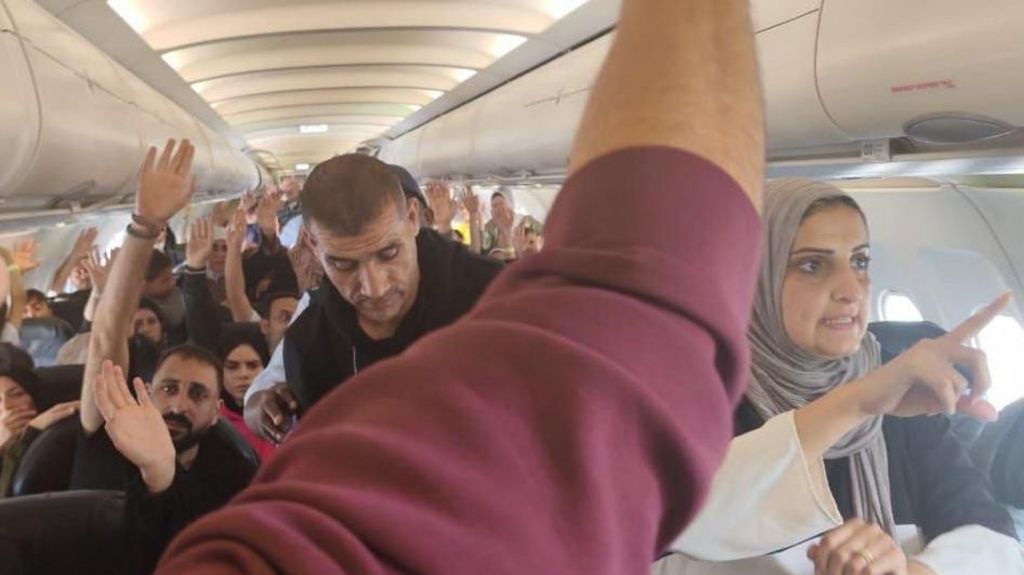
South Africa to refuse charter flights of Palestinians over fears of ‘cleansing agenda’
South Africa has expressed deep suspicions regarding the recent arrival of a group of Palestinians, raising concerns about the circumstances surrounding their journey. The controversy stems from a chartered flight that landed at OR Tambo International Airport last Thursday, carrying 153 passengers from Gaza. Foreign Minister Ronald Lamola described the flight as part of a ‘clear agenda to cleanse Palestinians out of Gaza and the West Bank,’ though Israeli authorities have yet to respond to these allegations. The Palestinian embassy in South Africa claimed the group departed from Israel’s Ramon Airport, transiting through Nairobi, Kenya, without prior coordination, and accused an ‘unregistered and misleading organization’ of exploiting the situation by deceiving families and facilitating irregular travel. Initially, the passengers were denied entry due to missing departure stamps in their passports, but after a 10-hour delay and intervention by a local charity, 130 were allowed to disembark. South African President Cyril Ramaphosa cited ’empathy and compassion’ as the reason for their eventual admission. Lamola suggested the flight was part of a broader effort to relocate Palestinians globally, with similar flights reportedly sent to other countries. This incident follows another flight two weeks earlier, which brought 176 Palestinians to Johannesburg, some of whom continued to other destinations. Israel’s Prime Minister Benjamin Netanyahu has previously discussed ‘voluntarily’ resettling Palestinians from Gaza, a move criticized by Palestinians and human rights groups. South Africa, a long-time supporter of the Palestinian cause, has been vocal in its criticism of Israel’s military actions in Gaza, even filing a genocide case against Israel at the International Court of Justice. The country’s historical solidarity with Palestine, rooted in its anti-apartheid struggle, has fueled widespread pro-Palestinian sentiment, though smaller pro-Israel demonstrations have also occurred. The situation remains under investigation, with South Africa continuing to scrutinize the motives behind these arrivals.
-

Look: UAE-based Indian artist recreates Emirati heritage, past with paper installations
Masarratfatima Sulaimani, a Sharjah-based Indian artist and former graphic designer, has captivated audiences with her intricate paper installations that celebrate Emirati heritage and architecture. Her latest work, ‘Rooted Memories: A Journey Through Paper,’ is a month-long exhibition at Hotel Indigo, Dubai Downtown, showcasing her handmade paper recreations of Dubai’s Al Fahidi neighbourhood, complete with traditional wind towers and paper figurines of Emiratis and tourists. Sulaimani’s art, which explores themes of memory, migration, and journey, is crafted from recycled materials, including food waste collected at the hotel, reflecting her commitment to sustainability. Her innovative techniques—cutting, folding, and layering—breathe life into paper, transforming it into immersive, large-scale installations. Sulaimani’s work has been featured at prestigious venues such as the Shanghai International Biennale, the Al Murabbaa Arts Festival, and the Sikka Art Festival. Her art not only captures the essence of Emirati culture but also reflects her personal journey as an Indian expatriate finding belonging in the UAE. Through her creations, she explores the cycles of life, the resilience of paper, and the universal themes of homecoming and acceptance.
-

UK threatens visa bans on three African countries ahead of asylum overhaul
The United Kingdom has issued a stern warning to Angola, Namibia, and the Democratic Republic of Congo, threatening to halt visa issuance to their nationals unless these countries agree to repatriate their citizens deemed as criminals or irregular migrants. This announcement, made by the UK Home Office on Monday, precedes a significant overhaul of the nation’s asylum system, described as the most comprehensive in modern history. Home Secretary Shabana Mahmood is set to unveil these reforms, which aim to address the contentious issue of illegal migration, particularly the surge of asylum seekers crossing the English Channel from France. The UK government has criticized the three African nations for their lack of cooperation in facilitating the return of migrants, giving them a one-month ultimatum to comply. The proposed measures, inspired by Denmark’s stringent asylum policies, include ending automatic benefits for asylum seekers, reducing refugee protections, and shortening the duration of refugee status from five years to 30 months. Additionally, refugees will face stricter conditions for permanent residency, with the waiting period extended from five to 20 years. These reforms have sparked criticism from charities and opposition lawmakers, who argue that they create unnecessary hardship for refugees and hinder their integration into society.
-

UAE: Endangered migratory bird on Red List observed in Wasit Reserve
In a significant ecological discovery, the White-Tailed Lapwing, an endangered migratory bird, has been observed in the Wasit Nature Reserve in the UAE. This medium-sized wader, scientifically known as Vanellus leucurus, is listed on the UAE’s Red List of threatened species, as confirmed by Sharjah’s Environment and Protected Areas Authority. The bird is easily recognizable by its white belly and tail, brown upper plumage, long legs, and pointed bill, which it uses to forage for insects and worms in wetland habitats. The White-Tailed Lapwing breeds in Central Asia and migrates to regions such as India, the Middle East, and North Africa during winter. During breeding season, it exhibits territorial behavior, engaging in aerial and vocal displays to protect its nest. The sighting highlights the importance of wetland conservation efforts in the UAE and underscores the region’s role as a critical habitat for migratory species. This discovery also raises awareness about the need to protect endangered species and their ecosystems, particularly in the face of environmental challenges.