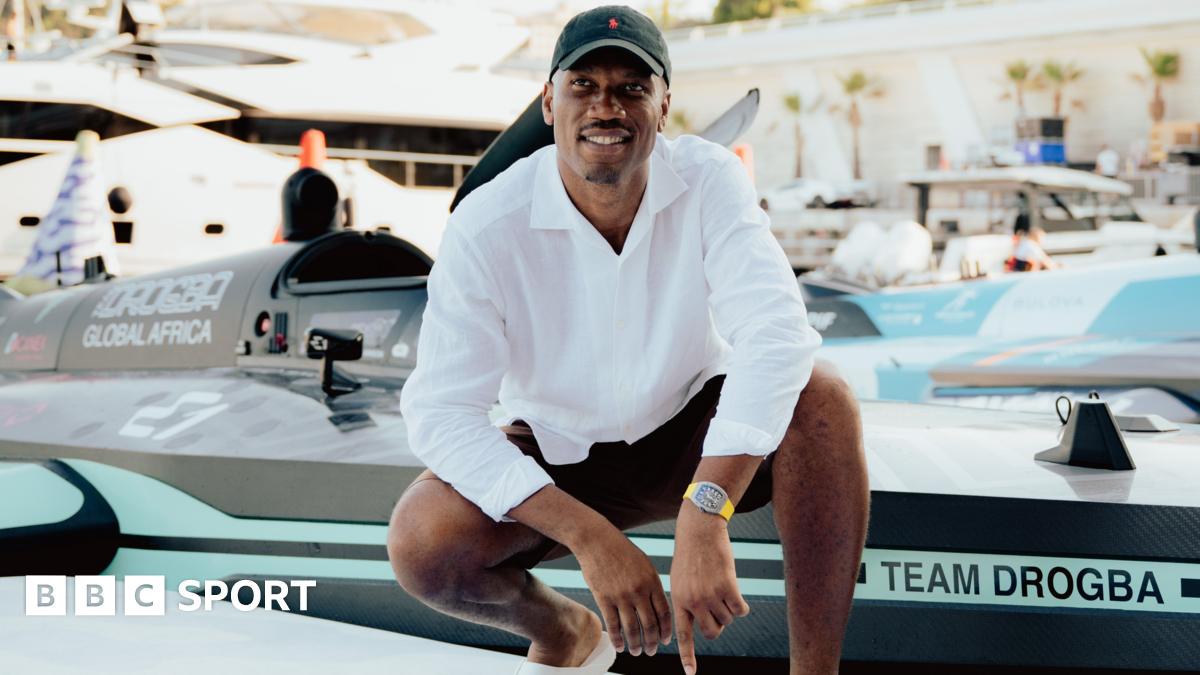
Former Chelsea and Ivory Coast football legend Didier Drogba has embarked on a new venture in the world of electric powerboat racing as a team owner in the E1 Series, the first all-electric international powerboat competition. Alongside global icons like Tom Brady, LeBron James, Virat Kohli, Rafael Nadal, and actor Will Smith, Drogba is part of an elite group of investors driving this innovative sport. The E1 Series, which debuted last year, is set to make its first African stop in Lagos, Nigeria, on 4-5 October. Drogba emphasized the importance of showcasing African culture and history through this event, describing Lagos as a vibrant and fitting host city. Gabrielle Lemaire, Drogba’s partner and co-investor, highlighted the opportunity to advocate for sustainability and inspire young people, particularly women, to engage in sports and environmental awareness. The E1 Series aims to promote gender equality, with each team comprising one male and one female pilot. The competition has already visited prestigious locations such as Venice, Monaco, and Lake Como, with Miami scheduled to conclude the season. Drogba’s team includes British powerboat champion Oban Duncan and Olympic sailing bronze medalist Micah Wilkinson. Despite his illustrious football career, Drogba has chosen not to pursue coaching, instead applying the leadership skills he learned from former managers and teammates to his new role in E1. The rivalry among the star-studded team owners extends beyond the water, with Drogba humorously noting the competitive banter in their WhatsApp group. The E1 Series aspires to rival motorsport giants like Formula 1 and Formula E, with organizers targeting a valuation of £500 million ($675 million) within five years. Drogba also expressed his desire to bring the race to his home country, Ivory Coast, with Abidjan as a potential venue, citing its suitability and the success of hosting the Africa Cup of Nations.
标签: Africa
非洲
-
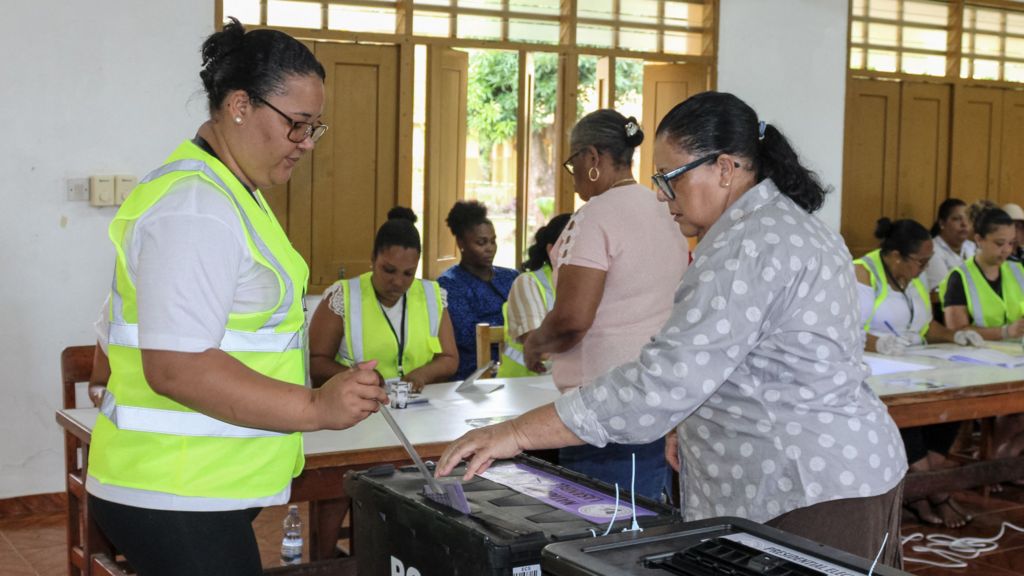
Seychelles to hold presidential run-off after vote fails to produce clear winner
Seychelles, Africa’s smallest nation, is gearing up for a crucial presidential run-off election scheduled for 9-11 October, following an inconclusive first round. Opposition leader Patrick Herminie secured 48.8% of the vote, narrowly edging out incumbent President Wavel Ramkalawan, who garnered 46.4%. According to Seychelles’ electoral rules, a candidate must achieve over 50% of the vote to claim victory, necessitating a second round of voting. The archipelago, comprising 115 islands in the Indian Ocean with a population of just over 120,000, witnessed a competitive election with eight presidential candidates vying for the top office. Ramkalawan, seeking a second term under his Linyon Demokratik Seselwa (LDS) party, has campaigned on platforms of economic recovery, social development, and environmental sustainability. His primary rival, Herminie, represents the United Seychelles party, which dominated the nation’s politics from 1977 until 2020, when it lost its majority to Ramkalawan’s LDS. However, United Seychelles has recently regained control of the National Assembly, winning 19 out of 35 seats in the parliamentary elections held concurrently with the presidential vote. In a televised address, Herminie expressed readiness for the run-off, stating, ‘We are ready for a second round. We start campaigning tomorrow.’ A key issue influencing the election is the recent leasing of Assumption Island, one of Seychelles’ most ecologically sensitive territories, to a foreign hotel developer. This decision has sparked public concern over sovereignty and environmental stewardship, potentially swaying voters and garnering support from the six trailing candidates and their supporters. Seychelles, renowned for its luxury and environmental tourism, is Africa’s wealthiest country in terms of per capita income, according to the World Bank. The outcome of this election will not only determine the nation’s leadership but also shape its approach to critical environmental and economic challenges.
-
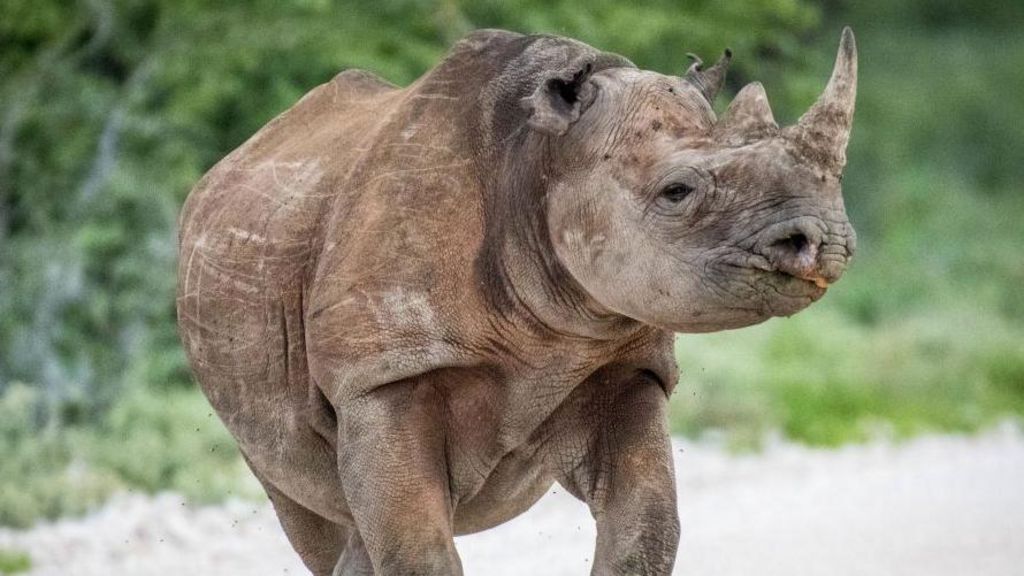
Army sent to battle fire in Namibia tourist hotspot
Namibia has mobilized helicopters and hundreds of soldiers to combat a raging wildfire that has engulfed a third of Etosha National Park, a critical nature reserve and one of southern Africa’s premier tourist destinations. The park, renowned for its expansive salt pan visible from space, is also a sanctuary for the critically endangered black rhino. The fire, believed to have originated on Monday at a charcoal production site outside the park’s boundaries, has spread rapidly, claiming the lives of at least nine antelopes and devastating wildlife habitats and grazing pastures in the Omusati and Oshana regions bordering Angola. Opposition MP Likando Rodrick has criticized the government for its delayed response, urging enhanced preparedness and long-term fire management strategies. In response, Prime Minister Tjitunga Elijah Ngurare announced on X that an emergency meeting on Saturday resulted in the deployment of an additional 500 troops to assist firefighters, police, and volunteers. Covering 22,935 square kilometers, Etosha National Park is one of Africa’s largest reserves, attracting around 200,000 tourists annually. It is home to 114 mammal species and serves as a haven for migratory birds, including flamingos. While experts acknowledge that wildfires are a natural occurrence in arid savannahs and can benefit ecosystems when managed properly, the current blaze underscores the urgent need for effective fire control measures.
-
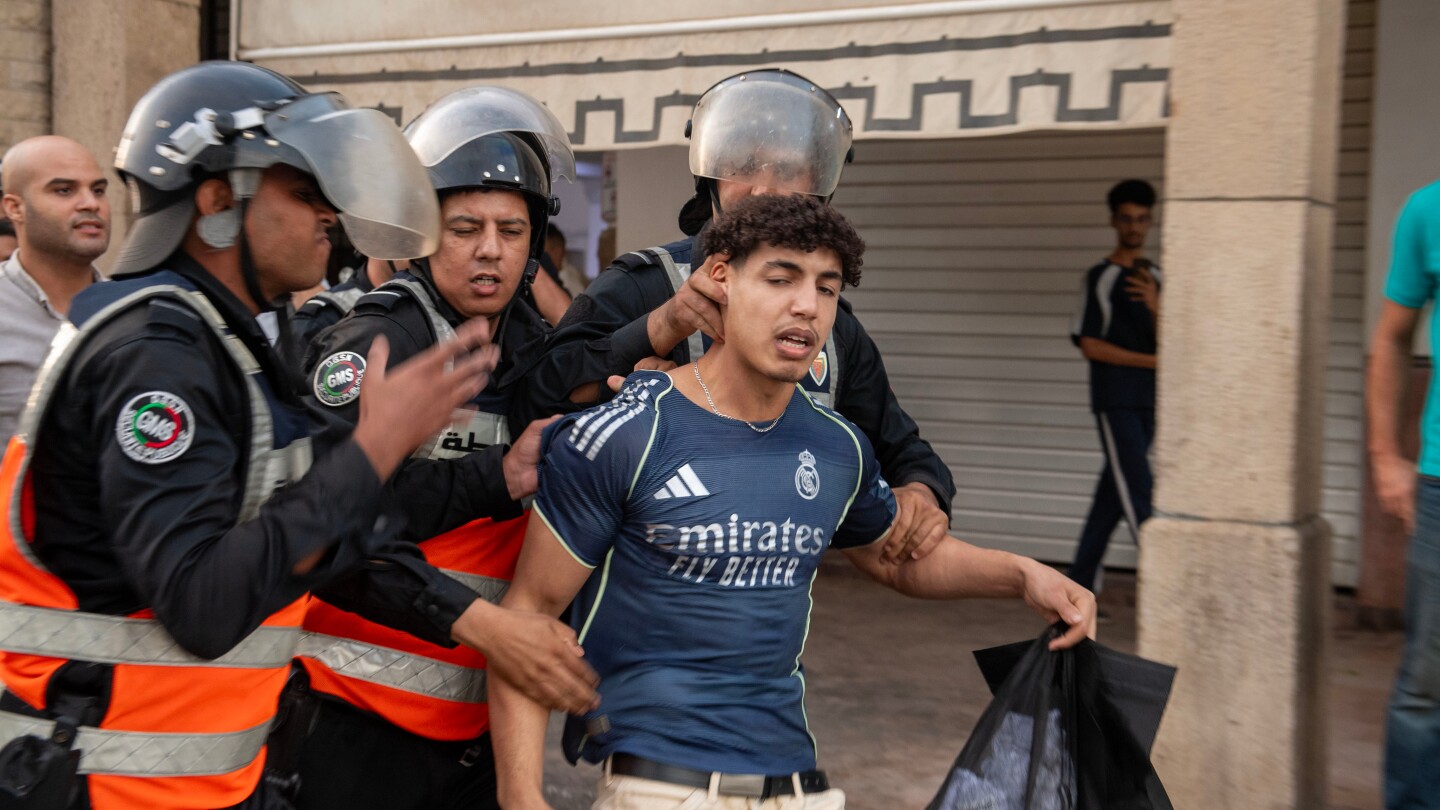
Young Moroccans clash with police while protesting stadium spending and health system decline
In a significant wave of dissent, Morocco witnessed some of its largest anti-government protests in years over the weekend, as youth-led demonstrators clashed with police and blocked highways across the nation. The protests, which spanned at least 11 cities, were fueled by widespread anger over corruption and the government’s alleged misallocation of resources. Demonstrators criticized the administration for investing heavily in international sporting events, such as the 2030 FIFA World Cup and the upcoming Africa Cup of Nations, while neglecting critical sectors like health and education. Slogans such as ‘Stadiums are here, but where are the hospitals?’ echoed through the streets, highlighting the dire state of public services. Police, both in plainclothes and riot gear, intervened to disrupt the protests, making numerous arrests in cities like Rabat, Marrakech, and Casablanca. Videos shared by local media showed plainclothes officers detaining protesters mid-interview, though authorities did not respond to inquiries about the arrests. The protests, largely organized through social media platforms like TikTok and Discord, were spearheaded by leaderless groups such as ‘Gen Z 212’ and ‘Morocco Youth Voices.’ These movements, driven by Morocco’s Gen Z population, have drawn inspiration from youth-led protests in Nepal, channeling frustration over systemic corruption, nepotism, and a lack of opportunities. The unrest was further exacerbated by recent tragedies, including the deaths of eight women during childbirth at a public hospital in Agadir. Despite government assurances of reforms, public anger remains high, with demonstrators demanding comprehensive systemic changes. The Moroccan Association for Human Rights reported over 120 arrests, condemning the crackdown on free expression. As the protests continue to gain momentum, the government faces mounting pressure to address the grievances of its youth, who represent the largest demographic in the country.
-

Pogacar wins second straight world title at road cycling championships in Rwanda
KIGALI, Rwanda — In a remarkable display of endurance and skill, Tadej Pogacar claimed his second consecutive world road cycling championship on Sunday. The Slovenian cyclist, already a four-time Tour de France winner, showcased his dominance in the men’s elite road race, finishing comfortably ahead of Remco Evenepoel, the reigning time-trial champion. This victory adds to Pogacar’s growing legacy in the sport, following his triumph in Switzerland last year. The event also celebrated significant achievements in women’s cycling, with Magdeleine Vallieres Mill of Canada securing the women’s road race title on Saturday, and Marlen Reusser taking home the women’s time-trial victory. This year’s championships in Rwanda marked a historic milestone as the first time the event was held in Africa in its 104-year history, underscoring the global expansion and inclusivity of the sport.
-
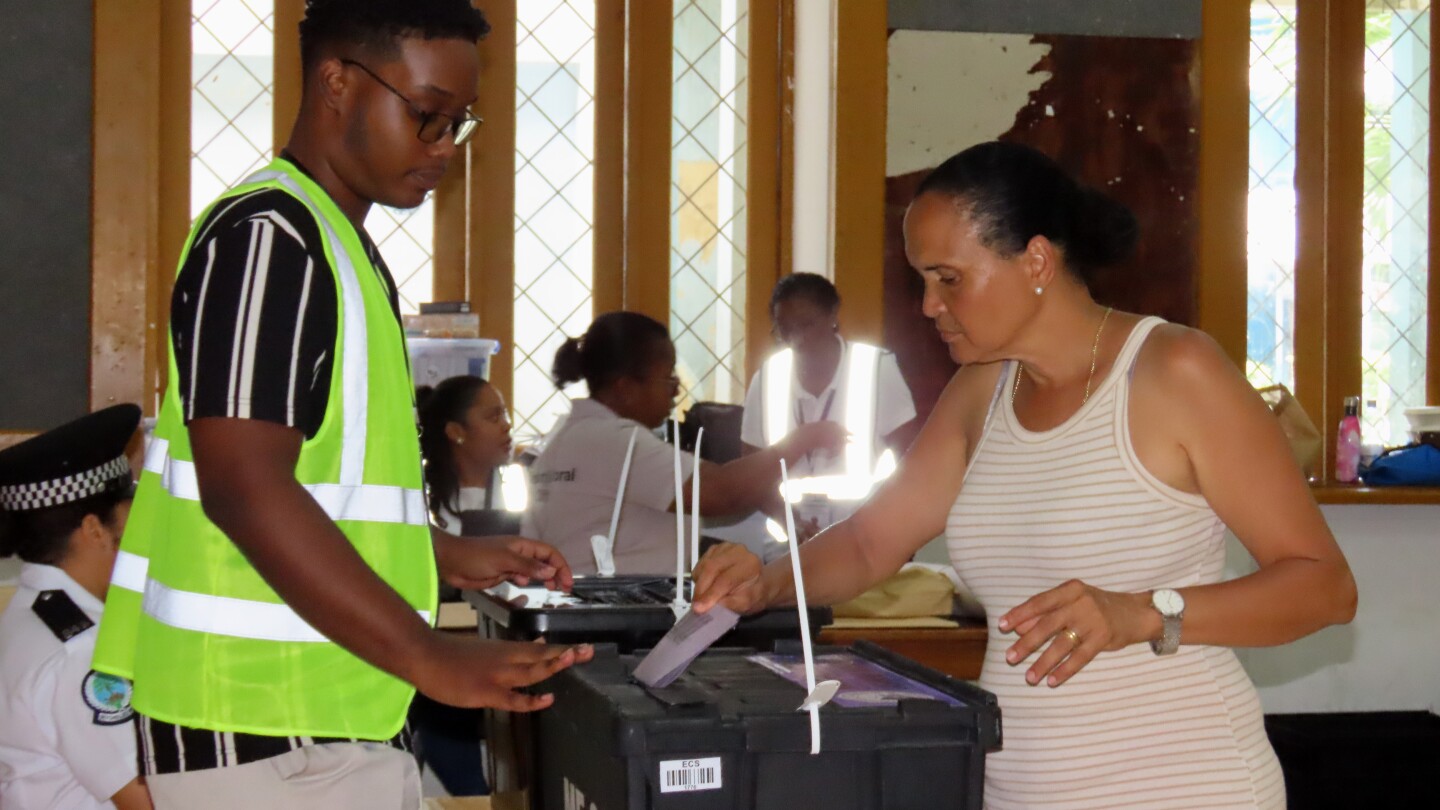
Seychelles to hold rerun presidential election after no outright winner
The Seychelles presidential election has entered a critical phase as no candidate secured a decisive majority in the initial vote, prompting a runoff between the two leading contenders. Official results revealed that opposition leader Patrick Herminie garnered 48.8% of the vote, while incumbent President Wavel Ramkalawan secured 46.4%. To claim victory, a candidate must achieve over 50% of the vote. The runoff is scheduled for October 9-11, as announced by the electoral authority. Ramkalawan, seeking a second term, has called for a public debate with Herminie to assist voters in making an informed decision. He emphasized that the presidency belongs to the people, not to any individual. Herminie, representing the United Seychelles party, expressed confidence in winning the runoff, citing widespread dissatisfaction with the current administration. The United Seychelles party, which governed the country from 1977 to 2020, is attempting to regain power after losing it five years ago. Ramkalawan’s Linyon Demokratik Seselwa party has campaigned on promises of economic recovery, social development, and environmental sustainability. The election unfolds against a backdrop of growing opposition to the government, including a constitutional challenge against a controversial lease of Assomption Island to a Qatari company for luxury hotel development. Critics argue that the deal prioritizes foreign interests over national sovereignty. Additionally, Seychelles faces significant challenges, including vulnerability to climate change and a worsening heroin addiction crisis. With a population of 120,000, an estimated 6,000 people are heroin users, and addiction rates are alarmingly high. The election outcome will shape the future of this Indian Ocean archipelago, known for its luxury tourism and environmental significance.
-
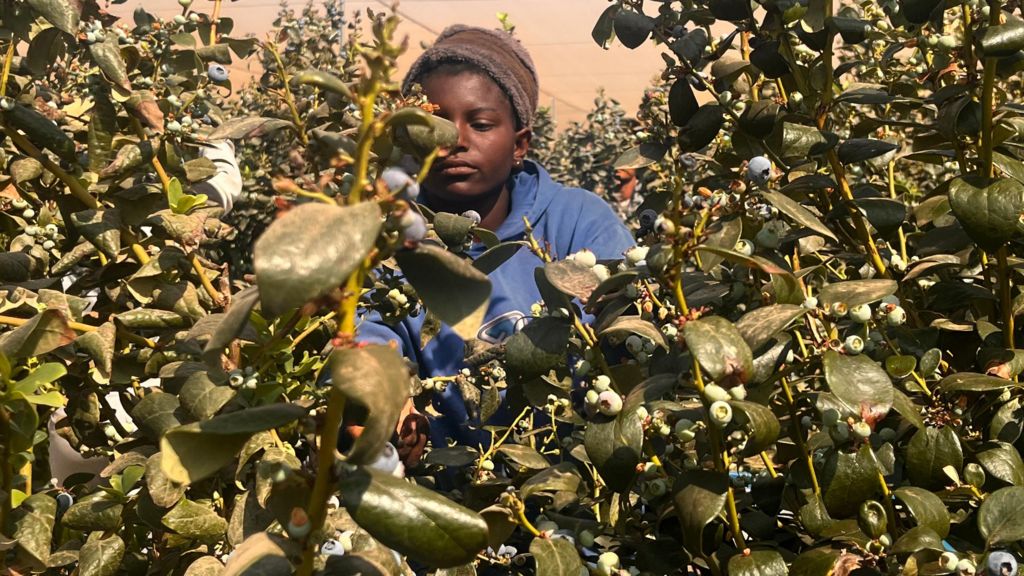
Zimbabwe is tobacco country. But some want to switch to a healthier crop – blueberries
Zimbabwe, traditionally known as Africa’s largest tobacco producer, is now pivoting towards a new agricultural frontier: blueberries. A landmark trade agreement with China, the world’s leading importer of blueberries, has positioned Zimbabwe to potentially become Africa’s blueberry capital. While tobacco exports reached a record $1.3 billion last year, driven by rising demand in China, blueberry exports, though modest at $30 million, are seen as a promising alternative. Clarence Mwale, a horticulture specialist, emphasizes, ‘The future is food, not a bad habit.’
-

South Africa thump Argentina to go top of Rugby Championship
In a historic performance, Sacha Feinberg-Mngomezulu led South Africa to a resounding 67-30 victory over Argentina in the Rugby Championship, setting a new national record for points scored in a Test match. The 23-year-old fly-half amassed an impressive 37 points, surpassing Percy Montgomery’s previous record of 35 points set in 2007. Feinberg-Mngomezulu’s stellar performance included three tries, eight conversions, and two penalties, cementing his place as a rising star in South African rugby. The match, held in Durban, saw the Springboks take a one-point lead at the top of the Rugby Championship table, following New Zealand’s earlier win over Australia. The first half was tightly contested, with South Africa leading by just two points at halftime. However, the Springboks surged ahead in the second half, with tries from Cheslin Kolbe, Pieter-Steph du Toit, Morne van den Berg, and Manie Libbok, thrilling the 45,000-strong crowd. South Africa now looks ahead to their final match against Argentina at Twickenham on October 4, where a bonus-point win could secure their third Rugby Championship title in its current format. However, the Springboks will also claim the championship if Australia defeats New Zealand in their upcoming clash. ‘This was a vibe. I am very happy,’ Feinberg-Mngomezulu remarked after the game, reflecting on his record-breaking performance and the team’s collective effort.
-
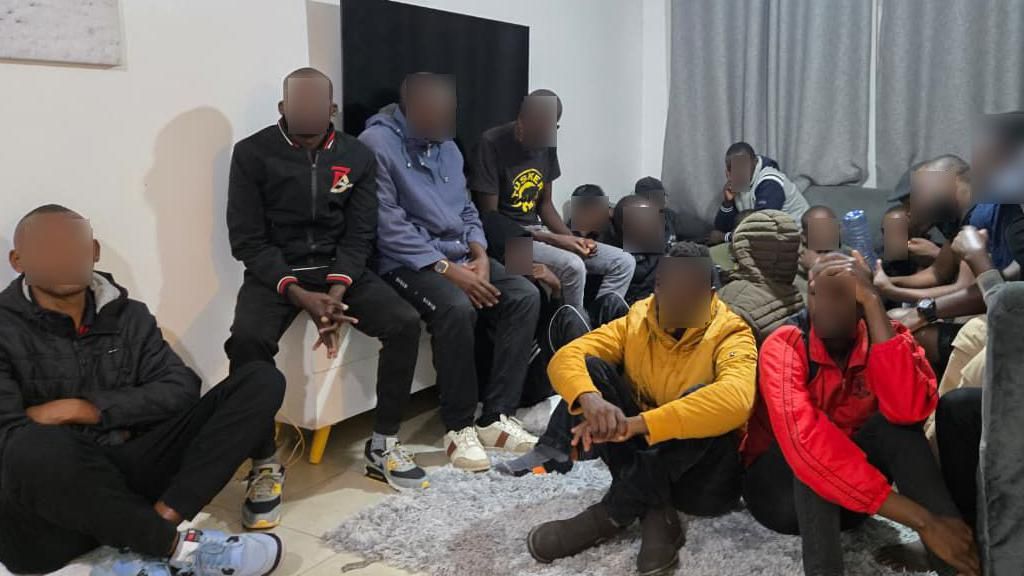
Police break up ring trafficking Kenyans to fight for Russia in Ukraine
Kenyan police have uncovered a human trafficking network that deceived over 20 Kenyans with false job offers in Russia, only to send them to fight in Ukraine. The Directorate of Criminal Investigations (DCI) conducted a raid on a residential apartment in Athi River, on the outskirts of Nairobi, where 22 individuals were found awaiting processing for travel to Russia. During the operation, authorities seized recruitment materials, travel documents, and fraudulent job offer letters. One suspect, accused of orchestrating the victims’ travel plans, has been arrested and detained for 10 days pending further investigations. Victims revealed they had signed contracts with an unnamed overseas employment agency, agreeing to pay up to $18,000 for visas, travel, and accommodation. Some had already paid deposits of $1,500. Police warn that many victims return home injured, traumatized, or, in some cases, never return. Two Kenyans recently returned, with one hospitalized. The Kenyan government is investigating reports of several nationals allegedly trafficked to Russia and now held as prisoners of war in Ukraine. This case highlights growing concerns over human trafficking in Kenya, where vulnerable job seekers are exploited under false promises. The operation was part of a coordinated multi-agency effort targeting the criminal network, which has been extorting large sums from desperate individuals. Similar cases have been reported globally, with citizens from Somalia, Sierra Leone, Togo, Cuba, and Sri Lanka also held in Ukrainian prisoner-of-war camps. Ukrainian officials noted that many African states show little interest in repatriating their citizens. This incident underscores the urgent need for international cooperation to combat human trafficking and protect vulnerable populations.
-
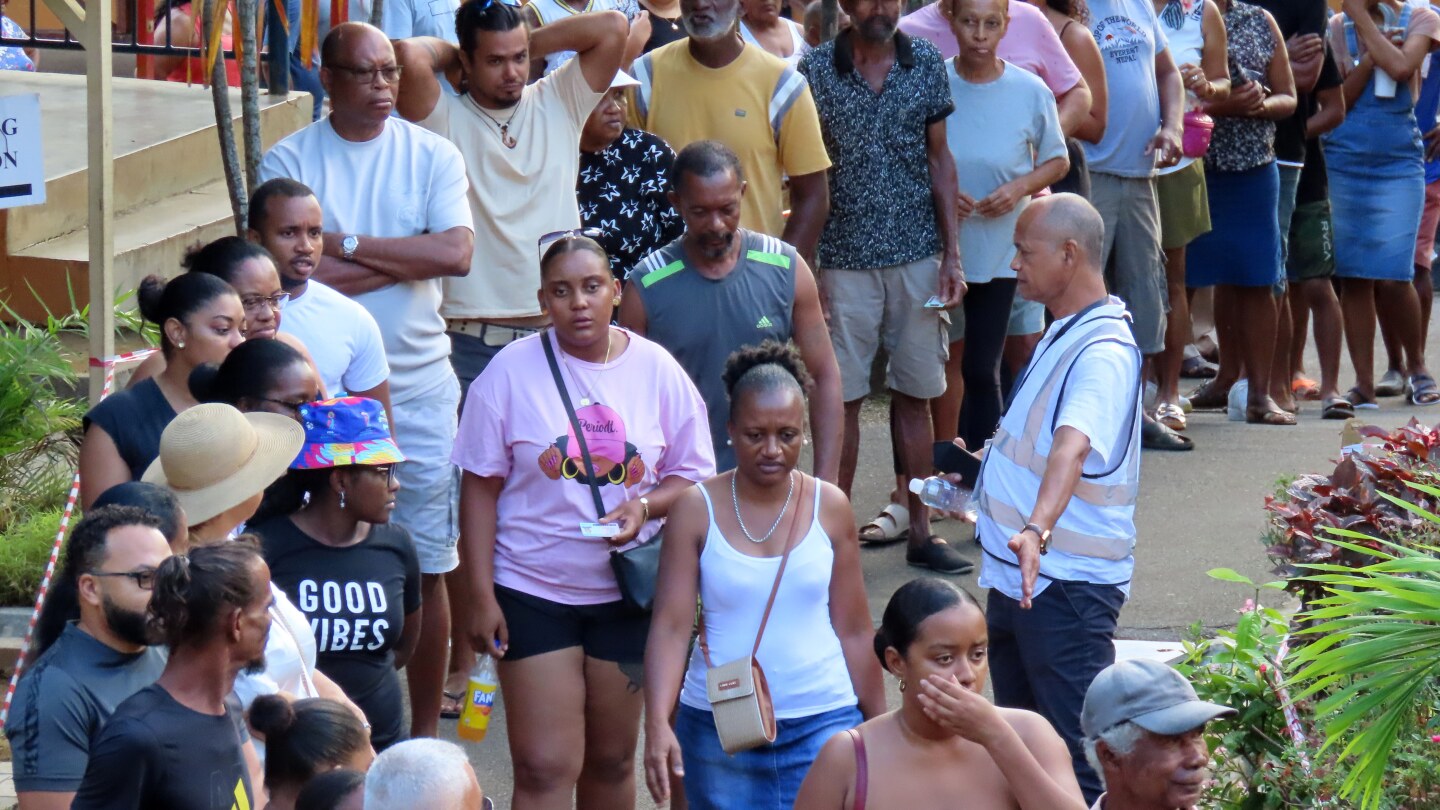
Seychelles president seeks a second term as people vote in African tourist haven
The Seychelles, Africa’s smallest nation, witnessed a crucial electoral event on Saturday as citizens cast their votes to elect a new president and parliament. Incumbent President Wavel Ramkalawan, an Anglican priest turned politician, sought re-election after his historic victory in 2020, which marked the first time an opposition leader had unseated the ruling party since 1976. His primary challenger, Patrick Herminie of the United Seychelles Party, brought a wealth of political experience, having served as parliamentary speaker from 2007 to 2016. Polls opened at 7 a.m., with long queues forming at voting stations across the 115-island archipelago, signaling robust voter participation. Electoral authorities reported smooth proceedings, and counting began after polls closed at 7 p.m., with results anticipated by Sunday. A runoff will be held if no candidate secures over 50% of the vote. The election unfolded against a backdrop of pressing national issues, including economic recovery, environmental sustainability, and a burgeoning drug crisis. The governing Linyon Demokratik Seselwa party campaigned on promises of economic revitalization, social development, and environmental preservation. However, the government faced criticism over a controversial decision to lease part of Assomption Island to a Qatari company for a luxury hotel project, raising concerns about sovereignty and foreign influence. Seychelles, renowned for its luxury tourism and environmental beauty, is also grappling with the impacts of climate change, including rising sea levels, which threaten its low-lying islands. Additionally, the nation faces a severe drug epidemic, with heroin addiction rates among the highest globally. Critics argue that both Ramkalawan and Herminie have fallen short in addressing this crisis, despite their respective roles in drug prevention efforts. With a population of just over 120,000, the election outcome will shape the nation’s trajectory in addressing these multifaceted challenges.