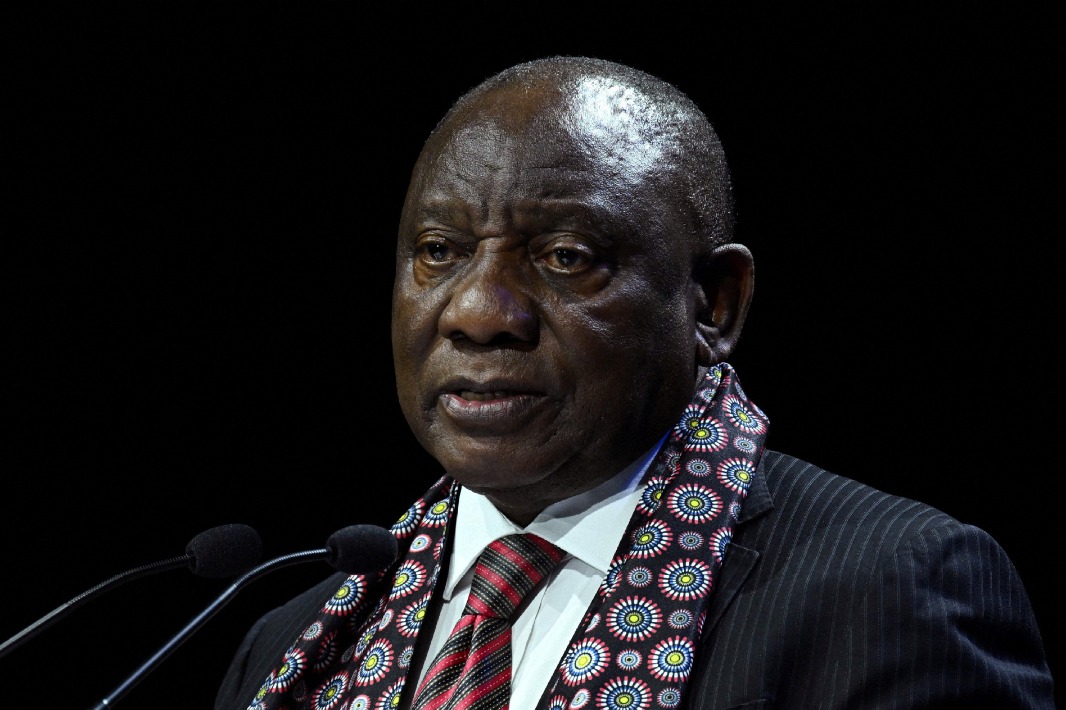
South African President Cyril Ramaphosa has strongly criticized the United States’ decision to exclude South Africa from the 2026 G20 Summit in Miami, labeling the move as ‘regrettable’ and based on ‘misinformation and distortions.’ In a statement issued on Thursday, Ramaphosa emphasized that South Africa is a full and active member of the G20, participating in its own right and not by invitation from any single nation. He reiterated that South Africa joined the G20 through the consensus of all member countries and remains dedicated to fostering multilateral cooperation. Ramaphosa expressed disappointment over the persistent punitive measures by US President Donald Trump, despite ongoing efforts to reset diplomatic relations. The diplomatic tension escalated after Trump accused South Africa of failing to address alleged human rights abuses and mishandling the G20 presidency transition—claims firmly denied by Pretoria. Ramaphosa urged G20 members to uphold the forum’s consensus-based principles, warning that unilateral actions could undermine its credibility and inclusiveness.
标签: Africa
非洲
-
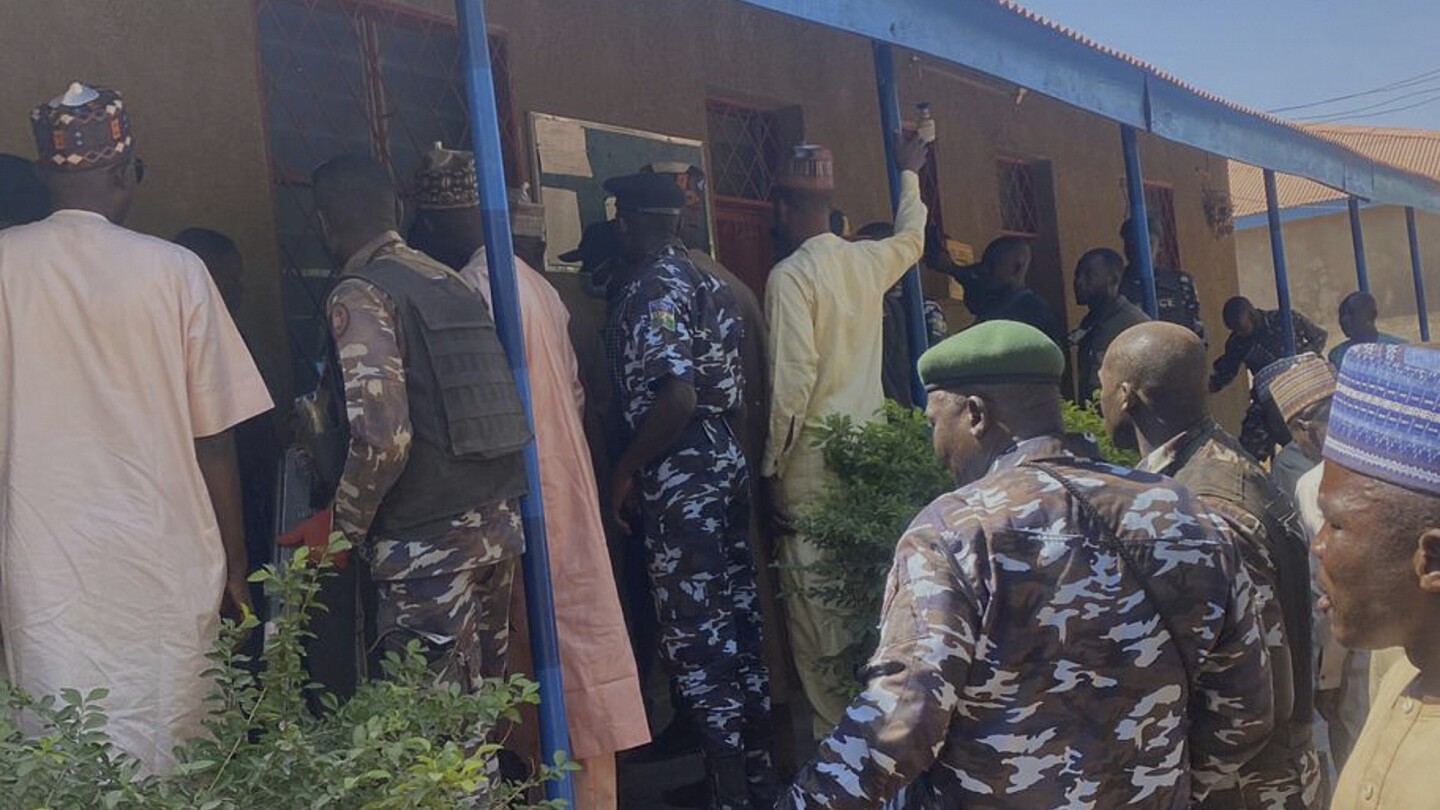
Nigeria’s president declares emergency and beefs up forces following abductions
LAGOS, Nigeria — Nigerian President Bola Tinubu has declared a nationwide state of emergency in response to escalating security crises marked by mass abductions of schoolchildren and intensified attacks against civilians. The presidential declaration, announced Wednesday, activates constitutional powers reserved for national crises.
The security overhaul includes plans to recruit 20,000 additional police officers, expanding the national force to 50,000 personnel. Tinubu has further authorized intelligence agencies to deploy specialized forest guards to protect vulnerable remote territories from armed militant groups. “My fellow Nigerians, this is a national emergency, and we are responding by deploying more boots on the ground, especially in security-challenged areas,” Tinubu stated.
The declaration follows two major abduction incidents last week in Kebbi and Niger states, where gunmen seized approximately 325 students. While Kebbi’s 25 abductees have been rescued and reunited with families, search operations continue for the remaining 300 children taken in Niger state.
International attention has intensified following former U.S. President Donald Trump’s remarks alleging Christian persecution in Nigeria and threatening potential intervention. These developments have highlighted the critical security situation confronting Africa’s most populous nation.
Security analysts express skepticism about the effectiveness of Tinubu’s approach. Confidence McHarry, senior security analyst at Lagos-based geopolitical consultancy SBM Intelligence, cautioned that merely increasing security personnel fails to address underlying drivers of conflict. “The ruling elites are yet to awaken to the major reality that the issue has gone beyond throwing bodies at the problem,” McHarry told The Associated Press, emphasizing the need to address government accountability, local grievances, and troop welfare.
Nigeria faces threats from multiple armed factions including religious extremist organizations like Boko Haram and its splinter group Islamic State West Africa Province, alongside criminal syndicates conducting kidnappings for ransom. This represents the first nationwide security emergency since 2013, when Nigeria concentrated emergency measures in the northeast region to counter emerging terrorist threats.
-

Machines Can Think 2026 launches in Abu Dhabi, fueling UAE’s $100 billion AI push
Abu Dhabi is positioning itself at the forefront of artificial intelligence innovation with the announcement of Machines Can Think 2026, a landmark summit scheduled for January 26-27, 2026, at Park Hyatt Saadiyat. The event represents a significant milestone in the United Arab Emirates’ ambitious national strategy to establish itself as a global AI powerhouse.
The summit, organized by Polynome, will convene an exceptional gathering of more than 20 leading AI researchers from over 12 countries alongside top executives from technology giants including NVIDIA, Meta, and Google. The program features an extensive agenda comprising over 50 keynote presentations, more than 10 hands-on workshops, and immersive demonstration zones where attendees will experience cutting-edge AI technologies firsthand.
Aligning with the UAE’s comprehensive 2031 AI strategy and its substantial $100 billion investment in artificial intelligence infrastructure, the event will explore three dedicated thematic tracks: Co-Evolution (addressing human-AI interfaces), Technical Breakthroughs, and Executive Strategies for responsible AI adoption. Notable session highlights include ‘UAE Stargate: Building a National AI Fabric,’ ‘Foundation Models and Infrastructure,’ and ‘AI for Life Sciences,’ alongside pioneering demonstrations in computer vision under the theme ‘Machines Can See and Act.’
Prominent speakers include Michal Valko (Chief Models Officer at a Stealth AI Startup), Manohar Paluri (VP of AI at Meta), Andrey Doronichev (CEO of Optic), Marc Hamilton (VP of Solutions Architecture at NVIDIA), and Serge Belongie (Director of the Pioneer Centre for AI). The summit has secured partnerships with prestigious institutions including Mohamed bin Zayed University of Artificial Intelligence (MBZUAI).
Alexander Khanin, Founder and CEO of Polynome.ai, emphasized the summit’s role as a catalyst for transformative dialogue: ‘As AI is projected to contribute $320 billion to the regional economy, our mission is to convert this potential into tangible progress, enabling nations and industries to build sustainable, intelligent systems.’
Professor Ivan Laptev of MBZUAI and co-founder of Machines Can See added: ‘Abu Dhabi is rapidly emerging as a center for advanced AI. This summit exemplifies that momentum by fostering global collaboration and knowledge exchange across computer vision, machine learning, and natural language processing.’
The event builds upon the success of previous Machines Can Summits, which attracted 3,500 attendees from 82 countries in its last iteration. The 2026 edition will be complemented by a sister event, Machines Can See, in Dubai, with both initiatives designed to accelerate responsible AI development and adoption. The summit will also feature a dedicated panel on inclusion in AI, organized in partnership with Women in AI.
-
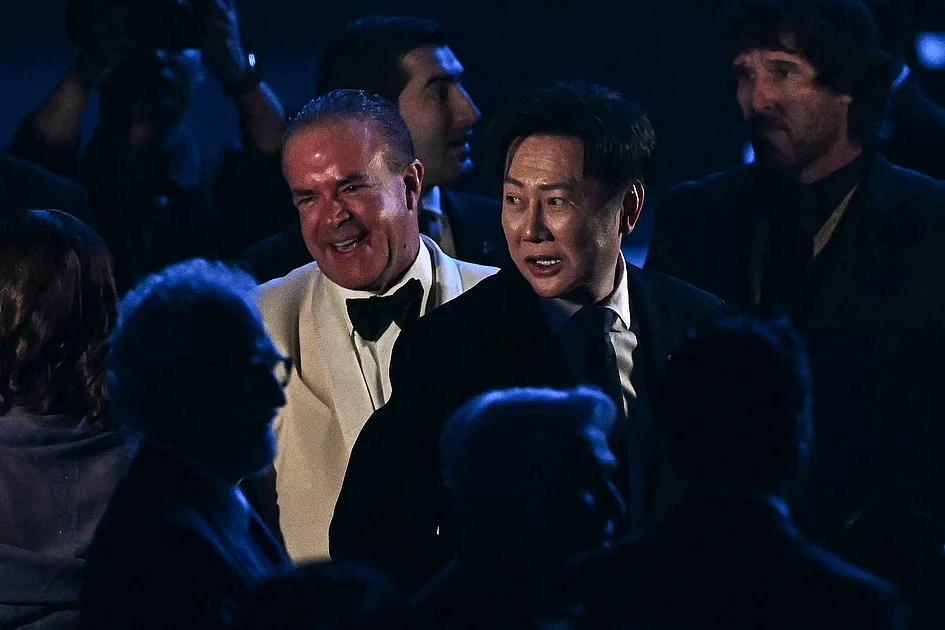
Miss Universe president under probe in Mexico for drugs, arms trafficking
Mexican authorities have launched a significant criminal investigation targeting Raul Rocha, President of the Miss Universe Organization, for alleged involvement in serious organized crime activities including narcotics trafficking, illegal arms distribution, and fuel theft operations. The Attorney General’s Office confirmed on Wednesday that thirteen arrest warrants have been issued as part of the comprehensive probe, though officials refrained from publicly identifying all targeted individuals.
The investigation, reportedly initiated in 2024, centers on Rocha who holds fifty percent ownership of the prestigious international beauty pageant organization through his corporate entity Legacy Holding Group USA. Mexican media outlets have independently confirmed that Rocha is among those subject to arrest warrants, referred to in official communications as ‘Raul R’ in accordance with standard Mexican legal protocol.
This development emerges amidst existing controversy surrounding the recently concluded Miss Universe competition in Thailand, where Mexican winner Fatima Bosch previously led contestant protests against pageant leadership. Bosch alleged inappropriate conduct by pageant director Nawat Itsaragrisil, who denied the accusations. The Mexican winner subsequently received presidential endorsement from Mexico’s President Claudia Sheinbaum, who praised her as an exemplar of female empowerment.
Neither Rocha nor the Miss Universe Organization responded immediately to requests for commentary regarding the investigation. The Attorney General’s Office indicated that further details regarding the status of the investigation and individuals involved would be disclosed through appropriate official channels as the case progresses.
-
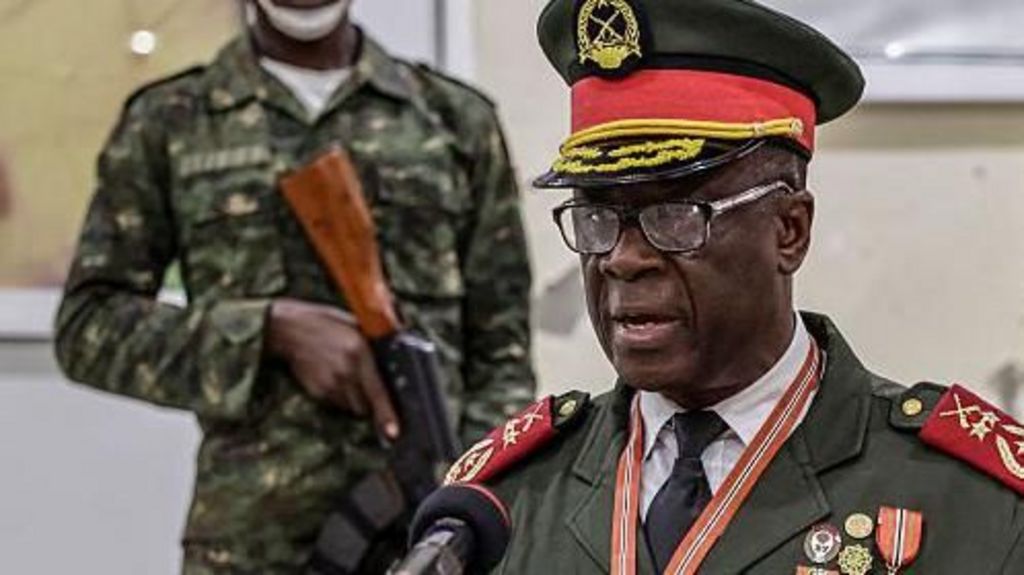
General named new Guinea-Bissau leader a day after coup
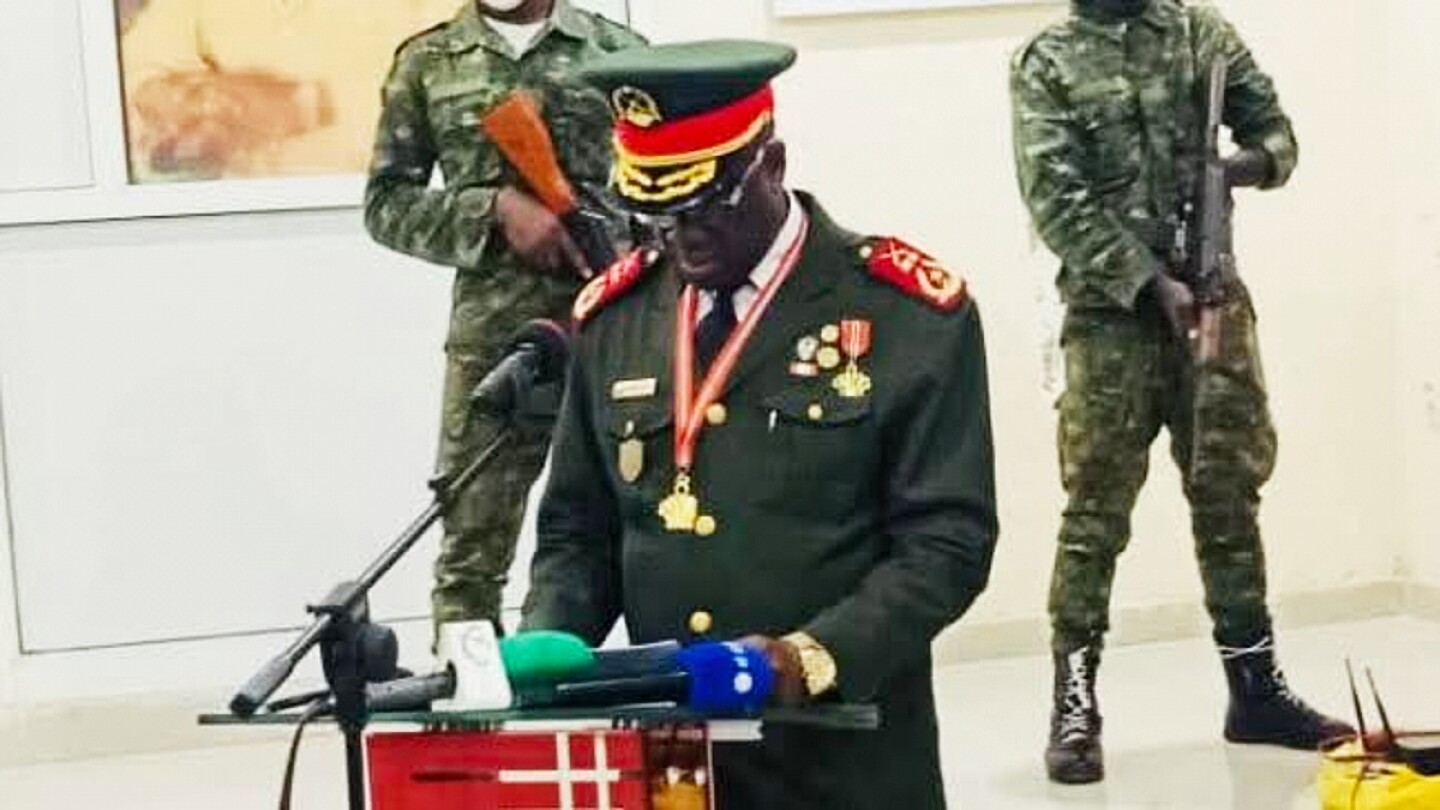
In a dramatic turn of events, Guinea-Bissau has plunged into political chaos as General Horta N’Tam was sworn in as the transitional head of state on Thursday, following an apparent military coup. The brief and subdued ceremony took place at the army headquarters, marking the beginning of a one-year transitional period. This development comes just a day after the military suspended the electoral process and blocked the release of the presidential election results, which were initially expected on the same day. The election, held on Sunday, saw both incumbent President Umaro Sissoco Embaló and his closest rival, Fernando Dias, claiming victory. Civil society groups have accused Embaló of orchestrating a ‘simulated coup’ with military backing to prevent the election results from being published, should he lose. Embaló, who has not responded to these allegations, has previously claimed to have survived multiple coup attempts during his tenure. Critics, however, argue that he has fabricated crises to suppress dissent. Guinea-Bissau, a West African nation sandwiched between Senegal and Guinea, has a tumultuous history marked by nine coups or attempted coups since gaining independence from Portugal in 1974. The country, known as a notorious drug-trafficking hub, has struggled with political instability and economic challenges. On Wednesday, military officers announced they had seized control of the country, following reports of Embaló’s arrest. Gunshots were heard in the capital, Bissau, though details about the shooting and potential casualties remain unclear. The officers appeared on state TV, declaring the suspension of the electoral process and accusing unnamed politicians, allegedly supported by a drug baron, of plotting to destabilize the country. They also announced the closure of borders and imposed a night-time curfew. Embaló, in a phone call to France 24, confirmed his deposition. Government sources revealed that Dias, former Prime Minister Domingos Pereira, and Interior Minister Botché Candé were also detained. The coup leaders took army chief General Biague Na Ntan and his deputy, General Mamadou Touré, into custody. The African Union and the West African bloc Ecowas expressed ‘deep concern’ over the coup, emphasizing that the country had been prepared for the announcement of election results after an ‘orderly and peaceful’ process. Portugal, the former colonial ruler, called for a return to constitutional order, urging all parties to refrain from violence. As of Thursday, Guinea-Bissau’s borders have reportedly reopened. Embaló, 53, had aimed to secure a second consecutive mandate, a feat not achieved in the last 30 years. His legitimacy was questioned by the opposition, who argued his term should have ended in February 2025. Guinea-Bissau, one of the world’s poorest nations with a population of over two million, faces significant challenges, including its role as a key transit point for cocaine trafficking from Latin America to Europe.
-
Guinea-Bissau marks another coup in Africa. Here is a look at other military takeovers
LAGOS, Nigeria — Guinea-Bissau has become the newest addition to Africa’s expanding roster of military takeovers, marking the latest erosion of democratic governance across the continent. The political upheaval unfolded when sustained gunfire erupted near presidential offices on Wednesday, culminating in uniformed officers commandeering state television to declare their seizure of power.
The deposed leader, Umaro Sissoco Embaló, found himself detained following the putsch amid an ongoing bitter power struggle with opposition forces. Both factions had previously asserted victory in recent presidential elections, creating the political vacuum exploited by military elements.
This coastal West African nation of 2.2 million inhabitants exemplifies a troubling regional pattern characterized by electoral disputes, constitutional instability, widespread youth dissatisfaction, and increasing military intervention in civilian governance.
A comprehensive analysis of recent African coups reveals concerning trends:
Mali (August 2020 & May 2021): Experienced consecutive military interventions, with Colonel Assimi Goita ultimately consolidating power and postponing elections until 2077. Mali has since joined with Burkina Faso and Niger to form a breakaway alliance explicitly rejecting democratic restoration.
Chad (April 2021): Witnessed General Mahamat Idris Deby extending his family’s thirty-year dominion following his father’s death, subsequently holding elections widely criticized as fraudulent.
Guinea (September 2021): Saw Colonel Mamady Doumbouya oust President Alpha Condé, who had previously manipulated constitutional term limits. Doumbouya now prepares to contest December elections under revised rules favoring military candidates.
Sudan (October 2021): General Abdel-Fattah Burhan’s takeover eventually triggered catastrophic civil conflict when power-sharing arrangements with paramilitary leaders collapsed in April 2023.
Burkina Faso (January & September 2022): Endured two successive coups within eight months, with Captain Ibrahim Traoré ultimately dissolving the electoral commission and consolidating military rule.
Niger (July 2023): General Abdourahamane Tchiani’s deposition of Mohamed Bazoum created regional fractures within ECOWAS and prompted the formation of the Sahel States Alliance.
Gabon (August 2023): Brice Oligui Nguema, cousin of ousted president Ali Bongo, assumed control after military intervention nullified election results and dissolved government institutions.
Madagascar (October 2025): Military forces capitalized on popular discontent over infrastructure failures to remove President Andry Rajoelina.
Guinea-Bissau’s intervention continues this pattern, preventing what might have been the nation’s first democratically reelected president from completing his term.
-
Canadian University Dubai: A downtown engine for innovation, creativity and knowledge exchange
Canadian University Dubai (CUD) has solidified its position as a premier innovation hub in the heart of Dubai’s urban landscape, demonstrating remarkable achievements across entrepreneurial ventures, sustainable design, and global partnerships. The institution’s business incubator has yielded its first groundbreaking venture: TrustPaper, a blockchain-powered enterprise developed with ZipTrust technology that revolutionizes document verification through secure, instantaneous processing.
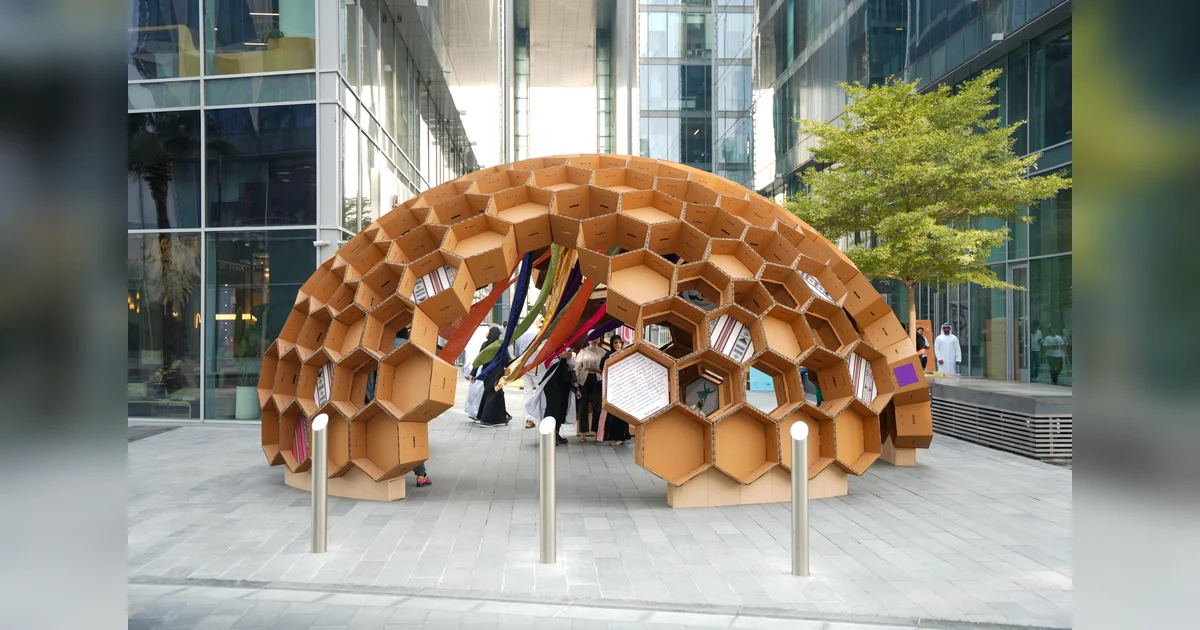
The university’s architecture students have partnered with UAE lifestyle giant Majid Al Futtaim to pioneer climate-responsive urban design solutions, setting new benchmarks for sustainable living through an innovative competition. Additionally, design students collaborated with Dubai Holding and ImInclusive to create an installation for Dubai Design Week 2025, symbolizing shared visions of inclusion and creativity through experiential learning.
CUD’s student and alumni network continues to achieve extraordinary recognition. Accounting and Finance student Rashed Mohammed Atiq Almehairi recently claimed victory at the FEI Endurance World Championships in Romania, while graduate Mohammed Al Hakim became the first GCC national appointed as President of UAE Operations at Crypto.com. Public Health alumna Nadine Audi, founder of sustainable femtech brand Diva’Me, earned recognition in Forbes’ 30 Under 30 after securing $1 million in seed funding.
Strategic knowledge partnerships form a cornerstone of CUD’s mission, with active participation in the Knowledge Summit dedicated to sustainable development and the Forbes Middle East Health Leaders Summit. The university recently hosted the Brand Me Summit 2025, the world’s largest personal branding summit, which featured a startup competition awarding AED 3000 in funding to student ventures.
A landmark collaboration with FINTECH.TV, broadcasting from the New York Stock Exchange, positions CUD as a cross-continental media innovation hub. This partnership creates unprecedented opportunities for students through exclusive internships and professional placements in storytelling, content creation, and fintech sectors. The university now serves as both an educational institution and global representative of Dubai’s innovation ecosystem, with admissions open for Spring 2026.
-
Army officers say they have seized power in Guinea-Bissau
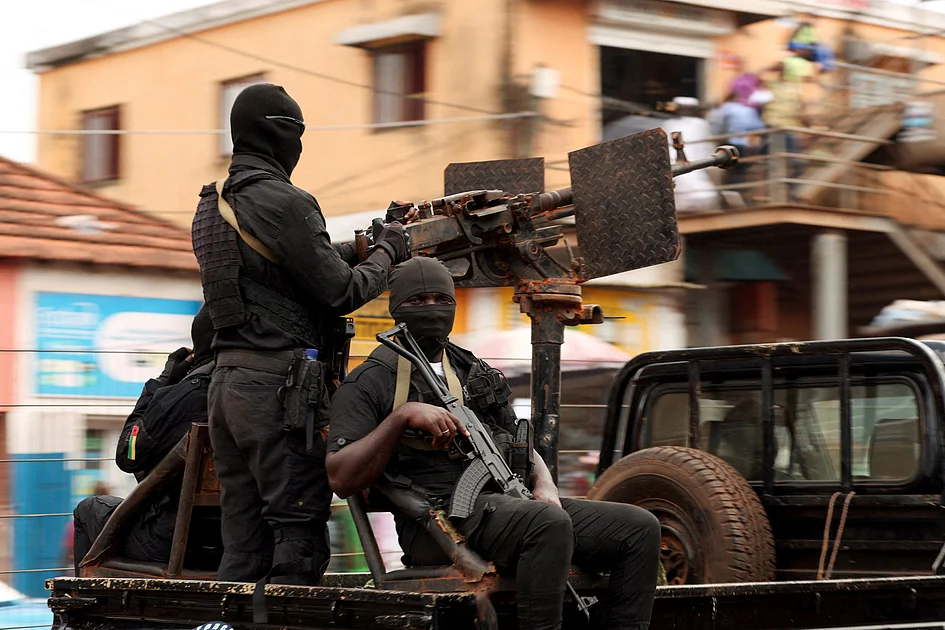
In a dramatic turn of events, a group of army officers in Guinea-Bissau announced they had seized power on Wednesday, just a day before the scheduled release of results from a highly contested presidential election. The officers declared they had ousted President Umaro Sissoco Embalo, suspended the electoral process, closed the nation’s borders, and imposed a curfew. The announcement was made on state television by spokesperson Diniz N’Tchama, who stated that the military had formed ‘The High Military Command for the Restoration of Order’ to govern the West African nation indefinitely.
-

UAE weather: Chance of rain in some parts, lowest temperature 19°C in Dubai
Residents across the United Arab Emirates can anticipate partly cloudy to overcast conditions on Thursday, November 27th, 2025, with meteorological reports indicating a likelihood of precipitation in specific regions. Coastal and northern areas are expected to experience these cloudier conditions alongside potential rainfall. Temperature readings are forecast to remain mild throughout the day. Dubai, Abu Dhabi, and Sharjah are all projected to reach a maximum temperature of 29°C. Meanwhile, overnight and early morning lows will see Sharjah at 17°C, Abu Dhabi at 18°C, and Dubai at 19°C. The weather system will be accompanied by light to moderate winds, initially blowing from the southeast before shifting to a northwesterly direction. These winds are expected to freshen intermittently, reaching speeds between 10 to 25 km/h, with potential gusts peaking at 35 km/h. Maritime conditions are reported to be slight to moderate at times in the Arabian Gulf, while the Oman Sea is expected to remain slight. The nation’s highest temperature recorded on the previous day was 31.8°C in Musaffah, Abu Dhabi.
-
Police investigate theft of four dogs from Malawi presidential palace
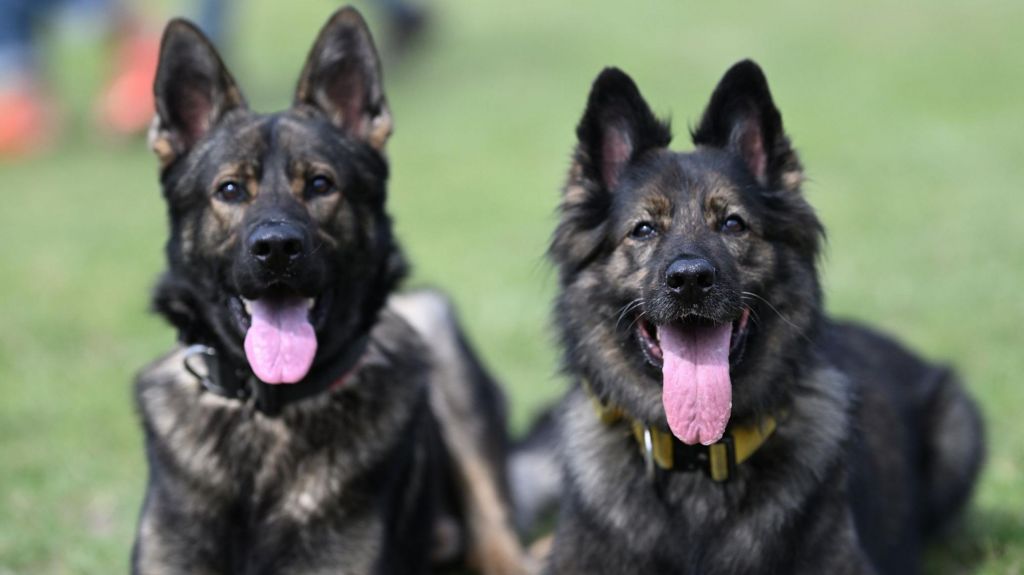
Malawi is embroiled in a political controversy as police investigate the disappearance of four German Shepherd police dogs from the Kamuzu Palace in Lilongwe during the country’s recent political transition. The theft, which occurred between September 19 and October 4, has led to the arrest of Godfrey Arthur Jalale, former deputy chief of staff under ex-President Lazarus Chakwera. Jalale denies any involvement in the incident. The dogs, valued at $2,300, are believed to have been stolen alongside other state properties from two presidential residences.