标签: Africa

非洲

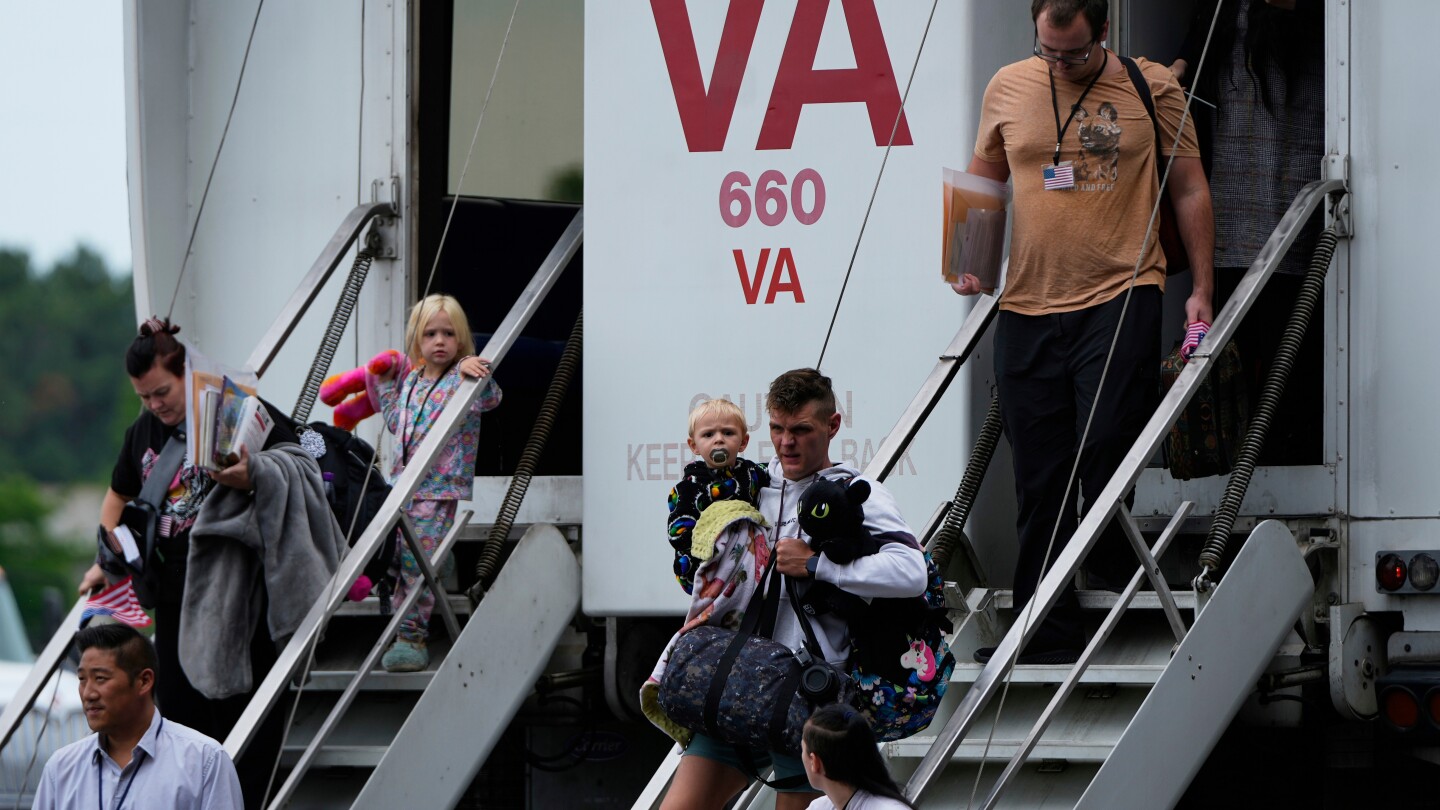
  • South African immigration authorities raid a US refugee processing center

    South African immigration authorities raid a US refugee processing center

    South African immigration authorities have conducted a targeted operation on a Johannesburg facility processing U.S. refugee applications, resulting in the arrest of seven Kenyan nationals for violating work visa regulations. The raid has significantly heightened diplomatic strains between the United States and South Africa.

    The controversial refugee program, established during the Trump administration, prioritizes white South Africans of Afrikaner descent for refugee status in the United States. This policy stems from former President Donald Trump’s repeatedly disputed claims regarding the persecution of white minorities in South Africa.

    According to South Africa’s Home Affairs Ministry, the detained Kenyan citizens had entered the country on tourist visas that explicitly prohibited employment activities. Despite their immigration status, they were found working alongside American officials at the processing center. Notably, no U.S. diplomatic personnel were apprehended during Tuesday’s operation, as the facility did not hold official diplomatic protection.

    The incident has prompted formal diplomatic discussions between South Africa, the United States, and Kenya. South African authorities revealed that Kenyan nationals had previously been denied work visas for this specific program, raising serious questions about the circumvention of immigration protocols.

    The seven individuals face immediate deportation orders and have been barred from re-entering South Africa for a five-year period. The U.S. Embassy confirmed that refugee processing operations are handled by RSC Africa, a Kenya-based contractor operated by Church World Service, a U.S. humanitarian organization.

    South Africa’s government maintains that white citizens do not meet international criteria for refugee status, citing the absence of systematic persecution, though they acknowledge the right to apply through the U.S. program.

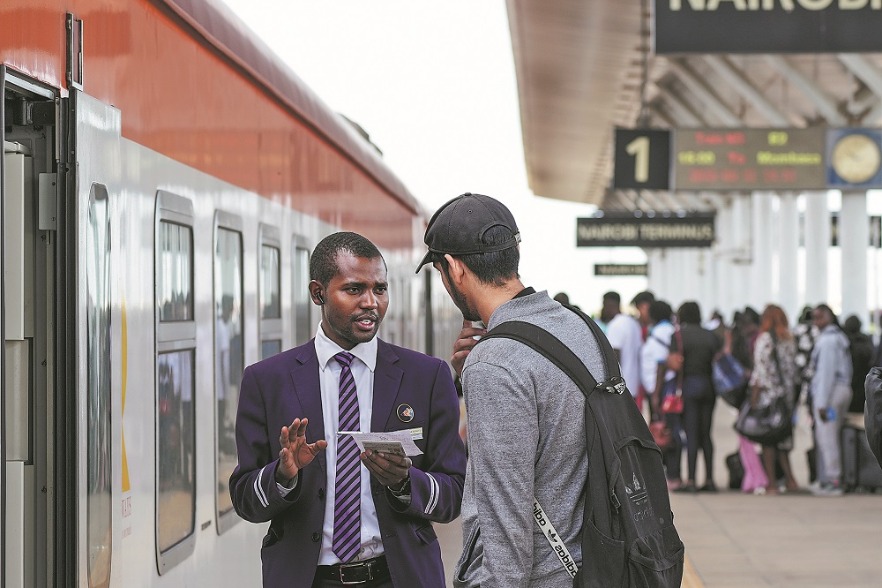
  • Kenyan digital creators find inspiration in China

    Kenyan digital creators find inspiration in China

    A delegation of Kenya’s foremost digital influencers returned from an eye-opening journey through China’s Hunan and Fujian provinces, reporting a profound transformation in their perception of the Asian nation’s cultural and technological landscape. The weeklong cultural tour, undertaken in September, featured four prominent Kenyan celebrities whose digital content has since sparked widespread reevaluation of China among African audiences.

    Lawrence Mwangi Macharia, professionally known as Terence Creative, described being captivated by a multisensory theatrical performance in Hunan that demonstrated ‘unbelievable precision’ in blending traditional artistry with cutting-edge technology. ‘How they sync the music, the art, the props—it was pure magic,’ the comedian and content creator remarked, highlighting the sophisticated integration of digital projections, lighting, and choreography.

    The delegation’s experiences extended beyond performance venues to everyday Chinese life. Comedian Jasper Muthomi (MC Jessy) recounted participating in communal stretching sessions on local streets, noting how such practices reflected China’s emphasis on wellness and community balance. Media personality Betty Kyallo experienced the breathtaking Grand Canyon Glass Bridge in Zhangjiajie and explored traditional Chinese medicine in Xiamen, where she observed holistic treatments for chronic conditions.

    David Oyando (Mulamwah) reported his technological assumptions being fundamentally challenged during a visit to a Fujian technology store. ‘The cameras, microphones, phones—they were world-class and affordable,’ he stated, adding that the experience disproved ‘the counterfeit narrative about China.’

    The influencers’ social media posts from their journey have generated millions of views and enthusiastic engagement from Kenyan followers. Comments ranged from expressions of desire to visit China (‘I need to come here’) to appreciation for the virtual tour experience. Many noted how the content reshaped their understanding of China’s innovative capacity and cultural richness.

    A consistent theme emerged from all four creators: China represents a unique fusion of futuristic advancement and deeply rooted traditions. The visit provided insights into innovation, community wellness, and artistic expression that transcended their expectations. As Terence Creative concluded, ‘China is an eye-opener. You can’t finish exploring it in a year. Everyone should see it for themselves.’

  • China’s modernization plan lauded

    China’s modernization plan lauded

    African scholars and policy experts are applauding China’s newly unveiled 15th Five-Year Plan (2026-2030) as a strategic framework that aligns with Africa’s developmental aspirations. The economic blueprint, approved during the fourth plenary session of the 20th Communist Party of China Central Committee in October, emphasizes high-standard opening-up, technological self-reliance, and green transformation—principles that resonate deeply with Africa’s industrialization goals.

    Melha Rout Biel, founder of South Sudan’s Institute for Strategic and Policy Studies, characterized the plan as “a road map that reaffirms China’s commitment to working closely with the Global South.” He noted that China’s focus on high-quality engagement challenges African nations to elevate their production standards and modernize industries to participate effectively in this partnership.

    The evolution from infrastructure-focused cooperation to value-added collaboration marks a significant shift in China-Africa relations. Amina Toure, a Cambridge University researcher specializing in Africa-China relations, observed that the plan’s language signals a transition toward “regulated, sustainability-oriented, and higher-value cooperation” that could benefit Africa if integrated with national industrial strategies.

    Professor Carlos Lopes of the University of Cape Town highlighted that Africa’s priority has shifted from infrastructure quantity to value retention within the continent. He described China’s emphasis on “high-standard opening-up” as a “good and necessary evolution” that responds to Africa’s longstanding developmental needs, particularly regarding regional value chains and AfCFTA implementation.

    International relations scholar Cavince Adhere noted that China’s consistent long-term planning provides stability amid global geopolitical uncertainties. The success of this partnership, he suggested, will depend on African governments’ ability to adapt China’s development model to their specific national contexts and populations.

  • Shock as popular South African DJ shot dead in Johannesburg

    Shock as popular South African DJ shot dead in Johannesburg

    South Africa’s entertainment industry and broader society are reeling from the brazen daylight assassination of renowned media personality Warrick ‘DJ Warras’ Stock. The 40-year-old radio presenter, television host, and podcaster was executed in central Johannesburg on Tuesday afternoon, a brutal incident that has intensified national conversations about the country’s severe crime epidemic.

    According to official statements from the South African Police Service (SAPS), the attack occurred as Stock was departing from Zambesi House near the Carlton Centre precinct. Three unidentified assailants approached the media figure after he had parked his vehicle. CCTV footage obtained by investigators depicts one suspect—described as wearing dreadlocks and what appeared to be a security uniform—opening fire on Stock before all three fled the scene on foot.

    Police Chief Fred Kekana provided disturbing details of the final moments, noting that the victim attempted to escape after being shot but collapsed across the street. Notably, investigators confirmed Stock was carrying an unused firearm at the time of the attack, and no items were stolen from his person, complicating initial assumptions about robbery as a potential motive. Forensic teams have collected key evidence including spent cartridges from the crime scene.

    Beyond his celebrity status as host of the popular reality show ‘Ngicel’ iVisa’ on Mzansi Magic, Stock maintained a diverse professional portfolio that included private security services, VIP protection operations, property management, and assistance with building evictions—a dimension that authorities are examining as they develop investigative leads.

    The murder has triggered an extraordinary outpouring of grief and condemnation across South Africa’s social and political landscape. Sports, Arts and Culture Minister Gayton McKenzie praised Stock’s fearless commentary, noting he ‘spoke his truth without fear or favour.’ Opposition leader Mmusi Maimane of the Build One party characterized the killing as ‘a shock for all South Africans,’ reflecting the profound impact of this violence.

    This tragedy occurs against a grim statistical backdrop: South Africa maintains one of the world’s highest homicide rates, with approximately 63 lives lost to violent crime each day according to recent police data. The brazen nature of Stock’s murder in a public space has amplified calls for urgent action to address the country’s entrenched security challenges.

  • Kenyans unite around the country’s growing bullfighting tradition

    Kenyans unite around the country’s growing bullfighting tradition

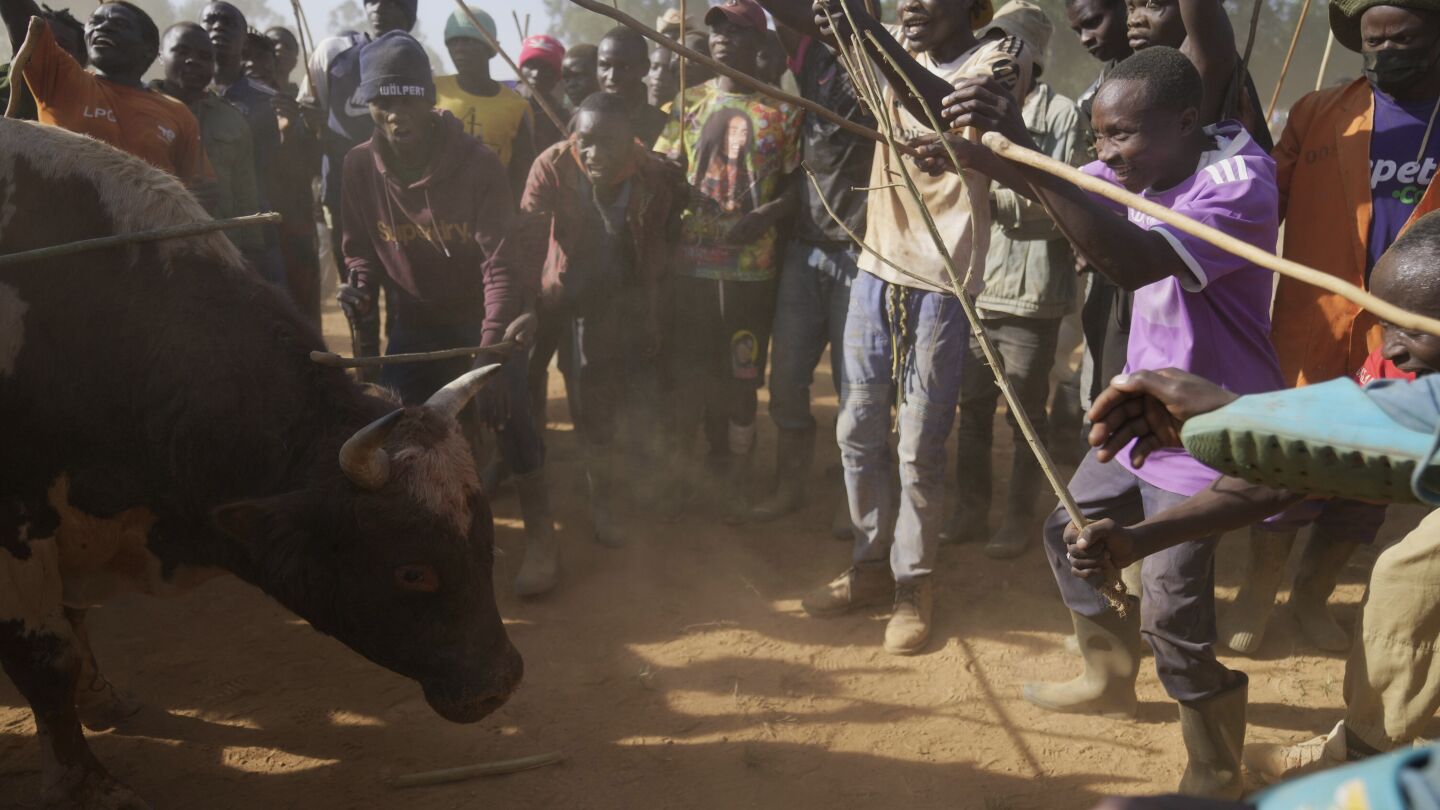
    In western Kenya’s Kakamega County, an ancient tradition has transformed into a modern spectacle that captivates thousands. The bullfighting derby, deeply rooted in Luhya community heritage, now serves as both cultural preservation and contemporary social outlet for Kenya’s youth.

    The recent rematch between veteran bull Promise and rising contender Shakahola—named after the forest where over 400 cult-related deaths occurred in 2023—demonstrated how this centuries-old practice has adapted to modern times. What began as post-harvest entertainment has evolved into organized sport complete with social media betting, merchandise sales, and viral TikTok content creation.

    University of Nairobi sociologist Kathleen Anangwe identifies multiple factors driving this resurgence: “The youth are seeking identity and authenticity,” she explains, noting that bullfighting provides social solidarity amid Kenya’s challenging unemployment landscape. Official statistics place national unemployment at 9%, though youth rates are significantly higher according to workers’ rights groups.

    The economic impact extends beyond the arena. Young entrepreneurs capitalize on events by selling snacks, traditional bull-chasing sticks, and refreshments to spectators. The matches foster community bonding while creating informal economic opportunities.

    Preparation for fights involves meticulous traditional rituals. Bulls receive special diets of napier grass and herbal concoctions believed to enhance strength. Owners perform pre-match encouragement rituals, and transportation to the arena becomes a procession with hundreds of motorcycle-riding fans waving sticks and ululating.

    The spectacle draws diverse audiences, from local devotees to first-time visitors like David Gitau from central Kenya, who expressed amazement at the tradition. The matches themselves are brief but intense—lasting under five minutes as bulls lock horns until one retreats. Organizers emphasize that the animals are not deliberately injured during these encounters.

    Twenty-year-old Brenda Milimo, niece of Shakahola’s owner, represents the new generation of enthusiasts. Despite being unemployed, she travels 4.5 hours by bus from Nairobi to attend major matches and participates in casual social media betting. “Bullfighting is in my blood,” she declares, having wagered up to 1,500 Kenyan shillings ($11) on previous matches.

    The recent victory by Shakahola—avenging a loss from two years prior—sparked celebratory eruptions of song, dance, and traditional drumming. Owner Josphat Milimo expressed triumphant satisfaction, claiming redemption after previously feeling “cheated of victory.” As the tradition gains popularity among digital-native youth, participants anticipate further formalization through dedicated betting platforms and expanded media coverage.

  • In Senegal, climate change is adding to historic tension between farmers and herders

    In Senegal, climate change is adding to historic tension between farmers and herders

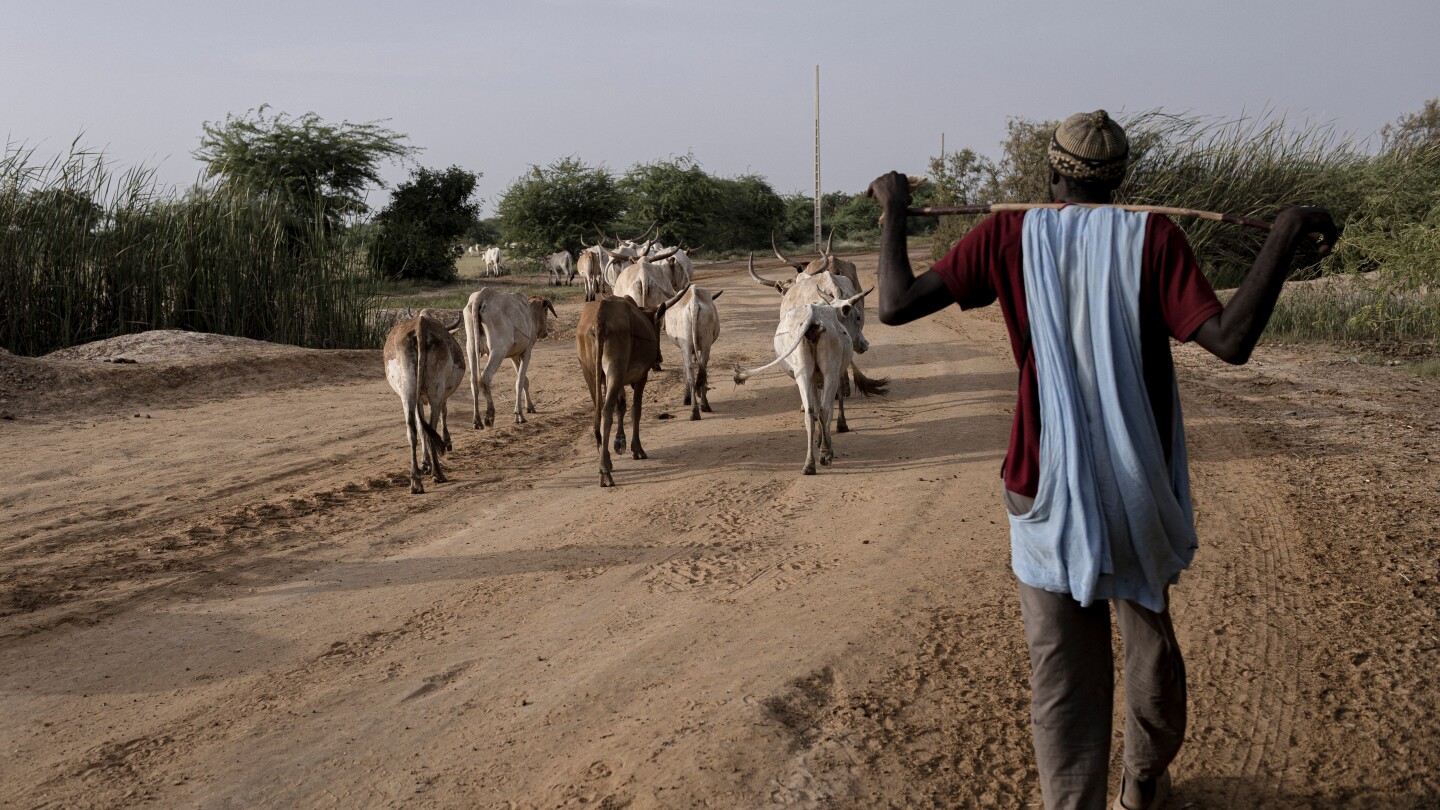
    In a tragic incident that underscores growing tensions across West Africa, 18-year-old Cheikh Diouf recounts the January day his father was brutally murdered by machete-wielding herders near their village in Senegal’s Thies region. The confrontation erupted when Moussa Diouf, a cassava farmer and mosque muezzin in his sixties, confronted herders whose animals had strayed into his cultivated fields. This personal tragedy reflects a broader pattern of escalating violence driven by environmental degradation and changing climate patterns.

    Historical tensions between agriculturalists and pastoralists have reached crisis levels as climate change dramatically alters West Africa’s landscape. According to Copernicus Climate Change Service data, Senegal has experienced a 27% reduction in annual rainfall over the past three decades compared to the 1951-1980 period. Simultaneously, unpredictable precipitation patterns have disrupted traditional farming calendars, while rising temperatures have decimated pasturelands essential for nomadic herders.

    The Peul (or Fulani) people, who have practiced transhumance across the Sahel region for centuries, now face unprecedented challenges. These pastoralists provide approximately two-thirds of the region’s meat and dairy products, yet their migratory routes have extended significantly as they search for diminishing grazing resources. The annual southward migration during October and November increasingly overlaps with harvest seasons, creating flashpoints for conflict.

    Medical professionals report treating increasingly severe injuries from these confrontations. Dr. Yawma Fall, deputy head of the Ndofane medical center, describes treating a 12-year-old shepherd struck with an ax and another herder who lost fingers to blade attacks. Farmers likewise suffer brutal injuries, with 39-year-old Mamadou Gueye losing his left hand during a 2022 confrontation over cattle incursions.

    Both communities express frustration with the deteriorating situation. Farmers like Fode Diome of Ndofane village acknowledge the necessity of animal migration but criticize herders for disregarding traditional schedules that previously minimized conflict. Herders such as 61-year-old Alioune Sow from Linguere counter that agricultural expansion has eliminated traditional grazing lands and cattle paths, forcing animals into cultivated areas.

    Senegal lacks a national framework for managing these conflicts, relying instead on local mediation through village chiefs and non-governmental organizations. In Labgar village, agricultural adviser Papa Khokhane Seydou Faye has implemented community workshops that bring both groups together to discuss solutions including clearer demarcation of grazing trails and field boundaries. However, the absence of comprehensive data collection on violent incidents hampers broader understanding and intervention efforts.

    As climate pressures intensify, the fundamental incompatibility between expanding agriculture and sustainable pastoralism threatens to exacerbate these deadly conflicts unless structural solutions addressing land use, climate adaptation, and conflict mediation can be implemented across the region.

  • IPL auction 2026 in Abu Dhabi ends after fierce contests, historic bids

    IPL auction 2026 in Abu Dhabi ends after fierce contests, historic bids

    The 2026 Indian Premier League (IPL) player auction concluded in Abu Dhabi on Tuesday, December 16th, marking a watershed moment in cricket’s financial landscape. The event, characterized by intense bidding wars among franchise owners, established new benchmarks for player valuations and underscored the league’s burgeoning economic power.

    Held internationally for the first time in several seasons, the Abu Dhabi venue provided a global backdrop for a fiercely competitive process. Franchise strategists engaged in protracted financial duels to secure both established international superstars and emerging domestic talent. The auction pool, comprising a diverse mix of seasoned veterans and promising newcomers, saw numerous records tumble as teams aggressively bolstered their squads for the upcoming season.

    Early bidding rounds set an aggressive tone, with multiple franchises demonstrating willingness to allocate substantial portions of their budgets to priority targets. The middle sessions witnessed strategic acquisitions of utility players capable of fulfilling multiple roles, while the final stages saw franchises engaging in tactical bidding to round out their rosters with value additions.

    This record-breaking auction not only reflects the IPL’s commercial dominance but also signals a significant shift in how cricket talent is valued globally. The unprecedented financial commitments demonstrate franchise confidence in the league’s continued growth and its ability to generate returns on these substantial investments. The outcomes of today’s auction are expected to reshape team dynamics and create new competitive hierarchies for IPL 2026.

  • Christmas in UAE: Abu Dhabi, Dubai among top 3 most searched winter destinations in UK

    Christmas in UAE: Abu Dhabi, Dubai among top 3 most searched winter destinations in UK

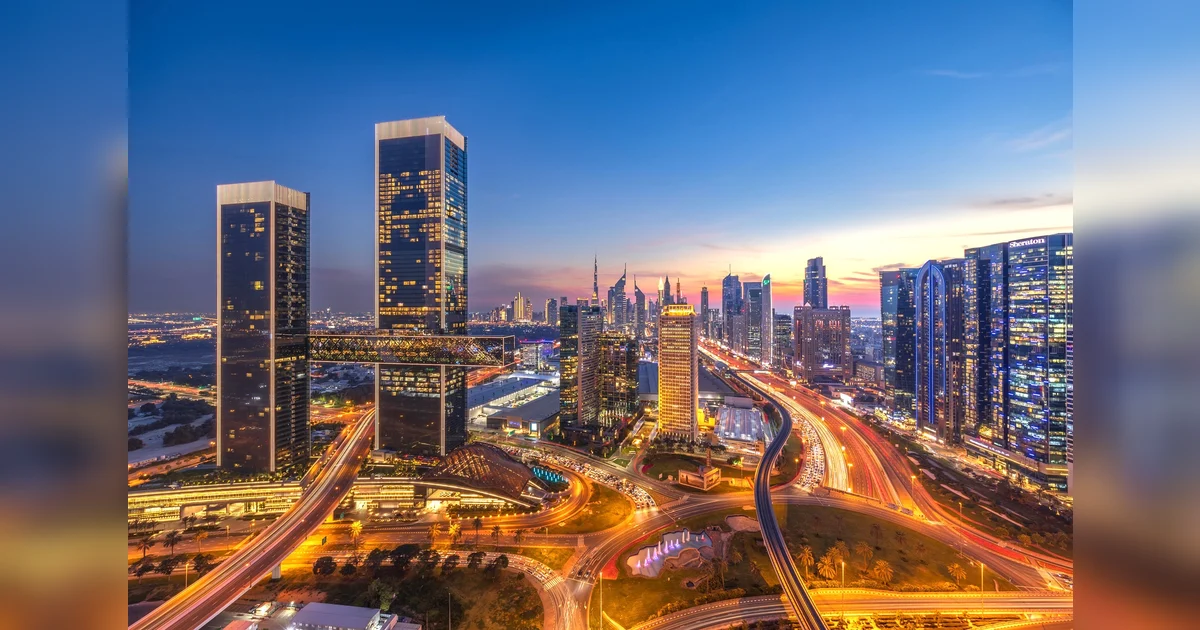
    As winter’s chill descends upon the United Kingdom, British travelers are increasingly turning their gaze toward sun-drenched destinations for their seasonal holidays. Recent data analytics reveal a remarkable trend: the United Arab Emirates has emerged as a premier choice, with both Abu Dhabi and Dubai securing positions among the UK’s top three most searched winter destinations.

    Travelbag, a prominent UK-based travel specialist focusing on long-haul journeys, conducted comprehensive research combining their internal 2024 booking metrics with three months of Google search volume analysis. The findings demonstrate a significant shift in British holiday preferences during the critical Christmas and New Year period.

    The search data reveals extraordinary growth in interest for the UAE capital. Queries for ‘Christmas in Abu Dhabi’ surged by 91 percent, propelling it to the number one position in destination searches. Vietnam followed closely with an 86 percent increase, while Dubai captured the third spot with an 82 percent rise in search volume. Mauritius and Costa Rica completed the top five with increases of 56 and 55 percent respectively.

    Historical booking patterns from 2024 provide additional context for this emerging trend. While New Zealand led with a staggering 105 percent booking increase last year, Dubai already demonstrated strong appeal with a solid 20 percent growth, securing fifth place. The dominance of warm-weather destinations with renowned coastlines—Costa Rica, Australia, and Thailand rounded out the top five—signals a clear preference for temperate climates during the UK’s coldest months.

    Aviation data from global provider OAG corroborates the UAE’s popularity, identifying the federation as the second most popular winter sun destination for British travelers. Between December 20 and January 4, Dubai International Airport (DXB) is scheduled to receive 776 flights from the UK, representing over 1,000 total flights between the two nations during this peak travel period. This substantial air connectivity facilitates the growing demand for Emirati holidays among UK residents seeking refuge from winter’s rain and wind.

  • Roads or rice fields – Madagascar’s highway dilemma

    Roads or rice fields – Madagascar’s highway dilemma

    In the tranquil village of Ambohidava, Madagascar, a crimson wooden post symbolizes an impending transformation that threatens to dismantle generations of agricultural tradition. This marker designates the path of a controversial $1 billion highway project linking the capital Antananarivo to Toamasina, the nation’s primary port city.

    The proposed infrastructure promises to revolutionize Madagascar’s economy by slashing the current 16-hour journey between these key cities to merely three hours. Government projections indicate the highway could triple activity at Toamasina port, facilitate exports of premium commodities like vanilla, and generate substantial employment opportunities along its 260-kilometer corridor.

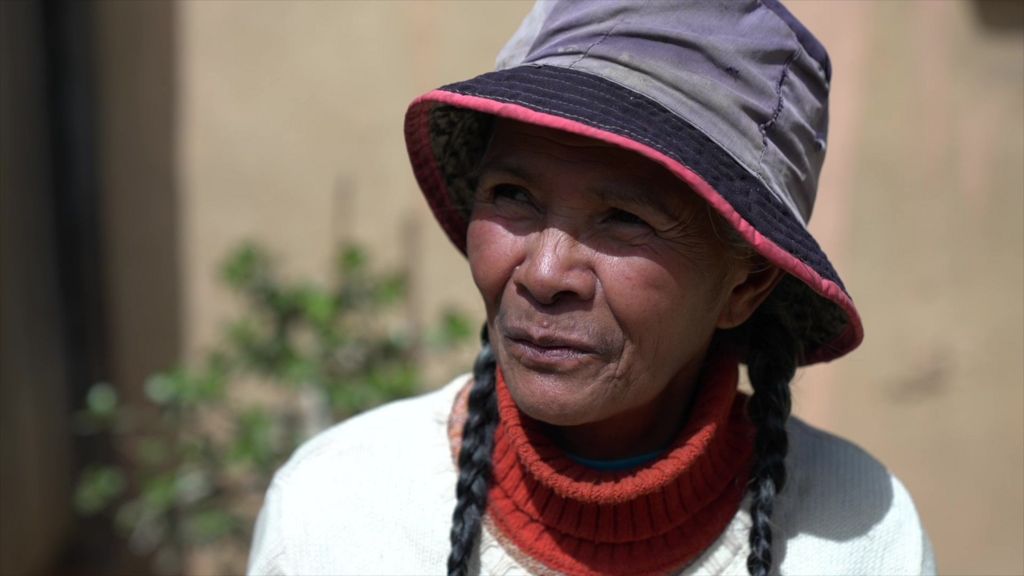
    However, this development exacts a profound human cost. Seventy-year-old Neny Fara, whose family has cultivated rice and pineapples in Ambohidava for generations, faces the potential destruction of her ancestral farmlands. “I feel stabbed in the back,” she expresses, highlighting the absence of official communication regarding compensation. Her concerns echo throughout the community, where multiple farmers report similar uncertainties despite governmental assurances of restitution within one year of the road’s completion.

    The project’s implementation continues despite recent political upheaval that deposed initial proponent President Andriy Rajoelina. The current administration maintains commitment to the venture, financed through a combination of state funds (20%) and international sources including the Arab Bank for Economic Development in Africa.

    Environmental considerations have undergone significant revision since the project’s inception. Originally feared to encroach upon pristine rainforests housing Madagascar’s unique biodiversity, the route now primarily traverses previously cleared agricultural zones. Egyptian construction firm Sancrete further claims the improved road could reduce transportation emissions by up to 30%.

    Yet cultural tensions persist. Villagers voice distress over potential desecration of ancestral burial grounds, considered sacred in Malagasy tradition. An impromptu community gathering, led by Neny Fara, revealed determined opposition to the current plans.

    Former Environment Minister Max Fontaine defended the balance between preservation and progress, emphasizing parallel initiatives to formalize land ownership and prevent corporate land grabs. “This highway will radically change the face of Madagascar,” he stated, acknowledging both the transformative potential and necessary safeguards for affected communities.

    As construction advances on the initial 8-kilometer segment, Ambohidava embodies the complex dilemma facing developing nations: reconciling economic advancement with environmental conservation and cultural heritage preservation.

  • UAE boards align with Vision 2050 but struggle to look ahead, new index finds

    UAE boards align with Vision 2050 but struggle to look ahead, new index finds

    A groundbreaking study reveals that corporate boards across the Middle East demonstrate remarkable alignment with national development agendas while simultaneously struggling to shift from retrospective review to forward-looking strategic planning. The inaugural Middle East Board Value Index, conducted by Board Intelligence, surveyed 100 board directors throughout the GCC region, uncovering significant insights about corporate governance trends.

    The research indicates that an overwhelming 97% of regional boards maintain substantial alignment with transformational national frameworks including UAE Vision 2050 and Saudi Vision 2030, with 60% characterizing this alignment as ‘extremely effective’ and 37% as ‘moderately aligned.’ This represents a strong commitment to incorporating national priorities into corporate strategic frameworks.

    However, the study exposes a critical strategic gap in temporal orientation among boardrooms. Merely 38% of boards prioritize future-focused discussions, while 41% acknowledge spending more time reviewing past performance than planning ahead. A mere 21% achieve equilibrium between retrospective analysis and prospective planning, potentially limiting their ability to anticipate market disruptions and generate long-term value.

    Despite these temporal challenges, board confidence remains notably high. Nearly half (48%) of directors perceive their boards as essential to performance and value creation, while 94% report efficient operational processes. The primary obstacles identified include suboptimal information quality (41%) and inflexible decision-making frameworks (38%), both of which constrain organizational agility in rapidly evolving market conditions.

    The research further highlights boards’ strategic positioning within regional transformation initiatives. While 98% describe themselves as aligned with integration and diversification agendas, only 48% claim active leadership in these efforts. Sovereign engagement emerges as a particular strength, with 61% of directors expressing high confidence in managing regulatory relationships and state stakeholder dynamics.

    Risk management capabilities present a varied picture: 60% of boards feel very confident addressing cybersecurity threats, and 58% believe they can anticipate geopolitical shifts. Nevertheless, the prevailing reactive rather than anticipatory posture suggests room for improvement in foresight capabilities and information quality enhancement.

    Pippa Begg, CEO of Board Intelligence, commented: ‘Middle Eastern boards are entering a new era of strategic confidence. The contemporary challenge involves leveraging this confidence through enhanced future orientation. In an environment characterized by rapid transformation, the most valuable boards will be those capable of converting insight into foresight and governance into sustainable growth.’

    As the region accelerates its economic diversification and digital transformation initiatives, these findings present a clear imperative for corporate governance evolution—from alignment with national visions to anticipation of future challenges and opportunities.