标签: Africa

非洲

  • Vocational education cooperation with Africa empowers youth, drives growth

    Vocational education cooperation with Africa empowers youth, drives growth

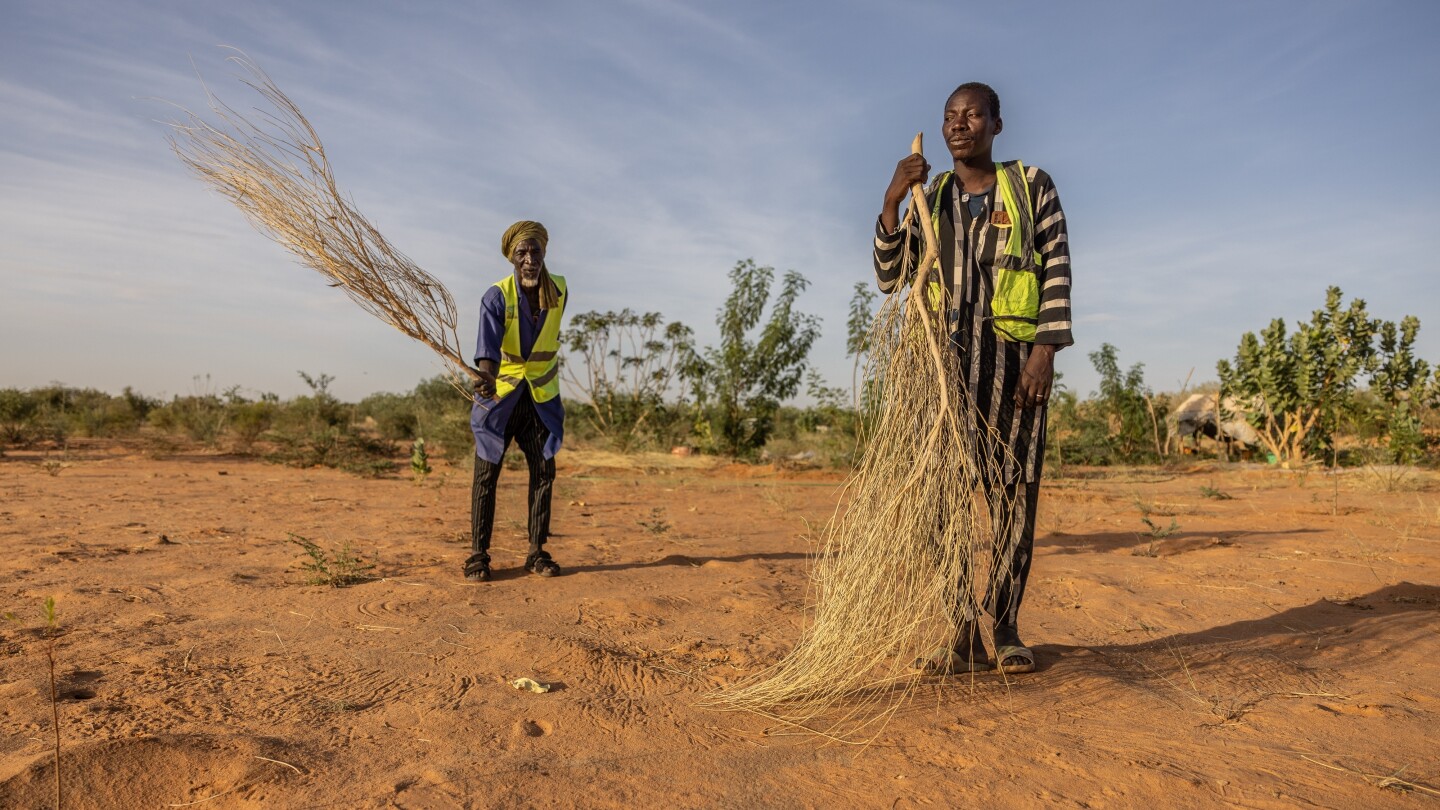
    As Africa grapples with mounting developmental challenges, China has emerged as a pivotal ally in the continent’s modernization efforts, particularly through its collaboration in technical and vocational education. Gilles Fagninou, the regional director for West and Central Africa at the UN Children’s Fund, lauded China as a ‘true partner’ in an exclusive interview with China Daily. He underscored the critical role of China-Africa educational cooperation in addressing Africa’s pressing need for accessible and quality education, with over 100 million school-age children currently out of school. Fagninou highlighted that China’s own developmental journey, marked by overcoming similar hurdles, positions it as an invaluable mentor for African nations. ‘The experience that China has is something that African countries want to learn from,’ he remarked. This partnership is particularly transformative in broadening learning avenues for African youth, equipping them with practical skills through technical, professional, and vocational studies. During a recent visit to Jinhua University of Vocational Technology in Zhejiang province, Fagninou observed firsthand the impact of these programs, where African students are trained to return home and contribute to their communities. Over 20 universities in Zhejiang have established partnerships with African institutions, with Jinhua alone offering educational opportunities to more than 15,000 African students. Fagninou emphasized the tailored approach of China’s cooperation, which respects local realities and adapts to each country’s unique needs. Through digital innovation, this partnership is expanding access to quality education, bringing more children into learning who would otherwise be excluded. Fagninou also noted that China’s contributions are integral to advancing the UN Sustainable Development Goals in Africa, with initiatives like the establishment of Luban Workshops and engineering academies offering 60,000 training opportunities, primarily for women and youth. Looking ahead, Fagninou expressed optimism about deepening collaboration on youth employment, with plans to create regional centers of excellence across Africa. Pilot countries are already developing vocational programs that can be scaled continent-wide, providing young people with the skills needed to navigate the job market. ‘When you have vocational or professional study, it helps you access the job market quickly,’ he said, adding that education fosters opportunities that benefit individuals, communities, and the continent as a whole.

  • UAE weather: Fair to partly cloudy skies; lowest temperature 23°C in Dubai

    UAE weather: Fair to partly cloudy skies; lowest temperature 23°C in Dubai

    Residents of the United Arab Emirates can anticipate fair to partly cloudy skies on Thursday, November 13, particularly in the western regions. According to the National Centre of Meteorology, the weather will turn humid by Thursday night and Friday morning, with a chance of mist formation in some western areas. Light to moderate winds, ranging from 10 to 20 km/h and occasionally reaching 30 km/h, will blow from the southeast to northeast. Sea conditions in the Arabian Gulf and Oman Sea are expected to remain calm. Temperatures will vary across the country, with Dubai recording a low of 23°C, Abu Dhabi at 22°C, and Sharjah at 18°C. The highest temperature recorded today was 35°C in Saih Al Salam, Dubai, at 3 pm local time. Residents are advised to stay updated with the latest weather forecasts and news updates.

  • Over 200 Kenyans fighting for Russia in Ukraine – minister

    Over 200 Kenyans fighting for Russia in Ukraine – minister

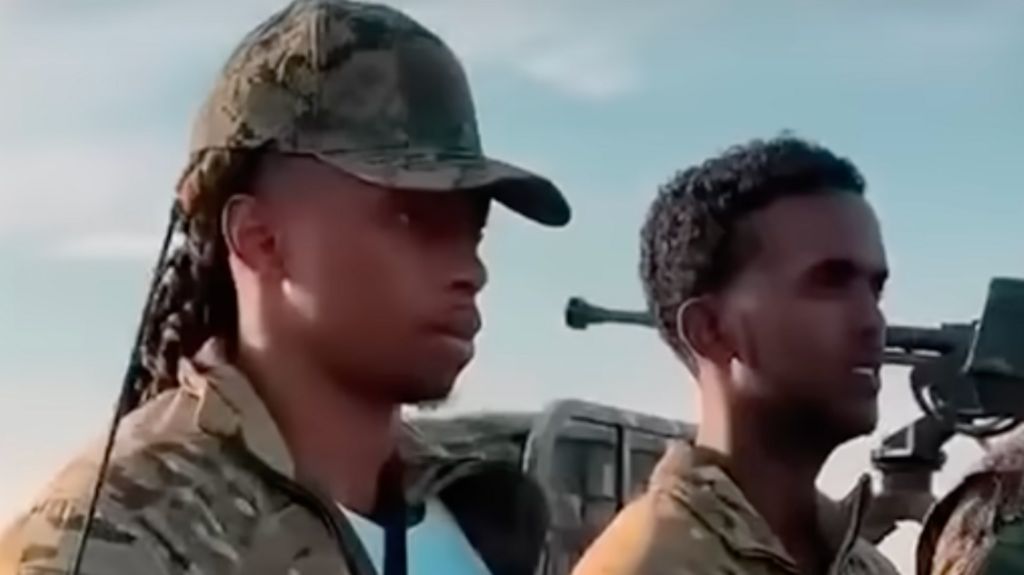
    Approximately 1,400 African nationals, including around 200 Kenyans, are reportedly fighting alongside Russian forces in the ongoing conflict in Ukraine, according to recent statements by Kenyan and Ukrainian authorities. Kenya’s Foreign Affairs Minister, Musalia Mudavadi, revealed that some of these individuals are former members of Kenya’s security forces. Many recruits have allegedly been deceived into joining the war, with promises of substantial financial rewards. Some have been forced to assemble drones and handle hazardous chemicals without proper training or protective gear, raising serious safety and ethical concerns. Kenyan President William Ruto has formally requested the Ukrainian government to secure the release of Kenyan nationals currently held in the conflict zone. The Ukrainian government has also highlighted that recruitment networks remain active in both Kenya and Russia, targeting vulnerable individuals. Kenya’s embassy in Moscow has documented injuries among some recruits, who were reportedly promised up to $18,000 to cover visa, travel, and accommodation costs. Mudavadi expressed concerns about the broader issue of Kenyans being lured into ‘forced criminality,’ including drug trafficking and forced labor abroad, which he described as a threat to both Kenyan and global security. In September, Kenyan authorities rescued over 20 nationals near Nairobi who were preparing to join the war. A suspected recruiter was arrested and is facing prosecution. Meanwhile, South Africa has launched an investigation into how 17 of its citizens ended up in the war-torn Donbas region. Ukraine has also faced criticism for its attempts to recruit foreign nationals, including Africans, to fight on its side. The situation underscores the Kremlin’s efforts to expand its influence in Africa, as evidenced by the recruitment of individuals from Somalia, Sierra Leone, Togo, Cuba, and Sri Lanka, who are now held in Ukrainian prisoner-of-war camps.

  • UAE: National Day or Christmas, which holiday is cheaper to travel on?

    UAE: National Day or Christmas, which holiday is cheaper to travel on?

    As the year draws to a close, UAE residents planning their holiday getaways face a crucial decision: Should they travel during the National Day weekend or wait for the Christmas-New Year period? A detailed analysis of current airfares and travel packages reveals significant cost differences between the two holiday seasons. While National Day offers more affordable short-haul trips, Christmas travel, especially to long-haul destinations, is proving to be substantially more expensive. Travel industry executives highlight that short-haul destinations remain budget-friendly during National Day, with packages averaging around Dh2,700. Popular choices include the Caucasus, Southeast Asia, and newly accessible routes like Krabi in Thailand. In contrast, Christmas travel is dominated by long-haul trips to Europe and Scandinavia, with fares surging up to 90% in some sectors. For instance, a flight from Dubai to Helsinki jumps from Dh2,198 in late November to Dh4,000 during Christmas week. The demand for festive destinations like Finland’s Santa Claus Village is so high that bookings are made a year in advance. Travel agents emphasize that Christmas packages are at least 30% costlier than National Day deals, driven by extended family vacations and fixed school holidays. However, some destinations, such as Baku, offer cheaper flights during Christmas, while India-bound fares spike due to residents returning home. Hotel rates also vary, with Tbilisi offering cheaper nightly stays over Christmas compared to National Day, while Helsinki sees a significant increase. Visa-free and e-visa destinations like Georgia, Armenia, and Thailand remain attractive for quick escapes. To secure the best deals, agents recommend booking weekday flights and finalizing plans before official holiday announcements. In summary, National Day is ideal for short, spontaneous trips, while Christmas caters to those seeking festive experiences or family reunions, albeit at a higher cost.

  • Summit offers Africa chance to redefine role

    Summit offers Africa chance to redefine role

    The upcoming G20 summit in Johannesburg, South Africa, marks a pivotal moment for Africa to redefine its role in the global economy. Analysts emphasize that the continent must leverage this platform to advocate for fair trade, industrial transformation, and stable market access. Amid a turbulent global trade system, Africa faces challenges such as rising protectionism and uncertainty over the renewal of the African Growth and Opportunity Act (AGOA), which has historically granted tariff-free access to the US market for sub-Saharan countries since 2000. The US’s recent imposition of reciprocal tariffs on key African exports, including South Africa’s auto, wine, and citrus industries, has further exacerbated concerns. Trade experts warn that these tariffs, ranging from 10 to 50 percent, threaten industries, jobs, and rural incomes across the continent. Despite these challenges, African leaders remain optimistic about constructive engagement with the US to safeguard historical trade ties. South Africa’s Minister of International Relations, Ronald Lamola, has described ongoing trade talks as ‘very positive,’ with hopes for AGOA’s renewal by year-end. The G20 summit also offers Africa a unique opportunity to advocate for stable, rules-based economic agreements and to strengthen regional integration through the African Continental Free Trade Area (AfCFTA). Experts urge African leaders to use this platform to demand fair competition, discourage unilateral tariff actions, and promote long-term trade stability. As Africa hosts its first G20 summit, the continent stands at a crossroads, with the potential to shape the global economic agenda and secure its rightful place at the decision-making table.

  • US calls for international action to cut weapons supply to Sudan paramilitaries

    US calls for international action to cut weapons supply to Sudan paramilitaries

    US Secretary of State Marco Rubio has urgently called for international intervention to sever weapons supplies to Sudan’s paramilitary Rapid Support Forces (RSF), following reports of widespread atrocities in el-Fasher. Speaking at the conclusion of a G7 foreign ministers’ meeting in Canada, Rubio detailed systematic crimes committed by the RSF, including murder, rape, and sexual violence against civilians. Sudan’s military has accused the United Arab Emirates (UAE) of arming the RSF and sending mercenaries through African nations, allegations the UAE has consistently denied. The RSF, engaged in a civil war with Sudan’s army since April 2023, recently captured el-Fasher after an 18-month siege, gaining control over all major cities in the western Darfur region. Rubio emphasized that women and children have been primary targets of the RSF’s brutal actions, describing the atrocities as ‘horrifying’ and demanding an immediate end to the violence. He urged partner nations to join the US in addressing the crisis and dismissed the RSF’s claims that rogue elements were responsible for the killings, asserting that the attacks were systematic. Rubio also expressed concerns that thousands of civilians expected to flee el-Fasher may have perished or are too malnourished to escape. Highlighting the RSF’s reliance on external arms supplies, he called on weapon-providing countries to cease their support. The G7 joint statement condemned the escalating violence in Sudan, labeling the conflict as the ‘world’s largest humanitarian crisis.’

  • South Sudan leader sacks powerful Vice-President Bol Mel

    South Sudan leader sacks powerful Vice-President Bol Mel

    South Sudan’s President Salva Kiir has taken decisive action by dismissing Vice-President Benjamin Bol Mel, a move that has sent ripples through the nation’s political landscape. Bol Mel, who was seen as a potential successor to Kiir, was stripped of his military rank of general and removed from his position in the national security service. Additionally, Kiir sacked the central bank governor and the head of the revenue authority, both of whom were considered close allies of Bol Mel. The dismissals were announced in a decree broadcast on state television, with no official explanation provided. This development comes at a time of heightened fears of political instability and the potential resurgence of civil war, following the collapse of a fragile power-sharing agreement between Kiir and opposition leader Riek Machar. Bol Mel, 47, was appointed vice-president in February, replacing veteran politician and general James Wani Igga. He was also elevated to the position of first deputy chairman of the ruling SPLM party, a move that analysts believe positioned him as a potential successor to the 74-year-old Kiir. Despite being under US sanctions since 2017 for alleged corruption, Bol Mel’s rise within the government continued, with Kiir promoting him to the full rank of general in the National Security Service (NSS). Bol Mel has never directly responded to the corruption allegations and has remained silent on his dismissal. The president has yet to announce replacements for the positions held by Bol Mel. His dismissal has fueled speculation on social media about an internal power struggle within the SPLM. A government source, who wished to remain anonymous for safety reasons, described Bol Mel as a ‘divisive figure’ in government, stating, ‘It’s good that he has gone.’ South Sudan, an oil-rich nation that gained independence in 2011, has been plagued by civil war and political instability. The 2018 power-sharing agreement that ended the conflict has been fraught with challenges, with tensions persisting and sporadic violence continuing to erupt. Planned elections have been postponed twice in the past three years, and recent escalations in fighting between forces loyal to Kiir and armed groups have further exacerbated the situation. Earlier this year, Machar was dismissed as vice-president and arrested, facing charges of murder, treason, and crimes against humanity. His spokesperson has dismissed the charges as a ‘political witch-hunt.’ The charges followed an attack by a militia allegedly linked to Machar, which the government claims resulted in the deaths of 250 soldiers and a general. The case against Machar is ongoing, adding to the growing concerns of renewed civil unrest in the region.

  • Zanzibar’s ‘solar mamas’ are trained as technicians to help light up communities

    Zanzibar’s ‘solar mamas’ are trained as technicians to help light up communities

    In the semi-autonomous archipelago of Zanzibar, Tanzania, the absence of electricity has long cast a shadow over daily life. For Hamna Silima Nyange and her eight children, the dim glow of smoky oil lamps was the only source of light after sunset. ‘The light was too weak,’ Nyange recalled. ‘And the smoke from the lamp hurt my eyes.’ However, a transformative change arrived when her neighbor, Tatu Omary Hamad, installed solar panels and bulbs, harnessing the abundant sunlight along the Indian Ocean coast. ‘Today we have enough light,’ Nyange said with relief.

    Hamad is one of the many ‘solar mamas’ trained by Barefoot College International, a global nonprofit dedicated to bringing light to rural communities while empowering local women. Since its inception in Zanzibar, the program has illuminated 1,845 homes. The initiative focuses on middle-aged women, often with little or no formal education, who are trained over six months to become solar power technicians. These women return to their communities equipped with at least 50 sets of household solar panel kits and the skills to install and maintain them.

    Brenda Geofrey, the director of Barefoot College International Zanzibar, emphasized the program’s mission: ‘We want to train women who become change makers.’ The Zanzibar campus, now in its 10th year, has become a beacon of hope. Previously, women were sent to India for training, where the organization was founded. Khazija Gharib Issa, once an unemployed widow, is now a master trainer. ‘I got a job. I got a place to stay. Before, I didn’t have one,’ she shared.

    The program’s impact extends beyond lighting homes. It also addresses health concerns by replacing harmful light sources like kerosene, which can irritate eyes, damage lungs, and pose fire hazards. Jacob Dianga, a local healthcare worker, highlighted the importance of clean energy: ‘It helps protect our health.’ Additionally, Barefoot College International offers courses in tailoring, beekeeping, and sustainable agriculture, ensuring women are equipped with diverse skills and health knowledge to share with their communities.

    Despite its successes, the program faces challenges. Funding is a persistent issue as major donors reduce foreign aid, and projects compete for limited resources. Resistance within local communities also poses a hurdle, with some husbands preventing their wives from participating. ‘In most African communities, women are pictured as somebody who is just at home,’ Geofrey noted. Yet, the solar mamas are breaking stereotypes and proving their worth. ‘People used to say this work is for men. They were surprised and laughed at me,’ Issa said. ‘But now they see how important my work is. I have become an example.’

    Barefoot College International continues to expand across Africa, with campuses in Madagascar and Senegal, and plans to recruit women from the Central African Republic. The organization’s efforts underscore the transformative power of education, clean energy, and gender equality in driving sustainable development.

  • The fallout from Nigeria’s spectacular $25m museum and the Benin Bronzes

    The fallout from Nigeria’s spectacular $25m museum and the Benin Bronzes

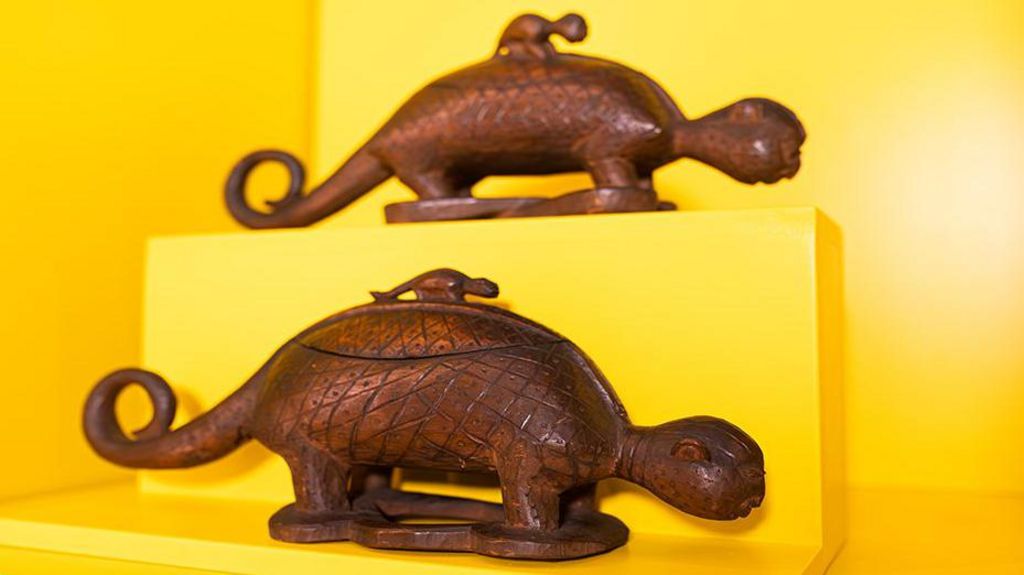
    The much-anticipated opening of Nigeria’s Museum of West African Art (Mowaa) in Benin City has been marred by political disputes and protests, casting a shadow over what was meant to be a celebration of regional creativity. The six-hectare campus, designed by renowned British-Ghanaian architect Sir David Adjaye, was envisioned as a cultural hub to honor the legacy of the Benin Bronzes and foster contemporary African art. However, tensions escalated when the Edo state government revoked the museum’s land use rights, citing a name change from ‘Edo Museum of West African Art’ to simply ‘Mowaa.’ This decision followed protests demanding the museum be renamed the Benin Royal Museum and placed under the control of the local traditional ruler, Oba Ewuare II. The controversy highlights deeper political rivalries, with the new governor’s administration seeking greater influence over the project, which was championed by the previous governor, Godwin Obaseki. The museum, a $25 million initiative funded by international donors and the Edo state government, aims to create over 30,000 jobs and contribute $80 million annually to the regional creative economy. Despite its ambitious goals, the absence of the Benin Bronzes—looted by British soldiers in 1897 and now scattered across Western museums—remains a contentious issue. Mowaa’s executive director, Phillip Ihenacho, emphasized the museum’s broader vision to inspire contemporary African creativity across various art forms, rather than focusing solely on historical artifacts. As the government works to resolve the dispute, Mowaa’s staff remain committed to redefining the role of a modern African museum, even in the face of political and logistical challenges.

  • How Dubai’s Future Loop project will connect iconic landmarks, ease traffic

    How Dubai’s Future Loop project will connect iconic landmarks, ease traffic

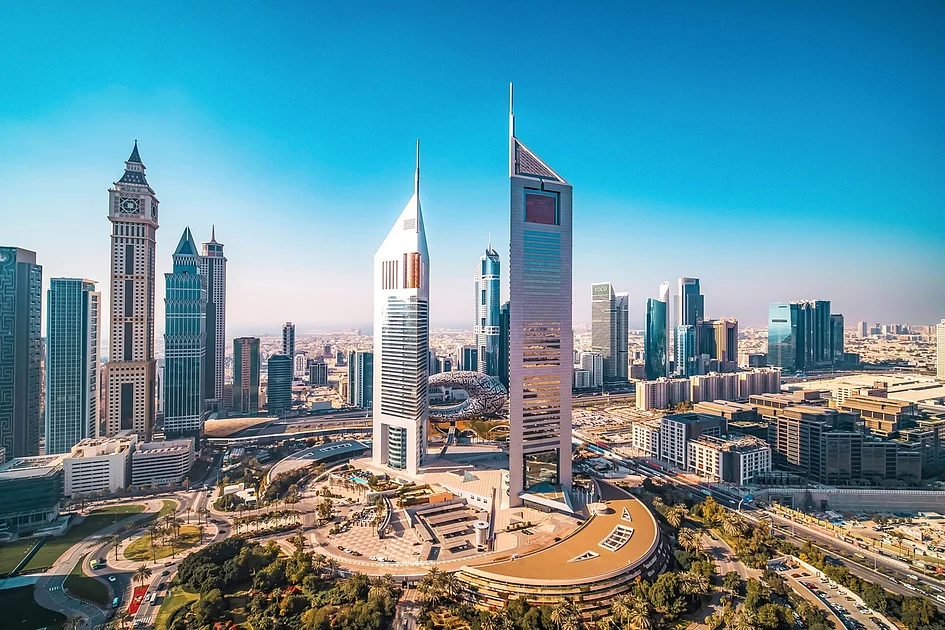
    Dubai is taking a monumental leap towards becoming a pedestrian-friendly, future-ready city with its ambitious Future Loop project. Launched as part of the Dubai Walk Master Plan in December 2024, this initiative aims to transform urban mobility by connecting iconic landmarks and easing traffic congestion. The Future Loop, a 2km elevated pathway, will be implemented in the Museum of the Future area, offering a climate-controlled walkway for year-round pedestrian use. This innovative project will link 10 key locations, including the Dubai World Trade Centre, Emirates Towers, and the Dubai International Financial Centre (DIFC), while integrating seamlessly with Dubai’s existing transport network, including metro and tram stations, cycling tracks, and future transportation systems. The pathway will feature 30,000 square metres of air-conditioned spaces, shaded structures, and green areas designed to enhance comfort and reduce temperatures. Additionally, the Future Loop will include commercial spaces developed through public-private partnerships, further enriching the urban experience. This project is a cornerstone of Dubai’s 20-Minute City goal, which aims to enable 80% of residents to access essential services within a 20-minute commute. By prioritizing pedestrian safety, connectivity, and sustainability, the Future Loop aligns with Dubai’s Quality of Life Strategy 2033, making the city more liveable and people-centred. The project is already underway, with active progress reviewed by Sheikh Hamdan bin Mohammed bin Rashid Al Maktoum, Crown Prince of Dubai, as part of the emirate’s major infrastructure initiatives.