
Egyptian authorities have initiated a comprehensive search for a priceless 3,000-year-old bracelet that has gone missing from the Egyptian Museum in Cairo. The bracelet, a rare gold band embellished with spherical lapis lazuli beads, dates back to the reign of King Amenemope, a pharaoh of the 21st Dynasty who ruled from 993 to 984 BC. The artifact vanished from the museum’s restoration laboratory, prompting immediate action from the Ministry of Tourism and Antiquities. The case has been handed over to the police, and an image of the bracelet has been distributed to all Egyptian airports, seaports, and land border crossings to prevent any smuggling attempts. A specialized committee has also been formed to conduct a thorough inventory and review of all artifacts in the restoration laboratory. The ministry delayed announcing the disappearance to facilitate the investigation, though it did not specify when the bracelet was last seen. According to the Egyptian newspaper Al-Misri al-Yawm, the disappearance was discovered recently as museum staff were preparing to ship dozens of artifacts to Rome for an upcoming exhibition. The Egyptian Museum, the oldest archaeological museum in the Middle East, houses over 170,000 artifacts, including Amenemope’s gilded wooden funerary mask. This incident occurs just six weeks before the opening of the Grand Egyptian Museum in Giza, which will showcase the treasures from King Tutankhamun’s tomb.
标签: Africa
非洲
-
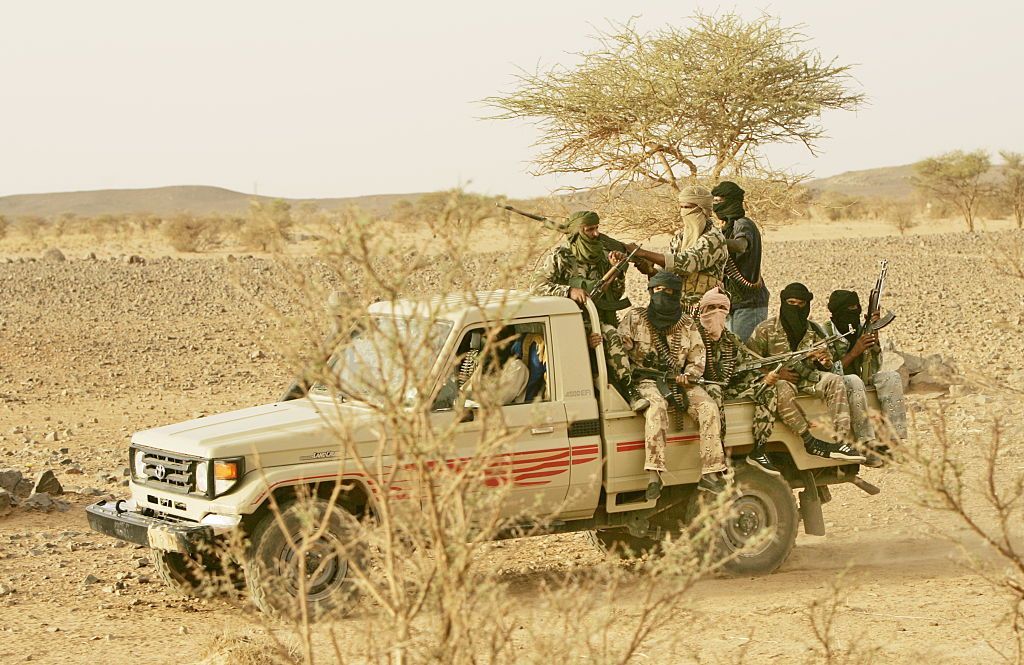
Trucks set ablaze as militants block key Senegal-Mali trade route
Mali’s military government is grappling with a severe crisis as Islamist militants intensify their blockade on major highways, disrupting vital supply chains and threatening the nation’s economic stability. Prime Minister Abdoulaye Maïga acknowledged the gravity of the situation, pledging to bolster security on affected routes. The blockade, orchestrated by al-Qaeda-linked Jama’at Nusrat al-Islam wal-Muslimin (JNIM), has particularly targeted fuel supplies, raising fears of widespread economic paralysis.
-

Chebet focused on ‘crazy dream’ of historic double in Tokyo
Beatrice Chebet, the Kenyan long-distance sensation, has etched her name in the annals of athletics history by securing her first World Championship title in the 10,000m event in Tokyo. Despite an illustrious career that boasts two Olympic gold medals, a Commonwealth Games title, and two World Cross Country crowns, Chebet had never stood atop the podium at the World Championships until now. Her victory on the opening day of the competition marks a significant milestone in her career.
-
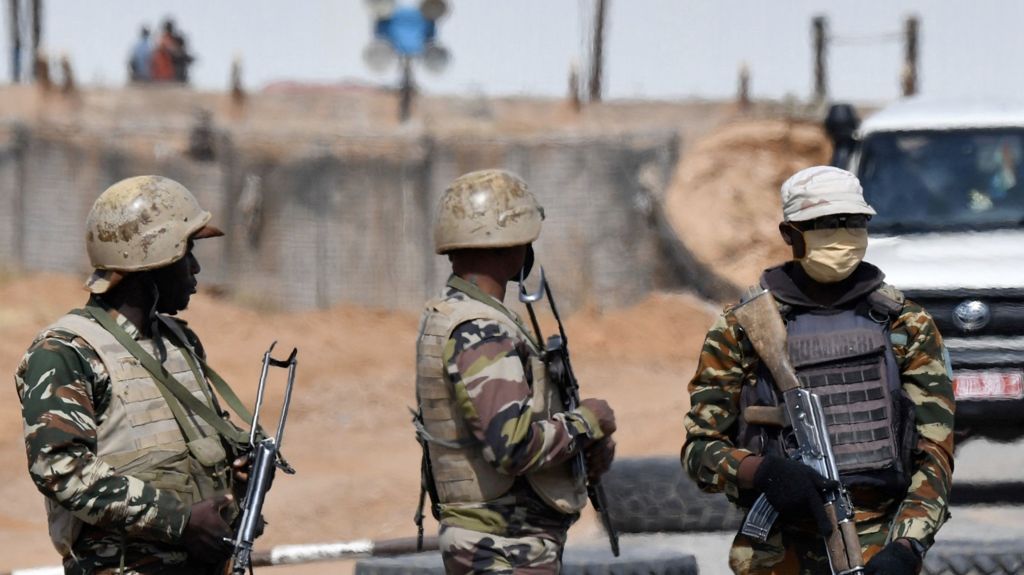
Gunmen kill 22 after shooting at baptism ceremony in Niger – reports
In a brutal assault on a village in western Niger, gunmen on motorbikes killed 22 people, most of whom were attending a baptism ceremony. The attack occurred in the Tillabéri region, which borders Mali and Burkina Faso, areas plagued by jihadist insurgency. According to a local resident, 15 individuals were killed at the ceremony, while seven others were slain as the assailants moved to another location. Maikoul Zodi, a civil rights activist, described the incident on social media as an act of terror that disrupted a moment of celebration. Niger’s military government, which has been grappling with jihadist violence linked to al-Qaeda and Islamic State, confirmed the attack but has yet to release official casualty figures. Local media outlet Elmaestro TV reported the incident as a ‘gruesome death toll of 22 innocent people cowardly killed without reason or justification.’ The Tillabéri region has become a hotspot for jihadist activity, with Human Rights Watch recently documenting a surge in attacks since March, resulting in over 127 deaths and widespread destruction of property. The group criticized authorities for failing to respond effectively to warnings and pleas for help from villagers. Just last week, 14 Nigerien soldiers were killed in an ambush in the same region, underscoring the escalating violence. Access restrictions and fear of reprisals often make it challenging to verify casualty numbers independently. Mr. Zodi has called on the government to prioritize civilian safety, urging stronger state presence in vulnerable areas. Niger, along with its neighbors Burkina Faso and Mali, has been under military rule since coups in recent years. These nations have expelled French and U.S. forces previously involved in counterterrorism efforts and have since formed an alliance, seeking support from Russia and Turkey. Despite these measures, the violence persists, raising questions about the effectiveness of current strategies.
-

Ex-Arsenal star Thomas Partey denies rape charges
Former Arsenal midfielder Thomas Partey has entered a plea of not guilty to multiple charges of rape and sexual assault during a hearing at Southwark Crown Court. The Ghanaian footballer, now playing for Spanish club Villareal, faces five counts of rape and one charge of sexual assault involving three women. The alleged incidents occurred between 2021 and 2022, during his tenure with the Premier League club. Partey, 32, was charged just four days after his contract with Arsenal expired at the end of June. The court granted him bail pending his trial, which is scheduled to commence on November 2, 2024. During the hearing, Partey confirmed his identity and denied all charges. His bail conditions permit him to continue his football career but require him to notify authorities of any international travel 24 hours in advance and prohibit contact with the complainants. Partey’s appearance in court coincided with his presence in England for a Champions League match against Tottenham Hotspur, where he came on as a substitute in a 1-0 defeat for Villareal. The case has drawn significant attention due to Partey’s high-profile career and the serious nature of the allegations.
-
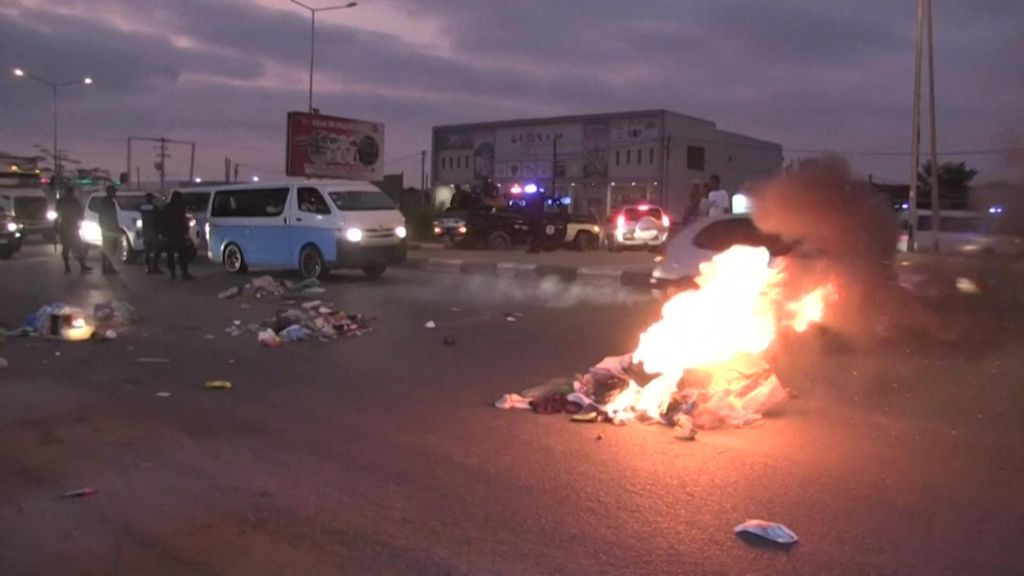
‘The hungry can’t stay silent’ – behind deadly protests in oil-rich Angola
In July, Angola witnessed one of its most significant waves of protests since the end of its civil war in 2002. What began as a demonstration by taxi drivers against rising fuel prices quickly escalated into widespread unrest, leaving at least 30 dead and thousands arrested. The protests, which paralyzed parts of Luanda and spread to other provinces, highlighted deep-seated issues of poverty, inequality, and youth unemployment in the oil-rich nation. Despite Angola’s gleaming skyscrapers, millions struggle to make ends meet in the informal sector, with youth unemployment reaching a staggering 54%. The unrest exposed the government’s failure to address systemic issues, even as President João Lourenço promised reforms. Critics argue that his administration has fallen short in tackling corruption, diversifying the economy, and creating jobs. The protests, though violent, were seen by many as a necessary outcry against a system that has long ignored the plight of the marginalized. As Angola approaches its 50th independence anniversary, the demonstrations serve as a stark reminder of the urgent need for meaningful change.
-
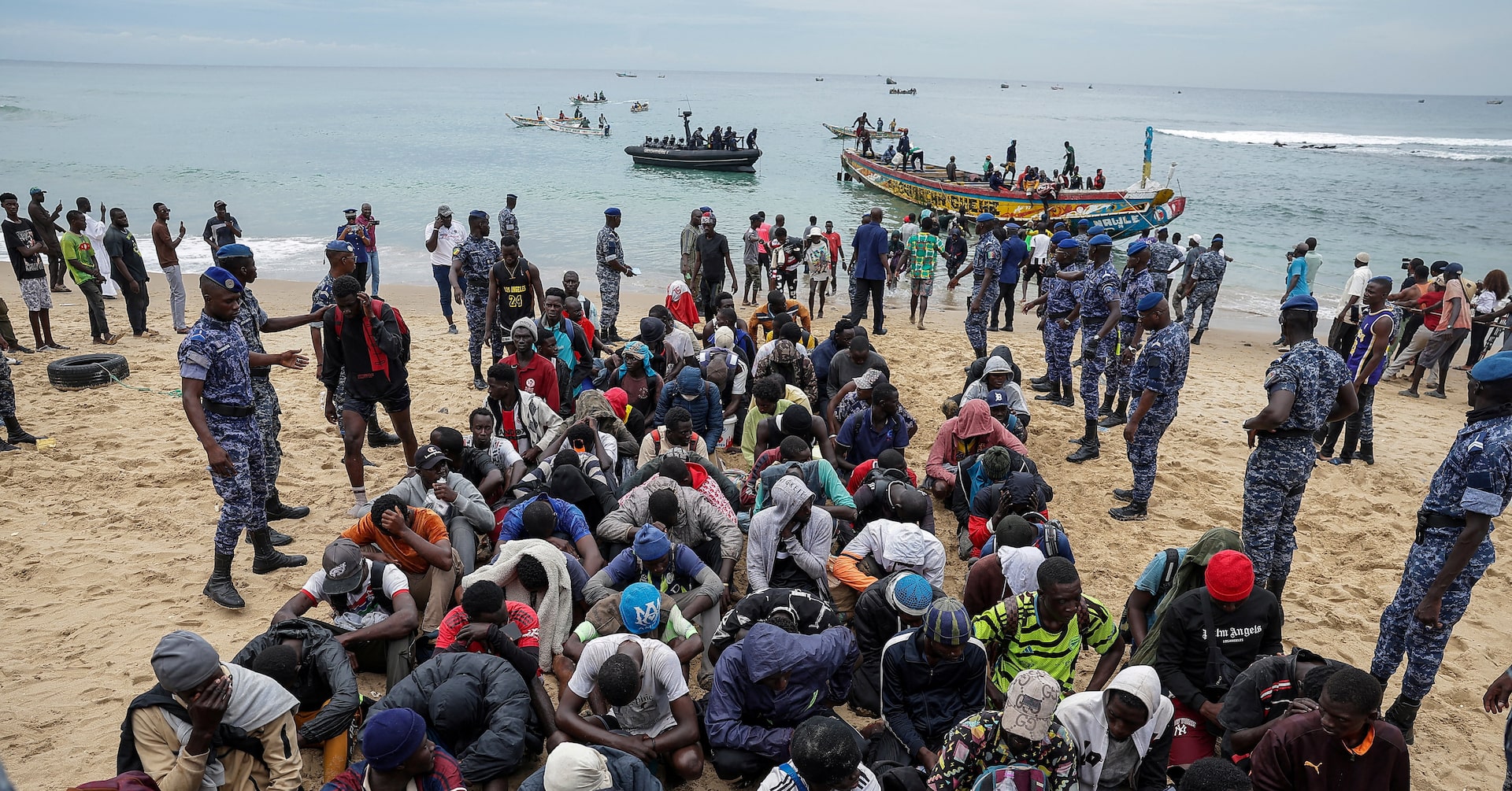
Senegal intercepts pirogue carrying 112 migrants attempting Atlantic crossing
In a dramatic intervention off the coast of Dakar, Senegalese authorities intercepted a wooden fishing boat carrying 112 migrants attempting to reach Europe via the treacherous Atlantic Ocean route. The vessel, a traditional pirogue, was discovered drifting without an engine after local fishermen raised the alarm. Abdoul Aziz Gueye, the mayor of Dakar’s Ouakam district, revealed that the fishermen provided a motor to help the boat approach the shore, where it was subsequently intercepted by the Senegalese marines. All individuals on board were identified as young men, and an investigation has been launched to determine the origins of the vessel and the circumstances surrounding its engine failure. One migrant, speaking to Reuters on Ouakam Beach, disclosed that the group hailed from Gambia and had been at sea for five days. This incident highlights the ongoing challenge of irregular migration from West Africa to Europe, particularly via the perilous Atlantic route to Spain’s Canary Islands. Despite increased collaboration between European and West African nations to curb such migration, deep-rooted issues like economic hardship, political instability, and climate change continue to drive individuals to undertake these dangerous journeys. Senegalese authorities have intensified patrols in recent years, yet migrants persist in attempting the crossing, often in overcrowded and ill-equipped vessels.
-
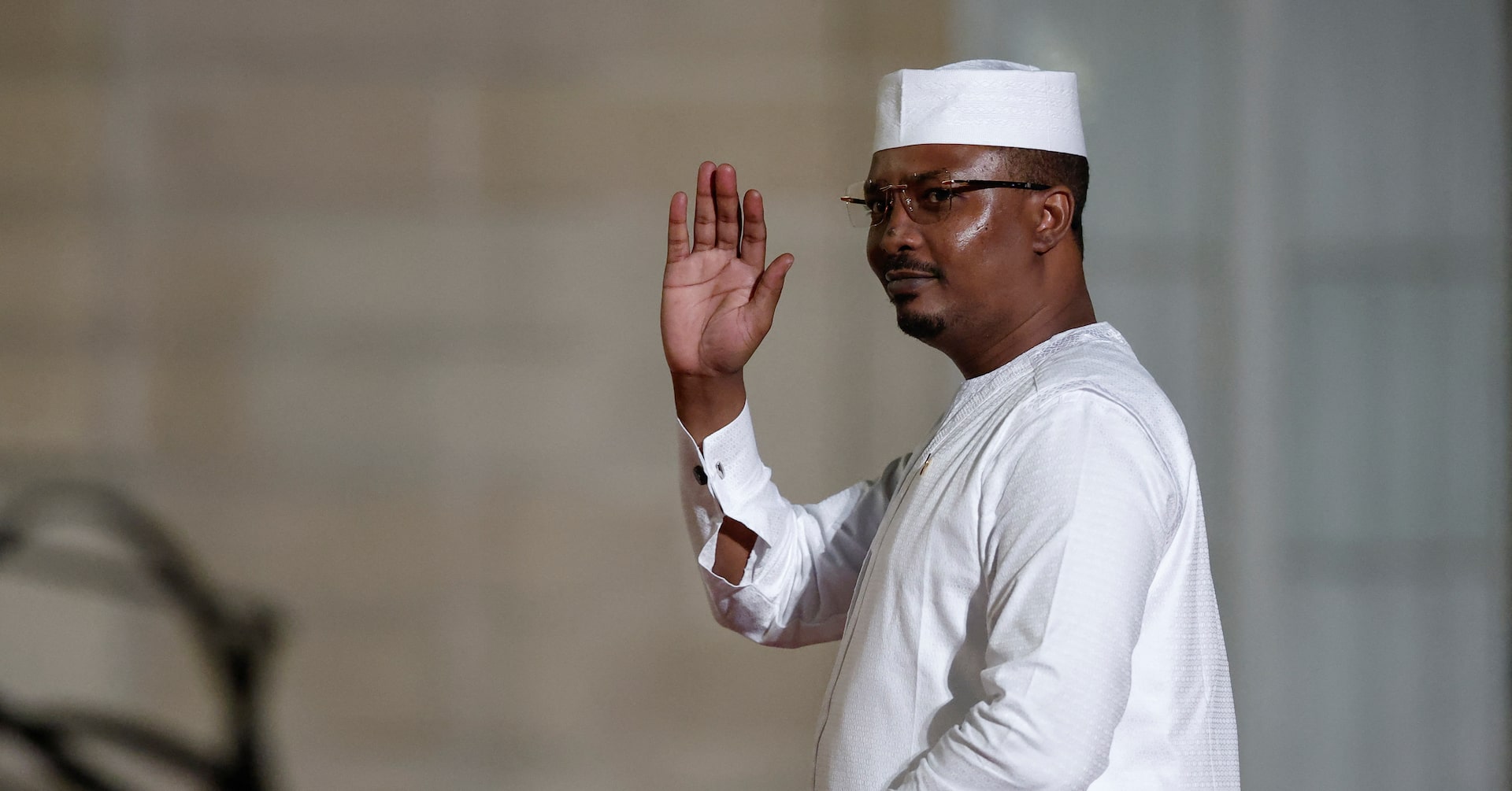
Chad votes to allow president to run unlimited times
Chad’s National Assembly has overwhelmingly approved significant constitutional amendments that extend the presidential term from five to seven years and remove term limits, potentially allowing President Mahamat Idriss Deby to remain in power indefinitely. The changes, passed with 171 votes in favor, one abstention, and no opposition, are set for a final Senate vote on October 13, after which they will be signed into law by the president. This move follows Deby’s controversial election victory in May 2024, which came after three years of military rule and was disputed by opposition leaders. The ruling party also secured a dominant majority in parliamentary elections held in December. Analysts view these revisions as a strategic effort by the ruling elite to consolidate power, with Remadji Hoinathy of the Institute for Security Studies noting that dissenting voices are increasingly being silenced. Chad, which has experienced a series of coups in recent years, was the first junta-led state in West and Central Africa to hold elections. The political landscape remains tense, with opposition leader Succes Masra sentenced to 20 years in prison for inciting violence following the disputed election.
-
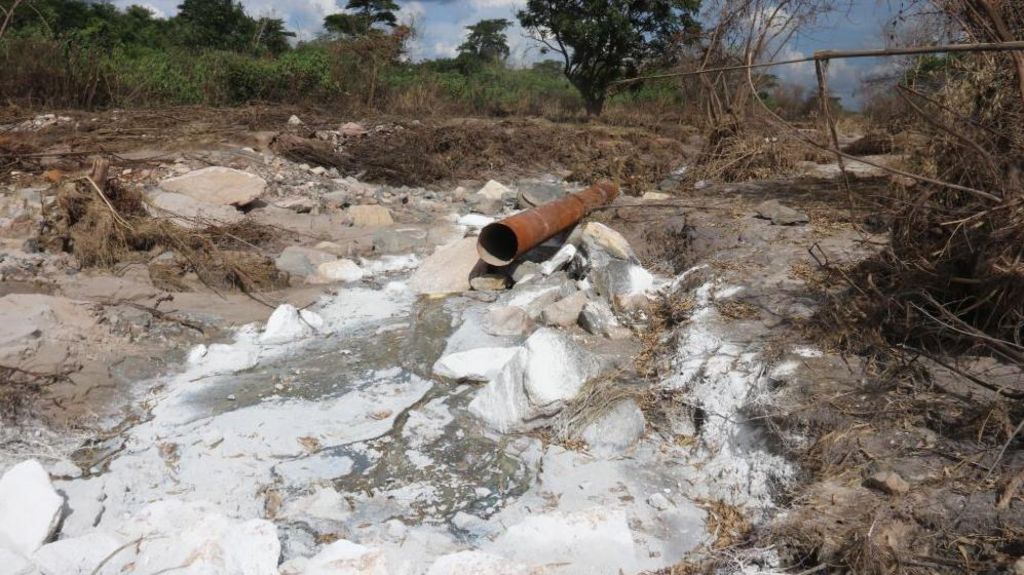
Chinese-linked mining firms sued over ‘ecological catastrophe’ in Zambia
Farmers in Zambia have initiated a landmark $80 billion lawsuit against two Chinese-affiliated companies, Sino Metals Leach Zambia and NFC Africa Mining, following a catastrophic dam collapse that unleashed millions of liters of highly acidic mining waste into local waterways. The incident, which occurred in February, has been described as an ‘ecological catastrophe,’ resulting in mass fish fatalities, contaminated water supplies, and widespread crop destruction. The spill has impacted approximately 300,000 households in Zambia’s copper-mining region, prompting one of the largest environmental lawsuits in the country’s history. The farmers, represented by a group of 176 individuals, filed the lawsuit in the High Court of Lusaka, alleging that the disaster was caused by engineering failures, construction flaws, and operational mismanagement. The plaintiffs are demanding $80 billion for environmental reparation, full compensation, and the establishment of a $20 million emergency fund to address immediate health and environmental concerns. The US embassy has issued a health alert, warning of widespread contamination and potential airborne health risks, while the Zambian government has downplayed the severity of the situation, stating there is ‘no need to press the panic button.’ The companies involved have yet to comment on the lawsuit, though Sino Metals Leach Zambia previously claimed the spill was ‘promptly brought under control.’
-
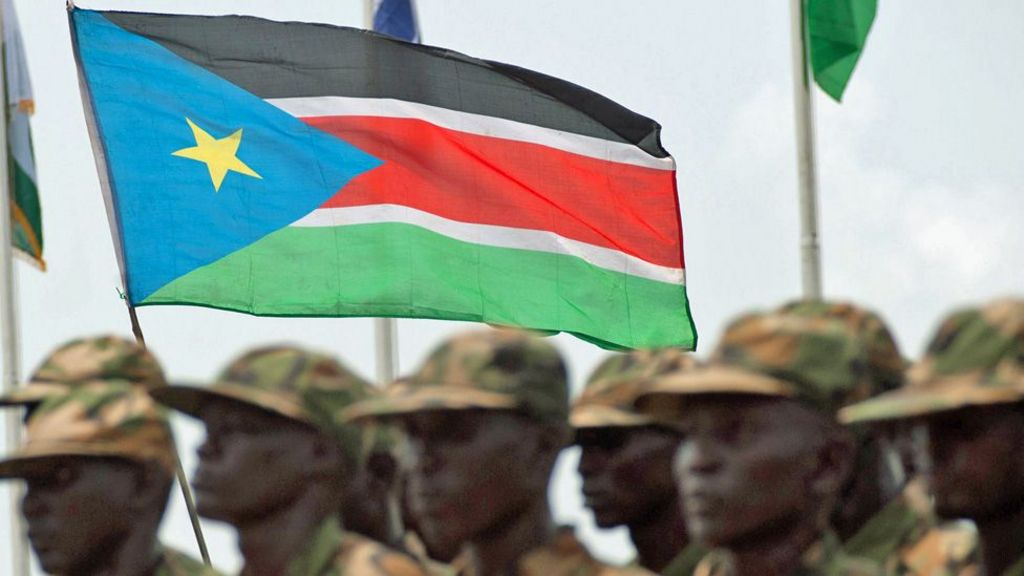
Fears balloon of a return to civil war in South Sudan over treason trial
South Sudan, the world’s youngest nation, faces renewed turmoil as political tensions escalate, raising fears of a potential return to civil war. The crisis deepened after the Sudan People’s Liberation Movement In Opposition (SPLM-IO), led by suspended Vice-President Riek Machar, called for ‘regime change’ in response to Machar’s house arrest and charges of murder, treason, and crimes against humanity. The SPLM-IO denounced the charges as a ‘political witch-hunt’ and accused the government of undermining the 2018 peace agreement that ended a devastating five-year civil war. The situation has been further complicated by the deployment of Ugandan troops to Juba, ostensibly to bolster the government’s control. A recent UN report has also exposed rampant corruption, alleging that South Sudanese officials have embezzled billions in oil revenues, leaving millions without essential services. South Sudan’s independence in 2011, achieved after decades of struggle, has been marred by internal conflict, particularly the 2013 civil war triggered by Machar’s dismissal as vice-president. The conflict, rooted in ethnic divisions, claimed an estimated 400,000 lives and displaced 2.5 million people. Despite the 2018 peace deal, key provisions, such as the formation of a unified national army and the establishment of a transitional justice court, remain unimplemented. The repeated postponement of elections and the failure to draft a new constitution have further eroded trust in the government. As Machar prepares for his trial, concerns grow over the potential for renewed violence, with analysts warning of the risk of proxy warfare in the region. The international community watches anxiously as South Sudan teeters on the edge of another catastrophic conflict.