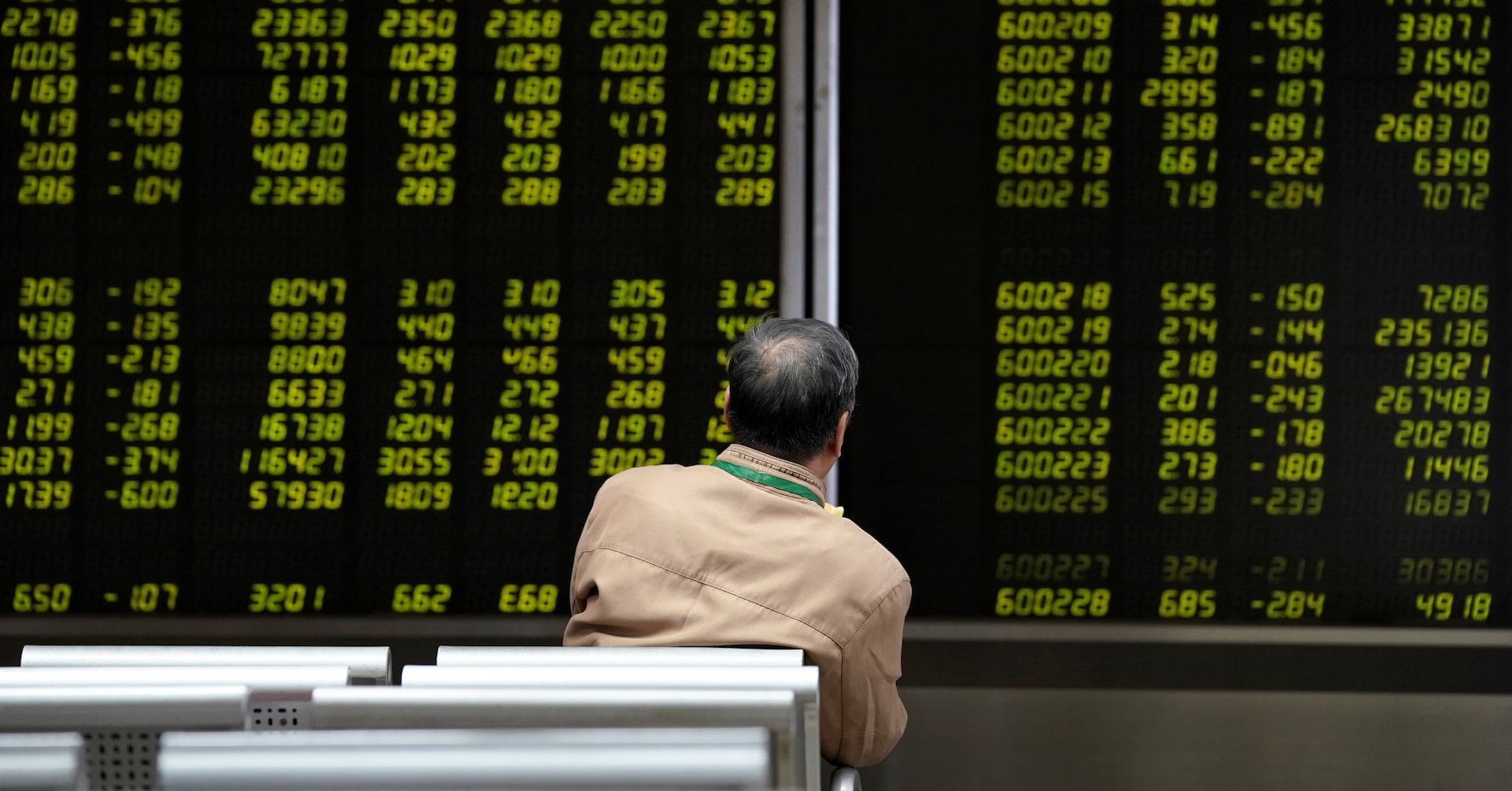
Global financial markets experienced a mixed yet cautiously optimistic response on Thursday following the U.S. Federal Reserve’s first interest rate cut of the year. The pan-European STOXX 600 index and Wall Street futures both rose by 0.5%, reflecting a steady sentiment despite initial volatility. Meanwhile, Asian markets, particularly in China, South Korea, Taiwan, and Japan, rallied overnight, with Chinese stocks reaching a 10-year high amid reports of U.S. chipmaker Nvidia being banned in China. The dollar edged 0.2% higher after hitting a 3.5-year low earlier in the week, providing some relief to non-U.S. exporters. Fed Chair Jerome Powell tempered expectations by emphasizing a measured approach to future rate cuts, with the ‘dot plot’ signaling two more reductions in 2025 and one in 2026. In Europe, the euro remained stable at $1.1825, while the pound held steady at $1.36 ahead of the Bank of England’s rate decision. Analysts anticipate the BoE may slow its bond reduction pace due to recent market volatility. French bond yields surpassed Italy’s, highlighting ongoing political uncertainties. Commodity markets saw Brent crude dip 0.2% to $67.87 per barrel, while gold rose 0.2% to $3,665 per ounce. The Norwegian crown softened slightly after a 25 basis point rate cut, and the Australian dollar slipped 0.4% following weaker-than-expected labor market data. Bond markets rallied, with U.S. 10-year Treasury yields dropping to 4.06%.
标签: Africa
非洲
-
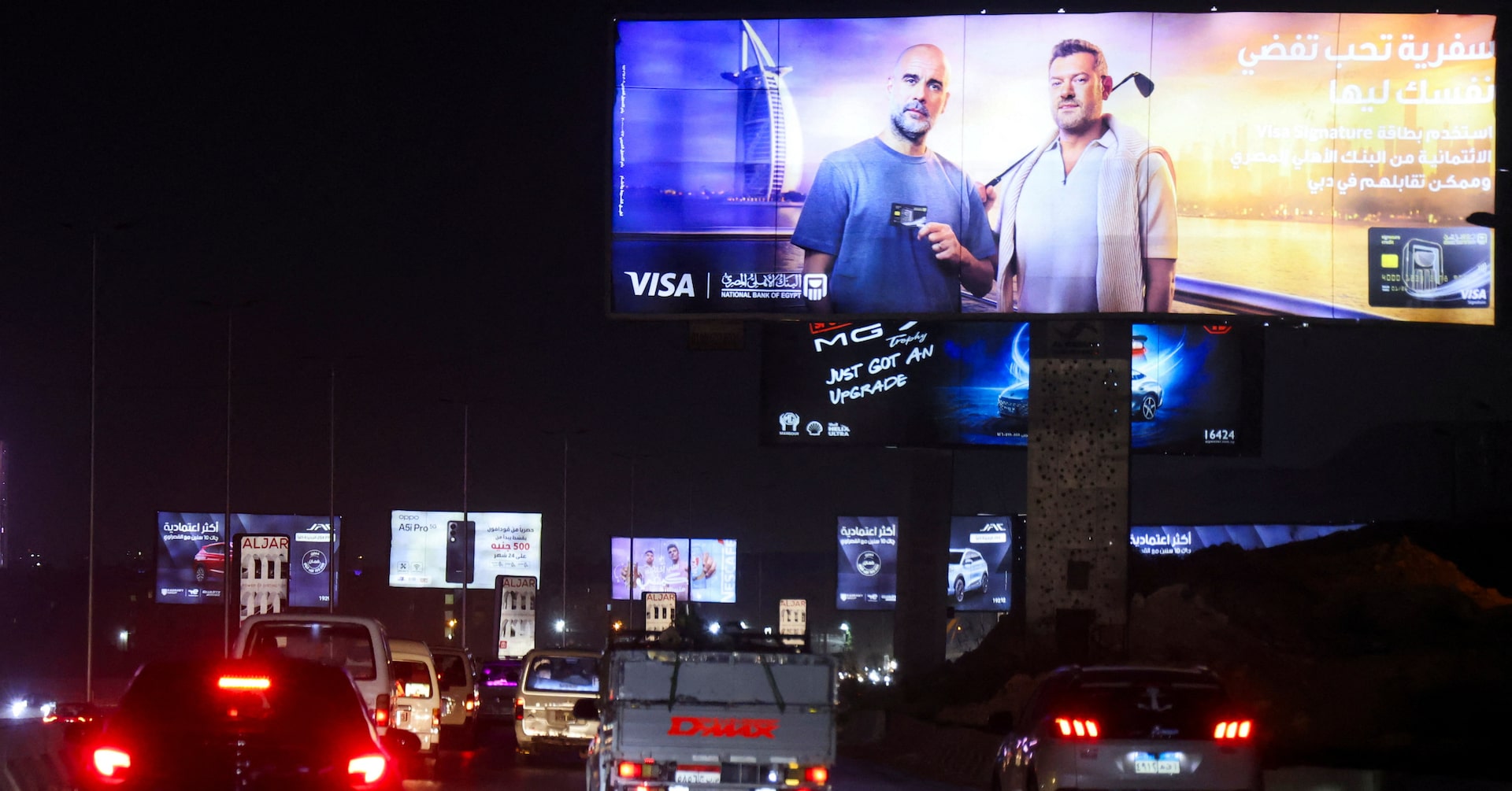
Egypt’s billboard boom strains eyes but raises profits
Cairo’s bustling streets, already notorious for their chaotic traffic, are now facing a new challenge: an overwhelming surge in flashy billboards. These large, brightly lit advertisements, which have more than doubled in number over the past six years, are raising concerns about driver concentration and the quality of life for residents. According to AdMazad, an advertising analytics firm, the number of billboards has skyrocketed from 2,500 in 2019 to approximately 6,300 today, with digital ads increasing more than tenfold to over 300 in the same period. This translates to more than 30 billboards per square kilometer in inhabited areas. The proliferation of these ads is largely attributed to the expansion of Egypt’s transport network under President Abdel Fattah al-Sisi, who has invested billions in new roads and bridges. While the advertising industry has become a significant source of government revenue, generating 6.3 billion Egyptian pounds ($130 million) in 2024, the psychological and visual impact on drivers and residents cannot be ignored. Psychotherapist Khaled Salaheldin warns that constant exposure to idealized lifestyles can lead to feelings of inadequacy, especially in a country grappling with inflation and subsidy cuts. In response, Egyptian Prime Minister Mostafa Madbouly has called for stricter regulations to ensure that advertisements preserve urban aesthetics and societal norms.
-
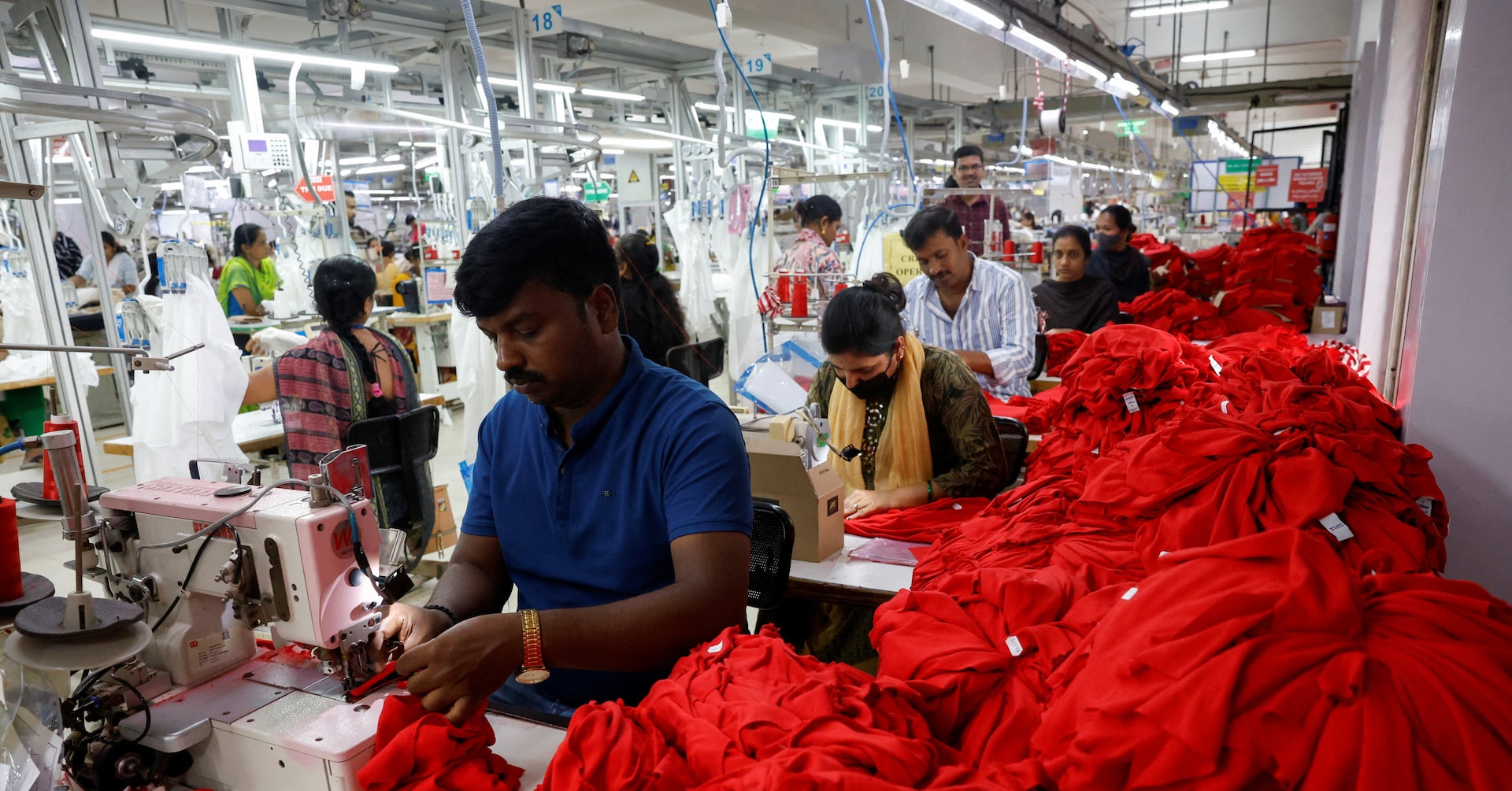
India’s Gokaldas eyes EU growth, Africa expansion to counter Trump’s tariffs
Indian textile giant Gokaldas Exports is strategically pivoting its operations to mitigate the impact of punitive U.S. tariffs, which threaten to erode its profit margins. The company, which generates approximately 75% of its standalone sales in the United States and serves major clients like Walmart, Gap, and JCPenney, anticipates a significant drop in its core profit margin to single digits in the first quarter of fiscal 2026, down from around 12%.
-
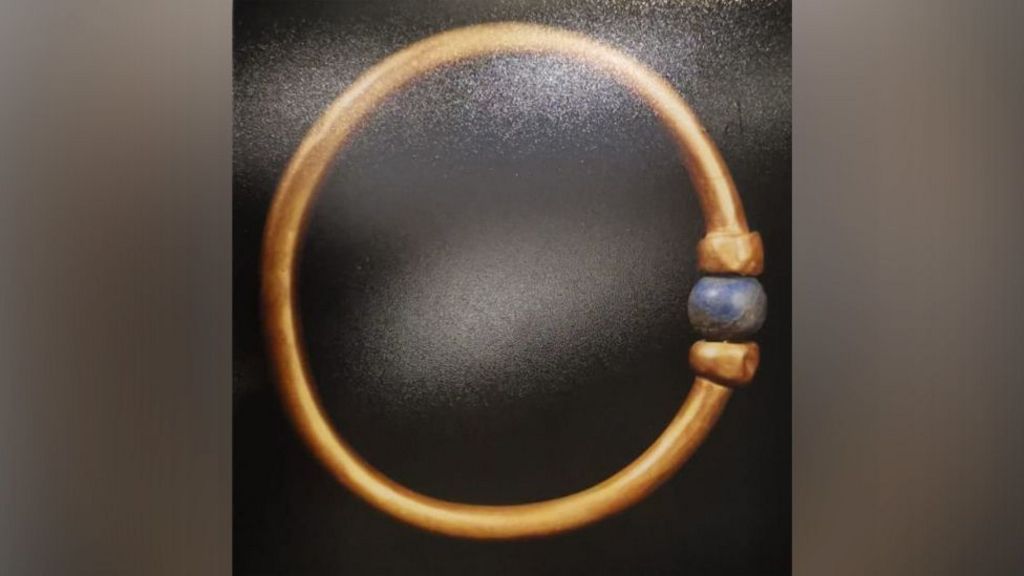
Egypt says 3,000-year-old bracelet was stolen and melted down
A priceless 3,000-year-old gold bracelet, dating back to the reign of Pharaoh King Amenemope, has been stolen and melted down in a shocking theft from the Egyptian Museum in Cairo. The Egyptian interior ministry revealed that the artifact was taken from a museum safe nine days ago by a restoration specialist. The specialist allegedly collaborated with a silver jeweler, who sold the bracelet to a gold jeweler for $3,735. The gold jeweler then sold it to a foundry worker for $4,025, who melted it down along with other jewelry. All four individuals involved have been arrested, confessed to their crimes, and had the proceeds seized. Legal action is now being pursued against them. The theft was discovered as museum staff prepared to ship artifacts to Rome for an exhibition. The tourism and antiquities ministry announced immediate measures, including circulating images of the bracelet to airports, seaports, and border crossings to prevent smuggling. The bracelet, adorned with lapis lazuli beads, was part of the museum’s vast collection of over 170,000 artifacts, including Amenemope’s gilded funerary mask. This incident occurred just weeks before the opening of the Grand Egyptian Museum in Giza, which will house King Tutankhamun’s treasures.
-
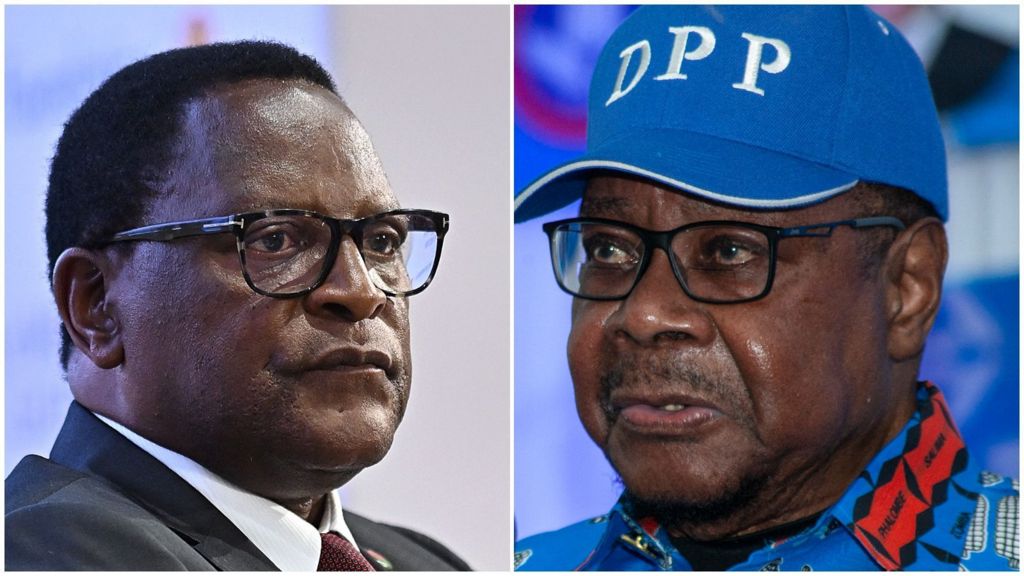
Malawi’s parties warned not to prematurely declare election victory
The Malawi Electoral Commission (MEC) has issued a stern warning to political parties against prematurely declaring victory in the recent presidential election. Chairperson Annabel Mtalimanja emphasized that only the commission is authorized to release official results. This caution follows claims from the camps of incumbent President Lazarus Chakwera and former President Peter Mutharika, both of whom asserted they had won Tuesday’s poll. Speaking at a press conference on Thursday, Mtalimanja stressed the importance of patience as the commission finalizes the tallying and verification process to ensure the integrity of the results. The 2019 election, which was nullified by the Supreme Court due to irregularities, serves as a stark reminder of the need for transparency. Chakwera, who won the subsequent re-run, now faces Mutharika, who seeks a dramatic political comeback. The election, held against the backdrop of a severe economic crisis marked by inflation nearing 30% and chronic fuel shortages, also included parliamentary and local government polls. Malawians, who earn an average of $2 a day, are grappling with soaring living costs, with basic commodities like frozen chicken priced at $20 in the capital, Lilongwe. The MEC’s cautious approach aims to prevent disputes and ensure a credible outcome.
-
Rand slips before South African Reserve Bank’s rate decision
The South African rand experienced a slight decline on Thursday as investors awaited the South African Reserve Bank’s (SARB) interest rate decision. By 0622 GMT, the rand was trading at 17.45 against the US dollar, marking a 0.3% drop from its previous close. Economists surveyed by Reuters anticipate that the central bank will maintain its benchmark lending rate at 7.00%, despite a surprising slowdown in headline inflation for August, driven by lower fuel and food prices. Independent economist Elize Kruger noted that while the August inflation data aligns with the SARB’s target of 3%, elevated inflation expectations and a projected rise to 4.2% by December 2025 are likely to deter any rate cuts. However, some analysts suggest that the softer inflation figures could prompt a closely contested decision. Meanwhile, South Africa’s benchmark 2035 government bond remained stable in early trading, with yields edging up by half a basis point to 9.175%. The market remains watchful as the SARB’s announcement could influence future economic trajectories.
-
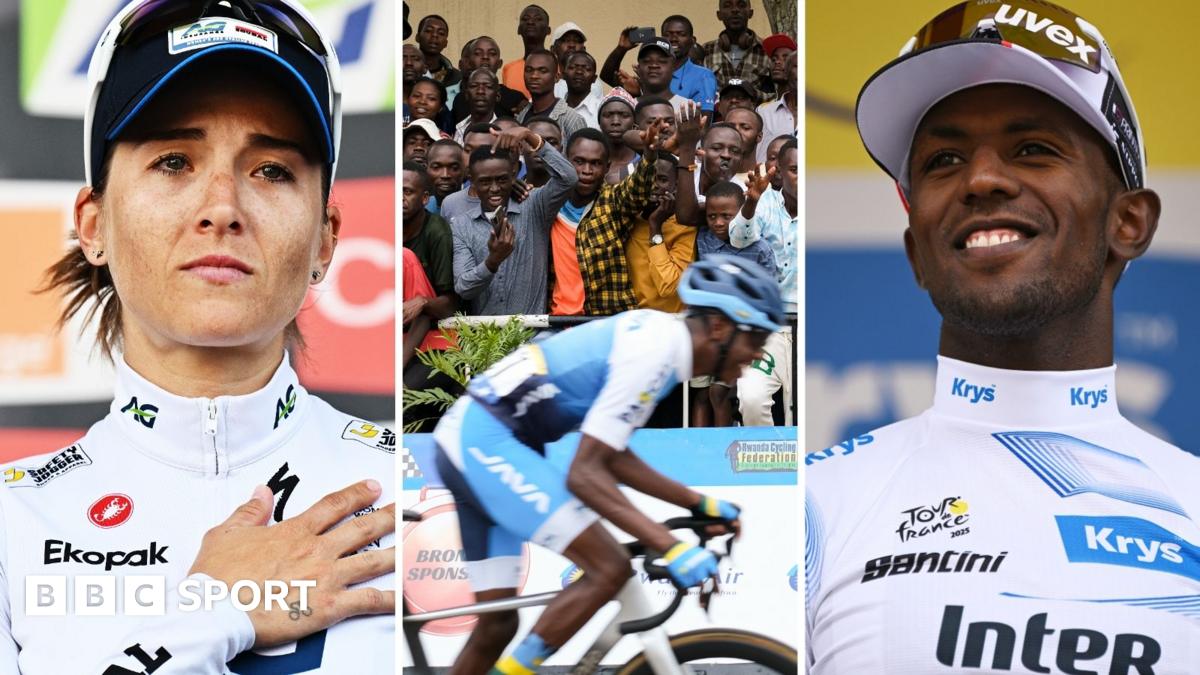
African pride as Rwanda prepares for cycling history
The 2025 UCI Road World Championships, set to begin in Rwanda on Sunday, represent a monumental milestone for African cycling. For the first time since the event’s inception in 1921, the prestigious competition will be held on African soil, with Kigali’s BK Arena serving as the starting point for the women’s individual time trial. This historic moment underscores the growing influence of African cyclists on the global stage. Among the standout competitors is Kim Le Court from Mauritius, who earlier this year became the first African to wear the leader’s yellow jersey in the Tour de France Femmes. Le Court expressed her excitement, stating that competing in Africa’s inaugural World Championships is ‘really special’ and a testament to the potential of riders from smaller nations. The event will feature 13 races across time trials and road races, with gender parity and three age categories: junior, Under-23, and elite. Rwanda’s selection as host in 2021 prompted African cycling federations to intensify their efforts in nurturing young talent, with around 150 professional cyclists from the continent now competing at the highest levels. However, Rwanda’s challenging terrain, characterized by its ‘land of a thousand hills,’ may pose difficulties for some riders, including Eritrea’s Biniam Girmay, Africa’s top male cyclist. Despite his sprinting prowess, Girmay acknowledges the grueling nature of the men’s road race, which includes over 5,500 meters of climbing. Nevertheless, he remains committed to supporting his national team and inspiring the next generation of African cyclists. The event is expected to draw massive crowds, with Rwanda’s passion for cycling evident in the annual Tour du Rwanda, which attracts over one million spectators. Despite security concerns stemming from the ongoing conflict in neighboring DR Congo, the UCI confirmed the event would proceed as planned. UCI President David Lappartient emphasized the importance of uniting the global cycling community in Africa, while Kimberly Coats of Team Africa Rising highlighted the potential for long-term investment in the sport. For young African riders, the championships offer a platform to showcase their talent and attract development opportunities. Ethiopia’s Tsige Kahsay Kiros, an 18-year-old junior competitor, is among those making waves after her impressive performance at the Tour de l’Avenir. As the event unfolds, it promises to leave a lasting legacy, firmly placing African cycling on the global map.
-
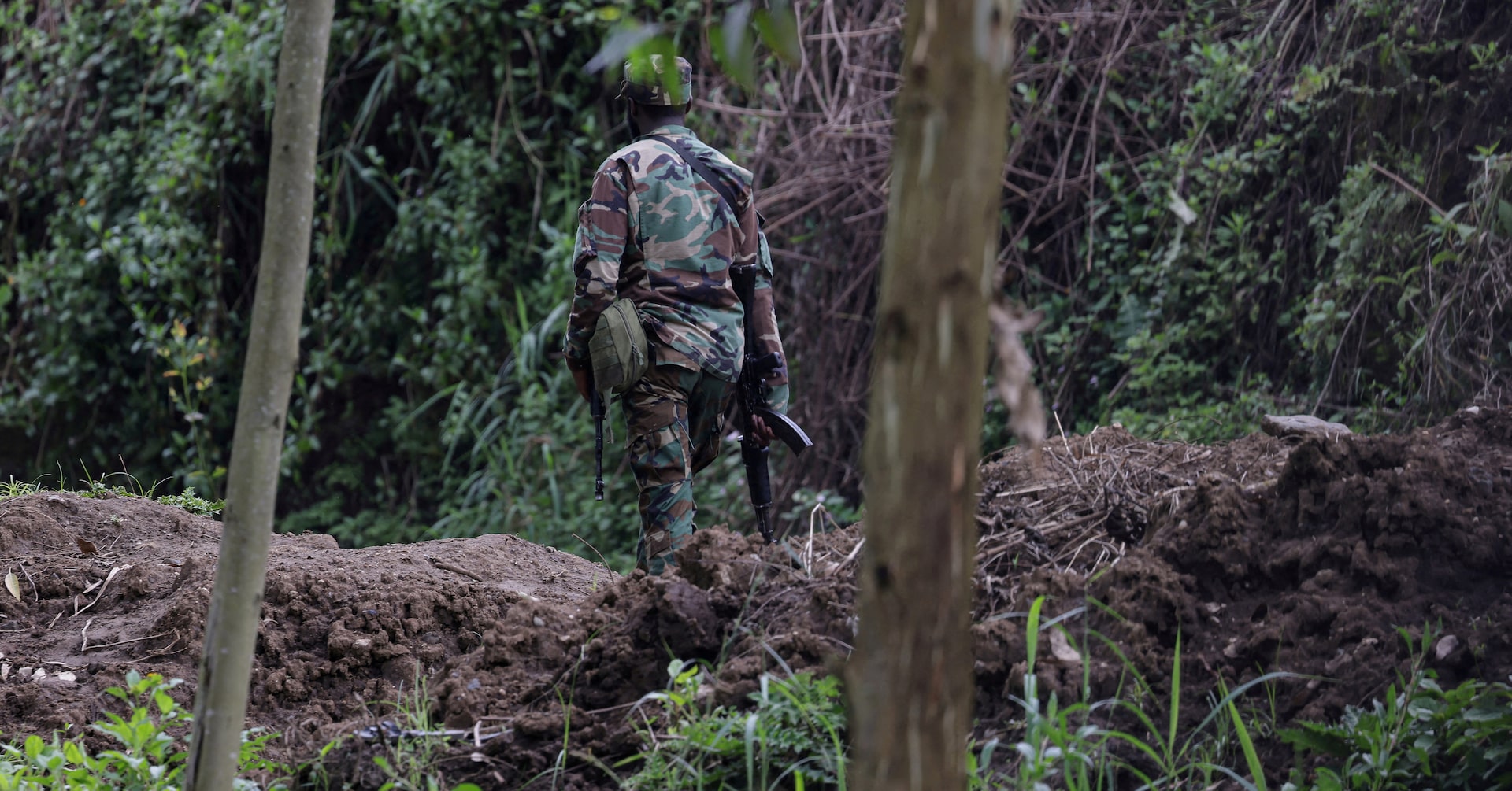
In Congo, army and rebels dig in for war Trump says is over
In the eastern Democratic Republic of Congo (DRC), the fragile peace process is unraveling as both the Congolese army and the Rwandan-backed M23 rebel group reinforce their military positions. This escalation comes amid missed deadlines for peace agreements brokered by the U.S. and Qatar, raising fears of a renewed regional conflict. The M23, which seized two major cities earlier this year, demands prisoner releases and power-sharing in the territories they control, while the Congolese government refuses to cede authority or release detainees.
-
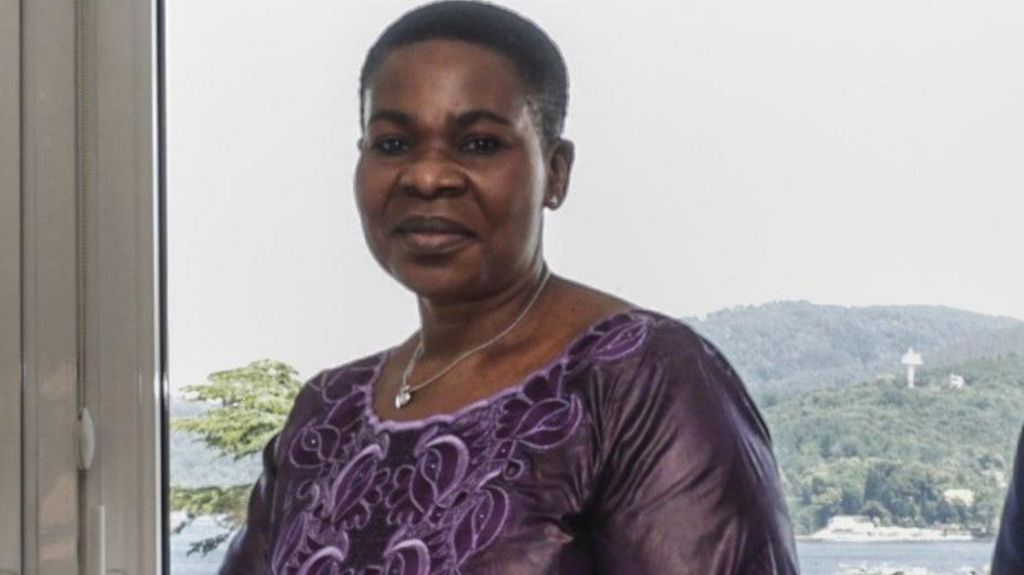
Togo leader’s sister-in-law arrested after calling for end to family rule
Marguerite Gnakadé, a former defense minister and prominent critic of Togo’s government, has been arrested, according to security sources. Gnakadé, the sister-in-law of long-serving leader Faure Gnassingbé, recently called for his resignation and urged the military to support the people in ending decades of dynastic rule. A police source told AFP that she was arrested for serious acts, including inciting the military to rebellion. Local media reported that she was taken into custody by security forces at her home in the capital, Lomé, on Wednesday. Togo has been experiencing deadly protests demanding Gnassingbé’s resignation and the release of political prisoners. These protests reflect widespread anger and fatigue with a family-run regime that has been in power for six decades. Gnassingbé, who has led the country since 2005, succeeded his father, Gnassingbé Éyadéma, who ruled for 38 years from 1967. A new constitutional structure that allows Gnassingbé to prolong his hold on power while shifting to a new role as President of the Council of Ministers has further fueled the protests. In May, Gnassingbé was sworn into this new position, which has no official term limits. Gnakadé, who served as defense minister from 2020 to 2022, has been a vocal critic of Gnassingbé, writing articles calling for his resignation and supporting protests against his leadership. Her arrest has sparked outrage on social media, and she is currently being questioned by authorities. Some reports suggest the charges against her are related to alleged connections with exiled opposition figures and attempts to incite disobedience within the armed forces. If proven, these allegations could result in a prison sentence of 10 to 20 years. Opposition parties and civil society groups have condemned her arrest, calling it an abuse of power aimed at silencing dissent. A youth-led movement, M66, has issued a 72-hour ultimatum demanding her release, threatening nationwide demonstrations if their demand is not met. The situation remains tense as more details about her arrest are expected to emerge in the coming days.
-
Peru president signs contract allowing Chevron, Westlawn entry
In a significant move for Peru’s energy sector, President Dina Boluarte announced the formalization of a modified hydrocarbon exploration and exploitation contract on Wednesday, September 17, 2025. The agreement paves the way for U.S. energy giants Chevron and Westlawn to enter the Peruvian market through a consortium operated by Anadarko, a subsidiary of Occidental Petroleum. The consortium will focus on three offshore blocks—Z-61, Z-62, and Z-63—located in Peru’s northern La Libertad region. President Boluarte emphasized that Chevron’s involvement, as the world’s third-largest oil company, underscores Peru’s reputation as a reliable and stable destination for large-scale investments. She expressed optimism that successful exploration could lead to an energy renaissance, fueling decades of economic growth. The consortium’s ownership structure allocates 35% stakes to Chevron and Anadarko, with Westlawn holding the remaining 30%. The initial phase of exploration is backed by a $100 million investment, as previously announced by the government. The contract amendment was signed by executives from the three companies and Perupetro, Peru’s state regulator. Pedro Romero, Occidental Petroleum’s vice president of international exploration, hailed the project as the culmination of years of preparation and the start of a promising new chapter in Peru’s energy landscape.