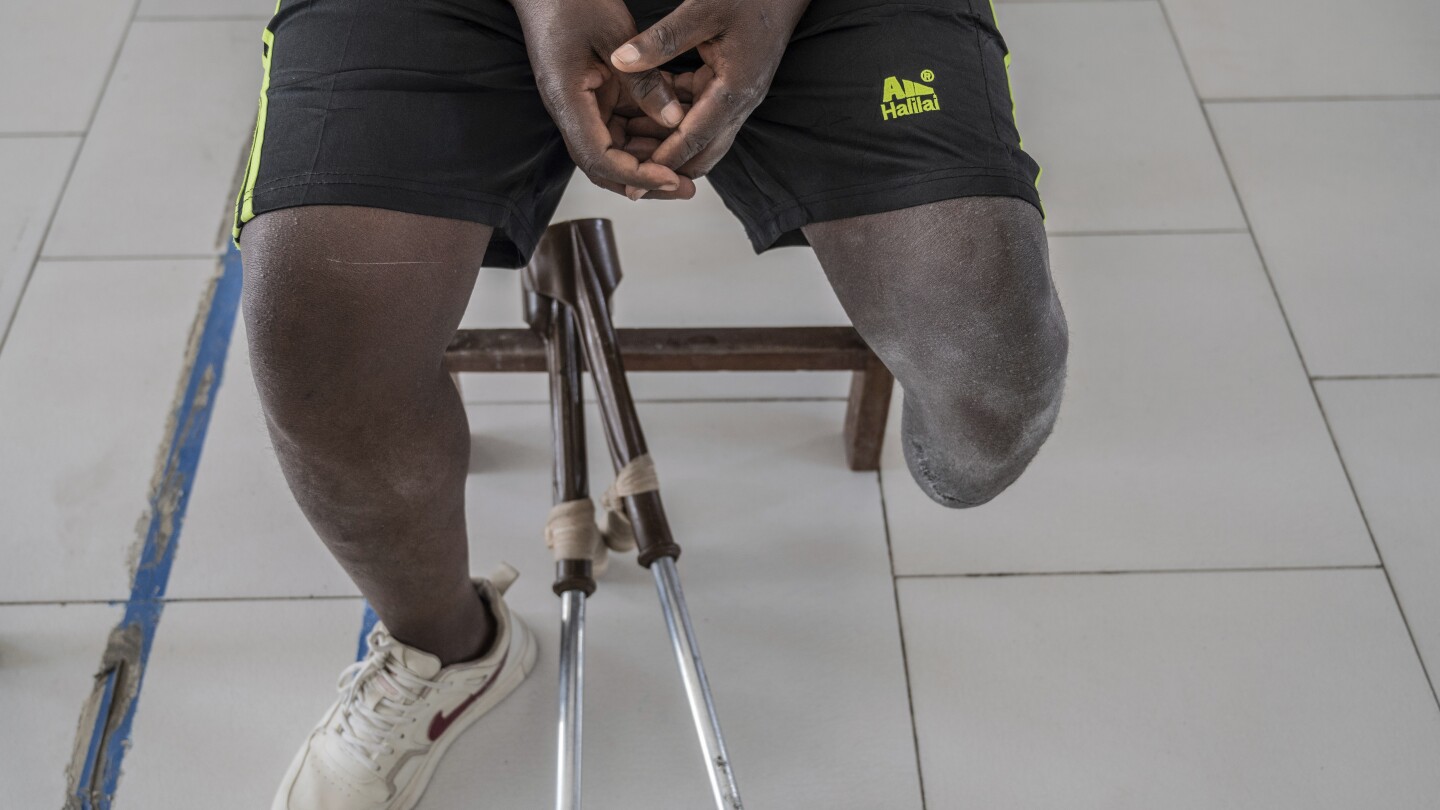
In the heart of Goma, eastern Congo, a sunlit rehabilitation room at Shirika la Umoja orthopedic center becomes a sanctuary for survivors of the region’s relentless conflict. Among them is Jerome Jean Claude Amani, 35, who, after losing his wife and four children in a rebel attack earlier this year, is now learning to walk again with a prosthetic leg. ‘I feel at peace,’ Amani reflects. ‘This leg is not just plastic; it’s a second chance.’ His story is one of resilience in the face of unimaginable loss. The center, supported by the International Committee of the Red Cross since 2005, has seen a surge in demand for prosthetics due to escalating violence. In the first half of 2025 alone, it provided 326 artificial limbs, a stark increase from 422 in all of 2024. The conflict, involving over 100 armed groups, has displaced 7 million people and deepened one of the world’s largest humanitarian crises. Despite peace efforts, sporadic clashes continue to claim lives and limbs. For patients like Melisa Amuli, 30, who survived a bombardment but lost her mobility, the center offers hope. With a custom orthotic brace, she dreams of returning to work. Similarly, Violetta Nyirarukundo, 27, a mother of four, faces the dual trauma of losing a leg and being abandoned by her husband. Yet, she remains determined to rebuild her life. Faustin Amani, 20, a former street vendor, grapples with the emotional toll of losing both legs in a tragic accident. ‘I wonder if I’ll ever have a normal life,’ he says. The center’s workshop, where prosthetics are meticulously crafted by hand, symbolizes a collective effort to restore mobility and dignity. Julienne Paypay, a prosthetic technician and amputee herself, embodies this mission: ‘I know what it means to walk again.’ Despite challenges like material shortages and limited technicians, the center persists, offering a lifeline to those who have lost so much. For Amani, the prosthetic leg is not a reminder of weakness but a testament to survival and hope. ‘I will fight for my children,’ he vows. ‘This is my victory.’
标签: Africa
非洲
-
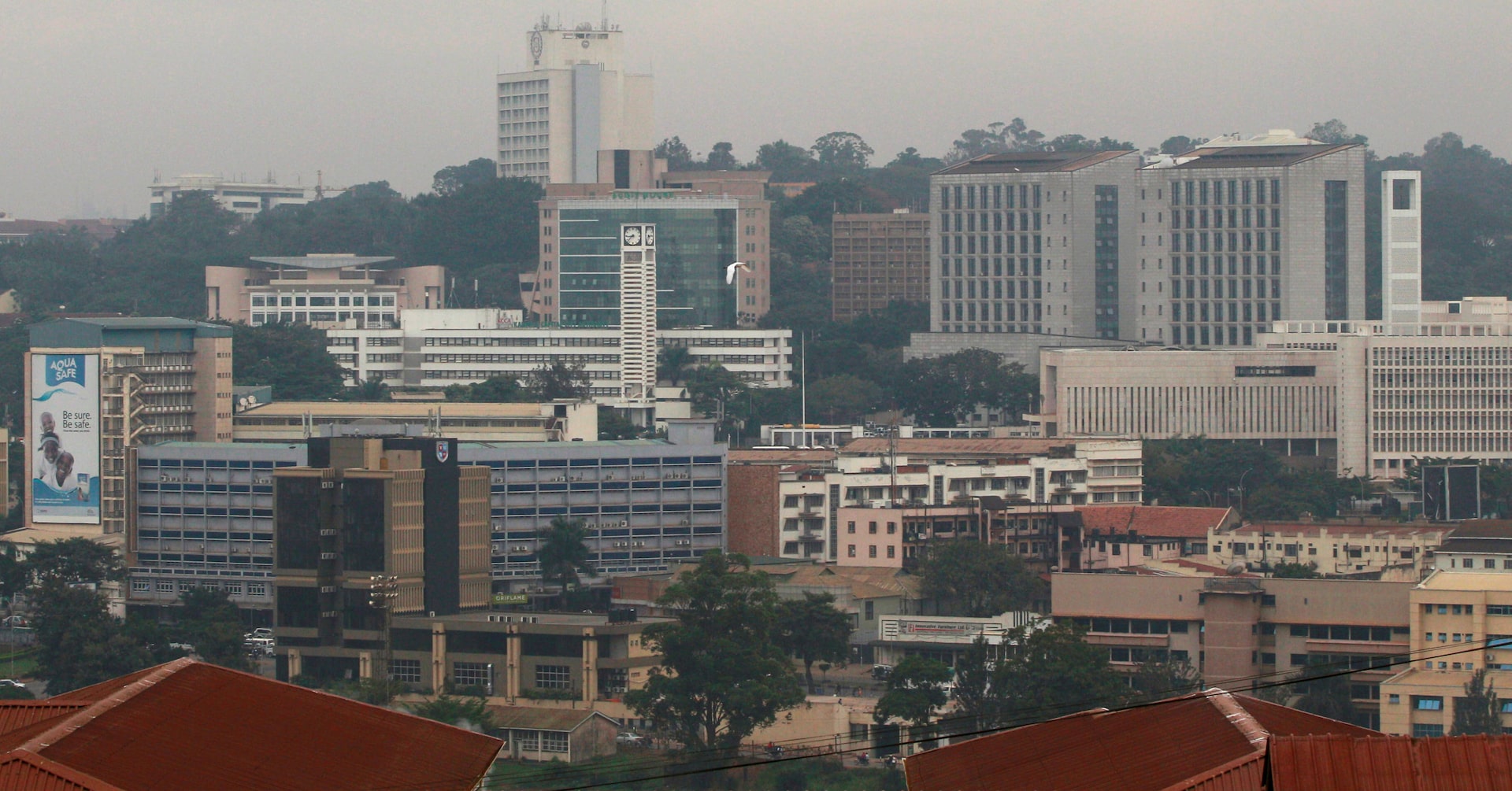
Uganda’s debt surges 26% on back of larger domestic borrowing
KAMPALA, Sept 19 (Reuters) – Uganda’s public debt has escalated significantly, increasing by 26.2% during the 2024/2025 financial year, as revealed in the finance ministry’s annual public debt report released on Friday. The total public debt climbed to $32.3 billion in the twelve months leading up to June, up from $25.6 billion in the previous year. This surge is largely attributed to the government’s intensified domestic borrowing to finance its expansive infrastructure projects in sectors such as energy and transportation. President Yoweri Museveni’s administration has been heavily investing in these areas, leading to a rapid accumulation of debt. The central bank and other financial experts have expressed concerns that the rising debt servicing costs are depleting resources essential for critical sectors like education and health. The report highlighted that domestic borrowing grew by 52.7%, significantly outpacing the 6.2% increase in external credit. This shift towards domestic borrowing has not only inflated the nominal debt stock but also escalated the cost of debt due to higher yields demanded by the local market. Consequently, the country’s debt as a percentage of GDP rose to 51.3% from 46.9% in the previous period. The report underscores the challenges Uganda faces in balancing its ambitious development goals with sustainable financial practices.
-
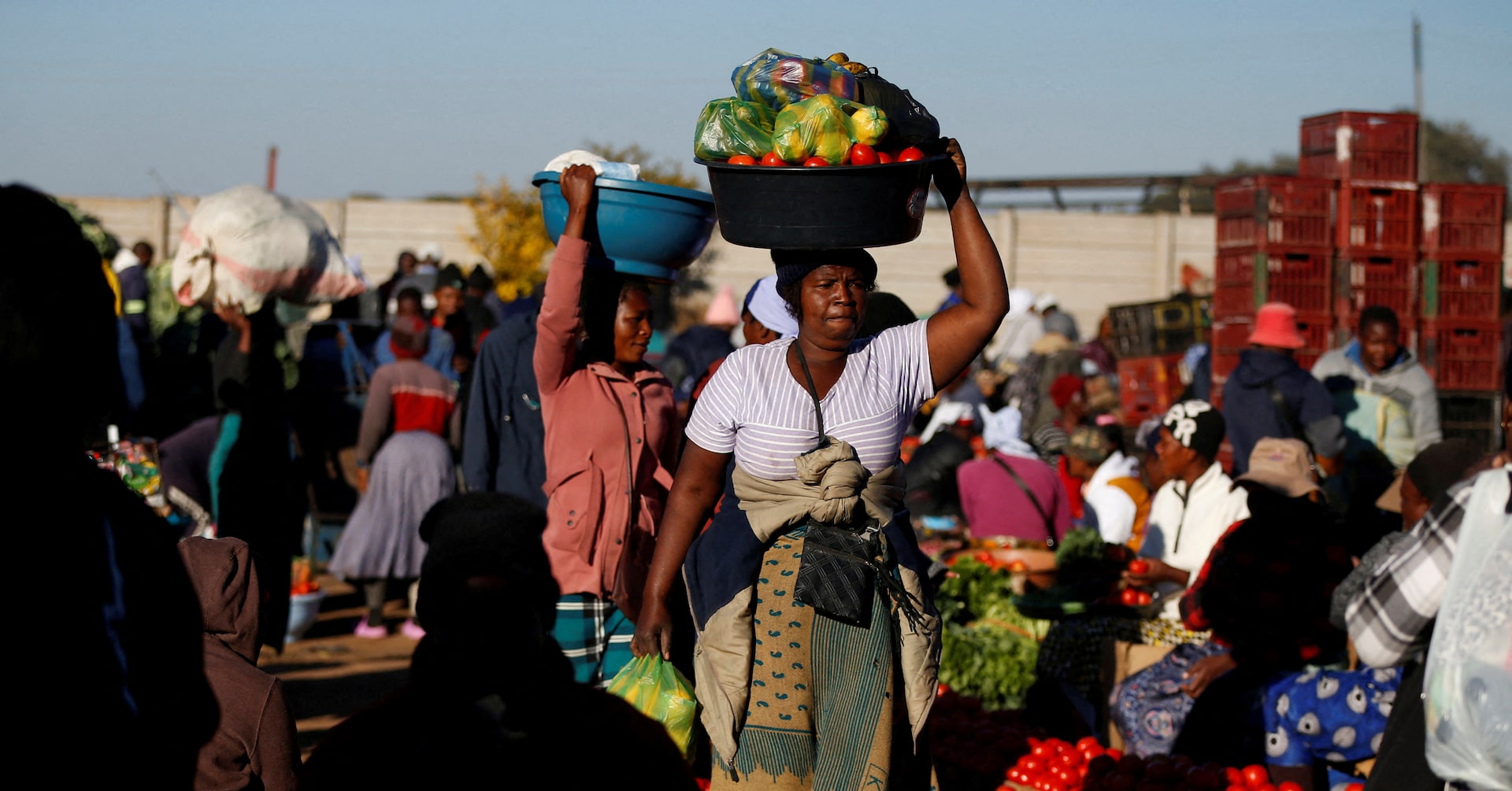
Zimbabwe lifts 2025 growth forecast on tobacco harvest, gold price rally
Zimbabwe’s economy is poised to grow by 6.6% in 2025, surpassing the earlier forecast of 6%, according to Finance Minister Mthuli Ncube. This upward revision is attributed to a robust tobacco harvest and a surge in global gold prices, which have significantly bolstered the country’s agricultural and mining sectors. Speaking at an economic conference on Friday, Ncube highlighted that the agricultural recovery, particularly in tobacco and maize production, has been a key driver of this growth. Additionally, the rally in gold prices has enhanced mining revenues, further contributing to the economic uplift. Last year, Zimbabwe’s economy grew by a modest 2%, hampered by an El Niño-induced drought that severely impacted crop yields and hydropower generation, necessitating grain imports. However, the current recovery in agriculture and favorable commodity prices have set the stage for a stronger economic performance this year.
-

Coca-Cola Beverages South Africa plans to cut 600 jobs, newspaper reports
Coca-Cola Beverages South Africa (CCBSA) is considering reducing its workforce by over 600 employees, according to a report by Business Day. The announcement, attributed to Dominique Martin, spokesperson for the Food and Allied Workers Union, follows the company’s issuance of retrenchment notices on September 2. The union has expressed strong opposition to the proposed layoffs, which are part of CCBSA’s broader organizational adjustments in response to shifting industry dynamics. While consultations with the union are ongoing, no final decision has been reached. CCBSA, a subsidiary of Coca-Cola Beverages Africa—the eighth-largest Coca-Cola bottling partner globally by revenue—has not yet publicly commented on the matter. This development adds to South Africa’s economic challenges, as other major companies like Ford Motor South Africa, Glencore, ArcelorMittal South Africa, and Goodyear South Africa have also recently announced workforce reductions.
-
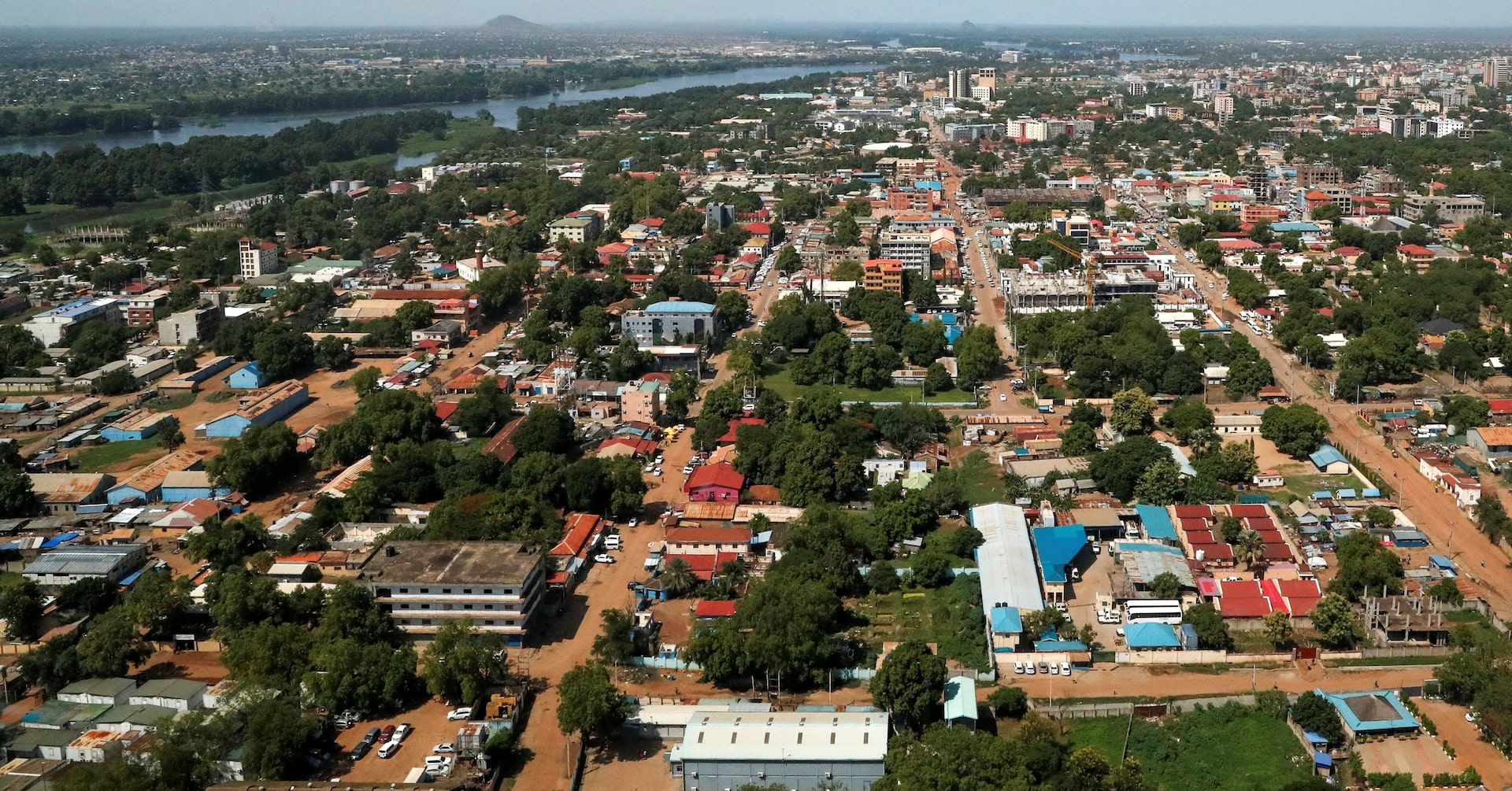
Significant rise in civilian killings in Sudan conflict this year, says UN human rights office
The United Nations Human Rights Office has raised alarm over a sharp increase in civilian fatalities in Sudan during the first half of 2025, attributing the surge to escalating ethnic violence. Speaking at a press briefing in Geneva on Friday, Li Fung, a representative from the Office of the High Commissioner for Human Rights (OHCHR) in Sudan, described the situation as dire, stating, ‘Every day we are receiving more reports of horrors on the ground.’ According to a newly released report by the OHCHR, at least 3,384 civilians lost their lives between January and June, with the majority of the killings occurring in the Darfur region. The report underscores the urgent need for international attention and intervention to address the growing humanitarian crisis in the country. The UN has called for immediate action to protect civilians and prevent further loss of life.
-
Zidane’s son switches allegiance to Algeria
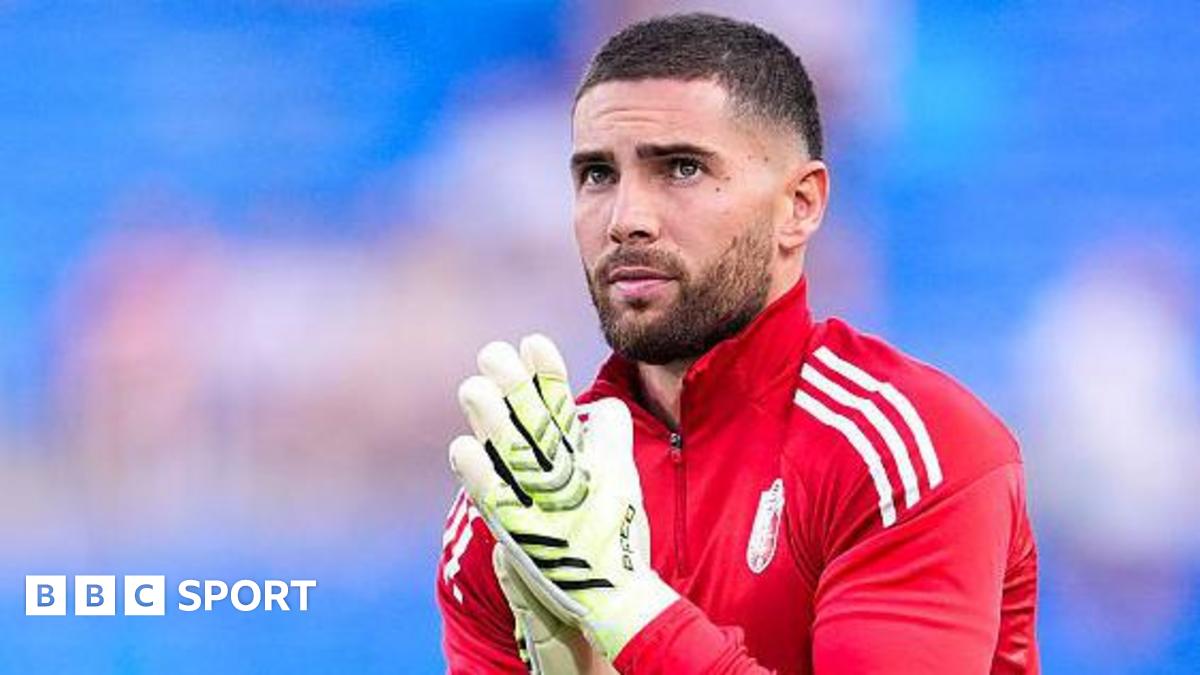
Luca Zidane, the 27-year-old goalkeeper and son of legendary French footballer Zinedine Zidane, has officially changed his international allegiance from France to Algeria. The decision, approved by FIFA, marks a significant shift in Zidane’s career and could pave the way for him to represent Algeria in the 2026 World Cup. Born just outside Marseille, Luca had previously represented France at various youth levels but now qualifies for Algeria through his father’s heritage. Zinedine Zidane’s parents hailed from the Kabylie region of Algeria, providing Luca with the eligibility to make the switch. Currently playing for Granada in Spain’s second tier, Luca has had a varied career, including brief stints at Real Madrid and Rayo Vallecano in La Liga. His move to Algeria comes as the national team prepares for a crucial World Cup qualifier against Somalia next month, with hopes of securing a spot in the 2026 finals in North America. Luca is the second of four brothers, all of whom trained at Real Madrid’s academy, continuing the Zidane family’s legacy in football. His father, Zinedine, is celebrated as one of the game’s greatest players, famously scoring twice in France’s 1998 World Cup final victory over Brazil. Luca’s decision to represent Algeria adds a new chapter to the Zidane family’s storied football history.
-
South African rand steady as investors mull central bank decision, US trade talks
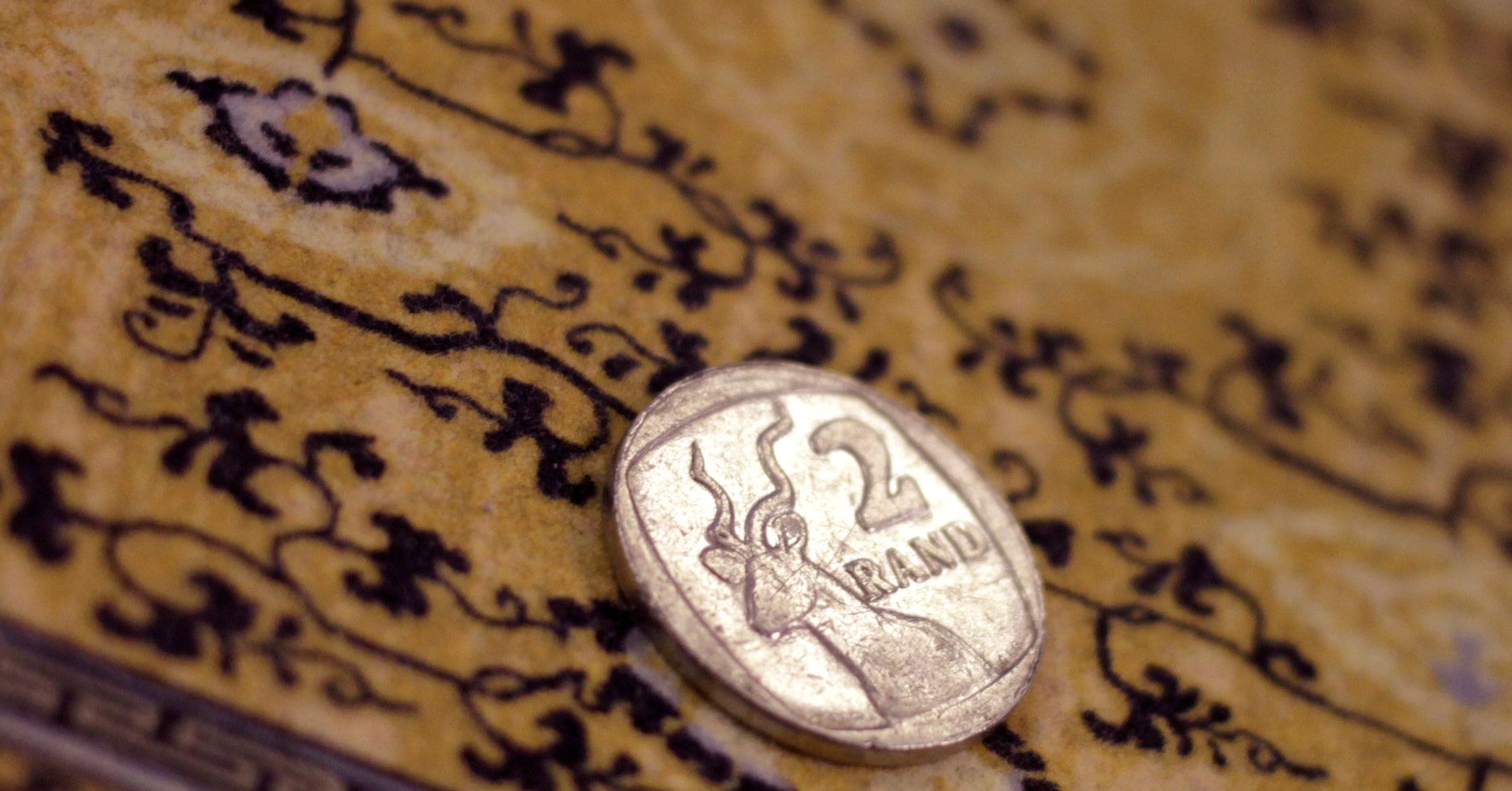
The South African rand remained stable on Friday as market participants digested the South African Reserve Bank’s (SARB) decision to maintain its benchmark interest rate at 7%. This decision came amidst a backdrop of cautious optimism following recent trade discussions between South Africa and the United States, aimed at addressing steep tariffs imposed by the U.S. government. At 0824 GMT, the rand traded at 17.3350 against the U.S. dollar, showing minimal movement from its previous close. The SARB’s decision to hold rates steady reflects a cautious approach as it evaluates the effects of prior rate reductions. While economists anticipated no change, some analysts had speculated on a potential cut, especially after August’s unexpected slowdown in headline inflation. Meanwhile, trade negotiations between South African Trade Minister Parks Tau and U.S. Trade Representative Jamieson Greer remain a focal point for investors. Last month, U.S. President Donald Trump imposed a 30% tariff on South African imports, the highest rate in Sub-Saharan Africa, raising concerns over potential job losses. Looking ahead, key economic indicators such as business cycle leading figures and producer inflation data will be closely monitored. The Johannesburg Stock Exchange’s Top-40 index saw a modest 0.2% rise in early trading, while South Africa’s benchmark 2035 government bond weakened slightly, with yields increasing by 3 basis points to 9.21%.
-
South African minister meets USTR Greer for trade talks
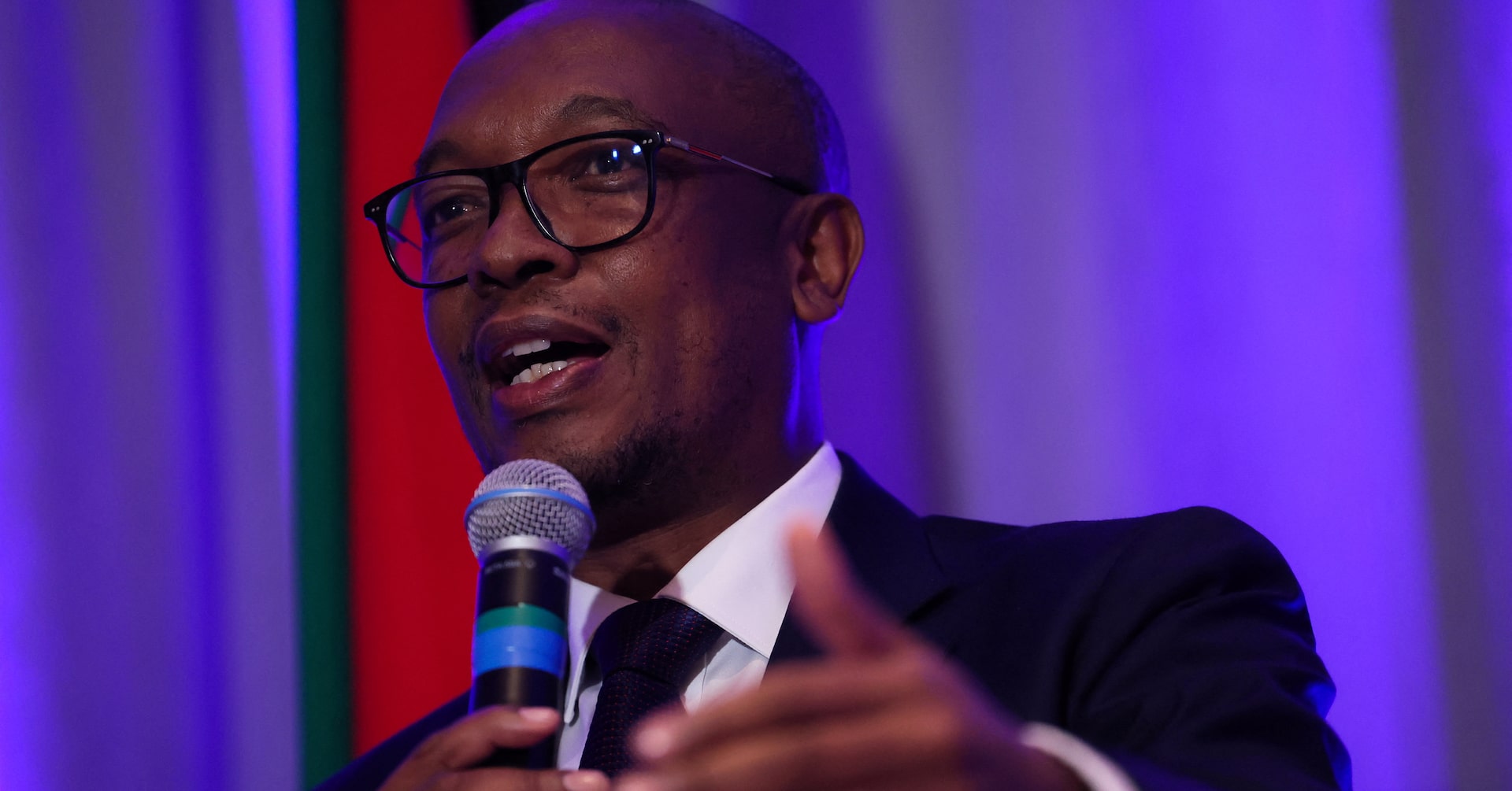
In a significant diplomatic effort to address escalating trade tensions, South Africa’s Minister of Trade, Industry, and Competition, Parks Tau, held a pivotal meeting with U.S. Trade Representative Jamieson Greer in Washington, D.C. The talks, which took place on September 19, 2025, aimed to negotiate a resolution to the steep 30% tariffs imposed by the U.S. on South African imports last month. The tariffs, enacted under President Donald Trump’s administration, followed unsuccessful attempts by President Cyril Ramaphosa’s government to propose a bilateral trade agreement. According to a statement from South Africa’s trade ministry, the discussions were described as ‘cordial and constructive,’ with both parties agreeing on a roadmap to guide future engagements. The meeting was preceded by three days of intensive negotiations between senior officials from both nations. While the U.S. Trade Representative’s office has yet to comment on the outcome, the talks mark a critical step in easing trade barriers and fostering economic cooperation between the two countries. South Africa, as Africa’s largest economy, is keen to secure a deal that would bolster its export sector and stabilize trade relations with one of its key global partners.
-
Dollar steadies as investors consider post-Fed outlook, focus turns to BOJ meeting
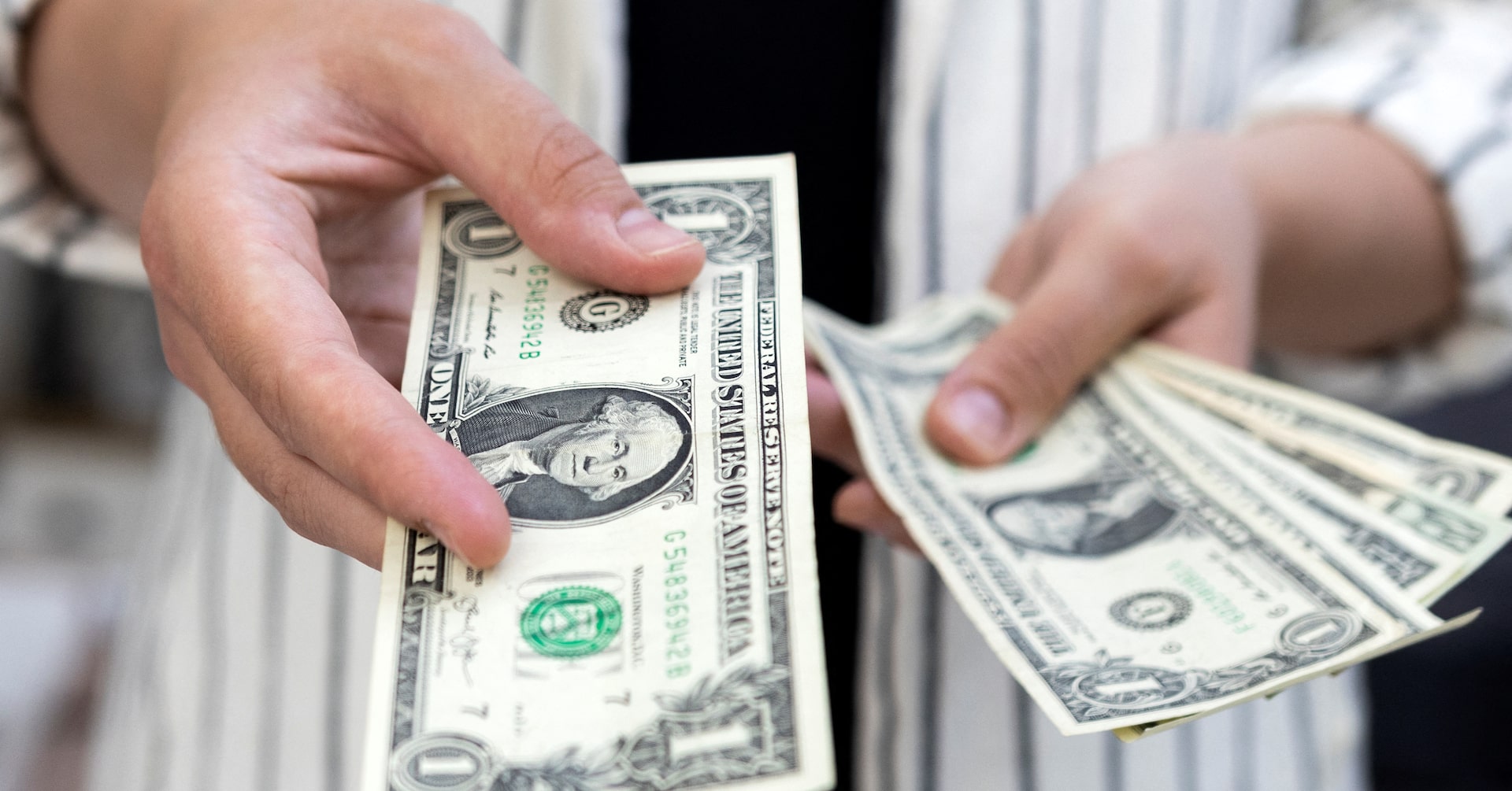
The U.S. dollar remained stable in early Asian trading on Friday as investors awaited new catalysts following the Federal Reserve’s recent rate cut decision. The dollar index edged up by 0.1%, recovering slightly from a three-and-a-half-year low after the Fed reduced rates by 25 basis points but indicated no immediate plans for further cuts. The dollar also gained marginally against the yen, rising 0.1% to 148.085 yen, ahead of the Bank of Japan’s (BOJ) policy decision later in the day. The BOJ is widely expected to maintain interest rates at 0.5%, with market focus on potential hints of future adjustments. The ongoing leadership election within Japan’s Liberal Democratic Party (LDP) is likely to influence the BOJ’s cautious stance, as Governor Kazuo Ueda is expected to avoid signaling any significant policy shifts. Meanwhile, the broader currency market is assessing the long-term impact of the Trump administration’s tariffs and its criticism of the Fed’s rate decisions. The U.S. Supreme Court has set a date to hear arguments on the legality of Trump’s global tariffs, a key element of his economic agenda. Additionally, the Trump administration has sought unprecedented authority to dismiss Federal Reserve Governor Lisa Cook, raising concerns about the central bank’s independence. Foreign demand for U.S. Treasuries remains strong, with overseas holdings reaching a record high in July. The euro and sterling both weakened slightly, while the kiwi and Australian dollar continued to decline following disappointing economic data.
-
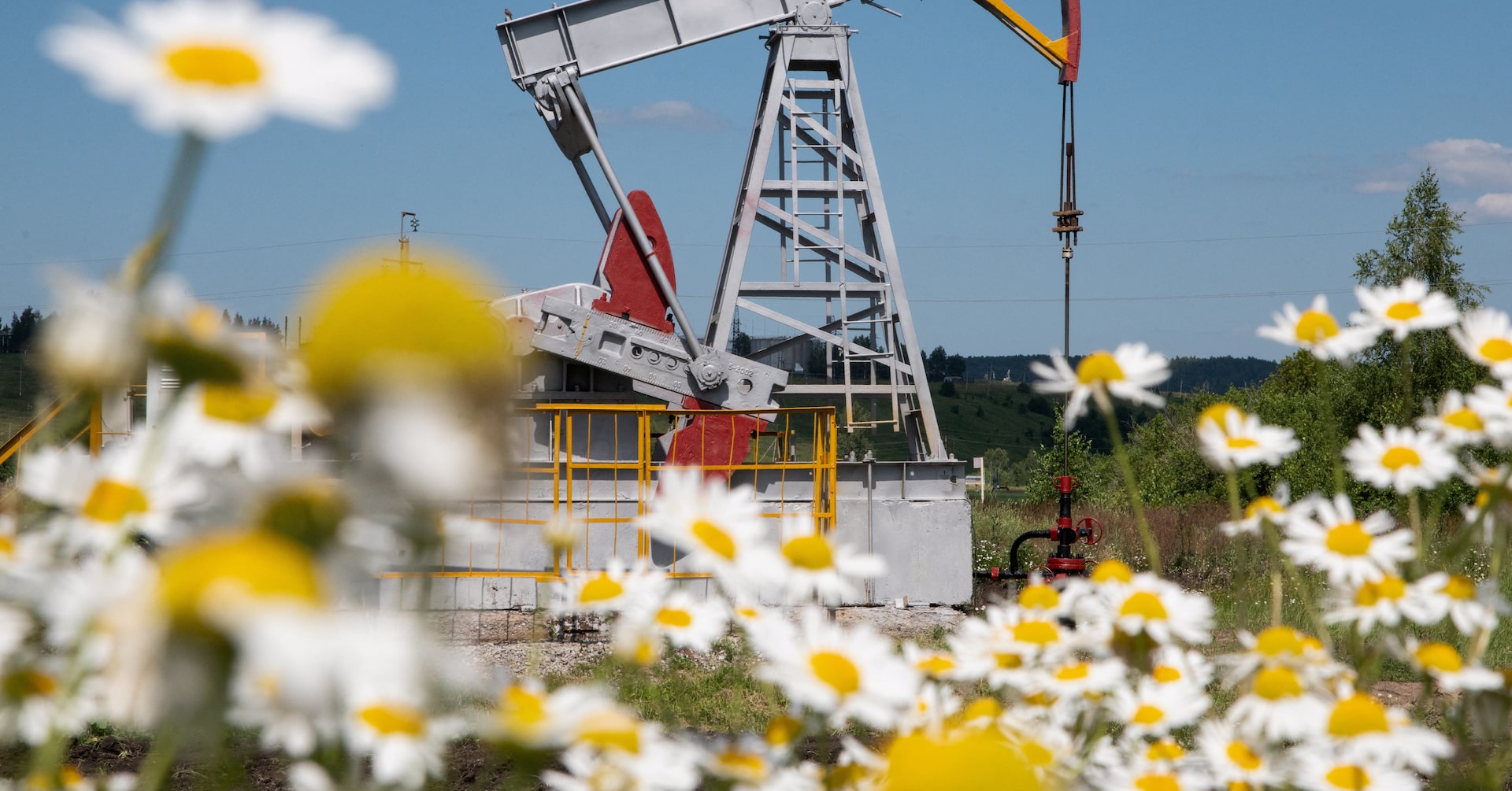
Oil little changed as demand concerns overshadow US rate cut buoyancy
Oil prices remained largely unchanged on Friday, following a decline in the previous session, as concerns over fuel demand in the United States persisted. Brent crude futures dipped slightly by 1 cent to $67.43 a barrel, while U.S. West Texas Intermediate (WTI) futures dropped 4 cents to $63.53. Despite these minor fluctuations, both benchmarks were poised to record a second consecutive weekly gain. The U.S. Federal Reserve’s decision to cut interest rates by a quarter of a percentage point on Wednesday, coupled with signals of further reductions, initially raised hopes for increased oil demand. However, a surprising 4-million-barrel rise in U.S. distillate stockpiles, far exceeding market expectations, reignited fears of weakening demand in the world’s largest oil consumer. IG analyst Tony Sycamore noted that gains in the U.S. dollar and long-end yields further undermined crude oil’s support. Economic data added to the unease, with jobless claims indicating a softening labor market and single-family home building hitting a near 2.5-year low in August. Meanwhile, Russia, the world’s second-largest crude producer, introduced new measures to protect its state budget from oil price volatility and Western sanctions, alleviating some supply concerns. ANZ analyst Daniel Hynes highlighted that President Trump’s preference for low oil prices over sanctions on Russia also eased fears of supply disruptions.