标签: Africa

非洲

  • Beckham family tensions put spotlight on celebrity trademark disputes

    Beckham family tensions put spotlight on celebrity trademark disputes

    The Beckham family’s internal conflicts have escalated into public discourse, revealing the complex legal landscape of celebrity trademark practices. Brooklyn Beckham, eldest son of global icons David and Victoria Beckham, recently made explosive allegations that his parents prioritized ‘Brand Beckham’ over family relationships, particularly regarding control of his name rights.

    UK Intellectual Property Office records confirm that all four Beckham children’s names were registered as trademarks, with Victoria Beckham listed as legal owner in her capacity as parent and guardian. Brooklyn’s name was specifically trademarked in 2016 when he was 17, covering extensive commercial categories including beauty products, cosmetics, apparel, toys, and entertainment services. This registration is scheduled to expire in December of this year.

    According to Brooklyn’s social media statements, his parents pressured him to ‘sign away the rights to my name’ preceding his 2022 marriage to Nicola Peltz, daughter of American billionaire Nelson Peltz. While Beckham family representatives have remained silent on these allegations, the controversy has highlighted how celebrity families increasingly utilize trademark protections to safeguard their commercial interests.

    This practice has become increasingly common among high-profile figures seeking to prevent unauthorized commercial exploitation of their names. Notable precedents include Australian singer Kylie Minogue’s opposition to reality star Kylie Jenner’s trademark application for ‘Kylie,’ and singer Katy Perry’s ongoing legal battle with Australian fashion designer Katie Perry.

    Legal experts note that trademark registration remains relatively accessible in both UK and US jurisdictions. In Britain, basic registration costs approximately £170 plus £50 for each additional commercial class, providing protection for a decade. The Beckhams have built a multimillion-pound empire through strategic brand management, with David’s football legacy and Victoria’s fashion and beauty ventures creating a comprehensive commercial ecosystem.

    Intellectual property specialists suggest Brooklyn could potentially challenge trademark renewal or pursue independent registration if the name hasn’t been actively commercially exploited. However, complications arise from the inherent connection between ‘Brooklyn’ and the powerful ‘Beckham’ brand identity. Any resolution would likely involve negotiated settlements determining permissible usage across various product categories.

    Notably, Brooklyn has already begun incorporating his wife’s surname into his professional identity, using the initials ‘BPB’ (Brooklyn Peltz Beckham) for endorsements and his Cloud23 hot sauce venture, signaling a possible shift toward independent brand development outside the Beckham family enterprise.
  • Dubai’s Al Habtoor Group warns Lebanon of legal action over Dh6-billion losses

    Dubai’s Al Habtoor Group warns Lebanon of legal action over Dh6-billion losses

    Dubai-based conglomerate Al Habtoor Group has issued a formal warning to the Lebanese government, signaling imminent legal proceedings over substantial financial losses exceeding $1.7 billion (Dh6.24 billion). The multinational corporation alleges systematic violations of bilateral investment agreements through restrictive measures imposed by Lebanese authorities and the central bank, Banque du Liban.

    The dispute centers on the Group’s diversified portfolio across Lebanon’s hospitality, retail, leisure, real estate, and banking sectors. According to official statements, these investments have suffered severe deterioration due to capital control measures preventing access to lawfully deposited funds in Lebanese financial institutions. These financial restrictions, exacerbated by Lebanon’s prolonged political and economic crises, have created an unsustainable operational environment for foreign investors.

    Al Habtoor Group emphasized having exhausted all diplomatic channels and good-faith negotiation attempts since formally notifying Lebanon of the investment dispute in January 2024. The six-month cooling-off period mandated under UAE-Lebanon bilateral investment treaties concluded without resolution, despite the Group’s engagement with relevant authorities.

    The conglomerate now asserts that international legal action represents the only remaining recourse to enforce its rights under binding international agreements. These treaties obligate Lebanon to ensure protection, fair treatment, and effective remedies for foreign investors. While maintaining openness to constructive solutions, the Group stated it cannot continue absorbing losses resulting from what it characterizes as systemic failure and prolonged governmental inaction.

    This development follows Chairman Khalaf Al Habtoor’s January 2025 announcement canceling all Lebanese investment projects and divesting existing properties, citing security concerns including personal threats received in 2024. The case highlights worsening investor confidence in Lebanon’s ability to stabilize its financial systems and protect foreign investments amid ongoing economic collapse.

  • With ‘Border 2’ running to packed houses, Karan Johar says ‘Bollywood is here to stay’

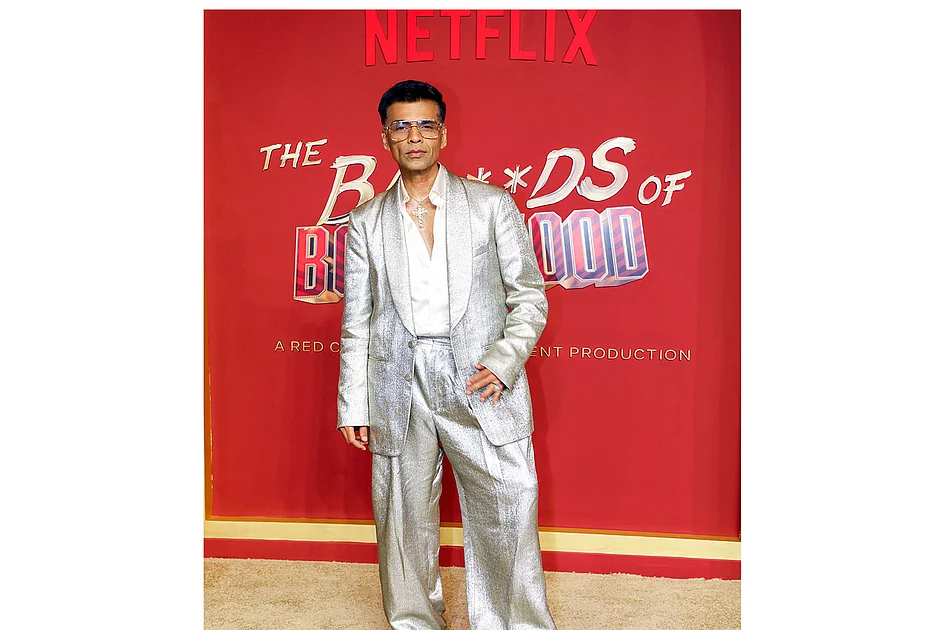
    With ‘Border 2’ running to packed houses, Karan Johar says ‘Bollywood is here to stay’

    Bollywood’s resurgence finds powerful validation as two major war dramas dominate box office charts, prompting industry titan Karan Johar to proclaim the enduring strength of Hindi cinema. The momentum builds with ‘Border 2,’ directed by Anurag Singh, achieving one of the most impressive openings in recent memory while rapidly approaching the coveted ₹1 billion (approximately Dh40.1 million) benchmark.

    Johar took to Instagram to celebrate the consecutive successes of ‘Border 2’ and ‘Dhurandhar,’ asserting that these commercial triumphs definitively silence critics questioning Bollywood’s relevance. His social media declaration emphasized that emotional resonance with audiences remains the ultimate determinant of cinematic success, enabling quality productions to transcend perceived boundaries.

    The box office performance substantiates Johar’s enthusiasm. According to trade analyst Taran Adarsh, ‘Border 2’ garnered ₹321 million net in India on its opening day alone, demonstrating robust performance across both single-screen theaters and urban multiplexes. Despite weather-related disruptions in Northern regions, industry observers anticipate substantial growth throughout the weekend and Republic Day holiday period due to overwhelmingly positive audience reception.

    Featuring an ensemble cast including Sunny Deol, Varun Dhawan, Diljit Dosanjh, and Ahan Shetty, the January 23rd release continues its strong theatrical run. Simultaneously, ‘Dhurandhar’ starring Ranveer Singh and Akshaye Khanna has achieved a remarkable 50-day theatrical presence, surpassing the previous record held by ‘Pushpa 2: The Rule’ to become the highest-grossing Hindi film to date.

    This dual success story signals a revitalized phase for Indian cinema, demonstrating that strategically crafted productions with emotional depth can achieve both critical and commercial acclaim while reinforcing the industry’s cultural significance.

  • Europe’s rising diversity is not reflected at the Winter Olympics. Culture plays a big role

    Europe’s rising diversity is not reflected at the Winter Olympics. Culture plays a big role

    In the snow-covered landscapes of northern Sweden, Maryan Hashi’s journey from feeling like an “alien” on ski slopes to becoming an advocate for winter sports integration represents a powerful narrative of cultural adaptation. The 30-year-old Somali student initially confronted overwhelming self-doubt when she first attempted snowboarding near her Skelleftea home, questioning everything from her attire to her technique as a Black woman in a predominantly white environment.

    Her perseverance transformed snowboarding from an unfamiliar activity into a profound passion that significantly enhanced her integration into Swedish society. Hashi’s experience highlights a broader demographic reality: while approximately 20% of Sweden’s 10 million residents are foreign-born—with about half originating from Asia or Africa—this diversity remains strikingly absent from winter sports arenas.

    The Milan Cortina Winter Olympics roster exemplifies this disparity, with Sweden’s team consisting almost exclusively of ethnically Swedish athletes. NHL player Mika Zibanejad, whose father is from Iran, stands as a rare exception. This homogeneity persists across European winter sports nations including France, Germany, and Switzerland, despite their increasingly diverse populations.

    Researchers identify multiple barriers preventing immigrant participation, including social unfamiliarity, financial constraints, and geographical limitations. Professor Josef Fahlen of Umea University emphasizes that parental influence plays a crucial role in sports participation, noting that children of non-European immigrants are unlikely to encounter sports unfamiliar to their parents.

    Financial accessibility remains another significant hurdle, with equipment rentals, clothing, travel expenses, and slope passes creating substantial economic barriers. While Sweden’s ski federation promotes inclusion through programs like “Alla På Snö” (Everyone On Snow)—reaching approximately 30,000 children annually with free equipment and slope access—and the Leisure Bank project offering free sports equipment rentals, these initiatives don’t specifically target immigrant communities.

    Hashi, who now teaches snowboarding to skeptical immigrant friends and children, advocates for targeted outreach: “Open the door for us. We’re going to take care of the next generation for you.” Her story underscores the transformative potential of winter sports as an integration tool while highlighting the need for systematic changes to make these activities truly accessible to Sweden’s diverse population.

  • Adil Group of Supermarkets: A taste of India, rooted in Trust

    Adil Group of Supermarkets: A taste of India, rooted in Trust

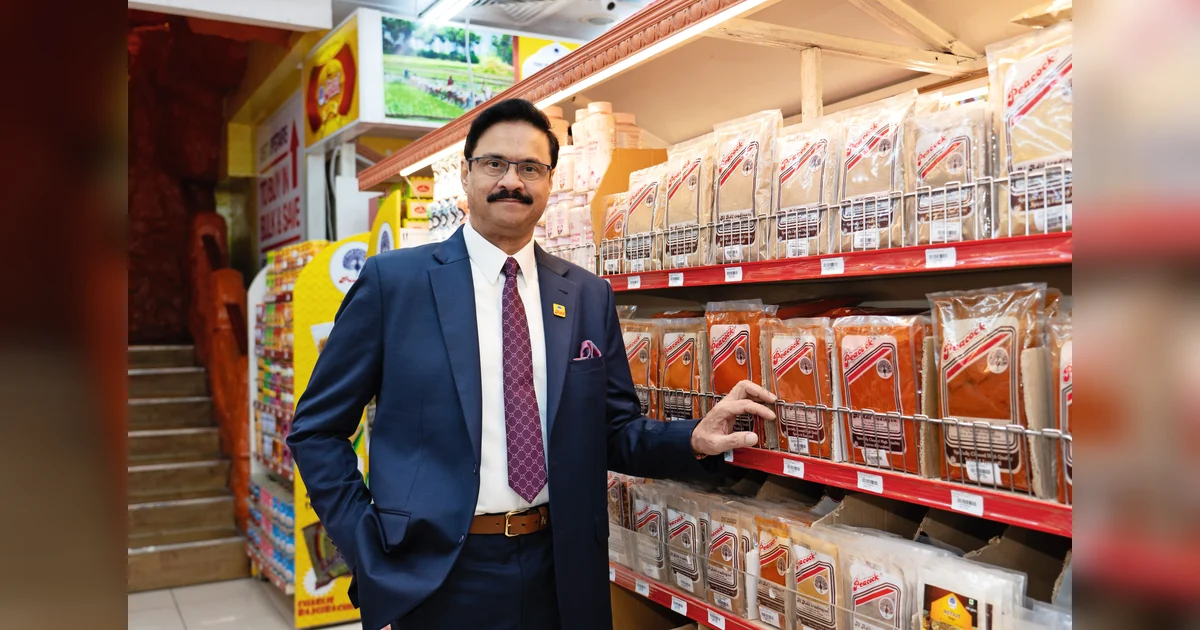
    For decades, the Adil Group of Supermarkets has served as far more than a conventional retail chain for the Indian diaspora in the UAE. It has evolved into an essential cultural touchstone, providing a tangible connection to homeland traditions through authentic culinary products. With an expansive network exceeding 50 outlets throughout the GCC region, the enterprise has established itself as a preeminent name in ethnic retail by maintaining uncompromising quality standards and preserving genuine Indian flavors.

    Dr. Dhananjay Datar, the visionary Chairman and Managing Director renowned as the ‘Masala King,’ has been the architectural force behind this remarkable transformation. His profound understanding of expatriate community needs enabled him to develop a basic retail concept into a comprehensive cultural institution. The Group’s product ecosystem now encompasses everything from traditional spices, pulses, and grains to specialized festive items, sweets, and ready-to-cook solutions—effectively creating complete Indian kitchens abroad.

    The organization’s distinctive identity stems from its pioneering commitment to operating purely vegetarian supermarkets, a revolutionary approach that resonated powerfully with families prioritizing authenticity, ethical sourcing, and dietary purity. This strategic positioning, combined with consistently affordable pricing, has made the brand accessible across all community segments while maintaining premium quality.

    Reflecting on India’s Republic Day significance, Dr. Datar emphasized: ‘This occasion powerfully symbolizes India’s core values of unity, resilience, and cultural pride. Our fundamental mission has always centered on keeping the overseas Indian community connected to their roots. Customer trust represents our most valuable asset and continuously inspires elevated standards. As India celebrates this historic milestone, we reaffirm our dedication to strengthening bilateral bonds between India and the UAE.’

    Transcending commercial objectives, the Group maintains active involvement in community development initiatives. From supporting cultural celebrations to partnering with charitable programs, the organization consistently demonstrates its commitment to social responsibility. These efforts embody principles of compassion, inclusivity, and service that align seamlessly with the Indian Constitution’s foundational spirit.

    As India commemorates its democratic journey, the Adil Group stands as a testament to how businesses can effectively bridge nations, preserve cultural heritage, and foster enduring people-to-people connections between India and the UAE through purposeful commerce.

  • Auto Buzz: Lamborghini unveils a hybrid supercar, Rolls Royce drops new collection

    Auto Buzz: Lamborghini unveils a hybrid supercar, Rolls Royce drops new collection

    The United Arab Emirates’ automotive sector is currently experiencing a remarkable surge of innovation and luxury, highlighted by several groundbreaking vehicle introductions. Lamborghini has unleashed its latest hybrid marvel, the Temerario, at the Dubai Autodrome. This spectacular supercar combines aggressive aesthetics with breathtaking performance, featuring a mid-mounted 4.0-liter twin-turbo V8 hybrid powertrain that generates an astonishing 920 PS. With acceleration capabilities reaching 0-100 km/h in merely 2.7 seconds and a top speed exceeding 340 km/h, the Temerario represents automotive engineering at its most extreme. The optional Alleggerita package further enhances track performance through advanced aerodynamics and significant weight reduction.

    Simultaneously, Rolls-Royce Motor Cars Abu Dhabi has commemorated the Phantom’s centennial anniversary with the exclusive Phantom Centenary Private Collection. This historic unveiling occurred against the majestic backdrop of the Sheikh Zayed Grand Mosque, where all eight Phantom generations were displayed together for the first time. The collection showcases unprecedented craftsmanship techniques, including revolutionary 3D marquetry, gold leaf application, and meticulously stitched high-resolution fabric interiors. A specially commissioned solid gold Spirit of Ecstasy ornament pays homage to the original Phantom’s heritage.

    In the commercial vehicle segment, Al-Futtaim Motors has reintroduced the HINO 300 Series, now equipped with advanced Euro 5 compliant engines that significantly improve both power output and environmental efficiency. This light-duty truck series continues to serve numerous UAE industries including logistics, construction, and last-mile delivery operations.

    Complementing these developments, Al Habtoor Motors has introduced three new JAC models: the tech-forward JS6 PRO SUV featuring intelligent driver assistance systems, the robust T8 Pro pickup designed for commercial applications, and the premium RF8 multipurpose vehicle offering Level 2 autonomous driving capabilities and executive-class comfort features.

  • Italian President Mattarella to begin state visit to UAE tomorrow

    Italian President Mattarella to begin state visit to UAE tomorrow

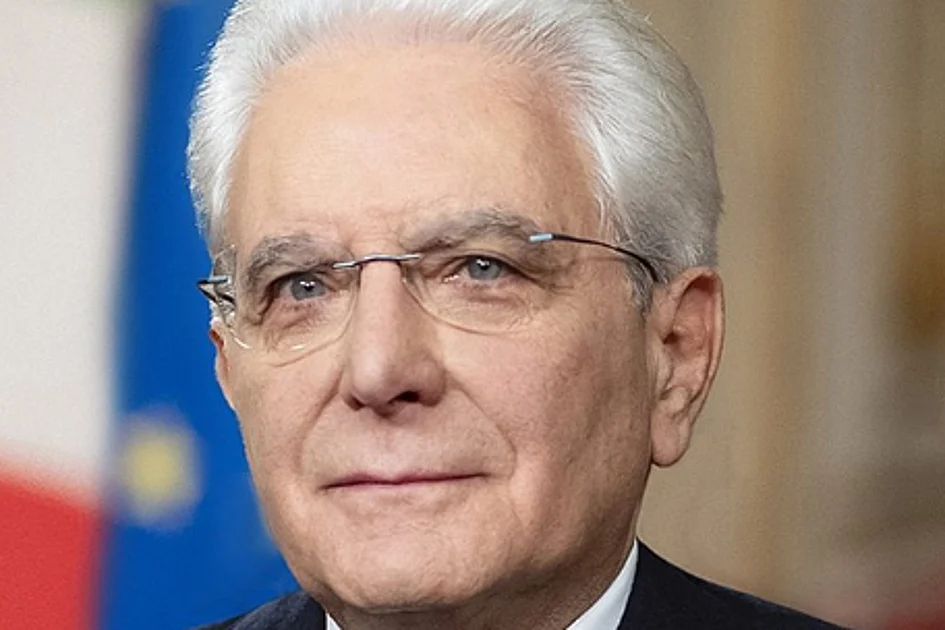
    ABU DHABI – Italian President Sergio Mattarella is scheduled to commence a significant state visit to the United Arab Emirates on Tuesday, marking a pivotal moment in bilateral relations between the two nations. The high-level diplomatic engagement will center on discussions between President Mattarella and UAE President Sheikh Mohamed bin Zayed Al Nahyan at the presidential palace.

    The upcoming talks are strategically positioned to strengthen the existing framework of cooperation between the UAE and Italy, with particular emphasis on economic collaboration and developmental initiatives. Both leaders are expected to deliberate on enhancing investment opportunities, trade expansion, and joint ventures across multiple sectors including energy, technology, and infrastructure development.

    This diplomatic mission occurs against the backdrop of growing geopolitical significance in the Mediterranean-Gulf corridor, with both nations seeking to fortify their strategic partnership amid global economic transformations. The agenda will additionally encompass regional security matters and international concerns of mutual interest, reflecting the comprehensive nature of UAE-Italy relations.

    The state visit signifies the continued commitment of both countries to deepening their diplomatic ties beyond conventional boundaries, potentially paving the way for new agreements that could shape economic cooperation frameworks for the coming decade. Observers note that this meeting could establish new benchmarks for European-Gulf cooperation models in the post-pandemic era.

  • Why copper’s moment is far from over and what’s driving the next phase

    Why copper’s moment is far from over and what’s driving the next phase

    Copper continues to defy market expectations, establishing unprecedented price levels despite near-term volatility. The industrial metal’s remarkable 40% surge throughout 2025 has extended into 2026, with London Metal Exchange benchmarks breaching the $13,000/tonne threshold for the first time in January. This sustained appreciation reflects a complex convergence of supply constraints, evolving demand dynamics, and macroeconomic influences reshaping the global commodities landscape.

    Supply-side challenges have emerged as the dominant market driver, with significant production disruptions at major mining operations worldwide. The prolonged outage at Indonesia’s Grasberg facility – the planet’s second-largest copper mine – continues to constrain output, with normal operations not anticipated before 2027. Concurrently, labor strikes at Chile’s Mantoverde mine further tightened global supplies during early 2026, exacerbating the structural deficit.

    Market analysts identify multiple reinforcing factors behind copper’s ascent. Federal Reserve monetary policy expectations, geopolitical uncertainties, and potential US tariffs on refined copper have collectively created what Standard Chartered’s Sudakshina Unnikrishnan describes as ‘a perfect storm’ of supportive conditions. The traditional inverse correlation between copper and the US dollar positions the metal favorably amid anticipated interest rate reductions, while speculative activity has amplified recent price movements.

    Despite near-term overbought conditions prompting predictions of corrections to $11,000/tonne, the long-term outlook remains fundamentally bullish. S&P Global projections indicate copper demand will reach 42 million metric tonnes by 2040 – a 50% increase from current consumption levels – driven primarily by electrification initiatives, artificial intelligence infrastructure, and defense manufacturing. Vice Chairman Daniel Yergin emphasizes that ‘new vectors of demand that didn’t exist 10 years ago’ now permanently alter market dynamics, with electric vehicles consuming 2.9 times more copper than conventional automobiles and data centers requiring substantial electrical components.

    The critical supply-demand imbalance appears structural rather than cyclical. With new mining projects requiring approximately 17 years from discovery to production, S&P Global anticipates supply will peak at 33 million metric tonnes by 2030, potentially creating a 10-million-tonne deficit within fifteen years. This outlook has attracted diversified investment interest, including sovereign wealth funds and institutional investors increasing commodity allocations beyond traditional stock-bond portfolios.

    Market participants can access copper exposure through physical metal ownership, exchange-traded products tracking futures contracts, or equity positions in mining corporations. While price consolidation may occur pending US tariff policy clarification in June, the metal’s fundamental supply constraints and expanding demand applications suggest sustained long-term appreciation potential despite interim volatility.

  • South Sudan army threat to ‘spare no-one’ condemned

    South Sudan army threat to ‘spare no-one’ condemned

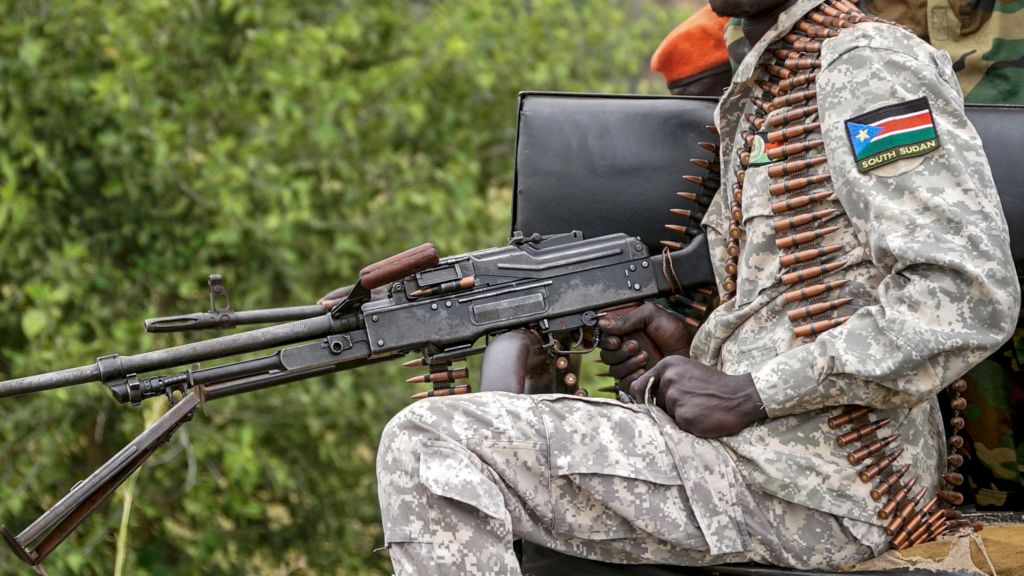
    The United Nations has issued a stern condemnation of South Sudan’s military leadership following alarming statements from Deputy Army Chief Gen Johnson Oluny, who instructed his Agwelek militia to “spare no-one” during upcoming operations in Jonglei state. This inflammatory rhetoric specifically targeted vulnerable populations including children, the elderly, and civilians, prompting immediate concern from international observers.

    The UN Mission in South Sudan (Unmiss) characterized these statements as “utterly abhorrent” while the UN Commission on Human Rights in South Sudan (UNCHRSS) expressed “grave alarm” over the deteriorating security situation. Current estimates indicate more than 180,000 civilians have already been displaced by recent fighting between government forces and opposition groups aligned with former Vice-President Riek Machar.

    In response to the escalating crisis, South Sudan’s military has ordered the complete evacuation of all civilians from Nyirol, Uror, and Akobo counties in Jonglei state. The directive also extends to all UN personnel and non-governmental organization staff, who have been given 48 hours to leave the conflict zones. Despite these orders, Unmiss peacekeepers in Akobo remain stationed, continuing their mandate to de-escalate tensions and prevent further violence.

    This recent escalation represents a dangerous deterioration in South Sudan’s fragile peace process. The 2018 agreement that ended the civil war—which claimed nearly 400,000 lives—has effectively collapsed amid renewed ethnic tensions and political maneuvering. The current power-sharing arrangement between President Salva Kiir and his rival Machar has become increasingly strained, with Machar currently facing trial for alleged crimes against humanity.

    Independent UN experts warn the situation heightens “the risk of mass violence against civilians” as the conflict threatens to reignite along ethnic lines. The international community continues to monitor developments closely, with particular concern for civilian safety in the rapidly escalating conflict zones.

  • Uganda’s military chief denies army assaulted Bobi Wine’s wife

    Uganda’s military chief denies army assaulted Bobi Wine’s wife

    Uganda’s military leadership has vehemently denied allegations that soldiers physically assaulted Barbara Kyagulanyi, wife of prominent opposition figure Bobi Wine, during a controversial raid on their residence. The incident occurred amidst escalating political tensions following President Yoweri Museveni’s disputed electoral victory on January 15.

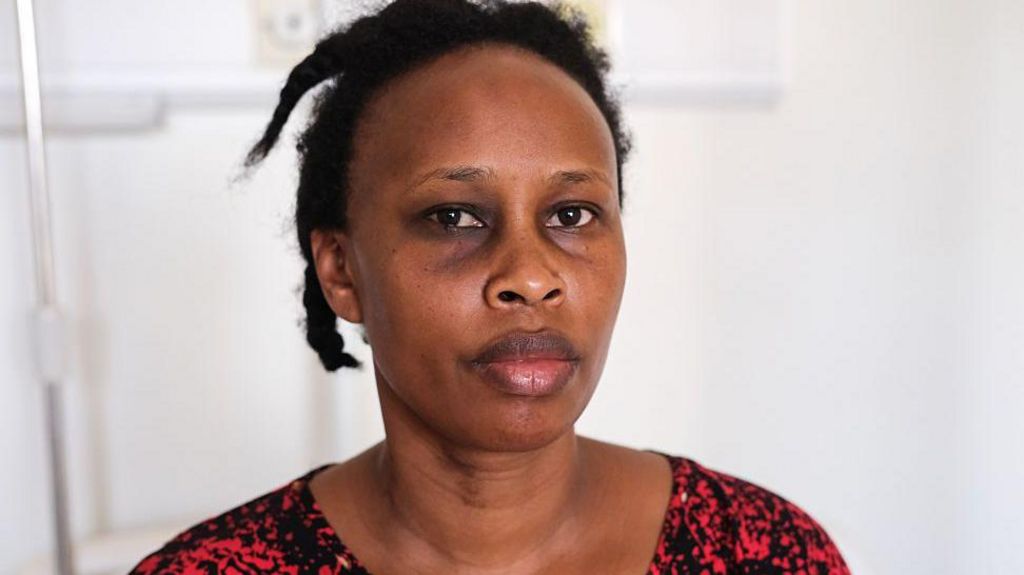
    Bobi Wine, whose real name is Robert Kyagulanyi, has accused military personnel of holding his wife at gunpoint, conducting violent assaults, and confiscating personal documents and electronic devices during the home invasion. From her hospital bed, Barbara Kyagulanyi provided harrowing details of the encounter, describing how dozens of armed men—some in military attire—forcibly entered their home, demanded information about her husband’s whereabouts, and subjected her to physical violence when she refused to cooperate.

    The alleged assault included being struck in the face resulting in a torn lip, lifted by her waistband while being choked, and having her blouse forcibly removed leaving her partially exposed. She reported losing consciousness during the ordeal and is currently receiving treatment for both physical injuries and psychological trauma.

    Military Chief Muhoozi Kainerugaba, who is also President Museveni’s son, publicly refuted these claims via social media platform X, stating: ‘My soldiers did not beat up Barbie’s wife. First of all, we do not beat up women. They are not worth our time. We are looking for her cowardly husband not her.’

    Since the election results were announced, Kainerugaba has repeatedly demanded Wine’s surrender and issued explicit threats against the opposition leader. Wine remains in hiding, confirming that his home continues to be surrounded by military forces while expressing gratitude to supporters for ensuring his safety.

    The Uganda Law Society has condemned what it describes as an ‘ongoing wave of detentions, torture and enforced disappearance’ targeting opposition figures and their supporters. According to Kainerugaba’s own statements, security forces have killed 30 supporters of Wine’s National Unity Party (NUP) and detained approximately 2,000 individuals since the election.

    This political crisis unfolds against the backdrop of Museveni’s extended 45-year presidency, with Uganda having never experienced a peaceful presidential transition since gaining independence.