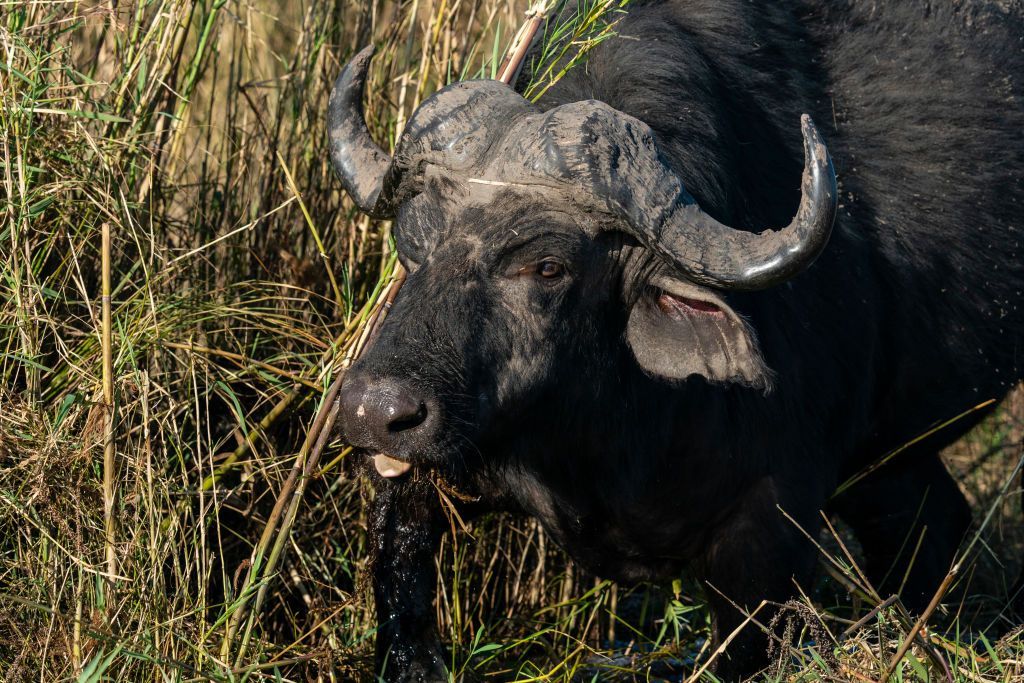
In a tragic wildlife incident, more than 80 buffaloes lost their lives after stampeding and drowning in the Chobe River, according to Namibia’s environment and tourism department. The calamity unfolded when the buffaloes, being pursued by lions from neighboring Botswana, plunged off a steep cliff into the river on the Namibian side of the border. This is not an isolated event; similar incidents have claimed the lives of hundreds of buffaloes in the past. Notably, around 400 buffaloes died in 2018 under comparable circumstances in the same river, which flows through Botswana’s renowned Chobe National Park, a hotspot for elephants, buffaloes, and giraffes. Mbeha Tadeus, an official from Namibia’s Kabulabula Conservancy, explained that buffaloes often flee into Namibia when chased by lions, leading to chaotic stampedes. Ndeshipanda Hamunyela, a spokesperson for Namibia’s Environment, Forestry and Tourism Ministry, confirmed the buffaloes originated from Botswana but could not specify if they were from Chobe National Park. The carcasses are being distributed to local communities, as seen in a video shared by Namibia’s public broadcaster, NBC, which reported the incident occurred around 05:00 local time (07:00 GMT).
标签: Africa
非洲
-

Eswatini says it has repatriated US deportee to Jamaica
Eswatini, Africa’s last absolute monarchy, has come under scrutiny following the deportation of a Jamaican man under former U.S. President Donald Trump’s stringent immigration policies. Orville Isaac Etoria, 62, who had lived in the U.S. for decades as a lawful permanent resident, was deported to Eswatini in July alongside four other individuals from Cuba, Laos, Vietnam, and Yemen. The U.S. government labeled them as ‘depraved monsters.’ After being held in solitary confinement in a maximum-security prison in Mbabane, Etoria was voluntarily repatriated to Jamaica over the weekend and was warmly received by his family. However, his treatment has drawn condemnation from the Legal Aid Society of New York, which highlighted his reintegration into American society after serving a 25-year prison sentence for murder. Activists in Eswatini have denounced the deportation deal as ‘unconstitutional,’ staging protests outside the U.S. embassy. Rights groups have initiated legal action, arguing that the government lacked parliamentary approval for the agreement. Eswatini, formerly known as Swaziland, is a small, landlocked nation bordered by South Africa and Mozambique, ruled by King Mswati III since 1986. The case underscores the controversial nature of Trump’s mass deportation policies, which often sent individuals to countries with no personal ties.
-
Malawi ex-president takes clear lead in vote-count, results show
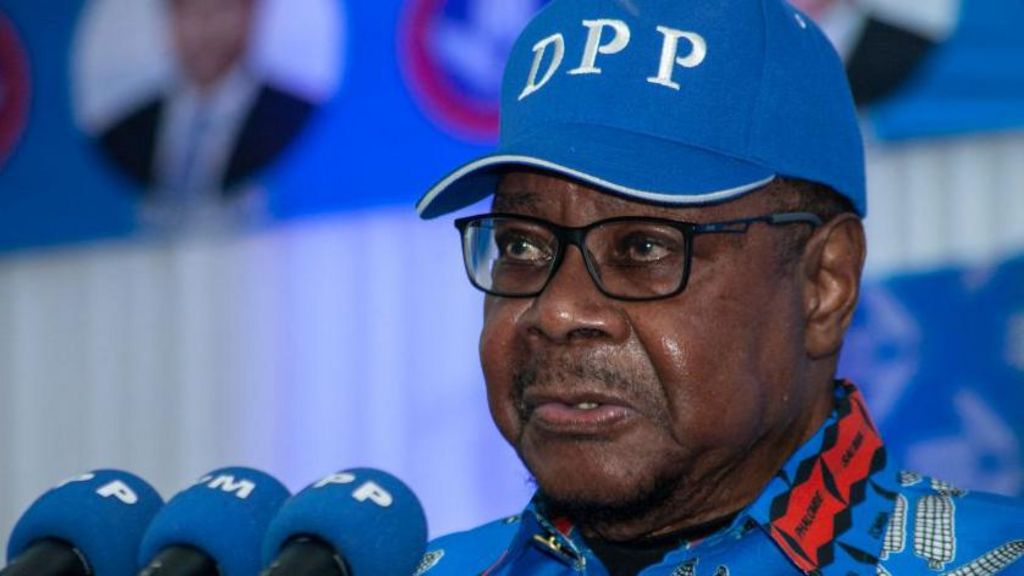
In a dramatic turn of events, Malawi’s former President Peter Mutharika, 85, has surged ahead in the country’s presidential race, securing approximately 66% of the valid votes counted so far. His closest rival, incumbent President Lazarus Chakwera, 70, trails with around 24% of the votes. Provisional results from two-thirds of the districts indicate that Mutharika has even managed to win in areas traditionally considered Chakwera strongholds, including the capital, Lilongwe, and Nkhotakota. However, Chakwera’s camp remains optimistic, asserting that once results from remaining districts are announced, his vote share could increase, potentially forcing a run-off. A candidate must secure more than 50% of the vote to win outright, and Malawians are eagerly awaiting the final results from last Tuesday’s election, which the Malawi Electoral Commission has until the end of Wednesday to announce. Two of the 12 districts yet to declare results have a significant number of registered voters, and Chakwera’s team believes he will perform well in these areas, particularly in rural regions around Lilongwe and Dedza. Meanwhile, results from two other districts, where Mutharika is expected to dominate, have been withheld by the electoral commission for accuracy checks. The commission has emphasized its commitment to transparency, accuracy, and credibility, particularly in light of the constitutional court’s annulment of Mutharika’s 2019 victory due to irregularities. Chakwera won the subsequent re-run by a wide margin, but his presidency has been marred by a deepening economic crisis, characterized by high inflation, food and fuel shortages, and frequent power cuts. On Friday, Chakwera’s party alleged ‘irregularities’ and ‘serious anomalies’ in the election process and has called for a ‘physical audit’ of the results, though it has not specified the nature of these irregularities. In a related development, police have arrested eight data entry clerks accused of attempting to manipulate election results. The stakes are high in Malawi’s elections, as the country grapples with a severe cost-of-living crisis.
-
Three West African countries to quit International Criminal Court
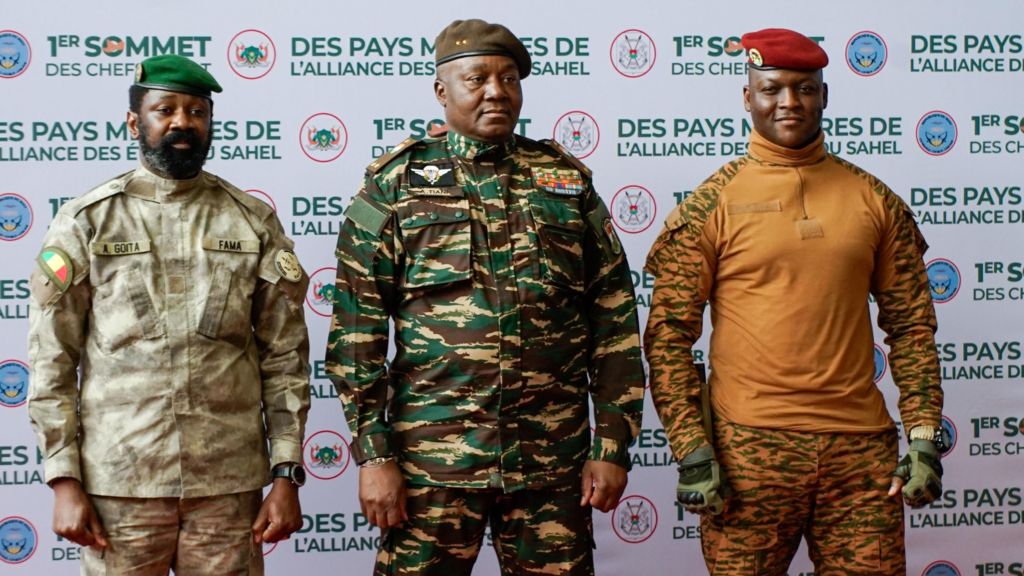
In a bold and coordinated move, Burkina Faso, Mali, and Niger have announced their immediate withdrawal from the International Criminal Court (ICC), denouncing it as a ‘tool of neo-colonialist repression.’ The three military-led nations issued a joint statement, declaring their refusal to recognize the authority of the Hague-based court, which operates under the auspices of the United Nations. The leaders of these countries criticized the ICC for its alleged inability to effectively address and prosecute severe crimes, including war crimes, crimes against humanity, genocide, and acts of aggression. They emphasized their intention to establish ‘indigenous mechanisms for the consolidation of peace and justice.’ This decision aligns with longstanding accusations from African leaders, including Rwanda’s President Paul Kagame, who have criticized the ICC for its perceived anti-African bias. Since its establishment in 2002, the ICC has initiated 33 cases, with all but one involving African nations. The withdrawal process will officially take effect one year after the UN is notified. Burkina Faso, Mali, and Niger, all under military rule following coups between 2020 and 2023, form the Confederation of Sahel States. Their armies have faced allegations of committing crimes against civilians amid escalating violence against jihadist groups linked to al-Qaeda and the Islamic State. Earlier this year, the three countries simultaneously exited the Economic Community of West African States (ECOWAS), rejecting its demands to restore democratic governance. Over recent years, Russia has deepened its ties with these nations, which have grown increasingly isolated from the West, particularly former colonial power France. Notably, the ICC issued an arrest warrant for Russian President Vladimir Putin in 2023 over alleged war crimes in Ukraine.
-

Kenya toasts success of golden girls in Tokyo
Kenya has emerged as a powerhouse in global athletics, with its female runners leading the charge at the 2025 World Athletics Championships in Tokyo. The East African nation secured second place in the medal table, trailing only the United States, thanks to an extraordinary performance by its women athletes. Out of Kenya’s seven gold medals, six were won by female runners, dominating events ranging from the 800m to the marathon. The championships witnessed historic moments, including Lilian Odira’s stunning victory in the 800m, where she shattered a 42-year-old championship record and her personal best by nearly two seconds. Odira, alongside 1500m champion Faith Kipyegon and marathon winner Peres Jepchirchir, all mothers, showcased that motherhood is no barrier to athletic excellence. Former world 800m champion Janeth Jepkosgei highlighted the cultural shift in Kenyan athletics, emphasizing that these athletes are role models for young African girls, proving that they can excel even after starting families. Beatrice Chebet, the reigning Olympic champion and world record holder, achieved the rare 5,000m-10,000m double, becoming only the third woman in history to do so at a World Championships. Faith Kipyegon, who won her fourth world 1500m title, matched the legendary Hicham El Guerrouj’s record, further cementing her legacy. While Kenya’s women athletes soared, Emmanuel Wanyonyi was the sole male gold medalist, adding the world 800m crown to his Olympic title. The championships also saw Botswana and Tanzania making history with their first-ever gold medals in the men’s 4x400m relay and marathon, respectively. Kenya’s success at the championships underscores a golden era for its female athletes, inspiring a new generation and challenging cultural norms.
-
‘I’m Kenyan, don’t shoot’ – the athlete who says he was duped into the Russian army
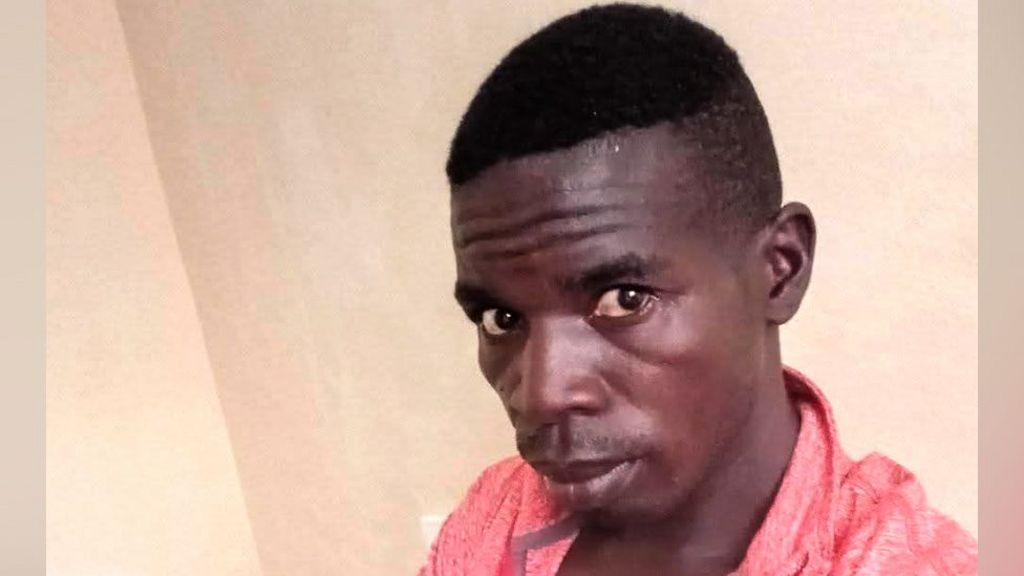
In a heart-wrenching video released by a Ukrainian army brigade, Evans Kibet, a 36-year-old Kenyan athlete and prisoner of war, tearfully pleaded not to be sent back to Russia, fearing for his life. The aspiring long-distance runner, dressed in a red sports top with the brigade’s flag behind him, claimed he was deceived into joining the Russian army and is desperate to return home to his 16-year-old daughter. The 57th Separate Motorised Infantry Brigade, which shared the video on Facebook, stated that Kibet had fought on the enemy’s side, leaving the credibility of his emotional appeal to viewers’ discretion. The brigade confirmed the interview was conducted with Kibet’s consent, though the BBC has not independently verified this. Kibet’s case highlights the plight of foreign recruits in the Russian army, many of whom are reportedly from poorer countries and end up in Ukrainian prisoner-of-war camps. Petro Yatsenko, Ukraine’s spokesperson on POW treatment, revealed that citizens from Somalia, Sierra Leone, Togo, Cuba, and Sri Lanka are among those currently held. Kibet’s family in Kenya is in shock, with his cousin Edith Chesoi expressing deep trauma and sleepless nights. Known as a humble and dedicated athlete, Kibet had built his life around running, competing in lesser-known races across Europe and Asia. Friends say he had been struggling financially, which may have led him to accept an offer from a sports agent to travel to Russia for races. Kibet insists he went as a visitor, not for military purposes, but was coerced into signing Russian-language documents that bound him to the army. After a week of basic training, he escaped during his first mission and surrendered to Ukrainian soldiers. Kibet’s family is urging Kenyan authorities to intervene, and a senior foreign ministry official assured that the government is actively pursuing the matter. Ukraine has expressed openness to repatriation negotiations if Kenya shows interest. For Kibet’s loved ones, his safety is the only priority. ‘If he made a mistake, let them forgive him. We only want him back,’ his brother said.
-
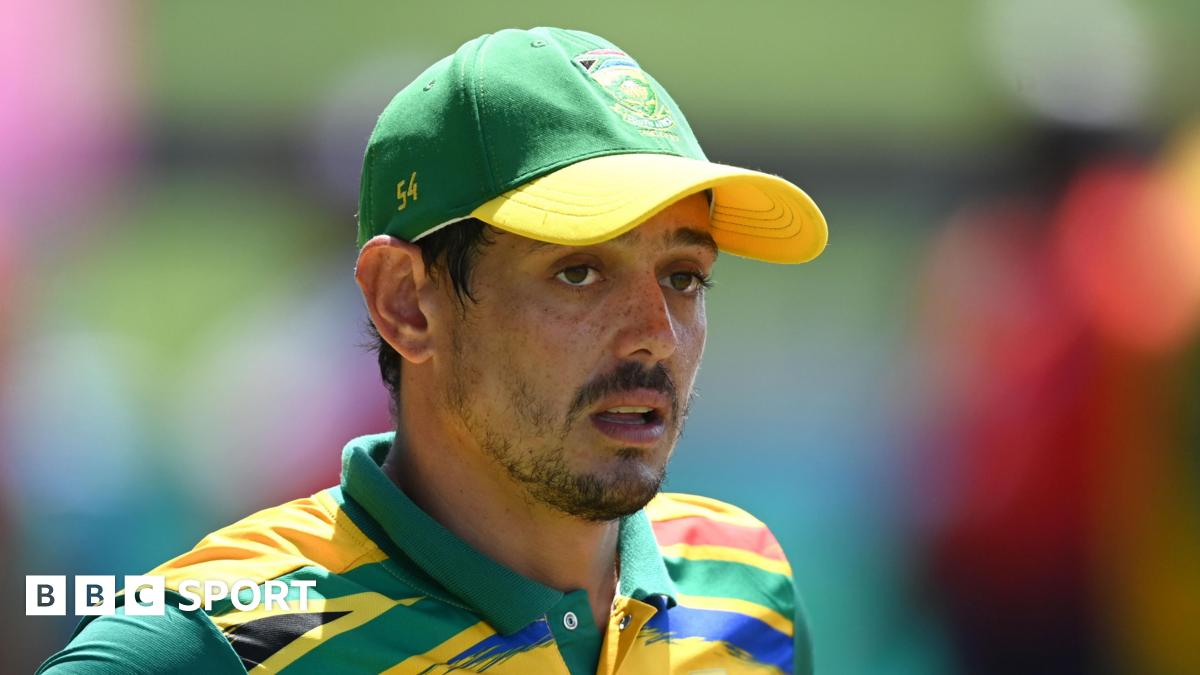
South Africa recall De Kock as he ends retirement
In a surprising turn of events, South African wicketkeeper-batsman Quinton de Kock has reversed his retirement from One-Day Internationals (ODIs) and has been recalled to the national squad for the upcoming series against Pakistan. The 32-year-old, who retired from ODIs after the 2023 World Cup in India, will now feature in both the ODI and T20I series starting next month. This decision comes ahead of two major global tournaments: the T20 World Cup in 2026, co-hosted by India and Sri Lanka, and the 50-over World Cup in 2027, which South Africa will co-host. De Kock, who last played for the Proteas in the T20 World Cup final in June 2024, has been a dominant force in white-ball cricket, amassing 21 ODI centuries since his debut in 2013, trailing only Virat Kohli and Rohit Sharma in this period. His return is seen as a significant boost for South Africa, especially after the recent retirement of Heinrich Klaasen, one of the world’s leading T20 batters. South Africa’s head coach, Shukri Conrad, expressed his enthusiasm about De Kock’s return, stating, ‘Quinton’s return to the white-ball space is a major boost for us. His quality and experience will undoubtedly benefit the team.’ De Kock has been active in various T20 leagues this year, including the SA20, Indian Premier League, Major League Cricket, and the Caribbean Premier League. South Africa’s tour of Pakistan will include two Tests, three ODIs, and three T20s, starting on October 12. Captain Temba Bavuma will miss the Tests due to injury, with Aiden Markram stepping in as the leader. Donovan Ferreira will captain the team in a one-off T20 against Namibia following the Pakistan tour.
-

Botswana declares public holiday after ‘historic’ athletics gold medal
Botswana has made history by becoming the first African nation to win the men’s 4×400 meters relay at the World Athletics Championships in Tokyo. In recognition of this monumental achievement, President Duma Boko has declared Monday, 29 September, a public holiday, coinciding with the eve of the country’s Independence Day. The victorious team, comprising Lee Bhekempilo Eppie, Letsile Tebogo, Bayapo Ndori, and Busang Collen Kebinatshipi, triumphed over the United States, the reigning champions of the past decade, in a thrilling rain-soaked race. South Africa secured the third position. President Boko, addressing the nation from New York where he is attending the UN General Assembly, lauded the athletes as ‘Botswana’s natural diamonds,’ emphasizing their role in elevating the nation’s global stature. This victory marks Botswana’s best-ever performance in the championship, with the country securing fifth place overall in the medal standings, behind the US, Kenya, the Netherlands, and Canada, with two golds, one silver, and a bronze. This achievement follows last year’s historic moment when Letsile Tebogo clinched Botswana’s first Olympic gold in the men’s 200 meters in Paris, a feat that was celebrated with a half-day holiday and a grand reception at the National Stadium in Gaborone. President Boko described the current victory as ‘electric,’ underscoring its significance in Botswana’s rising prominence on the world stage.
-
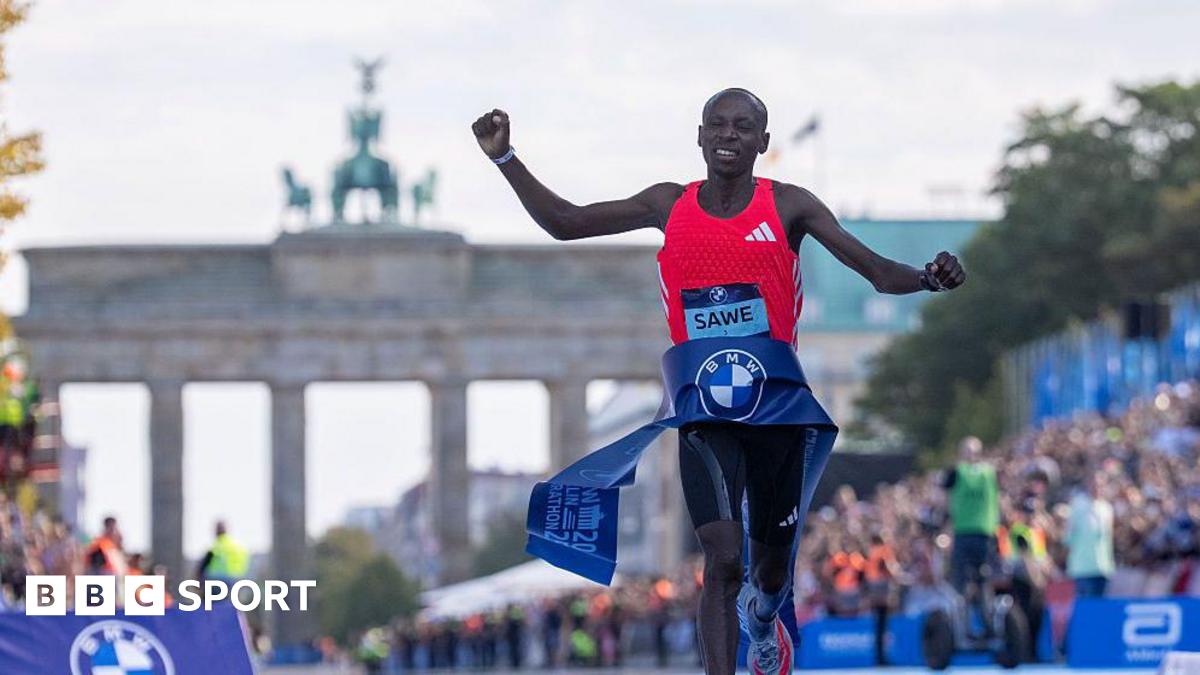
Kenya’s Sawe and Wanjiru win Berlin marathons
Kenya celebrated a triumphant double victory at the 2025 Berlin Marathon, with Sabastian Sawe clinching the men’s title and Rosemary Wanjiru securing the women’s crown. Sawe, 30, showcased his exceptional endurance and speed, finishing the race in 2:02:16, marking his third consecutive marathon win. The Kenyan athlete, fresh from his victory at the London Marathon earlier this year, set a blistering pace, leaving his competitors trailing behind. He was accompanied by his pacesetters for much of the race, demonstrating his dominance in long-distance running. Japan’s Akasaki Akira secured second place, nearly four minutes behind Sawe, while Ethiopia’s Chimdessa Debele rounded out the podium in third. Reflecting on his performance, Sawe expressed satisfaction, stating, ‘I did my best and I am happy for this performance. I felt well, but you cannot change the weather. Next year will be better.’ Sawe had aimed to challenge Kelvin Kiptum’s 2023 world record of 2:00:35, reaching the halfway mark in 1:00:12, but couldn’t sustain the pace towards the end. In the women’s race, Wanjiru surged ahead after 25 kilometers, finishing in 2:21:05. Ethiopia’s Dera Dida followed closely, just three seconds behind, with Azmera Gebru taking third place in 2:21:29. Wanjiru’s time, while impressive, was 12 minutes slower than compatriot Ruth Chepng’etich’s world record of 2:09:56, set in Chicago in 2024. The Berlin Marathon once again highlighted Kenya’s prowess in marathon running, with Sawe and Wanjiru delivering standout performances.
-
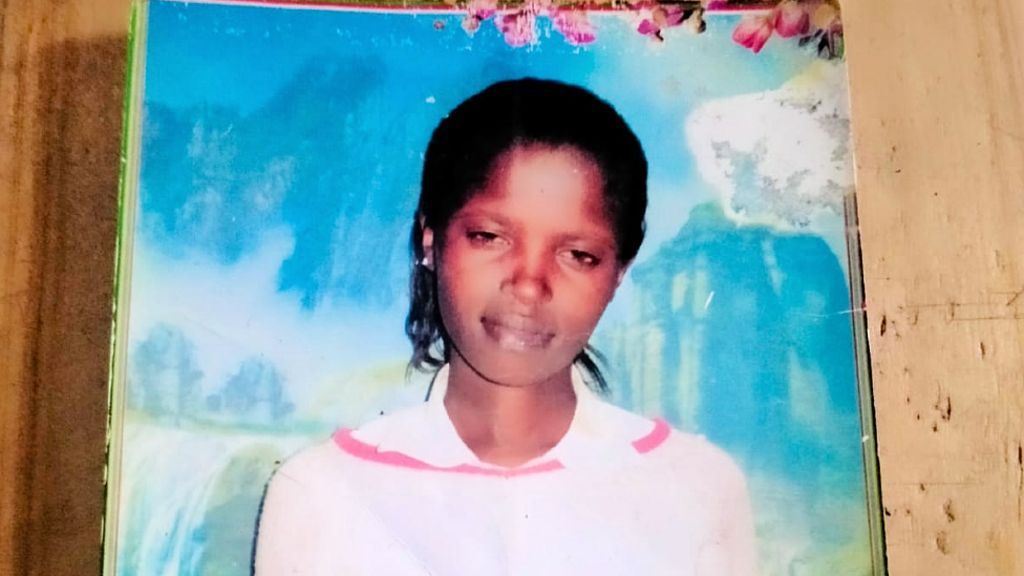
Murdered Kenyan’s friends want UK soldier to face justice
More than a decade after the tragic murder of 21-year-old Agnes Wanjiru in Kenya, a Kenyan court has issued an arrest warrant for a British national suspected of the crime. If extradited, this would mark the first instance of a serving or former British soldier being tried abroad for the murder of a civilian. Agnes, a young mother, was killed in March 2012, and her body was discovered in a septic tank near the Lions Court Hotel in Nanyuki, Kenya. The case has drawn significant attention due to allegations of a cover-up by the British Army. Agnes’s friends recall the night she went missing, describing her interactions with British soldiers at a local bar. Despite initial assumptions of a consensual arrangement, Agnes was later found stabbed to death. The Kenyan judge concluded in 2019 that British soldiers were responsible for her murder. Recent investigations have revealed ongoing misconduct by British soldiers in Kenya, including transactional sex with vulnerable women. In April 2025, UK Defence Secretary John Healey met with Agnes’s family, offering condolences and pledging support for justice. The issuance of the arrest warrant in September 2025 is seen as a significant step toward accountability, though legal hurdles remain. Agnes’s family and friends continue to seek justice, emphasizing the need for financial security for her now-teenage daughter.