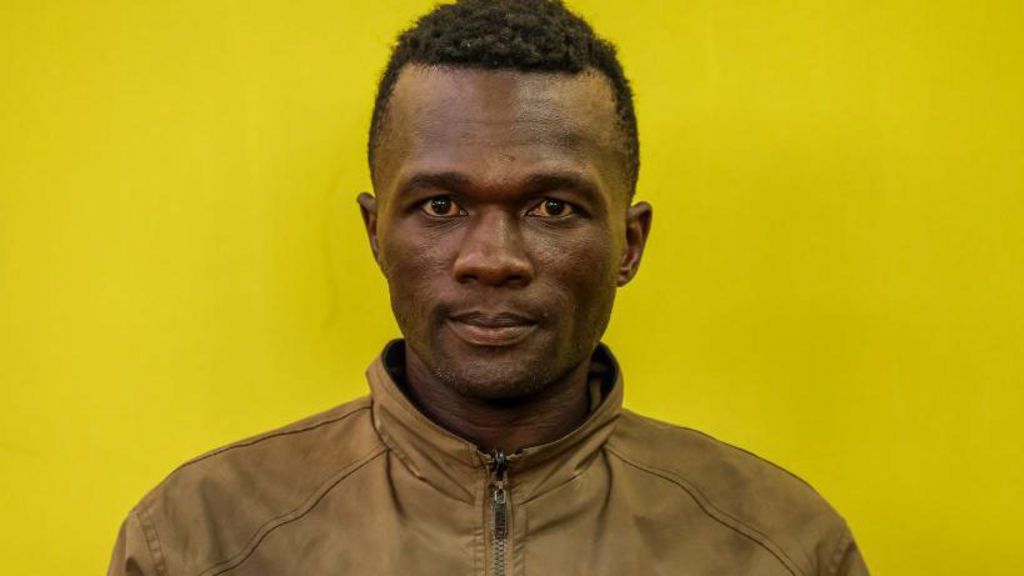
Kenyan authorities have announced a reward of 1 million shillings ($7,700) for information leading to the arrest of Collins Jumaisi Khalusha, a suspected serial killer who escaped police custody over a year ago. Khalusha, the prime suspect in the murders of more than 40 women, fled from a high-security police station in Nairobi on August 20, 2024, along with 12 others. The victims’ mutilated bodies were discovered in a disused quarry near the capital, sparking widespread outrage and criticism of the police’s handling of the case. Despite initial arrests of officers allegedly involved in his escape, Khalusha remains at large. Activists have accused the police of negligence, with some claiming that additional bodies may still be rotting in the quarry. The Directorate of Criminal Investigations (DCI) announced the reward following a local media documentary highlighting police inaction. Critics, however, view the move as a reactive measure rather than a genuine effort to solve the case. Interior Minister Kipchumba Murkomen has described the escape as ‘regrettable,’ while Khalusha’s lawyer alleged that his client was tortured into confessing. The case continues to raise questions about Kenya’s law enforcement capabilities and accountability.
标签: Africa
非洲
-
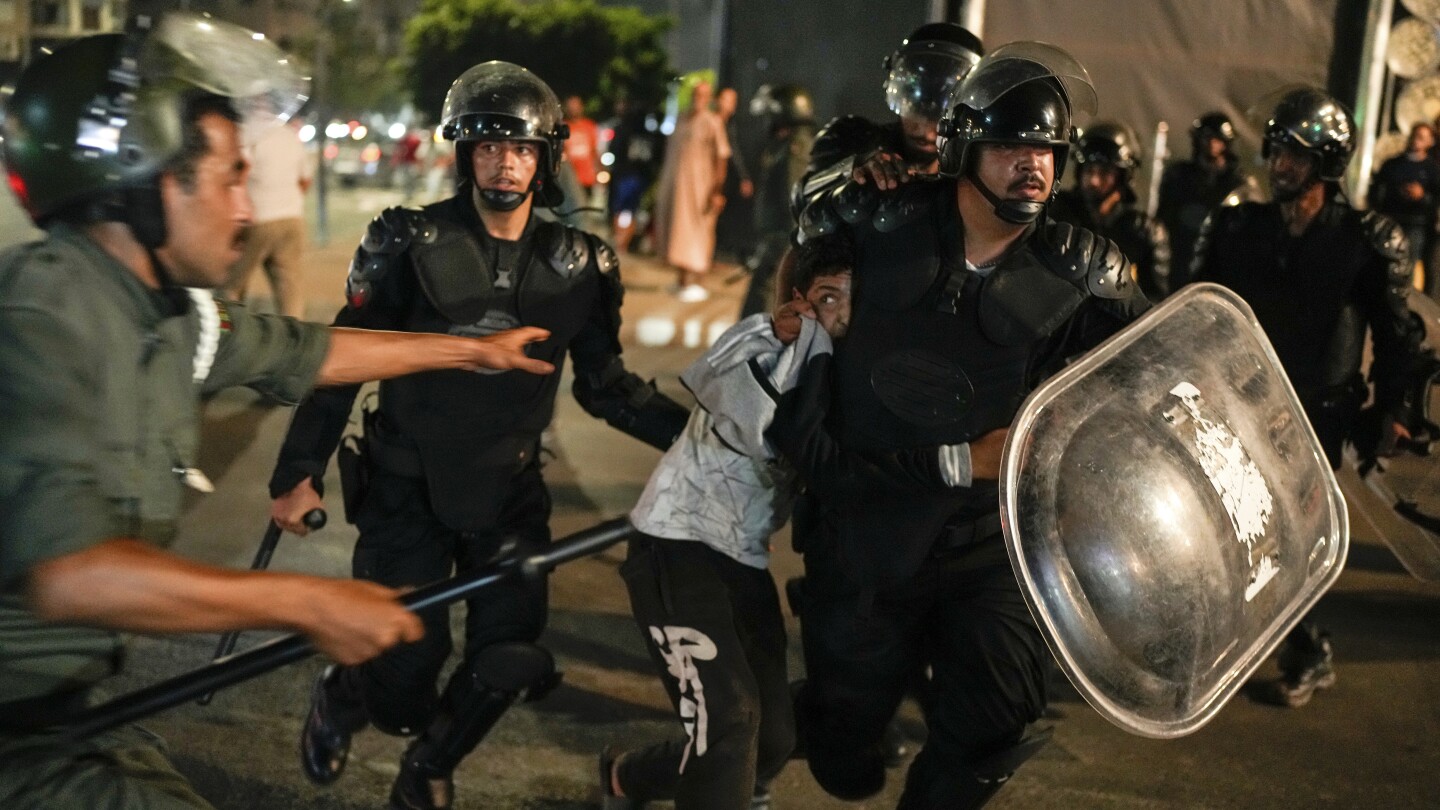
Youth-led anti-government protests in Morocco turn deadly, with 2 killed in a small town
Morocco has been gripped by a wave of anti-government protests, led predominantly by the country’s youth, which have escalated into violent confrontations with law enforcement. The unrest, now in its fifth consecutive night, has spread across multiple cities, with demonstrators decrying widespread corruption, inadequate public services, and misplaced government priorities, particularly the allocation of billions towards preparations for the 2030 World Cup while schools and hospitals remain underfunded.
-
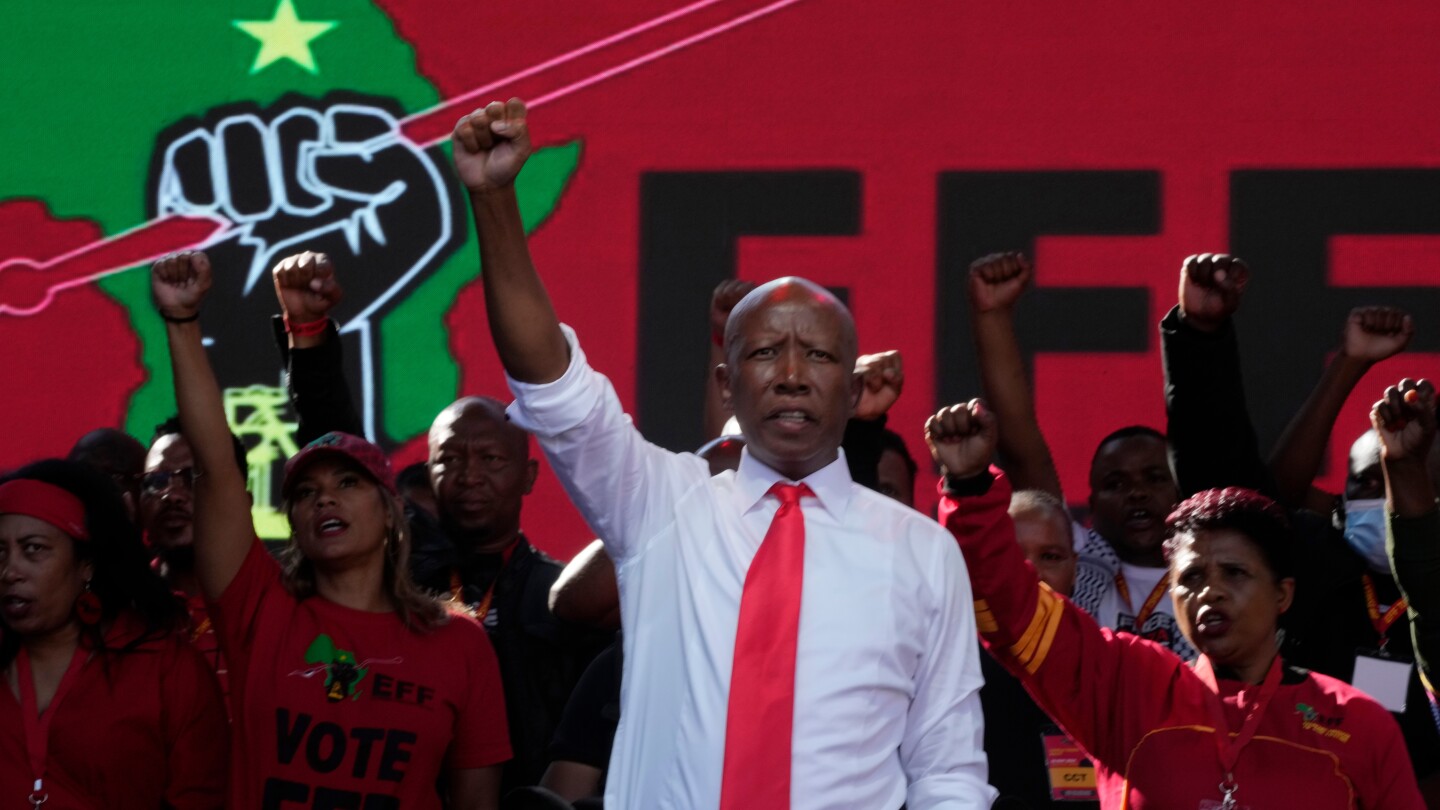
South African opposition leader Julius Malema is found guilty on gun charges
JOHANNESBURG (AP) — Julius Malema, the prominent leader of South Africa’s opposition party, the Economic Freedom Fighters (EFF), was convicted on Wednesday of violating firearm laws during a 2018 political rally. The incident, which was captured on video, showed Malema firing a rifle at his party’s five-year anniversary event in the Eastern Cape province. The footage sparked widespread controversy and led to criminal charges brought by Afrikaner lobby group Afriforum. Malema argued in his defense that the weapon was a toy gun, but Magistrate Twanet Olivier dismissed this claim, finding him guilty of contravening the Firearms Control Act. His then-bodyguard, Adriaan Snyman, who was accused of providing the rifle, was acquitted. Malema criticized the verdict, alleging racial bias, as Snyman is white. Outside the East London Magistrates Court, Malema vowed to appeal the decision, potentially taking the case to the Constitutional Court. While he could face up to 15 years in prison, the absence of a minimum sentence leaves room for leniency. His sentencing is scheduled for January 23, 2024. Malema, a polarizing figure in South African politics, has been a vocal advocate for controversial policies, including the expropriation of white-owned land without compensation and the nationalization of key industries. His influence was highlighted earlier this year when U.S. President Donald Trump referenced him in a tense meeting with South African President Cyril Ramaphosa, falsely alleging a ‘white genocide’ in the country. Malema’s EFF, South Africa’s fourth-largest political party, secured 9% of the vote in the last general elections.
-
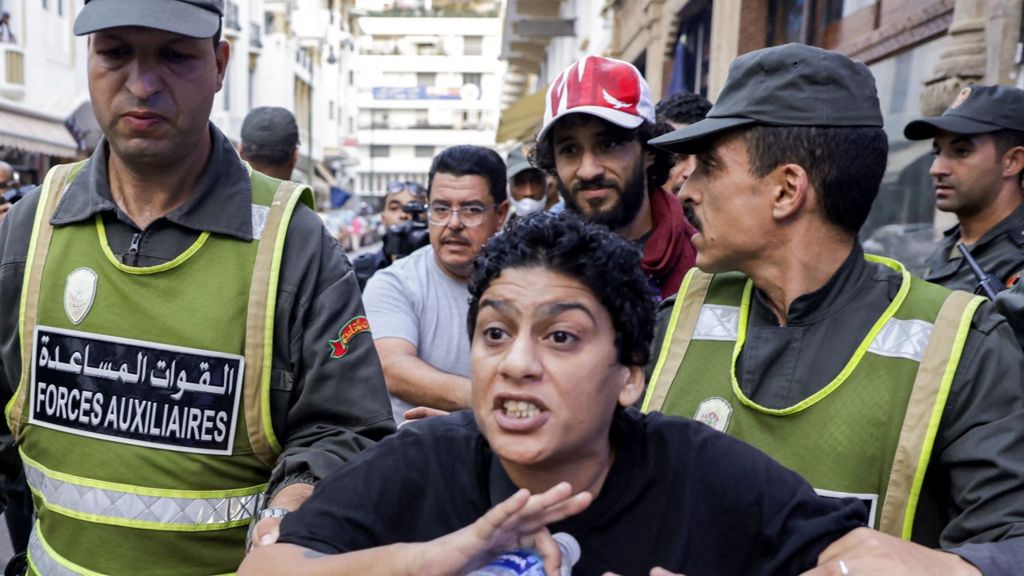
Violent clashes and arrests as ‘Gen Z protests’ hit Morocco
Morocco has been gripped by a wave of youth-led protests for the fourth consecutive day, marked by violent confrontations between demonstrators and security forces. Hundreds of protesters took to the streets across the country on Tuesday night, voicing demands for improved social services, reduced corruption, and better employment opportunities. The demonstrations, organized by a loosely formed youth group known as GenZ 212, escalated into chaos as protesters reportedly hurled stones at security forces, while footage emerged of cars and banks being set ablaze. The Moroccan Association for Human Rights (AMDH) has accused security forces of physically assaulting protesters and carrying out arbitrary arrests. In the city of Oujda, a protester sustained injuries after being struck by a police car, according to reports from the state news agency MAP. GenZ 212, in a statement posted on its Facebook page, expressed regret over acts of rioting and vandalism that damaged public and private property, urging participants to remain peaceful and avoid undermining the legitimacy of their demands. The protests have also targeted the government’s spending priorities, with demonstrators criticizing the allocation of funds for FIFA World Cup stadiums over essential public services like healthcare and education. The unrest in Morocco mirrors similar youth-led uprisings in Nepal, Indonesia, the Philippines, and Madagascar, where protests have led to significant political changes. In Morocco, approximately 200 protesters have been arrested, with most subsequently released, according to AMDH. The government coalition has expressed willingness to engage in dialogue with the youth to find realistic solutions, while praising the security forces’ ‘balanced reaction’ in line with legal procedures.
-
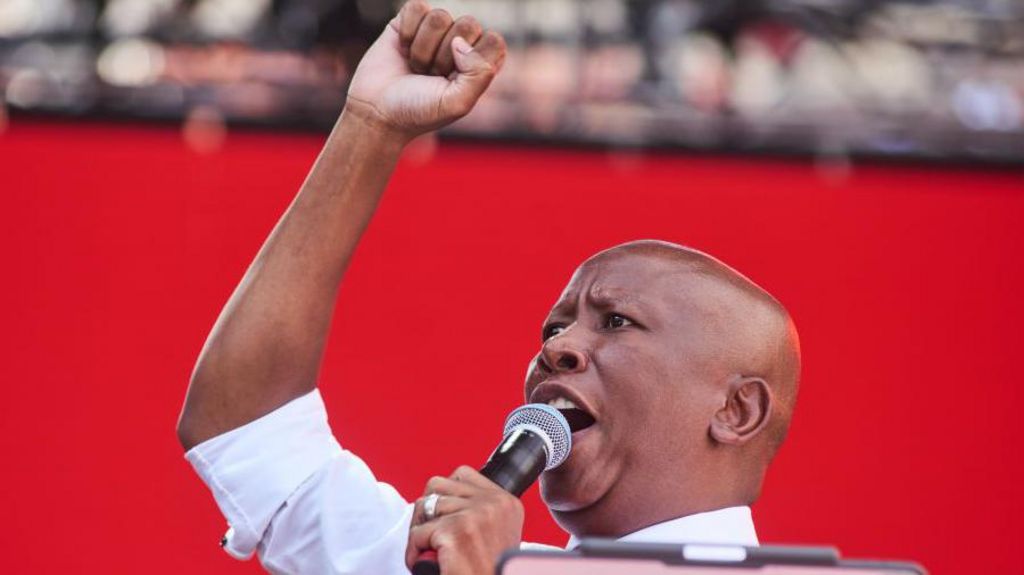
South African firebrand MP Malema convicted of firing a gun in public
Julius Malema, the leader of South Africa’s Economic Freedom Fighters (EFF), has been convicted of discharging a firearm in public, an offense that could result in a maximum prison sentence of 15 years. The incident dates back to 2018, when a video surfaced showing Malema firing multiple shots into the air during his party’s fifth-anniversary celebrations in the Eastern Cape province. Malema was charged alongside his former bodyguard, Adriaan Snyman, who was later acquitted. This conviction adds to Malema’s recent legal troubles, as he was found guilty of hate speech less than two months ago. Malema, a polarizing figure in South African politics, has frequently criticized the white minority and advocated for the redistribution of wealth and land to the black majority. The firearm case, which involved charges of unlawful possession, reckless endangerment, and discharging a weapon in public, saw Malema claiming in court that the firearm was not his and that the shots were fired to energize the crowd. Magistrate Twanet Olivier delivered the guilty verdict after three days of proceedings, with sentencing postponed to January 2026. The prosecution was initiated by AfriForum, an Afrikaner lobby group with a contentious relationship with Malema and the EFF. This group also played a role in Malema’s hate speech conviction earlier this year, where the equality court ruled that his inflammatory remarks demonstrated an intent to incite harm. Malema’s legal battles highlight the ongoing racial tensions in South Africa, three decades after the end of apartheid.
-
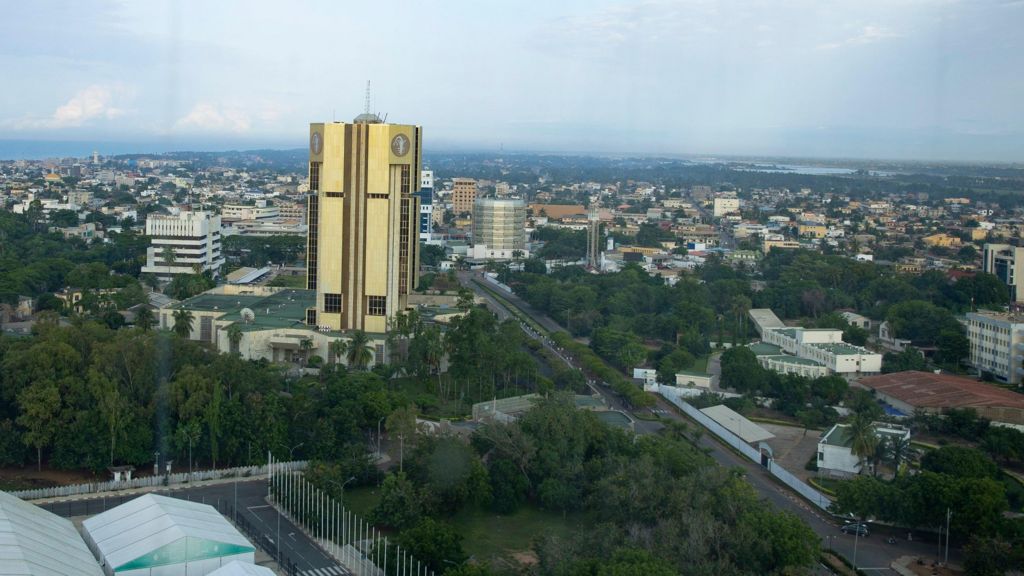
Deported from the US to Ghana then ‘dumped’ at the border: Nigerian man speaks out
A Nigerian man, deported from the United States to Ghana, has revealed to the BBC that he and five other deportees are now stranded in a hotel in Togo after being secretly transferred across the border by Ghanaian officials. The man, who requested anonymity for safety reasons, claimed they were promised better living conditions but were instead abandoned in Togo without proper documentation or support. The group, consisting of three Nigerians, a Liberian, and others, had initially been held in a military camp in Ghana under deplorable conditions. They were later told they would be moved to a hotel for improved comfort but were instead taken through a back route into Togo, allegedly after bribing local police. Togolese authorities have yet to comment on the matter. The Nigerian deportee expressed concerns about his family in the US, including financial struggles and the inability to see his children. He also revealed his affiliation with the Yoruba Self-Determination Movement, a group advocating for a breakaway state in Nigeria, which he fears could lead to his arrest and torture if he returns to his home country. The US government has not provided a reason for his deportation, which was carried out under a controversial ‘third-country deportation’ policy. Lawyers for the deportees have initiated legal action against both the US and Ghanaian governments, alleging violations of their rights. Ghana’s Foreign Minister, Samuel Okudzeto Ablakwa, previously stated that the country accepted the deportees out of ‘pan-African empathy,’ but opposition MPs have called for the suspension of the deportation agreement until it is ratified by parliament.
-
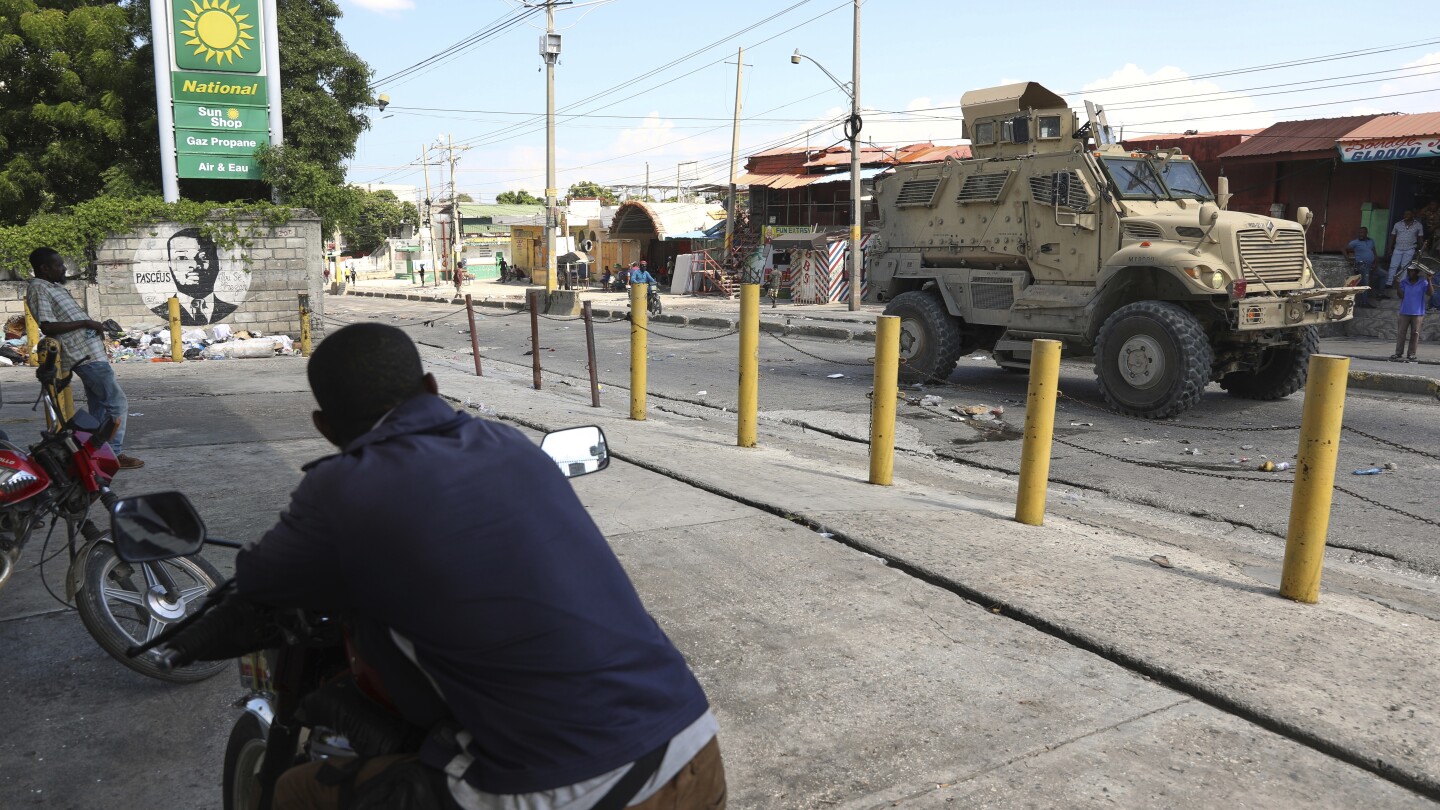
UN authorizes a much larger force to fight gangs in Haiti with new power to arrest gang members
In a decisive move to address Haiti’s escalating gang violence, the United Nations Security Council unanimously approved a resolution on Tuesday to authorize a significantly larger international force. The new 5,550-member ‘Gang Suppression Force,’ co-sponsored by the United States and Panama, will replace the current Kenya-led multinational mission, granting it enhanced powers to arrest suspected gang members—a capability the existing force lacks. The vote passed 12-0, with Russia, China, and Pakistan abstaining. U.S. Ambassador Mike Waltz hailed the resolution as a beacon of hope for Haiti, emphasizing the urgent need to curb the rampant violence that has destabilized the nation. Since the assassination of President Jovenel Moïse in 2021, gangs have seized control of 90% of the capital, Port-au-Prince, and expanded their criminal activities into rural areas, including looting, kidnappings, and sexual violence. Haiti has remained without a president since the assassination, further exacerbating its political and economic turmoil. The U.S. Embassy in Port-au-Prince underscored the resolution’s message, declaring an end to impunity for those destabilizing Haiti. Panama’s U.N. Ambassador Eloy Alfaro de Alba expressed optimism that the force would restore security, enabling political reconstruction, elections, and economic revival. However, China’s U.N. Ambassador Fu Cong criticized the resolution, warning it could worsen Haiti’s already dire situation. He also accused the U.S. of failing to fulfill its financial commitments, including $800 million owed to the U.N. peacekeeping budget. Russia’s Ambassador Vassily Nebenzia echoed concerns, labeling the mission as poorly conceived and unlikely to succeed. The resolution, adopted under Chapter 7 of the U.N. Charter, authorizes the force for an initial 12-month period. It mandates intelligence-led operations to neutralize gangs, protect critical infrastructure, and support Haitian efforts to combat arms trafficking. The force will consist of 5,500 uniformed personnel and 50 civilians, funded by voluntary contributions. U.S. envoy Waltz urged nations to contribute personnel and resources, while Secretary-General Antonio Guterres was tasked with establishing a U.N. office to provide logistical support. Laurent Saint-Cyr, leader of Haiti’s transitional presidential council, welcomed the resolution, calling it a pivotal step in combating the gangs that have devastated the nation.
-
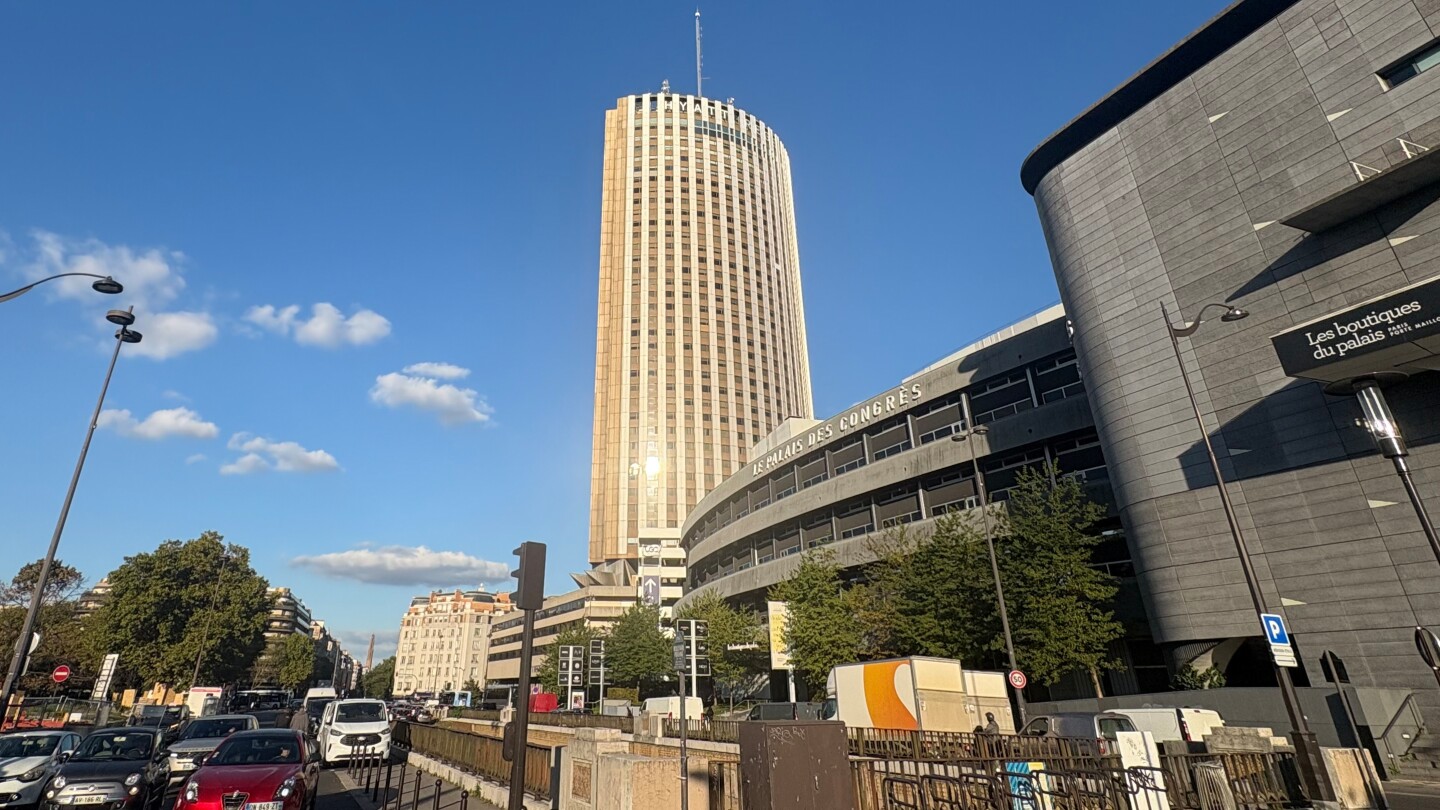
South Africa’s ambassador to France is found dead in Paris
In a shocking turn of events, South Africa’s ambassador to France, Emmanuel Nkosinathi Mthethwa, was discovered deceased on Tuesday morning at the base of a luxury hotel in western Paris. The 58-year-old diplomat, widely known as Nathi Mthethwa, had been reported missing the previous evening after his wife received a distressing message from him. In the message, Mthethwa reportedly apologized and hinted at his intention to end his own life, according to Paris prosecutor Laure Beccuau. A security guard at the Hyatt hotel found Mthethwa’s body in the inner courtyard early Tuesday, prompting an immediate investigation. Authorities revealed that Mthethwa had reserved a room on the 22nd floor, where the window’s safety mechanism appeared to have been forcibly opened. Investigators found no evidence of a struggle, medication, or illegal substances at the scene. South African President Cyril Ramaphosa expressed profound sorrow over the ambassador’s death, describing it as a tragic loss. In a statement, Ramaphosa extended his heartfelt condolences to Mthethwa’s wife and family. Mthethwa, who had been appointed ambassador to France in December 2023, was tasked with enhancing bilateral relations between South Africa and France. Prior to his diplomatic role, he served as South Africa’s minister of police and minister of sports, arts, and culture.
-
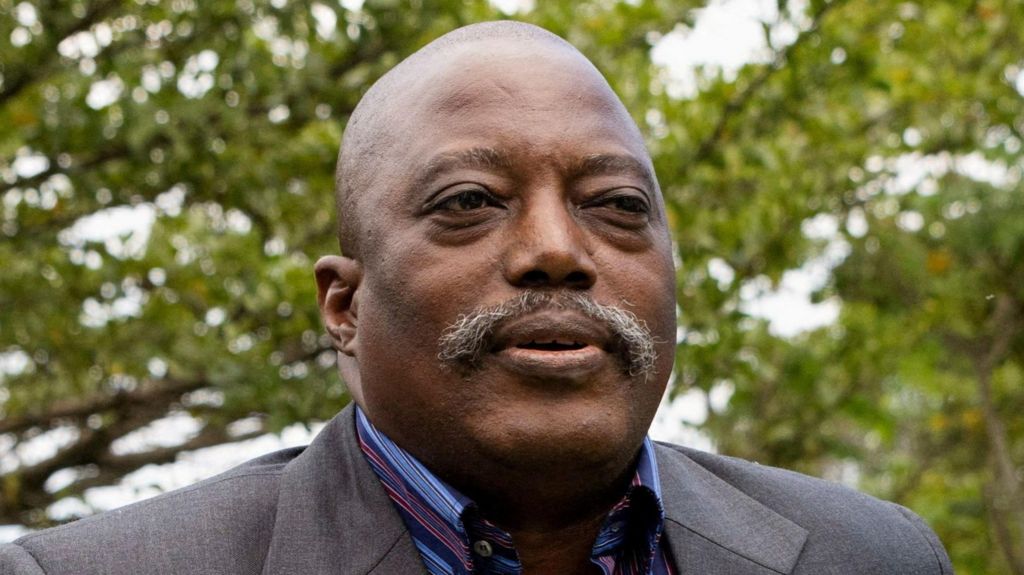
Former Congolese president sentenced to death for war crimes
In a landmark ruling, former Democratic Republic of Congo (DRC) President Joseph Kabila has been sentenced to death in absentia for war crimes, treason, and crimes against humanity. The charges stem from allegations that Kabila supported the M23 rebel group, which has caused widespread devastation in the country’s eastern region. The verdict, delivered on Friday, includes accusations of murder, sexual assault, torture, and insurrection. Kabila, who has dismissed the case as “arbitrary,” claims the judiciary is being used as an “instrument of oppression.” His current location remains unknown. Kabila, 54, led the DRC for 18 years after succeeding his father, Laurent Kabila, who was assassinated in 2001. He handed power to current President Félix Tshisekedi in 2019 but later fell out with him, leading to his self-imposed exile in 2023. In May 2024, Kabila returned to the M23-held city of Goma, stating his intention to help resolve the ongoing conflict in the east. However, Tshisekedi accused him of orchestrating the M23 rebellion, and senators revoked his legal immunity, enabling his prosecution. The conflict escalated earlier this year when M23 seized control of key areas in the mineral-rich east, including Goma and Bukavu. The UN and several Western nations have accused Rwanda of backing M23, a claim Kigali denies. Despite a July ceasefire agreement, violence persists in the region.
-
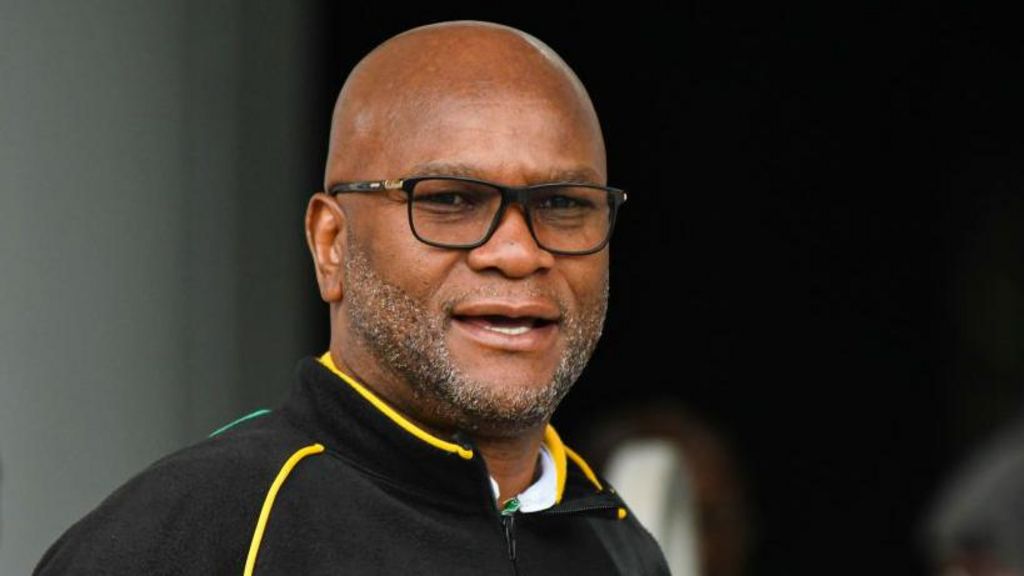
South Africa’s top diplomat in France found dead near Paris hotel
South Africa’s ambassador to France, Nathi Mthethwa, was discovered deceased near the Hyatt Regency Hotel in Paris, according to French authorities. The 58-year-old diplomat had been reported missing by his wife on Monday evening following a concerning message from him. Mthethwa had reserved a room on the 22nd floor of the hotel, where a security window was found forced open. The Paris prosecutor’s office has initiated an investigation into the unclear circumstances surrounding his death, with a duty magistrate dispatched to the scene. Mthethwa, a prominent member of the African National Congress (ANC), had been serving as ambassador since December 2023. He previously held significant roles in the South African government, including Minister of Police and Minister of Arts and Culture. A close ally of former President Jacob Zuma, Mthethwa was implicated in the state capture inquiry, which investigated allegations of high-level corruption during Zuma’s presidency. South Africa’s Foreign Minister Ronald Lamola praised Mthethwa as a ‘distinguished servant of the nation,’ emphasizing that his loss is deeply felt both nationally and within the international diplomatic community. Lamola confirmed that French authorities are actively investigating the incident.