
Zimbabwe and Namibia have successfully secured their places in the 2026 Men’s T20 World Cup after advancing to the final of the African qualifying tournament held in Harare. Namibia triumphed over Tanzania by a significant margin of 63 runs in their semi-final clash, marking their fourth consecutive appearance in the World Cup finals. Meanwhile, hosts Zimbabwe showcased a dominant performance, defeating Kenya by seven wickets to qualify for the first time since 2022. Kenya, after winning the toss and choosing to bat first, managed to post a total of 122-6, largely due to Rakep Patel’s impressive 65 off 47 balls. However, Zimbabwe’s Brian Bennett stole the show with a rapid 51 off just 25 balls, guiding his team to victory with five overs to spare. Namibia and Zimbabwe are set to face off in the tournament final on Saturday, with both teams already looking forward to competing in the 2026 World Cup, which will be hosted by India and Sri Lanka. Earlier in the day, Namibia overcame a shaky start against Tanzania, recovering from 41-4 to post a formidable 174-6, thanks to a crucial 88-run partnership between captain Gerhard Erasmus (55 off 41) and JJ Smit (61 not out off 43). Smit later contributed with the ball, taking 3-16, while Ben Shikongo recorded figures of 3-21 to restrict Tanzania to 111-8. Namibia, who made their T20 World Cup debut in 2021, had previously exited in the Super 12s and failed to progress beyond the group stage in the 2022 and 2024 editions. The 2026 T20 World Cup will feature twenty nations and is scheduled to take place from February 7 to March 8.
标签: Africa
非洲
-
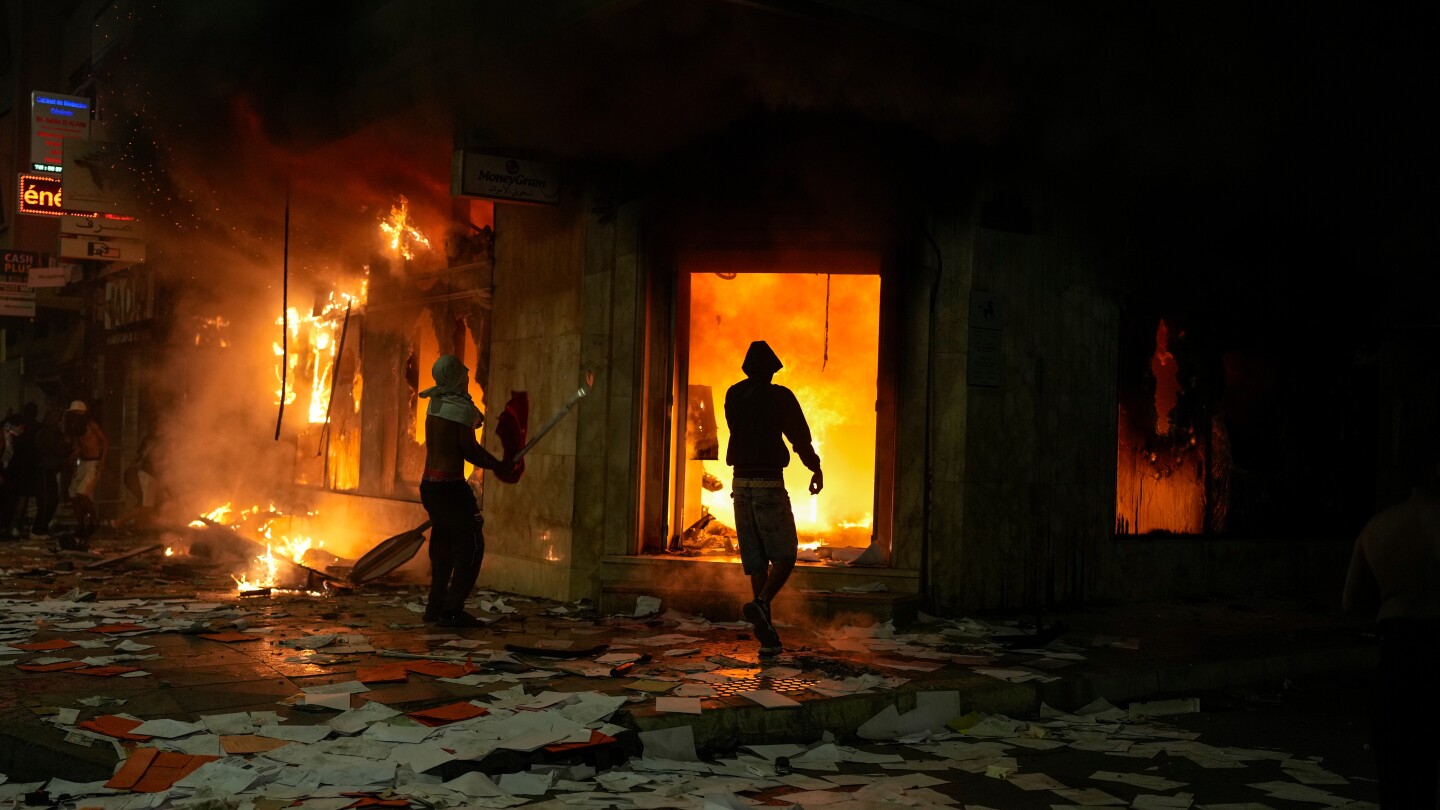
Morocco’s youth-led protests demand better schools and hospitals, prime minister resignation
For the sixth consecutive night, youth-led demonstrations swept across Morocco, with protesters demanding improved public services and the resignation of Prime Minister Aziz Akhannouch. The unrest, which began peacefully, turned violent on Wednesday when police fatally shot three individuals in Leqliaa, a town near Agadir. Authorities claimed the victims were attempting to seize police weapons, though witnesses have yet to corroborate this account. The protests, organized by the Gen Z 212 movement, have spread to over a dozen cities, including Casablanca, with participants decrying corruption and inadequate funding for schools and hospitals. Despite the government’s pledge to engage in dialogue, tensions remain high as demonstrators contrast the billions spent on World Cup preparations with the dire state of public infrastructure. The recent deaths of eight women in an Agadir hospital have further fueled outrage over the declining health system. As Morocco prepares to host the Africa Cup of Nations and approaches its 2026 parliamentary elections, the protests highlight deep-seated regional disparities and widespread disillusionment. Over 1,000 arrests have been reported, with human rights groups condemning the use of force. The Gen Z 212 movement has urged peaceful demonstrations, but clashes continue to erupt, particularly in underdeveloped regions. These protests echo similar unrest in countries like Nepal, Kenya, and Madagascar, underscoring a global wave of youth-led activism.
-
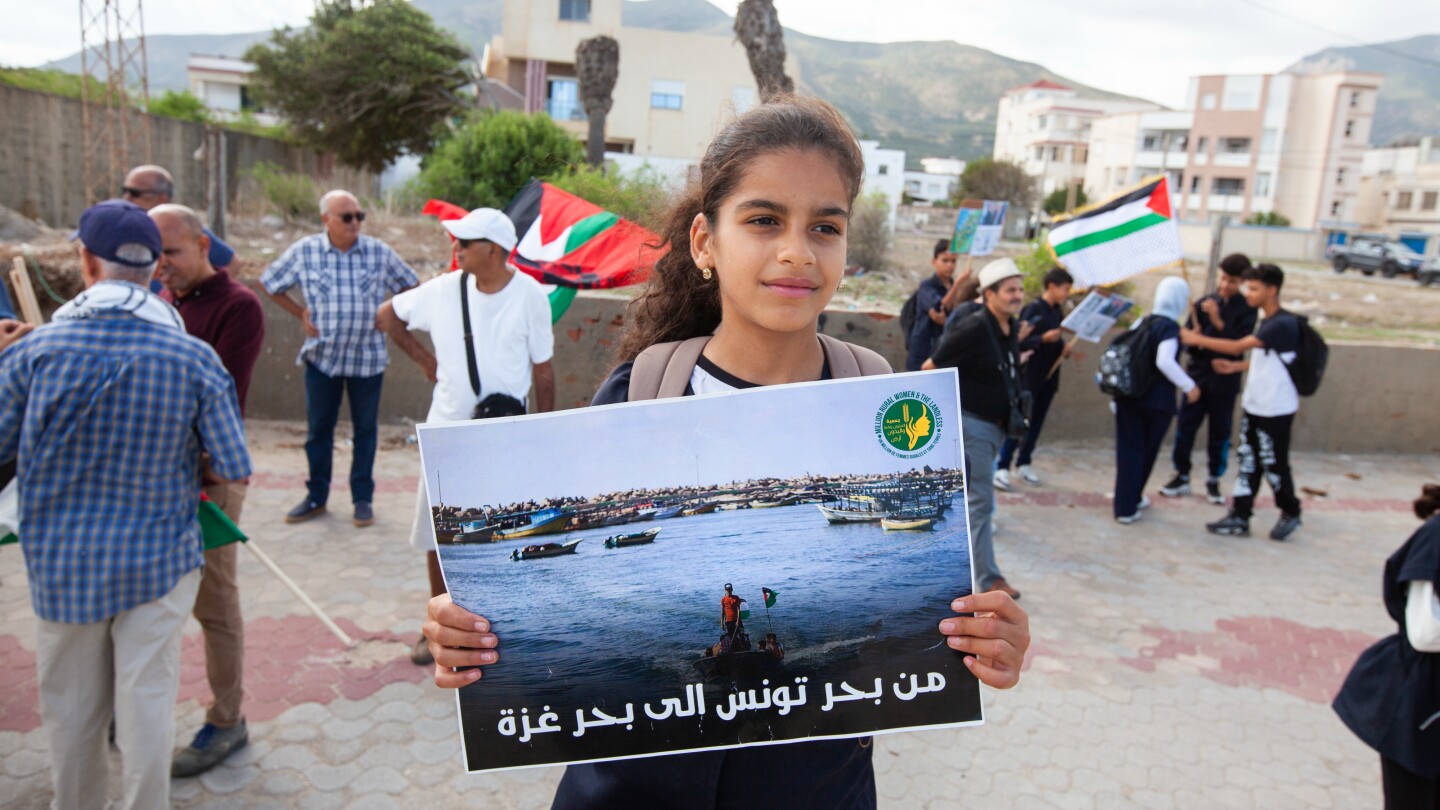
Tunisians remember the Israeli strike that bound their fate with Palestinians 40 years ago
HAMMAM CHOTT, Tunisia (AP) — Four decades after Israeli warplanes struck the Palestine Liberation Organization’s (PLO) headquarters outside Tunis, the memories of the attack remain vivid for Tunisians like Jamel Bahrini, a first responder who witnessed the devastation firsthand. The 1985 airstrike, Israel’s longest-range operation at the time, killed 68 people and injured over 100, leaving an indelible mark on Tunisia’s collective consciousness. Today, as the Israel-Hamas war in Gaza intensifies, the 1985 attack serves as a poignant reminder of Tunisia’s enduring solidarity with the Palestinian cause. Bahrini, now 62, recalls the harrowing scene of bodies hanging from trees and blood-soaked rubble, a testament to the brutality of the strike. The attack, codenamed “Operation Wooden Leg” by Israel, was justified as retaliation for the killing of three Israelis in Cyprus, a claim the PLO denied. Tunisians, however, view it as a violation of their sovereignty and a turning point in their connection to the Palestinian struggle. The recent commemoration ceremony in Hammam Chott saw mourners carrying posters linking the 1985 strike to the current conflict in Gaza, with slogans like “From the sea of Tunisia to the sea of Gaza.” The event underscored the deep-rooted anger toward Israel, fueled by recent incidents such as the interception of the Global Sumud Flotilla, which aimed to deliver humanitarian aid to Gaza. Tunisians, along with others across North Africa, have rallied in support of Palestinians, staging protests and boycotts. The 1985 attack, which narrowly missed PLO leader Yasser Arafat, continues to shape perceptions of Israel in Tunisia, raising questions about the long-term impact of its military strategies. As Bahrini aptly put it, “We are not merely a people showcasing solidarity, but we share a common cause.”
-
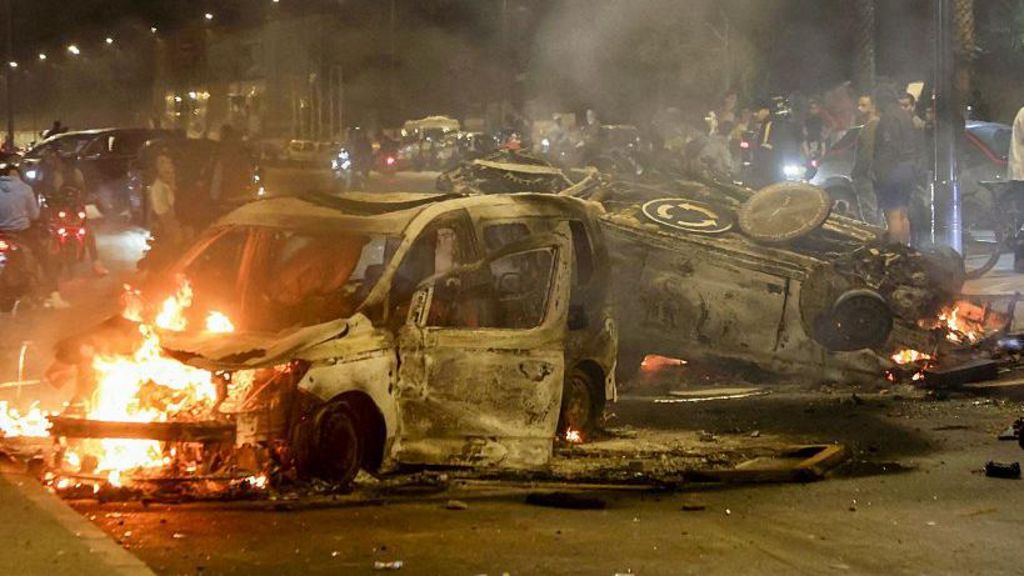
First killings in Morocco since Gen Z protests erupted
Morocco has been engulfed in widespread unrest as youth-led protests against economic hardship and government priorities turned violent, resulting in at least two fatalities. The clashes erupted after police opened fire to prevent demonstrators from storming a police station in Lqliaa, near Agadir, according to state media. This marks the first deaths since protests began on Saturday, fueled by anger over the government’s decision to allocate resources to building football stadiums for the 2030 FIFA World Cup instead of addressing public services and the economic crisis. Protesters have been chanting slogans like, ‘Stadiums are here, but where are the hospitals?’ highlighting their frustration with deteriorating healthcare and living conditions. One protester from Oujda described local hospitals as ‘jails,’ citing corruption and unsanitary conditions. The unrest has spread to major cities, including Rabat, Casablanca, Tangier, and Marrakech, where a police station was reportedly set ablaze. Authorities have detained 409 individuals, while over 260 police officers and 20 protesters were injured. The youth-led movement, known as GenZ 212, has distanced itself from the violence, organizing primarily through social media without formal leadership. Morocco’s unemployment rate stands at 12.8%, with youth unemployment reaching 35.8%, exacerbating tensions. The government has expressed willingness to engage in dialogue, praising security forces for their ‘balanced reaction.’ This uprising mirrors similar youth-led protests in Nepal, Indonesia, the Philippines, and Madagascar, where governments have faced significant pressure to address public discontent.
-
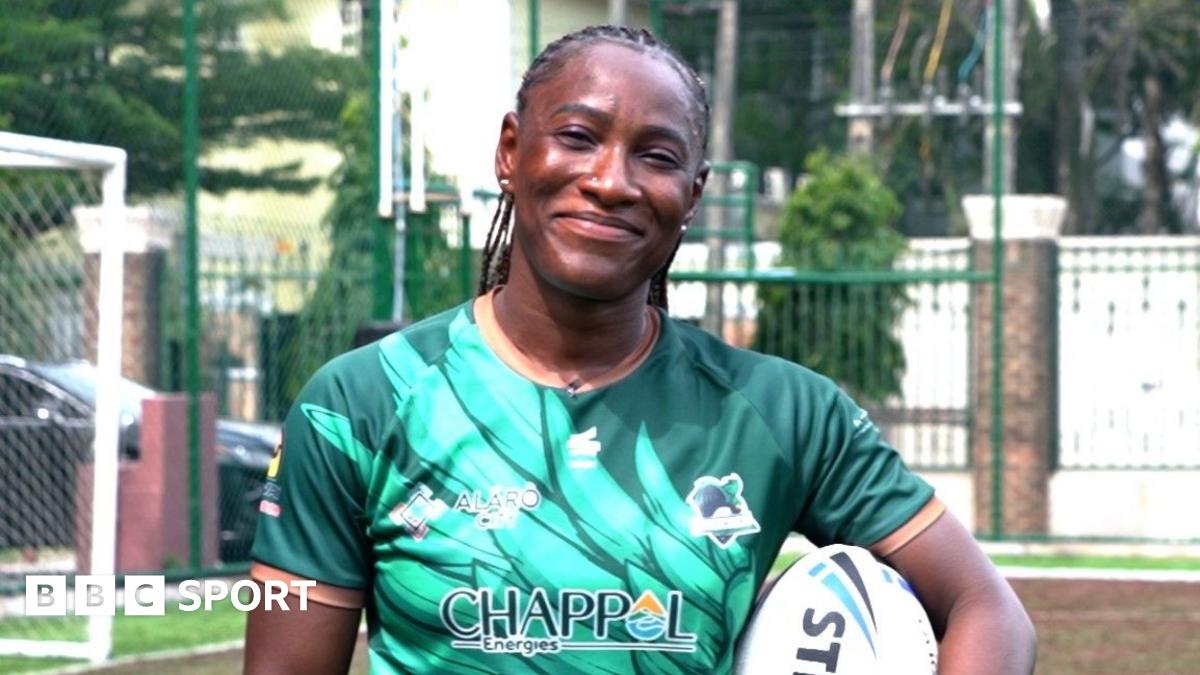
The personal trainer hoping to help Nigeria to first World Cup
Rachel Iliya, a 23-year-old Nigerian rugby league player, has become a beacon of hope for her nation as the Green Falcons aim to make history by qualifying for the 2026 Women’s Rugby World Cup. Iliya, who only took up the sport last year, scored two tries on her international debut against Kenya in a World Cup play-off, showcasing her immense potential. Her journey from working as a part-time cleaner to becoming a national team star is a testament to her resilience and determination.
-

Kenyan activists abducted in Uganda, opposition leader says
Two Kenyan human rights activists, Bob Njagi and Nicholas Oyoo, have mysteriously disappeared in Uganda after allegedly being abducted by armed men during an opposition campaign event led by Bobi Wine. The incident occurred at a petrol station, where the activists were reportedly seized in what Bobi Wine described as a ‘mafia-style’ operation. The Ugandan opposition leader, whose real name is Robert Kyagulanyi, is a prominent presidential candidate challenging the long-standing rule of President Yoweri Museveni, who has been in power since 1986. Bobi Wine condemned the abduction, accusing the Ugandan government of targeting the activists for their association with him and their support for his political cause. Kenyan police spokesperson Michael Muchiri stated he was unaware of the incident, while Ugandan authorities have yet to comment. Witnesses reported that four armed men forced the activists into a vehicle and drove away, leaving their whereabouts unknown. Njagi, who had previously been abducted in Kenya last year, and Oyoo, the secretary general of the Free Kenya Movement, were actively participating in Bobi Wine’s campaign before their disappearance. This incident echoes a pattern of abductions and detentions targeting political dissidents across East Africa, raising concerns about regional governments collaborating to suppress opposition voices. Earlier this year, Kenyan activist Boniface Mwangi and Ugandan activist Agather Atuhaire were detained in Tanzania under similar circumstances. The recurring pattern of such incidents has sparked widespread condemnation and fears of a coordinated effort to silence dissent in the region.
-
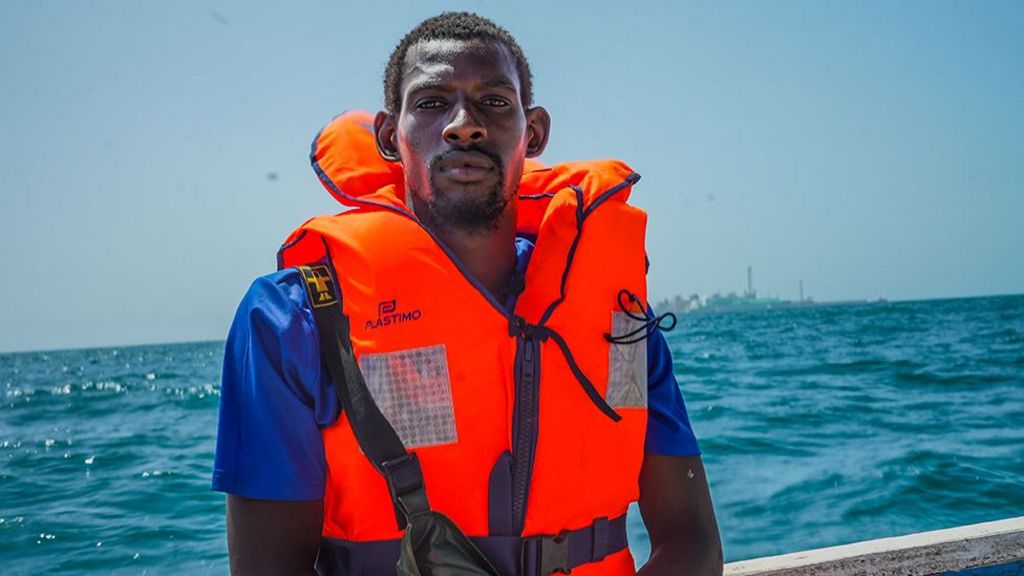
‘We only have the sea to live on’ – Senegal’s fishermen blame gas plant for dwindling catch
In Senegal’s northern city of Saint-Louis, traditional fishermen like Gora Fall face a daily battle between hope and despair. Once a thriving fishing hub, Saint-Louis now grapples with the economic and environmental repercussions of the Greater Tortue Ahmeyim (GTA) gas project, a joint venture led by British multinational BP, alongside Kosmos Energy and national oil companies of Senegal and Mauritania. The project, which began operations in 2017, has imposed a 500-meter exclusion zone around its offshore platform, severely limiting access to rich fishing grounds. For Fall and many others, this has meant dwindling catches and a struggle to make ends meet. ‘Before, we worked to live, but now we just work to survive,’ laments the 25-year-old fisherman. The restrictions have compounded existing challenges, including competition from international trawlers and rising costs. Women in the fish processing industry, traditionally a female-dominated sector, are also feeling the pinch. Diamol Sène, a mother of 10, notes that many women have lost their jobs as fish become scarcer and more expensive. BP defends its practices, citing safety zones as standard procedure and emphasizing its commitment to responsible operations. However, promises to build artificial reefs as compensation have yet to materialize, leaving fishermen disillusioned. The project has also raised environmental concerns, particularly after a gas leak in February 2025, which BP downplayed as ‘negligible.’ Despite government assurances of economic benefits, the local fishing community remains skeptical, accusing authorities of prioritizing corporate interests over their livelihoods. As fishermen like Fall consider abandoning their centuries-old trade, the future of Saint-Louis’ fishing industry hangs in the balance.
-

Jane Goodall, the celebrated primatologist and conservationist, has died
Jane Goodall, the iconic primatologist and conservationist whose groundbreaking research redefined humanity’s understanding of chimpanzees, has died at the age of 91. The Jane Goodall Institute confirmed her passing on Wednesday, attributing it to natural causes during a speaking tour in California. Goodall’s immersive studies in Tanzania during the 1960s revealed that chimpanzees use tools, possess distinct personalities, and exhibit complex emotional and social behaviors—discoveries that blurred the line between humans and animals. Her work not only revolutionized primatology but also inspired global conservation efforts. Goodall’s influence extended beyond academia, as she became a beloved public figure through documentaries, television appearances, and worldwide lectures. Her legacy includes decades of advocacy for environmental protection, animal rights, and humanitarian causes. Tributes poured in from global leaders, including UN Secretary-General António Guterres, who hailed her as a ‘Messenger of Peace.’ Despite the grim realities of the climate crisis, Goodall remained a beacon of hope, urging action and optimism for the future. Her life’s work continues to inspire millions to protect the natural world.
-

At least 30 die after Ethiopia church scaffolding falls
A devastating incident unfolded in Ethiopia as scaffolding collapsed at the Arerti Mariam church in the central Minjar Sheknora area, resulting in the deaths of at least 30 people and injuring over 200 others. The tragedy occurred during an annual Orthodox Christian celebration of St Mary, which had drawn thousands of worshippers to the site. Local police inspector Ahmed Gebeyehu confirmed the incident to BBC Amharic, warning that the death toll could rise further. The victims, aged between 25 and 80, were part of a large crowd gathered for the religious event. The Ethiopian government, through a statement shared by the state-run Ethiopian Broadcasting Corporation (EBC), expressed its ‘deep condolences for the damage caused by the collapse of the scaffolding.’ The statement also emphasized the critical need for prioritizing safety in all construction projects. This incident highlights the ongoing challenges in enforcing health and safety regulations in Ethiopia, where construction disasters remain a recurring issue. The collapse has cast a shadow over what was meant to be a joyous religious occasion, leaving the community in mourning and raising urgent questions about construction standards and oversight.
-

Sudanese city under siege: ‘My son’s whole body is full of shrapnel’
The city of el-Fasher in Sudan’s Darfur region has become the epicenter of a brutal conflict as the paramilitary Rapid Support Forces (RSF) tighten their grip on the area. For 17 months, the RSF has besieged the city, which lies in their ethnic heartland, and recent weeks have seen significant advances toward key military sites. The conflict, which erupted in 2023 following a power struggle between the RSF and the Sudanese Armed Forces (SAF), has left tens of thousands of civilians trapped in a living nightmare.