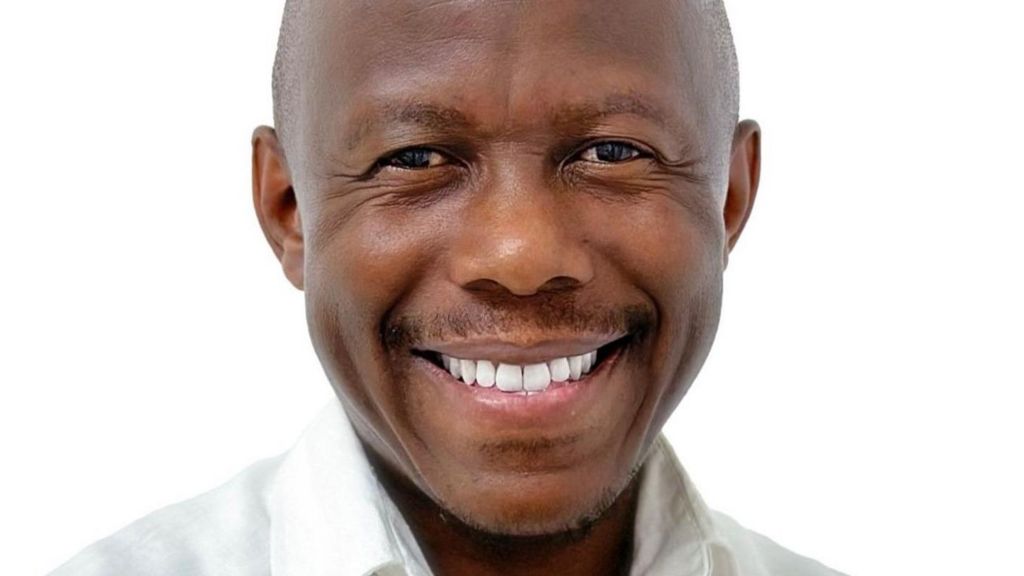
A former Tanzanian ambassador and vocal critic of the government, Humphrey Polepole, has reportedly been abducted under mysterious circumstances, according to his family. The incident allegedly took place in the early hours of Monday at his residence in Dar es Salaam. His younger brother, Godfrey Polepole, described the scene as harrowing, with the door broken, electric wires severed, and significant bloodstains evident. Disturbing videos of the incident have since circulated online. The family has formally reported the matter to the authorities. Dar es Salaam’s police chief, Jumanne Muliro, confirmed that the incident is under investigation but appeared skeptical, noting that Polepole often claimed to be abroad. National police spokesperson David Misime also acknowledged the reports and stated that an investigation is underway. Polepole resigned from his ambassadorial position earlier this year after publicly denouncing the government for what he perceived as a disregard for justice, the rule of law, and constitutional principles. His diplomatic status was subsequently revoked by President Samia Suluhu Hassan. This incident has sparked widespread concern, particularly in light of Tanzania’s recent warnings about social media use and the circulation of videos calling for military action.
标签: Africa
非洲
-
Tanzania issues social media warning after video calls for military ‘action’
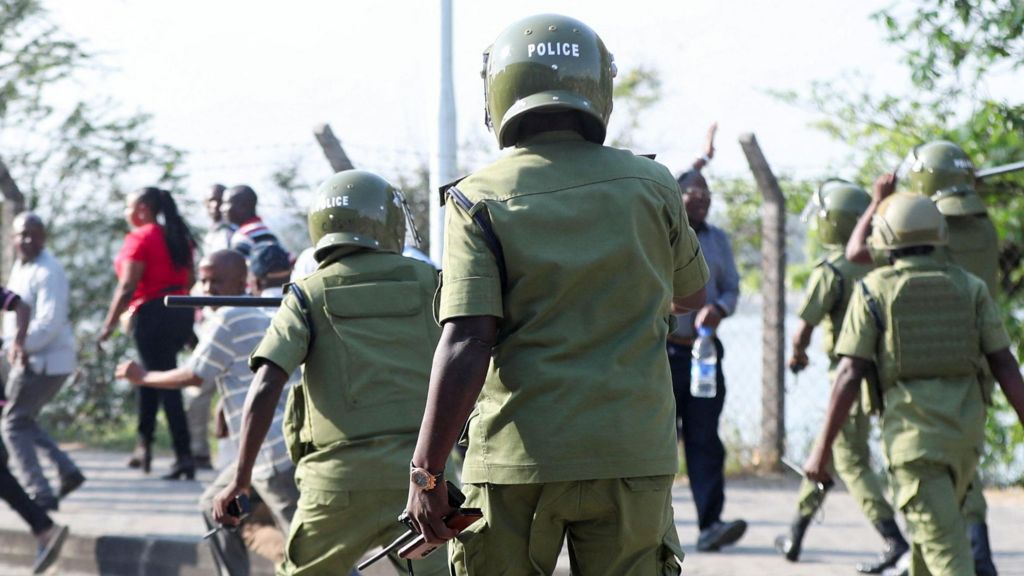
Tanzanian authorities have issued stern warnings against the misuse of social media to disseminate misinformation, particularly in the wake of a viral video featuring an individual claiming to be a military officer criticizing the government. The video, which has been widely circulated, comes just three weeks before the country’s general elections, adding to the already tense political climate. The self-proclaimed ‘Capt Tesha’ from the air force accuses the government of corruption, human rights violations, and political interference within the military. He calls on military chief Jacob Mkunda to take action to unite the country and protect citizens’ rights, while also encouraging Tanzanians to demand their rights and stage demonstrations. The authenticity of the video remains unverified, as the military has not confirmed the identity of the individual, and the BBC has been unable to verify his claims. In response, the military has emphasized its commitment to maintaining professionalism and staying out of politics. Military spokesman Col Bernard Masala Mlunga stated that such content is often posted by individuals falsely claiming military affiliation or those dismissed for misconduct. Meanwhile, Tanzanian police have warned that sharing ‘criminal and inflammatory’ information on social media is a punishable offense, vowing to track down and prosecute those responsible. Opposition activists have seized on the video, interpreting it as a sign of military support for their cause. The political environment remains fraught, with President Samia Suluhu Hassan seeking re-election under the ruling Chama Cha Mapinduzi (CCM) party. The main opposition party, Chadema, has been barred from participating in the elections, and its leader, Tundu Lissu, remains detained on treason charges that human rights groups allege are politically motivated. Critics of the government have increasingly faced repression, raising concerns about the fairness and transparency of the upcoming elections. Civil society groups and journalists have also reported heightened government control over media and public gatherings, further intensifying the political tension.
-

Who can still claim Africa’s spots at 2026 World Cup?
The race for the 2026 FIFA World Cup spots in Africa is heating up as the group stage of the qualifiers approaches its climax. With seven places available, the competition is fierce, and only the nine group winners are guaranteed a spot in the expanded 48-team tournament. Morocco and Tunisia have already secured their places, while other teams are fighting tooth and nail to join them. Cape Verde is on the verge of making history with their first-ever World Cup appearance, needing just one more victory. Egypt and Algeria are also in strong positions, with three points from their next two games likely securing their spots. The four best-ranked second-placed teams will enter play-offs next month, with the winners getting another chance to qualify via an intercontinental route. Continental heavyweights like Cameroon and Nigeria are in danger of missing out, adding to the drama. Egypt has a five-point lead over Burkina Faso and is expected to secure qualification with a win against Djibouti. Burkina Faso, Senegal, and DR Congo are also in the mix, with Senegal holding a one-point lead in Group B. South Africa’s chances took a hit after FIFA ruled they fielded an ineligible player, turning a 2-0 win into a 3-0 forfeit. Cape Verde’s shock victory over Cameroon has put them in a strong position, while Morocco has already qualified with two games to spare. Ivory Coast, Gabon, Algeria, and Tunisia are also in strong positions, with Ghana leading their group. The final rounds of qualifiers promise to be thrilling, with much still to be decided.
-
10 more deportees from the US arrive in the African nation of Eswatini
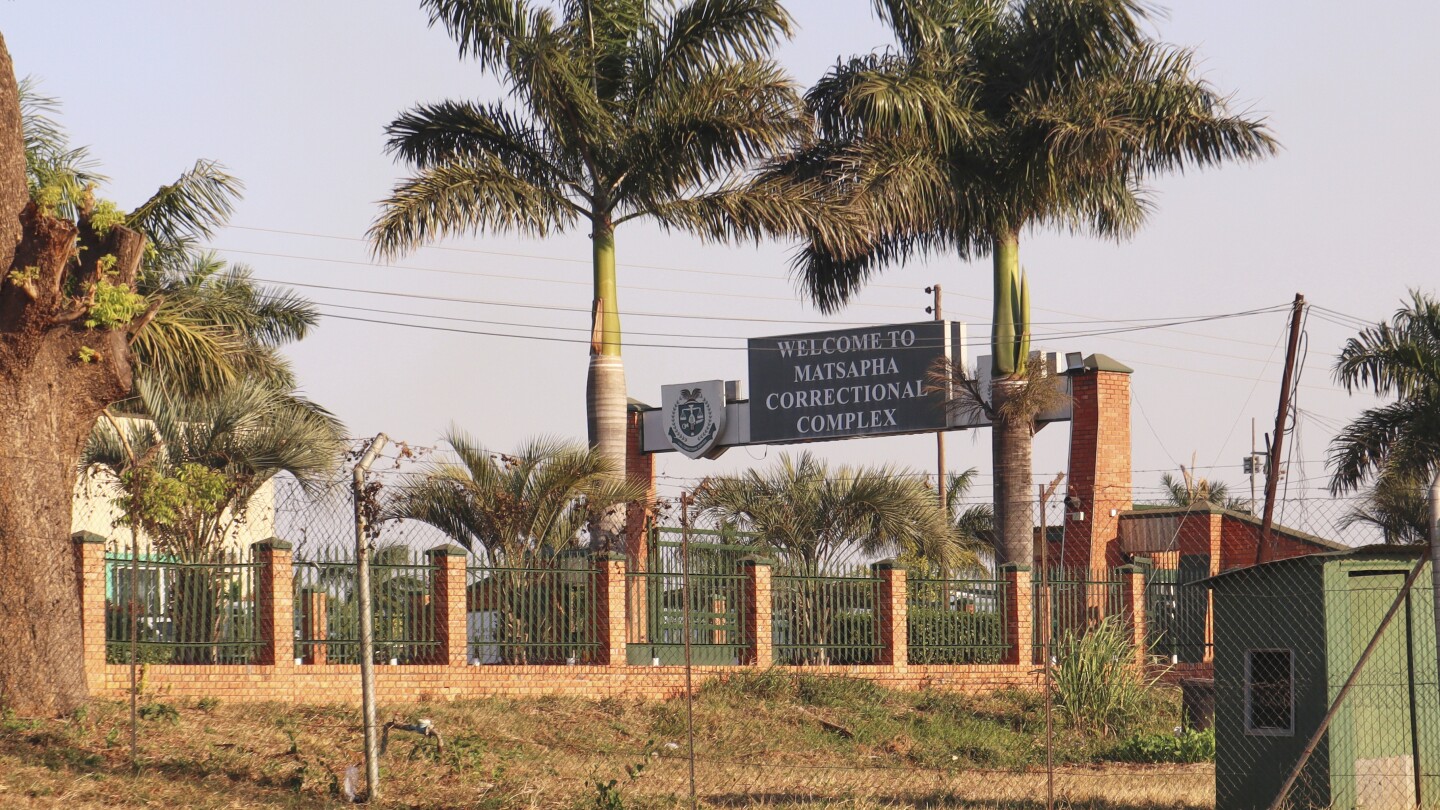
In a contentious move, a group of 10 migrants deported from the United States arrived in the African nation of Eswatini early Monday, according to local authorities. This marks the latest wave of deportations under a controversial program initiated by the Trump administration, which has struck largely undisclosed agreements with at least five African nations to accept migrants under its third-country deportation initiative. Rights groups and activists have vehemently opposed the program, citing concerns over due process and humane treatment.
-
Selfies and singing as Ethiopians celebrate thanksgiving
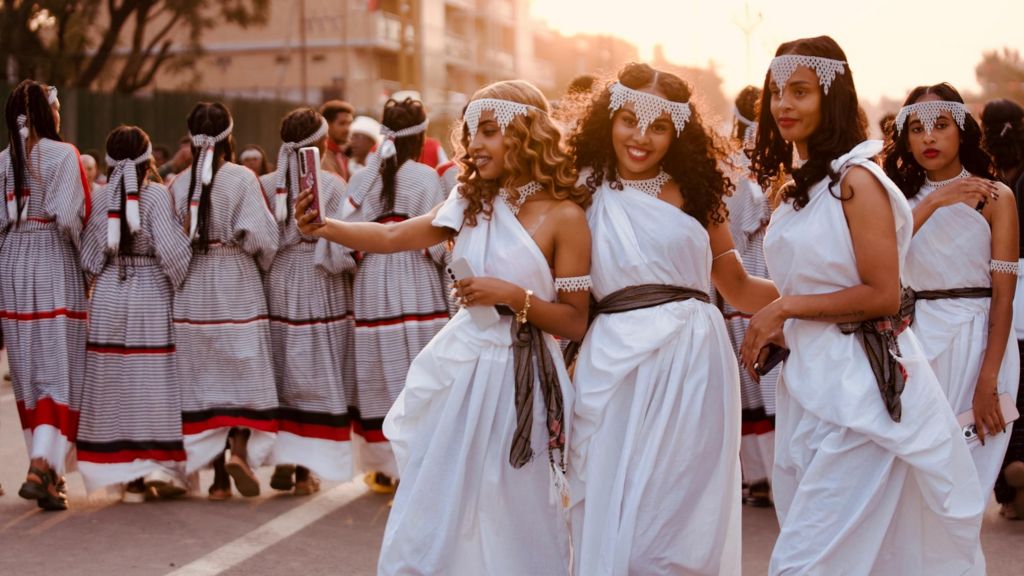
This weekend, the streets of Addis Ababa came alive with the vibrant colors and joyous energy of Ethiopia’s annual Irreecha festival. Tens of thousands of Ethiopians, predominantly from the Oromo ethnic group, gathered to celebrate this traditional thanksgiving event, marking the end of the country’s main rainy season. The festival, deeply rooted in indigenous faith systems, has evolved into a unifying cultural phenomenon that transcends religious and geographical boundaries. Attendees, adorned in elaborate traditional attire and jewelry, gathered around sacred rivers and lakes to express gratitude for the life-giving rains that have transformed the landscape. The air was filled with singing, dancing, and the sharing of stories, while freshly cut grass and flowers were placed in water as symbols of renewal and hope. This year’s celebration was particularly notable for its peaceful and inclusive atmosphere, a stark contrast to past years when the festival was marred by political tensions. The Oromo people, Ethiopia’s largest ethnic group, have historically faced political and economic marginalization, but this year’s Irreecha emphasized unity and cultural pride. The festival’s growing popularity has been fueled in part by social media, with young people documenting their experiences and showcasing the event’s vibrant traditions to a global audience. Among the attendees was Claire from Belfast, Northern Ireland, who returned with her children after being captivated by the festival’s beauty and warmth last year. ‘It is amazing,’ she remarked. ‘Everybody wants to say hello, everyone wants to give you a kiss and say welcome.’ The first day of the festival took place in Addis Ababa, followed by celebrations in Bishoftu, a small town just outside the capital. Irreecha continues to serve as a powerful reminder of Ethiopia’s rich cultural heritage and the resilience of its people.
-
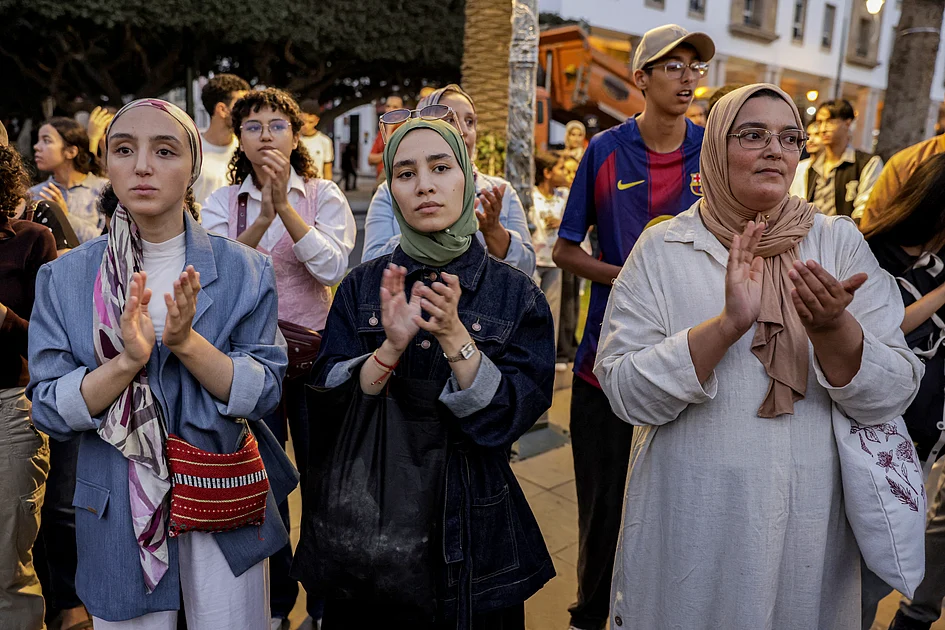
Photos: Morocco sees eighth straight day of youth protests
Morocco has witnessed an unprecedented wave of youth-led protests for the eighth consecutive day, as thousands of young demonstrators took to the streets across the nation to demand significant improvements in public health and education services. The protests, organized by the online collective GenZ 212, have challenged the perception of Moroccan youth as politically apathetic and have highlighted growing discontent with social inequalities and corruption. The group, which operates primarily on the web platform Discord, has mobilized its 180,000 members to stage peaceful rallies in 14 cities, including Tetouan, Casablanca, and Rabat. Demonstrators have been chanting slogans such as ‘The people want an end to corruption’ and ‘Freedom, dignity, and social justice,’ reflecting their broader demands for systemic reforms. The protests gained momentum following reports of the deaths of eight pregnant women at a public hospital in Agadir, which activists cite as evidence of the healthcare system’s failures. While the gatherings have been largely peaceful, isolated incidents of violence have occurred, including a confrontation in the village of Lqliaa that resulted in three fatalities. GenZ 212 has emphasized its commitment to nonviolence and continues to call for the resignation of Prime Minister Aziz Akhannouch, whose term ends next year. The protests mark a significant shift in Morocco’s political landscape, as young people take a more active role in advocating for change.
-
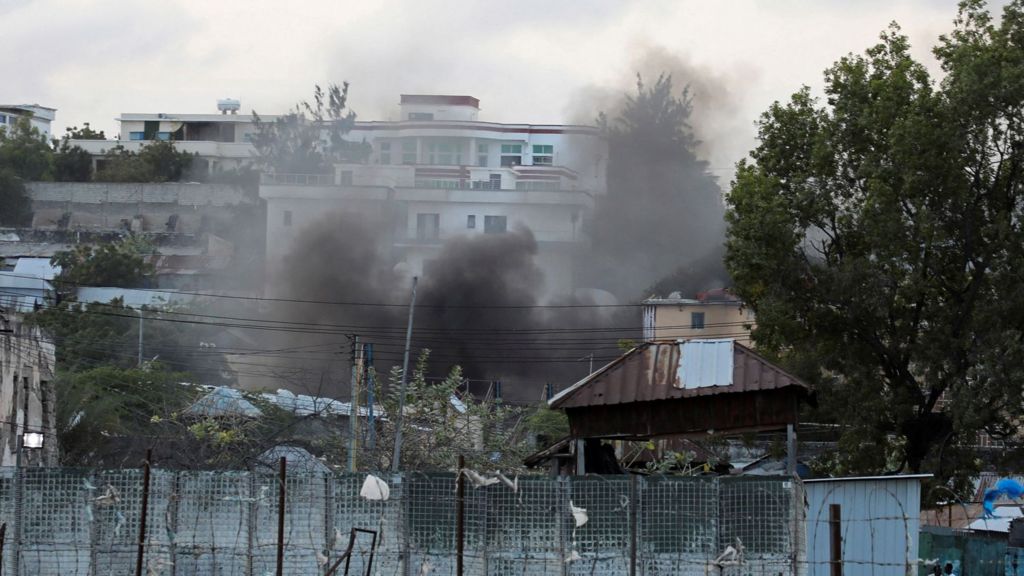
Al-Shabab militants dress as soldiers to storm Somali jail
A daring assault by seven al-Shabab militants on a high-security prison in Mogadishu, Somalia, culminated in the death of all attackers, according to the Somali government. The incident unfolded on Saturday evening at Godka Jilicow, a detention facility housing al-Shabab militants, located near the presidential palace in the heart of the capital. The attack began with a massive explosion and intense gunfire, drawing immediate attention to the area. Al-Shabab claimed responsibility, stating they had freed ‘all Muslim prisoners’ and inflicted significant casualties on the guards. The militants reportedly disguised themselves as soldiers to gain access to the prison, as reported by the government-run news agency Sonna Live. While the government did not disclose the number of security personnel killed, it expressed condolences to the families of ‘the fallen heroes.’ The attack raises serious questions about the effectiveness of security measures in one of Mogadishu’s most heavily guarded areas. Al-Shabab, an al-Qaeda-affiliated group, has been waging a violent insurgency against the Somali government for nearly two decades. The incident occurred hours after the government reopened key roads in Mogadishu, citing improved safety conditions. This attack underscores the persistent threat posed by al-Shabab and the challenges faced by Somali security forces in maintaining stability.
-

Wafcon expands to 16 teams for 2026 finals
The Confederation of African Football (Caf) has announced a significant expansion of the Women’s Africa Cup of Nations (Wafcon), increasing the number of participating teams from 12 to 16 starting from the 2026 edition. This decision marks a pivotal moment for women’s football on the continent, reflecting Caf’s commitment to fostering growth and inclusivity in the sport. The upcoming 2025 tournament in Morocco will still feature 12 teams, with the qualifying process already in its final round. However, the expansion will necessitate an additional preliminary round, where 11 nations will compete for the remaining four spots. Further details are expected to be unveiled following discussions at Caf’s executive committee meeting in Kinshasa. Since its inception in 1998, Wafcon has evolved from an eight-team competition to its current 12-team format, which resumed in 2022 after a hiatus due to the Covid-19 pandemic. Caf’s investment in women’s football has been substantial, with this year’s tournament in Morocco seeing a 45% increase in the prize pool to $3.45 million. Nigeria, the reigning champions, were awarded $1 million for securing their record-extending 10th title. Caf President Patrice Motsepe expressed optimism about the progress made in women’s football, emphasizing the importance of fair compensation and career opportunities for female athletes. ‘I am pleased with the progress we’ve made in women’s African football,’ Motsepe stated. ‘Part of my starting point is making sure [men and women] are paid well and they can make a career out of football. I can assure you women’s football will continue to improve because that is an area we are focusing on a lot.’
-

‘I have your nudes and everything to ruin your life’: The cyber-scammers targeting teenagers
Evan Boettler, a vibrant 16-year-old from Missouri, was described by his parents as a bright, funny teenager who loved fishing, sports, and hunting. Yet, his life was tragically cut short in January 2024 after falling victim to a sinister cybercrime known as sextortion. The ordeal began when Evan received a chilling message on Snapchat from someone he believed to be a young girl named JennyTee60. Within minutes, ‘Jenny’ coerced him into sharing explicit images and then ruthlessly blackmailed him, threatening to ruin his life. Just 90 minutes after the first message, Evan took his own life.
Sextortion, a rapidly growing online crime, preys on teenagers in the US and Europe, tricking them into sending intimate photos or videos, which scammers then use to extort money. Evan’s parents, Brad and Kari Boettler, were left devastated and searching for answers. Despite their efforts, social media platforms like Meta have refused to share crucial information without a court order, leaving the family in limbo. Law enforcement has made little progress in the two years since Evan’s death, with the only lead being an IP address traced to Nigeria.
Investigations led to Lagos, Nigeria, where sextortion has evolved into a highly organized criminal enterprise. Scammers, often young men in their 20s, operate in ‘Hustle Kingdoms’—rooms filled with individuals running scams on laptops and phones. These operations are run by leaders who take a cut of the profits, creating a cycle of exploitation. Some scammers even turn to traditional healers for rituals believed to bring wealth and protection, blending ancient practices with modern technology.
In the US, reports of sextortion to the FBI have more than doubled in the past three years, reaching 55,000 cases in 2024. Social media companies like Meta claim to be taking action, but critics argue their efforts are insufficient. Brandon Guffey, a South Carolina state representative, lost his 17-year-old son Gavin to sextortion in 2022 and has since been pushing for greater accountability from platforms like Instagram.
Despite Meta’s claims of removing 63,000 sextortion accounts linked to Nigeria in a single sweep, the scale of the problem remains staggering. For Evan’s parents, the search for justice has hit a dead end. The IP address linked to Evan’s scammer led to GloWorld, a Nigerian service provider that failed to retain user information, leaving the trail cold.
Evan’s story is a heartbreaking reminder of the devastating impact of sextortion and the urgent need for stronger protections for young people online. His parents continue to honor his memory, remembering him as ‘an amazing kid’ who was easy to parent because of his kind and loving nature.
-
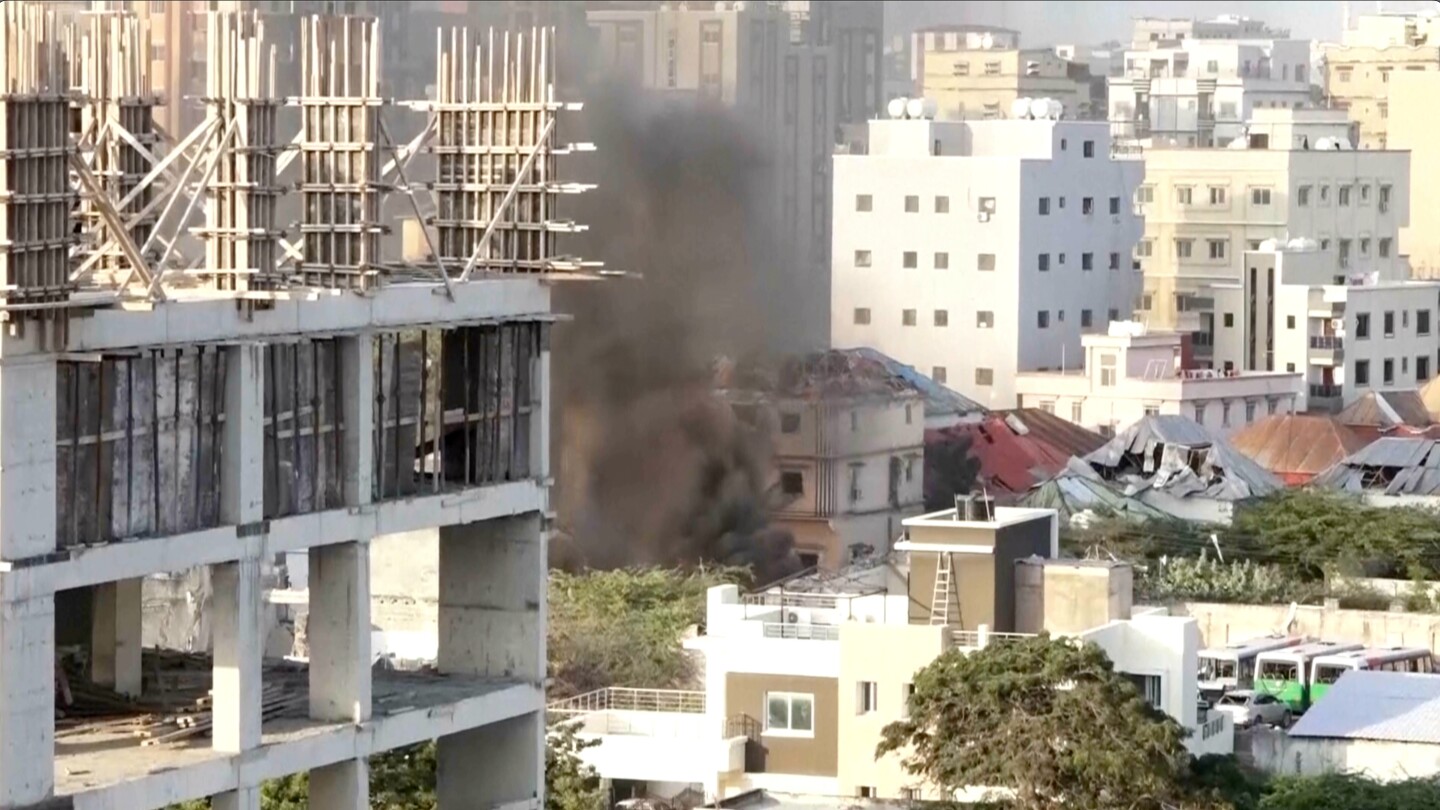
Militants attack major prison in Mogadishu hours after roadblocks lifted
Mogadishu, Somalia — A brazen assault by the al-Qaida-affiliated militant group al-Shabab targeted a high-security prison near Somalia’s presidential palace on Saturday, unleashing chaos in the capital. The attack, marked by explosions and heavy gunfire, occurred just hours after the federal government removed long-standing roadblocks in Mogadishu, a move intended to ease traffic and commerce but which may have inadvertently compromised security. Residents in the Bondhere district reported hearing blasts and witnessing thick smoke rising from the Godka Jilacow prison, which also houses the regional intelligence unit. Hibo Mohamed, a local resident, expressed widespread fear, stating, ‘The city had been calm for months, but now everyone feels anxious once more.’ Al-Shabab claimed responsibility for the attack, asserting that they had freed prisoners. Somali state media reported that the militants used a vehicle disguised as one belonging to the intelligence unit’s security forces. Government soldiers reportedly repelled the assault, killing several militants. The attack on Godka Jilacow prison is not unprecedented; in 2014, al-Shabab launched a similar assault involving a suicide car bomb and an attempted prison break, which resulted in at least a dozen fatalities. Saturday’s incident underscores the persistent threat posed by the militant group, despite recent gains by Somali forces, supported by local militias and African Union troops, in pushing al-Shabab out of central and southern regions. Security forces swiftly cordoned off the area, and ambulances rushed to the scene, though the exact number of casualties remains unclear. The timing of the attack, following the removal of roadblocks, has reignited debates about the balance between security measures and urban mobility in Mogadishu.