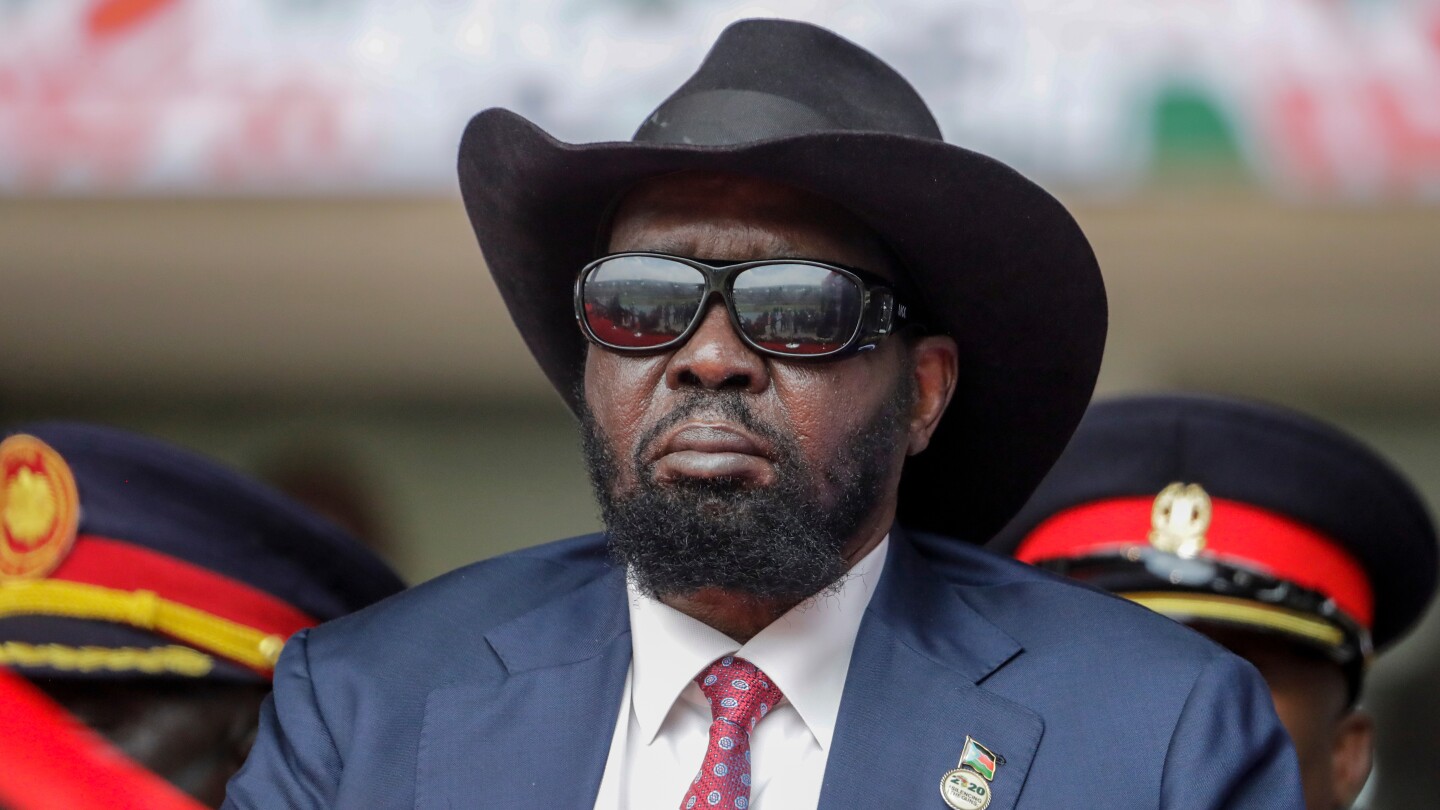
In a concerning development, the Reconstituted Joint Monitoring and Evaluation Commission (RJMEC), an international ceasefire monitoring body, has revealed that parties to South Sudan’s faltering peace agreement are actively recruiting new fighters and abducting children to participate in the ongoing conflict. This alarming trend has raised fears of a potential return to full-scale civil war in the region. The RJMEC, overseen by the regional bloc IGAD, disclosed that South Sudan’s military initiated a recruitment drive in June to enlist 4,000 forces for peacekeeping and other purposes, followed by the establishment of a new training center in August. Disturbingly, the commission also reported that all sides in the conflict have been involved in the abduction and mobilization of children, as well as incidents of sexual violence. These findings, shared with the U.N. Security Council, have intensified concerns that the government and opposition groups are preparing for further escalation. The situation is further complicated by the trial of Riek Machar, a prominent opposition leader, who faces charges of terrorism and crimes against humanity. Machar, who has been under house arrest since March, denies the allegations and has called for an independent investigation. The RJMEC has urged his release, warning that the current trajectory could lead to the collapse of the 2018 peace agreement, which has already seen multiple extensions of its transitional period. George Aggrey Owinow, RJMEC’s interim chairman, emphasized the urgent need to address these challenges to prevent a reversal of progress. Meanwhile, South Sudan’s Minister for Cabinet Affairs, Martin Elia Lomuro, sought to downplay fears, asserting that the peace process remains on track despite the mounting concerns.
标签: Africa
非洲
-
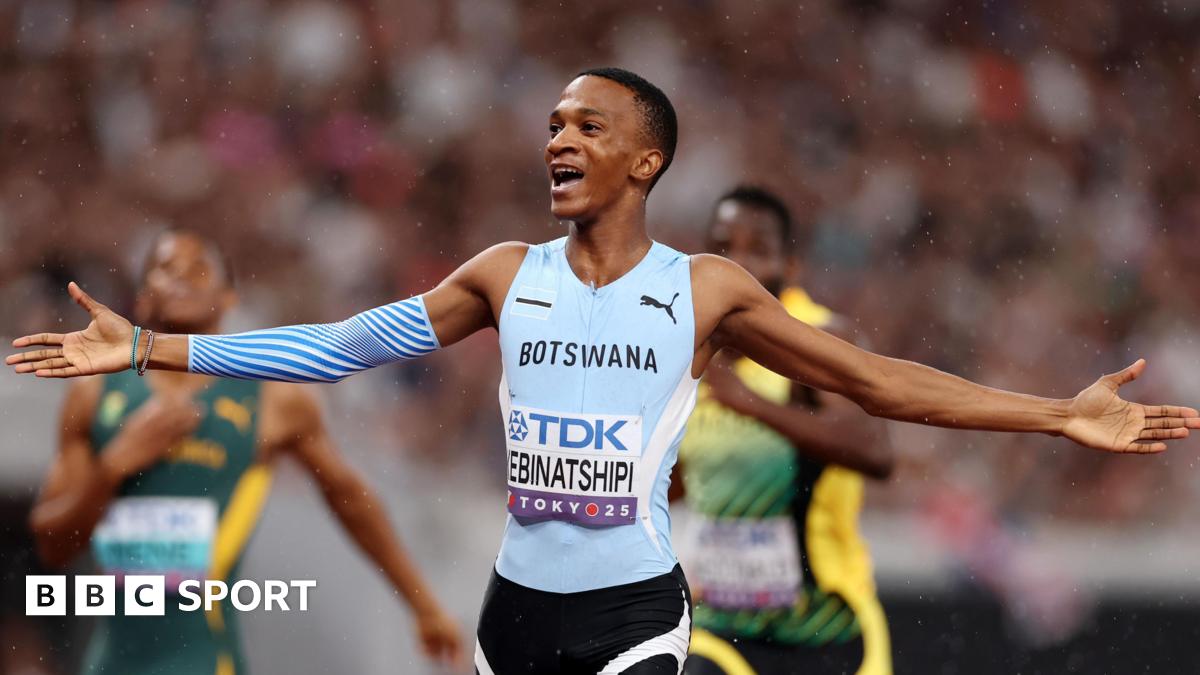
Kebinatshipi targets 400m world record after Tokyo gold
Collen Kebinatshipi, the 21-year-old sprint sensation from Botswana, has set his sights on breaking Wayde van Niekerk’s 400m world record after his historic gold medal win at the World Athletics Championships in Tokyo last month. Kebinatshipi clocked an impressive 43.53 seconds, the 10th-fastest time in history, to claim the title, becoming the first male athlete from Botswana to achieve such a feat. Van Niekerk’s world record of 43.03 seconds, set during the 2016 Rio Olympics, remains the benchmark Kebinatshipi aspires to surpass. ‘Records are meant to be broken,’ Kebinatshipi confidently stated in an interview with Newsday on the BBC World Service. ‘If I stay focused and injury-free, everything is possible.’ His victory in Tokyo was a surprise even to himself, as he had narrowly missed the Olympic final in Paris 2024. ‘My goal was just to reach the final in Tokyo,’ he admitted. ‘I didn’t expect to win a medal so soon.’ Kebinatshipi’s triumph was followed by a unique celebration—push-ups on the Tokyo track—a tribute to his compatriot Isaac Makwala, who famously performed the same act during the 2017 World Championships. Kebinatshipi’s success extended to the 4x400m relay, where he anchored Botswana to a thrilling gold medal, edging out the United States and South Africa by a mere seven hundredths of a second. The team’s victory was celebrated with a national holiday in Botswana, marking a turning point in Kebinatshipi’s career. ‘This is just the start,’ he said. ‘I have to stay focused for what’s to come in the next decade.’
-
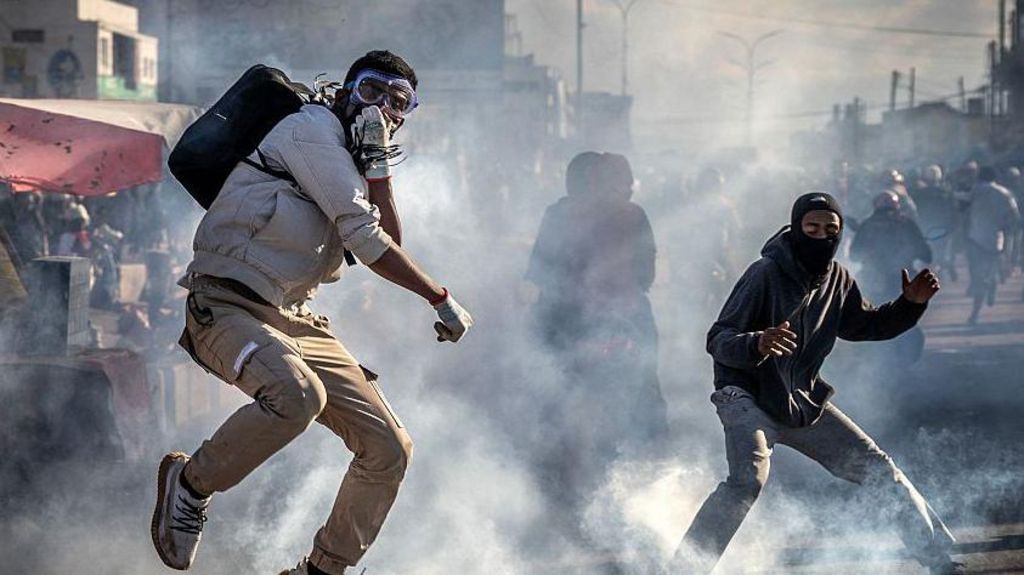
Army general named as Madagascar PM to quell Gen Z protests
Madagascar’s President Andry Rajoelina has appointed General Ruphin Fortunat Zafisambo as the new prime minister in a bid to quell ongoing youth-led protests against his administration. The decision, announced on Monday, comes amid heightened tensions and fears of a potential coup. Rajoelina described the appointment as necessary to restore order and public trust, emphasizing the need for a leader capable of saving the nation. However, the protest movement, known as Gen Z Mada, swiftly rejected the move, demanding Rajoelina’s resignation within 48 hours and vowing to continue their struggle. The protests, which began on September 25, were initially sparked by widespread anger over frequent water and power outages but have since evolved into a broader outcry against corruption and high unemployment. Last week, Rajoelina dismissed Prime Minister Christian Ntsay and his cabinet in an attempt to appease demonstrators, but the unrest has persisted. General Zafisambo, previously the director of the military cabinet in the prime minister’s office, now assumes a role that underscores the increasing militarization of the government. The UN has reported at least 22 deaths and over 100 injuries during the protests, though the government disputes these figures, labeling them as misinformation. Clashes between security forces and protesters continued on Monday in several cities, including the capital, Antananarivo, as the unrest entered its third week. Madagascar, one of the world’s poorest nations, has a history of political instability, with Rajoelina himself coming to power after mass protests in 2009. The current demonstrations represent the most significant challenge to his leadership since his re-election in 2023. With 75% of the population living below the poverty line and only a third having access to electricity, the protests highlight deep-seated economic and social grievances.
-
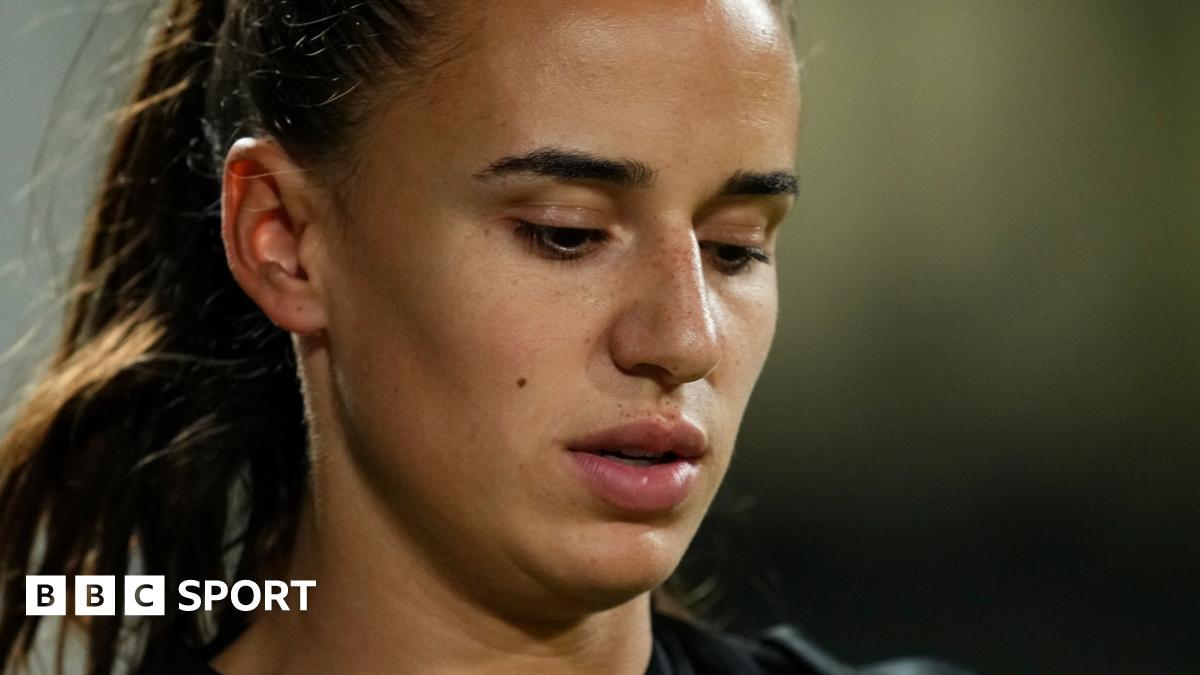
‘I deeply hurt people by moving to Saudi Arabia’
When Ashleigh Plumptre received an offer from Saudi Arabia in 2023, her initial reaction was to decline. The Nigerian international defender, whose contract with Leicester City was nearing its end, sought a new challenge that would inspire her both personally and professionally. After negotiations and a visit to the Middle East, Plumptre decided to make history by becoming the first player to transition from the Women’s Super League (WSL) to the Saudi Women’s Premier League (SWPL). Two years later, she has extended her contract with Jeddah-based Al-Ittihad and is determined to challenge Western stereotypes about life for female athletes in Saudi Arabia. However, she acknowledges the loss of trust from some LGBT fans and admits that Saudi women’s football has significant room for improvement both on and off the pitch. Born in England, Plumptre switched her international allegiance to Nigeria, the homeland of her paternal grandfather. Her decision to join Al-Ittihad, facilitated by her father and agent, Tim, was driven by a sense of opportunity rather than financial gain. The SWPL, launched in 2022, features 24 teams divided into three leagues, with clubs permitted to sign up to six foreign players. While the men’s Saudi Pro League has attracted global stars like Cristiano Ronaldo and Neymar, the women’s league is still in its infancy. Plumptre’s move sparked controversy, particularly among LGBT supporters, given Saudi Arabia’s strict laws against same-sex relations. Despite this, she emphasizes her commitment to the project and her belief in the potential for growth in Saudi women’s football. Plumptre’s experience in Saudi Arabia has been largely positive, with her feeling safer and more at ease in Jeddah than in the UK. She highlights the supportive environment within her gated community and the respectful treatment she receives. However, she acknowledges the challenges faced by Saudi women, including the lingering influence of the guardianship system. On the pitch, Plumptre notes the disparity in skill levels between international and local players and the lack of fan attendance at games. She remains optimistic about the league’s future, advocating for gradual progress and realistic goals rather than rushing to host major tournaments like the Women’s World Cup. Plumptre’s journey represents a bold step in the evolution of women’s football in Saudi Arabia, blending personal ambition with a commitment to fostering change in a traditionally conservative society.
-
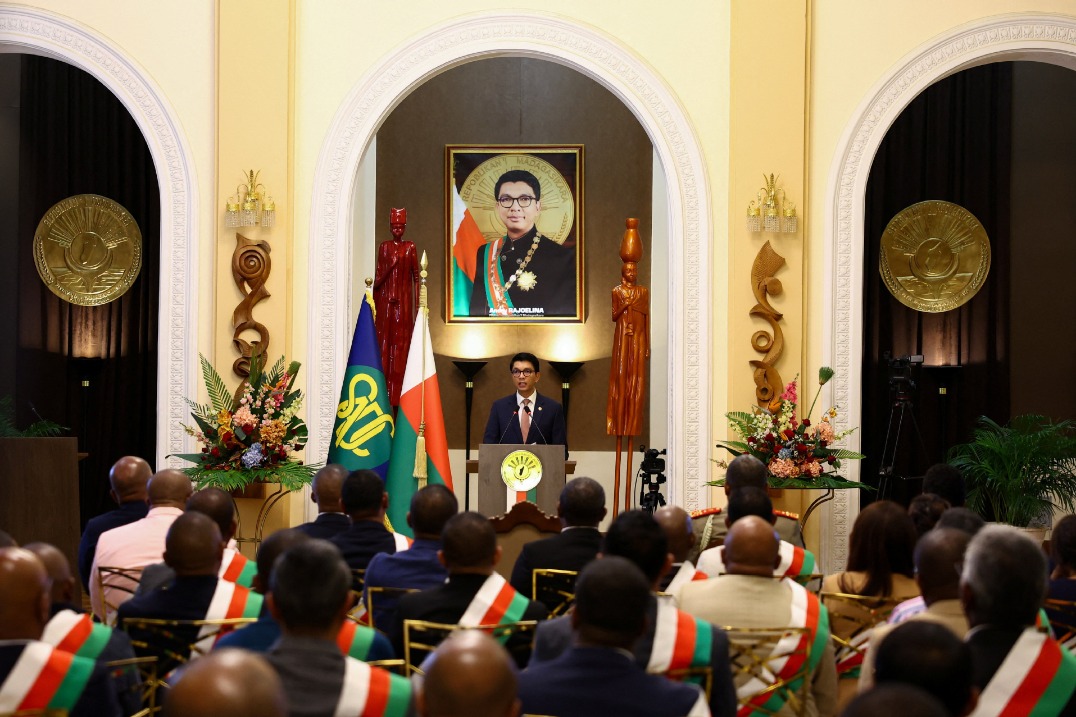
Madagascar’s president appoints new prime minister
Madagascar’s President Andry Rajoelina has appointed military general Ruphin Fortunat Zafisambo as the nation’s new prime minister, following the dissolution of the government amid widespread protests over power and water shortages. The announcement was made on October 6, 2025, at the Lavoloha Presidential Palace in Antananarivo. Rajoelina emphasized that Zafisambo’s primary mission is to restore public trust, improve living conditions, and address the country’s critical priorities. Zafisambo, who previously served as director of the military office at the Prime Minister’s Office since 2021, steps into his new role during a period of heightened instability. The government’s dissolution on September 29 came after days of violent protests in major cities, including Antananarivo, where demonstrators expressed frustration over frequent power outages and water shortages. Rajoelina acknowledged the public’s anger, stating that the new government’s absolute priority is to swiftly restore electricity and water supplies. The appointment signals a strategic move to stabilize the nation and address the urgent needs of its citizens.
-
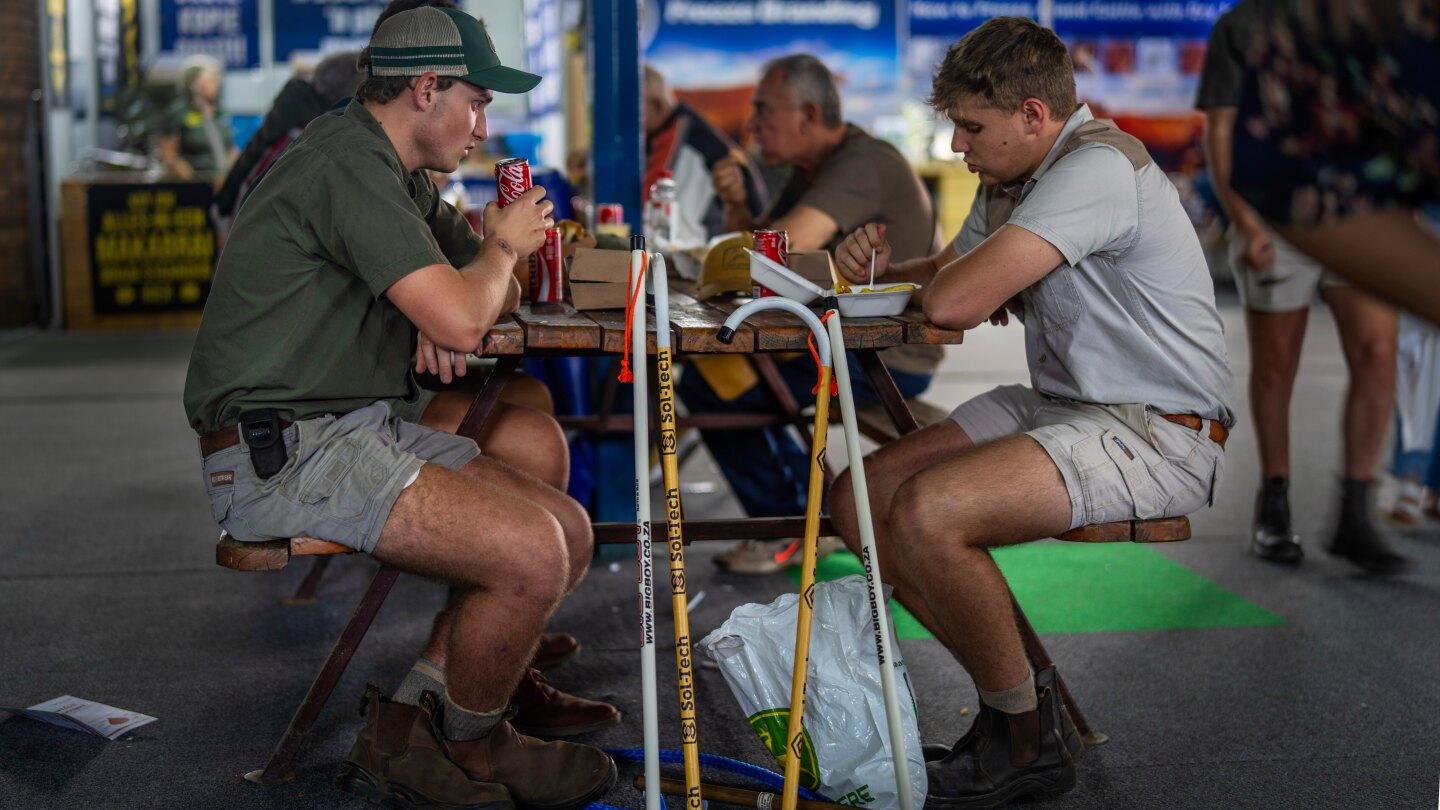
What to know about the white South Africans Trump may prioritize in new refugee quota for the US
In a controversial move, U.S. President Donald Trump is reportedly considering a significant reduction in the number of refugees admitted to the United States for the current fiscal year, with a focus on prioritizing white South Africans, particularly the Afrikaner minority. Sources indicate that the refugee intake could be slashed to as few as 7,500, a stark contrast to the 125,000 target set during the Biden administration. This shift is part of a broader strategy to address what the U.S. government describes as discrimination and violence against Afrikaners in South Africa, claims that the South African government vehemently denies, labeling them as “completely false” and based on misinformation.
The Afrikaners, descendants of Dutch and French colonial settlers, have been a focal point of U.S. policy discussions since Trump issued an executive order in February accusing the South African government of rights violations against this minority group. The order directed U.S. agencies to prioritize humanitarian relief and relocation efforts for Afrikaners under the United States Refugee Admissions Program. Earlier this year, the Trump administration launched a fast-track relocation program, which has already seen around 70 white South Africans resettled in the U.S. in May and June.
South African officials have dismissed the claims of persecution, emphasizing that violent crime affects all citizens and that land expropriation laws are aimed at redistributing unused land to poor Black South Africans. Despite these denials, conservative commentators and figures like Elon Musk have amplified the narrative of Afrikaner persecution, further complicating diplomatic relations between the two nations. The U.S. Embassy in South Africa has noted a “sizable volume of submissions” for refugee status, though exact numbers remain undisclosed.
-
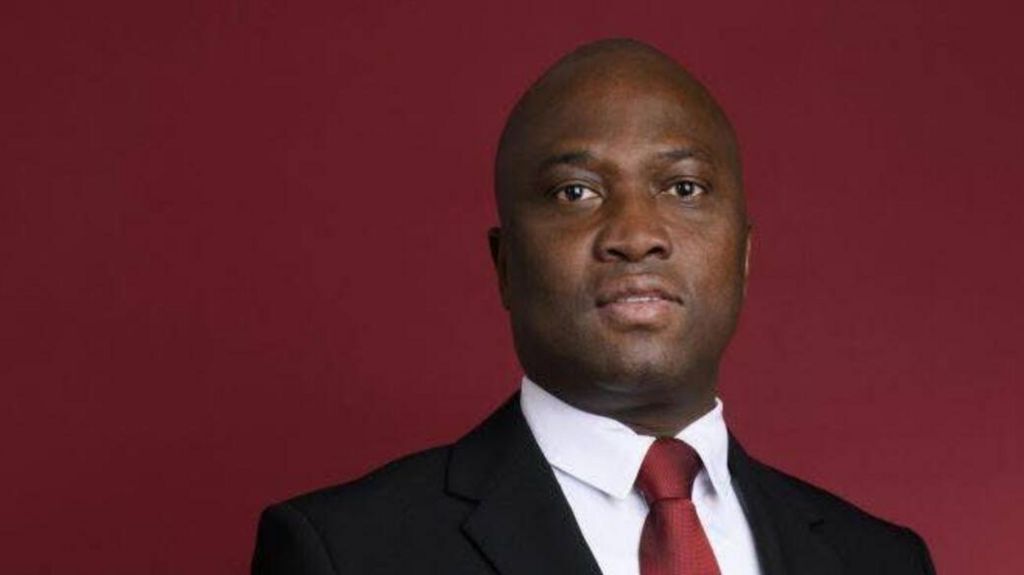
CAR president’s rival invited back from exile then detained
Dominique Désiré Erenon, a prominent critic of the Central African Republic (CAR) government and leader of the March for Democracy and the People’s Salvation (MDSP) party, has been detained by security forces upon his arrival at the country’s main airport. Erenon, who had been living in exile in France for the past three years, returned to CAR in response to President Faustin-Archange Touadéra’s public appeal for diaspora citizens to come home. His arrest has sparked widespread speculation and criticism, particularly among civil society groups and opposition supporters, who view it as part of a broader pattern of political intimidation ahead of December’s elections. Authorities have yet to disclose the reasons for his detention or any formal charges. Erenon, a former constitutional expert for the African Union and lecturer at the University of Bangui, fled to France in 2022 following an alleged abduction attempt. His party claims he returned to resume his teaching duties and engage in national political dialogue. The arrest occurs amidst increasing state control and the presence of Russian-linked mercenaries supporting the government. Erenon is currently being interrogated by the Research and Investigation Section (SRI) and is expected to face a hearing with the public prosecutor. His family is closely monitoring the situation and considering legal representation.
-
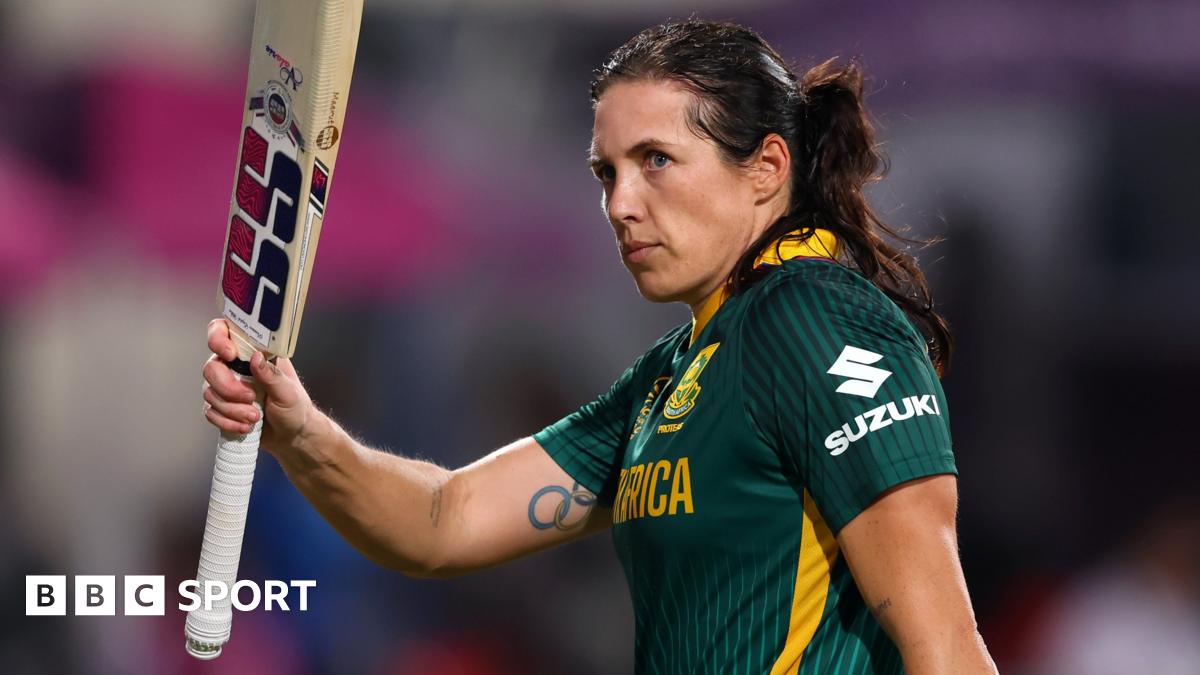
Brits century helps SA respond to England crushing
In a dramatic turnaround, South Africa secured a commanding six-wicket victory against New Zealand in the ICC Women’s World Cup held in Indore. This win marked a stark contrast to their crushing 10-wicket defeat by England just days earlier. South Africa, led by Tazmin Brits’ remarkable century, showcased resilience and skill to outclass their opponents. Brits, who scored 101 runs off 89 deliveries, played a pivotal role in the victory, supported by Sune Luus’ unbeaten 81. The Proteas chased down New Zealand’s total of 231 with ease, reaching the target in just 40.5 overs. New Zealand, despite a promising start, faltered in both batting and fielding, leading to their downfall. Sophie Devine’s 85 runs were the highlight for the Kiwis, but their inability to capitalize on key moments cost them dearly. This victory positions South Africa as strong contenders in the tournament, while New Zealand faces mounting pressure to secure a spot in the top four. The match also highlighted Brits’ exceptional form, as she became the first woman to score five ODI centuries in a calendar year. South Africa now looks ahead to their next challenge against India, while New Zealand prepares to face Bangladesh.
-
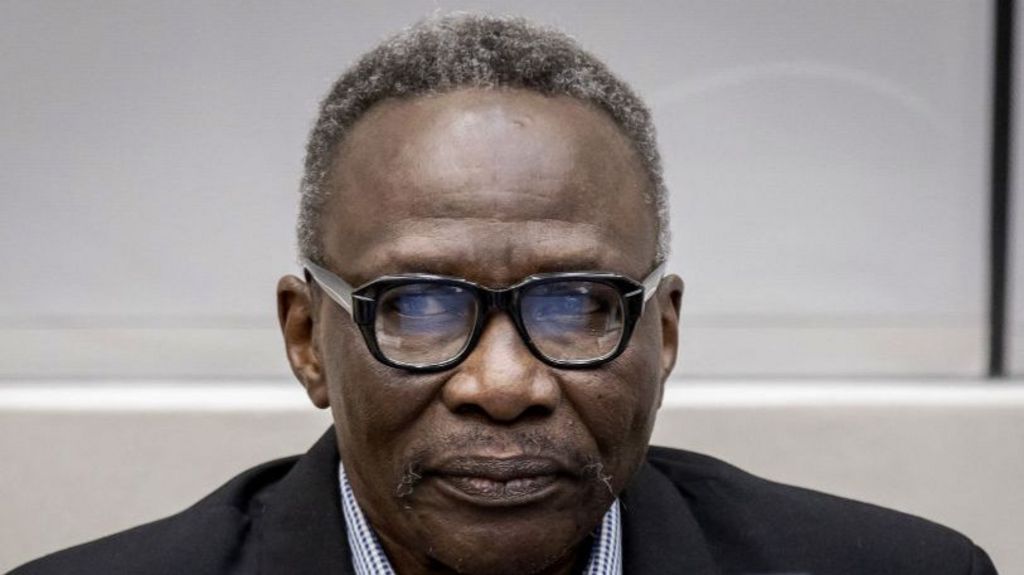
Sudan militia leader convicted of war crimes during Darfur war
Ali Muhammad Ali Abd-Al-Rahman, widely known as Ali Kushayb, has been found guilty of war crimes and crimes against humanity by the International Criminal Court (ICC). The verdict marks a historic moment as Kushayb becomes the first individual to be tried by the ICC for atrocities committed in Darfur, Sudan, over two decades ago. Kushayb led the Janjaweed, a government-backed militia notorious for its brutal campaign in Darfur, which resulted in the deaths of hundreds of thousands and widespread devastation. The conflict, which spanned from 2003 to 2020, is regarded as one of the most severe humanitarian crises in recent history. During the trial, survivors recounted harrowing experiences of village burnings, mass executions, sexual violence, and torture, all orchestrated under Kushayb’s leadership. The ICC judges convicted him on 27 counts, focusing on attacks carried out between 2003 and 2004. Despite Kushayb’s defense of mistaken identity, the court found overwhelming evidence of his pivotal role in the atrocities. The verdict has brought a sense of justice to Darfuris, many of whom waited outside the court in The Hague, Netherlands, to witness the ruling. However, the legacy of the Janjaweed persists, as many of its members have transitioned into the Rapid Support Forces (RSF), a paramilitary group now embroiled in Sudan’s ongoing civil war. The RSF has been accused by the UK, US, and human rights organizations of continuing ethnic cleansing against non-Arab communities in Darfur. Kushayb’s sentencing will be determined at a later date, but his conviction underscores the ICC’s commitment to holding perpetrators of grave crimes accountable.
-
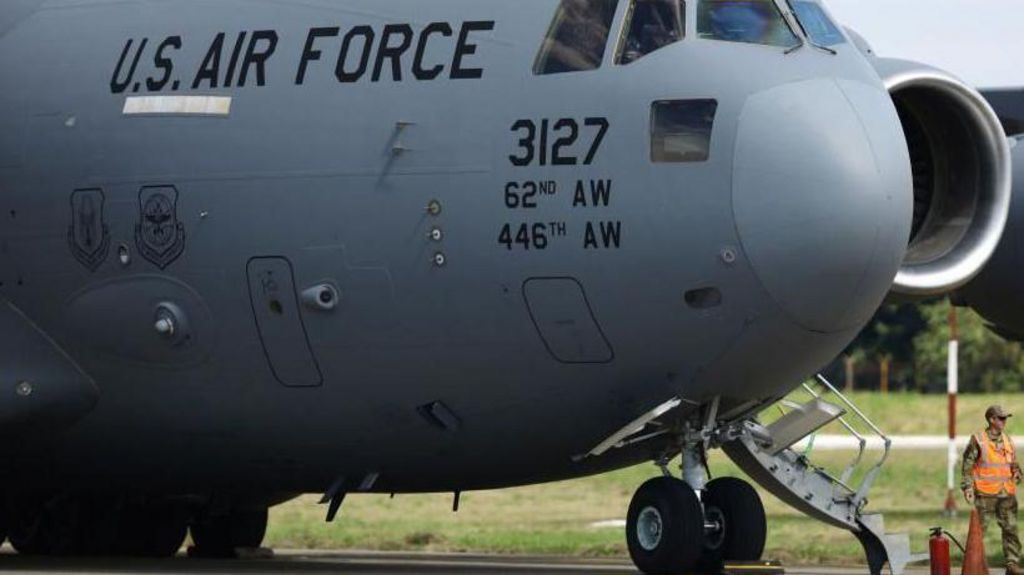
Eswatini accepts 10 US deportees despite legal challenge
The United States has deported a second group of 10 individuals to Eswatini, a small southern African nation, despite ongoing legal challenges from local rights groups. This move is part of the Trump administration’s stringent immigration policies, which have drawn significant criticism both domestically and internationally. Eswatini’s prison department confirmed that the deportees have been securely housed and pose no public threat. This follows an earlier deportation in July, where five individuals labeled by the U.S. government as ‘deprived monsters’ were sent to Eswatini. One of those deportees has since been repatriated to Jamaica, with two others expected to follow soon. The Eswatini government stated it had agreed to accept 11 deportees under a bilateral agreement with the U.S., though only 10 arrived, with no explanation provided for the discrepancy. The identities of the deportees remain undisclosed. The deportations have sparked legal action from the Southern African Litigation Centre (SALC) and other civil society groups, who argue that the agreement violates Eswatini’s constitution by bypassing parliamentary approval. Activists have also protested outside the U.S. embassy, condemning the deal as secretive and a setback for democracy. Meanwhile, neighboring South Africa has expressed concerns about the potential for deportees to cross its porous border. Eswatini, formerly known as Swaziland, is a landlocked monarchy ruled by King Mswati III since 1986. The case highlights broader tensions over U.S. immigration policies and their global implications.