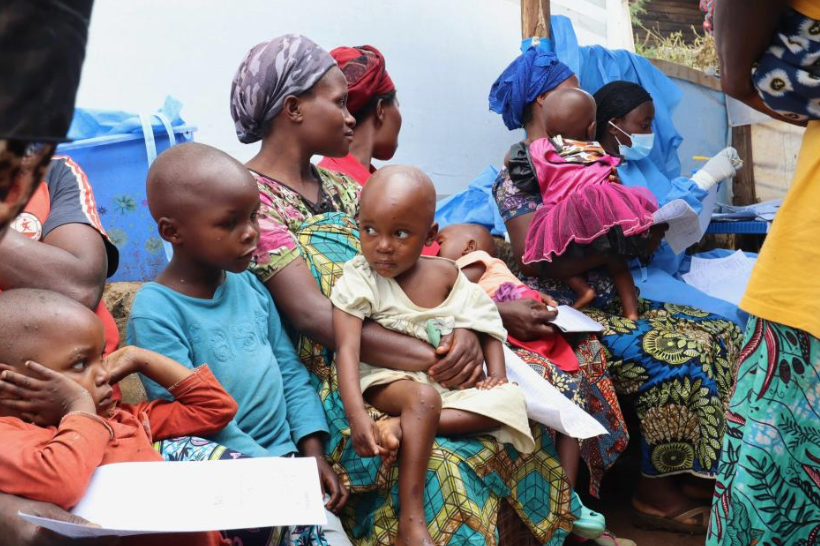
The International Committee of the Red Cross (ICRC) has issued a stark warning about the deteriorating healthcare system in the conflict-ridden eastern regions of the Democratic Republic of the Congo (DRC). A recent study conducted in September 2025 across 240 health facilities in North and South Kivu provinces revealed alarming shortages: 85% of these facilities have exhausted their supplies of essential medicines, and nearly 40% reported that healthcare workers have fled due to insecurity and insufficient funding. This crisis is forcing civilians, including women and children, to traverse dangerous combat zones to seek medical care, often only to find clinics devoid of qualified staff and necessary treatments. The ICRC’s deputy health coordinator, Hippolyte Ten, emphasized the dire situation, noting that over 70% of the surveyed facilities have treated weapon-related injuries this year, with hospitals in Beni, Goma, Bukavu, and Fizi reporting a 160% increase in such cases compared to 2024. Additionally, the first half of 2025 saw 948 cases of sexual violence requiring medical and psychosocial support. Francois Moreillon, head of the ICRC delegation in the DRC, highlighted the collapse of humanitarian assistance, leaving 80% of facilities in the Kivu region without partner support. He stressed the urgent need for the delivery of medicines, safe patient transfers, and the protection of medical staff. The ICRC has also called on all conflict parties to adhere to international humanitarian law and safeguard medical personnel and infrastructure. The security situation in eastern DRC has significantly worsened since January, with renewed fighting involving the March 23 Movement rebel group, which has captured several key towns, including Goma and Bukavu. This escalating violence has displaced hundreds of thousands of civilians, exacerbating an already critical humanitarian crisis.
标签: Africa
非洲
-

Togo’s Asamoah breaks neck in freak accident
Togolese midfielder Samuel Asamoah faces a life-altering injury after a harrowing collision with a pitch-side advertising board during a match in China. The 31-year-old, who plays for Guangxi Pingguo in China’s second-tier league, sustained multiple neck fractures and severe nerve damage after being shoved into an LED panel by an opponent during a domestic game on Sunday. Guangxi Pingguo confirmed on Monday that Asamoah is at risk of “high-level paraplegia,” a condition that could leave him unable to voluntarily move the lower parts of his body. The club reported that Asamoah underwent surgery and is now in stable condition, with updates on his recovery to follow after further medical examinations. The incident has sparked concerns over player safety, particularly regarding the proximity of advertising boards to the field. Chongqing Tonglianglong midfielder Zhang Zhixiong, who pushed Asamoah into the board, received a yellow card for the foul. Asamoah, who previously played in Belgium before joining Guangxi Pingguo in 2024, has earned six caps for Togo. This tragic event follows the recent death of former Arsenal academy striker Billy Vigar, who sustained a fatal brain injury after colliding with a concrete wall during a match in the Isthmian League Premier Division last month. The football community continues to grapple with the risks posed by pitch-side infrastructure.
-
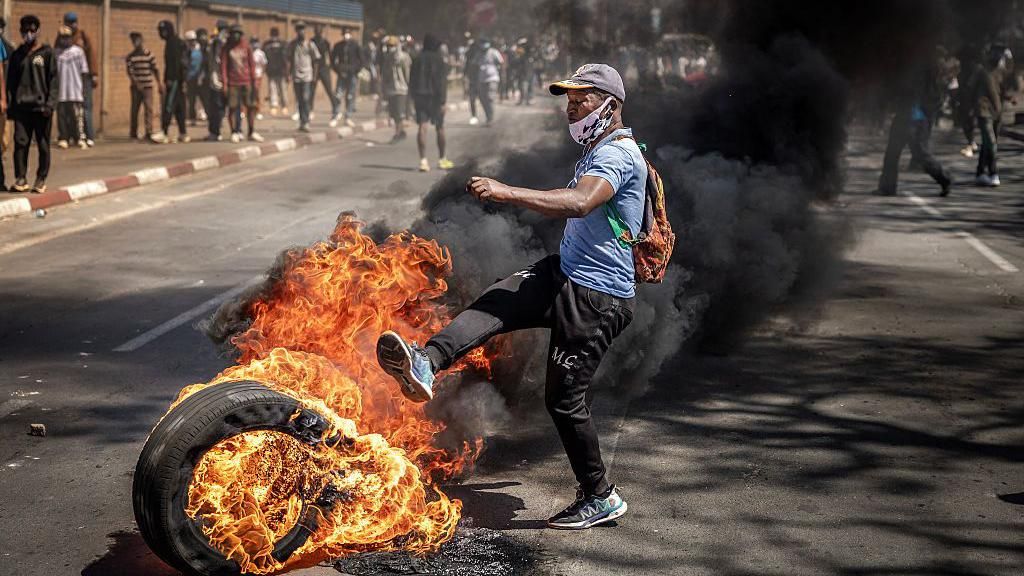
Madagascar president asks for one year to resolve problems or he will resign
Madagascar’s President Andry Rajoelina has pledged to address the nation’s pressing challenges within a year, vowing to resign if he fails to deliver. Speaking at a town-hall meeting at his palace, Rajoelina engaged with government supporters, urging honesty over flattery. ‘It’s the people who kept telling me everything was fine who are responsible for our current situation,’ he remarked. The protests, initially sparked by water and electricity shortages, have evolved into widespread discontent over corruption, unemployment, and the cost-of-living crisis. The youth-led movement, Gen Z Mada, has rejected Rajoelina’s invitation to dialogue, accusing the government of repression and vowing to continue demonstrations. Rajoelina, who came to power in 2009 after mass protests, has dismissed his cabinet and appointed an army general as prime minister, a move the protesters have dismissed. Despite the unrest, life in most parts of the capital, Antananarivo, remains normal, though some areas are heavily policed. The UN reports at least 22 deaths in clashes with security forces, a figure disputed by authorities. Rajoelina remains committed to resolving the crisis through dialogue rather than protests.
-
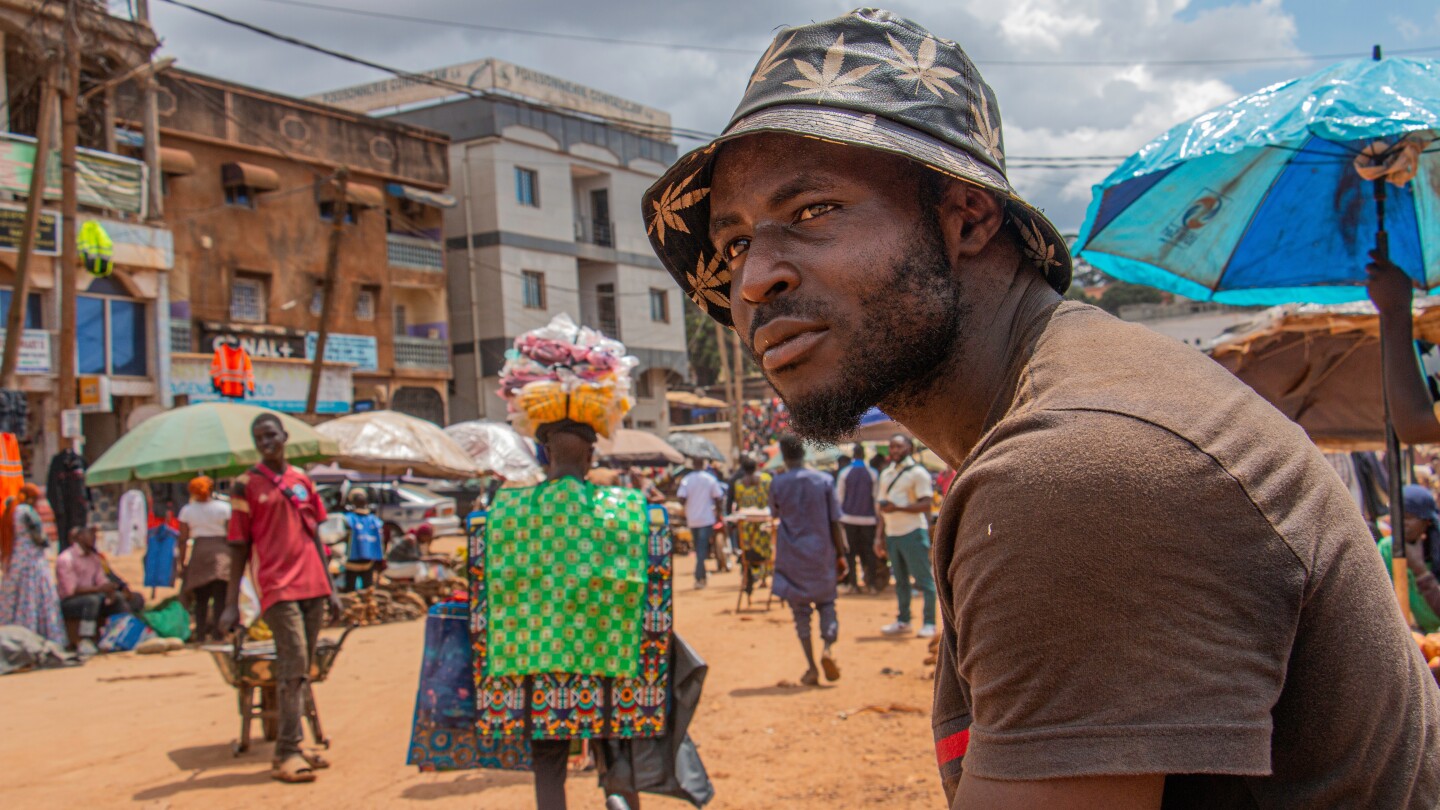
The world’s oldest president seeks an eighth term in Cameroon as youth grumble
In Cameroon, a nation where the median age is 18, the generational divide between its youthful population and its aging leadership has never been more pronounced. As the country prepares for its presidential election, 92-year-old Paul Biya, the world’s oldest president, is seeking an eighth term in office. Biya, who has ruled Cameroon for over four decades, faces widespread disillusionment among the youth, who accuse the education system of corruption and the political system of favoring the elite. Elvis Nghobo, a 34-year-old market vendor in Yaounde, exemplifies this frustration. After failing to gain admission to multiple professional schools, he blames the system for his struggles and has decided not to vote, calling the election results a foregone conclusion. Nghobo’s sentiment is echoed by millions of young Cameroonians who feel excluded from the country’s modest economic growth and are grappling with unemployment and informal employment. Despite being an oil-producing nation, Cameroon’s youth say the benefits of economic growth have not reached them. The country also faces escalating security crises, including a secessionist conflict in the English-speaking western region and Boko Haram insurgency in the north. Biya is challenged by nine opposition candidates, including former allies, but critics argue the opposition lacks credibility. Maurice Kamto, a prominent opposition figure, was barred from running, further fueling skepticism about the electoral process. Analysts suggest that Cameroon’s elites are unwilling to disrupt the status quo, with Biya’s entourage and ruling party ensuring his continued dominance. As the election approaches, many young Cameroonians, like Nghobo, have lost faith in the ballot box, believing that power change will require alternative means.
-
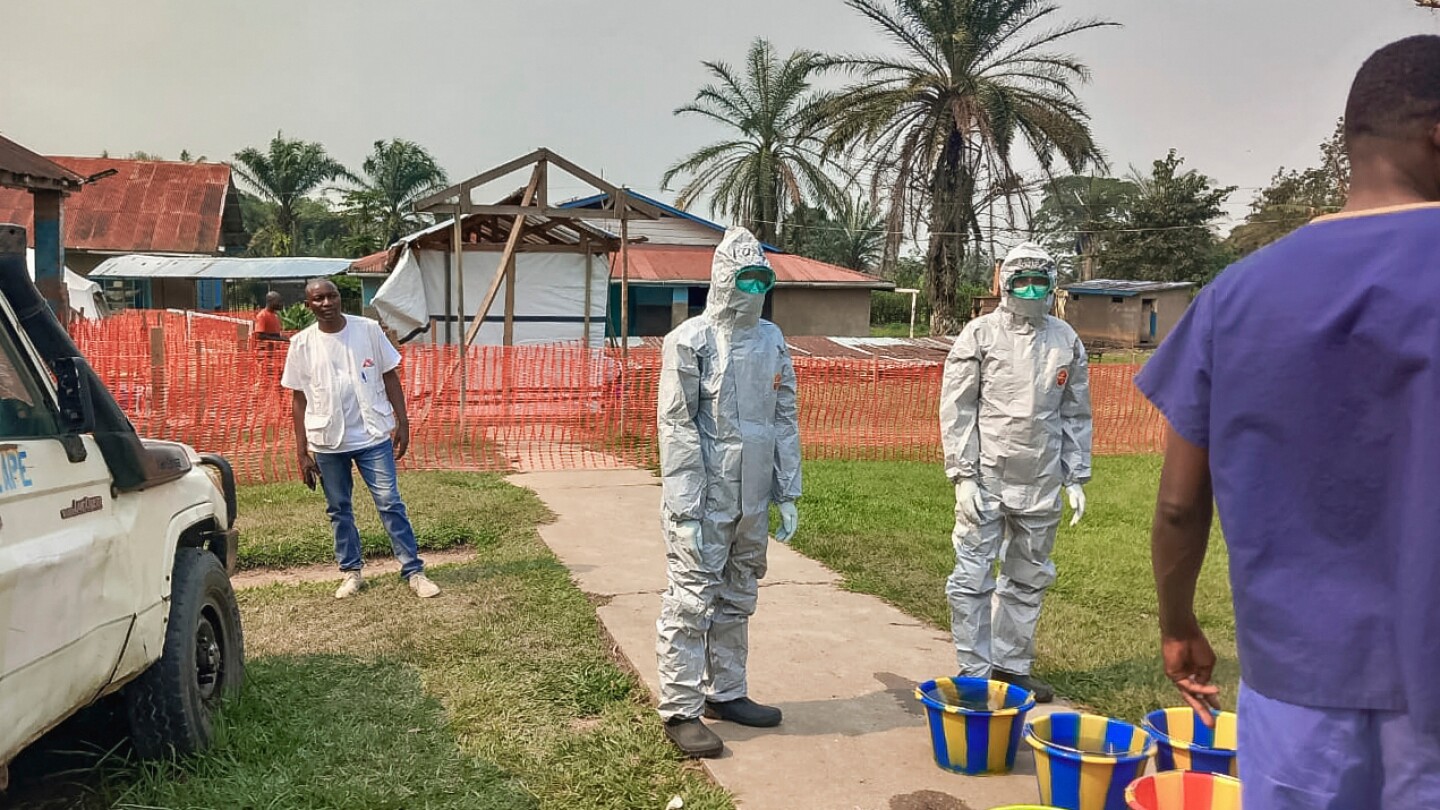
Ebola outbreak in southern Congo shows signs of containment with no new cases, WHO reports
The World Health Organization (WHO) announced on Wednesday that the recent Ebola outbreak in southern Congo is showing signs of containment, with no new cases reported since October 1. As of October 5, 2025, ten consecutive days have passed without any new infections, suggesting that transmission in the affected regions may be under control. The outbreak, which was declared by Congolese authorities on September 4, marks the first Ebola incident in 18 years in the remote Kasai Province, located over 1,000 kilometers from the capital, Kinshasa. To date, the WHO has recorded 64 cases, including 53 confirmed and 11 probable, alongside 43 deaths, with 32 confirmed and 11 probable. Despite initial concerns over insufficient funding and resources, enhanced logistics and field operations, such as helicopter and ground deliveries of medical supplies and the decontamination of three health facilities, have played a crucial role in curbing the outbreak. The WHO emphasized that the decline in transmission and improved case management are the results of coordinated efforts led by the Congolese Ministry of Health, supported by the WHO and other partners. However, the agency urged continued vigilance, as nearly 2,000 contacts—individuals potentially exposed to the virus—are still under monitoring. A single oversight in tracking these contacts could reignite transmission chains, particularly in areas with high population mobility or limited community surveillance.
-
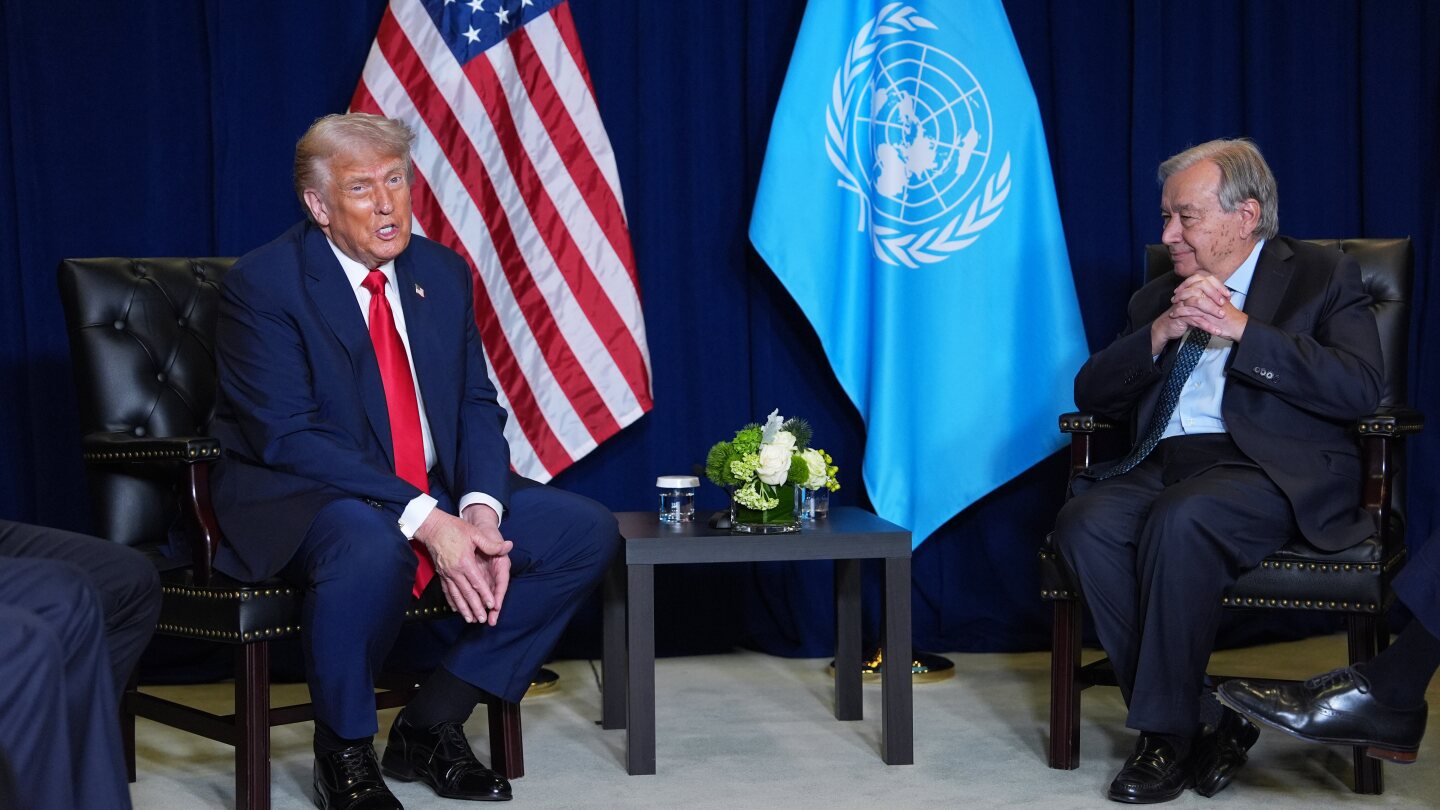
United Nations to cut 25% of its global peacekeeping force in response to US funding strains
The United Nations is set to significantly reduce its peacekeeping operations, with thousands of military and police personnel expected to withdraw from global conflict zones in the coming months. This decision follows substantial funding cuts by the United States, the UN’s largest donor, as part of President Donald Trump’s ‘America First’ policy. A senior UN official, speaking anonymously, revealed that approximately 13,000 to 14,000 peacekeepers out of more than 50,000 deployed across nine missions will be repatriated. The UN’s support office in Somalia will also face reductions. The peacekeeping budget is projected to shrink by 15% this year. Countries affected by these changes include Congo, the Central African Republic, South Sudan, Lebanon, Cyprus, and Kosovo. UN Secretary-General Antonio Guterres has emphasized that UN peacekeeping, which represents just 0.5% of global military spending, remains a cost-effective tool for fostering international peace and security. The decision to downsize follows a meeting between Guterres and major donor countries, including the new U.S. Ambassador to the UN, Mike Waltz. The Trump administration has criticized the UN’s budget as excessive and redundant, vowing to withhold further contributions until a thorough assessment of each UN agency’s effectiveness is completed. This review has already led to the U.S. withdrawing from UNESCO, the World Health Organization, and the UN Human Rights Council. Over 60 UN offices and agencies are now facing 20% job cuts as part of Guterres’ reform efforts in response to the U.S. funding reductions. The U.S. has committed $680 million to nine peacekeeping missions, a sharp decline from the $1 billion contribution made last year. China, another major contributor, has pledged to fulfill its financial obligations by year-end.
-
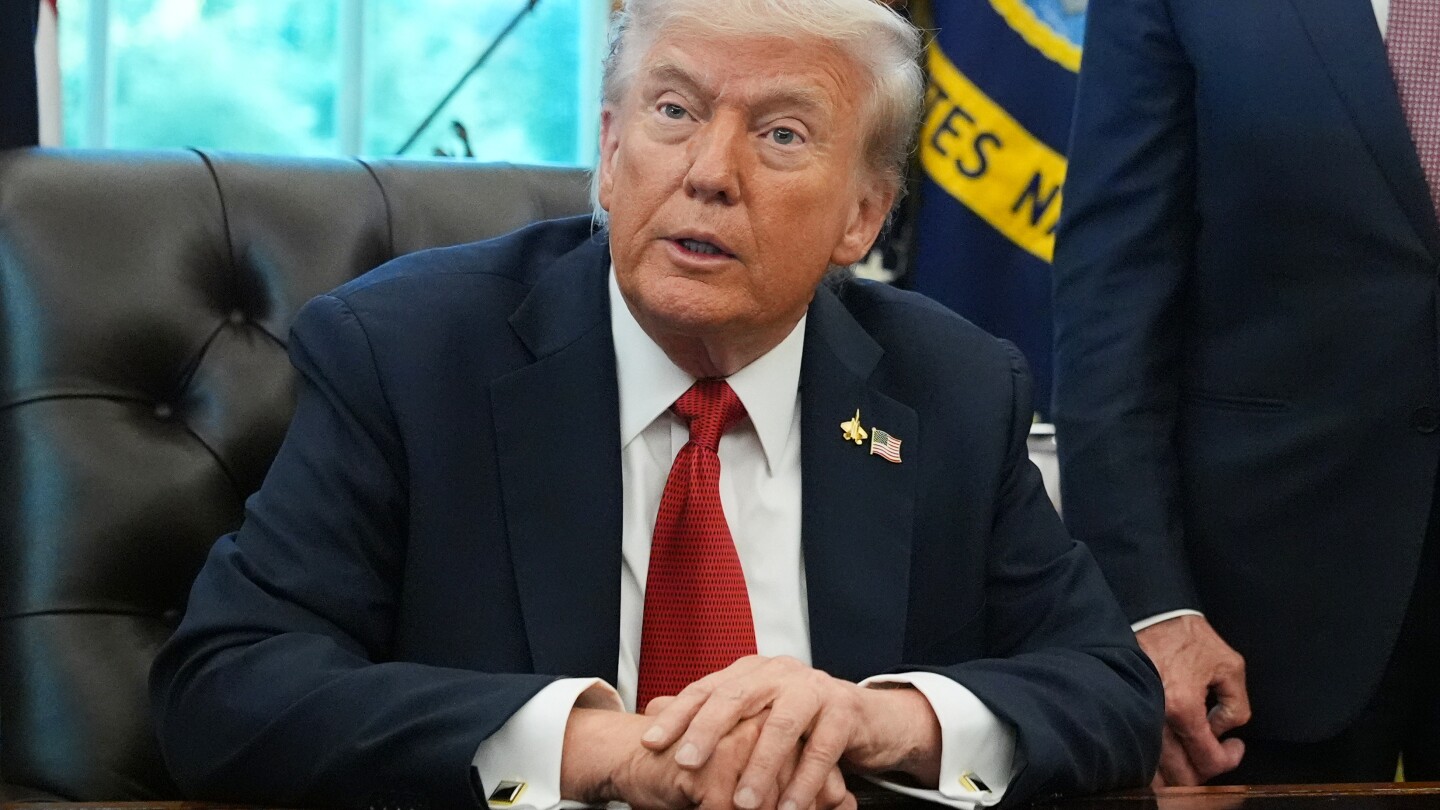
Arrivals of international students to the US dropped almost a fifth in August, data shows
The United States has witnessed a significant drop in international student arrivals, with a 19% decline in August compared to the same period in 2024, according to preliminary data from the National Travel and Tourism Office. This marks the latest indication of the challenges faced by American universities in attracting foreign students, exacerbated by the Trump administration’s intensified scrutiny of student visas and travel restrictions. August, typically the peak month for international student arrivals, saw only 313,138 students this year, continuing a downward trend observed in June and July. The federal government’s crackdown on student visas has raised concerns among industry groups, warning of potential budget shortfalls and a diminished global standing for U.S. colleges. Last year, approximately 1.1 million international students contributed significantly to tuition-driven institutions, as they are ineligible for federal financial aid and often pay full tuition. Visa challenges and travel bans have further complicated matters, with the State Department pausing visa interviews in late May and imposing new social media vetting rules. The travel ban affecting 19 countries, predominantly in Africa, Asia, and the Middle East, has added to the uncertainty, leading to notable declines in student arrivals from these regions. For instance, India, the largest source of international students, saw a 45% drop. Some students already in the U.S. have avoided traveling abroad this summer, fearing reentry issues. The political climate and cost concerns have also deterred prospective students, with some opting for institutions in other countries like Germany and the United Kingdom. Higher education consultants emphasize the need for caution and backup plans in the current environment, as the presumption of continuity in U.S. admissions processes may no longer hold.
-
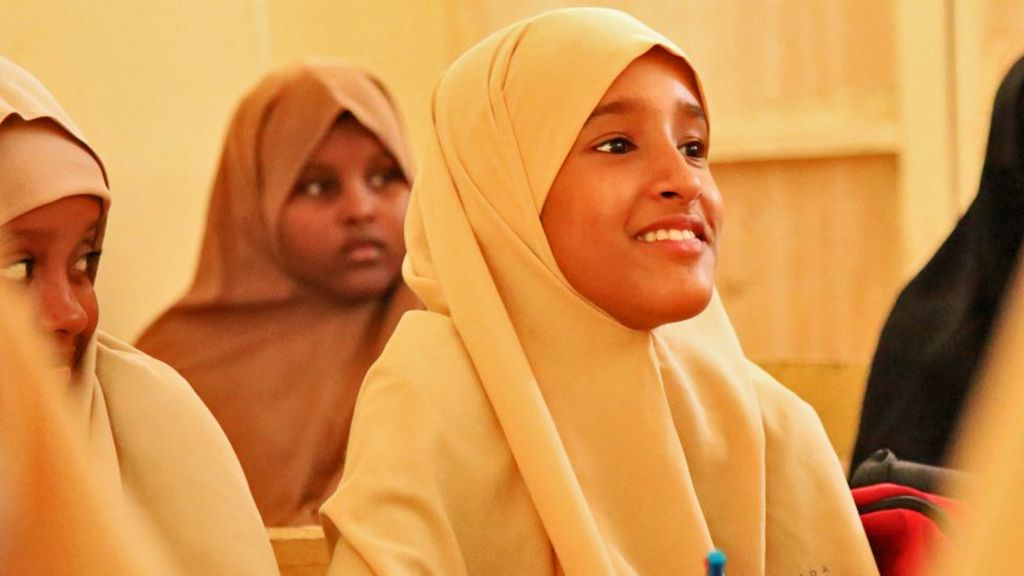
Somalia to increase Swahili teaching to boost East African ties
Somalia is set to integrate Swahili, the widely spoken language of East Africa, into its national education system, as announced by President Hassan Sheikh Mohamud. Currently, English serves as the primary medium of instruction in secondary schools across the country, with Arabic being the only other mandatory second language. However, the President emphasized the importance of Swahili for regional integration during the East African Community (EAC) summit held in Mogadishu. Somalia officially joined the EAC last year, aiming to foster economic growth after decades of conflict. Swahili, spoken by over 200 million people globally, is one of the world’s most prevalent languages. President Mohamud highlighted the need for universities, particularly the Somali National University, to prioritize the development of Swahili as a key language for East Africa. Education Minister Farah Sheikh Abdulkadir echoed this sentiment, expressing the government’s vision for Swahili to become a language of communication, trade, and education, potentially replacing English in future conferences. Swahili dialects are already prevalent along Somalia’s southern coast, and its usage has expanded nationwide in recent years, partly due to the civil war that began in 1991. Many Somalis who sought refuge in Kenya have learned Swahili, and with the return of some of these individuals and the presence of African Union troops, the language has gained further traction. Historically, Arabic was the language of instruction in junior schools, while English was used in secondary and tertiary education. Today, the primary school curriculum is taught in Somali, with English remaining the medium for higher education and Arabic used in madrassas. This shift reflects Somalia’s broader efforts to stabilize and integrate into the East African region.
-
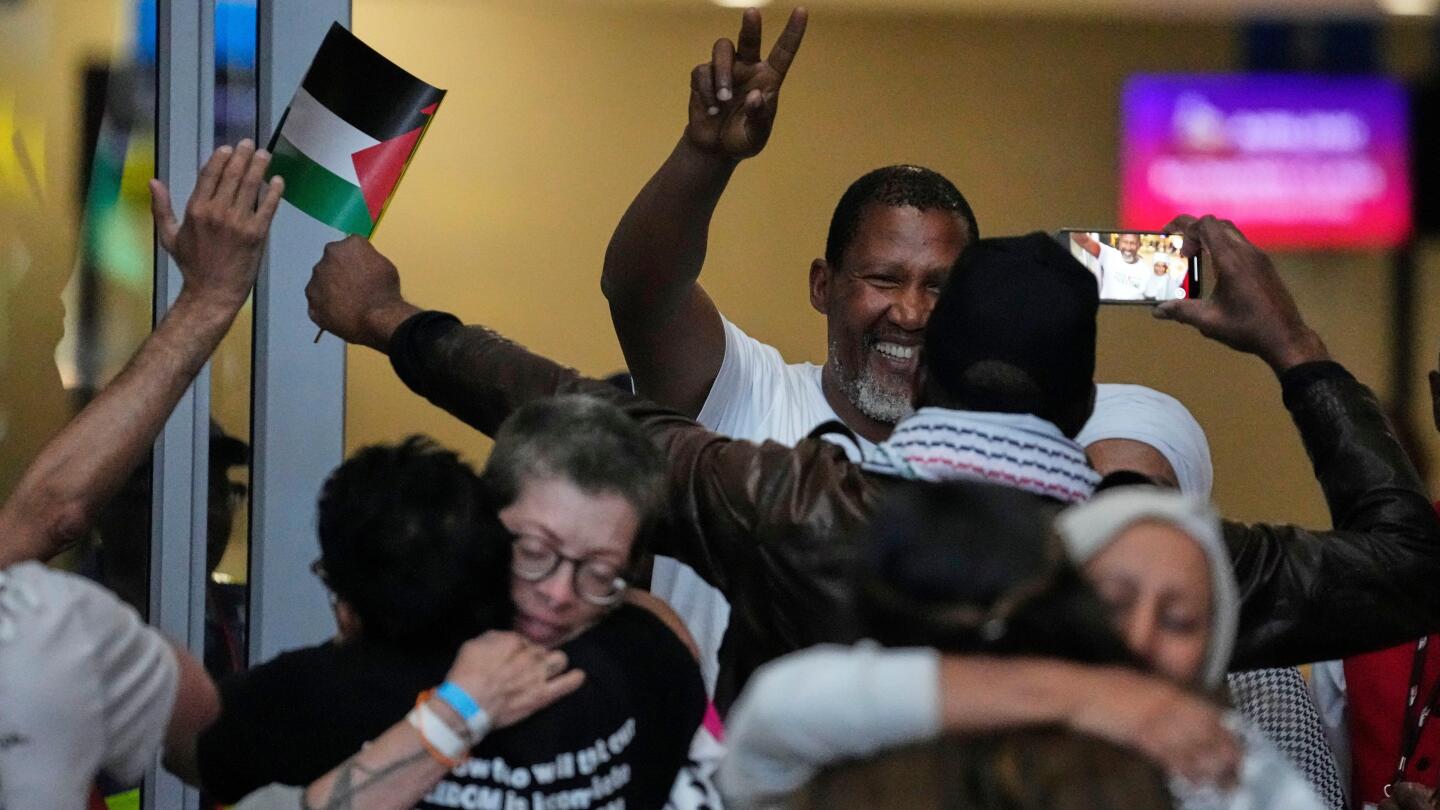
South African activists on Gaza flotilla claim harsh treatment by Israel over genocide case
Six South African activists, including a grandson of Nelson Mandela, have accused Israeli authorities of subjecting them to harsher treatment than other detainees during their arrest while attempting to reach Gaza as part of an aid flotilla. The activists, who were detained last week, claimed they were singled out due to South Africa’s role in a genocide case against Israel at the International Court of Justice (ICJ). Speaking at Johannesburg’s OR Tambo Airport upon their return, the activists detailed their ordeal, with two Muslim women alleging their hijabs were forcibly removed and they were forced to strip naked in front of Israeli soldiers. Mandla Mandela, the grandson of South Africa’s anti-apartheid icon, asserted that the activists were targeted because South Africa has challenged Israel’s actions in Gaza through the ICJ. Israel’s Foreign Ministry denied the allegations, stating that all detainees were given the option of voluntary deportation and that their legal rights were fully upheld. The activists were part of the Global Sumud Flotilla, a fleet of 42 boats aiming to break Israel’s naval blockade of Gaza and deliver symbolic aid to the famine-stricken territory. Among the 450 activists arrested were Swedish environmental activist Greta Thunberg and others who also claimed mistreatment. South Africa has long supported the Palestinian cause, drawing parallels between Israel’s treatment of Palestinians and South Africa’s apartheid era. The country’s genocide case against Israel, filed in late 2023, has garnered support from several nations, including Nicaragua, Turkey, and Colombia. Israel has vehemently denied the genocide allegations, accusing South Africa of acting as Hamas’ “legal arm.”
-
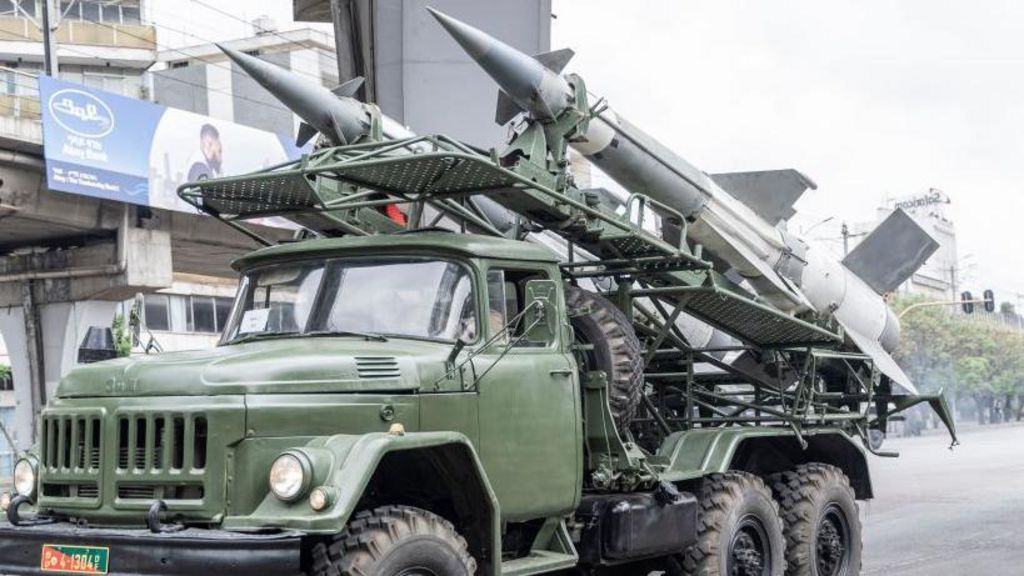
Ethiopia accuses Eritrea of preparing for war as Red Sea tensions rise
In a dramatic escalation of tensions between Ethiopia and Eritrea, Ethiopia has accused its northern neighbor of conspiring with opposition groups to wage war, according to a letter sent by Ethiopian Foreign Minister Gedion Timothewos to UN Secretary-General Antonio Guterres. The letter alleges that Eritrea, in collaboration with a hardline faction of the Tigray People’s Liberation Front (TPLF), is actively funding and mobilizing armed groups in Ethiopia’s Amhara region. This accusation comes amid growing friction over Ethiopia’s bid to regain access to the Red Sea, a move that has alarmed Eritrea, which controls the coastline since its independence in 1993. The two nations previously fought a brutal border war from 1998 to 2000, which claimed tens of thousands of lives. Although relations improved after Ethiopian Prime Minister Abiy Ahmed took office in 2018, recent developments have reignited hostilities. Ethiopia’s push for Red Sea access has been met with sharp criticism from Eritrea, with its Information Minister Yemane Gebremeskel dismissing Ethiopia’s claims as ‘bizarre and mind-boggling.’ Meanwhile, Ethiopia faces internal unrest, particularly in the Amhara region, where the Fano militia, previously allied with Abiy’s government, is now opposing federal forces. The situation remains volatile, with fears of a broader conflict looming.