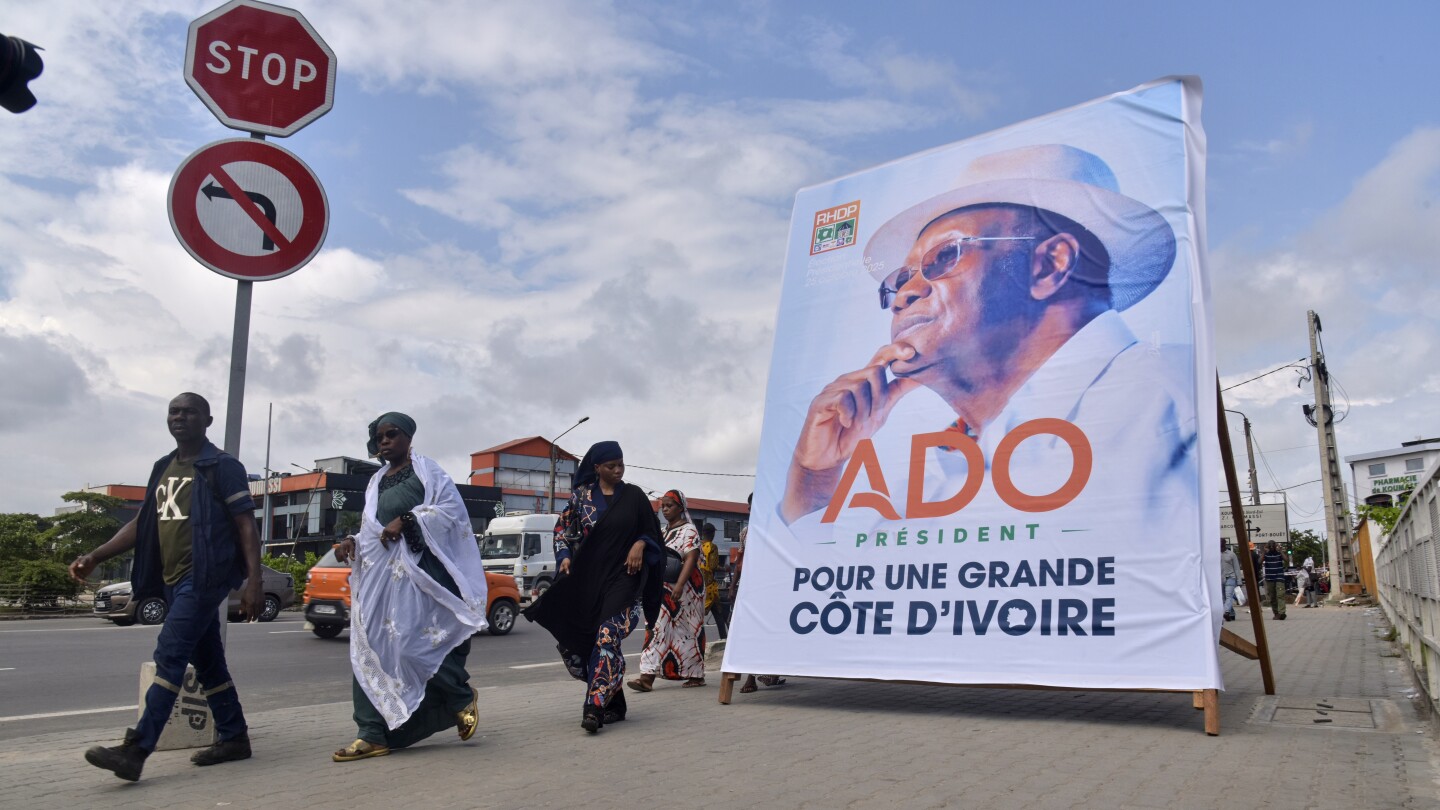
In a significant escalation of political tensions, at least 237 individuals were detained in Ivory Coast during a protest against what activists describe as the country’s authoritarian shift. The arrests were confirmed by General Vagondo Diomandė, the Minister of the Interior and Security, during a national television broadcast. The protest, which was declared illegal by the Abidjan prefect the day prior, saw the deployment of tear gas and the erection of makeshift roadblocks by authorities to disrupt the march. This unrest comes just two weeks before the nation, home to 32 million people and the largest economy in Francophone West Africa, is set to hold its presidential election. The election has already been marred by controversy, with the electoral commission disqualifying four key opposition figures, including former President Laurent Gbagbo and former Credit Suisse CEO Tidjane Thiam. President Alassane Ouattara, who has been in power since 2010, is seeking a fourth term, a move made possible by a 2016 constitutional amendment that abolished presidential term limits. Ouattara defends his candidacy by citing the need for experienced leadership to address the country’s security, economic, and monetary challenges. However, critics argue that his prolonged tenure undermines democratic principles. The situation in Ivory Coast reflects a broader trend in West Africa, where leaders are increasingly extending their rule by altering constitutional frameworks. The region is also grappling with the spread of extremist groups linked to al-Qaida and the Islamic State, which have been expanding from the Sahel into coastal states like Ivory Coast, Togo, and Benin. The upcoming election is expected to be tense, given the history of violence during previous polls.
标签: Africa
非洲
-
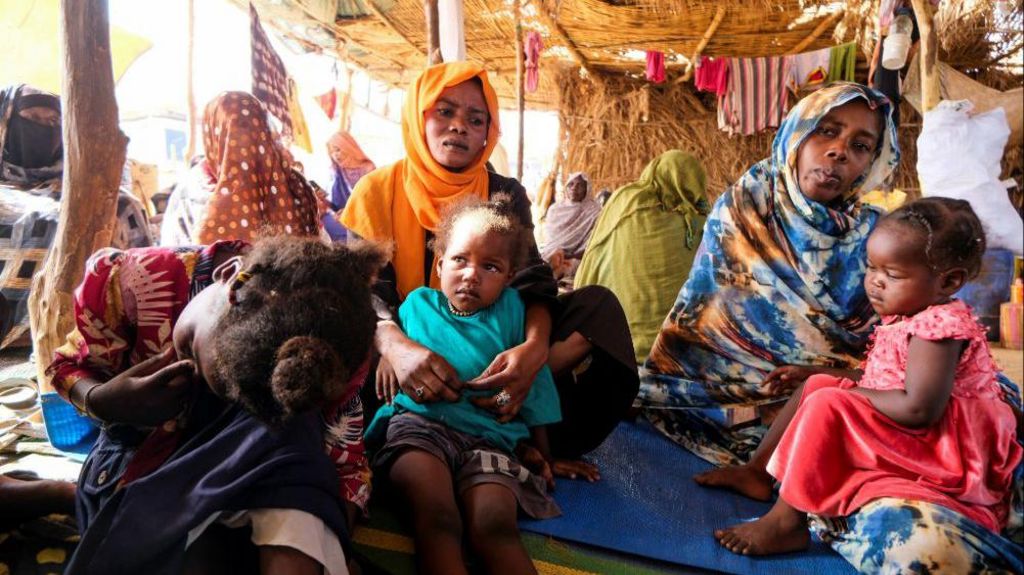
At least 60 people killed in drone strike in besieged Sudan city
The ongoing conflict in Sudan has forced hundreds of thousands of people to flee their homes, with the besieged city of El-Fasher now teetering on the brink of collapse. A recent drone strike on a displacement shelter in El-Fasher has claimed at least 60 lives, marking a grim escalation in the violence. The attack, carried out by the paramilitary Rapid Support Forces (RSF), targeted the Dar al-Arqam camp, located within a university, using two drone strikes and eight artillery shells. According to the resistance committee for El-Fasher, composed of local citizens and activists, the strike resulted in the indiscriminate killing of children, women, and the elderly, with many victims reportedly burned beyond recognition. The RSF has maintained a 17-month siege on El-Fasher, aiming to seize the Sudanese army’s last stronghold in the Darfur region. The resistance group has described the situation as ‘beyond disaster and genocide,’ with residents enduring constant bombardment, severe food shortages, and the spread of disease. Sudan has been engulfed in conflict since 2023, following a power struggle between top commanders of the RSF and the Sudanese army, which has precipitated one of the world’s most severe humanitarian crises.
-

Seychelles votes in tight runoff election
The Seychelles witnessed a pivotal moment in its democratic process as citizens cast their votes in a runoff election between incumbent President Wavel Ramkalawan and opposition leader Patrick Herminie. The runoff, held on Saturday, became necessary after neither candidate secured the required majority in the initial round two weeks prior. Official results from the first round showed Herminie narrowly leading with 48.8% of the vote, while Ramkalawan trailed with 46.4%. A candidate must garner over 50% to claim victory. Polling stations opened early on Saturday, with results anticipated by Sunday. The election has been marked by intense campaigning, with both candidates addressing pressing issues such as environmental degradation and a burgeoning drug addiction crisis in the archipelago, renowned for its luxury tourism and natural beauty. Herminie, representing the United Seychelles party, aims to reclaim power for a party that governed the nation for over four decades until 2020. Ramkalawan, of the Linyon Demokratik Seselwa party, seeks a second term. The election also unfolds against a backdrop of growing opposition to the government, particularly over a controversial decision to lease a significant portion of Assomption Island to a Qatari company for a luxury hotel project. Critics argue the move prioritizes foreign interests over national sovereignty. Additionally, Seychelles faces unique challenges as a small island nation vulnerable to climate change and grappling with a severe heroin addiction crisis, as highlighted by recent international reports.
-
Murdered Kenyan woman’s niece to push for ex-soldier’s extradition during UK visit
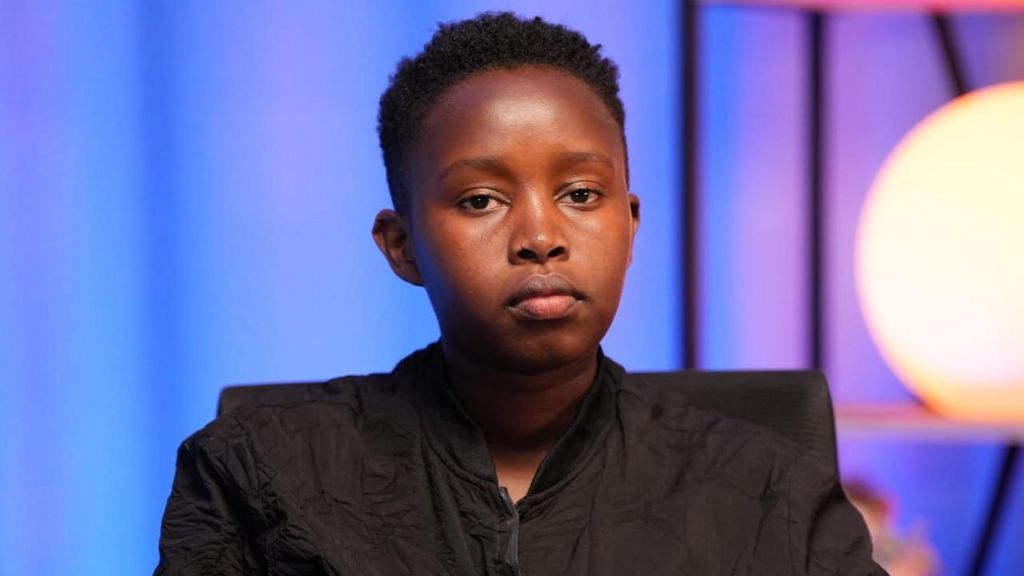
The niece of Agnes Wanjiru, a Kenyan woman allegedly murdered by a former British army soldier in 2012, is set to visit the UK to meet with Defence Secretary John Healey and other MPs. Her mission is to push for the extradition of the accused, who remains in the UK despite a Kenyan High Court arrest warrant issued last month. Wanjiru’s body was discovered in a septic tank near a British army training camp in Nanyuki, Kenya, with stab wounds to her chest and abdomen. The case has long been marred by accusations of a cover-up by the British army and inadequate investigations by Kenyan authorities. Esther Njoki, Wanjiru’s 21-year-old niece, expressed her frustration, stating that the UK has been ‘too slow in acting,’ leaving her family in prolonged trauma. The case gained renewed attention in 2018 when an inquest concluded that Wanjiru was unlawfully killed by one or two British soldiers. A 2021 Sunday Times investigation further revealed that a soldier had confessed to the murder. In 2024, the British army launched an internal review, uncovering 35 suspected cases of sexual exploitation and abuse by soldiers in Kenya. Njoki plans to question Healey about measures to protect vulnerable women near international army bases. Extradition expert Ben Keith noted that while the UK-Kenya extradition treaty exists, the process could be lengthy and complex. The UK has previously extradited Kenyan nationals, offering a glimmer of hope for Wanjiru’s family. A Ministry of Defence spokesperson reiterated the UK’s commitment to helping the family secure justice.
-
Can the world’s oldest president keep his title and woo a nation of young voters?
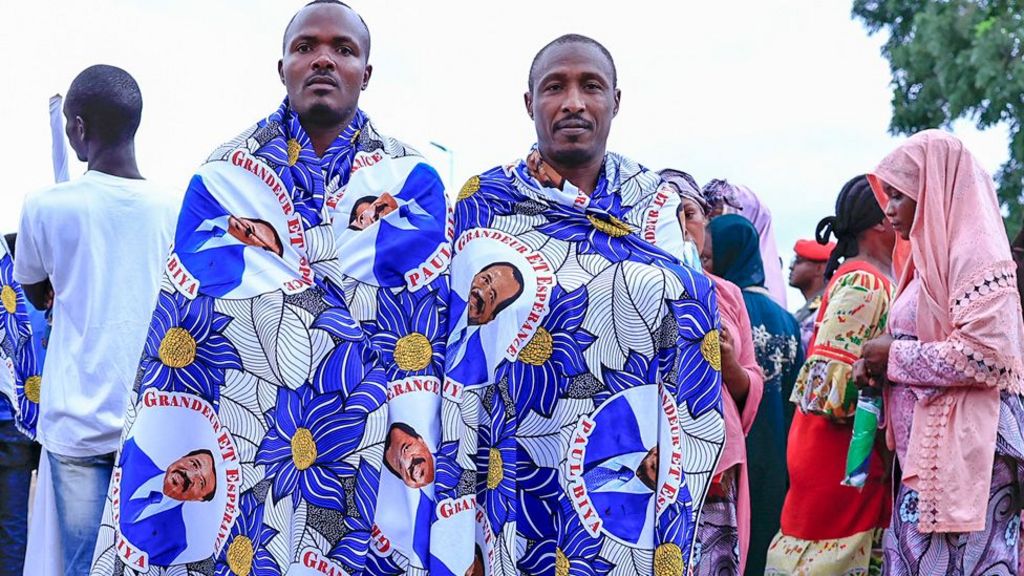
Cameroon’s 92-year-old President Paul Biya, the world’s oldest head of state, is vying for an unprecedented eighth consecutive term in office. Having ruled since 1982, Biya’s potential re-election could extend his tenure to nearly 50 years, making him one of the longest-serving leaders in modern history. Despite widespread calls for his resignation, Biya has remained steadfast, even as critics highlight his minimal campaign presence, including a 10-day private trip to Europe during the election period. His reliance on an AI-generated campaign video further fueled backlash, prompting a rushed return to Cameroon to address supporters in Maroua, where he pledged to prioritize women and youth in his next mandate. However, political analysts argue that Biya’s primary focus has been self-preservation rather than improving citizens’ living conditions, a mindset rooted in a failed coup attempt in 1984. With over 60% of Cameroon’s 30 million population under 25, many young activists, like Marie Flore Mboussi, are calling for ‘new blood,’ citing fatigue with Biya’s prolonged rule. The election unfolds against a backdrop of rising inflation, unemployment, and security challenges, particularly in the English-speaking regions where separatist conflicts have led to election boycotts and violence. The exclusion of prominent opposition leader Maurice Kamto from the race has further marred the electoral process, with critics accusing the government of stifling fair competition. Despite these challenges, Biya remains the favorite, with analysts predicting his victory, albeit with a slim majority. The Constitutional Council has 15 days to announce the results, with the interior minister warning against premature victory declarations. As Cameroon prepares for this pivotal election, the nation grapples with deep-seated political and social divisions, raising questions about the future of its democracy.
-
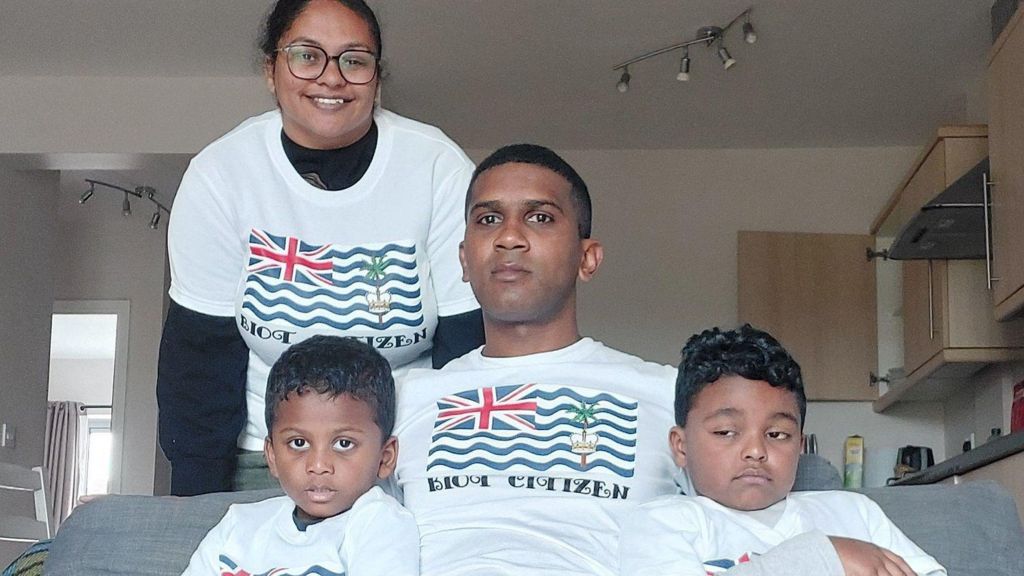
Surge in Chagos arrivals prompts row over housing costs
The UK government is under increasing pressure to provide support for Chagos Islanders arriving in the country to claim their British citizenship, as local councils struggle to manage the influx. Hillingdon Council, located near Heathrow Airport, has reported that 152 Chagossians arrived this week alone, bringing the total number of arrivals since July 2023 to over 600. The council, led by the Conservative Party, anticipates spending £2 million this year to fulfill its legal obligation to assist homeless British-Chagossians, straining its already limited housing resources and financial stability. Many Chagossians are fleeing Mauritius, where they feel unsafe following the UK’s agreement to transfer sovereignty of the Chagos Islands to Mauritius. Despite the UK government’s assertion that Chagossians should arrange their own housing before traveling, the surge in arrivals has placed significant pressure on local authorities. The Chagos Islands, a British Overseas Territory since 1814, were formally purchased from Mauritius in 1965. However, the recent £101 million annual deal with Mauritius to maintain control of the Diego Garcia military base has sparked outrage among Chagossians, who view the agreement as a betrayal of their rights. Damien Dursonial, a 35-year-old former police constable from Mauritius, arrived at Heathrow with his family this week, seeking safety and recognition as a British citizen. He criticized the government for shifting the burden of housing Chagossians onto local councils, particularly Hillingdon, which has requested exceptional financial support to avoid bankruptcy. The council has also opened a pop-up processing center to manage the influx, but its resources are stretched thin due to existing obligations to asylum seekers. A government spokesperson emphasized that the Chagossians’ arrival is unrelated to the Diego Garcia agreement and reiterated the availability of British citizenship for Chagossians since November 2022. Meanwhile, Chagossians like Vanessa Mandarin Calu advocate for a clear pathway to return to their homeland, which remains a British Overseas Territory.
-
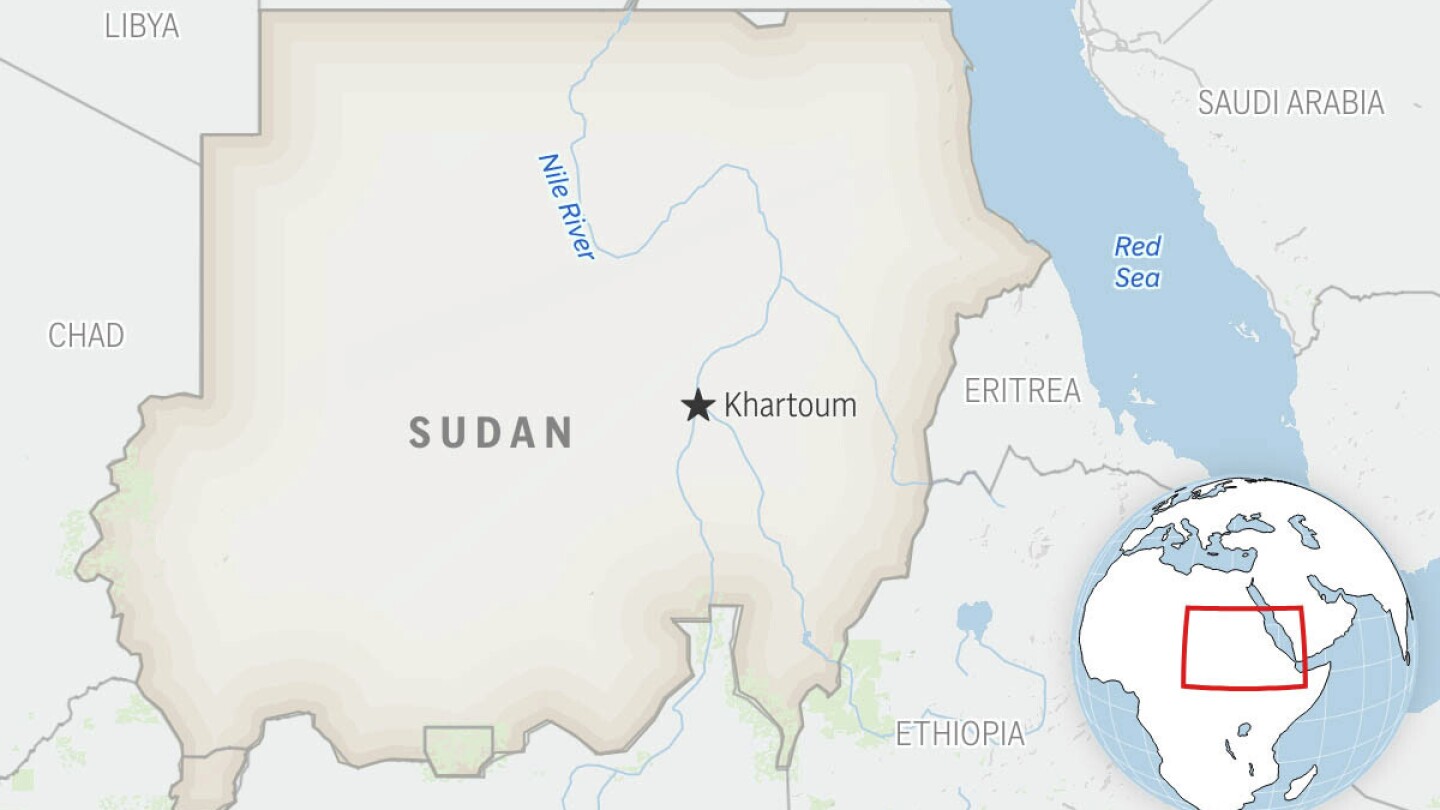
UN says 53 civilians killed during 3 days of attacks in and near el-Fasher camp in western Sudan
BEIRUT (AP) — A recent surge in violence in western Sudan has resulted in the deaths of at least 53 civilians and left more than 60 injured over a three-day period, according to the United Nations High Commissioner for Human Rights, Volker Türk. The death toll continues to rise as the conflict intensifies. Türk reported that drone and artillery strikes by the paramilitary Rapid Support Forces (RSF) targeted the Abu Shouk and Daraja Oula neighborhoods of el-Fasher, as well as the el-Fasher displaced persons camp, killing 46 people. Among the victims, over a dozen perished in shelling at one of the last functioning hospitals in el-Fasher. A nearby mosque, where civilians had sought refuge, was also struck. Additionally, at least seven individuals were summarily executed during ground raids by the RSF in what appears to be ethnically motivated killings. Both the RSF and the Sudanese military are under investigation by the International Criminal Court for alleged war crimes and crimes against humanity. Türk condemned the ongoing violence, stating, ‘Despite repeated calls, including my own, for specific care to be taken to protect civilians, they continue instead to kill, injure, and displace civilians, and to attack civilian objects, including IDP shelters, hospitals, and mosques, with total disregard for international law. This must end.’ He urged U.N. Member States with direct influence to take immediate action to protect civilians and prevent further atrocities in el-Fasher and across the Darfur region. Sudan has been engulfed in conflict since 2023, when tensions between the RSF and the Sudanese military erupted. Darfur has been particularly hard-hit, with over 40,000 people killed and more than 14 million displaced. Famine has been declared in parts of the country, including Darfur. El-Fasher, the provincial capital of North Darfur, has been under siege for over a year, trapping 260,000 civilians. Hundreds of thousands have fled to Tawila, just outside el-Fasher. Denise Brown, the U.N. humanitarian coordinator in Sudan, described Tawila as ‘one of the epicenters of, frankly, what is clearly a humanitarian catastrophe here.’ She noted that about 600,000 internally displaced persons are in Tawila, mostly fleeing from el-Fasher. The U.N. humanitarian plan is only 25% funded, and local actors in el-Fasher are providing limited basic assistance, which is ‘totally insufficient.’ The U.N. is working to negotiate access to el-Fasher to address the dire situation.
-
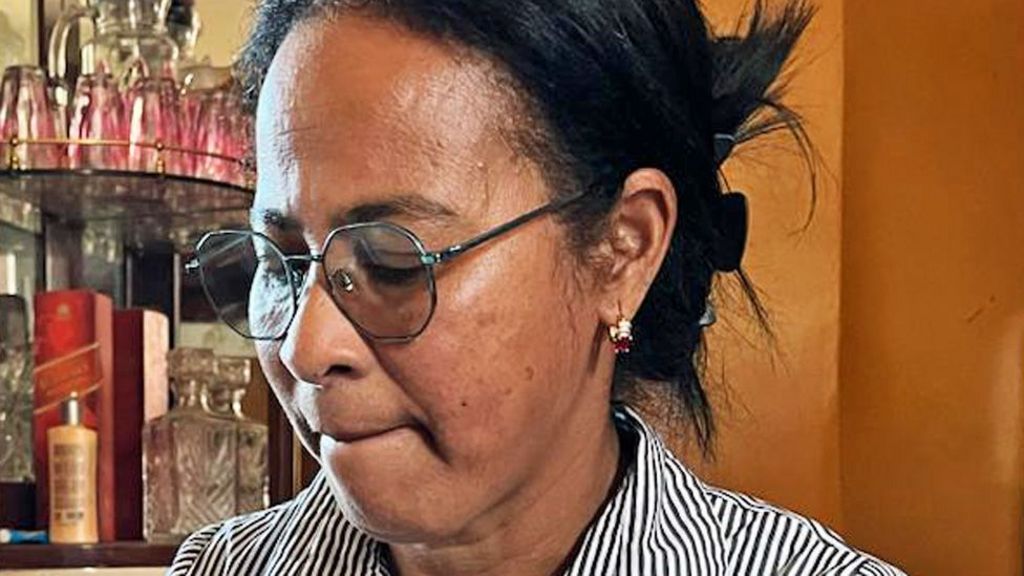
My one-month-old grandson was killed by police tear gas
Madagascar has been engulfed in widespread protests, driven by mounting anger over persistent power and water shortages, corruption, and a severe cost-of-living crisis. The unrest, led by the youth movement known as Gen Z Mada, has escalated into violent clashes between demonstrators and police, resulting in significant casualties and property damage. According to the United Nations, at least 22 people have lost their lives in the early days of the protests, including a one-month-old infant who succumbed to the effects of police tear gas. Razanasoa Edmondine, the infant’s grandmother, recounted the tragic incident, describing how her daughter-in-law and grandson were caught in the chaos as police dispersed protesters with tear gas. The infant’s death has become a symbol of the human toll of the crisis. President Andry Rajoelina has dismissed the UN’s casualty figures as misinformation but has not provided alternative numbers. He has defended the police, labeling the deceased as rioters rather than peaceful protesters. The protests have disrupted daily life, with businesses reporting significant losses and the tourism sector, a key economic driver, facing widespread cancellations. The socio-economic challenges fueling the unrest are deeply rooted, with high unemployment, inadequate education, and poor economic planning exacerbating the situation. Professor Hery Ramiarison, an economist at the University of Antananarivo, highlights the interconnected cycles of poverty and political instability that have trapped the nation. President Rajoelina has pledged to address the issues within a year, threatening to resign if he fails. However, skepticism remains high among the populace, with many questioning the government’s ability to deliver meaningful change. As the protests continue, the calls for Rajoelina’s resignation grow louder, reflecting the deep-seated frustrations of Madagascar’s youth and their demand for a better future.
-
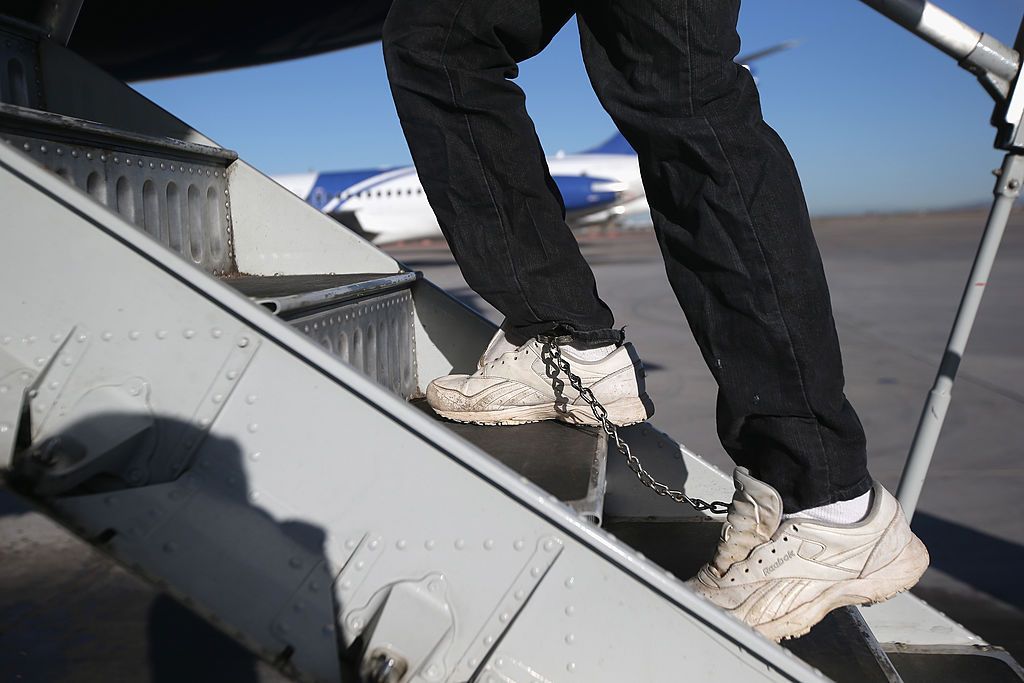
Burkina Faso refuses to take deportees as US stops issuing visas
Burkina Faso’s military government has firmly declined a US proposal to accept deportees from third countries, prompting Washington to suspend visa issuance in the West African nation. Foreign Minister Karamoko Jean-Marie Traoré, in a televised interview on state broadcaster RTB, questioned whether the US Embassy’s decision was a form of “blackmail” and emphasized Burkina Faso’s commitment to dignity, stating it is “a destination, not a place of expulsion.” The US Embassy in Ouagadougou announced a temporary halt to issuing immigrant, tourist, student, and business visas, requiring Burkinabé residents to apply at the US Embassy in neighboring Togo instead. This development follows the Trump administration’s broader strategy to deport migrants, particularly targeting African nations. While countries like Eswatini, Ghana, Rwanda, and South Sudan have accepted US deportees, Burkina Faso and Nigeria have resisted. Capt Ibrahim Traoré, Burkina Faso’s leader, has positioned himself as a pan-African advocate against Western imperialism, further straining relations with Western nations since the military coup three years ago. The US State Department and Department of Homeland Security have yet to comment on the matter.
-
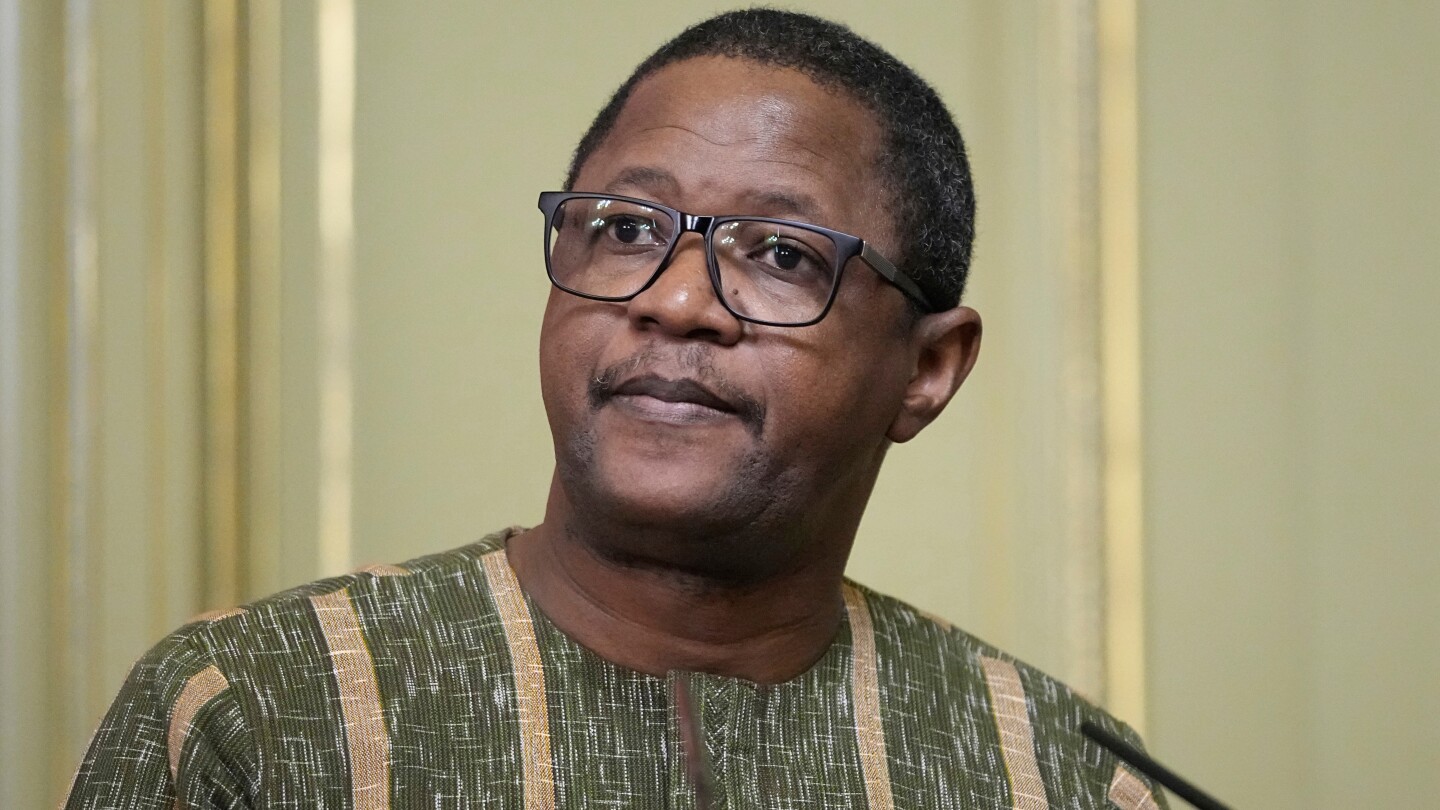
Burkina Faso rejects proposal to accept deportees from the US
Burkina Faso has firmly declined a proposal from the Trump administration to accept deportees from the United States, labeling the request as ‘indecent’ and inconsistent with the nation’s values. Foreign Minister Karamoko Jean-Marie Traoré announced the decision on national television, emphasizing that the proposal contradicted the vision of dignity upheld by the country’s military leader, Capt. Ibrahim Traoré. The rejection came shortly after the U.S. Embassy in Ouagadougou suspended most visa services for Burkinabe residents, redirecting applications to its embassy in Togo. While the embassy did not provide a reason for the suspension, Traoré suggested it might be a ‘pressure tactic’ linked to the deportation proposal. He reiterated that Burkina Faso is ‘a land of dignity, not deportation.’ The U.S. Embassy and Department of Homeland Security have yet to comment on the matter. This development follows the Trump administration’s broader efforts to establish third-country deportation agreements with several African nations, including Eswatini, South Sudan, Rwanda, and Ghana. Human Rights Watch has reported that financial incentives were offered to some countries to accept deportees, raising concerns about the ethical implications of such deals. Deportees in some of these nations have faced harsh conditions, with lawsuits filed against governments for alleged mistreatment.