A tragic incident in Thabazimbi, Limpopo province, has once again highlighted the critical issue of firearm safety and parental responsibility in South Africa. An 11-year-old boy allegedly shot and killed a farm worker while attempting to hunt guinea fowls on a farm. According to police reports, the child ‘accidentally discharged’ the firearm, though the exact details of the incident remain under investigation. The boy’s 43-year-old father has been arrested and is expected to face charges of negligent handling of a firearm. Both are scheduled to appear in court on Monday. Upon arrival at the scene, police discovered the body of a man believed to be in his 30s lying on his side with a gunshot wound. He was pronounced dead at the scene. The firearm involved has been seized as evidence. Limpopo police chief Thembi Hadebe emphasized the importance of firearm safety, stating, ‘This heart-breaking incident serves as a reminder that firearms must be handled with the utmost care and stored securely at all times.’ Hadebe further stressed that parents and guardians must ensure children do not have access to firearms under any circumstances. The incident has deeply shocked the local farming community and sparked public concern about the risks of children accessing weapons in rural households. This tragedy follows another recent case in Eastern Cape province, where an eight-year-old boy fatally shot his seven-year-old cousin with his father’s firearm. The boy’s 48-year-old father was charged with failure to safeguard the weapon. These incidents underscore the urgent need for stricter firearm regulations and heightened awareness of child safety in South Africa.
标签: Africa
非洲
-
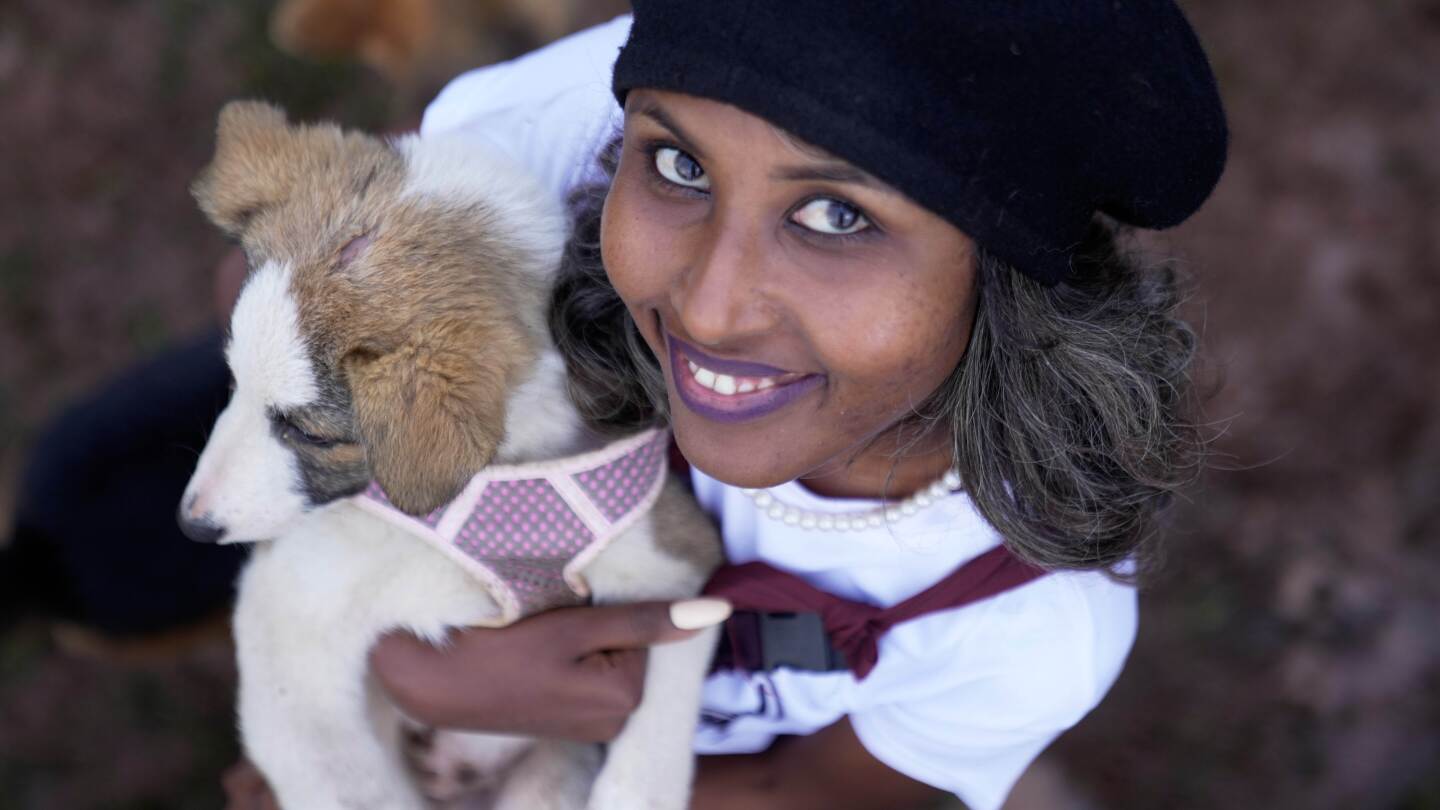
Abandoned dogs in Ethiopia’s capital get little care. A woman wants to change that
In the bustling streets of Addis Ababa, Ethiopia, the plight of stray dogs has found an unlikely champion in Feven Melese, a 29-year-old music graduate turned animal rights activist. Amid the cacophony of urban life, Melese’s soft whistle resonates as she tends to the city’s forgotten canines. Her modest shelter on the outskirts of the capital provides refuge for 40 dogs, while she feeds an additional 700 weekly. Over the past two years, Melese has successfully rehomed more than 300 dogs, challenging the traditional Ethiopian view of dogs as mere protectors rather than cherished companions. As Addis Ababa’s skyline transforms with new high-rises, the city’s estimated 200,000 stray dogs face dwindling spaces to roam. Many are abandoned by owners relocating to pet-restricted apartments, exacerbating the crisis. Authorities, grappling with rabies outbreaks, have faced backlash for poisoning strays ahead of major events. Melese’s shelter, though rudimentary, offers solace to injured dogs like Konjit, who wears a neck brace after surviving a road accident. Her childhood compassion for strays has blossomed into a lifelong mission, supported by fellow activists like Luna Solomon and Biruk Dejene. Together, they advocate for humane solutions, including mass vaccinations, sterilization programs, and adoption incentives. Despite limited resources, Melese remains steadfast in her efforts to reshape societal attitudes and secure a brighter future for Addis Ababa’s canine population.
-
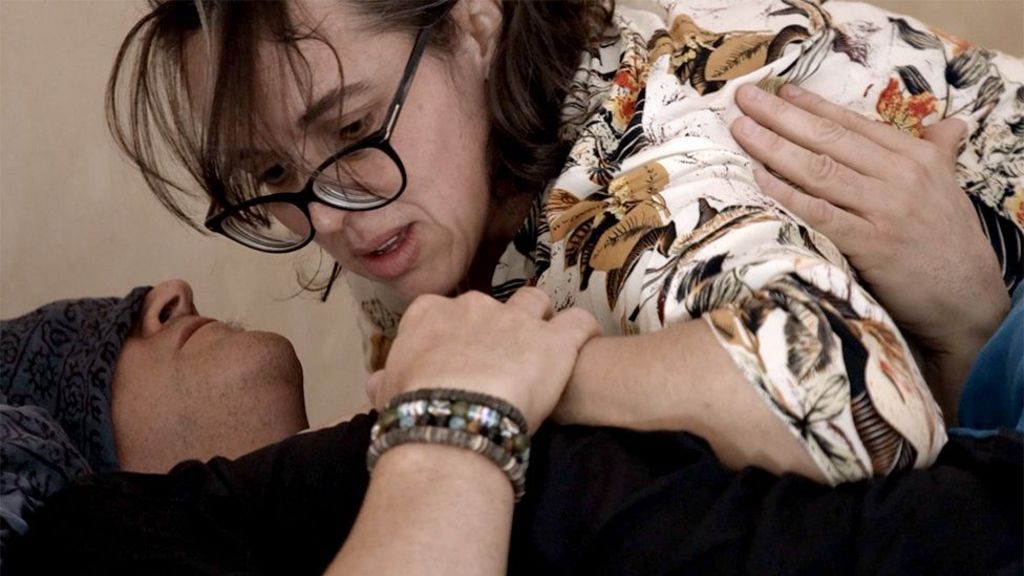
Shamans openly using psychedelic drugs for treatment in South Africa
In the lush outskirts of Cape Town, a clandestine yet burgeoning industry thrives despite stringent legal prohibitions. Psychedelic substances such as psilocybin and MDMA, though illegal in South Africa, are being openly utilized by self-proclaimed healers and shamans for therapeutic purposes. These practitioners, operating in a legal grey area, offer treatments that they claim can address a spectrum of mental health issues, from depression to PTSD.
-
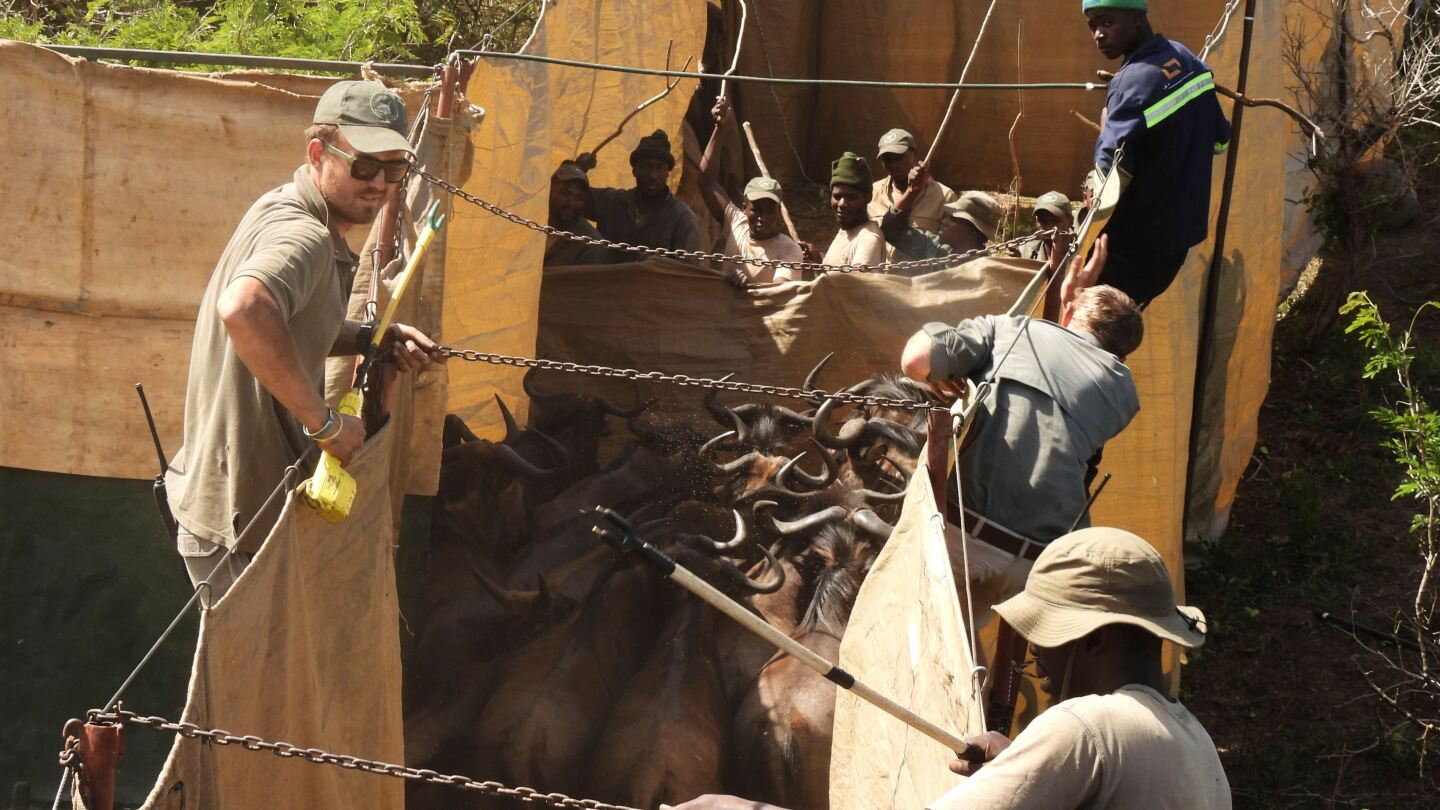
Reviving this African game reserve meant catching and transporting hundreds of wild animals
CAPE TOWN, South Africa — Once a thriving sanctuary for wildlife, Banhine National Park in Mozambique faced near devastation due to decades of civil war and rampant poaching. Now, a groundbreaking initiative is breathing new life into this historic reserve. In collaboration with the Mozambican government, private conservationists have successfully relocated nearly 400 animals, including zebras, wildebeests, and various antelope species, to Banhine. This effort marks a critical step in reviving the park, which is part of the Great Limpopo Transfrontier Park—a network of reserves spanning Mozambique, South Africa, and Zimbabwe that serves as a vital wildlife corridor. The relocated animals were sourced from Maputo National Park, a testament to the success of similar restoration efforts 15 years ago. The relocation process was a logistical feat, involving helicopters to herd the animals into funnel-shaped enclosures, followed by an 18-hour truck journey to Banhine. The operation spanned 12 days, with the animals initially introduced into an 8-square-mile sanctuary. This area will gradually expand as the animals acclimate and prepare to roam the larger park. Donald Sutton, head of operations and development at Banhine, emphasized the project’s significance in enhancing biodiversity and boosting tourism. Banhine’s restoration is part of a broader initiative by the Peace Parks Foundation, which has relocated over 18,000 animals to degraded conservation areas across southern Africa. Sutton expressed optimism, envisioning Banhine returning to its former glory as a thriving wildlife haven.
-
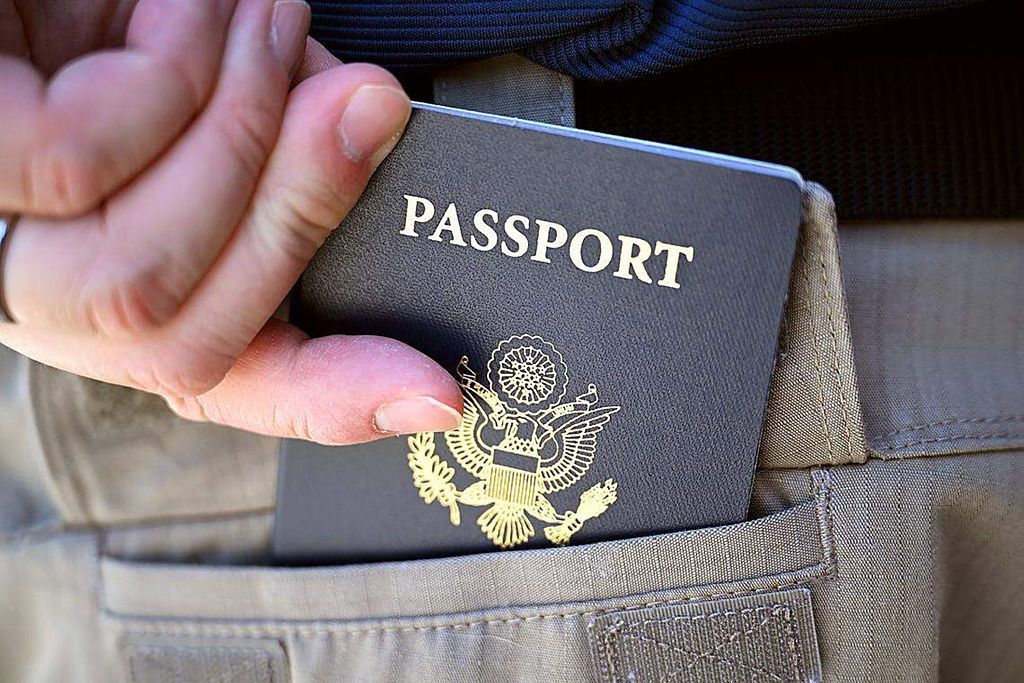
Mali imposes $10,000 visa bond on US visitors in tit-for-tat move
In a significant diplomatic escalation, Mali has announced that US nationals visiting the West African country will be required to post a bond of up to $10,000 for business and tourist visas. This decision comes as a direct response to similar visa requirements imposed by the Trump administration on Malian citizens. The US embassy in Mali stated that the fee was introduced to reinforce Washington’s ‘commitment to protecting America’s borders and safeguarding US national security.’ Mali’s foreign ministry, however, described the US move as unilateral and justified its decision to ‘establish an identical visa programme’ for US citizens. This visa policy shift occurs despite recent efforts to improve diplomatic relations between the two countries. In July, US officials visited Mali to discuss counterterrorism cooperation and economic partnerships, including potential access to Mali’s gold and lithium reserves. Relations between the two nations have been strained since a 2021 coup in Mali brought General Assimi Goïta to power. Goïta pivoted Mali towards Russia to combat a growing jihadist insurgency, expelling French troops and bringing in mercenaries from Russia’s Wagner group, which has since been replaced by Africa Corps. The situation further deteriorated last week when Burkina Faso’s military government refused to accept deportees from the US, leading Washington to suspend visa issuances in the West African nation. Burkina Faso’s foreign affairs minister, Karamoko Jean-Marie Traoré, questioned whether the embassy’s decision was ‘blackmail’ after rejecting a US proposal to take in migrants from third countries. The Trump administration has increasingly turned to African countries as destinations for deporting migrants as part of its broader crackdown on immigration.
-
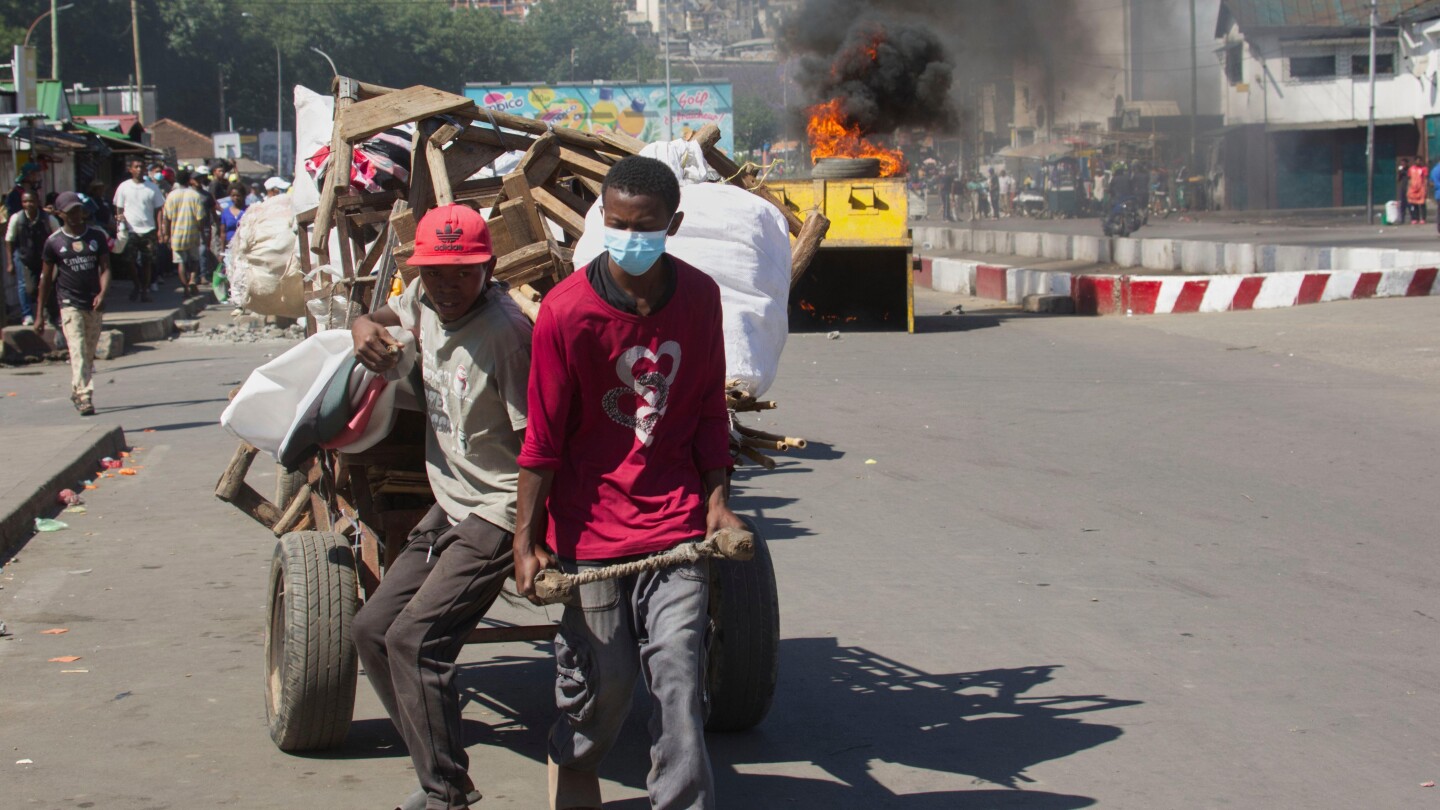
An attempted coup is underway in Madagascar, the country’s president says
Madagascar is grappling with a severe political crisis as an attempted coup unfolds, according to President Andry Rajoelina. The announcement came on Sunday, following days of escalating unrest led by youth protesters and the involvement of an elite military unit. The protests, spearheaded by a group known as “Gen Z Madagascar,” have plunged the nation into its most significant turmoil in years. The United Nations reports that the demonstrations have resulted in 22 fatalities and numerous injuries, though the government disputes these figures. In a statement, Rajoelina’s office condemned the “illegal and forceful attempt to seize power,” urging national unity to defend constitutional order and sovereignty. The statement did not specify the perpetrators, but members of the elite CAPSAT unit were observed joining the anti-government protests on Saturday. The unrest, which began on September 25, stems from widespread dissatisfaction with service failures, alleged corruption, and nepotism within the government. Rajoelina, who first rose to power following a 2009 coup, was reelected for a second term in 2023. The situation remains volatile as the nation confronts this unprecedented challenge to its stability.
-
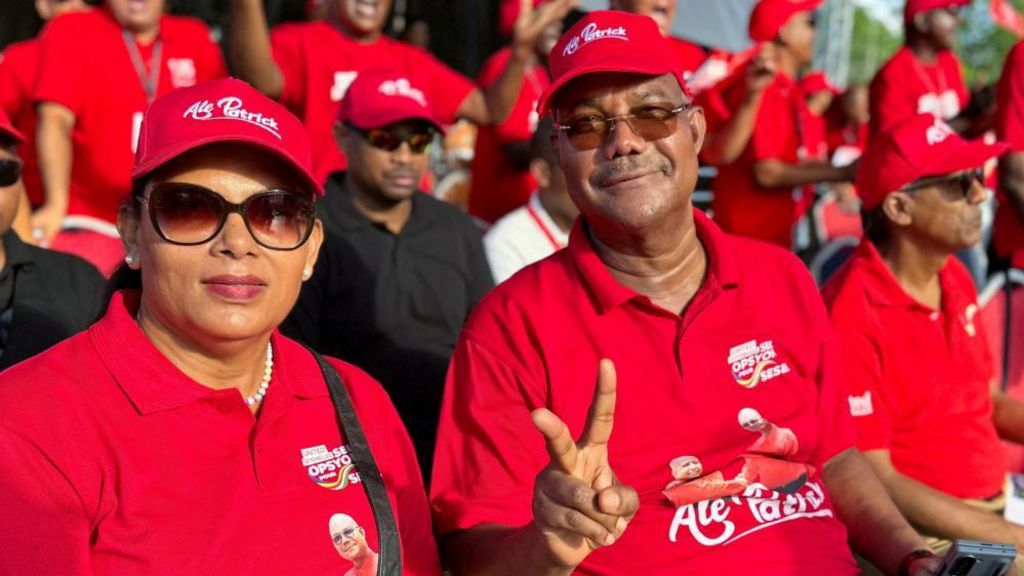
Seychelles’ opposition leader wins presidential poll
Patrick Herminie, the leader of Seychelles’ main opposition party, has emerged victorious in the nation’s presidential election, defeating incumbent Wavel Ramkalawan in a closely contested runoff. According to the official results released by the electoral commission, Herminie secured 52.7% of the vote, while Ramkalawan garnered 47.3%. The election proceeded to a second round after neither candidate achieved a majority in the initial vote two weeks prior. In his victory speech, Herminie pledged to address the rising cost of living, revitalize public services, and foster national unity, declaring the outcome as “a new chapter for all Seychellois.” Ramkalawan, conceding defeat, congratulated Herminie and highlighted his administration’s achievements, stating he leaves behind “a legacy that makes many presidents blush.” Herminie’s path to the presidency was not without obstacles; he faced politically motivated witchcraft charges in 2023, which were dismissed in 2024, enabling his candidacy. His party, United Seychelles (US), also regained control of parliament last month with a strong majority, marking a significant political shift in the island nation. Herminie emphasized his commitment to inclusivity, vowing to end divisions and ensure equal opportunities for all citizens. This election reflects a broader trend in Africa, where incumbents are increasingly challenged amid public discontent over economic issues, as seen in Malawi’s recent leadership change.
-
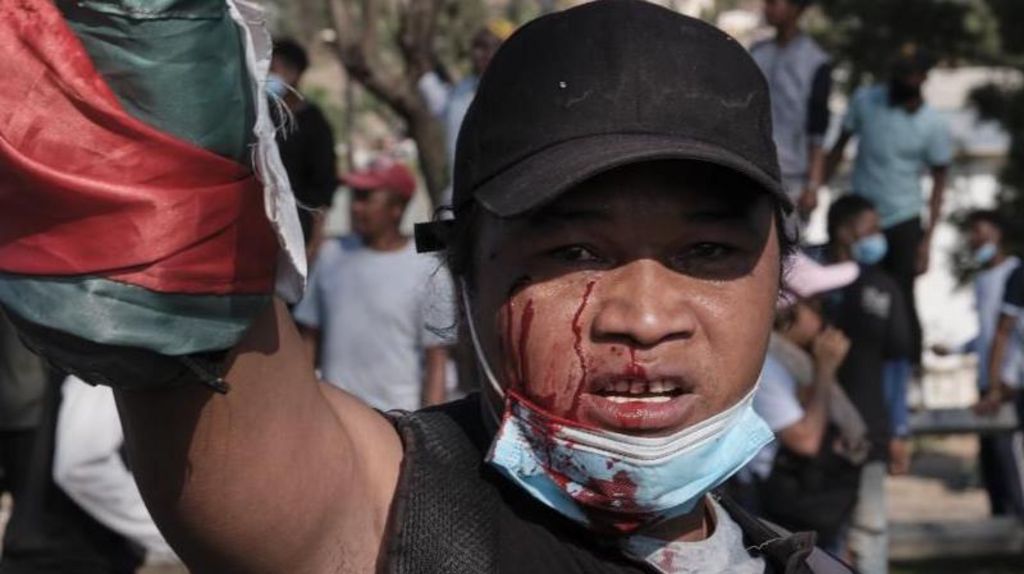
Madagascar presidency says attempt to seize power illegally under way
Madagascar is embroiled in a deepening political crisis as President Andry Rajoelina’s office has accused unnamed actors of attempting an unconstitutional seizure of power. This alarming declaration follows widespread protests in the capital, Antananarivo, which began on September 25 over water and power shortages but have since expanded to reflect broader grievances against Rajoelina’s administration. Issues such as rampant unemployment, corruption, and the escalating cost-of-living crisis have fueled public discontent. The situation intensified after CAPSAT, a prominent army unit instrumental in the 2009 political crisis that brought Rajoelina to power, criticized the security forces for their excessive use of force against demonstrators. In a statement on Sunday, Rajoelina condemned the alleged destabilization efforts, urging national unity to uphold constitutional order and sovereignty. The protests, led largely by Gen Z activists, underscore a growing demand for political change in the island nation. As tensions rise, the international community watches closely, with concerns mounting over the potential for further unrest and instability in Madagascar.
-
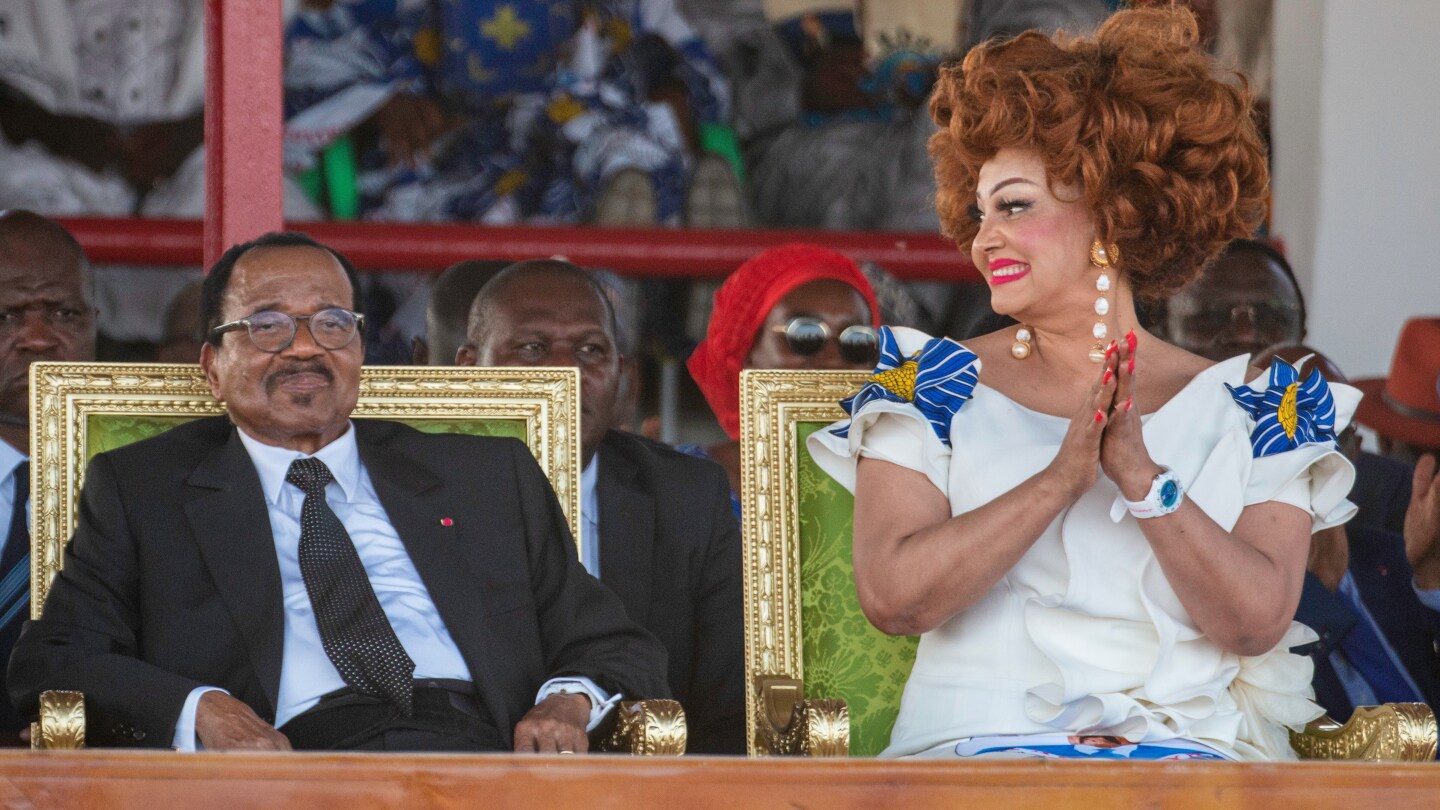
Cameroon heads to the polls as the world’s oldest president bids to extend his rule
Cameroon embarked on a pivotal electoral journey on Sunday as millions of citizens cast their votes in a presidential election that could extend President Paul Biya’s 43-year rule by another seven years. With over 8 million registered voters, including 34,000 overseas, the Central African nation witnessed polling across more than 31,000 stations. The election, which concluded at 6 p.m., is expected to announce results by October 26. Analysts anticipate a victory for Biya, who, at 92, is Africa’s oldest leader and has been in power since 1982. If re-elected, Biya would be 99 by the end of his term, raising questions about his health and governance, as he spends significant time in Europe, delegating daily affairs to party officials and family members. Biya’s campaign emphasized his commitment to addressing pressing national challenges, including economic instability and security crises. However, his prolonged tenure has drawn criticism, particularly from the country’s youthful population, which constitutes a majority. Biya faces nine opposition candidates, including former allies like Bello Bouba Maigari and Issa Tchiroma Bakary, who have strong support in the predominantly Muslim northern regions. Cameroon’s political landscape is further complicated by escalating security threats, including a secessionist conflict in the English-speaking west and Boko Haram insurgency in the north. With 43% of the population living in poverty, the election underscores the nation’s struggle for stability and progress.
-
South Africa debates changing name of world-famous Kruger park
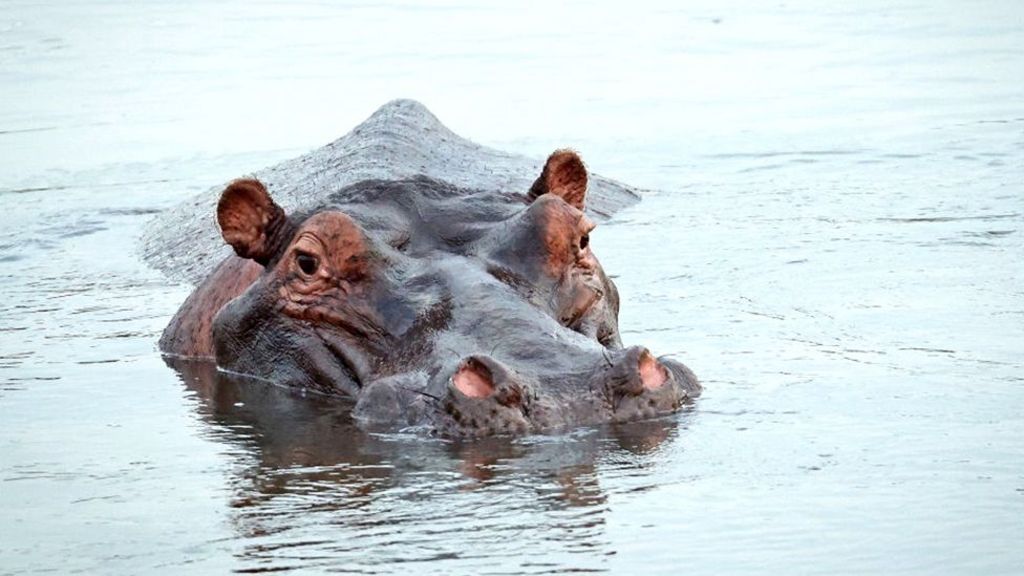
South Africa’s iconic Kruger National Park, a cornerstone of the nation’s tourism industry, is at the center of a heated debate over its name. The park, which attracts nearly a million visitors annually, was named in 1926 after Paul Kruger, a 19th-century president of the South African Republic. While Kruger is revered by Afrikaners as a hero who resisted British colonialism, many South Africans view him as a symbol of the country’s racist past, accusing him of displacing black communities and excluding them from governance.