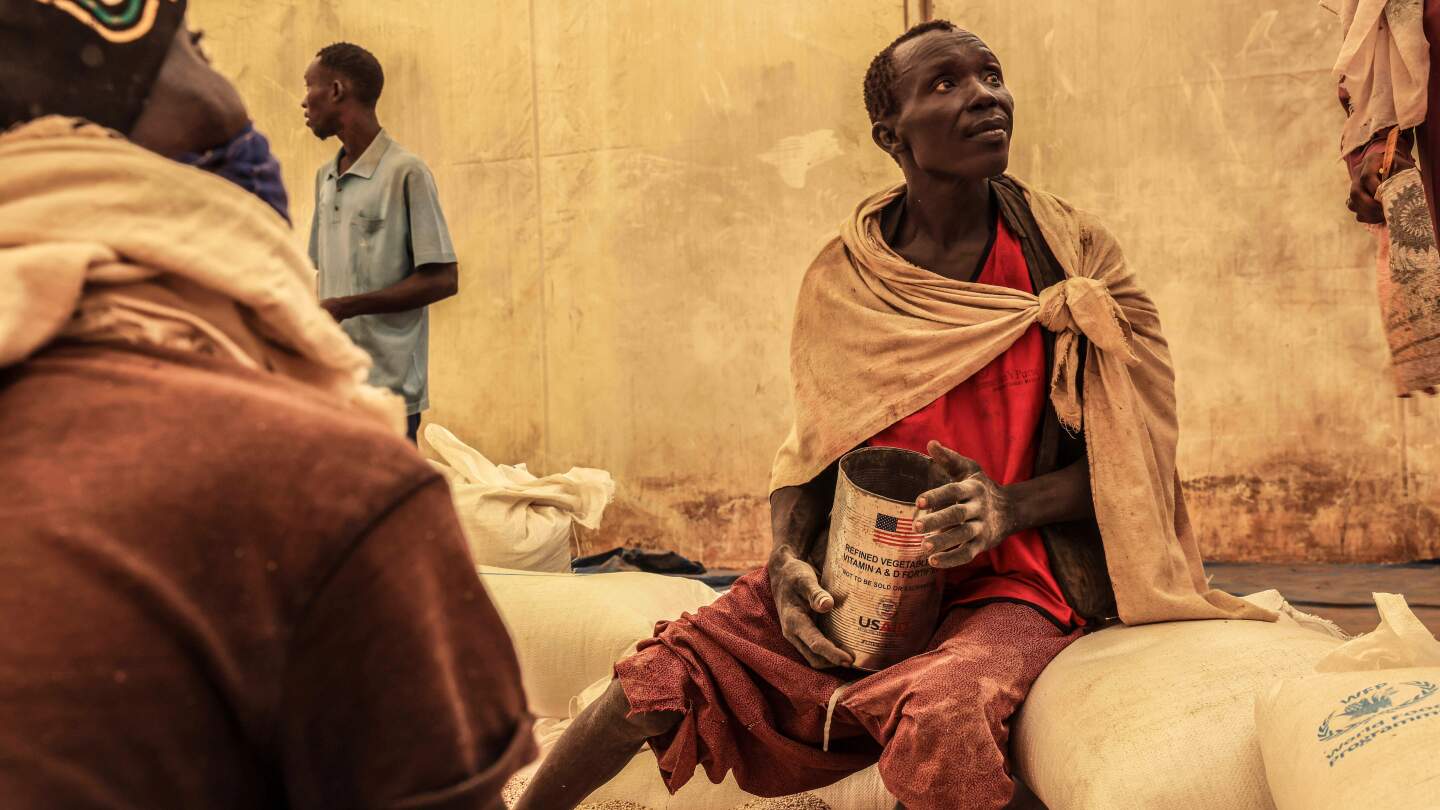
The World Food Program (WFP), the United Nations’ primary food aid agency, issued a stark warning on Wednesday, highlighting the dire consequences of severe funding reductions from its major donors. The agency revealed that nearly 14 million people across six countries—Afghanistan, Congo, Haiti, Somalia, South Sudan, and Sudan—are at risk of facing emergency levels of hunger due to these cuts. WFP Executive Director Cindy McCain described the situation as a ‘lifeline disintegrating before our eyes,’ emphasizing the gravity of the crisis. The agency anticipates a 40% drop in funding this year, reducing its budget to $6.4 billion from $10 billion in 2023. This shortfall is largely attributed to significant reductions in contributions from the United States under the Trump administration and other leading Western donors. The WFP stressed that global hunger is already at record levels, with 319 million people experiencing acute food insecurity, including 44 million at emergency levels. Famine has been declared in Gaza and Sudan, while in Afghanistan, food assistance reaches less than 10% of those in need. The funding crisis has also impacted other UN agencies, including those focused on migration, health, and refugees, leading to widespread aid and staffing cuts. The humanitarian aid community is grappling with the ripple effects of reduced support from traditional donors, including the U.S. Agency for International Development (USAID).
标签: Africa
非洲
-
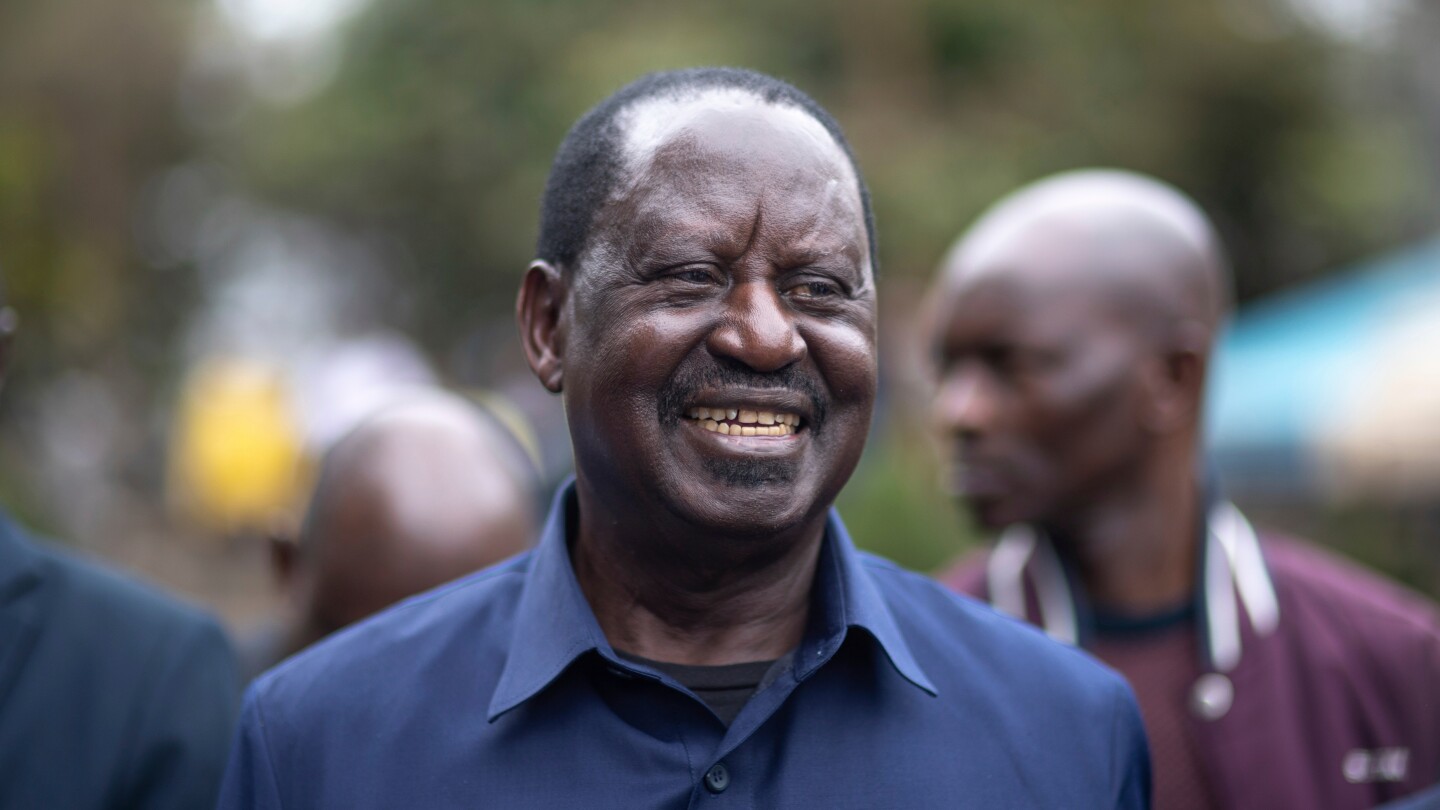
Former Kenyan premier Raila Odinga, a key figure in African politics, dies at 80
NAIROBI, Kenya — Raila Odinga, a towering figure in Kenyan politics and a former prime minister, passed away on Wednesday at the age of 80 due to a heart attack while in India. His death was confirmed by Devamatha Hospital in Kerala, where he was rushed after collapsing during a morning walk. Despite immediate medical intervention, Odinga succumbed to cardiac arrest, leaving behind a legacy of political activism and influence. Odinga, a perennial presidential candidate, ran for Kenya’s highest office five times over three decades, coming closest in 2007 when he narrowly lost to incumbent Mwai Kibaki in a contested election that sparked widespread ethnic violence. A member of the Luo ethnic group, Odinga spent his career navigating Kenya’s tribal political landscape, striving to unite diverse factions. Although he never achieved the presidency, his efforts were instrumental in transitioning Kenya from single-party rule to a multiparty democracy. Recently, he had forged a political alliance with President William Ruto, integrating his opposition party into key government roles. Odinga’s populist campaigns and ability to rally massive support made him a revered figure, symbolizing hope and resilience for many Kenyans. His death marks the end of an era in Kenyan politics, leaving a void that will be deeply felt across the nation.
-
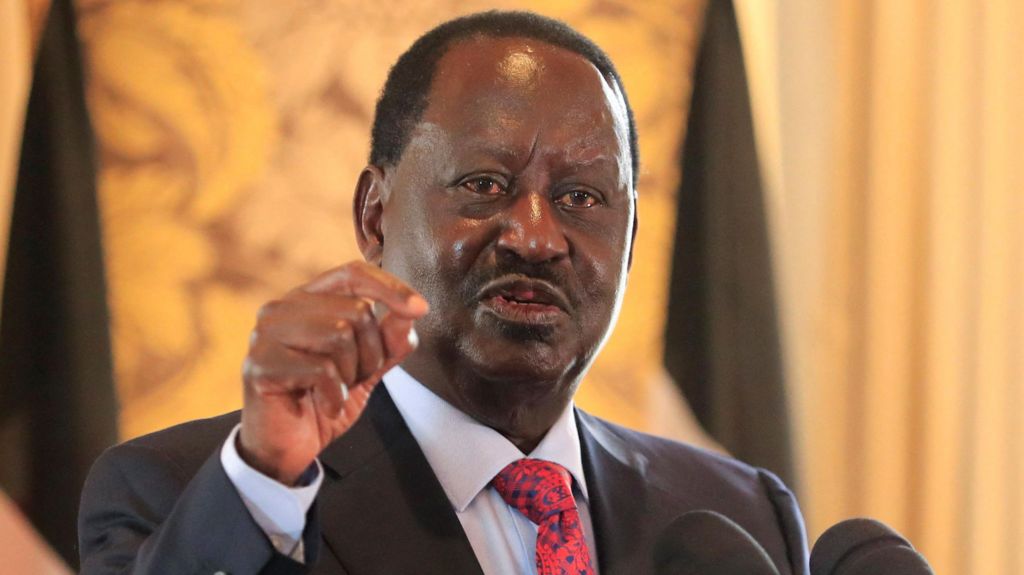
Former Kenyan Prime Minister Raila Odinga dies aged 80
Kenya has lost one of its most prominent political figures, former Prime Minister Raila Odinga, who passed away at the age of 80. According to family sources, Odinga died on Wednesday while undergoing medical treatment in India. His health had been the subject of recent speculation, though his family and political allies had refuted claims of critical illness. Odinga, a formidable political mobilizer, contested the Kenyan presidency five times without success, consistently alleging electoral fraud. His claims were partially validated in 2017 when Kenya’s Supreme Court nullified Uhuru Kenyatta’s victory and ordered a rerun, which Odinga boycotted, citing the need for electoral reforms. Despite his electoral defeats, Odinga often reconciled with incumbent presidents post-elections. Following his 2022 loss, he joined President William Ruto’s administration, bringing several of his allies into key government positions. Odinga’s death marks the end of an era in Kenyan politics, leaving a legacy of resilience and advocacy for democratic reforms. This is a developing story; updates will follow.
-
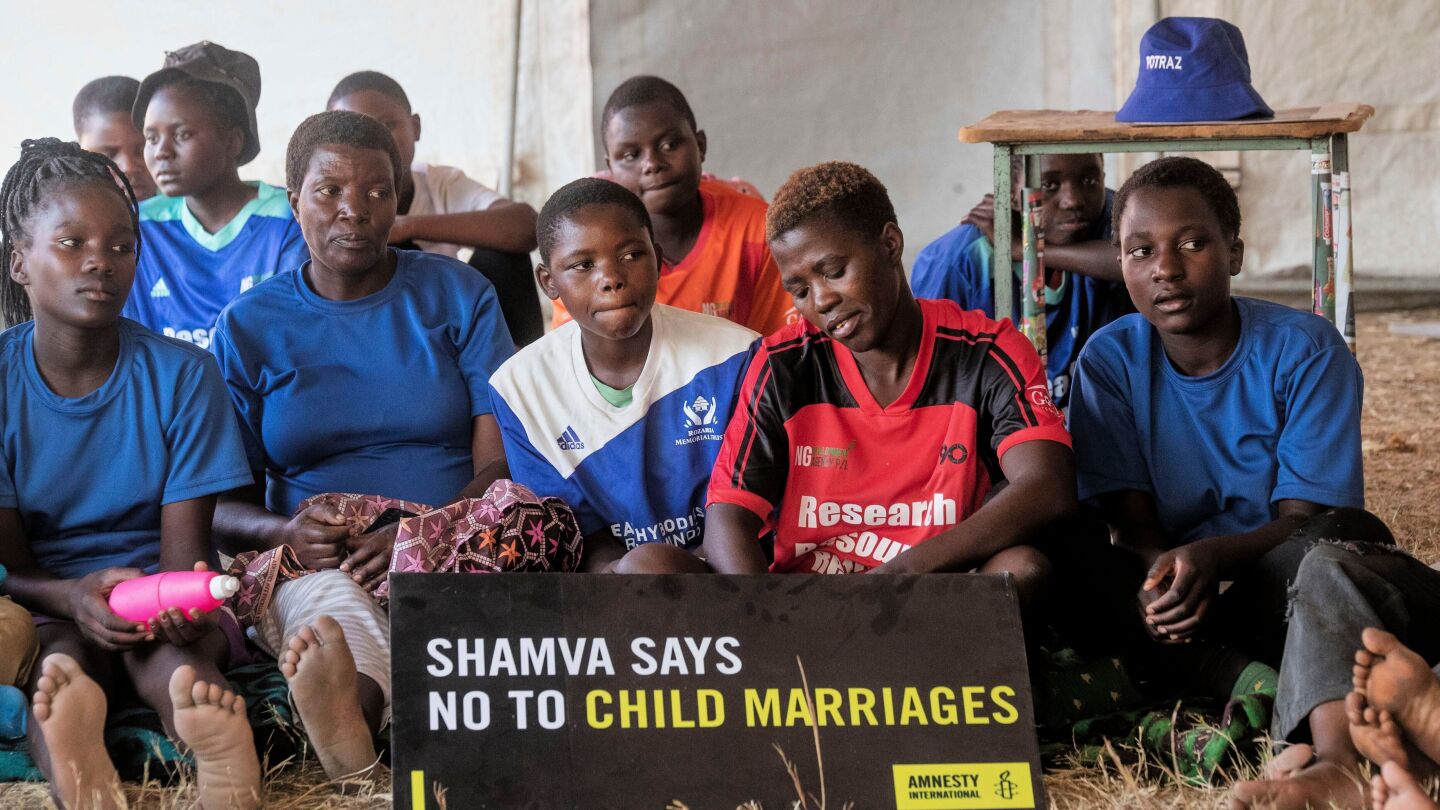
An ancient tradition is helping girls in Zimbabwe fight child marriages
In the rural landscapes of northeastern Zimbabwe, a group of girls gathers inside a white tent with a wooden fireplace at its center. They remove their shoes, sit on mattresses, and prepare to engage in open discussions about sexuality, child marriage, teen pregnancy, gender bias, education, economic empowerment, and the law. This gathering is a modern revival of Nhanga, an ancient tradition once used to prepare adolescent girls for marriage. Today, it has been reimagined as a peer-led movement to resist child marriage, a pervasive issue in Zimbabwe and across Africa.
Nhanga, traditionally a female-only space in round thatched huts, was historically a place where girls were taught obedience, marital duties, and moral education, reinforcing patriarchal norms. However, the new Nhanga is a cultural innovation addressing contemporary challenges. ‘The new Nhanga is a safe space where girls can candidly discuss sensitive topics,’ said Nokutenda Magama, a programs officer with the Rozaria Memorial Trust, a nonprofit driving this revival.
The sessions, organized by age groups ranging from five-year-olds to women over 35, include practical skills like poultry raising, farming, and soap making. Elders and senior government officials are sometimes invited to provide mentorship. This initiative comes amid alarming statistics: one in three girls in Zimbabwe marries before 18, a situation mirrored across East and southern Africa. Despite laws outlawing child marriage, poverty, weak enforcement, and cultural practices perpetuate the problem.
For Samantha Chidodo, 26, the Nhanga revival offered a lifeline. Forced into an abusive marriage at 17, she escaped and, with support from the Rozaria Memorial Trust, returned to school and became a pioneer of the modern Nhanga. ‘Initially, we were only about 20 girls. Now, over 200 in my village participate,’ she said. The movement has spread to Zambia and Sierra Leone and gained recognition at African Union and United Nations forums.
To address the cultural roots of child marriage, girls have sought the support of chiefs and village heads. Xmas Savanhu, a local village headman, explained that offenders now face fines, such as paying a cow, which is held in trust for the girl’s education. Despite progress, poverty and entrenched attitudes remain challenges. ‘The gap lies with the adults,’ said Enet Tini, a teacher and mentor, emphasizing the need for girls-led initiatives to shift societal norms.
Nyaradzai Gumbonzvanda, deputy executive director at U.N. Women and founder of the Rozaria Memorial Trust, called child marriage ‘essentially rape and sexual exploitation,’ stressing that solutions must involve girls themselves, policymakers, and traditional leaders. ‘If we can pressure each other into behaving badly, then we can also influence each other to act positively,’ said Anita Razo, an 18-year-old mentor.
This grassroots movement demonstrates how ancient traditions can be reimagined to address modern challenges, empowering girls to shape their futures and challenge societal norms.
-
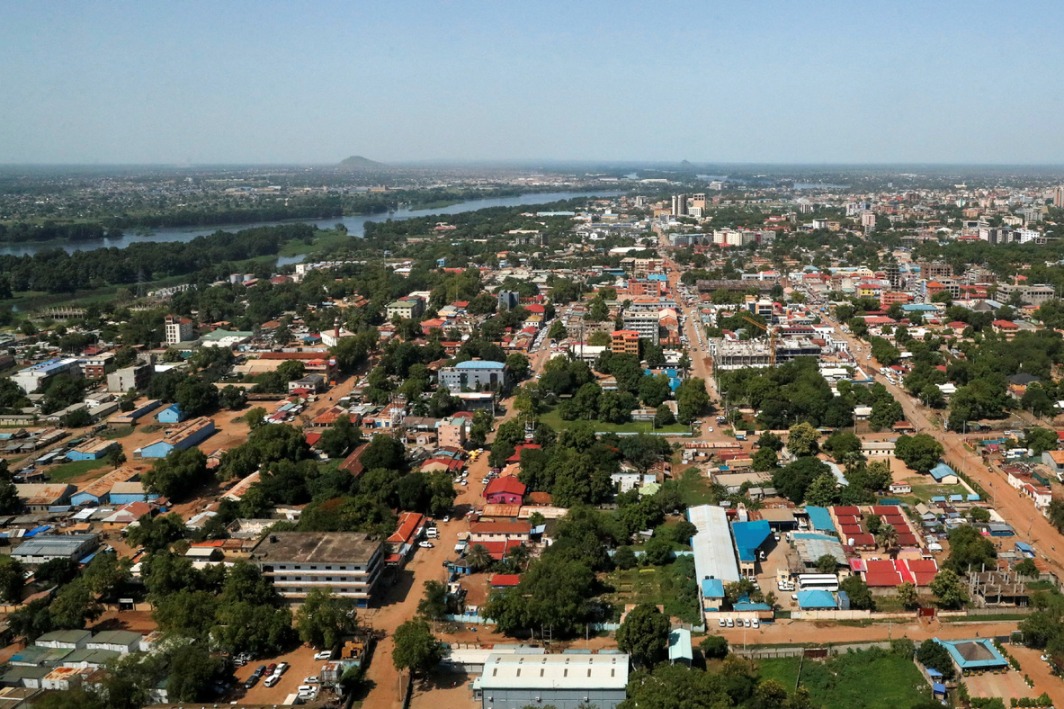
UN urges decisive action as South Sudan crisis deepens
The United Nations Commission on Human Rights has issued a stark warning about the deepening crisis in South Sudan, emphasizing the urgent need for decisive action to restore peace, ensure accountability, and facilitate a credible political transition. Despite nearly a decade of regional efforts, the country remains mired in a worsening political and humanitarian crisis, with the breakdown of dialogue and escalating instability reigniting armed conflict on a scale not seen since the 2017 cessation of hostilities agreement. Civilians continue to suffer the most, enduring widespread human rights violations, mass displacements, and deteriorating humanitarian conditions. The commission has cautioned that without immediate intervention, the situation could further destabilize the wider region. Commissioner Barney Afako highlighted the failure of leadership and consensus in implementing the peace agreement and political transition, citing ongoing political crises, increasing fighting, and systemic corruption as key issues. He stressed the need for immediate, sustained, and coordinated political engagement by the region to prevent South Sudan from sliding back into full-scale conflict, which would have devastating human rights consequences for its people and the broader region. Over a decade since the conflict began in December 2013, victims still await justice and reparations, with no tangible progress made on establishing a Hybrid court despite repeated calls from the AU Peace and Security Council. In 2025 alone, an estimated 300,000 South Sudanese fled the country due to rising conflict, with significant numbers seeking refuge in Sudan, Ethiopia, and Uganda. The country also hosts 2 million internally displaced people and shelters 560,000 refugees fleeing the war in Sudan. UN Commissioner for Human Rights in South Sudan, Carlos Castresana Fernández, emphasized that stability and justice are essential for the country’s rebuilding process. He called for credible and independent mechanisms for justice and accountability to deter repeated cycles of atrocities, break cycles of impunity, and heal the wounds of war. He urged the AU and regional partners to act now to prevent another war and build the foundations of a just peace based on the rule of law.
-
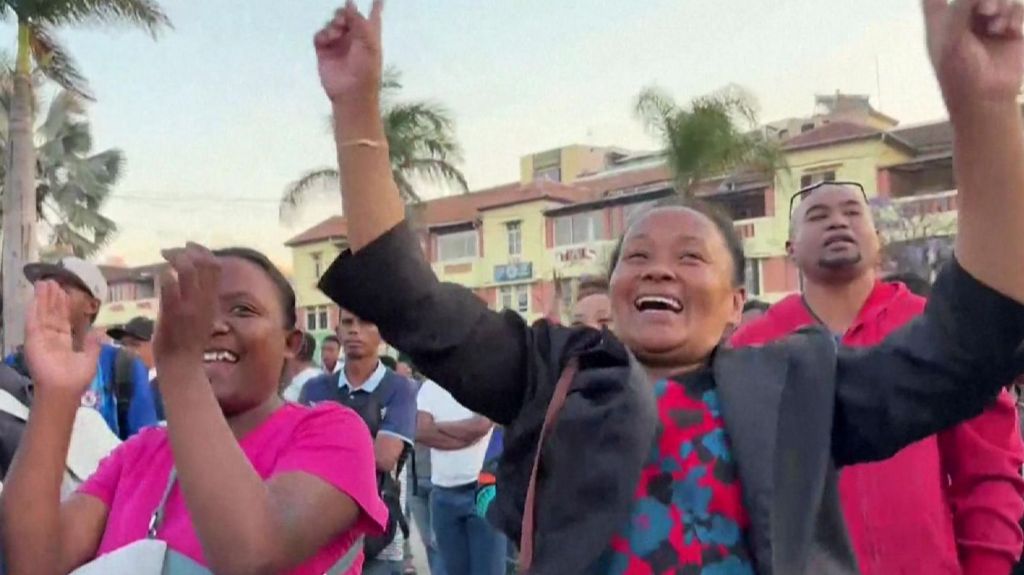
Madagascar crowds cheer as military unit seizes power
In a dramatic turn of events, an elite military unit in Madagascar has declared the seizure of power from the country’s president, sparking widespread jubilation among the populace. The streets of Antananarivo, the nation’s capital, were filled with cheering crowds as news of the military’s intervention spread. The unit, known for its strategic prowess, announced its takeover in a public statement, though details regarding the president’s current status remain unclear. This development marks a significant shift in Madagascar’s political landscape, raising questions about the future governance and stability of the island nation. Analysts are closely monitoring the situation, as the military’s actions could have far-reaching implications for both domestic and international relations.
-
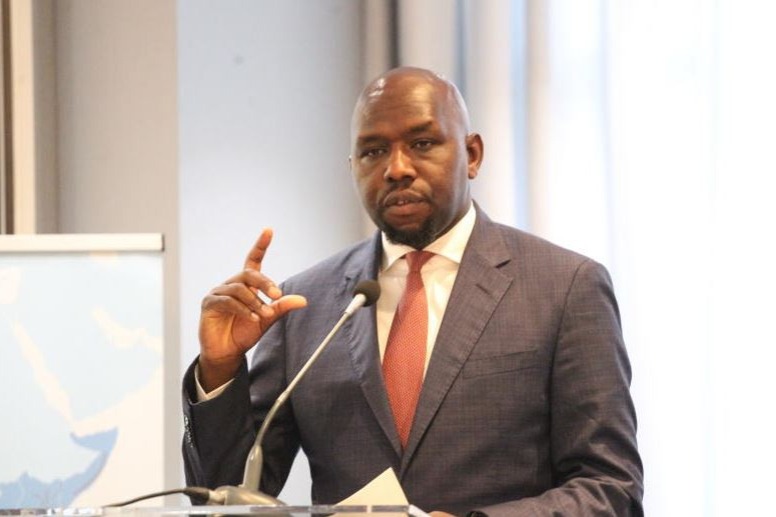
China, Kenya deepen security and law enforcement cooperation to tackle regional threats
China and Kenya have pledged to deepen their collaboration in security, law enforcement, and border management, expanding their partnership beyond traditional economic and trade ties. This renewed commitment was highlighted during a recent bilateral meeting between Kenya’s Interior and National Administration Cabinet Secretary Kipchumba Murkomen and Chinese Ambassador to Kenya Guo Haiyan. Murkomen emphasized that the partnership between the two nations has evolved to include critical areas of governance and security, alongside their ongoing socio-cultural and economic cooperation. He acknowledged China’s significant contributions to Kenya’s infrastructure development under the Belt and Road Initiative, which has played a pivotal role in advancing Kenya’s modernization agenda. Both countries are now exploring ways to enhance their collaboration in security infrastructure, border management, and combating transnational crimes that threaten regional stability. Ambassador Guo reaffirmed China’s commitment to supporting Kenya in building institutional capacity and strengthening law enforcement mechanisms. She also highlighted ongoing efforts to bolster cooperation in security, information exchange, and the use of technology to enhance public safety.
-
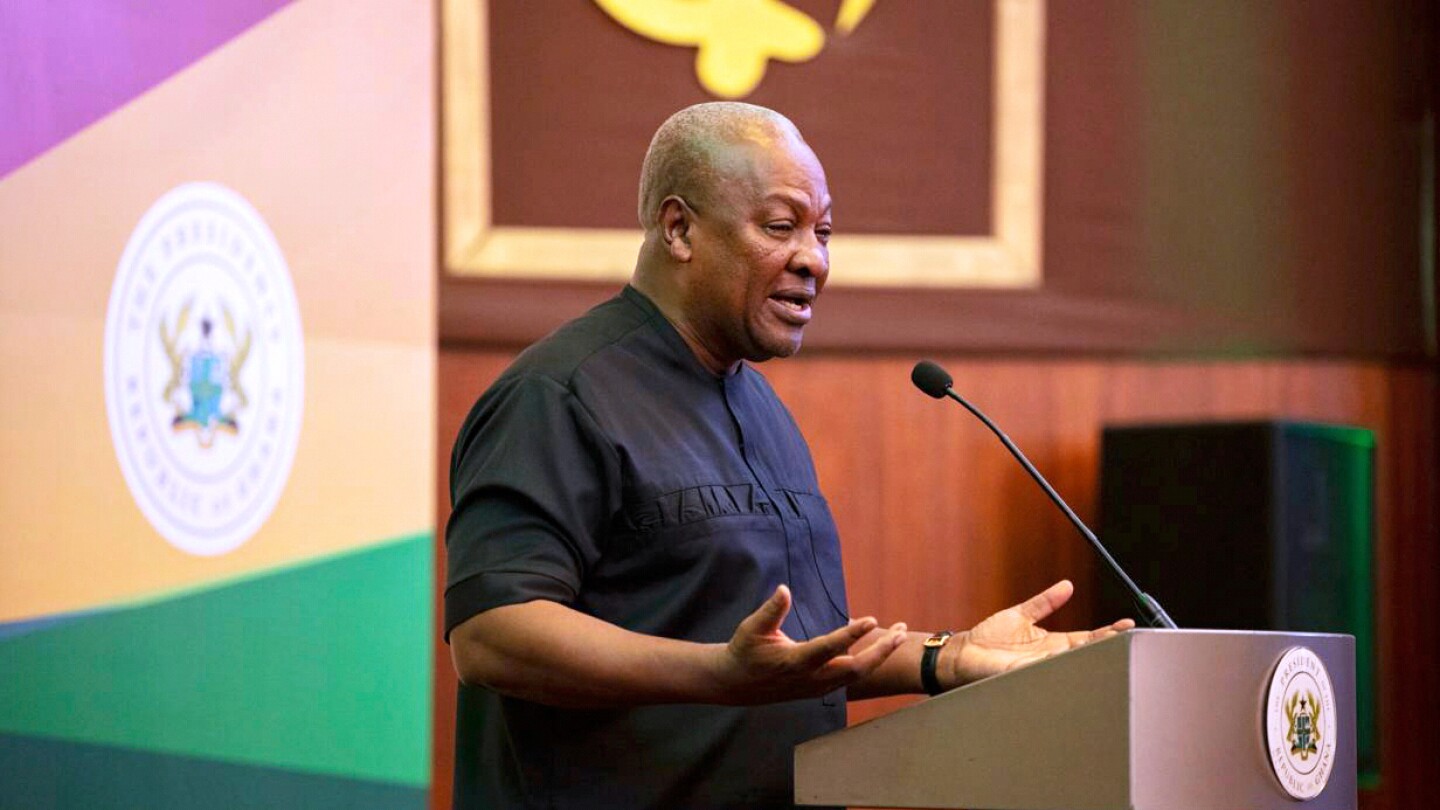
Ghana rights group files lawsuit against government’s acceptance of US deportees
In a recent development, 14 West African nationals were deported from the United States to Ghana, bringing the total number of deportees under a bilateral agreement to 42. The deportation, which occurred on Monday, has sparked significant controversy and legal action. Oliver Barker-Vormawor, a lawyer representing migrants, revealed that his organization, Democracy Hub, filed a lawsuit on Tuesday against the Ghanaian government. The lawsuit alleges that the deportation agreement with the U.S. is unconstitutional, as it was not approved by Ghana’s parliament, and may violate international conventions protecting individuals from being sent to countries where they could face persecution. Government spokesman Felix Kwakye Ofosu stated that the attorney general would defend the arrangement in court but offered no further comments. This deportation program is part of the Trump administration’s broader crackdown on illegal immigration, particularly targeting individuals with criminal records who are difficult to deport to their home countries. Since July, dozens of deportees have been sent to various African nations, including Ghana, South Sudan, Rwanda, and Eswatini, under largely secretive agreements. Critics argue that the program lacks transparency and often sends individuals to countries where they have no ties, potentially denying them due process. Earlier deportations to Ghana saw migrants held in poor conditions at a military camp near Accra, with many later sent to other West African countries. The situation has drawn widespread condemnation from human rights groups, who argue that the program undermines international protections for migrants.
-
Ivory Coast and Senegal claim places at World Cup
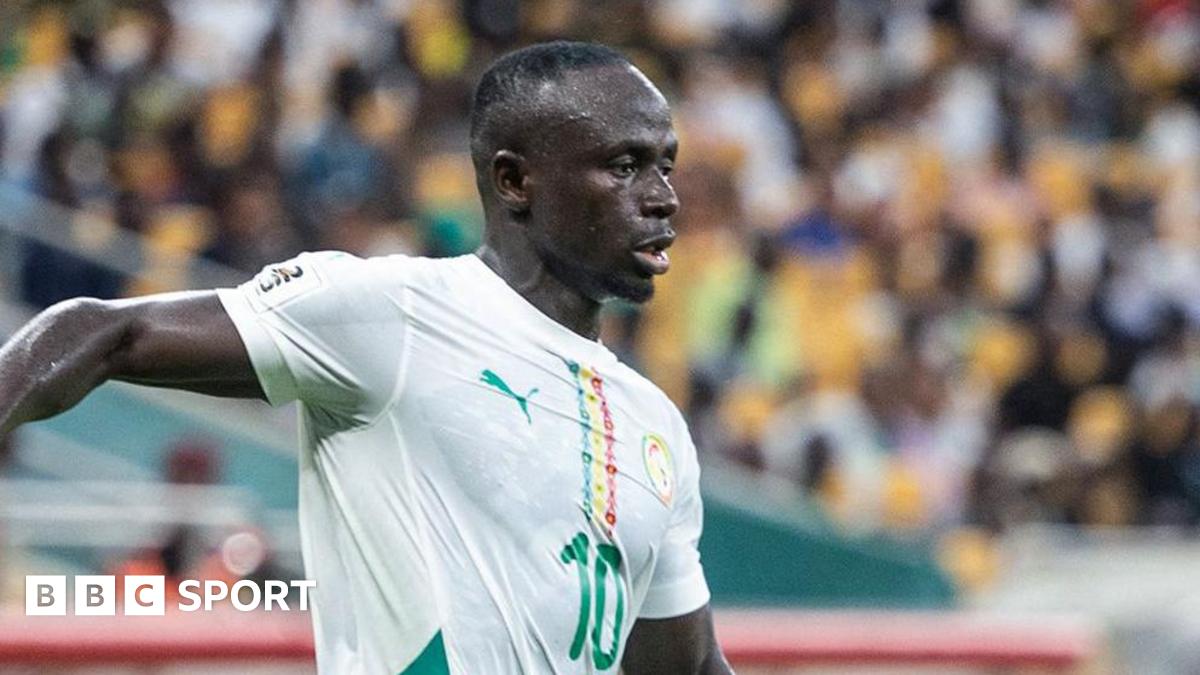
In a thrilling conclusion to the African qualifiers for the 2026 FIFA World Cup, Senegal and Ivory Coast clinched the continent’s last two automatic berths with decisive victories on Tuesday. Senegal dominated Group B with a commanding 4-0 win over Mauritania in Dakar. Sadio Mane, the former Liverpool star, opened the scoring with a sublime free-kick just before halftime, followed by a clinical second goal. Iliman Ndiaye and Habib Diallo added to the tally, sealing Senegal’s top spot in the group, two points clear of DR Congo, who edged Sudan 1-0. Meanwhile, Ivory Coast showcased their defensive prowess, completing the entire 10-match qualifying campaign without conceding a single goal. Their 3-0 triumph over Kenya in Abidjan, courtesy of goals from Franck Kessie, Yan Diomande, and Amad Diallo, ensured they finished a point ahead of Gabon in Group F. Both teams now join Morocco, Tunisia, Egypt, Algeria, Ghana, Cape Verde, and South Africa as Africa’s representatives at the expanded 48-team tournament in Canada, Mexico, and the United States. The final African spot will be determined through next month’s continental play-offs, featuring Cameroon, DR Congo, Gabon, and Nigeria.
-

New Africa CDC platform boosts regional health manufacturing
The Africa Centres for Disease Control and Prevention (Africa CDC) has introduced the African Manufacturing Market Intelligence & Network Analysis (AMMINA) platform, a groundbreaking initiative designed to enhance health manufacturing, innovation, and self-reliance across the continent. Launched during the African Healthcare Manufacturing Trade Exhibition and Conference in Accra, Ghana, the platform aims to bolster health sovereignty and reduce Africa’s dependency on imported medical supplies. Jean Kaseya, Director-General of Africa CDC, emphasized that AMMINA will provide comprehensive data on manufacturers, production capacities, product portfolios, and market trends, enabling informed decision-making and fostering industrial growth. Initially, the platform maps data from over 700 manufacturers and 2,500 health products across 18 African Union (AU) Member States, with plans to expand coverage to all 55 Member States. AMMINA is expected to stimulate intra-African trade, attract sustainable investments, and drive innovation in local production of vaccines, medicines, and diagnostics. Africa CDC, in collaboration with AU institutions and partners, envisions AMMINA as a pivotal tool to unlock Africa’s manufacturing potential and secure the continent’s health future. This initiative comes as African nations strive to build a resilient health ecosystem, particularly in the wake of the COVID-19 pandemic, which highlighted vulnerabilities in global supply chains.