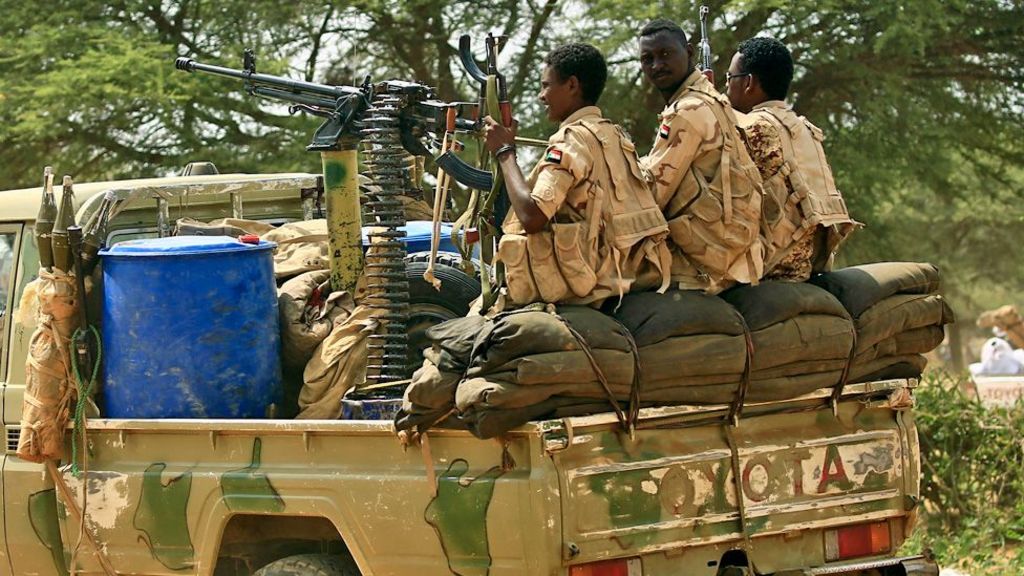
The besieged city of el-Fasher in Sudan has become a grim testament to the escalating humanitarian crisis and alleged war crimes committed by the paramilitary Rapid Support Forces (RSF). Satellite imagery analyzed by Yale University’s Humanitarian Research Lab (HRL) reveals deliberate targeting of civilians, with over 60 new burial mounds appearing in just two weeks. Caitlin Howarth of HRL described the situation as ‘horrific,’ noting that munitions have been deployed to destroy shelters, mosques, hospitals, and markets, resulting in the deaths of at least 174 people and injuring 123 others. These actions, according to researchers, constitute prima facie war crimes and may rise to the level of crimes against humanity. The RSF, which originated from the notorious Janjaweed militia, has encircled the city with a 57-kilometer earthen wall, trapping an estimated 300,000 residents. Food supplies have completely run out, and even alternative sources like ‘ambaz,’ a peanut residue normally fed to animals, are unavailable. The resistance committee for el-Fasher has issued desperate pleas for international aid, but their calls seem to fall on deaf ears. With only four RSF-controlled exits remaining, civilians are forced into increasingly smaller zones of refuge, where they face repeated bombardments. The international community has yet to take significant action, leaving the city’s residents in a dire and life-threatening situation.
标签: Africa
非洲
-
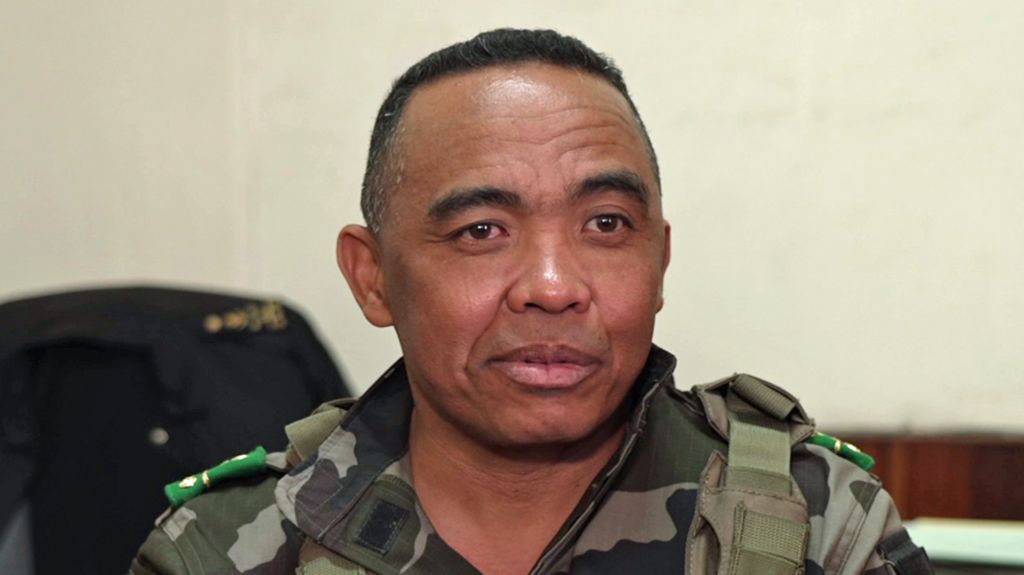
From prison to presidential palace: Who is Madagascar’s new military ruler?
In a dramatic turn of events, Col Michael Randrianirina has emerged as Madagascar’s most influential figure, following a swift and unexpected ascent to power. Just days ago, Randrianirina was relatively unknown, but as the head of the elite CAPSAT military unit, he led his troops into the capital, joining thousands of protesters demanding the resignation of President Andry Rajoelina. After Rajoelina fled and MPs voted to impeach him, Randrianirina announced to the world that CAPSAT was taking control. The constitutional court swiftly declared him the country’s new leader, despite Rajoelina’s claims of continued authority. Randrianirina’s background is shrouded in mystery, with limited public information available. Born in Sevohipoty, he served as governor of Androy and later led an infantry battalion in Toliara. A vocal critic of Rajoelina, he was imprisoned in 2023 without trial, accused of inciting mutiny, but was released in 2024 amid claims of political persecution. Randrianirina, described as ‘simple but tough’ and ‘patriotic,’ has pledged to prioritize social welfare in a nation where 75% live in poverty. He plans a two-year military-civilian government before elections. His swearing-in ceremony is imminent, marking the culmination of a whirlwind rise from obscurity to leadership.
-
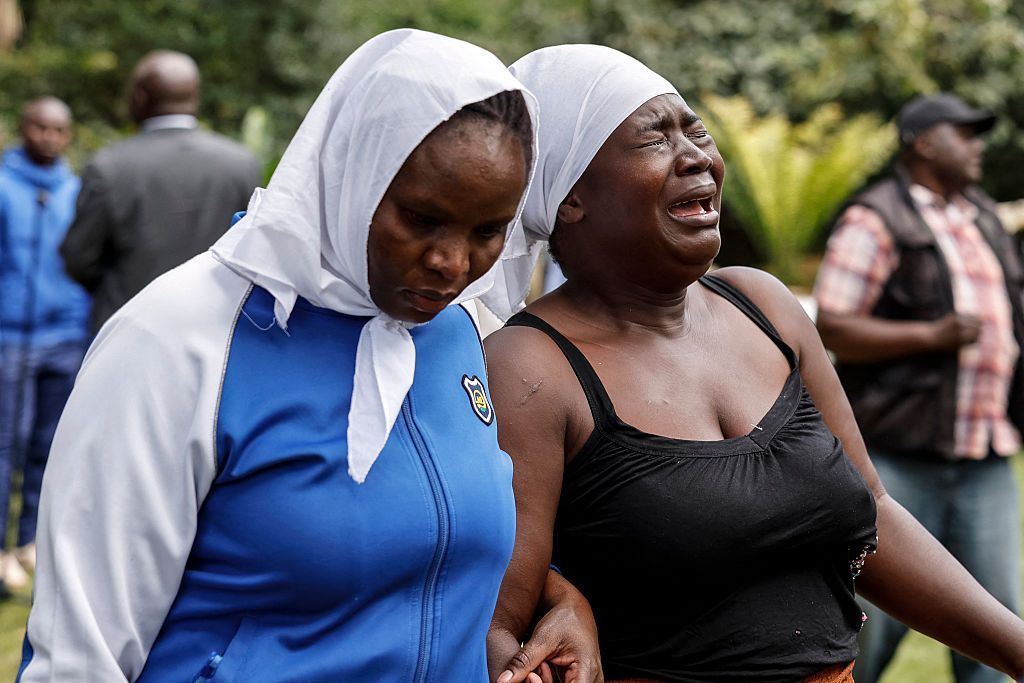
Kenyans gather to mourn Raila Odinga
The city of Nairobi has come together in a solemn gathering to honor the memory of former Kenyan Prime Minister Raila Odinga, who passed away at the age of 80. Odinga, a prominent political figure in Kenya, died while undergoing medical treatment at a hospital in India. His death has sparked an outpouring of grief and reflection among citizens, who remember him as a pivotal leader in the nation’s history. The mourning event, held in the heart of Nairobi, saw a diverse crowd of supporters, political allies, and ordinary citizens paying their respects. Odinga’s legacy, marked by his contributions to Kenya’s democratic evolution and his role in shaping the country’s political landscape, continues to resonate deeply across Africa and beyond. The gathering not only commemorates his life but also underscores the profound impact he had on the nation and its people.
-

How sovereign data centres boost UAE’s digital infrastructure
The United Arab Emirates (UAE) has solidified its position as a regional leader in digital infrastructure and data-driven growth, thanks to its strategic focus on sovereign data centres. These facilities are pivotal in ensuring cybersecurity, economic resilience, and compliance with national data protection regulations. Helmut von Struve, CEO of Siemens Middle East, emphasized the critical role of sovereign data centres in aligning with the UAE’s vision for digital sovereignty, ethical AI, and robust cybersecurity practices. In an exclusive interview with Business Technology Review, Struve highlighted Siemens’ commitment to securely hosting sensitive data within the UAE’s borders, adhering to local regulations, and fostering transparency, fairness, and accountability in AI solutions. Siemens has been a key player in the UAE’s infrastructure development for decades, leveraging its global expertise to address local challenges, enhance cybersecurity, and build resilience through diversified supply chains. The UAE’s digital transformation strategy includes initiatives like du’s National Hypercloud with Oracle and Abu Dhabi’s cloud system with Microsoft and Core42, supported by key players such as G42, Moro Hub, and Khazana Data Centres. These efforts aim to create hyperscale, sovereign cloud zones that ensure data remains within national borders, balancing global engagement with local control. Struve praised the UAE’s unique model, which combines regulation and innovation to secure digital sovereignty while fostering global leadership in AI and clean energy. Siemens aligns its policies with the UAE’s goals, investing in local talent and technology transfer to support the nation’s innovation agenda. Sovereign data centres are becoming a cornerstone of the UAE’s digital strategy, providing trusted infrastructure for government platforms, smart city systems, and advanced analytics. At GITEX, Siemens showcased how AI, digital twins, and IoT are transforming industries, from smart grids to sustainable buildings, underscoring the UAE’s commitment to technological advancement and digital sovereignty.
-
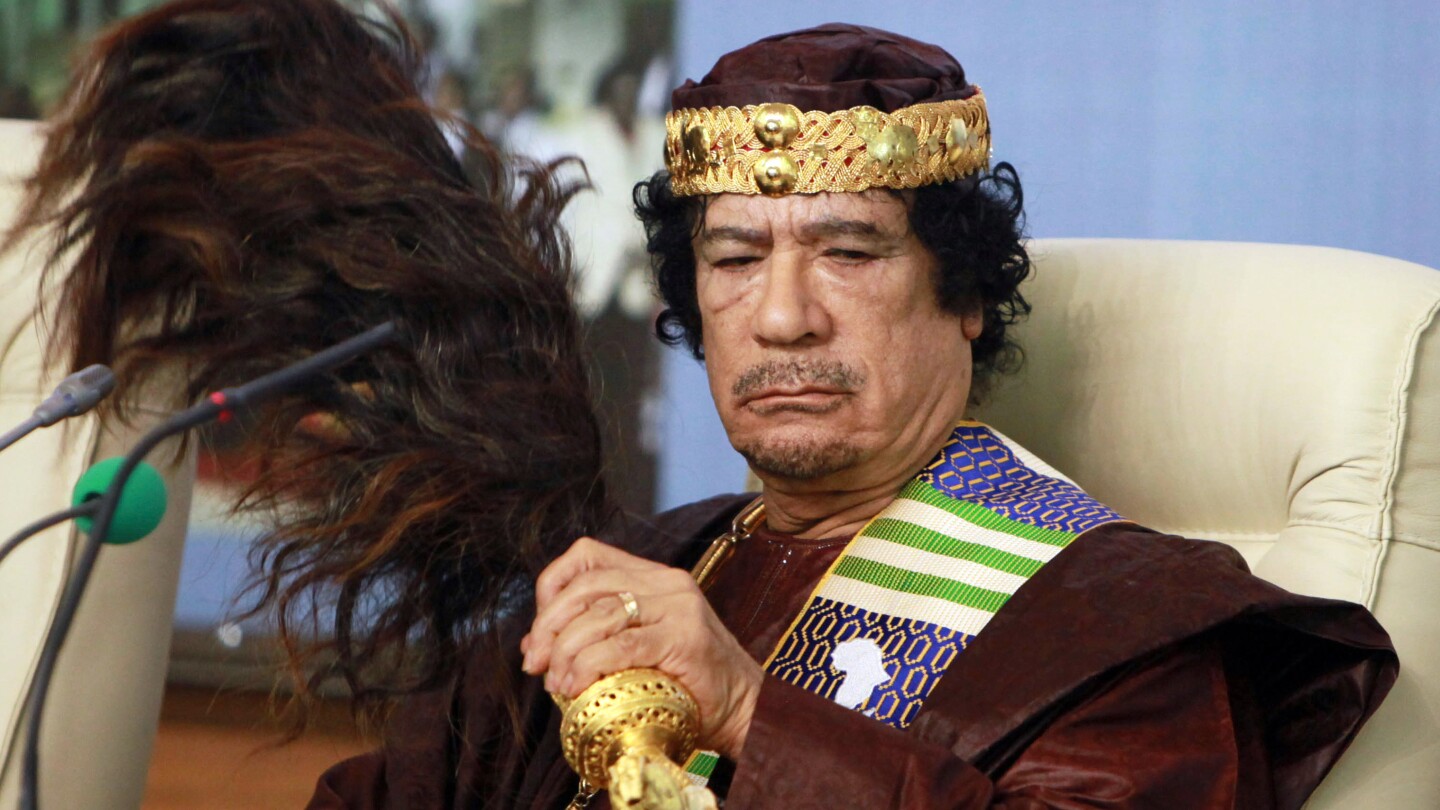
A look at some leaders who have fled uprisings
In the tumultuous world of politics, even the most seemingly invincible leaders can find themselves forced into exile, fleeing their countries to escape incarceration, execution, or political retribution. This phenomenon has been witnessed repeatedly across the globe, often triggered by revolutions, military coups, or widespread public unrest. The most recent addition to this list is Andry Rajoelina, the president of Madagascar, who was ousted in a military coup this week following weeks of Gen Z-led protests over economic hardship, lack of opportunities, and power shortages in the island nation. His downfall is part of a broader pattern of leaders who have met similar fates. Marc Ravalomanana, Madagascar’s sixth president, was overthrown in 2009 by Rajoelina himself, then the mayor of Antananarivo. Ravalomanana fled to South Africa, was convicted in absentia, and later returned to Madagascar only to face arrest before his sentence was lifted. In Syria, Bashar Assad fled to Russia in 2024 as rebel forces advanced toward Damascus, ending his family’s 51-year rule. Viktor Yanukovych, Ukraine’s former president, fled to Russia in 2014 after protests erupted over his decision to abandon an EU agreement in favor of a Russian bailout. Jean-Bertrand Aristide, Haiti’s first democratically elected leader, twice fled his country during military coups, while Libyan leader Moammar Gadhafi’s four-decade rule ended in 2011 when he was captured and killed by rebel forces during the Arab Spring. These cases highlight the precarious nature of political power and the dramatic consequences of its loss.
-
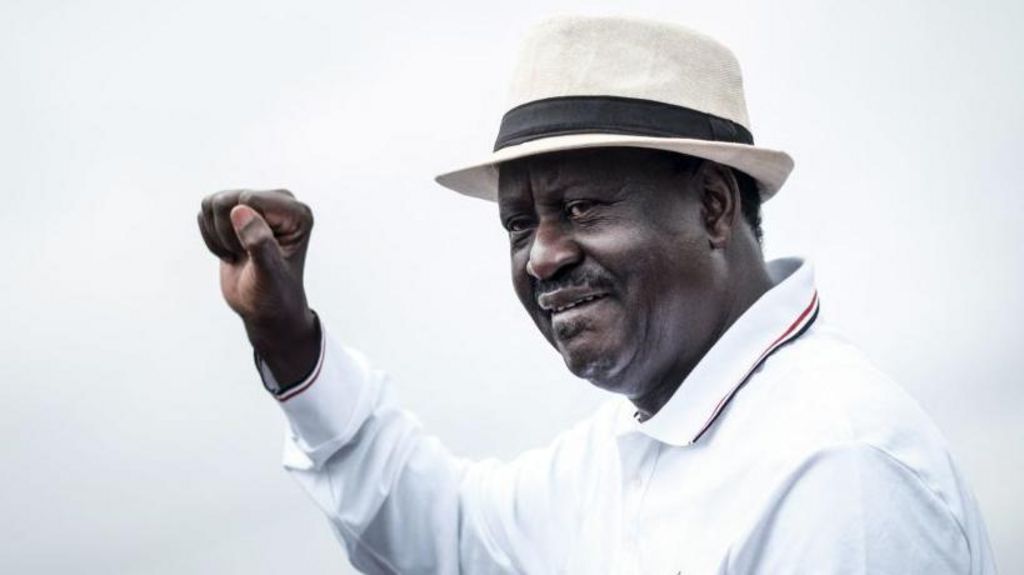
Raila Odinga: The man who shaped Kenyan politics
Raila Odinga, one of Kenya’s most prominent and enduring political figures, passed away on Wednesday morning at the age of 80 in India, where he had been receiving treatment for an undisclosed illness. Known affectionately as ‘Baba’ (father), Odinga was a firebrand politician and a staunch advocate for multi-party democracy, earning both fervent support and fierce opposition throughout his career. His death marks the end of an era for Kenya and leaves a significant void in the country’s political landscape as it approaches the 2027 elections. Odinga, a veteran opposition leader, made five unsuccessful presidential bids, coming closest to the presidency in 2008 when he was appointed prime minister in a coalition government. Despite his political misfortunes, he remained a formidable force, with successive Kenyan presidents seeking his support to govern effectively. In 2022, he made his final bid for the presidency, choosing former Justice Minister Martha Karua as his running mate—a historic move that was widely celebrated. Odinga’s legacy extends beyond Kenya; he was a dedicated pan-Africanist who championed African unity and self-reliance, serving as the African Union High Representative for Infrastructure Development from 2018 to 2023. Born into a famous political family, Odinga followed in the footsteps of his father, Jaramogi Odinga, Kenya’s first vice-president, who fell out with the country’s founding leader, Jomo Kenyatta. Raila Odinga’s life was marked by struggle, including two periods of detention during the rule of Daniel arap Moi, Kenya’s second president. He was also a former political prisoner, holding the record for being Kenya’s longest-serving detainee. Odinga’s commitment to democracy and his role in Kenya’s political history will be remembered, even as questions about the fairness of the electoral system he criticized remain unresolved.
-
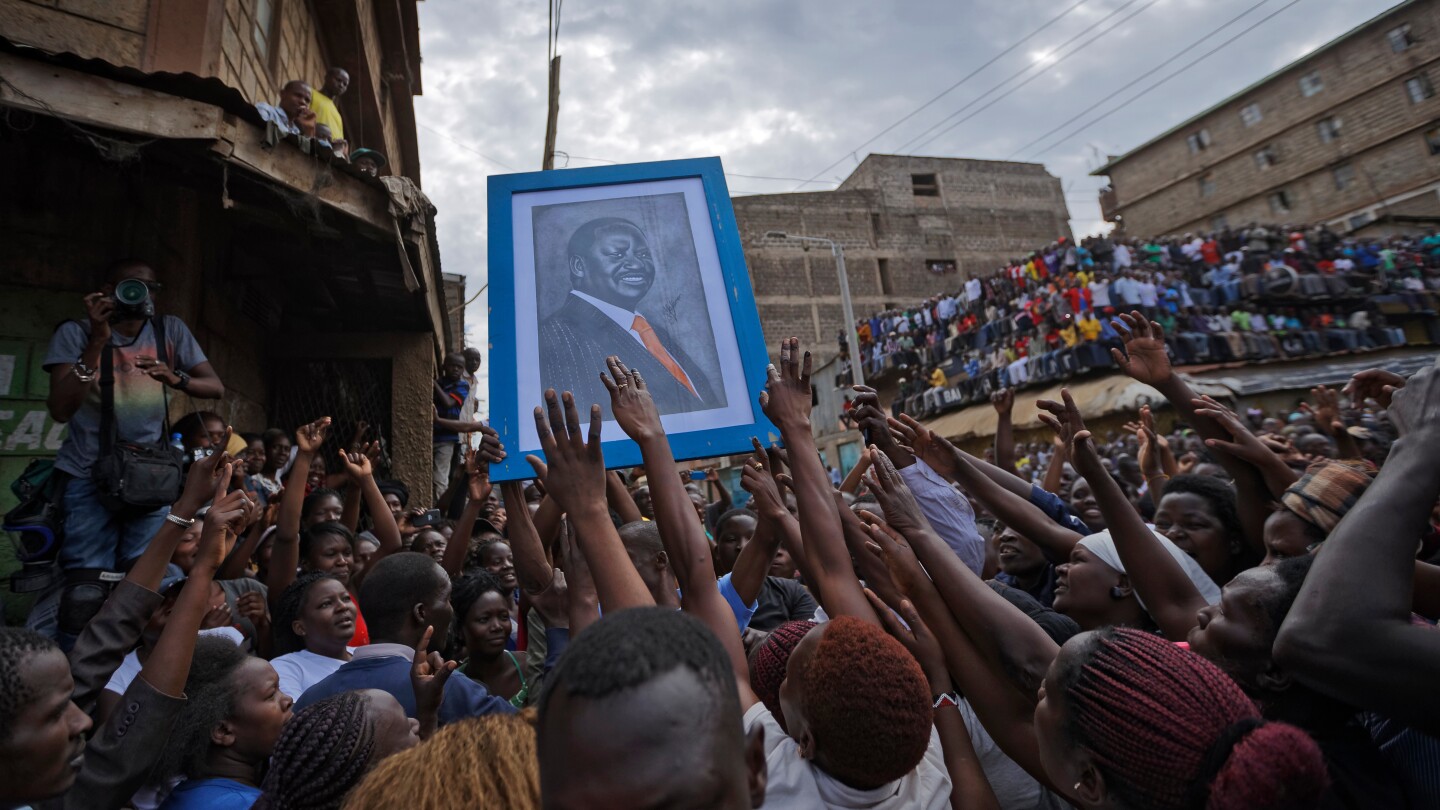
Tributes pour in for former Kenyan prime minister Raila Odinga, who has died at 80
NAIROBI, Kenya — The political landscape of Kenya and the broader African continent is in mourning following the passing of Raila Odinga, a former prime minister and a towering figure in Kenyan politics. Odinga, affectionately known as ‘Baba’ by his supporters, died on Wednesday in India after suffering a heart attack. He was 80 years old. Despite never ascending to the presidency, Odinga’s influence on Kenyan politics was profound, having contested the presidency five times over three decades. His legacy as a champion of democracy, good governance, and people-centered development has left an indelible mark on Kenya and beyond. Tributes have poured in from across the globe, highlighting his unwavering commitment to justice, pluralism, and democratic reform. African Union Commission Chairperson Mahmoud Ali Youssouf described Odinga as a ‘towering figure’ who inspired generations of leaders. Indian Prime Minister Narendra Modi recalled Odinga’s special affection for India and his efforts to strengthen bilateral ties. Former Kenyan President Uhuru Kenyatta, who supported Odinga in the 2022 election, hailed him as a ‘father to the nation’ and a ‘steadfast champion for the people.’ Tanzanian President Samia Suluhu and Somali President Hassan Sheikh Mohamud also expressed their condolences, emphasizing Odinga’s regional and continental impact. South African President Cyril Ramaphosa noted Odinga’s role in advancing peace and development in Africa, particularly through his work with the African Union. Kalonzo Musyoka, a former vice president of Kenya, reflected on Odinga’s resilience and sacrifices in the struggle for multiparty democracy. Odinga’s legacy is one of courage, resilience, and an unwavering belief in the power of dialogue and democratic institutions. His passing marks the end of an era for Kenyan politics, but his influence will continue to shape the nation’s future.
-
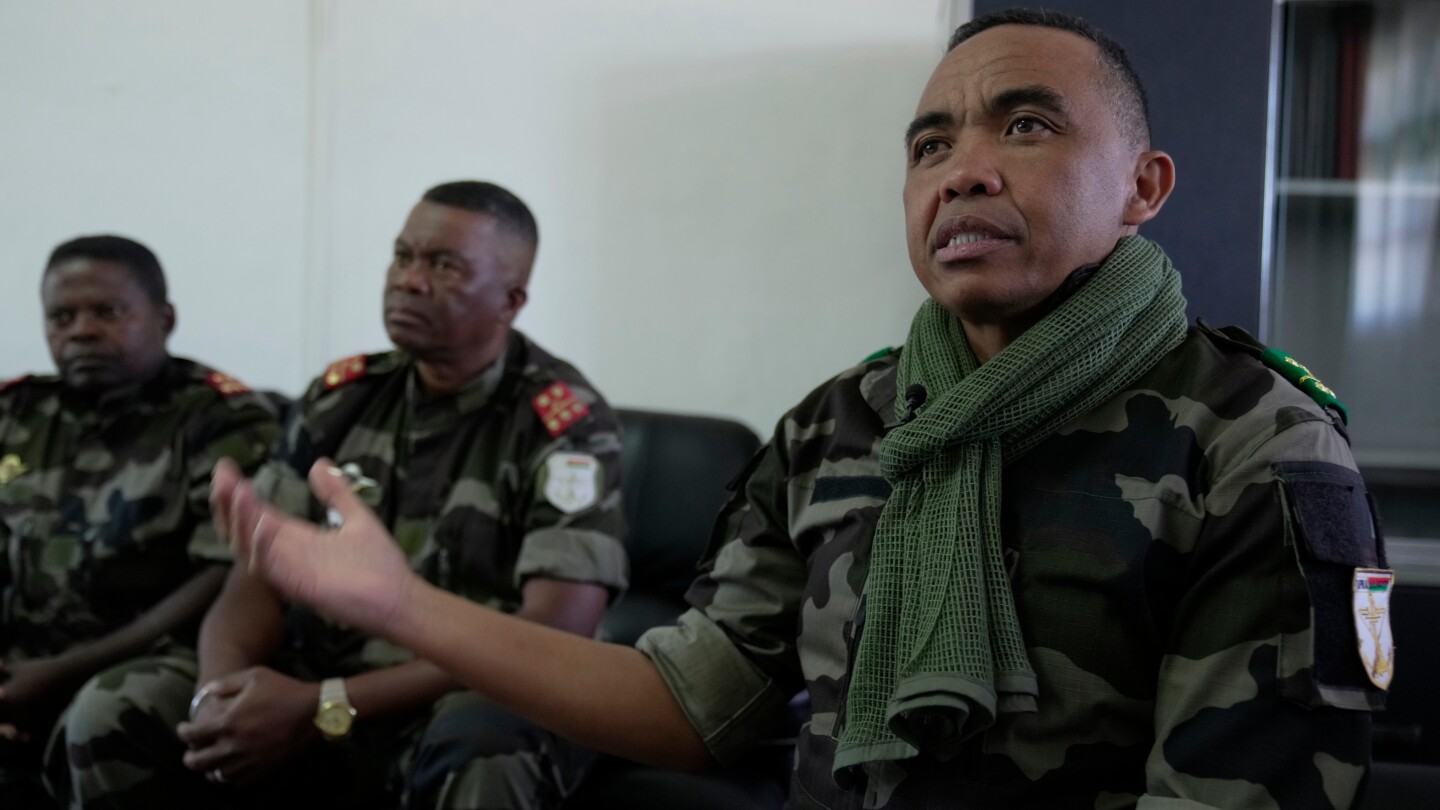
Leader of Madagascar’s military coup tells AP he is ‘taking the position of president’
In a dramatic turn of events, Madagascar’s military has assumed control of the African island nation following weeks of youth-led protests against President Andry Rajoelina’s government. Colonel Michael Randrianirina, the leader of the coup, declared in an exclusive interview with The Associated Press that he is “taking the position of president” and expects to be officially sworn in within days. The military plans to govern for up to two years before holding elections, aiming to stabilize the country amid widespread discontent. Randrianirina emphasized that the takeover was necessary to address the nation’s crises, citing the absence of leadership after Rajoelina fled the country fearing for his life. The coup leader claimed legitimacy through an order from Madagascar’s High Constitutional Court, though this has been disputed by Rajoelina’s office, which alleges judicial coercion. The African Union swiftly suspended Madagascar’s membership, condemning the unconstitutional change of power. Meanwhile, United Nations Secretary-General António Guterres expressed deep concern and urged stakeholders to work toward a peaceful resolution. The protests, led by youth groups known as “Gen Z Madagascar,” highlighted grievances over chronic water and electricity shortages, limited access to education, government corruption, and widespread poverty. While some demonstrators welcomed the military’s intervention, analysts warn that a military-led resolution undermines the civil society uprising. Madagascar, a nation of 30 million people and the world’s leading vanilla producer, has a history of political instability since gaining independence from France in 1960. The current crisis underscores the challenges of governance in a country grappling with systemic issues and a disillusioned youth population.
-
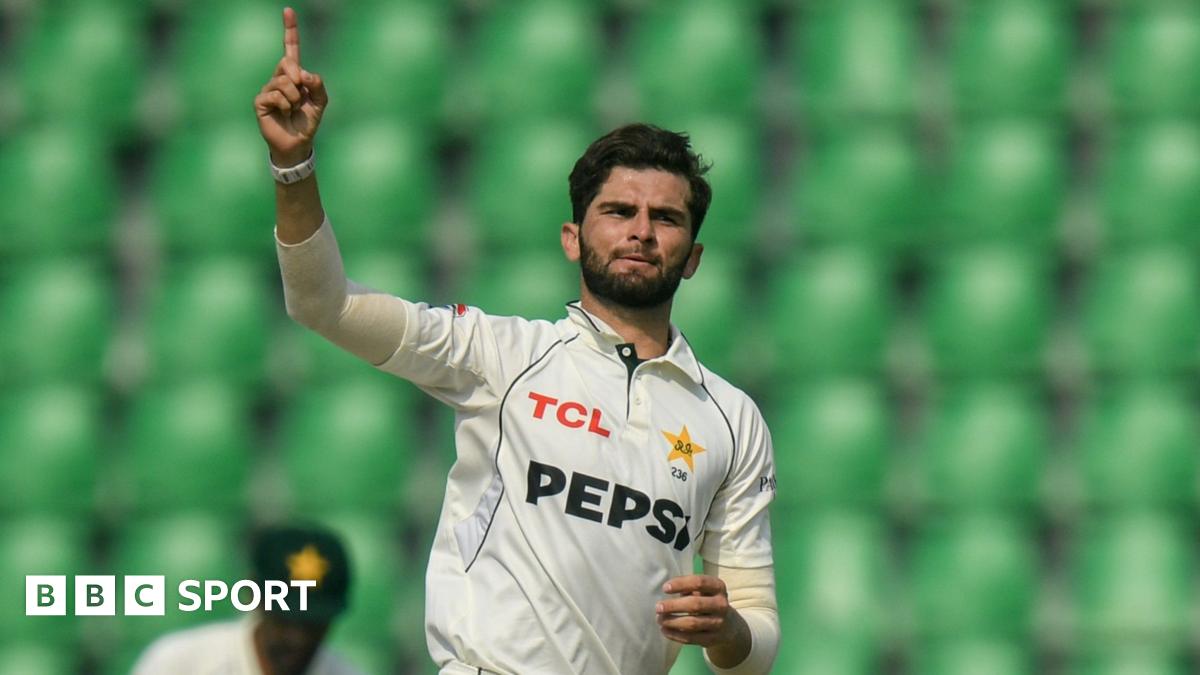
Pakistan end South Africa’s 10-Test winning run
In a thrilling first Test match held in Lahore, Pakistan brought an end to South Africa’s remarkable 10-match winning streak in Test cricket with a commanding 93-run victory. The Proteas, who had recently triumphed over Australia in the World Test Championship final in June, were bowled out for 183 while chasing a target of 277. The match, which marked the opening fixture of the 2025-27 Test Championship cycle, saw Pakistan climb to second place in the standings, trailing only Australia. South Africa’s pursuit began on a shaky note as they resumed their innings at 51-2. The early dismissal of Tony de Zorzi, who had scored a century in the first innings, by Shaheen Afridi set the tone for Pakistan’s dominance. Left-arm spinner Noman Ali, who claimed 10 wickets in the match, played a pivotal role by dismissing key batsmen Tristan Stubbs and Dewald Brevis, who managed a brisk 54. Off-spinner Sajid Khan also capitalized on the turning pitch to remove opener Ryan Rickelton after a resilient 45. Shaheen Afridi returned in the afternoon session to dismantle the tail with a masterful display of reverse swing, sealing the win by bowling out Kyle Verreynne, Prenelan Subrayen, and Kagiso Rabada. Pakistan’s victory was anchored by crucial contributions from opener Imam-ul-Haq and number seven Salman Agha, both scoring 93 runs to propel the team to a total of 378. The spinners, Noman and Sajid, exploited the home conditions effectively, reminiscent of their success against England last year. The second and final Test of the series is scheduled to begin on 20 October.
-
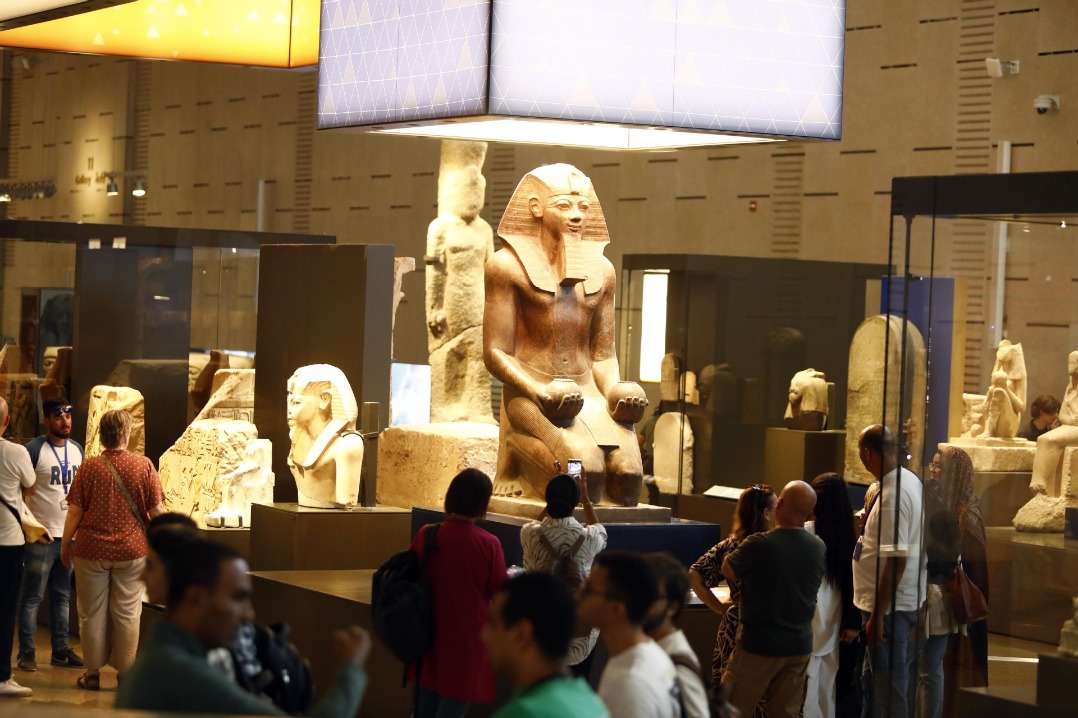
Egypt shuts down Grand Egyptian Museum in preparation for official opening
The Grand Egyptian Museum (GEM), a monumental cultural landmark near the Giza pyramids, has announced a temporary closure from October 15 to November 3, 2025, in preparation for its highly anticipated official inauguration. The museum, which has been in a soft-opening phase for nearly a year, will host a grand ceremony on November 1, with public access resuming on November 4. During its trial phase, the GEM showcased 12 galleries featuring thousands of artifacts, including the Grand Staircase adorned with statues and relics from various eras of ancient Egyptian history. Notably, the Tutankhamun Hall, housing the complete collection of the young pharaoh’s treasures—including his golden mask, coffins, and over 5,000 other artifacts—was preserved as the centerpiece for the official opening. Spanning nearly 500,000 square meters, the GEM is recognized as the world’s largest archaeological museum dedicated to a single civilization, according to Egypt’s Ministry of Tourism and Antiquities. This closure marks the final step in preparing for a historic event that promises to celebrate Egypt’s rich heritage on a global stage.