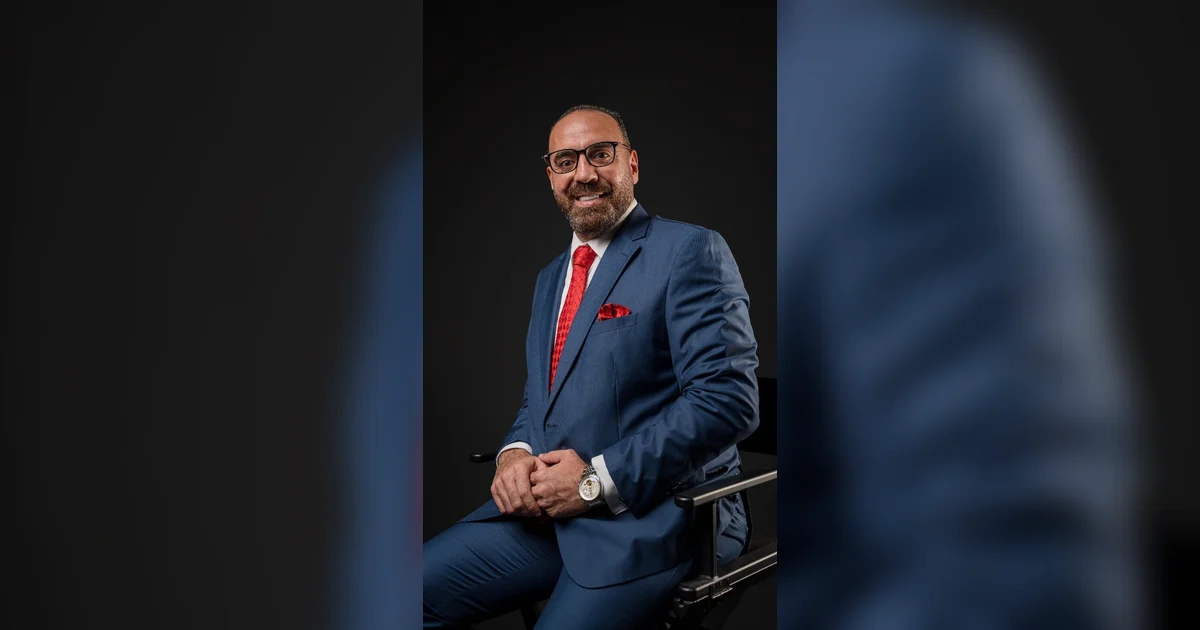
In a significant development for the field of human resources, Dr Mostafa Ahmed Ghanima, a distinguished HR executive and thought leader, is set to launch his groundbreaking book, *Transforming the Future of HR in the Middle East: Mastering Global HR Practices with Regional Culture and Values*, this December. The book, aimed at HR professionals, organizational leaders, and policymakers, offers a fresh perspective on the evolving landscape of human capital management in the Middle East. It uniquely bridges global HR innovations with the cultural and traditional values of the region. Drawing from nearly two decades of experience across Egypt, Saudi Arabia, the UAE, and the UK, Dr Ghanima combines practical frameworks, real-world case studies, and contextual insights to address the challenges of economic diversification, digital transformation, and shifting workforce dynamics. The book emphasizes the importance of maintaining cultural identity while adopting global best practices, making it a timely resource for regional leaders. Available in hardcover, e-book, and audiobook formats, the publication will be accessible on major platforms such as Amazon Kindle, Apple Books, and Google Play. Its release coincides with the HR Transformation and Leadership Forums across the Middle East, further amplifying its impact. Dr Ghanima’s work is not merely a guide but a call to action for HR leaders to innovate while preserving tradition, positioning the Middle East as a competitive player in the global HR arena.
标签: Africa
非洲
-
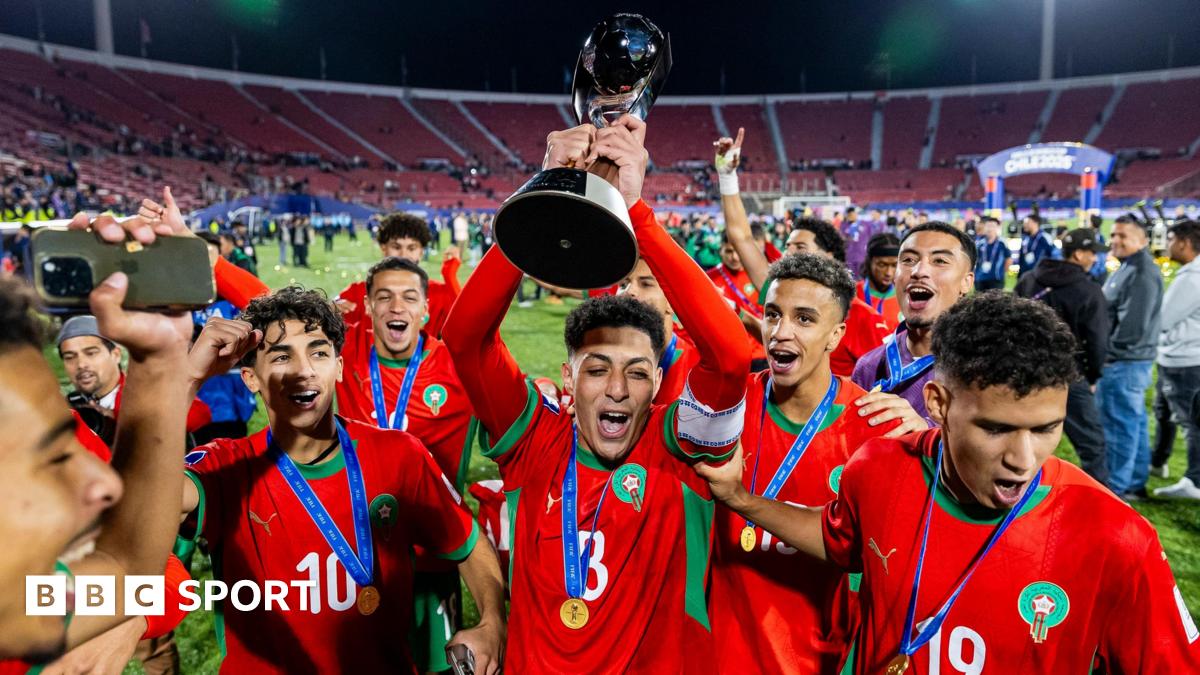
Morocco looks to build on first U20 World Cup title
Morocco has etched its name in football history by becoming the first Arab nation to clinch the Under-20 World Cup title. The Atlas Cubs triumphed over six-time champions Argentina with a commanding 2-0 victory in the final held in Santiago, Chile. Striker Yassir Zabiri was the hero of the match, scoring both goals, including a stunning free-kick and a precise volley. This victory marks Morocco as only the second African nation to win the tournament, following Ghana’s success in 2009. The win has sparked nationwide celebrations, with fans flooding the streets in jubilation. King Mohammed VI, a key figure in Morocco’s football development, praised the team for their exceptional performance and unity. The triumph is seen as a testament to Morocco’s decade-long investment in football infrastructure, including the establishment of the Mohammed VI Football Academy and state-of-the-art training facilities. The Royal Moroccan Football Federation (FRMF) has ambitious plans to continue this momentum, with eyes set on hosting the 2025 Africa Cup of Nations and co-hosting the 2030 FIFA World Cup. Despite recent protests questioning the allocation of resources to football, the royal palace has pledged increased funding for health and education. Morocco’s football success extends beyond the U20 team, with the senior men’s team reaching the semi-finals of the 2022 World Cup and the U23 team securing bronze at the 2024 Olympics. The FRMF is also focusing on developing women’s football, futsal, and beach soccer, aiming to establish Morocco as a global football powerhouse.
-
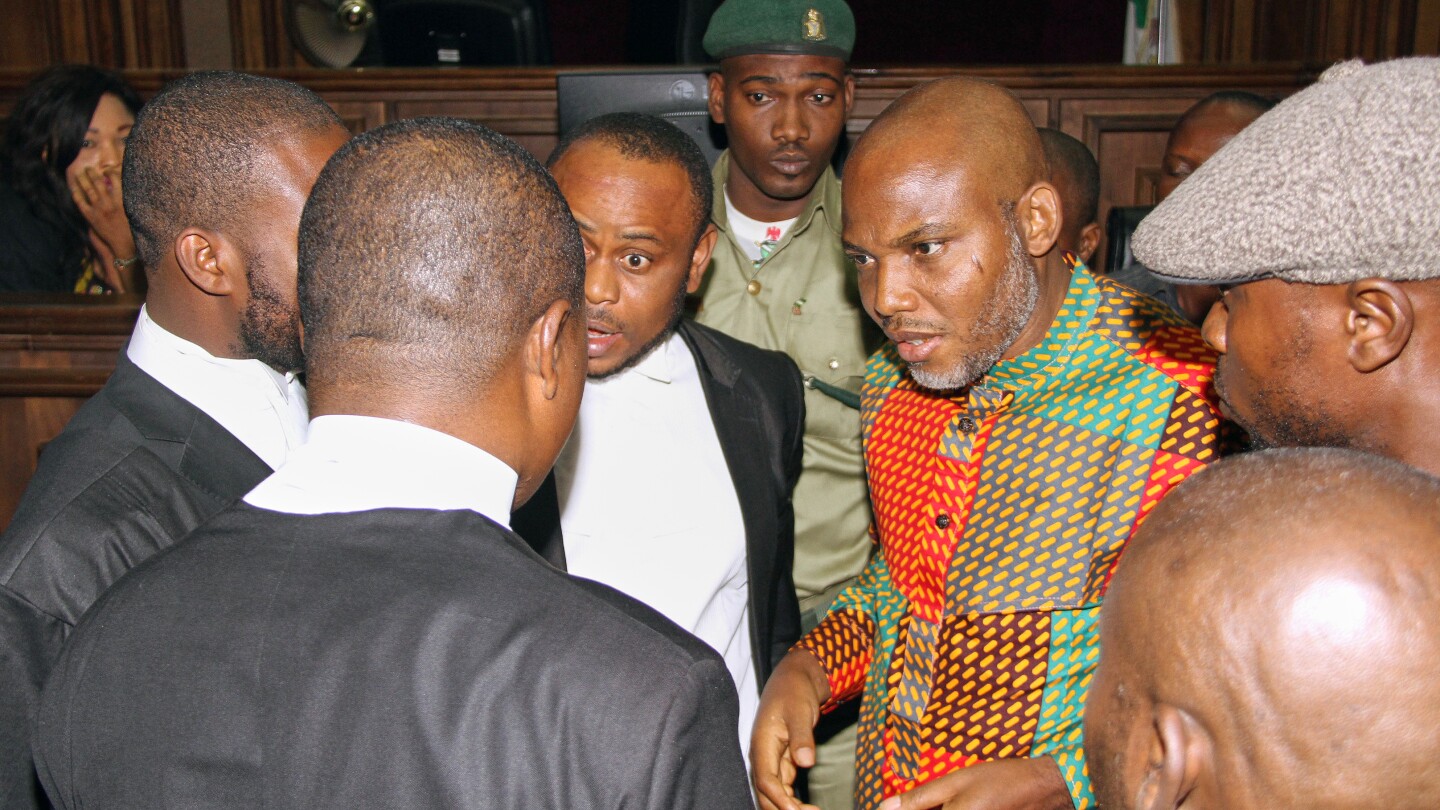
Nigeria police fire tear gas and arrest dozens as protesters demand release of separatist leader
In a tense escalation of tensions, protests demanding the release of Nnamdi Kanu, leader of the Indigenous People of Biafra (IPOB), turned violent in Nigeria’s capital, Abuja, on Monday. Security forces deployed tear gas, water cannons, and electric barriers to disperse demonstrators, leading to widespread clashes. Witnesses reported hearing gunshots as police arrested dozens of protesters, including a journalist from Agence France-Presse (AFP), who was later released but had his equipment destroyed. The unrest disrupted traffic across major roads, leaving commuters stranded. Kanu, a British citizen and prominent figure in the secessionist movement in southeastern Nigeria, has been in and out of detention since 2015 on charges of terrorism and treason. His case has become a focal point for grievances among the Igbo ethnic group, who allege marginalization by the Nigerian government. Aloy Ejimakor, one of Kanu’s lawyers, confirmed his arrest during the protests. The incident underscores the deepening divide between the government and separatist groups advocating for an independent Biafra.
-

Fintech revolution: Super apps, the next frontier in payments
In the rapidly evolving landscape of digital innovation, super apps have emerged as a transformative force, reshaping how consumers interact with financial services and everyday conveniences. Originating in Asia with platforms like WeChat and Grab, these all-in-one digital ecosystems integrate messaging, shopping, ride-hailing, payments, and even healthcare into a single, seamless experience. As consumer expectations soar and financial services become increasingly embedded in daily life, super apps are no longer a niche concept but the next frontier in payments. At their core, super apps redefine digital convenience by offering frictionless experiences. Users can book a taxi, order food, pay bills, transfer money, invest in crypto, or access Buy Now Pay Later (BNPL) credit—all within one app. For businesses, the value is immense, unlocking cross-sell opportunities, leveraging data for personalized journeys, and enhancing customer lifetime value. Payments are the backbone of these platforms, enabling peer-to-peer (P2P) transfers, pay-to-merchant (P2M) transactions, pay-to-government (P2G) services, and diverse cash-in/cash-out methods. Seamless wallet experiences, instant transfers, and integrated payment rails are not just features but the foundation of the ecosystem. Digital onboarding is critical, ensuring compliance with KYC and AML while maintaining user-friendliness. Once onboarded, users gain access to a full spectrum of financial services, from wallet top-ups to advanced offerings like micro-lending and digital asset trading. Companies like FOO are at the forefront of this transformation, embedding wallet functionality, P2P payments, BNPL, P2M/P2G capabilities, and cross-border remittances into super app platforms. However, building such infrastructure is complex, requiring adherence to regulatory frameworks, risk management, and data security while prioritizing user experience. In emerging markets, super apps are leapfrogging financial inclusion, providing underserved populations with secure, affordable, and convenient financial services. Even in mature markets, the demand for consolidated digital experiences is growing as consumers seek integrated solutions to combat app fatigue. The success of super apps hinges on trust and user-centricity. As these platforms accumulate data and expand their influence, transparency, security, and responsible innovation must remain priorities. Compliance, risk management, and security frameworks are not just back-end features but the bedrock of credibility. Competition is intensifying, with traditional banks, fintech startups, and tech giants vying for a share of the super app market. Partnerships will be key to success, leveraging fintech expertise, regulatory knowledge, and consumer trust to deliver scalable, holistic platforms. The rise of super apps marks a new chapter in the evolution of payments, placing them at the center of everyday digital interactions. For fintech innovators, this presents both a challenge and an opportunity—to build complex, compliant systems at scale while redefining value exchange in the digital economy. Super apps are not just the next frontier in payments; they are the foundation of the next generation of digital economies.
-
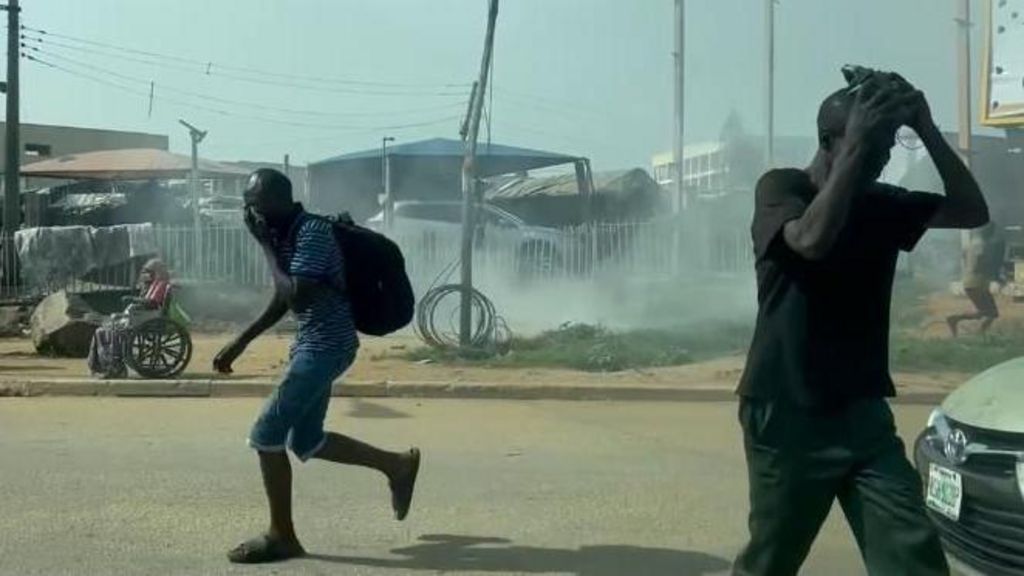
Nigerian police fire tear gas as protesters gather over separatist leader
In a tense confrontation in Nigeria’s capital, Abuja, police resorted to firing tear gas to disperse a crowd of protesters demanding the release of separatist leader Nnamdi Kanu. The demonstration, organized by activist Omoyele Sowore, publisher of the Sahara Reporters, began as early as 07:00 local time. Kanu, the head of the outlawed Indigenous People of Biafra (Ipob), has been detained since 2021 on terrorism charges, which he denies. Ipob advocates for the independence of the Biafran region in southeastern Nigeria. Eyewitnesses reported that police fired multiple rounds of tear gas at the gathering crowd, while also blocking major roads, causing significant traffic disruptions and confusion across the city. Sowore, in a post on X, alleged that security forces had arrested several individuals, including Kanu’s family members and legal team. The police have yet to comment on these claims. The protest highlights ongoing tensions surrounding Kanu’s detention and the broader issue of Biafran separatism in Nigeria.
-
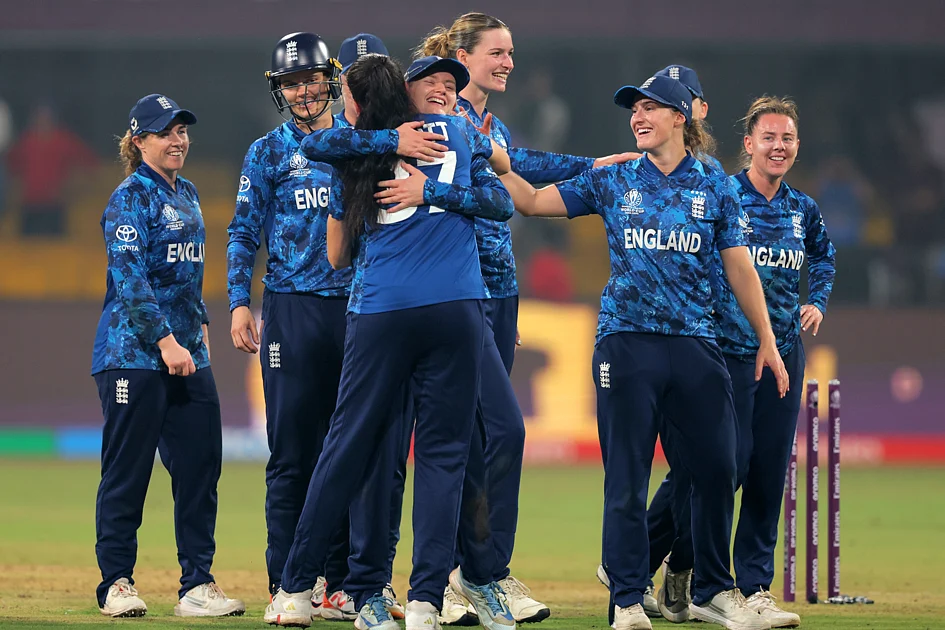
Women’s World Cup: England clinch semifinal berth after Indian collapse
In a dramatic showdown at the Women’s World Cup in Indore, England secured their place in the semifinals with a narrow four-run victory over hosts India. Despite a shaky bowling performance, England’s competitive total of 288-8, anchored by Heather Knight’s stellar century, proved just enough to edge out the Indian side. Knight’s masterful 109 off 91 balls, featuring 15 fours and a six, was the cornerstone of England’s innings, earning her the Player of the Match accolade. The match took a dramatic turn when India, seemingly in control with 62 runs needed off the last 10 overs and seven wickets in hand, suffered a sudden collapse. The dismissals of Smriti Mandhana, Richa Ghosh, and Deepti Sharma in quick succession derailed India’s chase, leaving their tailenders with an insurmountable task. Mandhana’s reckless attempt to clear long-off and Sharma’s ill-fated slog sweep were pivotal moments that shifted the momentum decisively in England’s favor. India’s third consecutive defeat has left their semifinal hopes hanging by a thread, with their upcoming match against New Zealand now a must-win encounter. Meanwhile, England’s clinical performance has cemented their position in the semifinals, sitting second on the table with nine points, just behind defending champions Australia. Indian captain Harmanpreet Kaur expressed her disappointment, lamenting the team’s inability to close out the game despite coming so close in their last three matches.
-
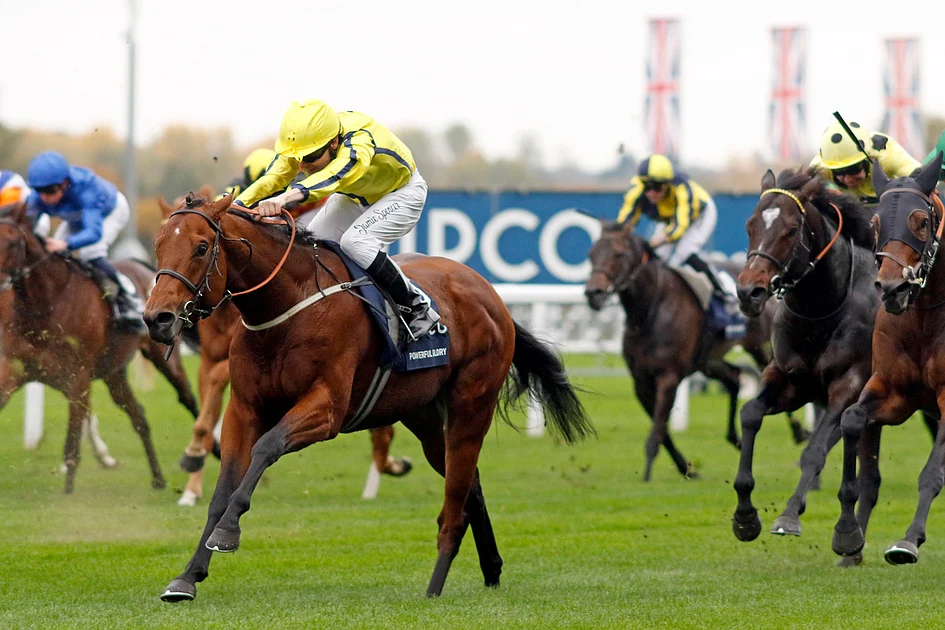
Sheikh Rashed’s Powerful Glory steals the show on British Champions Day
In a breathtaking display of skill and determination, Sheikh Rashed bin Dalmouk Al Maktoum’s Irish-bred colt, Powerful Glory, delivered one of the most astonishing upsets in horse racing history on British Champions Day at Ascot. The three-year-old sprinter, ridden by former British Champion Jockey Jamie Spencer, defied staggering odds of 200-1 to clinch victory in the QIPCO British Champions Sprint Stakes (G1). This triumph marks the longest-priced Group 1 win in Europe since the Flat Pattern began in 1971, eclipsing the previous record held by Qirat’s 150-1 Sussex Stakes victory in 1971. The win was particularly remarkable given Powerful Glory’s recent poor performance, finishing last of five at Beverley just weeks prior. Trainer Richard Fahey, who had seen glimpses of potential in the colt, expressed his astonishment at the result, stating, ‘We’ve finally seen the real Powerful Glory today.’ The victory was sealed by a short neck over the favorite, Lazzat, ridden by James Doyle, who praised Spencer’s tactical brilliance. The day also saw Godolphin’s Trawlerman, owned by Sheikh Mohammed bin Rashid Al Maktoum, secure the QIPCO British Champions Long Distance Cup (G1), further cementing the stable’s dominance in staying races. French contender Calandagan, under jockey Mickael Barzalona, rounded off the event with a win in the Champion Stakes (G1), showcasing France’s continued prowess on the international stage. British Champions Day 2025 will be remembered as a day of historic upsets and unforgettable triumphs.
-
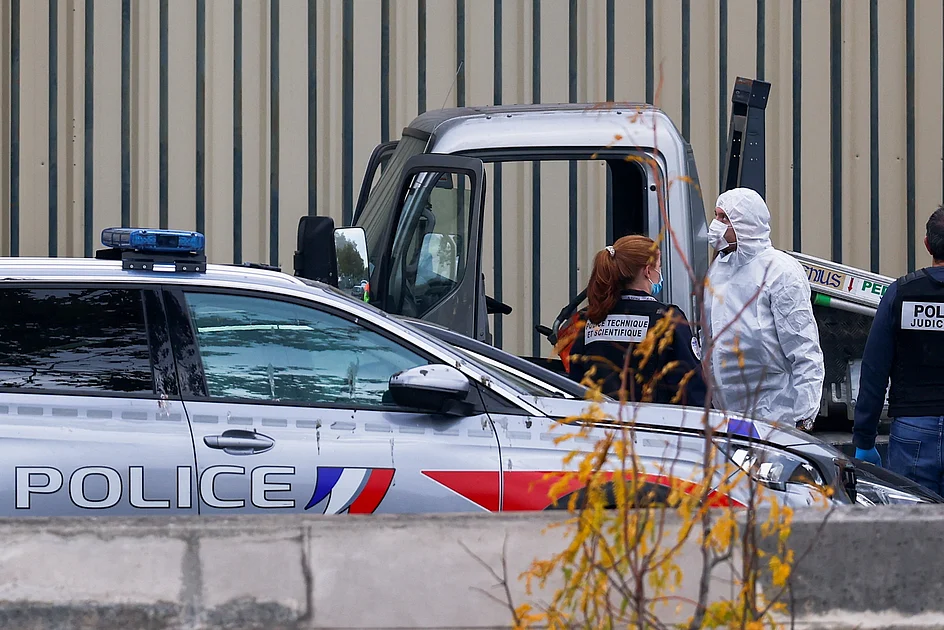
Empress’s crown covered in over 1,000 diamonds found broken after Louvre robbery
In a shocking turn of events, French authorities discovered a damaged 19th-century crown near the Louvre in Paris on Sunday, October 19, 2025, following a daring robbery at the renowned museum. The crown, once owned by Empress Eugenie, the wife of Napoleon III, is an exquisite piece adorned with golden eagles, 1,354 diamonds, and 56 emeralds, as detailed on the museum’s official website. The theft, which occurred earlier in the day, targeted the museum’s ‘Gallerie d’Apollon’ (Apollo’s Gallery), where three or four thieves reportedly used a furniture hoist to steal ‘priceless’ artifacts from two displays. Interior Minister Laurent Nunez confirmed the incident but did not specify the full extent of the stolen items. Among the treasures typically housed in the gallery are three historically significant diamonds—the Regent, the Sancy, and the Hortensia—as well as an emerald-and-diamond necklace gifted by Napoleon to his wife, Empress Marie Louise. The investigation is ongoing, with authorities working to determine the full scope of the loss and apprehend the perpetrators.
-
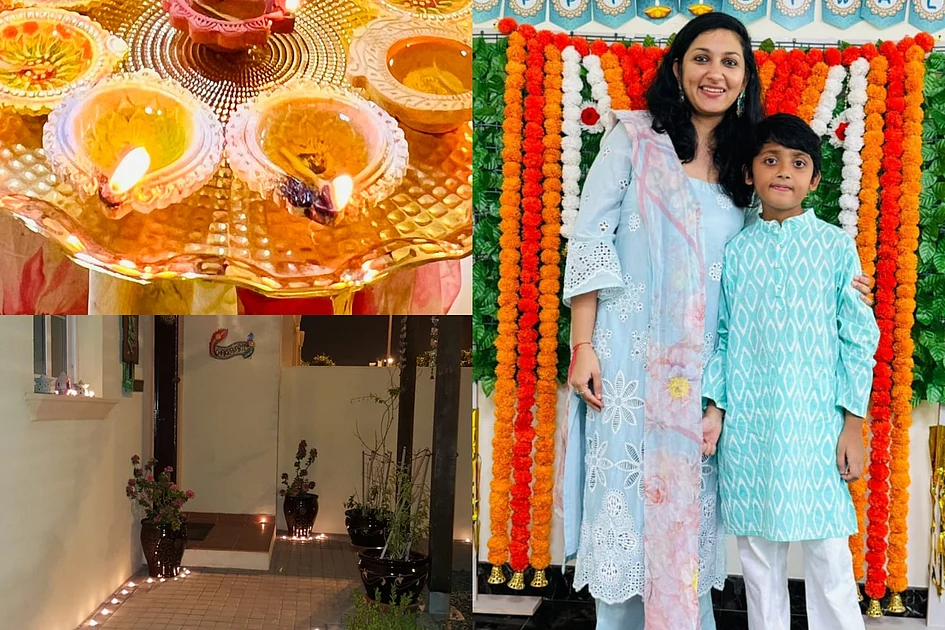
‘Still feels like Diwali’: How Dubai expats plan to celebrate on working, school day
As the Indian community in Dubai prepares to celebrate Diwali, this year’s festivities are marked by a unique blend of tradition and practicality. Falling on a Monday, the ‘festival of lights’ coincides with the resumption of work and school schedules, prompting families to creatively balance their daily routines with cherished rituals.
-
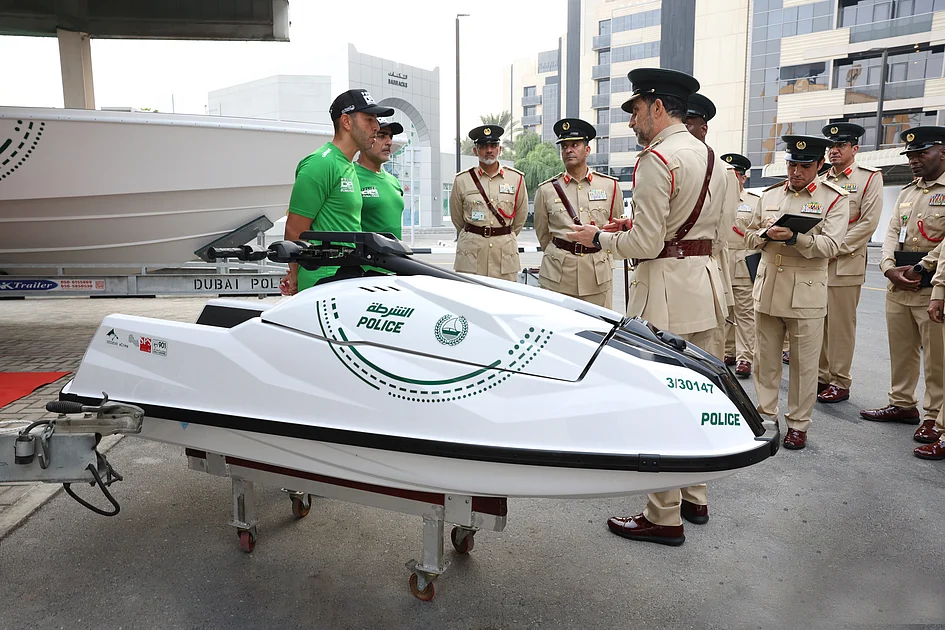
Dubai Police launch beach patrols to increase safety along coast
Dubai Police have launched a series of innovative initiatives aimed at bolstering safety along the city’s coastline. These measures, unveiled by Lieutenant General Abdulla Khalifa Al Marri, Commander-in-Chief of Dubai Police, during his inspection of the Ports Police Station, include beach patrols, summer training programs for children, and volunteer opportunities for the public. The beach patrols will monitor Dubai’s shores to ensure the safety of beachgoers, while summer training programs will equip school students with lifeguarding and rescue skills. Additionally, the public is encouraged to participate in maritime security efforts by volunteering for marine rescue training and incident reporting. Lieutenant General Al Marri also reviewed the station’s fleet of boats and jet skis, ensuring their readiness for emergencies. Last year, the Ports Police Station successfully secured over 100 maritime events across 12 sea zones and 7 land jurisdictions. The station’s teams have also excelled in local and international sporting competitions, earning multiple medals. Among Dubai Police’s forward-thinking projects is Haddad, an eco-friendly, self-driving smart police boat equipped with remote-control functions and advanced monitoring systems. This initiative aligns with Dubai’s Urban Plan 2040 and its commitment to reducing carbon emissions. Lieutenant General Al Marri emphasized the importance of evolving security systems to match Dubai’s rapid development, praising the Ports Police Station as a vital hub for coastal safety. He affirmed that Dubai’s leadership fully supports these efforts, reinforcing the emirate’s reputation as one of the world’s safest coastal cities.