标签: Africa

非洲

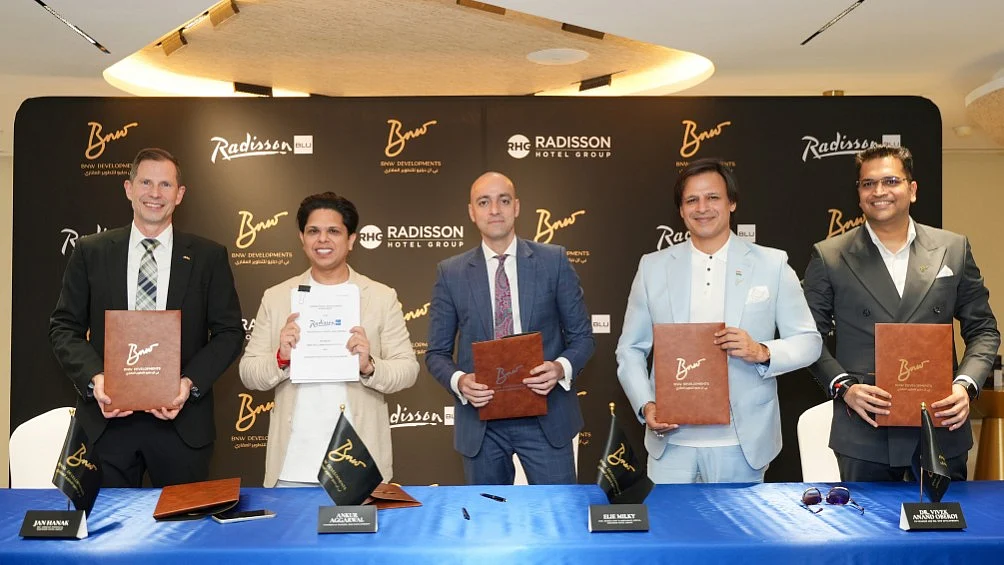
  • BNW Developments and Radisson Hotel Group announce the signing of Radisson Blu Hotel and Radisson Blu Residences at RAK Central, Ras Al Khaimah

    BNW Developments and Radisson Hotel Group announce the signing of Radisson Blu Hotel and Radisson Blu Residences at RAK Central, Ras Al Khaimah

    In a significant move for UAE’s hospitality and real estate sectors, Radisson Hotel Group has forged a strategic partnership with BNW Developments to establish a new Radisson Blu presence in Ras Al Khaimah. The agreement, signed on January 15, 2026, will bring both a premium hotel and branded residences to the heart of RAK Central—a developing financial hub scheduled to open in 2029.

    The development forms part of a comprehensive 3.1 million square foot master plan designed to integrate commercial, financial, residential, and recreational facilities. Strategically positioned near Al Marjan Island and Al Hamra Village, the site offers direct access to the E11 highway, connecting Ras Al Khaimah with other emirates and key tourist attractions.

    According to Ankur Aggarwal, Chairman and Founder of BNW Developments, this project represents a milestone in the company’s vision to transform Ras Al Khaimah into a prominent destination. “We are focused on delivering a development that sets a new benchmark for branded living in the UAE,” he stated, emphasizing the commercial resilience and international appeal of the mixed-use asset.

    Dr. Vivek Anand Oberoi, Managing Director and Co-Founder of BNW Developments, highlighted the lifestyle-oriented approach: “We curate lifestyles that redefine the living experience. Bringing Radisson Blu to RAK Central reflects our pursuit of excellence.”

    Elie Milky, Chief Development Officer for the Middle East, North Africa, Cyprus, and Greece at Radisson Hotel Group, noted the emirate’s strong infrastructure and investment potential as key factors driving the expansion. “Ras Al Khaimah stands out for its expanding mix of demand drivers,” he remarked.

    The Radisson Blu Hotel will feature 361 rooms situated above retail and cinema venues, along with five food and beverage outlets, a rooftop terrace, pool bar, meeting spaces, spa, gym, Business Class lounge, and a kids’ club. Adjacent to it, the Radisson Blu Residences will offer 222 units with access to hotel-style services and amenities.

    This project underscores the growing trend of branded residences in the Gulf region, where buyers increasingly seek homes backed by trusted hospitality brands. Radisson Hotel Group continues to strengthen its regional portfolio, with over 100 properties currently operational or in development across the Middle East.

  • UN Security Council to meet Thursday for ‘briefing’ on Iran

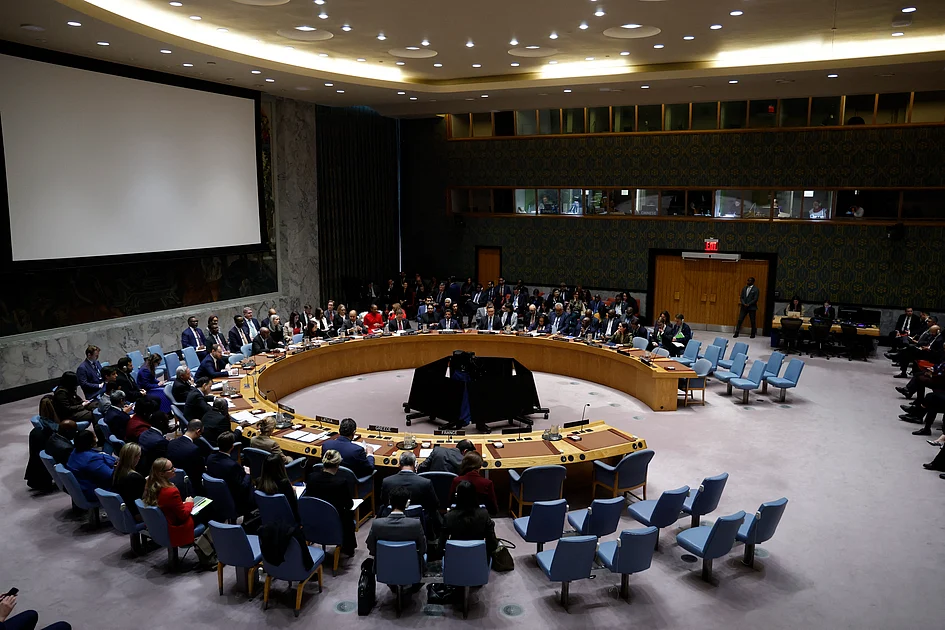
    UN Security Council to meet Thursday for ‘briefing’ on Iran

    The United Nations Security Council has scheduled a high-level briefing session for Thursday afternoon to address the ongoing situation in Iran. This diplomatic gathering comes at the formal request of the United States government, as confirmed by official scheduling documentation.

    According to representatives from the Somali presidency, which currently holds the rotating Security Council presidency, the meeting will focus exclusively on developments within the Islamic Republic. The briefing represents the latest international effort to address concerns regarding Iran through multilateral diplomatic channels.

    The convening of the Security Council underscores the continued global attention on Iranian affairs and demonstrates the persistent utilization of UN mechanisms for addressing regional stability matters. Such briefings typically involve detailed assessments from UN officials, intelligence reports, and diplomatic exchanges among the fifteen member states.

    The United States’ initiative in requesting this session highlights the ongoing Western engagement with Iranian developments through established international organizations. These periodic briefings serve as formal platforms for information sharing and policy coordination among permanent and non-permanent members of the Security Council.

    The meeting occurs within the context of increasing international diplomacy surrounding Middle Eastern stability, with the Security Council maintaining its role as the primary forum for addressing global security concerns under the United Nations Charter.

  • UAE-built Arabic AI model outperforms systems twice its size

    UAE-built Arabic AI model outperforms systems twice its size

    Abu Dhabi’s Technology Innovation Institute (TII) has achieved a groundbreaking milestone in artificial intelligence development with Falcon-H1 Arabic, a specialized AI model that demonstrates superior Arabic language capabilities while utilizing significantly fewer computational resources than competing systems. This achievement marks a pivotal advancement in natural language processing for Semitic languages.

    The 34-billion-parameter model has secured the top position on the Open Arabic LLM Leaderboard, outperforming Meta’s Llama-70B and China’s Qwen-72B despite being less than half their size. The model’s architecture comes in three variants—3B, 7B, and 34B parameters—enabling organizations to select appropriate computational requirements while maintaining exceptional performance standards.

    What distinguishes Falcon-H1 Arabic is its foundational training approach utilizing Arabic-first datasets that comprehensively cover formal language structures, regional dialects, and culturally contextual content. This specialized training methodology addresses longstanding challenges in Arabic AI processing, where global systems predominantly trained on English datasets have consistently struggled with the language’s morphological complexity, dialectical variations, and contextual nuances.

    The model’s practical applications demonstrate remarkable proficiency in handling real-world Arabic language tasks. It maintains contextual awareness across extended conversations processing up to 192,000 words, enabling sophisticated analysis of legal documents, academic research, and medical records. Unlike previous systems that produced grammatically correct but semantically flawed outputs, Falcon-H1 Arabic demonstrates nuanced understanding of dialectical phrases and cultural context.

    Faisal Al Bannai, Adviser to the UAE President and Secretary-General of the Advanced Technology Research Council, emphasized that this technological breakthrough enables Arabic-speaking communities worldwide to access “innovation that is accessible, relevant, and impactful.” The development represents a significant stride in linguistic AI equity for the approximately 450 million Arabic speakers across more than 20 countries.

    The model’s release as an open-access resource at chat.falconllm.tii.ae enables developers, researchers, and institutions to build Arabic-native applications across education, healthcare, customer service, and government sectors. This accessibility promises to transform digital service delivery throughout the Arabic-speaking world, eliminating the performance gap between Arabic and English AI tools that has persisted since the emergence of large language models.

  • Voting begins in Uganda’s presidential election during internet shutdown and polling station delays

    Voting begins in Uganda’s presidential election during internet shutdown and polling station delays

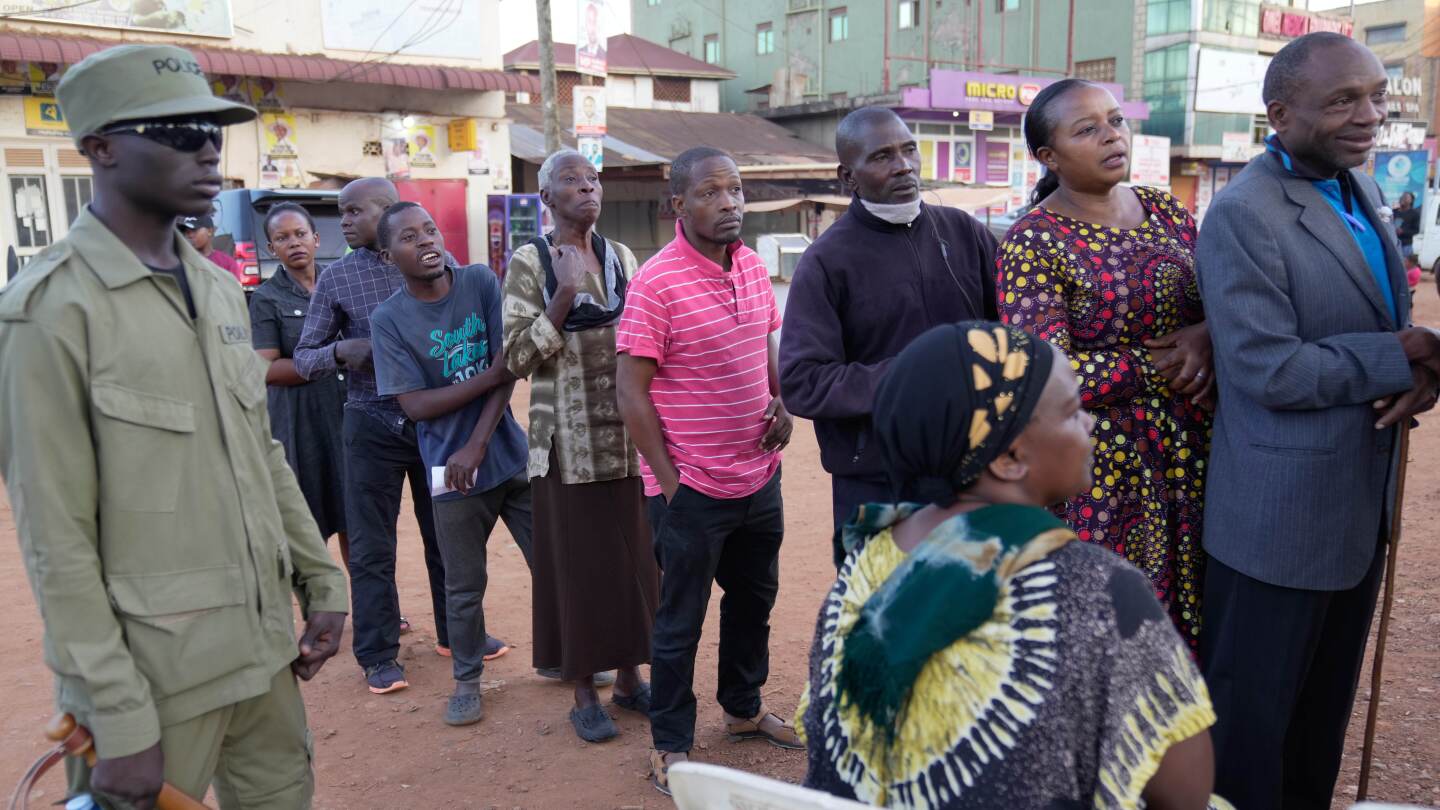
    Uganda commenced presidential voting operations on Thursday under unprecedented digital censorship, as nationwide internet blackouts cast shadows over electoral integrity in East Africa’s longstanding political landscape. Despite scheduled 7 a.m. openings, numerous polling stations witnessed significant delays with electoral materials arriving tardily, prompting substantial voter queues across multiple districts.

    The electoral contest features 81-year-old incumbent Yoweri Museveni, seeking to extend his 35-year presidency against seven challengers. Most notably, opposition momentum centers around Robert Kyagulanyi—the charismatic musician-politician popularly known as Bobi Wine—who has mobilized youth-led movements demanding systemic political transformation.

    With approximately 45 million citizens and 21.6 million registered voters, Uganda’s electoral process unfolds amid international scrutiny regarding digital freedom and transparent governance. The government-enforced internet suspension, criticized by digital rights advocates as fundamentally anti-democratic, severely restricts independent monitoring capabilities and real-time information dissemination.

    Electoral officials acknowledge logistical challenges while maintaining that voting procedures will adhere to constitutional standards. However, the communications blackout raises profound concerns about transparency mechanisms in a nation where the same leadership has governed since 1986.

  • Lionsoul Global announces strategic partnership with ALTNovel

    Lionsoul Global announces strategic partnership with ALTNovel

    In a significant development for the Middle Eastern financial sector, investment firm Lionsoul Global has entered into a strategic partnership with Abu Dhabi-based ALTNovel Capital Ltd. The collaboration, announced on January 14, 2026, establishes a new framework for sophisticated wealth management that integrates digital assets with traditional investment vehicles.

    The alliance brings together Lionsoul’s digital asset expertise with ALTNovel’s specialized platform focusing on private capital opportunities, data-driven research, and ethical impact investing. This synergy creates a comprehensive ecosystem designed for high-net-worth investors seeking diversified strategies that combine technological innovation with responsible capital deployment.

    George Mouawad, Middle East General Manager at Lionsoul, emphasized Abu Dhabi’s growing prominence as a hub for financial innovation. “This partnership completes our geographic footprint in the UAE and advances our mission to redefine how high-value investors access and manage digital wealth,” Mouawad stated. He highlighted the alignment between both organizations’ commitment to transparency, research excellence, and global impact.

    ALTNovel Founder & CEO Stergios Voskopoulos described the collaboration as a milestone in creating “one of the most advanced platforms for alternative wealth.” The partnership will expand ALTNovel’s digital-asset architecture while reinforcing its institutional-grade infrastructure that connects private markets with digital assets within a globally connected ecosystem.

    The combined offering will provide investors in Abu Dhabi with tailored digital asset strategies, exclusive access to private capital flows, and technology-enabled portfolio tools designed to enhance long-term performance. Notably, the partnership leverages ALTNovel’s global impact network that aligns financial ambition with sustainability and social responsibility principles.

    This strategic move responds to increasing demand among sophisticated investors for integrated approaches that bridge conventional finance with emerging digital asset classes while maintaining ethical investment standards. The collaboration represents the evolving landscape of wealth management in the UAE, where traditional financial structures increasingly incorporate blockchain-based assets and impact-focused investment methodologies.

  • Dubai-based fashion designer to take over Dubai Mall Festival Of Fashion

    Dubai-based fashion designer to take over Dubai Mall Festival Of Fashion

    Emerging fashion visionary Sara Charif has been selected as a featured speaker for the prestigious Dubai Mall Festival of Fashion, marking a significant milestone in her design career. The Dubai-based creative will take the stage on January 30, 2026, to present her compelling narrative “From Vision to Brand,” detailing her transformative journey within the competitive fashion industry.

    Charif’s presentation will offer audiences an insider’s perspective on converting creative concepts into globally recognized fashion phenomena. Her design philosophy, characterized as both provocatively respectful and timeless, seeks to redefine contemporary beauty standards while maintaining artistic integrity. The event provides a platform for the designer to share the experiences that shaped her development as both a creative force and business leader.

    Beyond her scheduled presentation, Charif will participate in an exclusive VIP dinner alongside established designers and influential figures within Dubai’s fashion elite. This networking opportunity facilitates the exchange of industry insights and best practices among the personalities driving the region’s dynamic fashion landscape. The festival serves as a powerful launchpad for Sara Charif Designs, promoting her distinctive approach to women’s luxury wear and sartorial artistry.

    This recognition positions Charif as an innovative pioneer within Dubai’s fashion scene, offering her brand unprecedented exposure to billionaires, decision-makers, and style authorities. The event represents a definitive moment in the designer’s career, establishing her presence in an exclusive industry where few achieve lasting recognition.

  • Degrees issued by 34 UAE-based universities get automatic recognition in pilot phase

    Degrees issued by 34 UAE-based universities get automatic recognition in pilot phase

    In a transformative move for higher education, the UAE Ministry of Higher Education and Scientific Research (MoHESR) has initiated an automatic degree recognition system encompassing 34 accredited universities across the nation. This pioneering program, currently in its pilot phase, eliminates traditional bureaucratic hurdles by providing immediate authentication of qualifications for graduates from participating institutions.

    The groundbreaking initiative represents a significant stride toward achieving zero government bureaucracy objectives while simultaneously enhancing operational efficiency within the national education framework. Since its implementation, the system has already facilitated seamless qualification recognition for over 25,000 graduates, demonstrating its substantial impact on the educational landscape.

    Ahmad Yousuf Al Nasser, Acting Assistant Under-Secretary for Higher Education Operations Sector at MoHESR, emphasized the strategic importance of this development: ‘Integrating 34 higher education institutions into this initial phase underscores our commitment to building a robust national recognition system through efficient, adaptable services that simultaneously support students, academic institutions, and align with evolving labor market requirements.’

    The technologically advanced system incorporates QR code verification technology, allowing instant authentication of qualifications from MoHESR-accredited institutions. This digital approach ensures compliance with established regulations while providing reliable, easily accessible confirmation of academic credentials.

    Future expansion plans include extending automatic recognition benefits to Emirati students pursuing education abroad through Ministry-supervised scholarship programs, thereby guaranteeing uninterrupted access to government services regardless of geographical location. This comprehensive approach accelerates graduates’ transitions into postgraduate studies or employment markets while facilitating compliance with government, residency, and visa requirements.

    The initiative forms part of MoHESR’s broader digital transformation strategy, which includes electronic tools for verifying qualifications obtained both within and outside the UAE, ensuring data integrity and usability for all relevant authorities.

  • Mitchell ton helps New Zealand level ODI series with India

    Mitchell ton helps New Zealand level ODI series with India

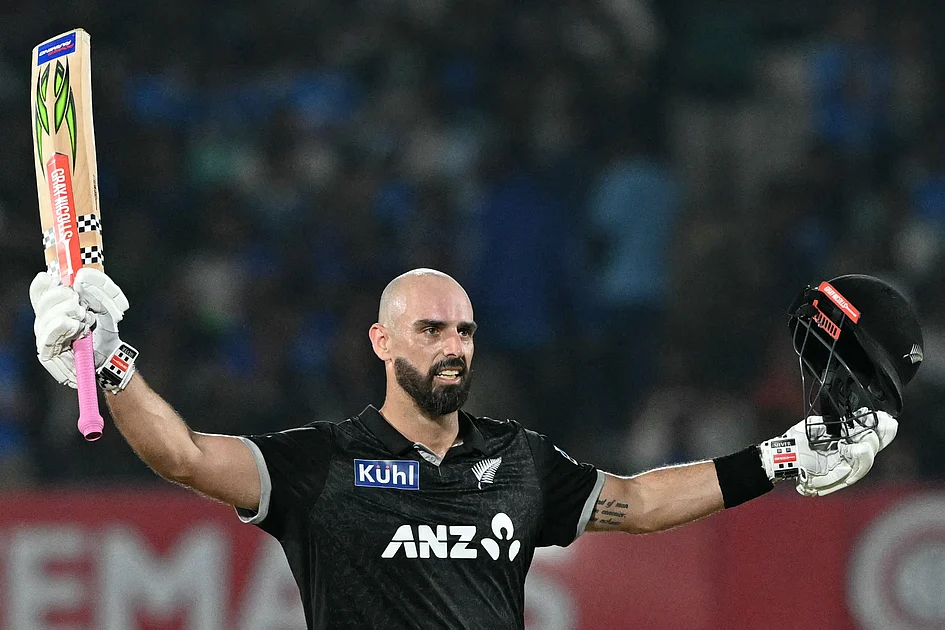
    Daryl Mitchell delivered a spectacular batting performance to steer New Zealand to a commanding seven-wicket triumph over India in the second ODI at Rajkot on Wednesday. The victory levels the three-match series at 1-1, setting up a decisive final encounter.

    New Zealand’s clinical chase of India’s 284/7 marked their highest-ever successful run pursuit on Indian soil. Mitchell’s unbeaten 131 from 117 balls proved instrumental after the visitors found themselves in early trouble at 46-2. The 34-year-old batsman showcased exceptional form, building a crucial 162-run partnership with Will Young (87) that effectively dismantled India’s bowling attack.

    India’s innings had been anchored by KL Rahul’s magnificent unbeaten 112 from 92 deliveries, his highest score in ODI cricket and eighth century in the format. Despite Rahul’s heroics, New Zealand’s Kristian Clarke made significant early breakthroughs by dismissing top-order stalwarts Rohit Sharma, Shreyas Iyer, and Virat Kohli.

    Mitchell’s innings wasn’t without fortune—he received a reprieve on 80 when Prasidh Krishna dropped a difficult chance. The batsman capitalized fully on this opportunity, registering his eighth ODI century while demonstrating why he accumulated 761 runs in 2025 at an impressive average of 54.35.

    Post-match, Mitchell expressed satisfaction with the team’s performance: ‘We haven’t won here for a couple of years. Nice to get a win. I’m just enjoying doing the job for the country.’ He particularly praised his partnership with Young, noting ‘He’s a class player, I love batting with him, we also have fun batting together.’

    Indian captain Shubman Gill acknowledged his team’s shortcomings: ‘We did get a decent start with the ball, but they batted very well in the middle overs. We could have been more brave, and taken more chances.’

    The series now moves to Indore for the final ODI, after which both teams will contest a five-match T20I series as preparation for next month’s Twenty20 World Cup.

  • Why the UAE has incurred the wrath of Somalia

    Why the UAE has incurred the wrath of Somalia

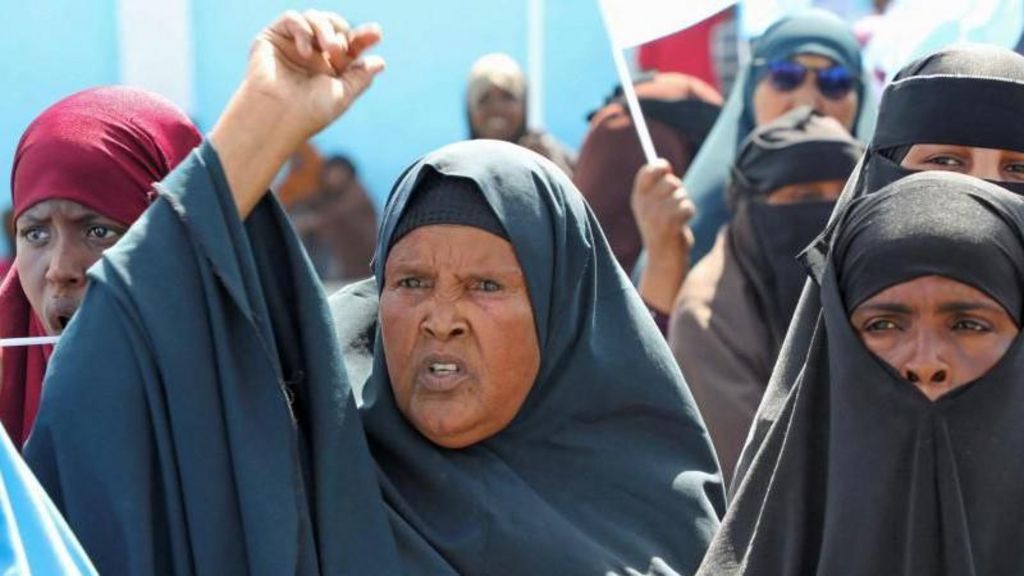
    Somalia has dramatically terminated all port management and security cooperation agreements with the United Arab Emirates, marking a critical deterioration in their longstanding partnership. The decision follows Israel’s unprecedented recognition of Somaliland as an independent state in late December—a move Somalia condemns as a violation of its territorial integrity.

    President Hassan Sheikh Mohamud declared the termination after an extraordinary cabinet meeting, stating that while Somalia valued its relationship with the UAE, the Gulf nation failed to engage with Somalia as a sovereign equal. “After careful assessment, we were forced to take this decision,” Mohamud emphasized in a televised address.

    The UAE, a major investor in Somali infrastructure and security, has not publicly responded to these developments. However, regional analysts identify Israel’s recognition of Somaliland as the catalyst for the diplomatic rupture. Omar Mahmoud of the International Crisis Group notes that Somalia perceives the UAE as having played a behind-the-scenes role in facilitating this outcome.

    Complicating matters further, Somalia has accused the UAE of orchestrating the unauthorized transport of Yemeni separatist leader Aidarous al-Zubaidi through Somali airspace—an allegation the UAE denies. This incident, coupled with growing suspicions about Emirati support for Somaliland’s recognition, appears to have been the final straw in deteriorating relations.

    The practical implications remain uncertain. While Somalia’s federal government has annulled the agreements, its authority over semi-autonomous regions like Somaliland, Puntland, and Jubaland—where UAE-operated ports are located—is limited. DP World, the Dubai-based logistics giant operating Berbera port, has indicated business will continue unchanged, citing existing agreements with Somaliland authorities.

    Regional experts suggest this confrontation reflects broader geopolitical realignments, with the UAE and Israel on one side and powers like Turkey and Saudi Arabia on the other. Somalia is now leveraging diplomatic channels to rally international support for its position, though repairing relations with the UAE will require significant diplomacy amid eroded trust.

  • Ugandans choose between pop star and veteran leader in presidential poll

    Ugandans choose between pop star and veteran leader in presidential poll

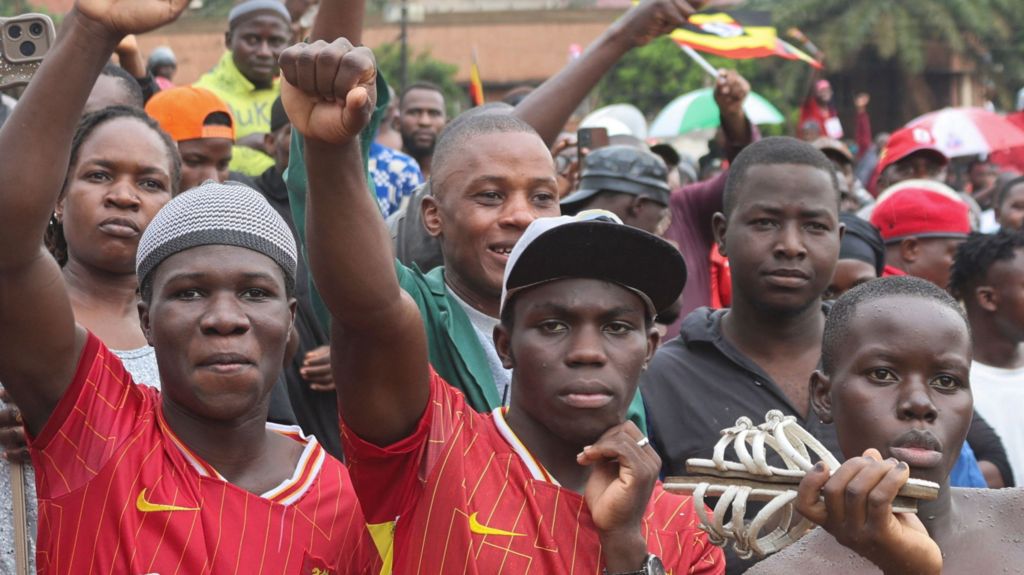
    Uganda stands at a critical democratic crossroads as over 21 million registered voters participate in a presidential election pitting long-serving leader Yoweri Museveni against the formidable challenge of pop star-turned-politician Bobi Wine.

    The electoral contest represents a classic power struggle between continuity and change. President Museveni, who seized power through guerrilla warfare four decades ago, positions himself as the indispensable guardian of stability and progress. His opponent, 43-year-old Robert Kyagulanyi (known professionally as Bobi Wine), campaigns on an ambitious platform of anti-corruption measures and comprehensive governmental reforms.

    This election occurs against a backdrop of significant constitutional modifications that removed presidential age and term limits, enabling Museveni’s continued candidacy. The incumbent previously secured victory in the 2021 polls with 59% of votes against Wine’s 35%—results the opposition leader dismissed as fraudulent.

    Pre-election conditions have drawn international concern. A government-imposed internet blackout, justified by authorities as necessary to prevent misinformation and electoral violence, has been condemned by the United Nations human rights office as “deeply worrying.” Opposition groups allege the digital shutdown aims to prevent documentation and sharing of electoral misconduct.

    Security forces face accusations of systematically suppressing opposition activities through violent disruption of rallies, arbitrary detentions, and physical assaults on supporters. Amnesty International characterizes these tactics as “a brutal campaign of repression” involving tear gas, pepper spray, and beatings.

    Electoral Commission Chair Simon Byabakama reported receiving direct threats warning against declaring certain results, though he maintains the commission will uphold electoral integrity. “I am not in the business of donating votes,” Byabakama stated, emphasizing that voters alone will determine the outcome.

    The electoral process recalls the violent 2012 elections where dozens perished during protests, with security forces implicated in numerous casualties according to BBC investigations.

    Beyond the presidential race, voters will determine the composition of parliament with 353 legislative seats contested. Economic concerns dominate voter priorities, particularly among Uganda’s youth-majority population where unemployment persists despite gradual income growth. Additional voter concerns include infrastructure deficiencies and unequal access to quality education and healthcare.

    Security presence has intensified throughout the capital Kampala, with armored vehicles deployed and enhanced police patrols. Many residents have relocated to rural areas anticipating election-related violence, with one anonymous voter explaining his decision to re-register in his home village due to the “heavy and intimidating security presence in the city.

    Polls are scheduled to close at 16:00 local time (13:00 GMT) on Thursday, with results anticipated by Saturday. The election’s outcome will significantly influence Uganda’s democratic trajectory and its relationship with the international community.