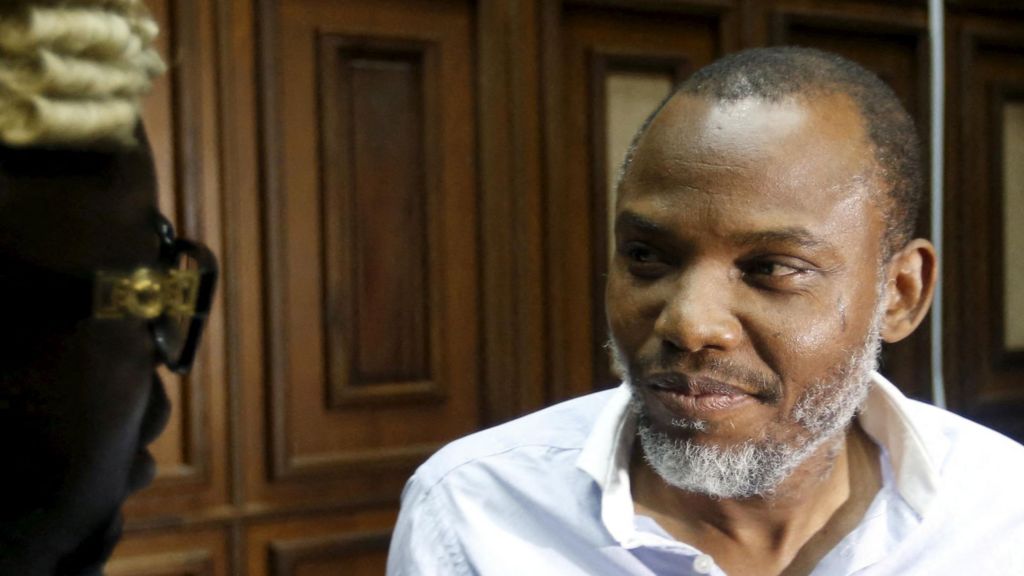
Nigerian separatist leader Nnamdi Kanu, head of the outlawed Indigenous People of Biafra (Ipob), has dismissed his legal team and announced his intention to represent himself in his ongoing trial. The 58-year-old, who faces charges of terrorism and incitement to violence, opened his defense on Thursday by challenging the court’s jurisdiction, an argument swiftly rejected by the presiding judge. Kanu, who also holds a British passport, claims his continued detention violates a previous court of appeal ruling that had ordered the charges against him to be dropped. This decision was later overturned by Nigeria’s Supreme Court. The judge dismissed Kanu’s jurisdictional challenge, instructing him to proceed with his defense. Kanu’s decision to sack his lawyers came just 24 hours after he listed high-profile witnesses, including former Attorney General Abubakar Malami, for his trial. No reasons were provided for the dismissal, and his former legal team has remained silent. Kanu’s case has sparked significant controversy, with Nigerian police recently using tear gas to disperse protesters in Abuja demanding his release. Despite his legal battles, Kanu remains a revered figure among his followers, particularly in southeastern Nigeria. Ipob, banned as a terrorist organization in 2017, seeks independence for the region it calls the Biafran nation. Its armed wing, the Eastern Security Network, has been accused of violent acts in recent years. Kanu was first arrested in 2015 but fled Nigeria in 2017 after a military raid on his home. He was re-arrested in 2021, with his lawyers alleging detention in Kenya, though Kenyan authorities have not commented on the matter. The case continues to highlight deep-seated tensions in Nigeria’s political landscape.
标签: Africa
非洲
-
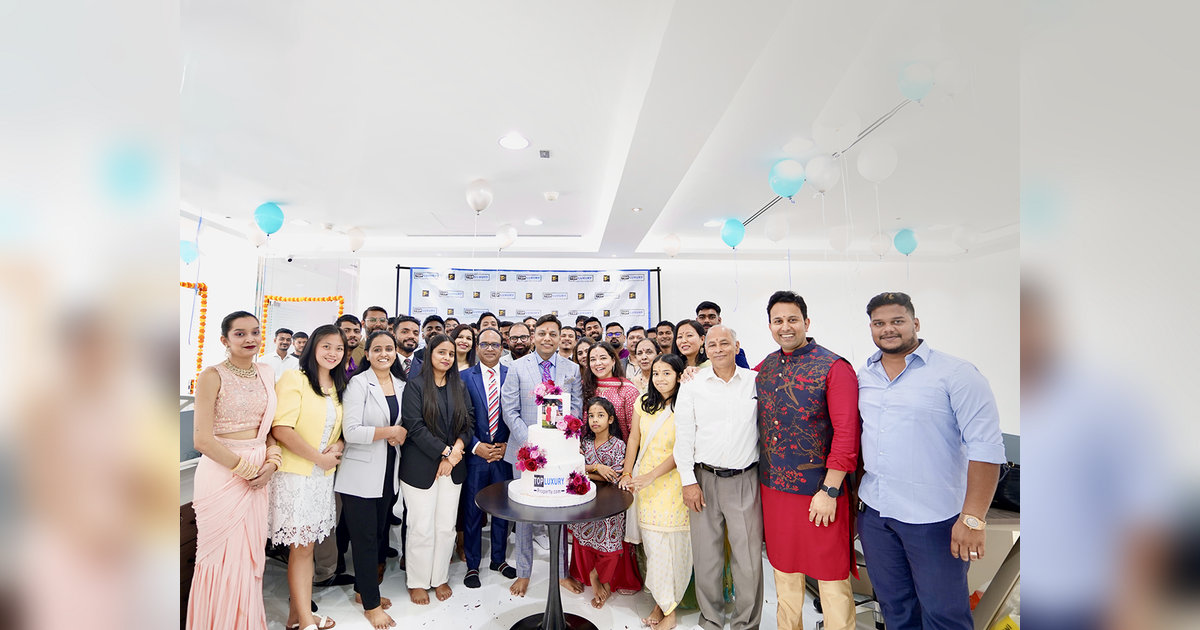
Top Luxury Property expands presence with new Abu Dhabi branch
Top Luxury Property, a leading UAE-based real estate firm, has unveiled its latest branch in Abu Dhabi, marking a significant milestone in its nationwide expansion strategy. The new office, strategically located in the capital, aims to cater to the burgeoning demand for high-end residential and investment properties in the emirate. The inauguration ceremony drew notable figures from Abu Dhabi’s real estate and economic development sectors, alongside the company’s senior leadership. The branch will specialize in offering residential property services and market advisory support, with a focus on key developments such as Saadiyat Island, Yas Island, Al Reem Island, and Al Raha Beach. Manuj Garg, CEO of Top Luxury Property, emphasized the move as a natural progression in the company’s mission to bolster the UAE’s evolving real estate landscape. He highlighted Abu Dhabi’s robust growth potential and the branch’s role in delivering localized expertise while fostering a sustainable and diverse property market. The new branch will feature teams skilled in property consulting, market analysis, and legal advisory, complemented by digital tools that provide clients with access to property data, virtual tours, and online transaction services. This expansion aligns with broader trends in the UAE’s real estate sector, where firms are increasingly establishing a presence across multiple emirates to meet rising investor interest. Top Luxury Property’s existing operations in Dubai, Ras Al Khaimah, Sharjah, and Umm Al Quwain have been driven by structured market practices and data-led frameworks, which will now be extended to Abu Dhabi to ensure operational consistency and enhance collaboration among developers, financiers, and end-users. The launch event also included a networking session, where industry representatives discussed current trends shaping Abu Dhabi’s luxury real estate market and explored opportunities for cross-emirate collaboration in investment and property management. This move underscores Top Luxury Property’s commitment to supporting the UAE’s national economic diversification goals and contributing to the sustainable development of the country’s property sector.
-
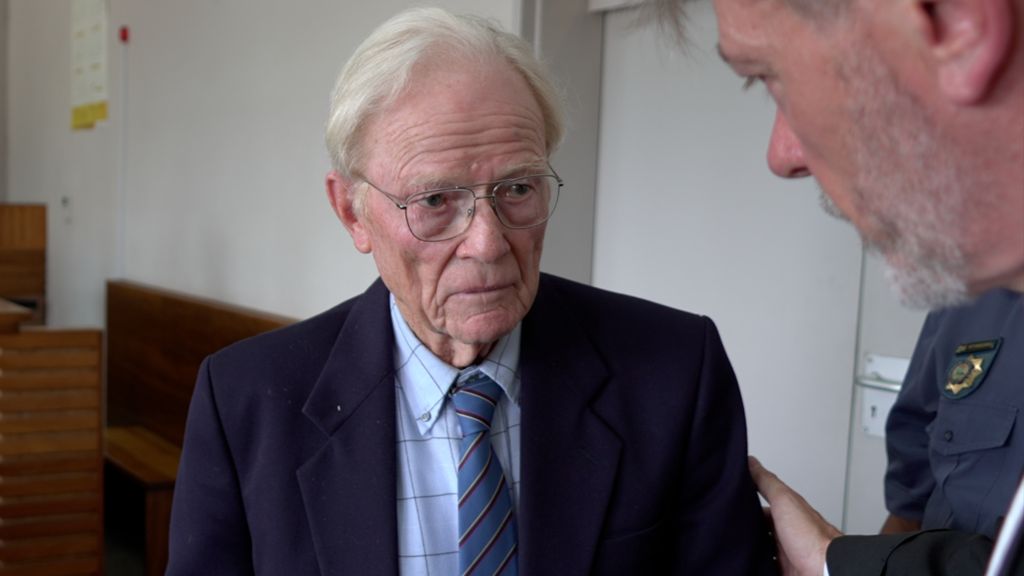
Former teacher accused of further 90 sex abuse charges
Iain Wares, an 86-year-old former teacher accused of historical sex abuse in Scotland, has been arrested in Cape Town, South Africa, on an additional 90 charges. Wares, who taught at Edinburgh Academy and Fettes College in the 1960s and 70s, is alleged to have abused scores of former pupils, including BBC presenter Nicky Campbell. Last August, the Cape Town High Court ruled that Wares could be extradited to Scotland to face three charges, but the process was delayed as UK authorities sought to submit further charges. The new charges stem from allegations by 65 individuals who claim they were sexually and physically abused by Wares in Scotland. Victims have accused the schools of failing to report complaints, allowing Wares to relocate to South Africa in 1979, where he continued teaching until his retirement in 2006. Wares was initially arrested in May 2019 on seven charges, and he also faces a separate trial in Cape Town following allegations by a former South African student. He has been granted bail, with a hearing scheduled for November 20. Barry Welsh, the current rector of Edinburgh Academy, emphasized the school’s commitment to addressing past wrongs and supporting former pupils. The case remains under the jurisdiction of legal authorities in both South Africa and Scotland.
-

‘I eat 6000 calories a day’ â The South African ‘Rhino’ who became World’s Strongest Man
Rayno Nel, a 30-year-old South African, has etched his name in history by becoming the first African to win the World’s Strongest Man title in 2025. His victory, achieved on his debut in the competition, was a remarkable feat that surprised even himself. ‘I didn’t expect to stand on top of that podium this year,’ Nel shared in an interview with BBC World Service. ‘It still feels unreal.’
Nel’s journey to the title is nothing short of extraordinary. After abandoning his dream of playing professional rugby, he transitioned to strongman competitions in 2023. Growing up in Upington, a remote town in Northern Cape province, Nel had limited exposure to the sport. However, his passion for competitive sports and adrenaline-fueled challenges led him to strongman training. Balancing a full-time job as an electrical engineer, Nel dedicated every spare moment to his rigorous training regimen, consuming up to 6,000 calories daily to fuel his 148kg, 191cm frame.
Nicknamed ‘The Rhino from South Africa,’ Nel’s physical prowess and mental fortitude were on full display during the competition. In the final held in Sacramento, California, he narrowly edged out three-time champion Tom Stoltman of Great Britain by half a point. Nel’s performance included a staggering 490kg deadlift and a strong showing in the Flintstone Press, despite a nerve-wracking moment where his lead was nearly erased. The final event, the Atlas Stones, saw Nel secure third place, clinching the overall victory by the slimmest of margins.
Nel’s triumph has not only brought pride to his homeland but also highlighted the potential for strongman competitions in Africa. He hopes to bring the World’s Strongest Man event back to the continent, emphasizing its rich heritage in southern Africa. As he looks to the future, Nel aims to defend his title and continue inspiring others with his story of perseverance and dedication.
-

South Africa beat Pakistan to earn series draw
In a thrilling display of resilience, South Africa clinched an eight-wicket victory over Pakistan in the second Test at Rawalpindi, leveling the series 1-1. This triumph marks South Africa’s first win in Pakistan since October 2007, ending an 18-year drought in the country. The Proteas, reigning world champions, showcased their mettle after a 93-run defeat in the first Test, which had halted their impressive 10-Test winning streak. Pakistan, resuming their second innings at 94-4 with a slender 23-run lead, faltered dramatically on the fourth morning, collapsing to 138 all out. Simon Harmer, the Essex off-spinner, was instrumental in the collapse, claiming 6-50, including his 1,000th first-class wicket. South Africa chased down the modest target of 68 in just 12 overs, despite losing Aiden Markram for 42 and Tristan Stubbs for a duck. The foundation for South Africa’s victory was laid in the first innings, where they posted 404, thanks to a crucial 71-run partnership for the last two wickets. Senuran Muthusamy’s unbeaten 89 and Kagiso Rabada’s career-best 71 were pivotal in securing a 71-run lead. Captain Aiden Markram praised his team’s character and resilience, emphasizing the significance of the win in testing conditions. Pakistan’s captain, Shan Masood, defended his team’s strategy of preparing turning pitches, citing four wins out of six Tests since adopting this approach. Despite the loss, Masood remained optimistic, highlighting the team’s potential to dominate if they capitalize on winning positions.
-
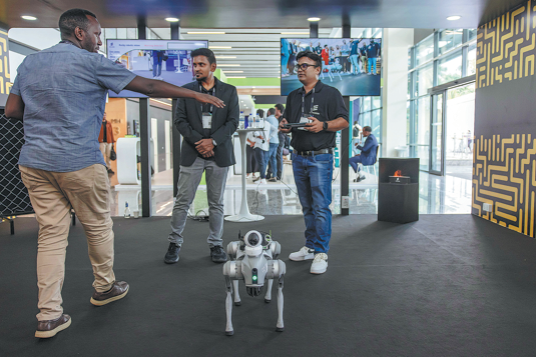
AI and fintech to drive next digital leap of Africa
As Africa’s mobile revolution evolves, the continent stands on the brink of a new digital era driven by artificial intelligence (AI) and financial technology (fintech). This was the central theme at the Mobile World Congress (MWC) Africa, held in Kigali, Rwanda, where policymakers and industry leaders emphasized the need to bridge digital and energy gaps to unlock inclusive growth. Rwandan President Paul Kagame, speaking at the opening ceremony, highlighted Africa’s rapid digital transformation, noting how mobile technology has become integral to daily life, revolutionizing commerce, education, and finance. He praised mobile money as a global model for financial inclusion, empowering small businesses and women entrepreneurs. However, Kagame cautioned that Africa must urgently address its digital divide, as only a small fraction of its population is connected compared to the global average. He stressed the importance of integrating AI into public services and harmonizing policies to foster innovation. Rwanda’s Minister of ICT and Innovation, Paula Ingabire, echoed this sentiment, calling for collaboration across governments, industries, and innovators to position Africa as a leader in digital transformation. Doreen Bogdan-Martin, Secretary-General of the International Telecommunication Union, projected that AI could generate $2.9 trillion for the African economy, emphasizing the need for cross-sector cooperation. Vivek Badrinath, Director General of the Global System for Mobile Communications Association, highlighted Africa’s mobile industry as one of the largest infrastructures globally, covering 91% of the population. He called for partnerships to develop inclusive AI models for African languages and stressed the importance of regulatory reforms to attract investment. Closing the usage gap, he noted, could add $625 billion to Africa’s GDP by 2030, underscoring that connectivity is about empowering people and driving sustainable growth.
-
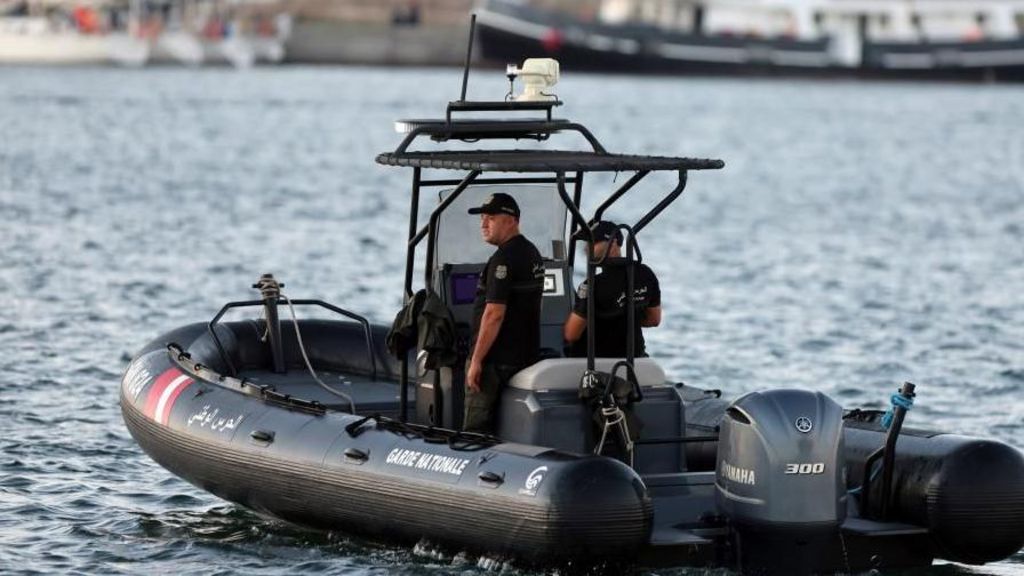
Forty migrants, including infants, die as boat sinks off Tunisia
In a harrowing maritime incident off the coast of Tunisia, at least 40 migrants, including children, lost their lives when their boat sank near the port of Mahdia. Authorities confirmed that the vessel was carrying approximately 70 individuals, all of whom hailed from sub-Saharan Africa. This tragedy marks one of the deadliest migrant disasters in the Mediterranean this year. About 30 survivors were rescued, while an investigation has been launched to determine the causes of the sinking. The incident underscores the perilous journey faced by migrants fleeing conflict and poverty in Africa in search of better opportunities in Europe. According to UN data, over 210,000 people attempted to cross the Central Mediterranean in 2023, with more than 60,000 intercepted and nearly 2,000 perishing at sea. Tunisia, a key transit country, faces mounting pressure to manage migration flows. The EU recently signed a $118 million deal with Tunisia to combat irregular migration, focusing on curbing smuggling, strengthening borders, and facilitating migrant returns. This disaster follows a similar tragedy in February, when a boat carrying over 40 Sudanese migrants sank off Sfax. The Mediterranean route remains one of the world’s most dangerous migration paths, with countless lives lost annually.
-
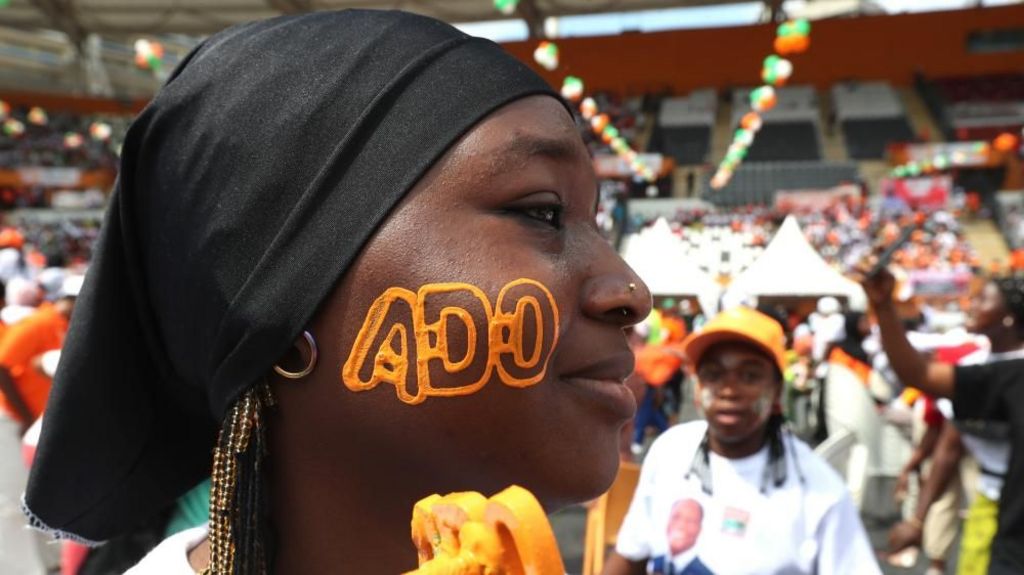
An ex-first lady, a tycoon and a ‘safe pair of hands’ vie for power in a cocoa superpower
The upcoming presidential election in Ivory Coast, scheduled for Saturday, is set against a backdrop of vibrant campaign rallies, yet the festive atmosphere masks deep-seated political tensions in the world’s largest cocoa producer. Incumbent President Alassane Ouattara, affectionately known as ‘Ado’ by his supporters, is seeking a controversial fourth term, a move that has sparked significant backlash despite being constitutionally permissible. Ouattara, credited with steering the nation towards economic growth following a brutal civil war, now faces criticism from those who view his candidacy as a threat to democratic principles. The political landscape is further complicated by the disqualification of prominent opposition figures, including Tidjane Thiam and former President Laurent Gbagbo, whose refusal to accept defeat in the 2010 election triggered a violent conflict that left over 3,000 dead. Ouattara’s challengers include Simone Gbagbo, Laurent Gbagbo’s former wife and a prominent opposition leader, Jean-Louis Billon, a wealthy businessman, Henriette Lagou Adjoua, a women’s rights advocate, and Ahoua Don Mello, a former ally of Gbagbo. Each candidate brings a unique vision for the country, with Billon focusing on economic modernization and generational change, while Simone Gbagbo emphasizes education and youth opportunities. Despite the economic progress under Ouattara, many Ivorians feel left behind, with rising living costs and unemployment fueling discontent. The election is also marked by regional loyalties, with Ouattara enjoying strong support in the north, Simone Gbagbo drawing backing from the west and southwest, and Billon appealing to urban voters. The campaign has not been without controversy, with recent protests met with a swift government crackdown, raising concerns about potential post-election unrest. As the nation prepares to vote, the question remains whether Ivory Coast will choose continuity with Ouattara or opt for a new direction with one of his challengers.
-
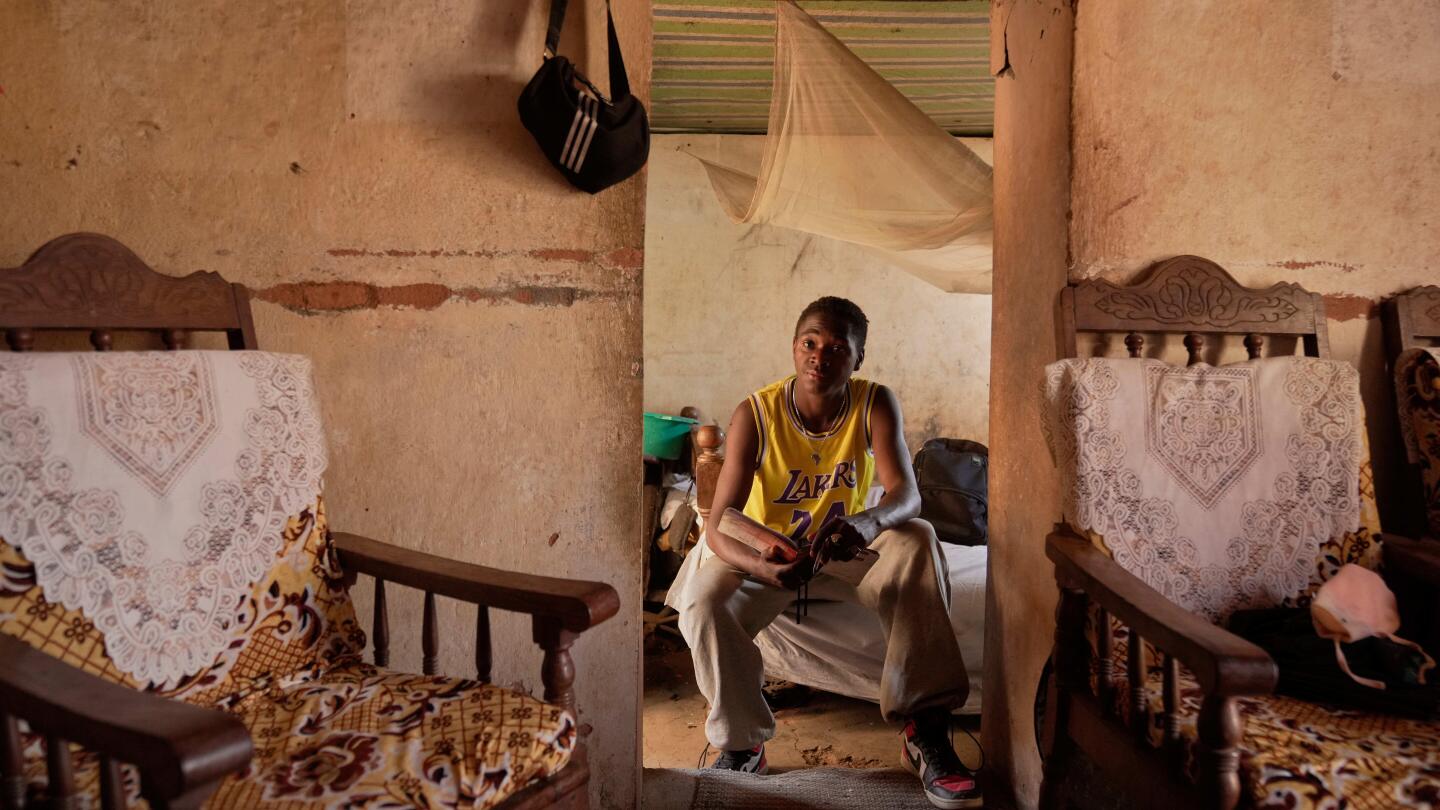
Youth who led Madagascar protests hope coup leader will continue to hear them as president
In the wake of Madagascar’s recent military coup, led by Colonel Michael Randrianirina, the young protesters who fueled the uprising are yet to see tangible improvements in their daily lives. Donah Falia, a 20-year-old accounting student, continues to endure long waits for water and faces a bleak job market, reflecting the persistent challenges in the capital, Antananarivo. Despite the overthrow of democratically elected President Andry Rajoelina, the youth remain skeptical about the new regime’s ability to address their grievances. Randrianirina’s rise to power follows a familiar pattern in Madagascar’s post-colonial history, echoing similar military takeovers across Africa in recent years. While many celebrated the end of Rajoelina’s rule, the protesters’ demands for better living conditions, employment, and utility access remain unmet. The coup, which began with mass protests in September, saw security forces crack down harshly, resulting in casualties. Randrianirina’s CAPSAT unit eventually sided with the demonstrators, forcing Rajoelina to flee. The youth, inspired by global Gen Z movements, rallied around symbols of change but now face uncertainty about the new government’s commitment to their cause. Experts warn that military regimes often fail to address systemic issues like corruption and poverty, raising doubts about Randrianirina’s long-term effectiveness. The youth, however, remain vigilant, vowing to hold the new government accountable if their demands are ignored.
-
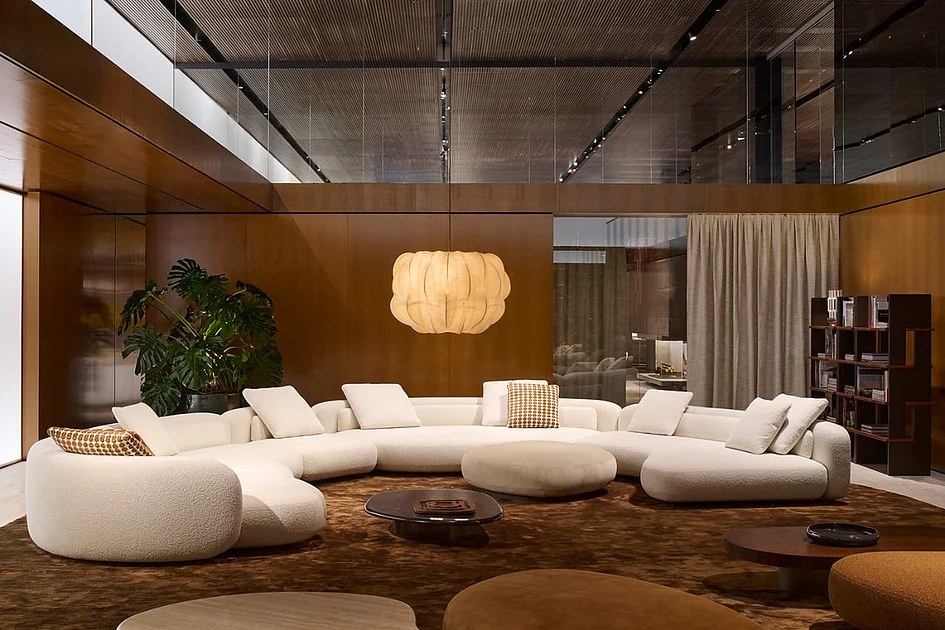
UAE furniture market embraces sustainability, smart design, and Italian craftsmanship
The UAE furniture market is experiencing a significant evolution in 2025, shaped by urbanization, shifting consumer tastes, and a growing demand for sustainable luxury. Valued at $3.7 billion in 2024, the market is expected to grow to $5.4 billion by 2033, with a compound annual growth rate (CAGR) of 4.18%. This expansion is driven by rising disposable incomes, a thriving real estate sector, and the UAE’s strategic role as a global design hub. Dubai is at the forefront of this transformation, embracing eco-friendly materials, modular furniture, and smart home technologies. Consumers are increasingly prioritizing pieces that merge aesthetics with environmental responsibility, such as reclaimed wood, organic textiles, and tech-integrated furniture. Amid this growth, Minotti Dubai has introduced its latest collection, strengthening the city’s ties with Italian design. The collection, showcased at Salone del Mobile Milano 2025, features works by renowned designers like Marcio Kogan, Giampiero Tagliaferri, and Nendo. Highlights include the Coupé and Libra seating families, the Riley sofa system, and the modular Bézier, all blending heritage craftsmanship with modern innovation. Renato Minotti, Co-CEO of the brand, noted that Dubai has become a global architecture laboratory, where design bridges tradition and innovation.