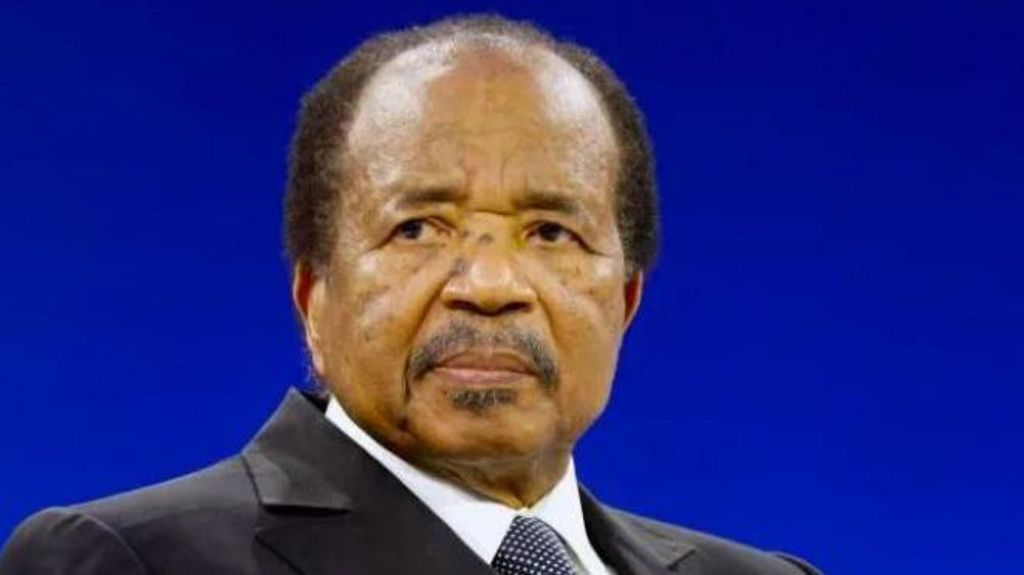
Cameroon’s long-serving President, Paul Biya, aged 92, has been inaugurated for an unprecedented eighth term following a contentious election last month. The swearing-in ceremony took place at the parliament in Yaoundé, marking the continuation of a 43-year reign that began in 1982. Biya, who is currently the world’s oldest head of state, secured 54% of the vote, as per official results, while his closest rival, Issa Tchiroma Bakary, garnered 35%. Bakary has vehemently contested the outcome, alleging electoral fraud, a claim dismissed by the authorities. The announcement of Biya’s victory sparked widespread protests across the nation, reflecting deep-seated divisions and dissatisfaction among the populace. Biya’s campaign was notably subdued, with the nonagenarian addressing only one rally prior to the election. His extended tenure has drawn both domestic and international scrutiny, raising questions about the future of governance in Cameroon.
标签: Africa
非洲
-
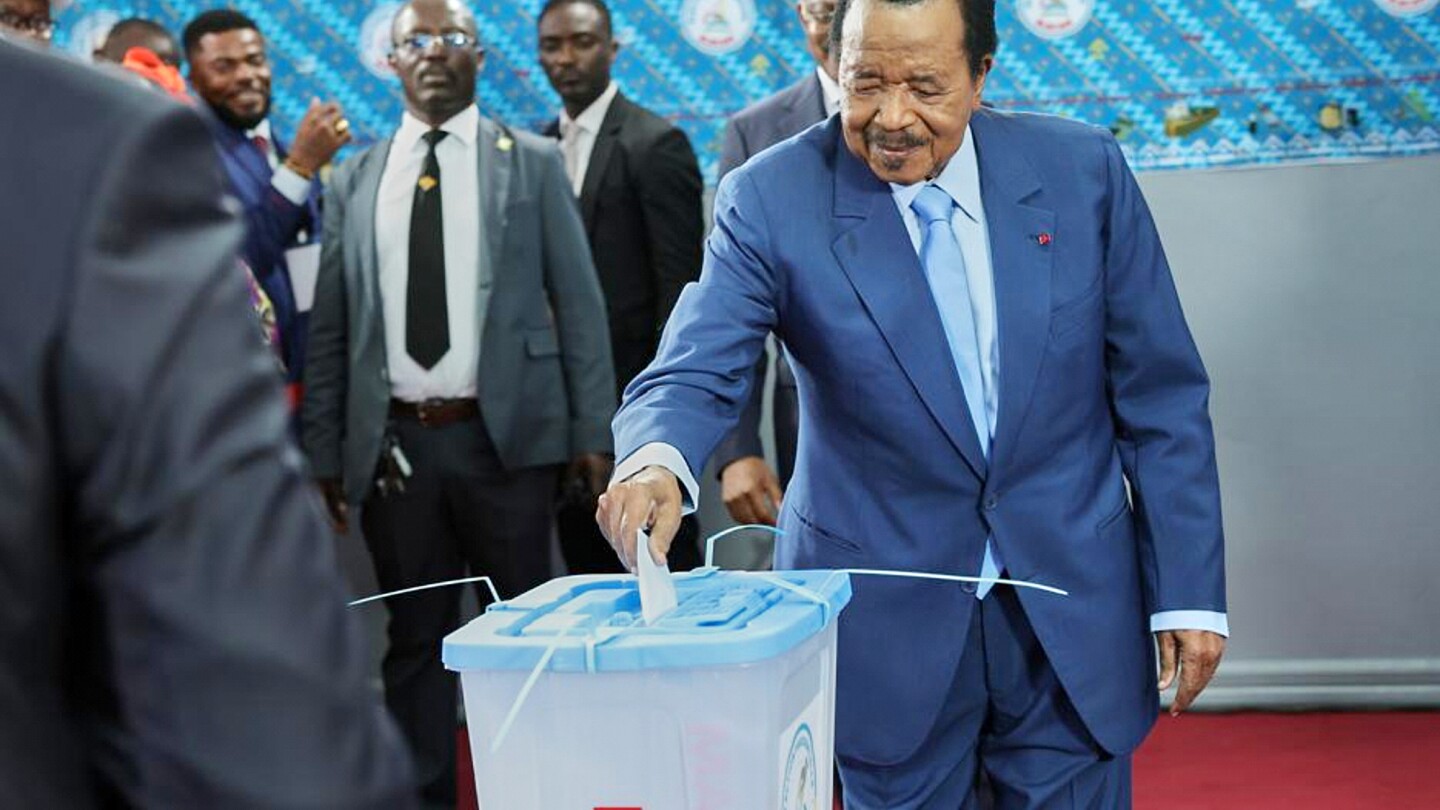
Cameroon’s 92-year-old president Paul Biya sworn in again as opposition cries foul
Cameroon’s President Paul Biya, the world’s oldest head of state, was inaugurated on Thursday for a seventh term following a contentious election marred by allegations of fraud. The 92-year-old leader, who has been in power since 1982, took the oath of office in a heavily militarized Yaounde, the nation’s capital, which residents described as partially deserted. Biya’s victory, declared by Cameroon’s top court on October 27 with 53.66% of the vote, has been labeled a “constitutional coup” by his main rival, Issa Tchiroma Bakary, who secured 35.19% of the vote. In his address to Parliament, Biya pledged to uphold the trust of the Cameroonian people and work towards a “united, stable, and prosperous” nation. However, the ceremony unfolded against a backdrop of deep political divisions, ongoing security challenges in Anglophone regions, and widespread disillusionment among the populace. Protests erupted across the country after the October 19 election, culminating in a three-day lockdown this week. The government confirmed at least five deaths during the unrest, though opposition groups claim the toll is significantly higher. Tchiroma accused Biya of orchestrating “electoral theft,” asserting that the will of the people had been trampled. Biya’s prolonged rule, enabled by a 2008 constitutional amendment abolishing term limits, has left many young Cameroonians disillusioned. With over 70% of the population under 35, his tenure has been marked by economic stagnation and armed insurgencies in the north and west. If he completes this term, Biya will step down at nearly 100 years old, leaving behind a legacy of mixed results and a nation grappling with uncertainty.
-

GITEX 2025: Technology is as human as it is digital
The 2025 edition of GITEX Global, the world’s largest technology showcase, marked a pivotal shift in the narrative surrounding innovation. While the event traditionally spotlighted cutting-edge advancements in artificial intelligence, automation, and digital systems, this year’s focus was unmistakably human-centric. The overarching theme emphasized that technology’s true value lies in its ability to serve and empower people, rather than merely advancing computational capabilities.
-
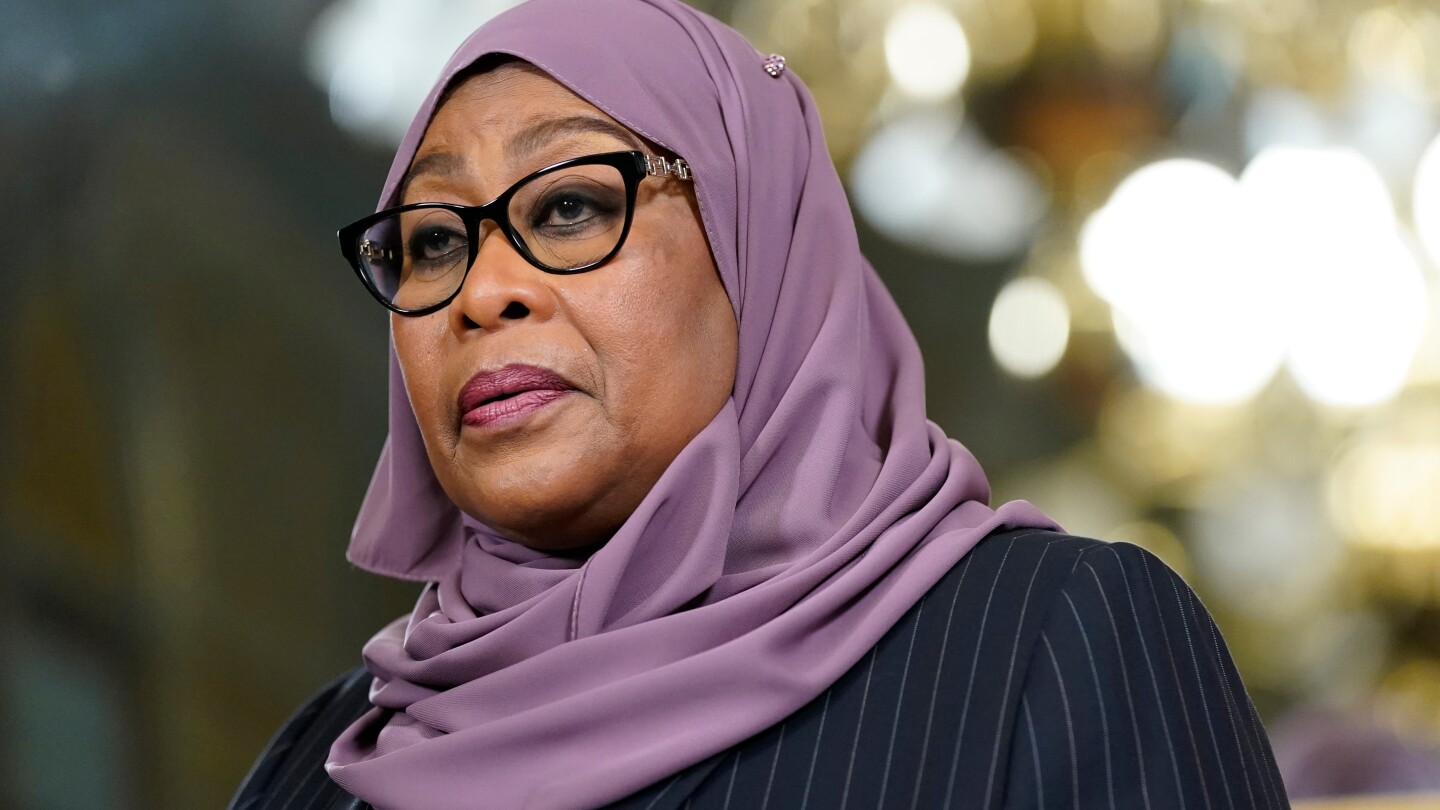
What to know about key political figures in Tanzania after deadly election violence
Tanzania is grappling with widespread unrest following its October 29 elections, which international observers have criticized as neither free nor fair. The violence erupted as security forces attempted to suppress opposition protests, leading to a disputed death toll. The leading opposition party, Chadema, claims hundreds were killed, while the government denies these allegations. President Samia Suluhu Hassan, who assumed office in 2021 after her predecessor’s death, secured over 97% of the vote, according to official results. However, her main rivals, Tundu Lissu of Chadema and Luhaga Mpina of ACT-Wazalendo, were barred from running, amid accusations of repression, enforced disappearances, arbitrary arrests, and extrajudicial killings by Amnesty International.
Hassan, Tanzania’s first female head of state, faces criticism for her administration’s crackdown on political opponents. Critics argue that she is largely a figurehead, with key decisions influenced by loyalists from Zanzibar, her birthplace. This has raised concerns about factionalism within the ruling Chama cha Mapinduzi (CCM) party, which has governed Tanzania since independence in 1961. Analysts, including William Farmer of Africa Practice, note that the Zanzibar clique lacks extensive government experience.
Other prominent figures in Tanzania’s political landscape include former President Jakaya Kikwete, who remains influential and is seen as a behind-the-scenes supporter of Hassan. Vice President Emmanuel Nchimbi, a former interior minister, is considered a potential presidential candidate when Hassan’s term ends in five years. Additionally, Hassan’s son, Abdul Halim Hafidh Ameir, has been accused of orchestrating the recent crackdown, though he holds no formal government role. Former regional commissioner Paul Makonda, a Hassan ally, is also expected to play a significant role in the next administration, despite U.S. sanctions for his alleged involvement in oppressing political opposition.
-

Pirates fire grenades and board vessel off Somali coast
In a concerning development off the Somali coast, attackers armed with machine guns and rocket-propelled grenades boarded a Malta-registered gasoline tanker, according to the United Kingdom Maritime Trade Operations (UKMTO). The incident occurred approximately 560 nautical miles southeast of the Somali town of Eyl. Private security firm Ambrey identified the assailants as likely Somali pirates, who have recently intensified their activities in the region. The vessel, named Hellas Aphrodite, was en route from Sikka, India, to Durban, South Africa, when it was targeted. Greek shipping company Latsco Marine Management, which operates the tanker, confirmed the attack but assured that all 24 crew members were safe and accounted for. The company has activated its emergency response team and is coordinating with authorities to ensure the crew’s continued safety. This incident highlights a worrying resurgence of piracy in the region, which had seen a decline after peaking over a decade ago. The International Maritime Bureau reported at least seven piracy incidents last year, with several fishing vessels already seized in 2024. The attack underscores the ongoing security challenges in the waters off Somalia and the need for heightened vigilance in the area.
-

Being Premier League’s only black manager ‘a privilege’ – Nuno
Nuno Espirito Santo, the first black manager to permanently lead four different Premier League teams, has expressed his pride and honor in his groundbreaking role. Appointed by West Ham in September, Nuno rejects the notion that his position is a burden, instead viewing it as a privilege. He remains optimistic about the future, believing that talented black managers will soon join the ranks of Premier League coaches. Nuno attributes his success to a combination of talent, hard work, and luck, while acknowledging the under-representation of ethnic minority coaches in top-tier football. Despite calls for proactive measures like the ‘Rooney Rule,’ Nuno does not believe discrimination is a factor in managerial recruitment. However, critics like Delroy Corinaldi of the Black Footballers Partnership argue that systemic bias persists. Only 11 black coaches have held managerial roles in the Premier League era, with Chris Hughton emphasizing the importance of visible role models like Nuno and Darren Moore. Deji Davies, chair of the FA’s Inclusion Advisory Board, highlights the disparity between the high percentage of black players and the lack of black representation in leadership roles. The FA and Premier League have introduced initiatives to improve diversity, but progress remains slow. Nuno, born in Sao Tome and Principe, also aspires to contribute to football development in his homeland, reflecting on his humble beginnings and the privilege of his current position. As West Ham’s manager, his immediate focus is on avoiding relegation, but he remains committed to fostering diversity and sharing his expertise in the long term.
-

Israel says Hamas returned body of dead Tanzanian hostage
Israel has confirmed that the remains of Joshua Mollel, a Tanzanian hostage killed during the Hamas-led attack on 7 October 2023, were handed over on Wednesday as part of a US-brokered Gaza ceasefire agreement. The Israeli Prime Minister’s Office announced that forensic tests conducted at the National Centre of Forensic Medicine confirmed Mollel’s identity, and his family has been informed. Mollel, a 21-year-old agricultural intern, was killed at Kibbutz Nahal Oz during the attack, and his body was subsequently taken by Hamas fighters. His return leaves six deceased hostages—five Israelis and one Thai—still in Gaza. The Israeli government expressed its condolences to the Mollel family and reiterated its commitment to recovering all remaining hostages. Hamas’s military wing stated that Mollel’s remains were recovered in eastern Shejaiya, Gaza City, before being handed over to the Red Cross. The ceasefire deal, which began on 10 October, initially required Hamas to release 20 living and 28 deceased hostages within 72 hours. While all living Israeli hostages were released by 13 October, the recovery of deceased hostages has been slow, delaying progress on the second phase of the Gaza peace plan. Israel has accused Hamas of intentionally obstructing the recovery process, while Hamas claims the bodies are buried under rubble. The conflict, which began with the 7 October attack that killed approximately 1,200 people, has resulted in over 68,800 deaths in Gaza, according to Hamas-run health authorities.
-
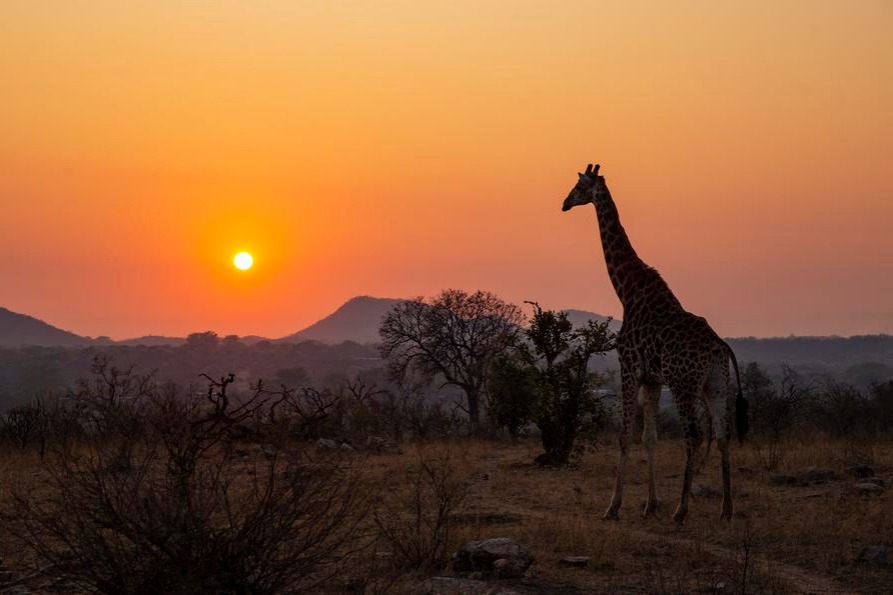
Africa calls for united action to protect biodiversity
The African Union has rallied for enhanced continental collaboration to protect Africa’s biodiversity, as leaders, scientists, and policymakers convened in Gaborone, Botswana, for the first-ever Africa Biodiversity Summit. Held from Sunday to Wednesday, the summit, themed ‘Leveraging Biodiversity for Africa’s Prosperity,’ aimed to elevate biodiversity from a conservation concern to a strategic development priority, aligning with the AU’s Agenda 2063 vision of a prosperous and climate-resilient continent. Delegates from AU member states, regional economic communities, UN agencies, research institutions, civil society, and youth organizations participated in the event. The summit addressed the triple planetary crisis — biodiversity loss, climate change, and pollution — while highlighting Africa’s natural wealth as a cornerstone for economic growth and community well-being. According to the UN’s World Population Prospects report, Africa’s population, currently around 1.5 billion, is projected to reach 2.5 billion by 2050, intensifying pressure on biodiversity and nature’s capacity to sustain livelihoods. Rapid urbanization, deforestation, and unsustainable land use are exacerbating habitat loss, threatening species survival and undermining ecosystem services essential for food, water, and income. Harsen Nyambe, Director of Sustainable Environment and Blue Economy at the AU Commission, emphasized the urgency of collective action, describing Africa’s ecosystems as ‘lifelines’ critical to the continent’s identity and sustainability. He called for solutions rooted in African science, indigenous knowledge, and regional cooperation, urging that biodiversity be mainstreamed across sectors like agriculture, infrastructure, finance, and education. Miguel Cesar Domingos Bembe, representing Angola’s permanent representative to the AU, stressed that defending biodiversity is vital for Africa’s sovereignty, food security, and future prosperity. Botswana’s Permanent Secretary at the Ministry of Environment and Tourism, Boatametse Modukanele, urged stakeholders to translate knowledge into actionable results, emphasizing the need for community-level implementation of conservation frameworks.
-
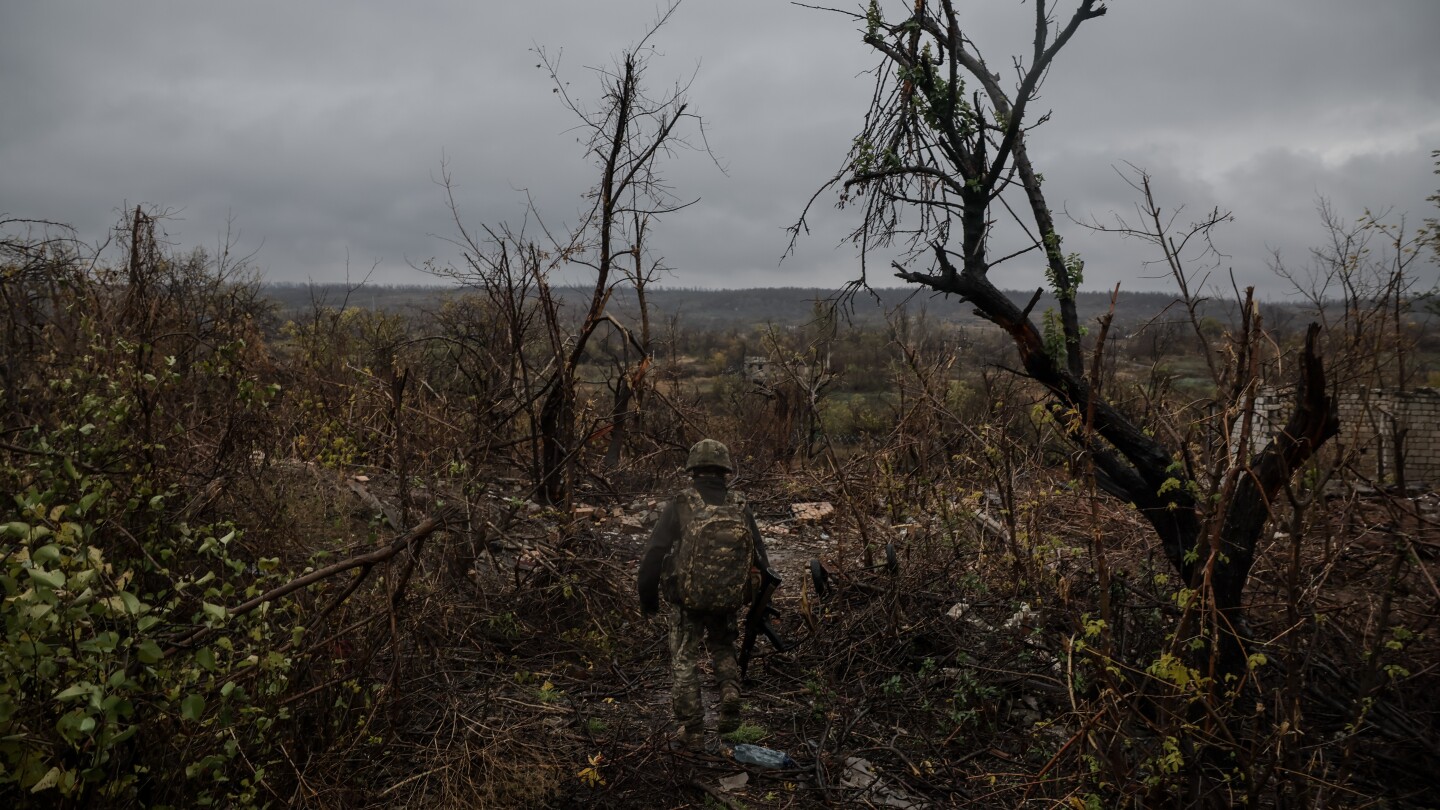
South Africa investigates how 17 men were duped into joining mercenaries in the Russia-Ukraine war
The South African government has launched an investigation into the alleged recruitment of 17 of its citizens as mercenaries in the ongoing Russia-Ukraine conflict. President Cyril Ramaphosa revealed that the men, aged between 20 and 39, were deceived into joining the war under the guise of lucrative employment contracts. After becoming trapped in Ukraine’s eastern Donbas region, they sought assistance to escape the conflict. While it remains unclear which side the men were fighting for, Russia has been accused of recruiting individuals from various countries, including South Africa, by offering false job opportunities. Additionally, Russia has been implicated in luring women from Africa to work in drone factories through misleading social media campaigns. President Ramaphosa condemned the exploitation of vulnerable individuals by foreign military entities and emphasized the government’s efforts to repatriate the affected citizens through diplomatic channels. This incident follows similar reports from India and Nepal, where citizens were allegedly recruited under false pretenses. An Associated Press investigation last year highlighted how hundreds of African women were tricked into working in a Russian drone plant amid the country’s wartime labor shortage. The South African government has since issued warnings about fraudulent job advertisements targeting young women.
-
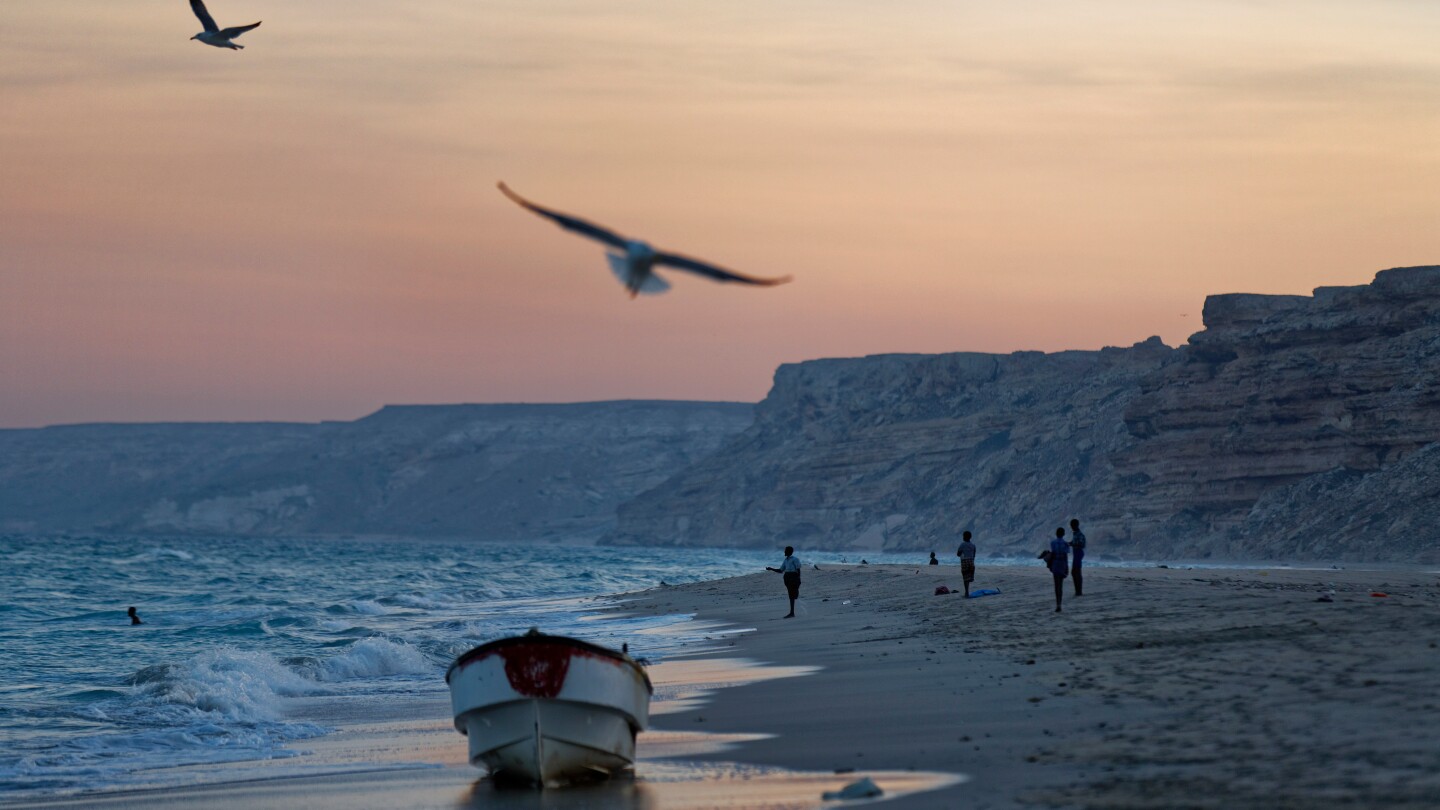
Attackers board a ship off the coast of Somalia after firing rocket-propelled grenades
In a brazen act of maritime piracy, attackers armed with machine guns and rocket-propelled grenades boarded a Malta-flagged tanker off the coast of Somalia on Thursday, according to British officials. The vessel, identified as the Hellas Aphrodite, was en route from Sikka, India, to Durban, South Africa, when it came under assault. The British military’s United Kingdom Maritime Trade Operations (UKMTO) center issued an alert, warning other ships in the area of the ongoing threat. Private security firm Ambrey confirmed the attack, attributing it to resurgent Somali pirates who have been increasingly active in the region. The attackers reportedly seized an Iranian fishing boat, the Issamohamadi, to use as a base of operations, though Iran has not officially acknowledged the incident. The Hellas Aphrodite’s crew of 24 mariners locked themselves in the ship’s citadel for safety during the attack, as the vessel lacked an armed security team. This incident follows a recent suspected pirate attack on the Cayman Islands-flagged Stolt Sagaland, where armed security forces engaged in a firefight with the assailants. Somali piracy, which peaked in 2011 with 237 attacks and $7 billion in global economic losses, had diminished due to international naval patrols and a stronger Somali government. However, piracy has resurged in recent months, partly fueled by regional instability caused by Yemen’s Houthi rebels and the ongoing Israel-Hamas conflict. In 2024 alone, seven incidents have been reported off Somalia, with multiple fishing boats seized by pirates.