
Dr. Nouf Hassan Almaeeni, an Emirati woman, has defied extraordinary odds to become the first woman of determination in the UAE to achieve her dream of becoming a medical doctor. Her journey, marked by resilience and determination, was deeply influenced by her father, a nurse, whose compassion and dedication inspired her from a young age. Growing up, Dr. Almaeeni often accompanied her father to his clinic, where she observed his care for patients, sparking her passion for medicine. Her dream took root in those formative years, setting her on a path to a groundbreaking career. Dr. Almaeeni’s journey was not without significant challenges. During her medical studies, she was diagnosed with a rare form of rheumatism, which led to the amputation of her leg and several fingers due to gangrene. Despite these setbacks, she persevered, advocating for her right to continue her education and successfully graduating. Today, she serves as the Business Operation Manager for the radiology vertical at SEHA, where she combines her medical expertise with leadership skills. Dr. Almaeeni credits her faith, the support of her family and friends, and the UAE’s leadership for her success. She is a passionate advocate for people of determination and envisions a future where they are fully included and empowered in all aspects of society. Her message to young Emirati women is one of empowerment and self-belief: ‘Follow your dreams, believe in your capabilities, and enjoy the journey.’
标签: Africa
非洲
-
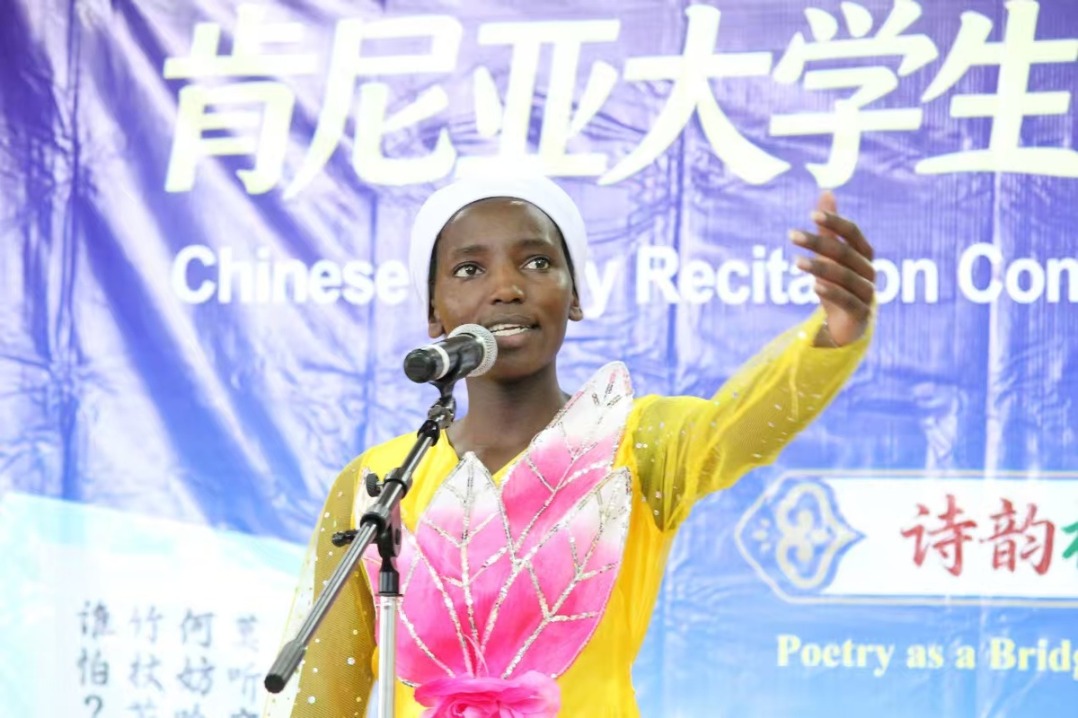
Confucius Institute holds first poetry competition in Kenya
The Confucius Institute at Kenyatta University in Nairobi, Kenya, recently hosted its first-ever Poetry Recitation Competition, marking a significant cultural milestone. The event aimed to introduce Kenyan teachers and students to the rich heritage of Chinese poetry, blending classical and modern works. Thirteen finalists, selected from 27 preliminary candidates, represented prestigious institutions such as the United States International University, Discovery Chinese Cultural Training Center, and Kenyatta University. The competition showcased a diverse array of poetic expressions, highlighting the universal appeal of language and literature. Leonard Chacha, Director of the Confucius Institute at Kenyatta University, emphasized that the event transcended mere competition, serving as a testament to the enduring power of poetry in fostering connection and inspiration in a noisy world. The initiative underscores the Confucius Institute’s commitment to promoting cultural exchange and mutual understanding between China and Kenya.
-
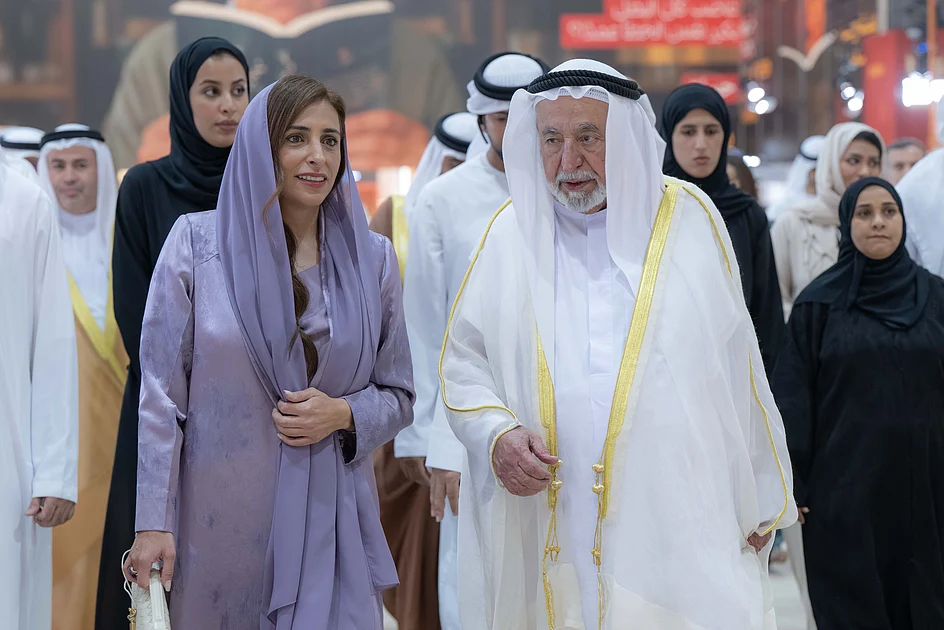
Sharjah Ruler allocates Dh4.5 million for libraries to buy latest titles from SIBF
In a significant move to bolster cultural and intellectual growth, His Highness Sheikh Dr. Sultan bin Muhammad Al Qasimi, Supreme Council Member and Ruler of Sharjah, has allocated Dh4.5 million to public libraries. This funding is designated for the acquisition of the latest titles from publishers participating in the 44th edition of the Sharjah International Book Fair (SIBF). The fair, themed ‘Between You and a Book,’ is a global cultural phenomenon, featuring 2,350 publishers and exhibitors from 118 countries, including 1,224 Arab and 1,126 international publishing houses. Over 250 writers, artists, and thinkers from 66 nations are set to present more than 1,200 cultural, intellectual, and artistic events. Sheikha Bodour bint Sultan Al Qasimi, Chairperson of the Sharjah Book Authority, emphasized the Ruler’s vision of libraries as transformative institutions that bridge cultures and civilizations. This initiative underscores Sharjah’s commitment to fostering a knowledge-based society and ensuring access to cutting-edge works for readers, researchers, and students across the UAE.
-
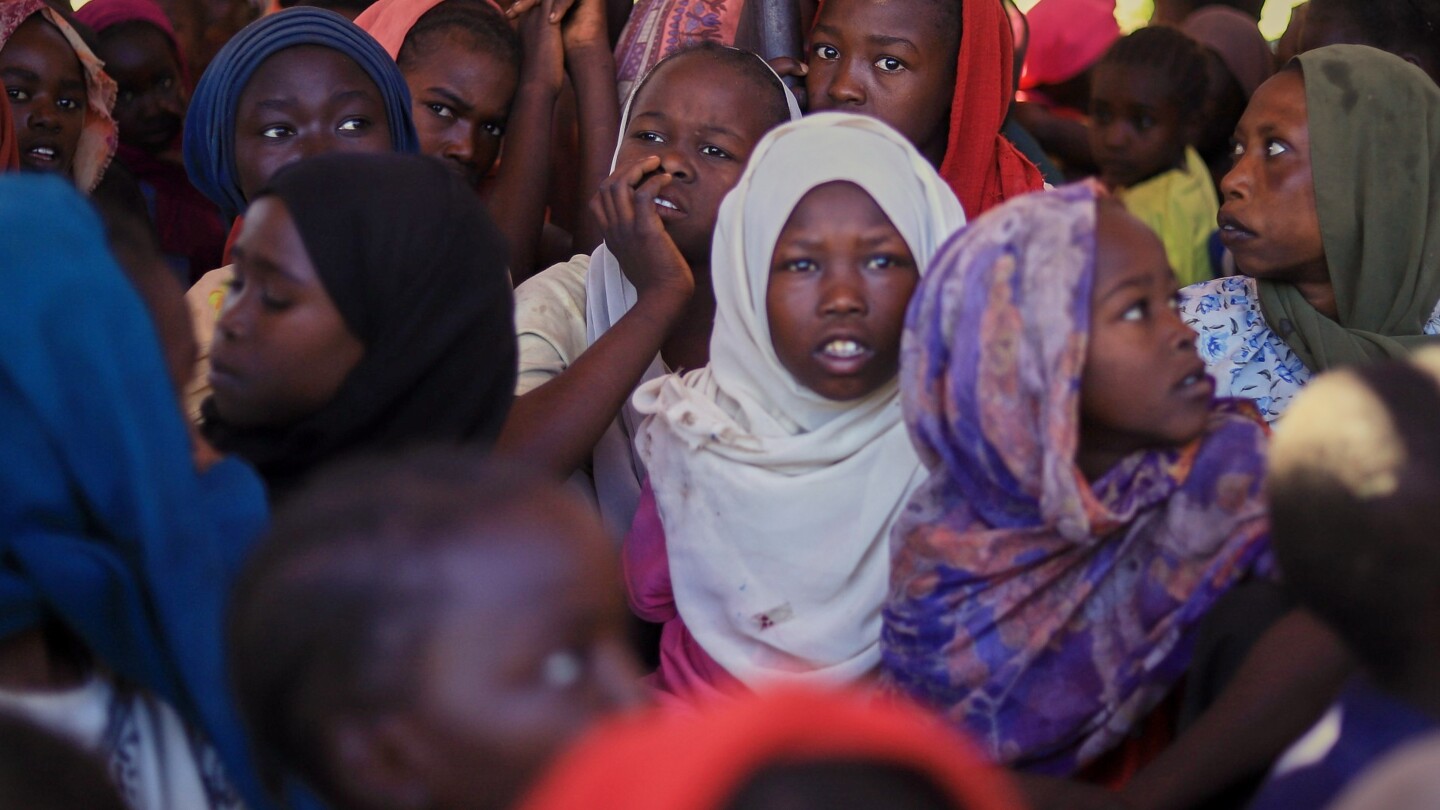
Thousands flee to overcrowded camps after Sudan’s paramilitary captures el-Fasher
The ongoing conflict in Sudan has plunged the Darfur region into a deepening humanitarian crisis, with tens of thousands of civilians fleeing their homes to escape reported atrocities by the Rapid Support Forces (RSF). Since the RSF captured el-Fasher on October 26, over 16,200 people have sought refuge in overcrowded camps in Tawila, located approximately 70 kilometers from the city. The International Organization for Migration estimates that around 82,000 individuals have fled el-Fasher and its surrounding areas as of November 4, many of them arriving in Tawila on foot. The camps, already strained by previous waves of displacement, are ill-equipped to handle the influx, with makeshift tents and scarce resources. Aid groups report severe malnutrition among children and adults, while displaced families struggle to survive on just one or two meals a day. The RSF and the Sudanese army have been locked in a brutal war since April 2023, with at least 40,000 people killed and 12 million displaced nationwide. The conflict has exacerbated food insecurity, leaving nearly half of Sudan’s population in dire need. The RSF’s recent seizure of el-Fasher, following an 18-month siege, has been marked by widespread violence, including summary executions, sexual assaults, and attacks on civilians. Despite a proposed humanitarian truce by a U.S.-led mediator group, the RSF and the army remain at odds over the conditions for a ceasefire. The fall of el-Fasher and escalating violence in North Kordofan signal the RSF’s growing strategic advantage, further destabilizing the region and intensifying the suffering of civilians.
-
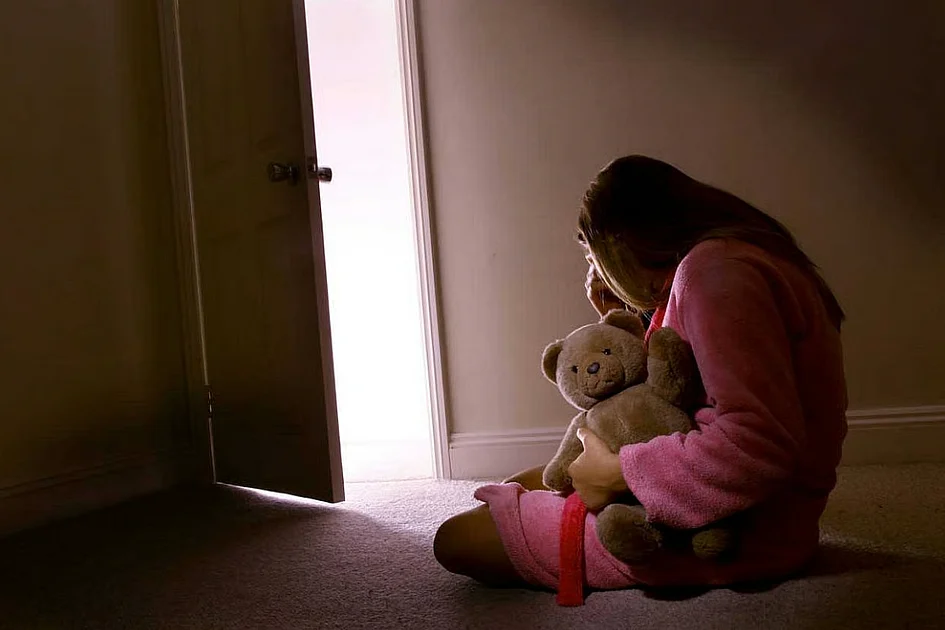
UAE: Parents ordered to pay Dh65,000 in 2 bullying cases as kids’ behaviours cause injury
In a landmark ruling, the Al Ain Court for Civil, Commercial and Administrative Claims has ordered parents to pay a total of Dh65,000 in compensation for two separate cases of school bullying and violence involving their children. The court’s decision underscores the legal responsibility of parents for their children’s actions, even outside the home. In the first case, a father was fined Dh30,000 after his two sons repeatedly bullied, physically assaulted, and filmed a classmate, causing the victim severe emotional distress and mood swings. The minors had already been convicted in a related criminal case, which confirmed the physical and psychological harm inflicted. In the second case, several guardians were jointly ordered to pay Dh35,000 after their children attacked another student with sharp tools, leaving the victim with multiple injuries and emotional trauma. The court ruled that the guardians were negligent in supervising their children, leading to the incidents. The compensation covered both physical injuries and the emotional suffering endured by the victims. The court based its decisions on Article 313 of the Civil Transactions Law, which holds guardians legally accountable for damages caused by minors under their care if proper supervision is lacking. The rulings also emphasized the role of criminal case findings in establishing civil liability, including proof of wrongdoing, the extent of harm, and the appropriate compensation. By considering the severity of the harm and the victims’ recovery time, the court sent a clear message: bullying and violence by minors can result in not only criminal consequences for the children but also significant financial liabilities for their parents and guardians.
-
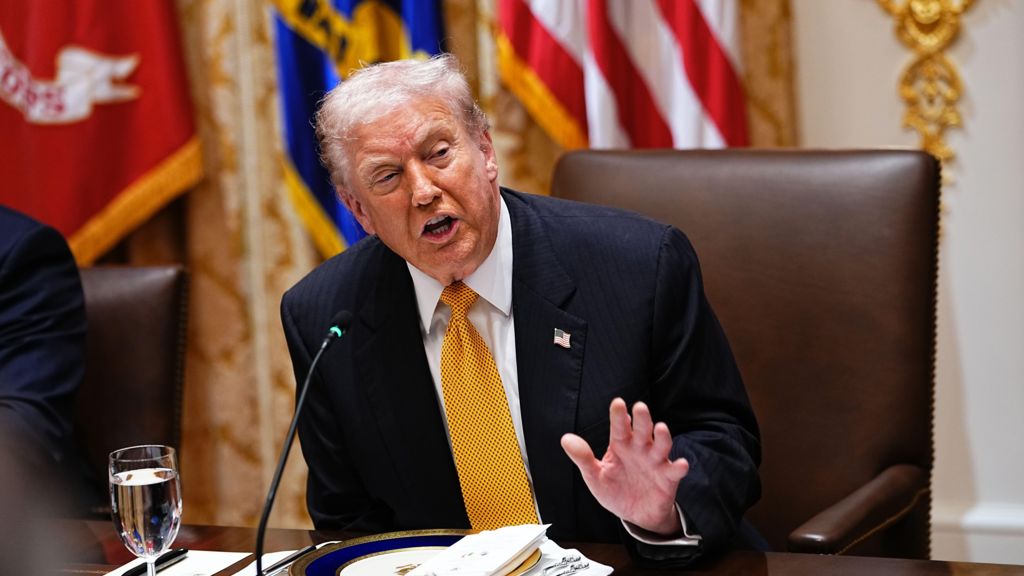
US to boycott G20 in South Africa, Trump says
In a surprising move, former US President Donald Trump announced that the United States will not participate in the upcoming G20 summit in South Africa. Trump cited unsubstantiated claims of persecution against the white minority in South Africa, particularly Afrikaners, as the reason for the boycott. He labeled South Africa’s hosting of the event as a ‘total disgrace’ and vowed that no US government officials would attend under these circumstances. This decision has drawn criticism from South Africa’s foreign ministry, which described it as ‘regrettable’ and refuted the allegations as baseless. The ministry emphasized that no political party in South Africa, including those representing the white community, has supported the claim of genocide. Trump’s stance has reignited tensions between the two nations, following his earlier confrontation with South African President Cyril Ramaphosa in May. The Trump administration has also granted refugee status to Afrikaners, citing a supposed ‘genocide,’ a claim dismissed by South African courts as ‘clearly imagined.’ The G20, established in 1999 to address global economic stability, will proceed without US representation, raising questions about the future of international cooperation.
-
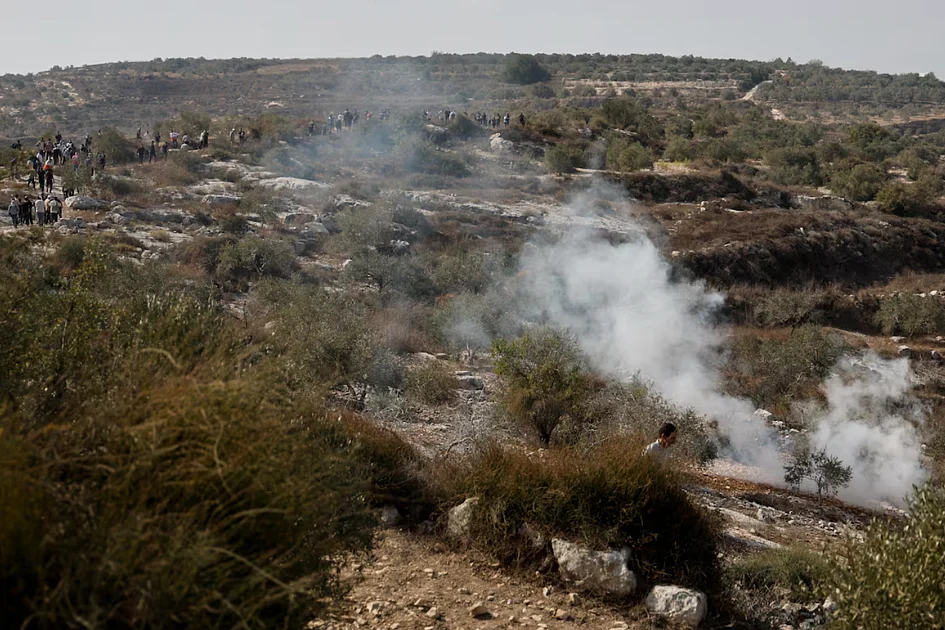
Israeli settler attacks against Palestinians reach record number in October, UN reports
The United Nations has revealed a disturbing escalation in violence against Palestinians in the occupied West Bank, with Israeli settlers carrying out at least 264 attacks in October 2025. This marks the highest monthly tally since the UN began documenting such incidents in 2006. The UN Office for the Coordination of Humanitarian Affairs (OCHA) highlighted the severity of the situation, noting that these attacks, which caused both casualties and property damage, averaged eight incidents per day. Since 2006, OCHA has recorded over 9,600 such attacks, with approximately 1,500 occurring in 2025 alone, accounting for roughly 15% of the total. The West Bank, home to 2.7 million Palestinians, remains central to the vision of a future Palestinian state coexisting with Israel. However, rapid expansion of Israeli settlements has fragmented the region. The UN, Palestinians, and most nations consider these settlements illegal under international law, a stance Israel disputes. Over half a million Israeli settlers currently reside in the West Bank. OCHA also reported that, as of Wednesday, 42 Palestinian children had been killed by Israeli forces in the West Bank this year, meaning one in every five Palestinian fatalities has been a child. Despite a US-brokered ceasefire in Gaza in October, which has largely calmed hostilities and facilitated the return of hostages, violence in the West Bank persists. Israel’s mission to the UN has yet to comment on these findings.
-
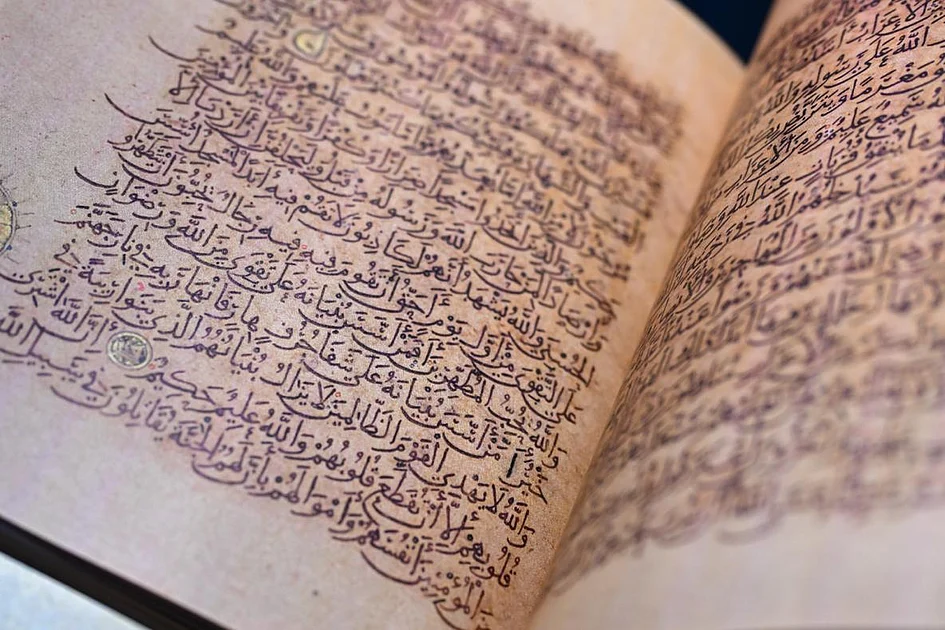
Rare replica of 1,000-year-old Quran calligraphy unveiled at Sharjah book fair
A meticulously crafted replica of a 1,000-year-old Quran manuscript, originally penned by the renowned calligrapher Ibn al-Bawwab, has been unveiled at the 44th Sharjah International Book Fair (SIBF). The facsimile, displayed at the Safir Ardehal kiosk from Tehran, offers visitors a glimpse into the exquisite artistry of early Arabic calligraphy. The original manuscript, dating back to 391 AH (around 1000 CE), is housed at the Chester Beatty Library in Dublin, Ireland. Ibn al-Bawwab, celebrated for transforming Arabic writing into an art form, perfected the naskh script, characterized by its fluidity and balance. Each page of the Quran features 16 lines of text, with meticulously spaced letters and harmonious strokes. The calligrapher’s mastery extended beyond writing; he also designed the gold decorations and floral borders, showcasing his perfectionism. The replica, crafted using traditional materials like natural ink and vellum paper, highlights the enduring legacy of Islamic art. Hamed Deshdashti of Safir Ardehal emphasized the manuscript’s historical significance, noting its role in inspiring modern Arabic calligraphy. The exhibition not only celebrates Ibn al-Bawwab’s craftsmanship but also underscores the cultural richness of Islamic civilization.
-
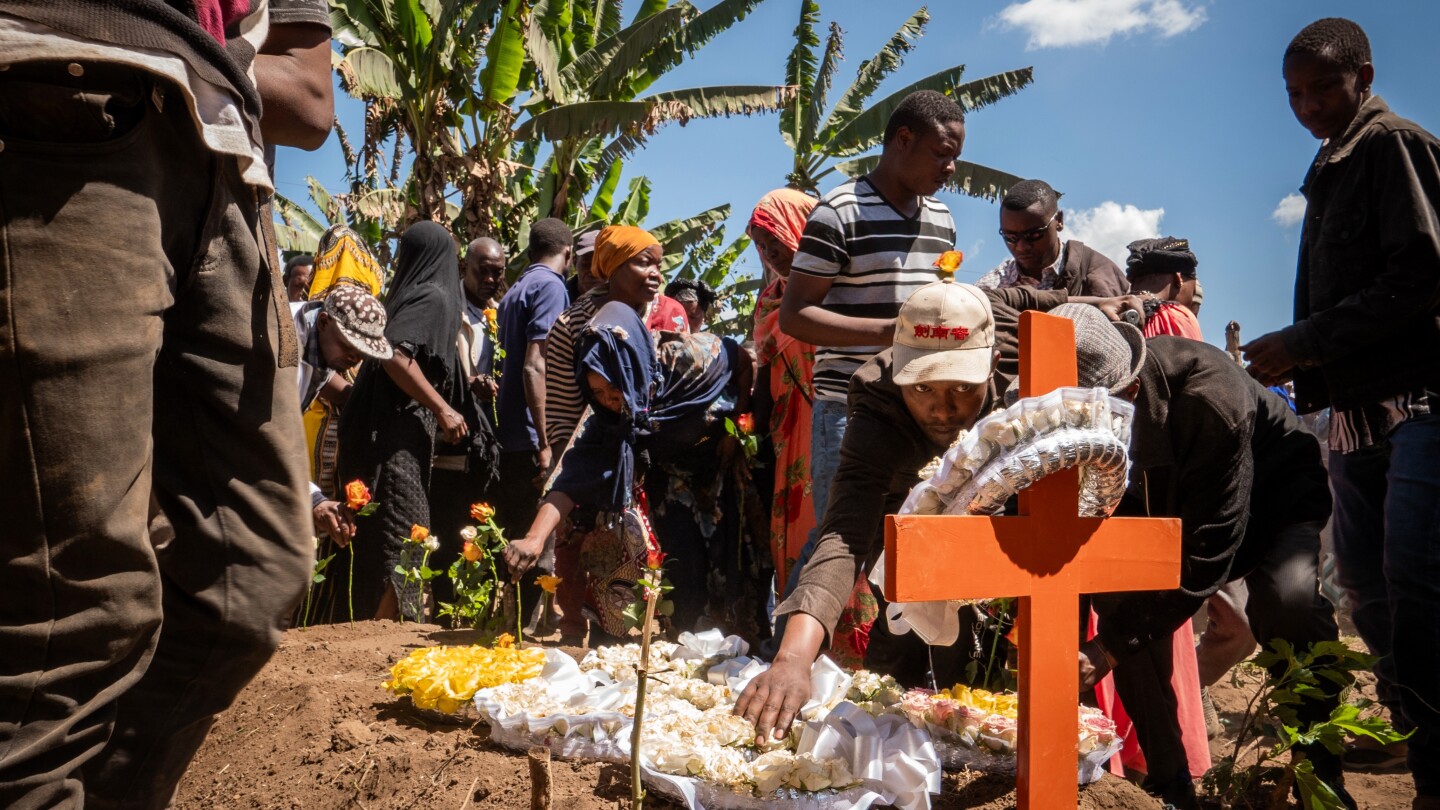
Tanzania charges hundreds with treason and issues arrest warrants for more opposition figures
Tanzania is grappling with escalating political tensions following widespread demonstrations and violence surrounding last month’s disputed elections. Authorities have charged hundreds of individuals with treason, including top opposition figures, in a significant crackdown on dissent. Among those targeted are Brenda Rupia, communications director for the Chadema opposition party, and John Mnyika, its secretary-general. Chadema’s leader, Tundu Lissu, has been detained for months and faces similar charges after advocating for electoral reforms ahead of the October 29 vote. The government’s actions have drawn criticism from human rights organizations, which accuse it of repression, enforced disappearances, and extrajudicial killings. The African Union has also condemned the election, citing violations of democratic standards, including ballot stuffing and multiple voting incidents. President Samia Suluhu Hassan, who secured over 97% of the vote, faces allegations of authoritarianism, with critics contrasting her leadership style to the more tolerant approach of previous leaders. The Chama cha Mapinduzi party, which has ruled Tanzania since independence in 1961, continues to dominate the political landscape, maintaining ties with the Communist Party of China.
-
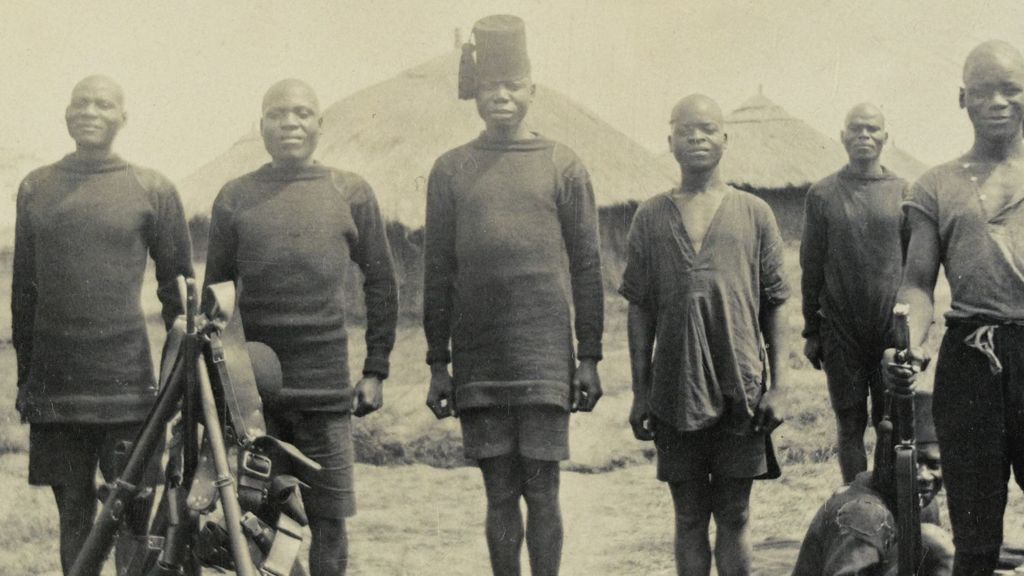
‘They went and never came back’: Honouring Kenya’s forgotten World War soldiers
Nearly eight decades after his disappearance, the fate of Mutuku Ing’ati, a Kenyan soldier who fought in the British army during World War Two, has come to light. Ing’ati, who vanished from his village of Syamatani in southern Kenya, was discovered through British military records to have enlisted as a private with the East African Scouts. Tragically, he was killed in action on June 13, 1943, though the exact circumstances and location of his death remain unknown. His family, who had spent years searching for him, only learned of his fate recently through the efforts of the Commonwealth War Graves Commission (CWGC).
The CWGC, dedicated to commemorating those who died in the world wars, has been working to uncover the stories of thousands of Kenyan soldiers like Ing’ati who served in the British forces. These soldiers, many of whom were never officially recognized or commemorated, played a significant role in the global conflicts. The CWGC, in collaboration with the Kenyan Defence Force, has unearthed a trove of colonial-era military records, shedding light on the lives and sacrifices of over 3,000 East African soldiers.
Among the records are stories of individuals like George Williams, a decorated sergeant major with the King’s African Rifles, and Abdulla Fadlumulla, a Ugandan soldier who enlisted at just 16 years old. Both died in combat, their contributions largely forgotten until now. Historians like Patrick Abungu, whose own great uncle was conscripted and never returned, emphasize the emotional toll on families who were left without answers for decades.
The CWGC aims to build memorials to honor these soldiers and integrate their stories into Kenya’s educational curriculum, ensuring future generations understand the pivotal role Africans played in the world wars. As George Hay, a CWGC historian, notes, ‘These are not just dusty files—they are personal stories.’ The organization’s efforts to recover and commemorate these forgotten heroes will continue indefinitely, ensuring their sacrifices are never erased from history.