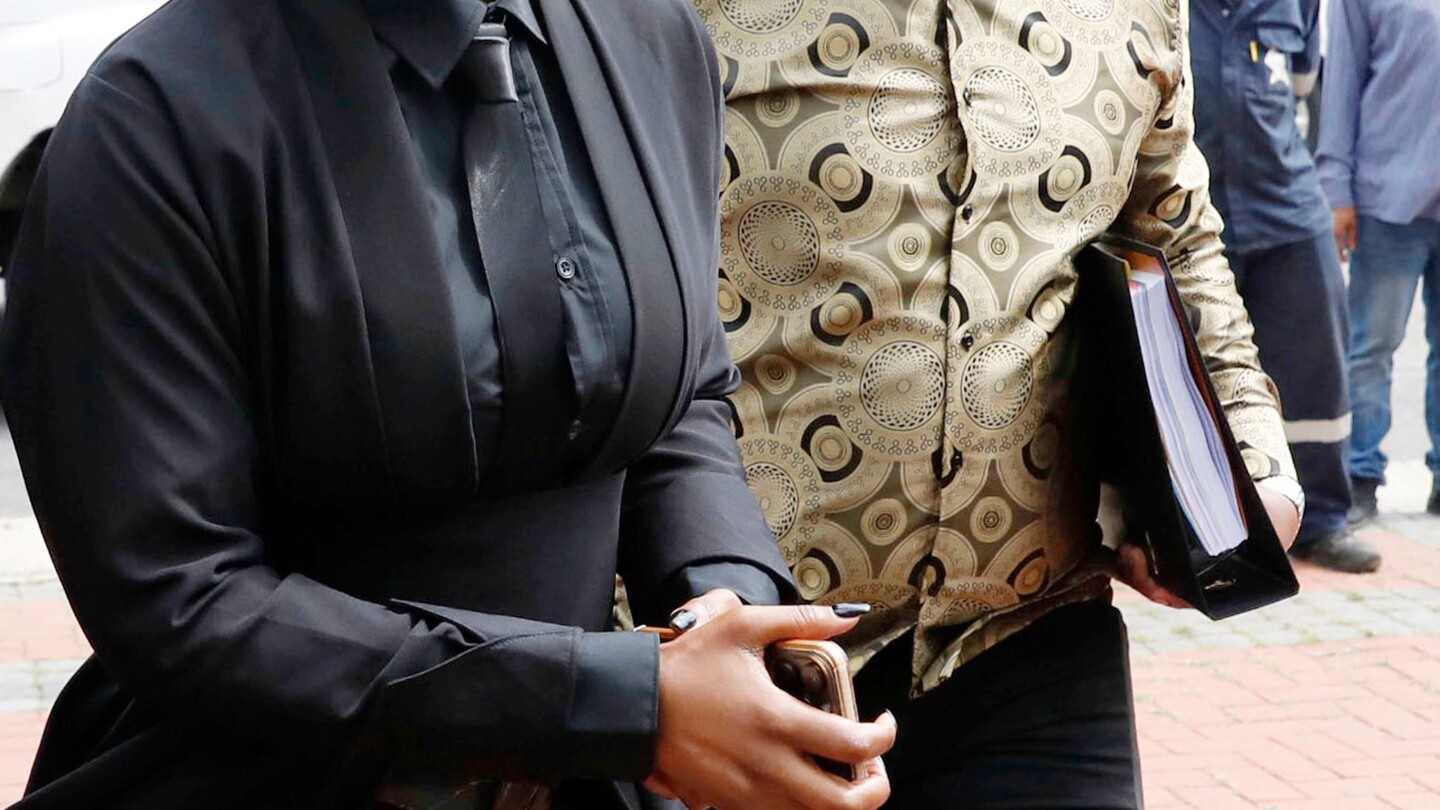
Duduzile Zuma-Sambudla, daughter of former South African President Jacob Zuma, appeared in court on Monday to face charges of incitement to cause terrorism, linked to the deadly July 2021 riots that claimed over 350 lives. The unrest, which erupted after Zuma’s imprisonment for defying a court order to testify in a corruption inquiry, marked the deadliest violence in South Africa since the end of apartheid in 1994. Zuma-Sambudla, now a member of parliament for the MK Party founded by her father, is the most prominent among over 60 individuals charged in connection with the riots. She is accused of inciting violence through social media posts made before and during the unrest, to which she has pleaded not guilty. The riots, which began in KwaZulu-Natal and spread to Gauteng, saw widespread looting, property destruction, and an estimated $2 billion in damages. Authorities described the violence as an attempted insurrection by Zuma’s supporters, while critics lambasted law enforcement for their unpreparedness. Zuma-Sambudla’s social media activity, including a post stating ‘We see you’ in response to rioters, is central to the case. A government-backed probe found that while Zuma’s arrest triggered the riots, underlying frustrations over poverty during COVID-19 lockdowns also fueled the chaos. Jacob Zuma, who served only two months of an 18-month sentence, was released as part of a broader decision affecting nonviolent offenders.
标签: Africa
非洲
-
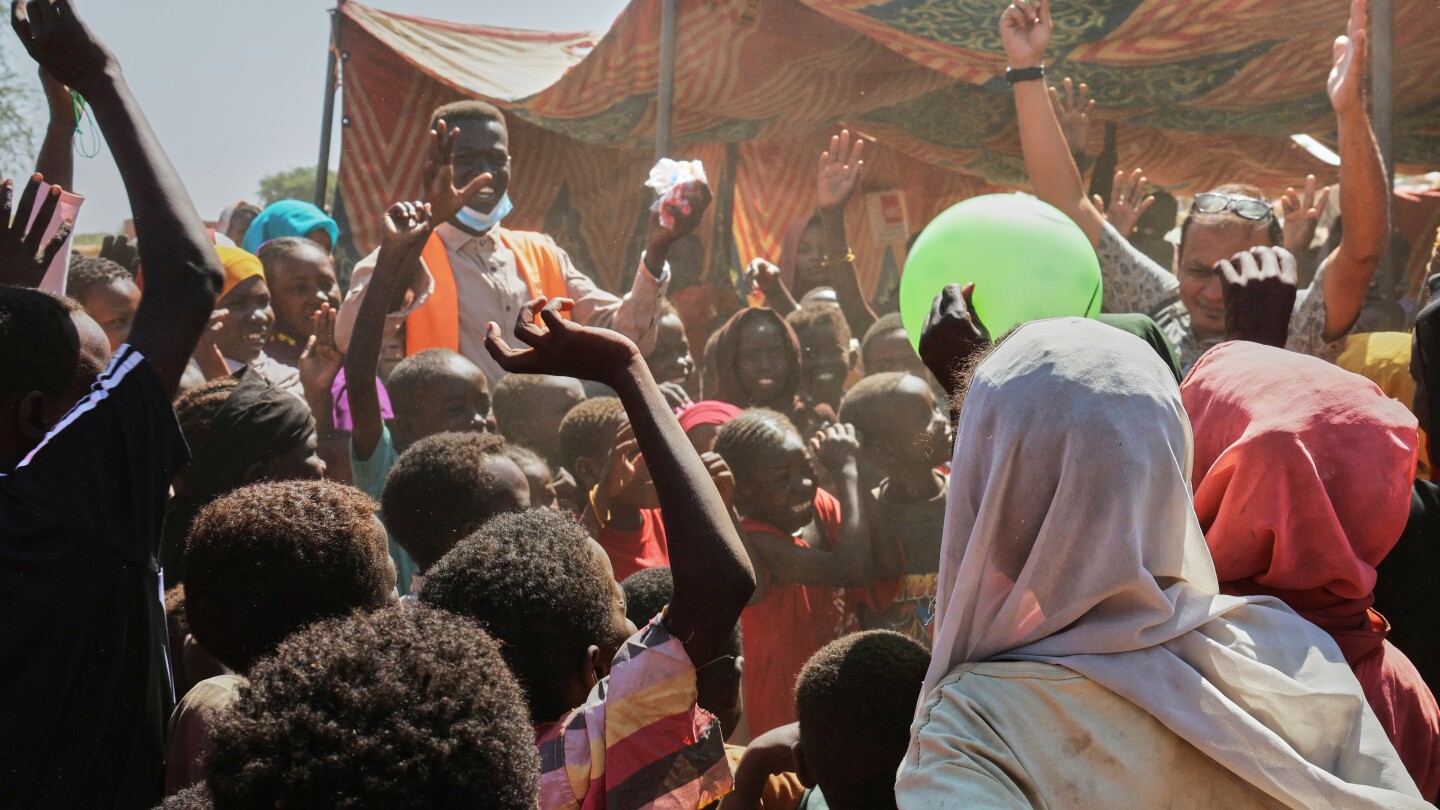
Intense fighting in central Sudan displaces 2,000 people in just days, a UN agency says
The ongoing civil war in Sudan has intensified, with recent clashes in central regions displacing approximately 2,000 people over the past three days, according to the United Nations’ International Organization for Migration (IOM). The conflict, which has ravaged the nation for over two years, has claimed tens of thousands of lives and displaced millions. The latest wave of displacement occurred in the Bara area of North Kordofan province, where residents fled escalating violence between the Sudanese army and the paramilitary Rapid Support Forces (RSF). Kordofan and Darfur have emerged as the epicenters of the conflict, with the RSF recently capturing the strategic city of el-Fasher in Darfur, resulting in hundreds of deaths and forcing tens of thousands into overcrowded camps. Reports from aid groups and UN officials highlight atrocities committed by the RSF, including mass killings and the destruction of evidence. The war, which began in 2023 following a breakdown in relations between the military and RSF, has displaced 12 million people and killed at least 40,000, though aid organizations suggest the actual death toll is significantly higher. In late October, RSF attacks in Bara killed at least 47 civilians, including women and children. Meanwhile, the RSF has reportedly advanced into Babanusa in West Kordofan, prompting further displacement. Satellite images analyzed by the Yale School of Public Health’s Humanitarian Research Lab suggest the RSF has been burning bodies in el-Fasher to conceal evidence of their crimes. The humanitarian crisis continues to deepen, with no end to the conflict in sight.
-
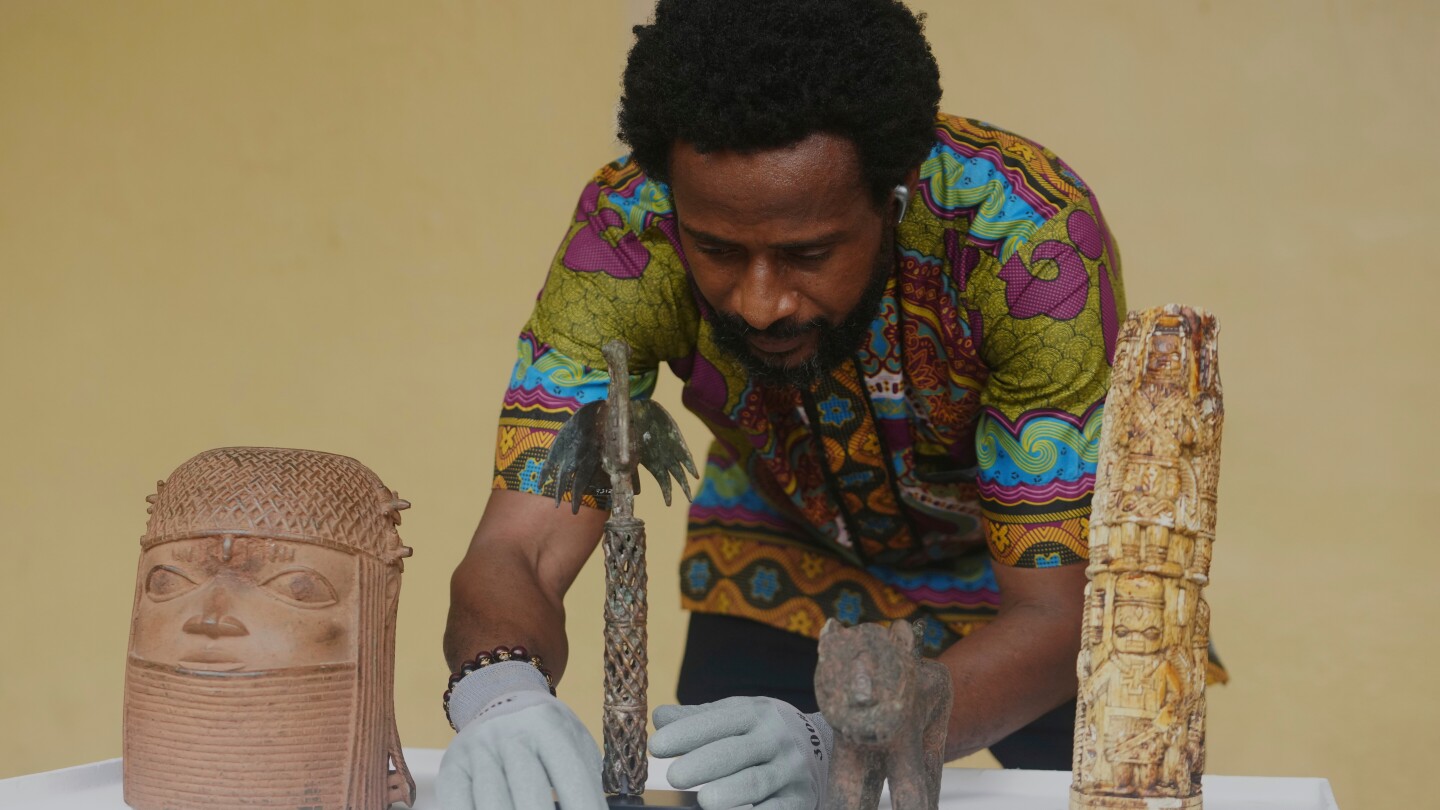
Protesters disrupt the soft opening of a new museum in Nigeria that was to house returned artifacts
In a dramatic turn of events, the soft launch of the Museum of West African Arts (MOWAA) in Benin City, Nigeria, was disrupted by protesters on Sunday evening. The demonstrators, voicing their allegiance to the Oba of Benin, the city’s traditional ruler, claimed the museum’s establishment violated Benin City’s cultural heritage. Videos circulating online captured the scene as more than a dozen young individuals stormed the museum grounds, chanting slogans in support of the Oba. Guests, including foreign visitors, were swiftly escorted away, though no injuries were reported. The museum, a multi-million-dollar project, was set to officially open on Tuesday and intended to house the renowned Benin Bronzes—artifacts looted by British soldiers in the late 19th century and scattered globally. While some of these artifacts have been repatriated to Nigeria in recent years, disputes with the Oba led to the shelving of plans to display them at the museum. Following the protest, the museum suspended further activities and advised visitors to postpone their plans until the situation is resolved. The museum’s ownership lies with the MOWAA Trust, a non-profit established in 2020, which receives funding from the Nigerian state government, British and German museums, and other grants. The Nigerian federal government has expressed deep concern over the situation, while the museum’s management has yet to comment on whether the scheduled opening will proceed.
-

Empowering wellness through AI-driven healthcare solution
Artificial Intelligence (AI) is reshaping the healthcare landscape by offering personalized wellness solutions that cater to individual needs. By analyzing data from wearables, mobile apps, and health records, AI provides tailored health insights, predicts risks, and recommends preventive measures in real-time. This technological advancement is not only enhancing diagnostics and treatment planning but also empowering individuals to take proactive control of their health. Industry experts highlight that AI-driven platforms are revolutionizing mental health support by offering adaptive therapy options and personalized wellness programs. These platforms assist healthcare professionals in making informed decisions, leading to targeted interventions that improve patient outcomes. The global AI healthcare market is projected to grow from $32.3 billion in 2024 to $208.2 billion by 2030, driven by increasing adoption across hospitals, clinics, and health systems. Investments are focused on predictive analytics, telemedicine, personalized medicine, and robotic surgery, reflecting a growing recognition of AI’s potential to enhance patient care and reduce costs. However, challenges such as data privacy, integration into clinical workflows, and ensuring accuracy across diverse populations remain. Experts emphasize the need for multidisciplinary collaboration and continuous validation to address these issues. AI’s role in healthcare is set to expand, with 75% of leading healthcare companies testing or planning to expand AI applications, and 64% of patients ready to use AI-powered virtual nurse assistants. This transformative approach fosters a proactive healthcare ecosystem, reducing costs associated with late-stage interventions and empowering patients to manage their health more effectively.
-
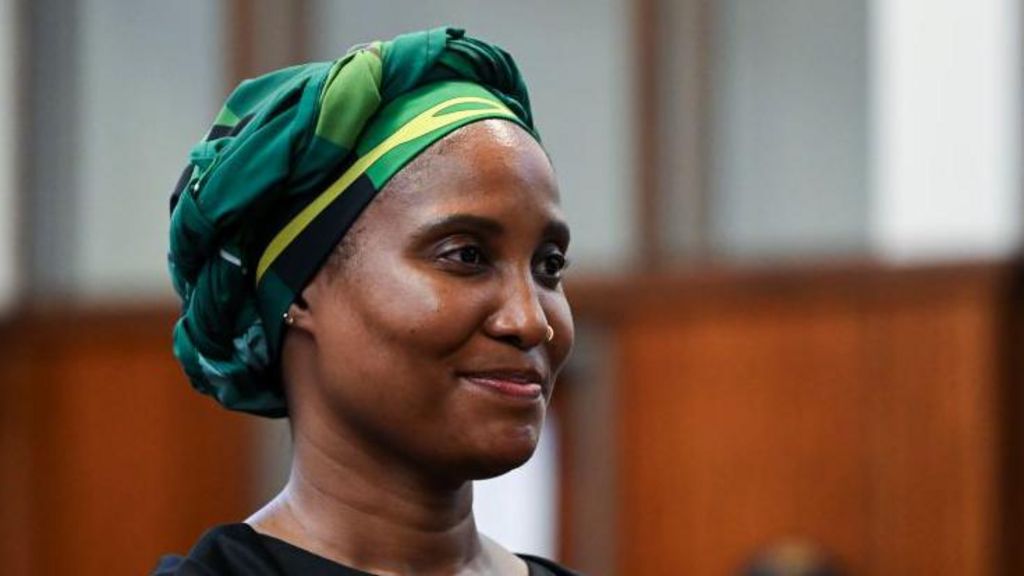
Jacob Zuma’s daughter denies terrorism charges as her trial starts
Duduzile Zuma-Sambudla, daughter of former South African President Jacob Zuma, has entered a plea of not guilty to terrorism-related charges as her trial commenced in Durban. The charges stem from social media comments she allegedly made during the widespread protests in July 2021, which erupted following her father’s arrest. These protests, marked by looting, arson, and violence, resulted in over 300 deaths and caused an estimated $2.8 billion in damages. Zuma-Sambudla, 43, is accused of inciting public violence and terrorism during this period of unrest, which primarily affected Gauteng and KwaZulu-Natal provinces. Her legal team has consistently argued that the state’s case lacks substantial evidence, describing it as weak and politically motivated. Zuma-Sambudla has maintained that the charges are an attempt to target her father, who has since formed his own political party, uMkhonto weSizwe, and has been critical of the ruling African National Congress (ANC). The trial has drawn attention from supporters of the Zuma family, including her father and other party leaders, who were present at the KwaZulu-Natal High Court. The case highlights the ongoing political tensions in South Africa and the broader implications of social media in inciting public unrest.
-

Malian TikToker killed by suspected jihadists after pro-army posts
The brutal execution of Mariam Cissé, a young TikTok influencer from Mali, has sent shockwaves across the nation as the country grapples with a deepening jihadist insurgency. Cissé, in her 20s and boasting over 100,000 followers on TikTok, was known for her videos showcasing life in her hometown of Tonka in the northern Timbuktu region. She often expressed support for the Malian army, a stance that reportedly led to her tragic demise. According to reports, she was seized by suspected jihadists while live-streaming from a market in a neighboring town and later executed in Tonka’s Independence Square. Her brother, who witnessed the horrific event, revealed that she had been accused of aiding the army by revealing jihadist movements. Cissé’s death has intensified concerns over Mali’s deteriorating security situation, exacerbated by a fuel blockade imposed by jihadist groups. The blockade has severely disrupted daily life, forcing schools and universities to remain closed for weeks. The African Union has expressed deep concern over the crisis, condemning the attacks on civilians and pledging support for Mali and other Sahel nations. The military junta, which seized power in 2021, has struggled to contain the insurgency, with large swathes of the country still outside government control. The French foreign ministry has advised its citizens to leave Mali immediately, highlighting the escalating humanitarian and security challenges.
-
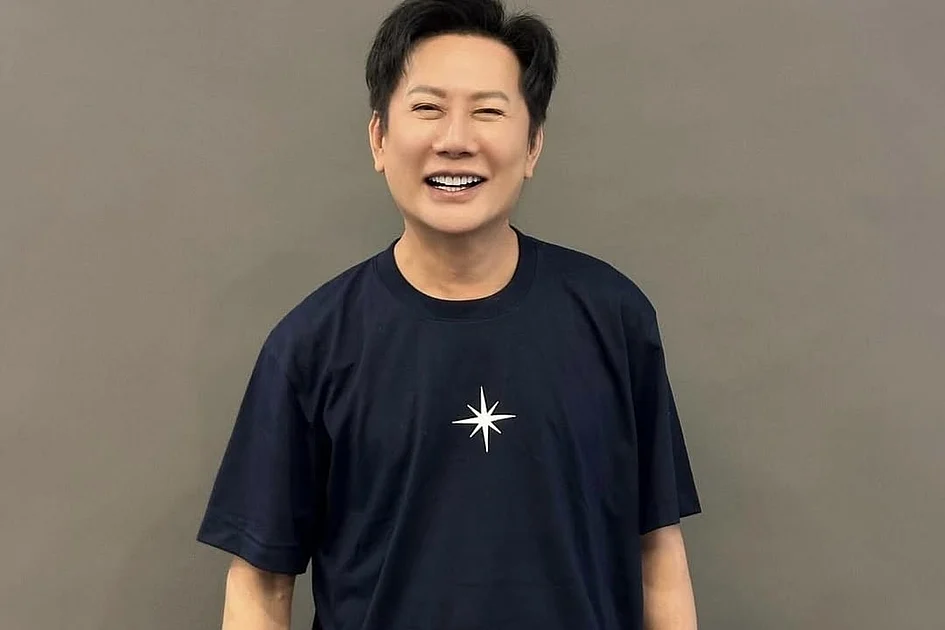
Miss Universe official dismissed after ‘malicious acts’; legal action to be taken
The 74th Miss Universe pageant in Thailand has been overshadowed by controversy, culminating in the dismissal of host Nawat Itsaragrisil following allegations of misconduct. The drama unfolded during a meeting where Nawat reportedly insulted Mexico’s delegate, Fatima Bosch, calling her a ‘dumbhead’ during a dispute over promotional content. Bosch staged a dramatic walkout, supported by other contestants, including Miss Iraq, who stood in solidarity with her. Miss Universe President Raúl Rocha condemned Nawat’s actions, stating that ‘the values of respect and dignity toward women’ had been violated. Rocha announced that Nawat’s participation in the event would be restricted, and legal action would be pursued for his ‘malicious acts.’ Nawat later appeared at a press conference, tearfully claiming he had been ‘betrayed’ and offering a public apology during the opening ceremony. This incident is not Nawat’s first controversy; last year, he faced criticism during the Miss Grand International pageant for poor treatment of contestants. The Miss Universe pageant, one of the ‘big four’ global beauty contests, has also been marred by other issues, including an investigation into participants allegedly promoting an online casino. Despite the turmoil, the final is scheduled for November 21 in Nonthaburi province.
-
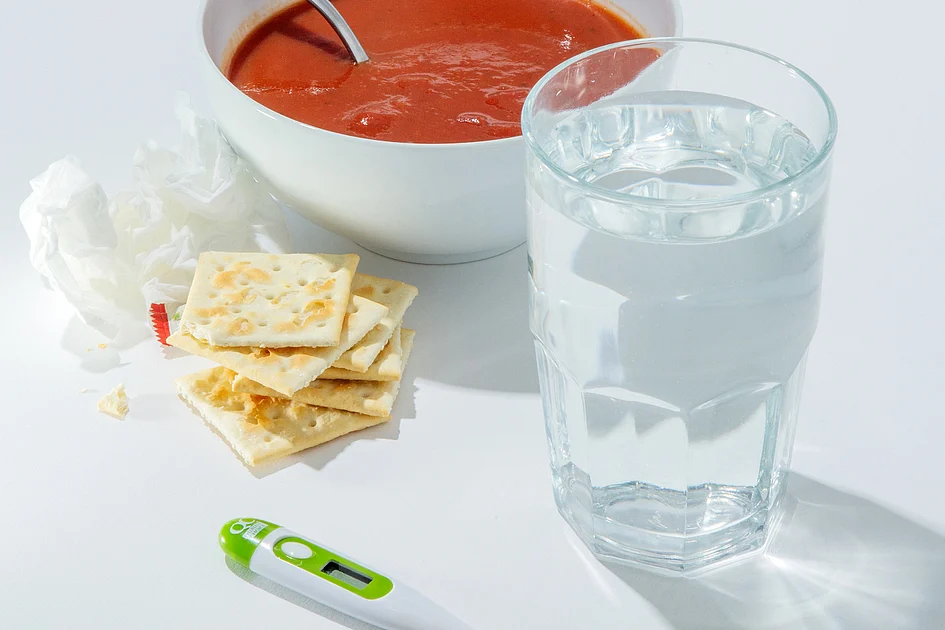
Should you ‘feed a cold and starve a fever’? Find out if the adage is true
The age-old adage ‘feed a cold and starve a fever’ has been passed down through generations as a piece of sick-day wisdom. However, experts now reveal that this advice is little more than an old wives’ tale. Dr. David Schneider, chair of the department of family and community medicine at the University of Texas Southwestern Medical Center, emphasizes that there is no scientific basis for this claim. Instead, the focus should be on maintaining proper nutrition and hydration to support the body’s immune system during illness.
Benjamin Hurrell, an assistant professor of nutrition and immunology at the University of California, Davis, points out the logical flaw in the adage: it’s possible to have both a cold and a fever simultaneously, making the advice impractical. Research shows that being well-nourished is crucial for immune function. Chronic undernutrition or severe nutritional deficiencies can impair the body’s ability to fight infections, such as pneumonia or gastrointestinal illnesses, by reducing the production of infection-fighting immune cells.
Dr. Geeta Sood, assistant professor of medicine at Johns Hopkins University, notes that while eating nutritious foods like fruits and vegetables can help meet the body’s energy needs during illness, there is no strong evidence that specific foods significantly impact recovery. If you lack appetite for a day or two, it’s generally safe to rely on your body’s energy reserves. However, prolonged weakness warrants medical attention.
Supplements like zinc or vitamin C have limited proven benefits. While some studies suggest zinc may slightly reduce the duration of colds, others show no effect. Honey, on the other hand, has been shown to soothe coughs, according to a 2021 review of clinical trials.
Hydration is critical during illness, especially when experiencing a fever or cold. Dr. Michael Hanak, a family medicine physician at Rush University Medical Center, recommends drinking two to four liters of fluids daily to thin mucus and replenish lost fluids. Electrolyte drinks can be particularly helpful for fever-related dehydration.
Ultimately, the best advice for recovering from a cold or fever is to stay hydrated, rest, and let time do its work. As Dr. Hanak aptly puts it, ‘Time heals all wounds.’
-
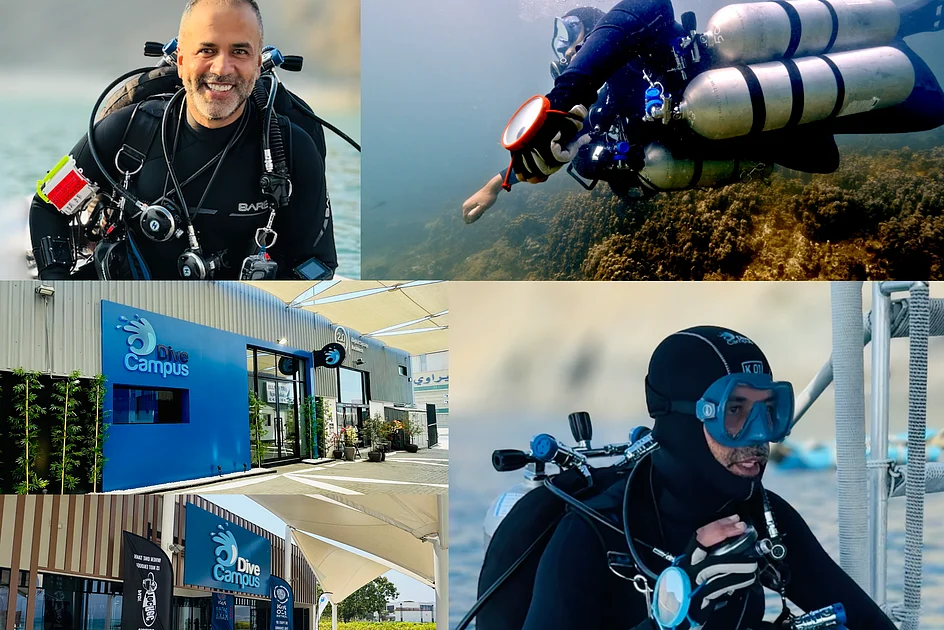
DiveCampus CEO Islam Etman achieves elite PADI TecRec Trimix instructor trainer status
Islam Etman, Co-Founder and CEO of DiveCampus, has achieved the highly esteemed PADI TecRec Trimix Instructor Trainer certification, marking a significant milestone in his career and reinforcing his status as a leading figure in technical diving education. This accomplishment places him among a select group of dive instructors globally who are qualified to train across the most extensive range of PADI Specialty courses, including Self-Reliant, Tec Sidemount, Dive Propulsion Vehicle, Full Face Mask, Dry Suit, and Freediving. Such expertise provides divers with access to specialized skills and top-tier training opportunities. Etman, who is already a PADI Master Instructor and PADI Freedive Instructor, emphasized the UAE’s potential to become a global hub for technical diving, citing its advanced dive infrastructure, strategic location, and year-round favorable diving conditions. He expressed his commitment to fostering a community that prioritizes safety, exploration, and excellence. Firas Jundi, PADI EMEA Regional Manager, highlighted the rapid growth of technical diving and specialty training in the UAE, crediting DiveCampus under Etman’s leadership for setting new benchmarks in safety, innovation, and excellence, and inspiring the next generation of divers and instructors to expand their horizons responsibly.
-
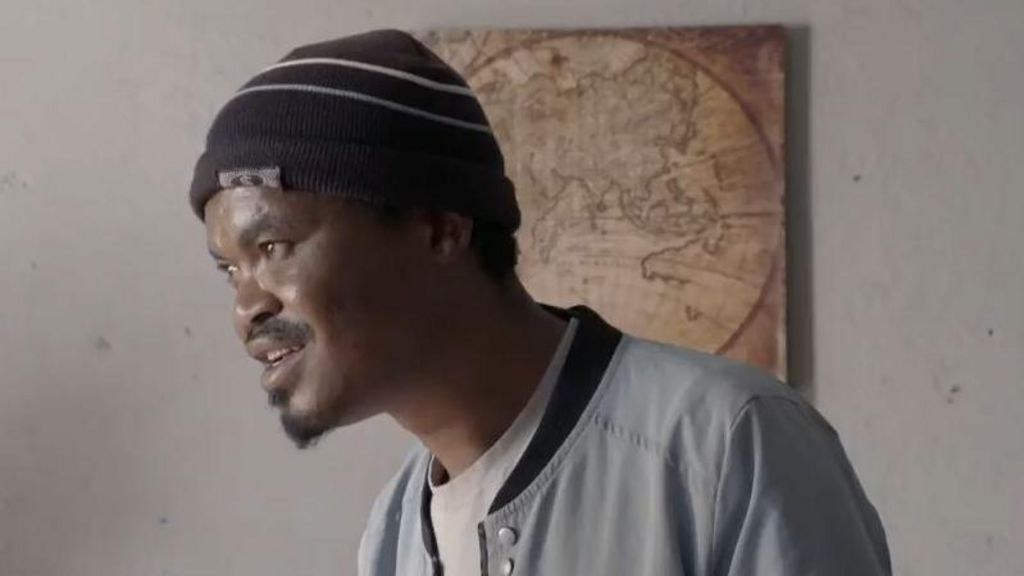
Ahead of the G20, is Johannesburg’s city centre in ruins?
As Johannesburg prepares to host the G20 summit, a stark contrast emerges between the polished, secure venue and the city’s inner-city decay. Just kilometers away from the summit site, over 100 derelict buildings stand as a testament to neglect, crime, and systemic failure. These structures, many hijacked by criminal gangs, are plagued by overflowing sewage, piles of rubbish, and unsafe living conditions. Residents like Sinqhiwe Goodman Sithole endure life without running water or electricity, relying on portable gas stoves for cooking and facing constant fire risks. The city’s attempts to address these issues, including a recent clean-up campaign, have yielded limited results. President Cyril Ramaphosa and Mayor Dada Morero have acknowledged the challenges, but progress remains slow. The roots of the problem trace back to post-apartheid urban migration, underinvestment, and corruption, with former hijackers revealing collusion between criminals and local authorities. Evictions, though seemingly a solution, are legally and financially complex, leaving thousands of residents trapped in unsafe conditions. As global leaders gather to discuss economic cooperation, the plight of Johannesburg’s forgotten residents underscores the urgent need for meaningful urban reform.