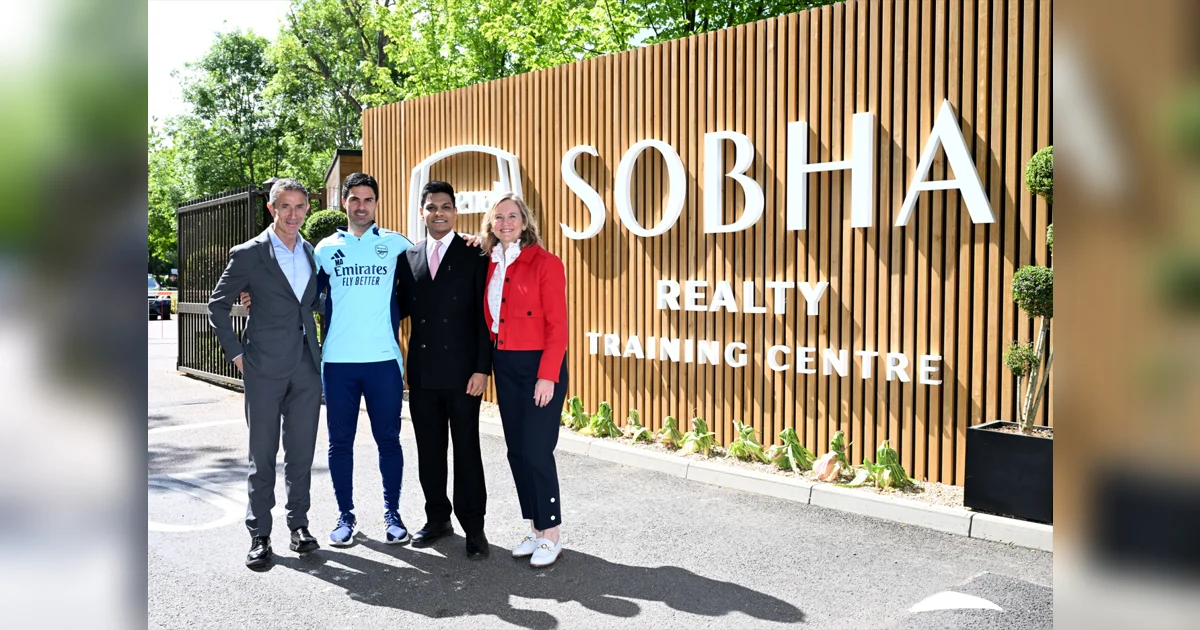
Arsenal Football Club and Sobha Realty have proudly commemorated two years of their impactful global partnership, which has significantly enhanced the Sobha Realty Training Centre and reinforced their shared commitment to excellence both on and off the field. Since joining the Arsenal family in 2023 as a Principal Partner, Sobha Realty has secured naming rights to the training centre in London Colney and prominently featured its branding on the club’s training kits. Over the past two years, the collaboration has driven a series of transformative developments at the facility, including upgraded restaurant spaces, modernized dressing rooms, a dedicated building for the women’s first team, a refurbished media centre, and the addition of state-of-the-art sauna and steam facilities. The partnership also launched ‘The Art of Detail,’ a four-part series showcasing the meticulous behind-the-scenes efforts that enable players to perform at their peak. These initiatives underscore the shared vision of creating a high-performance environment that supports preparation and recovery. As the partnership enters its third year, both organizations remain committed to further elevating the training centre into a world-class facility. Ashish Parakh, Group Chief Sales and Marketing Officer at Sobha Realty, emphasized the synergy between the two entities, highlighting their shared values of excellence, precision, and innovation. Juliet Slot, Chief Commercial Officer at Arsenal, praised Sobha Realty’s role in supporting the club’s ambitions and creating an optimal environment for players and staff to excel.
标签: Africa
非洲
-
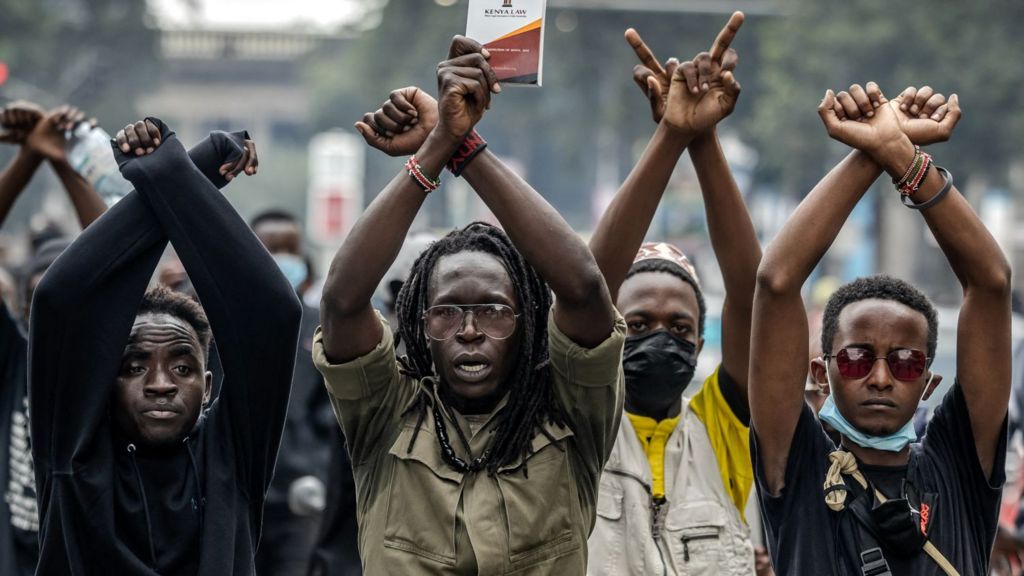
Kenyan authorities paid trolls to threaten Gen Z protesters, Amnesty says
Amnesty International has revealed that Kenyan authorities allegedly funded a network of trolls to threaten and intimidate young protesters during recent anti-government demonstrations. The human rights organization’s report highlights the use of surveillance, disinformation, and digital abuse to target organizers of mass protests that swept Kenya in 2024 and 2025. These demonstrations, largely driven by Gen Z activists, utilized social media platforms for mobilization. The report also disclosed that young women and LGBT+ activists faced disproportionate targeting, including misogynistic and homophobic comments, as well as AI-generated pornographic images. One activist shared harrowing experiences of receiving death threats and being forced to relocate their child due to targeted intimidation. Additionally, a man claimed he was part of a team paid between 25,000 and 50,000 Kenyan shillings daily to amplify government messaging and suppress protest hashtags on social media platform X. Beyond digital abuse, authorities were accused of a brutal crackdown on protests, resulting in over 100 deaths, arbitrary arrests, enforced disappearances, and the use of lethal force. While the government acknowledged some cases of excessive police force, it defended its security forces in other instances. Amnesty International’s Secretary General Agnès Callamard emphasized the report’s findings as evidence of state-sponsored efforts to silence dissent. Kenya’s Interior Minister Kipchumba Murkomen denied government involvement in harassment or violence, stating that any implicated officers would face investigation. Amnesty also raised concerns about unlawful state surveillance, including allegations of mobile data misuse, which Kenya’s largest telecom provider, Safaricom, has denied.
-
UAE weather: 9.2°C recorded in Al Ain; lowest temperature on November 19
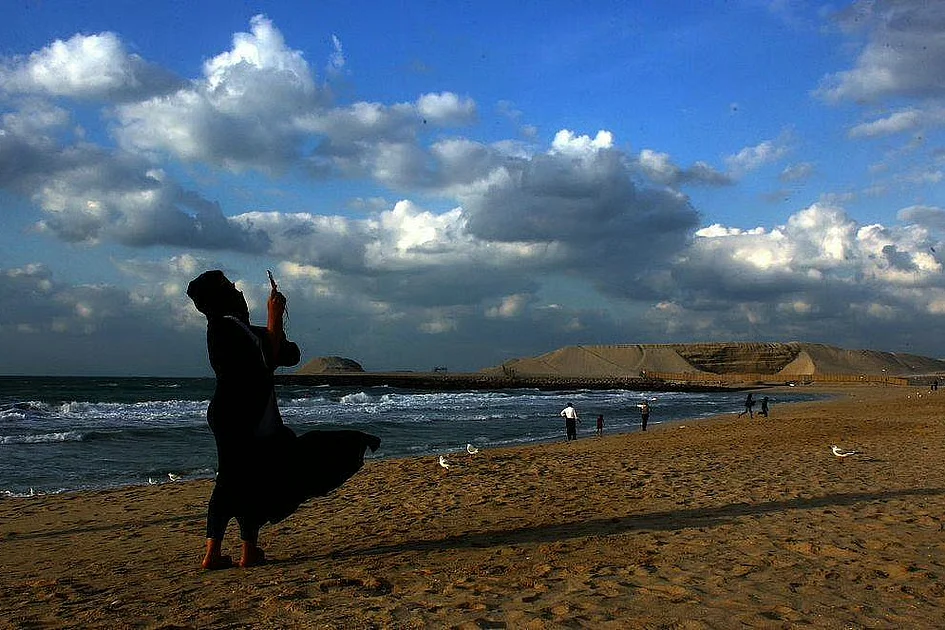
The city of Al Ain in the UAE has once again made headlines for its extreme weather conditions, recording the nation’s lowest temperature of 9.2°C on Wednesday, November 19, 2025. The National Centre of Meteorology (NCM) confirmed that the temperature was recorded in Raknah at 6:45 AM local time. This marks the second time in ten days that Raknah has experienced the coldest temperature in the country, following a previous low of 9.8°C on November 9. Interestingly, Al Ain also claimed the highest temperature in the UAE on Tuesday, November 18, with Sweihan reaching 34.7°C at 2:15 PM. As the UAE transitions into winter, residents are welcoming the cooler weather, which offers a refreshing break from the intense summer heat and encourages outdoor activities and travel.
-
UAE to establish ‘K-City’ as regional hub for Korean food, culture
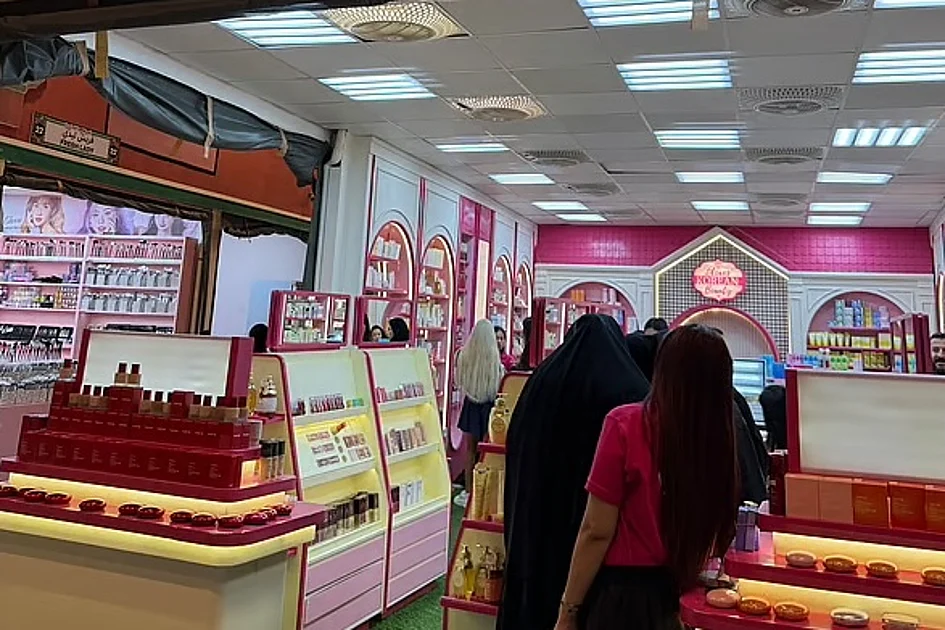
In a landmark announcement on November 18, 2025, the UAE and South Korea unveiled plans to establish ‘K-City,’ a comprehensive hub dedicated to Korean culture, cuisine, and business in the UAE. This initiative, born from a high-level meeting between the two nations’ presidents, aims to solidify the UAE’s position as the Middle Eastern epicenter for Korean cultural exchange. The project builds on the success of the recent K-content expo in Dubai, which saw significant participation from both government and private sectors. The UAE has long been a hotspot for Korean culture, with the Hallyu wave captivating the younger generation. K-pop concerts, K-drama events, and Korean restaurants consistently draw large crowds, while K-beauty products have become staples in the local market. ‘K-City’ will further enhance these cultural ties by fostering active people-to-people exchanges. This ambitious project is expected to deepen bilateral relations and create exciting opportunities for Korean culture enthusiasts in the Emirates.
-
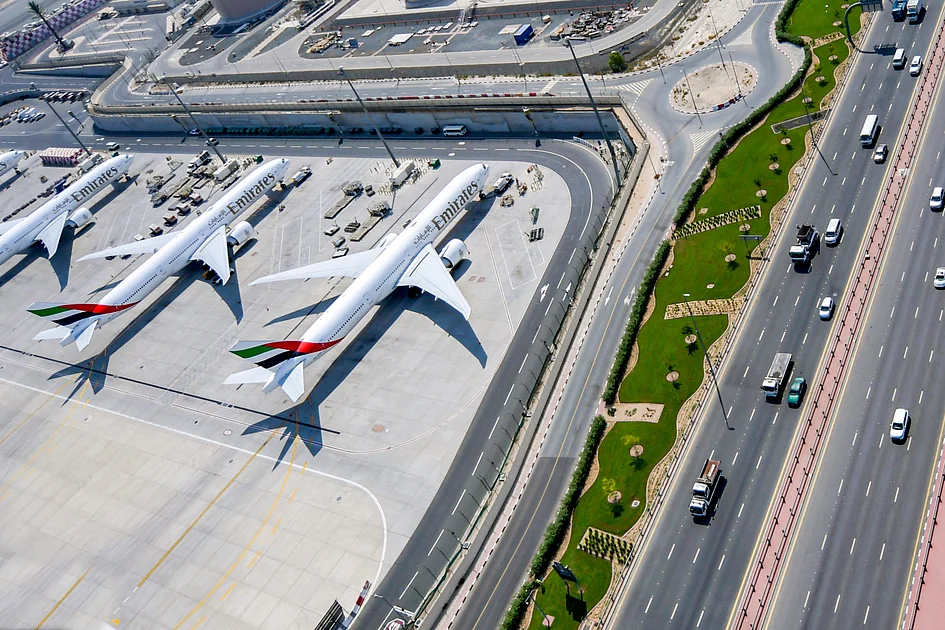
DXB traffic at 70.1 million in first 9 months; 2 mishandled bags per 1,000 guests
Dubai International Airport (DXB) has achieved unprecedented growth in 2025, handling 70.1 million passengers in the first nine months, marking a 2.1% increase compared to the same period last year. The airport also reported a record-breaking quarterly performance, welcoming 24.2 million passengers between July and September, a 1.9% year-on-year rise. This milestone solidifies DXB’s position as the world’s busiest international airport, with a twelve-month rolling traffic reaching 93.8 million passengers by the end of September. India remained the top source market, contributing 8.8 million passengers, followed by Saudi Arabia, the UK, Pakistan, and the US. London led as the most popular city destination, with 2.8 million passengers. Aircraft movements surged to 336,000 flights in the first nine months, up 2.7% year-on-year, with an average of 213 passengers per aircraft. Baggage handling efficiency also hit new heights, with 63.8 million bags processed, 90% of which were delivered within 45 minutes of arrival. Mishandled baggage rates remained impressively low at two per 1,000 guests. The airport’s operational excellence was further highlighted by swift passport control and security screening, with 99.6% of departing passengers clearing immigration in under 10 minutes and 99.7% completing security checks in less than five minutes. Paul Griffiths, CEO of Dubai Airports, emphasized the focus on intelligent growth through technology, sustainability, and superior guest experiences to redefine global travel.
-
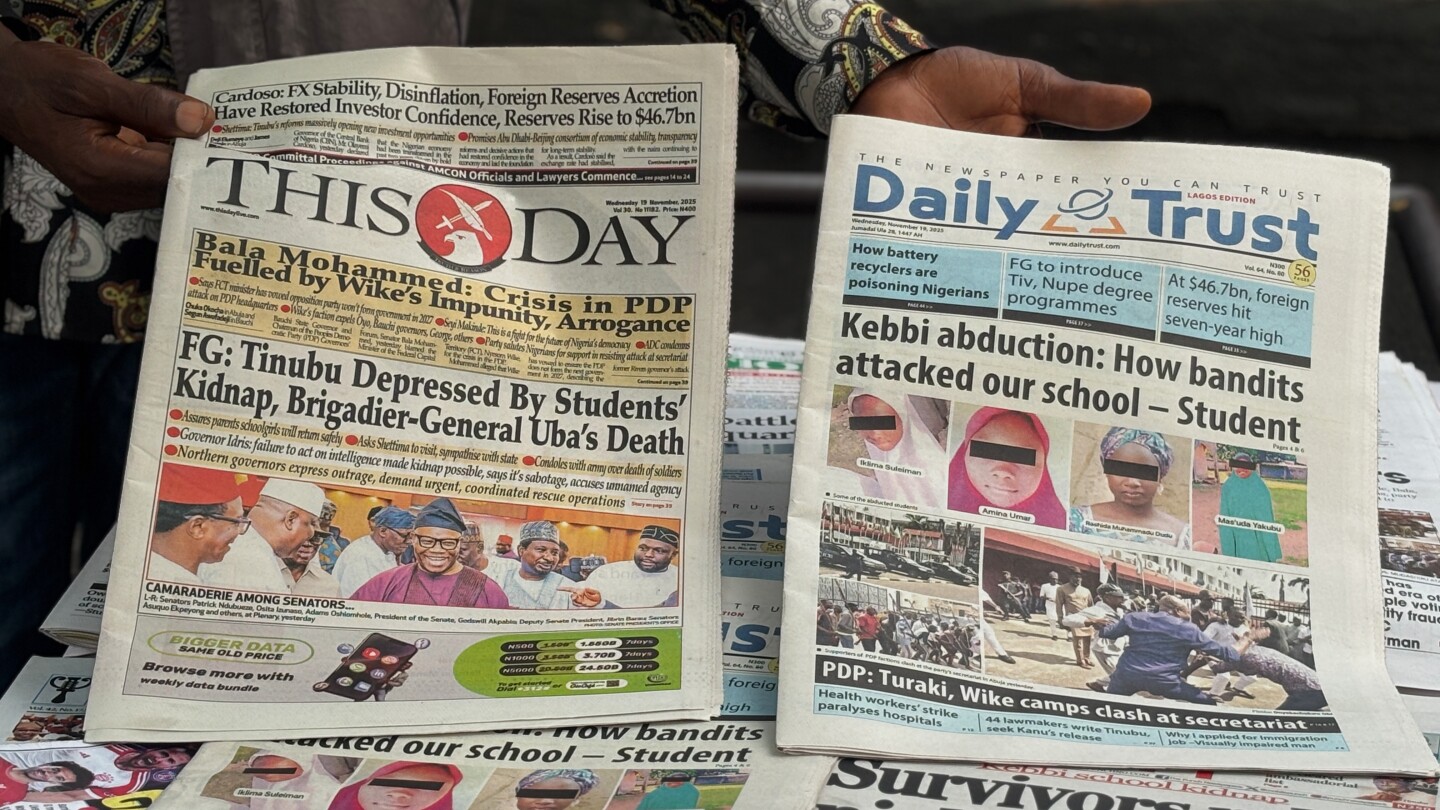
Nigeria’s president promises to intensify efforts to rescue 24 abducted schoolgirls
In a distressing incident that has shaken the nation, 24 schoolgirls were abducted by armed gunmen from the Government Girls Comprehensive Secondary School in Maga, Kebbi State, Nigeria. The attack occurred in the early hours of Monday, when the assailants scaled the school’s fence, engaged in a gunfight with security personnel, and forcibly took the girls after killing a staff member. While no group has claimed responsibility, local analysts attribute the kidnapping to criminal gangs, often former herders, who target schools and communities for ransom amid ongoing resource conflicts in the region.
Among the abducted, 15-year-old Hawau Usman managed to escape during the chaos. She recounted her harrowing experience, stating that she fled when the gunmen were distracted and sought refuge at a teacher’s house after finding no response at the principal’s residence. Nigerian President Bola Tinubu has since directed security agencies to act swiftly to rescue the remaining girls, emphasizing the disruption of education by what he termed ‘heartless terrorists.’
This incident is part of a broader pattern of school abductions in Nigeria, with over 1,500 students seized since the infamous Chibok schoolgirls kidnapping by Boko Haram in 2014. Analysts and residents have criticized the government for its failure to prosecute known attackers and address corruption, which has hampered security efforts. Usman Muhammad, whose daughter narrowly escaped, expressed his lack of trust in authorities until all the girls are safely returned and security measures are strengthened.
Security experts, including Abuja-based analyst Senator Iroegbu, have called for intelligence-driven operations to locate the abductors while ensuring the safety of the girls. Negotiations, potentially involving ransom, may be necessary if contact is established. Meanwhile, Nigeria’s Chief of Army Staff, Lt. Gen. Waidi Shaibu, has mobilized military and vigilante groups to conduct relentless search operations in the region. Local residents, however, lament the insufficient number of vigilantes, who are more familiar with the terrain, and criticized security forces for ignoring prior warnings about suspicious activities in the area.
The abduction has reignited concerns about the safety of educational institutions in Nigeria, with calls for immediate action to prevent future tragedies.
-
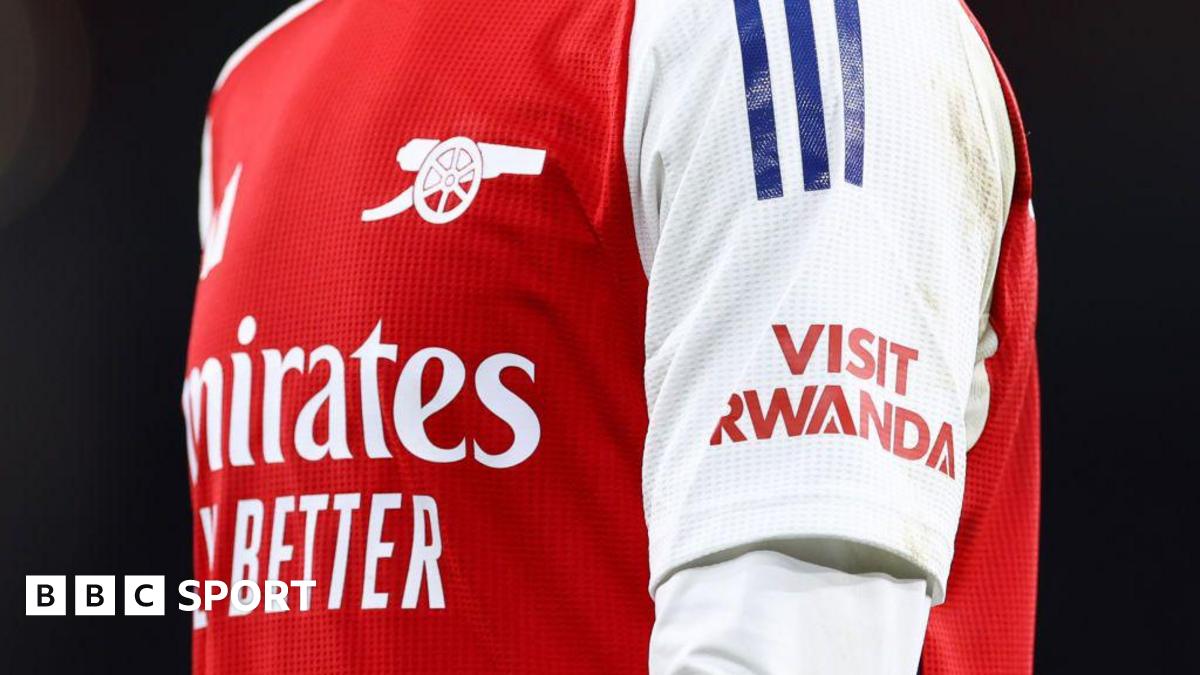
Arsenal to end sponsorship deal with Visit Rwanda
Arsenal Football Club has announced the termination of its eight-year sponsorship agreement with Visit Rwanda, set to conclude at the end of the 2025-26 season. The partnership, which began in 2018 and reportedly valued at over £10 million ($13.3 million) annually, has faced increasing scrutiny due to escalating violence in the eastern Democratic Republic of Congo (DRC), a region bordering Rwanda. Despite a recent framework for peace signed between Rwandan-backed M23 rebels and the Congolese government, the sponsorship has drawn criticism from humanitarian groups and activists. Campaigners, including the group Gunners for Peace, have protested outside Emirates Stadium, urging the club to sever ties with Visit Rwanda, citing the humanitarian crisis in the DRC. Arsenal stated that the partnership had achieved its original goals of promoting conservation, sustainable tourism, and Rwanda’s ambition to become a sporting hub in Africa. However, the club emphasized its commitment to aligning sponsorships with its core values. Meanwhile, other clubs like Paris St-Germain and Atletico Madrid continue their associations with Visit Rwanda, sparking debates about the ethical implications of such deals in the world of sports.
-
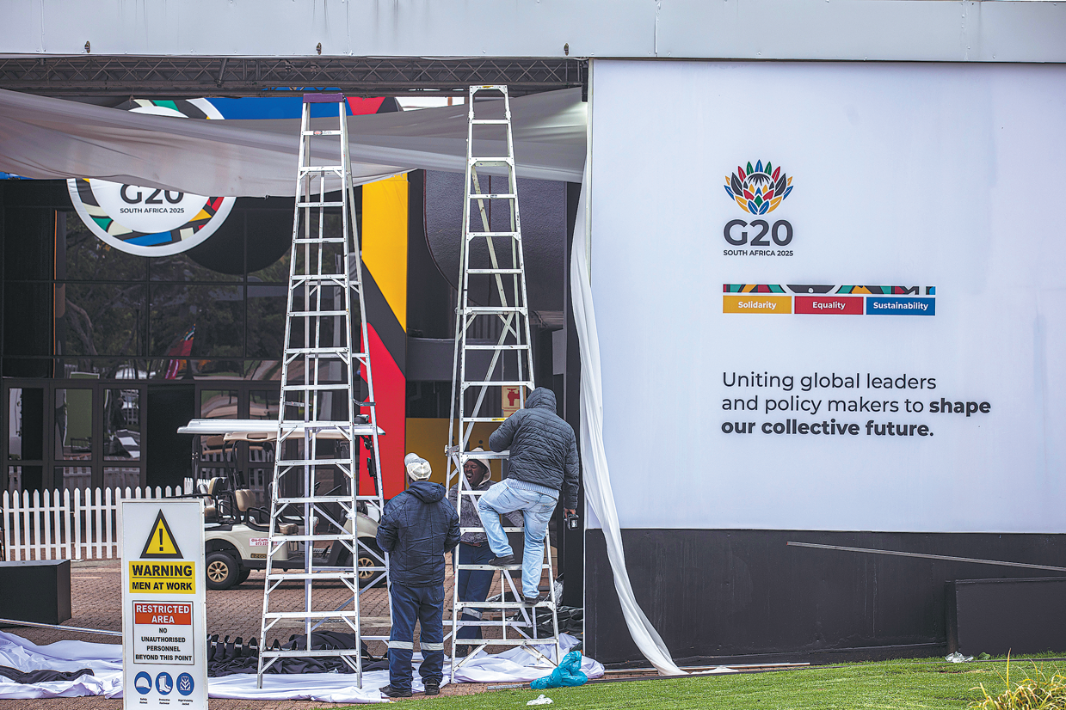
Energy cooperation with China to boost Africa’s green transition
As South Africa prepares to host the first-ever G20 summit on African soil, the spotlight is on the transformative potential of China-Africa energy cooperation in driving a just and inclusive green transition. Experts emphasize that this partnership could redefine Africa’s role in the global climate and industrial transformation, moving the continent from the periphery to the center of sustainable development.
-
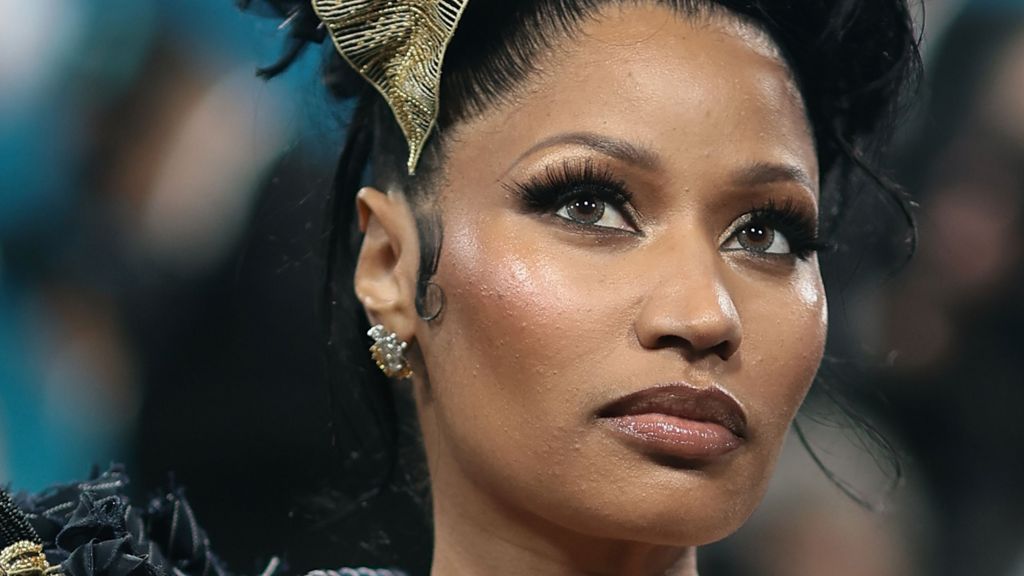
Christians in Nigeria ‘driven from their homes and killed’, Nicki Minaj says
Nicki Minaj, the Trinidadian-American rap superstar, has publicly supported former U.S. President Donald Trump’s allegations of Christian persecution in Nigeria. Speaking at a United Nations event organized by the U.S. on Tuesday, Minaj stated, ‘In Nigeria, Christians are being targeted. Churches have been burned, families have been torn apart… simply because of how they pray.’ Her comments align with Trump’s recent threats to deploy U.S. troops to Nigeria if the government fails to address the alleged violence against Christians. However, the Nigerian presidency has countered these claims, emphasizing that the widespread violence in the country affects all citizens, regardless of religious or ethnic background. Minaj, whose real name is Onika Tanya Maraj-Petty, clarified that her advocacy is not about division but about ‘uniting humanity’ and standing against injustice. She expressed gratitude to Trump for prioritizing the issue and acknowledged Nigeria’s rich cultural and faith traditions. U.S. Ambassador to the UN, Mike Waltz, praised Minaj for using her platform to highlight the atrocities. While right-wing campaigners in Washington have accused Islamist militants of systematically targeting Christians, analysts argue that much of the violence is driven by disputes over resources and ethnic tensions rather than religion. Nigeria’s government maintains that terrorists attack all who oppose their ideology, regardless of faith. Minaj’s appearance at the UN marks her most significant political intervention to date. The rapper, who has faced criticism for spreading COVID-19 vaccine misinformation and her ongoing feud with Cardi B, emphasized her commitment to justice, stating, ‘The Barbz & I will never stand down in the face of injustice.’
-
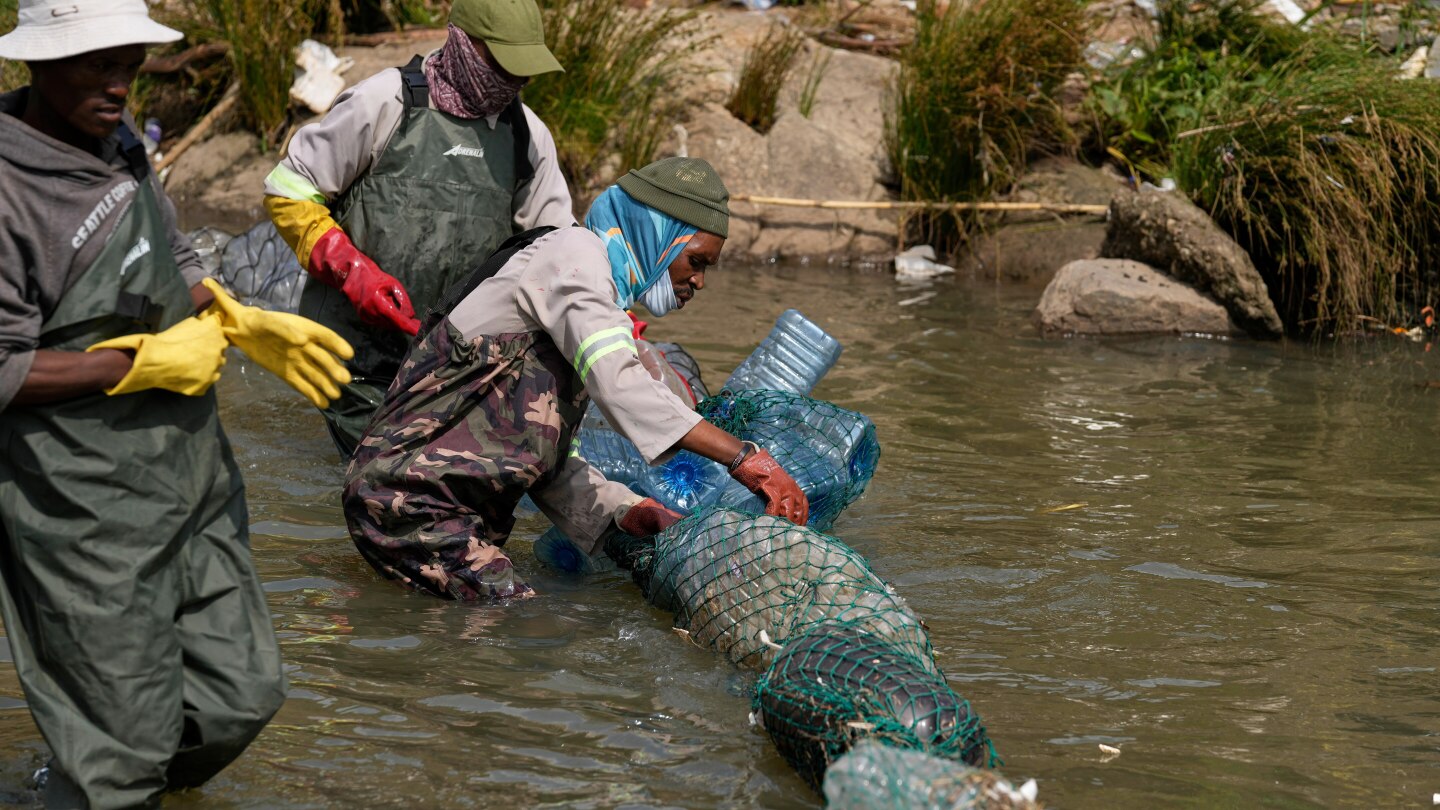
Africa hosts its first G20 and urges the rich world to do more against climate disasters
In the heart of South Africa’s oldest township, Alexandra, volunteers clad in wetsuits wade into the polluted Jukskei River to repair damaged garbage nets, a critical defense against flooding that threatens the shacks of this low-lying community. This scene underscores the urgent climate challenges facing South Africa as it hosts the Group of 20 (G20) summit in Johannesburg, marking the bloc’s first meeting on African soil. The summit aims to prioritize issues affecting impoverished nations, particularly the escalating impacts of climate change. South Africa is poised to call on wealthier nations and international financial institutions to bolster support for developing countries grappling with climate-induced disasters. Alexandra, home to over half a million residents, lies just steps away from Sandton, Johannesburg’s affluent financial hub. Yet, frequent flooding isolates the township, leaving children stranded and unable to attend school. Semadi Manganye, co-founder of the Alexandra Water Warriors, describes the situation as a “big hazard,” highlighting the stark contrast between wealth and poverty in the region. The climate crisis exacerbates inequality, a point emphasized by Binaifer Nowrojee, president of the Open Society Foundations, who notes that poor nations face a dire choice between economic growth and climate action. The World Bank reports that natural disasters have surged nearly eightfold in the poorest countries over the past four decades. Southern Africa, in particular, has endured devastating tropical storms, such as Cyclone Idai in 2019, which caused $2 billion in damages across Mozambique, Malawi, and Zimbabwe. The region also suffered from severe droughts last year, crippling agriculture and deepening poverty. Climate financing remains a contentious issue, with rich nations pledging $300 billion annually by 2035 to aid developing countries, though experts argue $1 trillion per year is needed by 2030. The absence of the United States, one of the world’s largest polluters, from the G20 summit further complicates efforts to reach meaningful climate agreements. Meanwhile, South Africa’s own struggles with inequality and inadequate infrastructure exacerbate the climate crisis. Amnesty International’s recent report criticizes the government for failing millions living in informal settlements, who are disproportionately affected by flooding and other climate-related disasters. Despite these challenges, grassroots initiatives like the Alexandra Water Warriors offer hope. Since its formation in 2021, the group has planted trees, recycled waste, and engaged thousands in climate resilience projects, supported by a mix of public and private funding. As the G20 summit unfolds, South Africa seeks to champion green growth as a pathway to development, emphasizing that sustainable and resilient economies can drive faster progress.