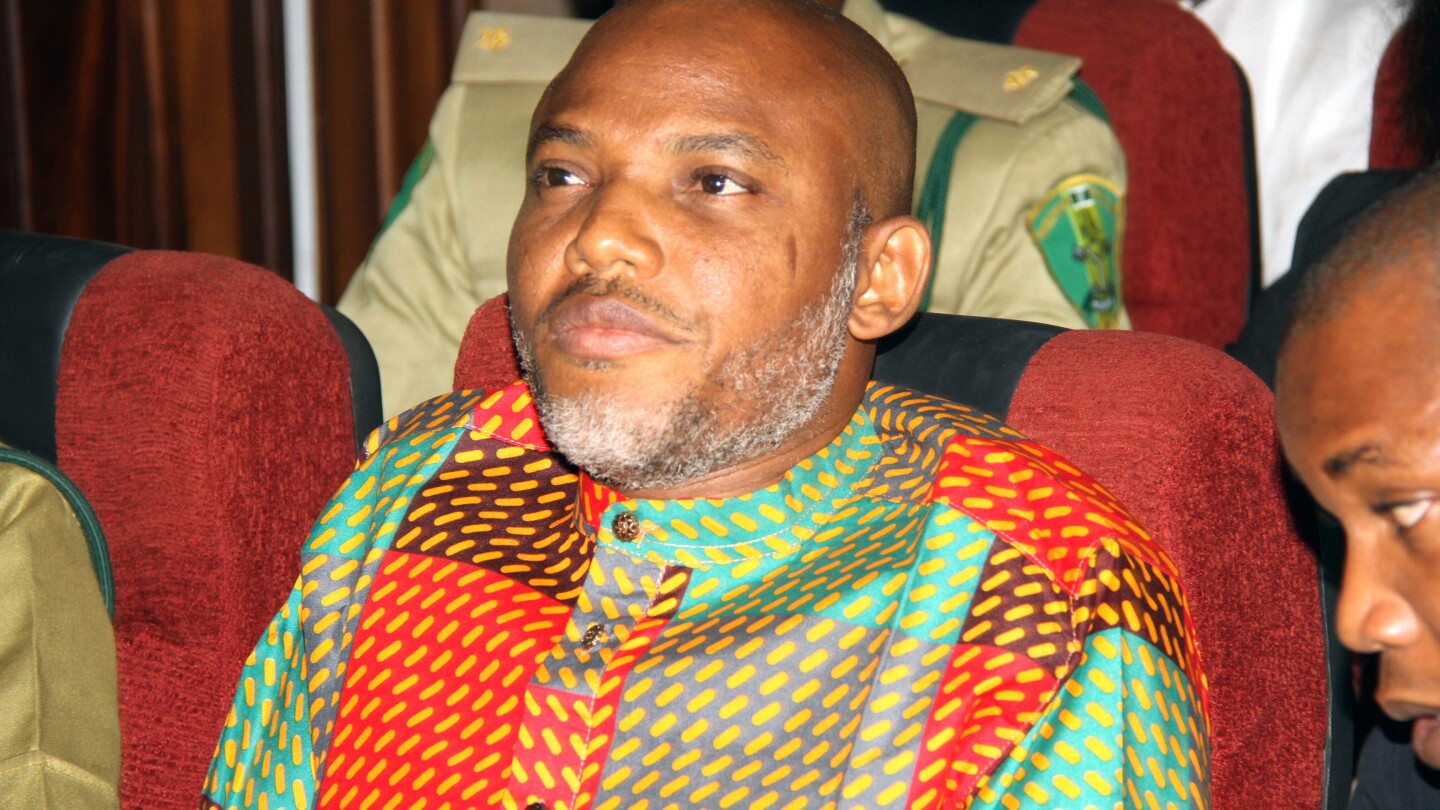
In a landmark ruling on Thursday, a Nigerian court found Nnamdi Kanu, the leader of the separatist group Indigenous People of Biafra (IPOB), guilty on seven counts of terrorism-related charges. Kanu, who has long advocated for the creation of an independent state in southeastern Nigeria, faced accusations of orchestrating acts of terrorism, enforcing violent stay-at-home orders, and inciting violence against government institutions. His actions have been linked to significant disruptions in the region, including weekly shutdowns every Monday, as well as the tragic loss of hundreds of lives and billions of dollars in economic damage. The charges also included allegations of providing instructions on bomb-making to target government facilities. Kanu’s arrest in 2021, following his extradition from Kenya, marked a turning point in the government’s efforts to curb separatist activities. Judge James Omotosho emphasized that while the right to self-determination is a political right, it must be exercised within the framework of Nigeria’s constitution. Kanu’s movement seeks to revive the short-lived Republic of Biafra, which existed from 1967 to 1970 and sparked a devastating civil war that claimed over 3 million lives. The conviction underscores the ongoing tensions between the Nigerian government and separatist groups in the country’s eastern region.
标签: Africa
非洲
-
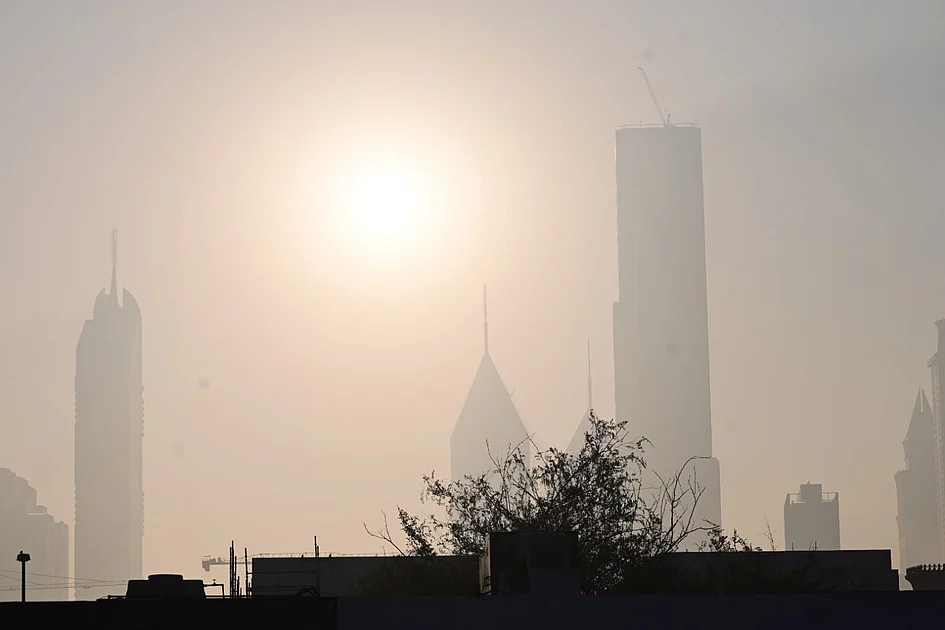
Look: Burj Khalifa, Burj Al Arab disappear behind curtain of fog on Thursday morning
On the morning of Thursday, November 20, 2025, residents and visitors in the United Arab Emirates witnessed a rare meteorological phenomenon as dense fog enveloped the region, obscuring some of the country’s most iconic landmarks. The Burj Khalifa, the world’s tallest building, and the luxurious Burj Al Arab hotel were among the structures that disappeared behind a thick curtain of fog. The unusual weather event, which began in the early hours, created a surreal visual spectacle, transforming the bustling urban landscape into a scene of ethereal beauty. Meteorologists attributed the fog to a combination of high humidity levels and cooler overnight temperatures, a common occurrence during the UAE’s winter months. The fog persisted until mid-morning, gradually dissipating as the sun rose higher in the sky. Social media platforms were flooded with images and videos of the fog-covered landmarks, with many users marveling at the rare sight. While the fog added a touch of mystique to the cityscape, it also prompted authorities to issue advisories for drivers, urging caution due to reduced visibility on the roads. The event served as a reminder of the UAE’s unique climatic conditions and the occasional surprises they bring.
-

UAE weather: Red alert issued for fog as visibility drops
The United Arab Emirates (UAE) has been gripped by severe fog conditions, prompting authorities to issue red and yellow alerts across the region. The National Centre of Meteorology (NCM) reported significantly reduced visibility, particularly in western areas over the sea and islands, leading to disruptions in daily activities. School buses were delayed, and motorists were advised to exercise extreme caution while driving. Sharjah Police emphasized the importance of maintaining safe distances between vehicles and reducing speed. Additionally, Abu Dhabi Police activated speed reduction systems on key roads, including Sweihan Road and the Abu Dhabi-Al Ain route, to ensure safety. The weather forecast predicts fair to partly cloudy conditions, with humidity expected to increase by night and into Friday morning. Light to moderate winds, reaching speeds of up to 40 km/hr, may cause blowing dust in some areas. Temperatures are expected to drop to lows of 23ºC in Dubai, 21ºC in Abu Dhabi, and 18ºC in Sharjah. The Arabian Gulf will experience slight to moderate sea conditions, while the Oman Sea remains calm. Authorities continue to monitor the situation and urge residents to stay updated on weather advisories.
-
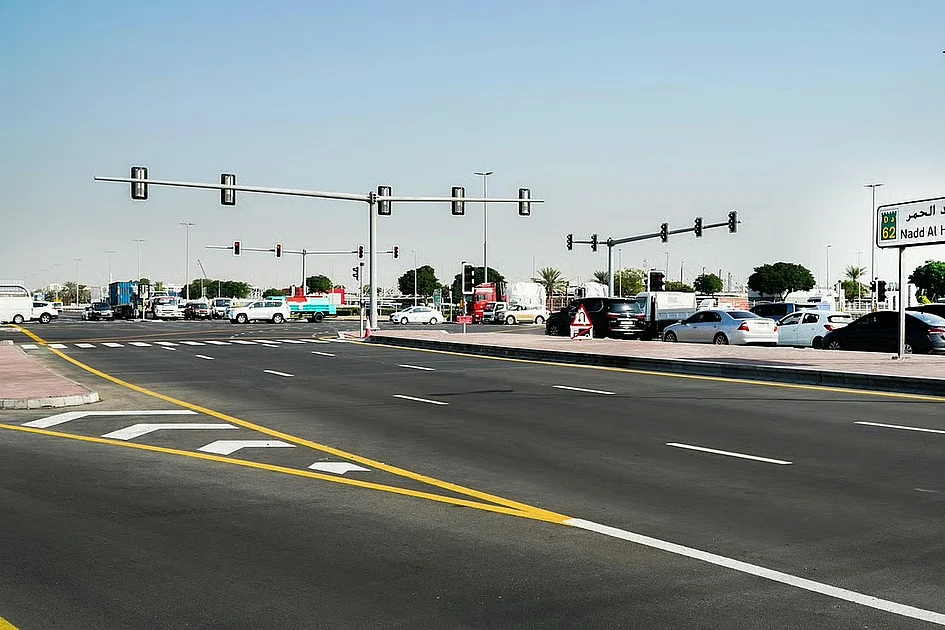
Dubai: New solid-line road markings surprise daily commuters, lead to fines
Dubai’s daily commuters have been taken aback by the sudden appearance of new solid-line road markings on major routes such as Ittihad Road, Baghdad Street, the Airport Tunnel, E311, and E611. These ‘no passing lines,’ designed to regulate traffic flow, have left many drivers struggling to adapt, resulting in unexpected fines. The markings, which are positioned close to exits, have made quick lane changes difficult for motorists accustomed to the previous patterns. According to the Roads and Transport Authority (RTA), these continuous white lines prohibit overtaking, lane switching, or turning, and violations incur penalties. Residents like Basha S, who frequently use these roads, have expressed frustration over the lack of prior notice or signage. Basha recently received a Dh400 fine for overtaking on one of the new lines, stating that the markings appeared suddenly without warning. Similarly, C George, a commuter on E311, was fined after unintentionally crossing a solid line near Exit 63. While some drivers acknowledge the safety benefits of the new system, they have called for clearer communication and advance warnings to help them adjust. Ahmed Salah, a daily driver on Airport Tunnel Road, emphasized the need for signage indicating ‘no lane change ahead’ to prevent fines and confusion. Motorists have urged authorities to provide better guidance as the new markings are rolled out, stressing that while safety measures are welcome, smoother implementation is essential.
-
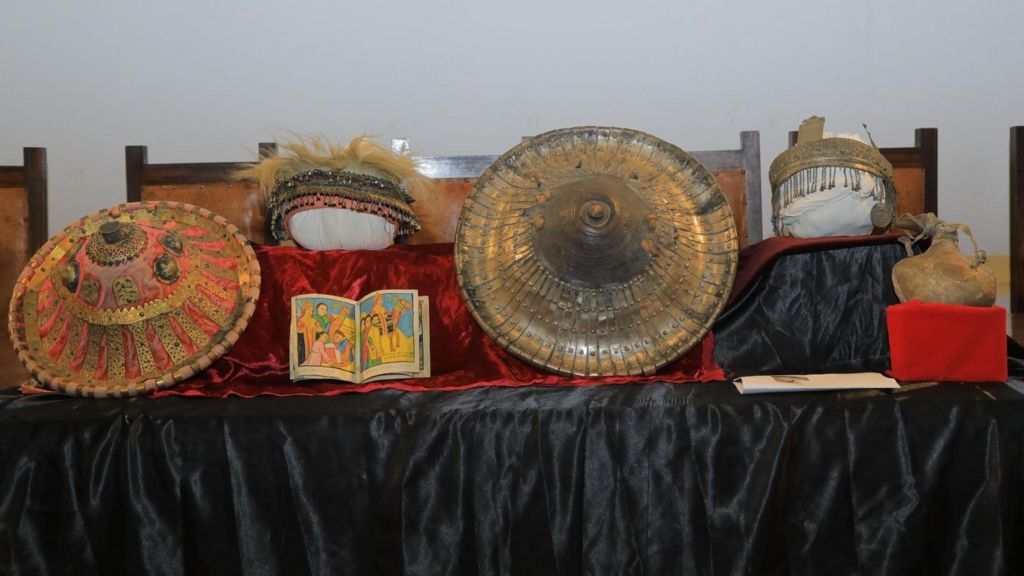
Ethiopia receives historic artefacts held in Germany for 100 years
In a significant cultural restitution, twelve historical artefacts have been officially returned to Ethiopia after being held by a German family for over a century. The collection, which includes crowns, shields, and paintings of immense cultural and historical value, was originally gathered in the 1920s by Franz Weiss, Germany’s then-envoy to Ethiopia, and his wife Hedwig. The artefacts were ceremoniously handed over to the Institute of Ethiopian Studies at Addis Ababa University on Wednesday. Germany’s current envoy to Ethiopia, Ferdinand von Weyhe, emphasized that these items symbolize the enduring and amicable relationship between the two nations. Professor Ramon Wyss, whose father was born during the family’s diplomatic tenure in Ethiopia, facilitated the return, expressing the family’s desire to share these treasures with the public and preserve the cultural and historical legacy tied to his father’s birthplace. Ethiopia’s Tourism Minister, Selamawit Kassa, lauded the Weiss family for their dedication to preserving and returning these artefacts, marking this event as a pivotal moment in safeguarding Ethiopia’s cultural heritage. The artefacts will soon be accessible to the public for research and academic study. This repatriation aligns with broader efforts by African nations to reclaim looted cultural items, a movement that has seen some success in recent years, including Germany’s 2022 return of the Benin Bronzes to Nigeria as part of its reckoning with colonial history.
-
Africa sees rising role in global governance
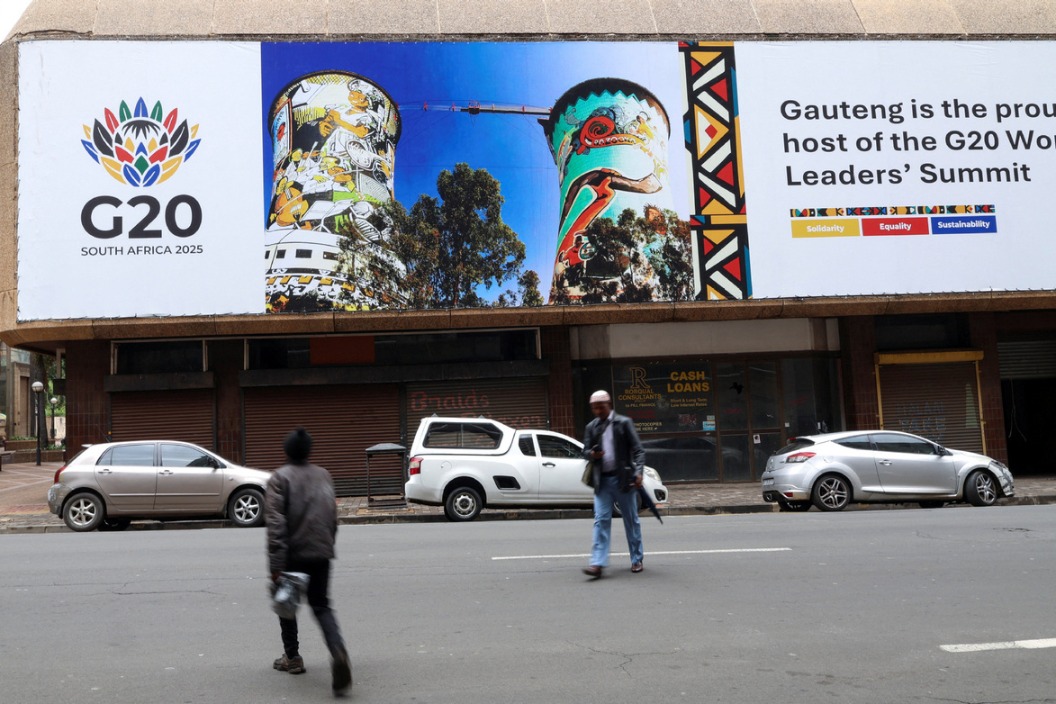
Africa is increasingly asserting its influence on the global stage, transitioning from a passive participant to an active shaper of international governance. This shift is underscored by the African Union’s (AU) inclusion in the G20 and its deepening engagement within the BRICS+ framework. The continent is leveraging these platforms to advocate for critical issues such as climate justice, trade equity, debt reform, digital sovereignty, and the restructuring of the global financial system. Experts highlight that Africa’s growing role is a response to the inadequacies of existing financial institutions, which were historically designed to serve Western interests rather than those of Africa and the Global South. Gordon K’Achola, CEO of the Nairobi-based nonprofit One Stop Development Agency, emphasized that Africa’s strategic importance, particularly in the global green transition driven by its vast mineral resources like cobalt, copper, and lithium, makes its inclusion in global discussions indispensable. The continent’s shift from ‘norm-taker’ to ‘norm-shaper’ is evident in its active participation in BRICS+, where countries like Egypt, South Africa, and Ethiopia are already members. K’Achola stressed that Africa must embrace broader engagement and reform its internal policies to capitalize on this momentum. James Shikwati, director of the Inter Region Economic Network, noted that Africa’s governance structures, originally designed for a unipolar world, must adapt to the emerging multipolar order. He believes Africa’s abundant natural resources, youthful population, and rapid urbanization position it to play a pivotal role in global supply chains and geopolitical frameworks. African leaders are also using platforms like the G20 and BRICS+ to push for equitable debt restructuring and fair financing conditions. K’Achola further highlighted the importance of the African Continental Free Trade Area (AfCFTA) in fostering intracontinental trade and reshaping global business norms. To solidify its influence, Africa must project a unified voice and pursue a policy-driven agenda within international forums.
-
Leaders press on with G20 summit in South Africa that won’t have US and Trump
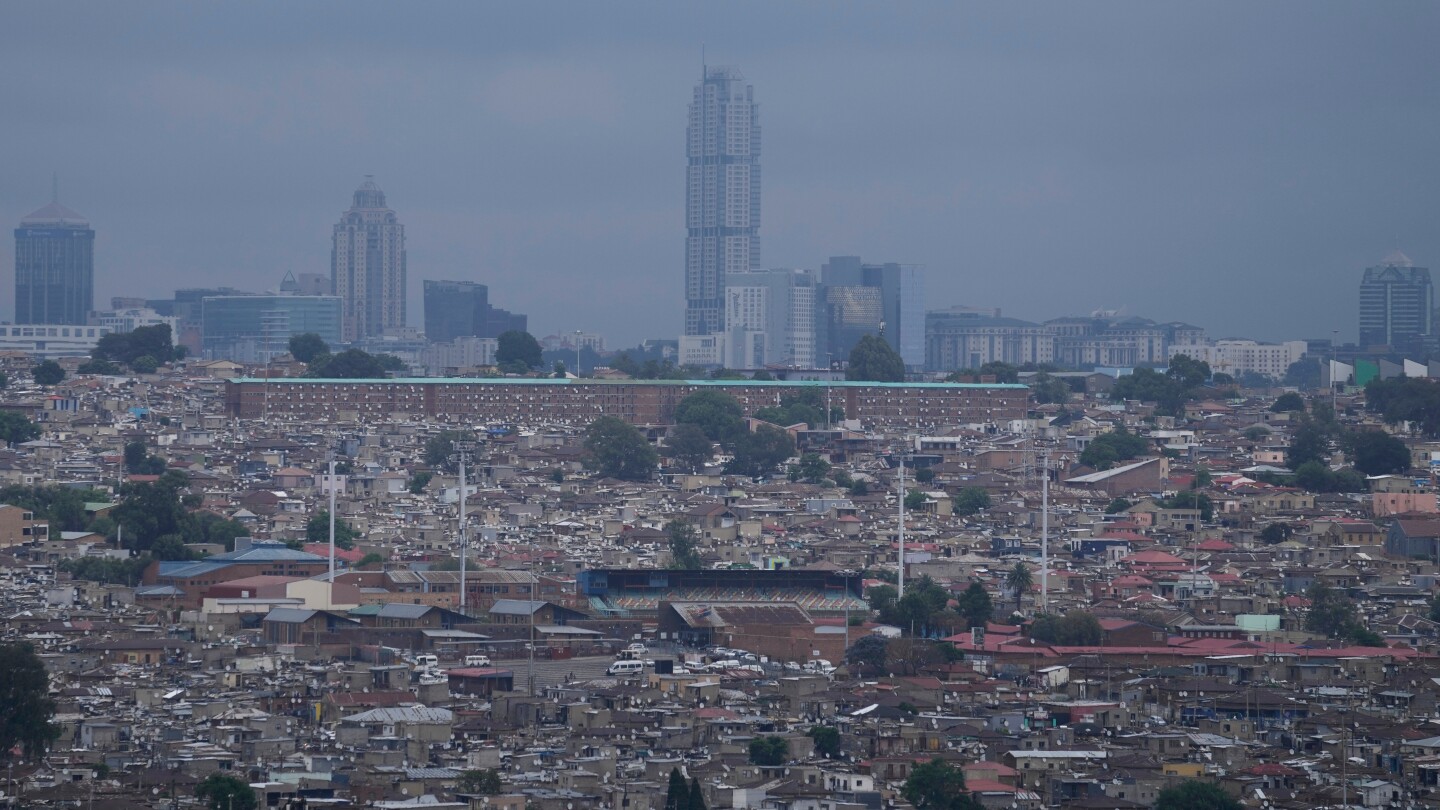
The Group of 20 (G20) summit, hosted for the first time in Africa, is underway in Johannesburg, South Africa, but the absence of U.S. President Donald Trump and his administration has overshadowed the event. Trump’s boycott, citing alleged discrimination against South Africa’s white farmers, has sparked controversy and dominated discussions, diverting attention from the summit’s agenda, which includes climate resilience, debt sustainability for poor nations, and global inequality. South African President Cyril Ramaphosa has refuted Trump’s claims, calling them ‘completely false.’
The U.S. boycott extends beyond Trump’s absence, with no U.S. officials attending the summit. The U.S. has also discouraged member nations from adopting a ‘Leaders Declaration,’ which would signify multilateral consensus. This move has raised concerns about the summit’s effectiveness, though South Africa’s Foreign Minister Ronald Lamola views it as an opportunity to demonstrate that the world can progress without U.S. involvement, albeit with challenges.
Other notable absences include Russian President Vladimir Putin, who faces an arrest warrant from the International Criminal Court over Russia’s war in Ukraine, and Chinese President Xi Jinping, who has sent Premier Li Qiang as his representative. Despite these absences, Johannesburg has been bustling with preparations, including street clean-ups and vibrant decorations.
South Africa, as the G20 president, is focusing on advancing an inclusive agenda, particularly addressing the needs of poor nations. Key issues include securing financing for climate change mitigation, with experts estimating a need for $1 trillion annually by 2030. The African Union plans to advocate for African countries facing climate and financial challenges, while experts emphasize the importance of global governance reform to ensure all regions, including Africa, have a meaningful voice in global priorities.
Support for the summit remains strong among other major nations, including France, Germany, and the United Kingdom, whose leaders are expected to attend. U.N. Secretary-General António Guterres has also confirmed his participation, expressing commitment to advancing international financial reforms and sustainable development in Africa.
-
Europe’s semiconductor dreams confront business realities
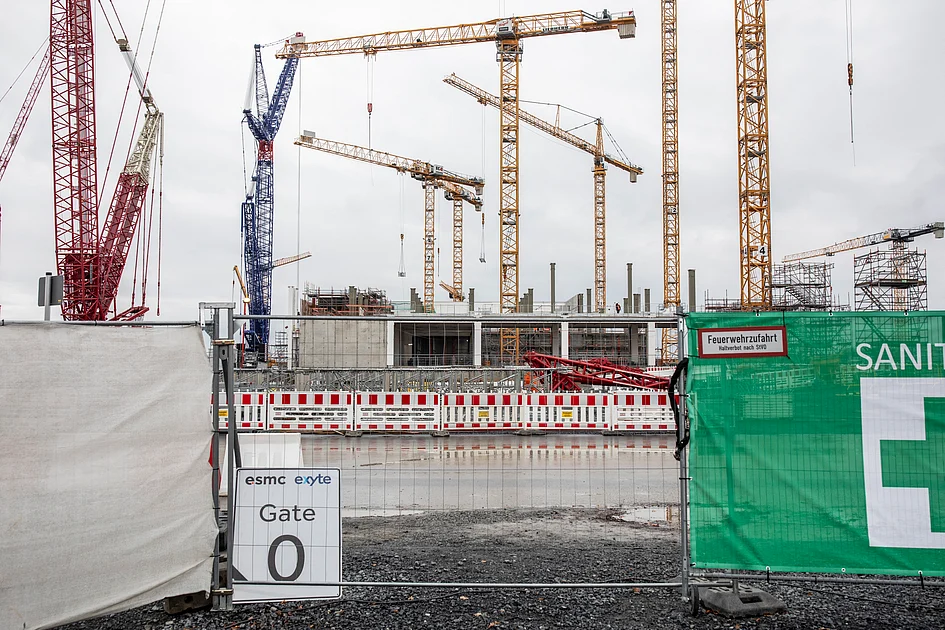
Europe’s aspirations to bolster its semiconductor industry are encountering significant challenges as it seeks to reduce its reliance on global supply chains. Currently, Europe produces less than 10% of the world’s advanced chips, a figure that European officials aim to double by 2030 with the assistance of Taiwan Semiconductor Manufacturing Co. (TSMC). This ambitious goal comes in response to supply chain disruptions during the COVID-19 pandemic and geopolitical tensions surrounding Taiwan, which dominates global chip production. Germany, alongside the United States and Japan, is investing heavily in domestic chip manufacturing. A joint venture between TSMC and European chipmakers, including Bosch, Infineon, and NXP, is constructing a €10 billion ($11 billion) facility near Dresden, expected to commence operations in 2027. The project aims to transform the region into a hub for semiconductor innovation, dubbed “Silicon Saxony.” However, the initiative faces obstacles such as complex permitting processes, labor laws, and environmental regulations. Additionally, Taiwanese suppliers supporting TSMC’s operations in Europe are grappling with visa issues, language barriers, and cultural integration. The high costs of building factories in Europe, nearly double those in Taiwan, further complicate the endeavor. Despite these challenges, European officials remain optimistic, viewing the TSMC project as a catalyst for job creation and economic growth. Meanwhile, concerns persist in Taiwan about the potential dilution of its semiconductor dominance as TSMC expands globally. Former Taiwanese President Tsai Ing-wen recently visited the Dresden site, urging Taiwanese engineers to remain connected to their homeland while contributing to the global semiconductor industry.
-

Digital readiness and e-commerce surge drive Buy Now, Pay Later adoption in UAE
The United Arab Emirates (UAE) is witnessing a seismic shift in consumer finance, driven by the rapid adoption of Buy Now, Pay Later (BNPL) services. This transformation is fueled by the nation’s robust digital infrastructure, a tech-savvy population, and a booming e-commerce sector. With smartphone penetration projected to reach 90% by 2030 and mobile wallets becoming ubiquitous, BNPL is redefining shopping habits and business models across the Emirates.
-
Abu Dhabi Securities Exchange celebrates 25 years of growth and innovation
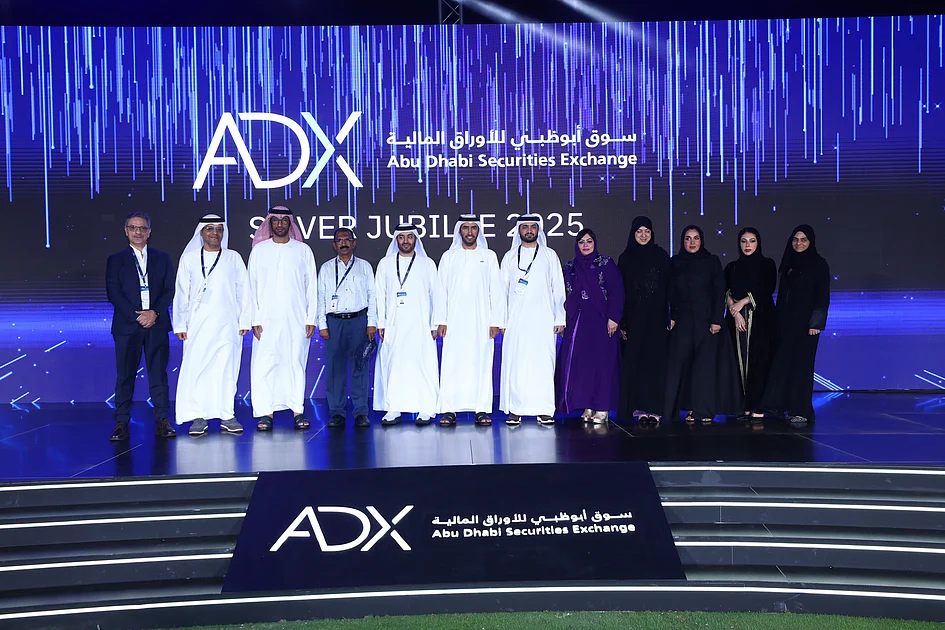
The Abu Dhabi Securities Exchange (ADX) commemorates its 25th anniversary, marking a quarter-century of remarkable growth, innovation, and global influence. Established in 2000 with a modest foundation of 12 listed companies and local investors, ADX has evolved into a powerhouse in the financial world. Today, it boasts over 200 listed securities, serves 1.2 million investors from more than 200 nationalities, and ranks among the top 20 exchanges globally by market capitalization, with a market value exceeding Dh3 trillion. Since 2020, ADX has facilitated IPOs raising approximately Dh59 billion, solidifying its position as a global hub for capital and investment. Ghannam Al Mazrouei, Chairman of the ADX Group, reflected on the exchange’s journey, emphasizing its transformation from a local market to a strategic gateway for global capital. The past five years have been particularly transformative, with IPO activity raising nearly Dh18 billion in 2023 and Dh12.8 billion in 2024. ADX-listed companies have distributed over Dh320 billion in cash dividends since 2020, achieving a compound annual growth rate of over 33%. Abdulla Salem Alnuaimi, Group CEO of ADX, highlighted the exchange’s forward-looking strategy, focusing on expanding products, deepening liquidity, embracing technology, and creating long-term value for stakeholders. ADX has also pioneered regional firsts, including exchange-traded funds, foreign sovereign bonds, blockchain-enabled eVoting, and the region’s first blockchain-based digital bond. Looking ahead, ADX aims to strengthen digital infrastructure, expand investment products, and deepen regional integration through platforms like Tabadul, which links six regional markets. With a legacy of innovation and a roadmap for future growth, ADX stands poised to continue empowering capital, investors, and sustainable prosperity for generations to come.